
Affordable Indoor Wedding Venues That Feel Special
An indoor wedding gives you dependable climate control, comfortable seating, and a clear plan for your ceremony and reception. You can create a warm, memorable setting in a community hall, private dining room, library, or small event space without putting most of your wedding budget toward the venue.
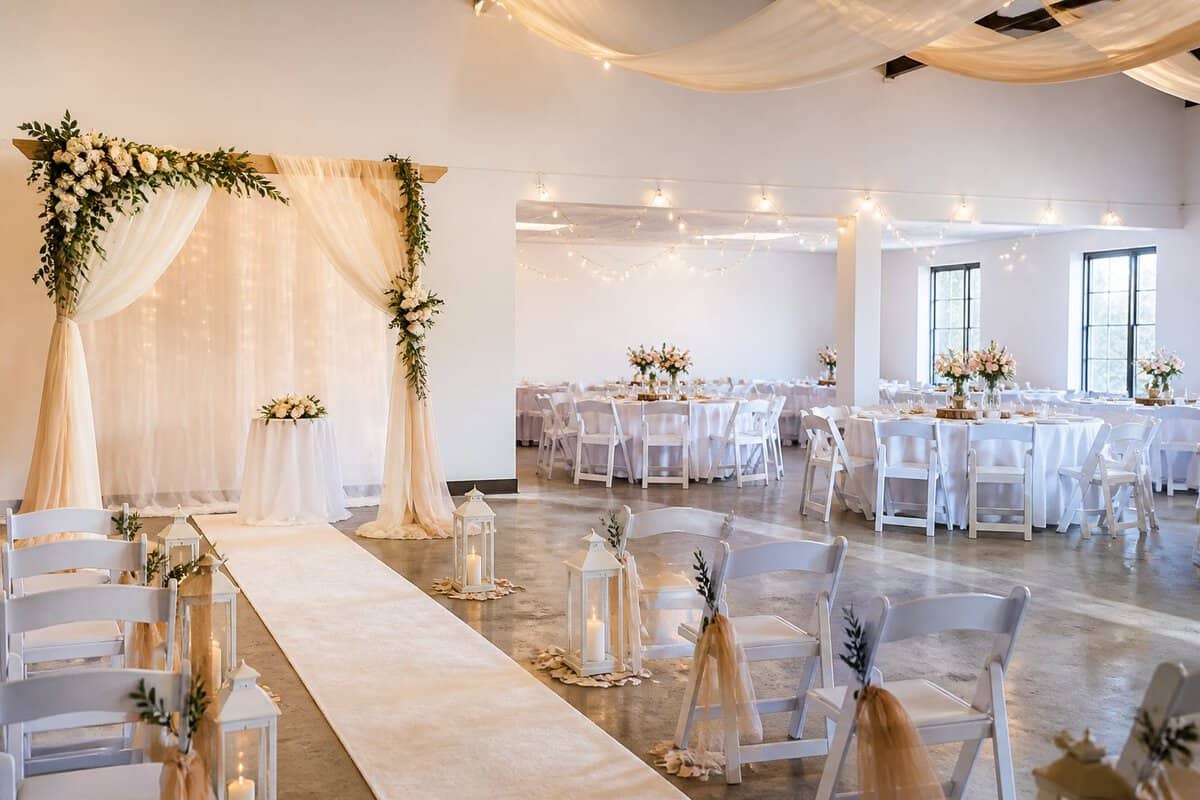
The best affordable wedding venues make your guest list, included services, and total wedding venue cost work together from the start. Review the full rental agreement, ask about added fees, and compare the complete package before you reserve a date. You can also explore these cheap wedding venue ideas for more ways to keep wedding planning on track.
What Makes an Indoor Venue Truly Affordable?
An indoor venue is affordable when its complete price fits your wedding budget after rentals, staffing, food, insurance, and fees are added. A low base rate can become expensive when you need to bring in every chair, table, restroom, and cleanup crew.
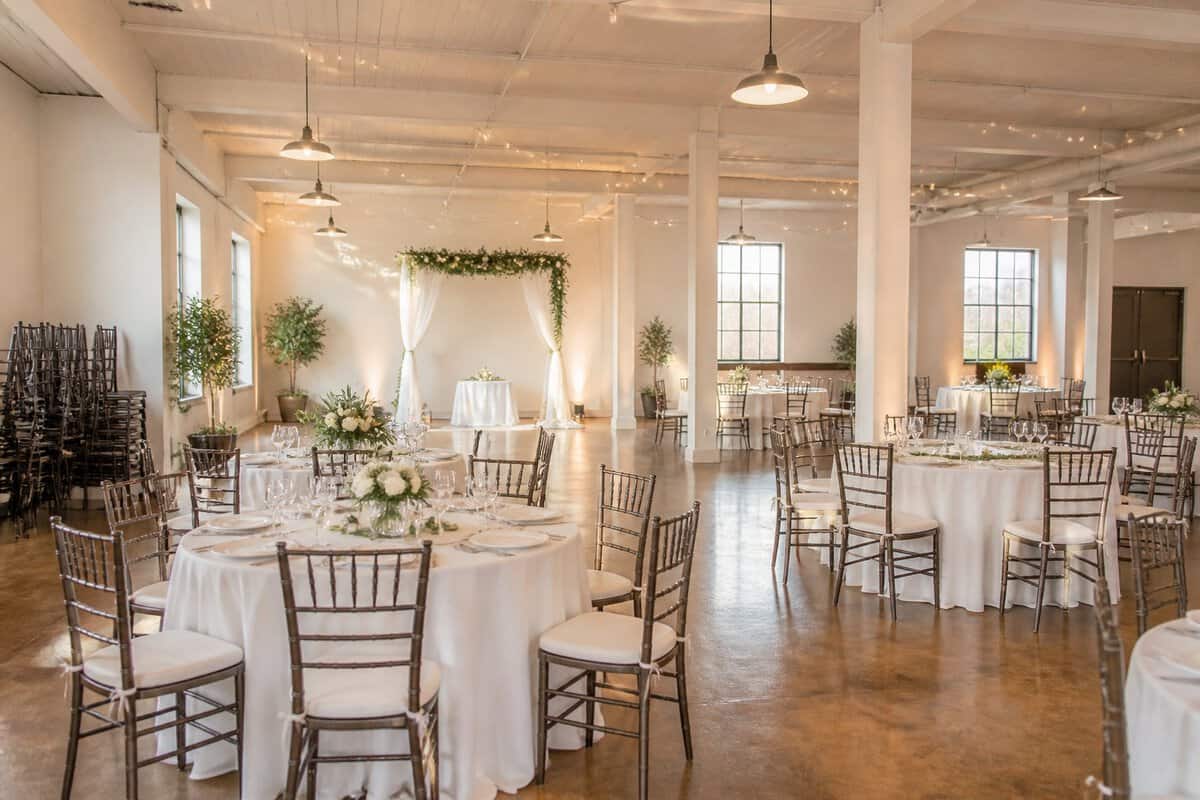
How Much Should You Allocate for the Venue?
Set a venue target before touring spaces. Many couples reserve about 20% to 30% of the total wedding budget for the venue, food service, and related event costs. Your guest count, location, date, and service level will shift that number.
For example, a $20,000 wedding budget gives you a starting venue range of $4,000 to $6,000. Keep a separate reserve for taxes, gratuity, transportation, attire, photography, and unexpected charges. Ask each venue for a written estimate based on your exact guest count.
Which Costs Belong in the All-In Venue Price?
Request one itemized quote that includes:
- Venue rental costs and security deposit
- Tables, chairs, linens, and basic setup
- Catering, cake-cutting, and bar service
- Staffing, cleanup, and trash removal
- Heating, cooling, sound equipment, and lighting
- Parking, insurance, and any permit fee
A space that includes tables and chairs might save you hundreds in rental charges. A venue with a required caterer or service minimum needs a close review because food and drink can exceed the room rental.
How to Compare Packages With À La Carte Rentals
Place each quote in a spreadsheet with the same categories and guest count. Record the base rate, included hours, overtime rate, required vendors, service charges, taxes, and deposits.
An all-in package works well when you need several services and prefer one point of contact. À la carte rentals suit couples who already have affordable vendors or want a short event. Compare the final totals, not the advertised starting price.
Low-Cost Indoor Venue Types to Consider
Community centers, restaurants, libraries, museums, galleries, campus spaces, and houses of worship offer attractive indoor settings at different price points. Focus on guest capacity, included furnishings, food rules, parking, and the amount of decorating you need.
Community Centers and Civic Halls
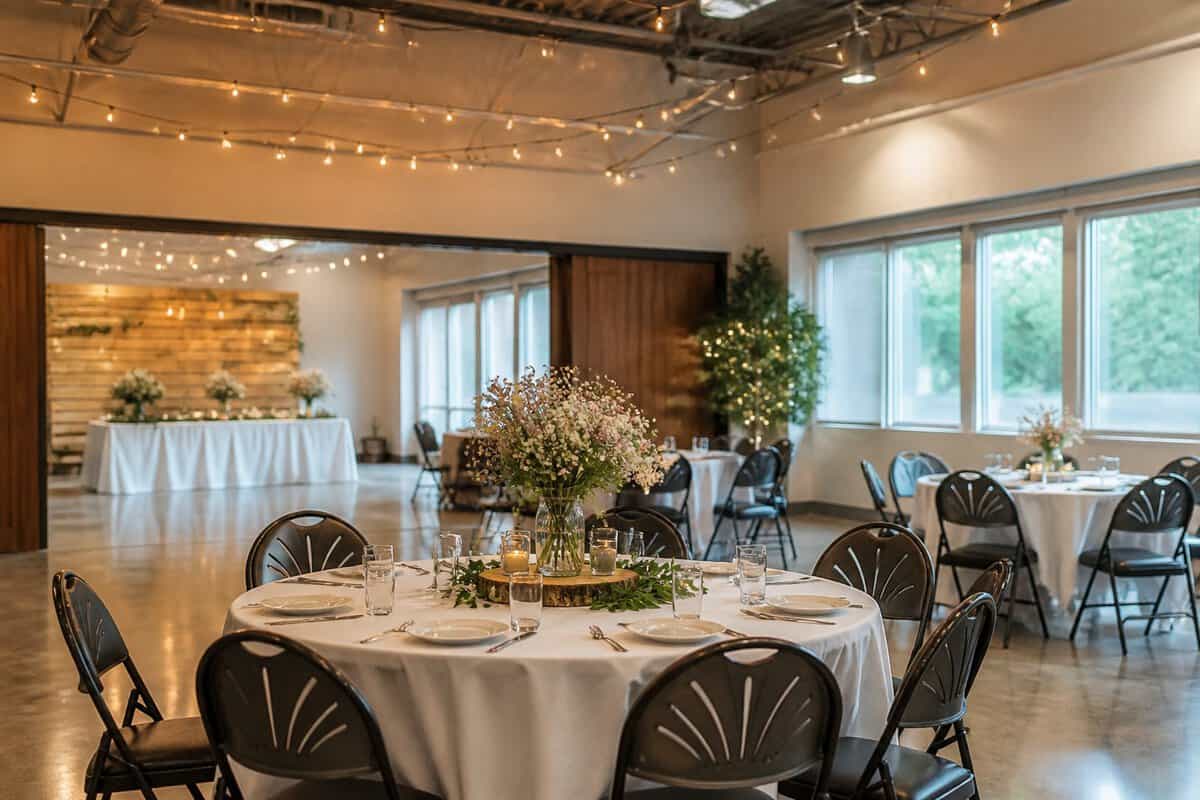
Community centers and civic halls are strong choices for a budget wedding venue because they often include a large room, kitchen access, tables, chairs, and restrooms. Their neutral design gives you room to add personal details with fabric, flowers, or string lights.
Ask about resident discounts, weekend hours, deposit rules, and required cleaning. Check whether the kitchen supports your caterer and whether the facility requires staff to remain during the event.
Restaurants With Private Dining Rooms
A restaurant wedding combines the room and meal in one booking. Private dining rooms work well for small wedding venues with seated dinners, and the existing lighting, furniture, and table settings reduce rental needs.
Ask about food and beverage minimums, service charges, cake policies, music limits, and the length of your reservation. A restaurant wedding can suit a smaller guest list when you want a polished meal with limited setup.
Historic Libraries, Museums, and Art Galleries
Historic libraries, museums, and art galleries give your wedding reception built-in character. Architectural details, display cases, murals, or tall windows can serve as décor while keeping your floral order focused.
Review event restrictions before booking a museum wedding venue. Some spaces limit candles, hanging décor, amplified music, photography areas, or food service. Confirm the guest path, accessibility, insurance needs, and closing time.
Campus Chapels and Event Spaces
Campus chapels and event spaces provide formal rooms for a ceremony, reception, or both. Universities may offer attractive halls during school breaks, especially for smaller events with flexible timing.
Ask who manages the booking, which dates are available, and whether outside vendors are allowed. Check parking, security, sound limits, and accessibility for older guests or visitors with mobility needs.
Churches and Other Houses of Worship
A church wedding can provide a meaningful ceremony space at a moderate rental cost, especially when you are part of the congregation. Some churches also rent fellowship halls for the wedding reception.
Review membership rules, premarital requirements, ceremony wording, music policies, alcohol restrictions, and decorating limits. A separate reception hall might be required, so include transportation and the second rental in your budget.
Small and Simple Ceremony Options
A courthouse wedding, home wedding, or small restaurant gathering reduces venue costs by limiting space, staffing, and guest services. You can keep the ceremony brief and direct more of your budget toward photography, food, attire, or a later wedding reception.
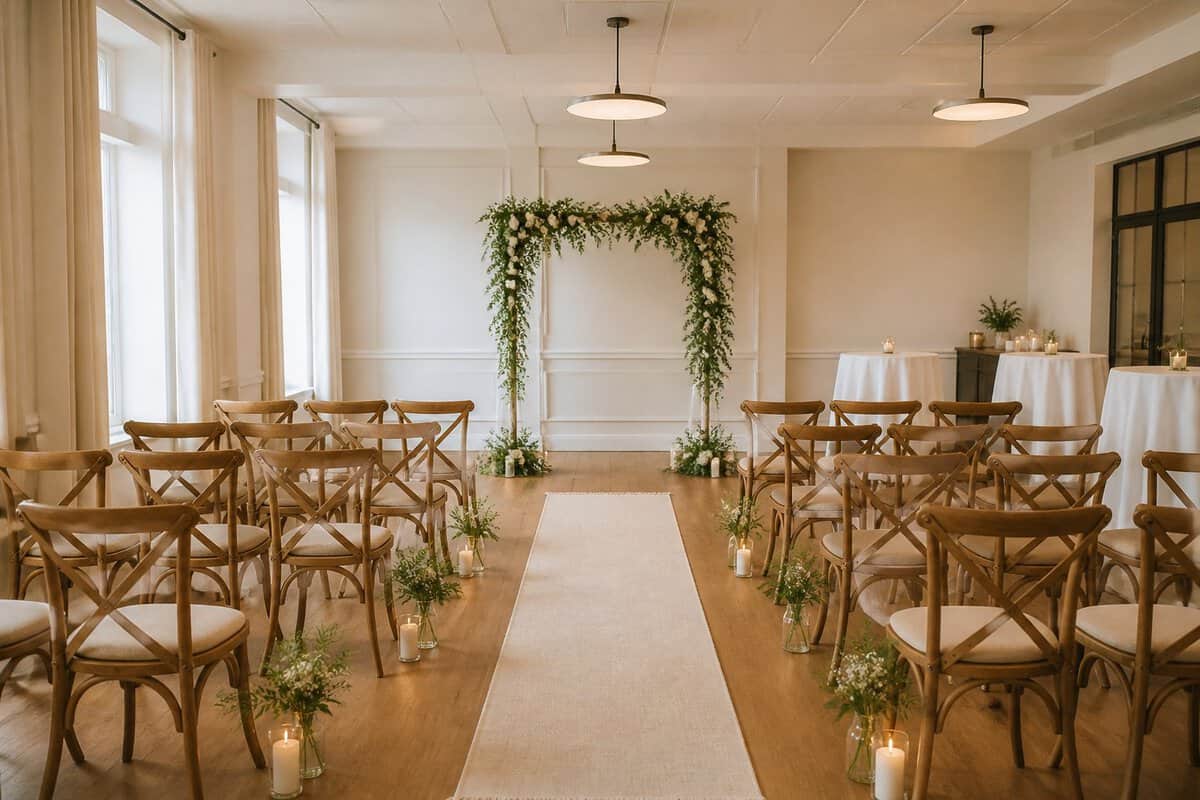
Planning a Courthouse Ceremony
Courthouse weddings offer a straightforward civil ceremony with a small guest list. Contact your county clerk before setting the date to confirm the marriage license process, identification requirements, waiting period, ceremony appointments, and accepted payment methods.
Plan a few personal details around the appointment, such as a photographer, flowers, a special meal, or portraits nearby. Some courthouses limit guest numbers and photography, so ask about those rules in advance.
Pairing a Civil Ceremony With a Restaurant Reception
A civil ceremony followed by a restaurant reception lets you separate the legal step from the celebration. Invite your closest guests to a private dining room, reserve a fixed menu, and choose a meal that fits your per-person limit.
Ask whether the restaurant can host a short ceremony before dinner. Confirm the room access time, microphone needs, seating layout, cake service, and final guest deadline.
Choosing a Home Wedding for an Intimate Guest List
A home wedding works well when your guest list fits the available rooms and your property has enough parking, restrooms, and seating. A living room ceremony followed by dinner in a dining area keeps the event personal and reduces rental costs.
Check local noise rules, occupancy limits, parking concerns, insurance coverage, and any special use permit requirements. For more planning ideas, see these small wedding ideas at home and make a written plan for food, cleanup, and guest flow.
How to Keep Indoor Venue Costs Down
You can reduce indoor venue costs by choosing a less requested date, using included equipment, setting a focused guest list, and decorating around the room’s existing features. Each choice lowers labor, rental, or design expenses while keeping the celebration comfortable.

Why Weekday Weddings Can Cost Less
A weekday wedding has less demand than a Saturday event, so venues may offer lower rental rates or more flexible packages. Monday through Thursday dates also give you more choices during popular seasons.
Ask about Friday evenings, Sunday afternoons, winter dates, and shorter booking windows. Confirm that your guests can attend and that vendors charge the same rates on your selected day.
Choose Included Furniture and Staffing Carefully
Use the venue’s tables, chairs, setup team, and cleanup service when those items cost less than outside rentals. Read the inventory list and inspect the furniture before signing.
Ask who moves furniture, places linens, handles trash, resets the room, and locks the building. A low rental rate loses value when you must hire several people for basic event tasks.
Limit Guest Count Without Losing the Celebration
Guest count affects food, seating, rentals, staffing, and room size. Set your list by choosing the people you want present for the ceremony and reception, then review the total cost before adding more invitations.
A smaller room with comfortable spacing can feel more welcoming than a large hall with empty tables. Use wedding ideas for small weddings to personalize the experience through family-style dining, handwritten notes, or a relaxed music plan.
Use Built-In Architecture Instead of Heavy Décor
Let the room’s windows, woodwork, brick, artwork, or lighting establish the mood. Add focused details such as aisle flowers, table greenery, candles where permitted, or string lights in one key area.
Ask whether the venue allows wall hooks, ceiling attachments, open flames, and outside décor teams. A short design plan helps you avoid paying for decorations that compete with the room.
Questions to Ask Before Signing a Venue Contract
Ask for a complete written cost, clear event rules, and a workable backup plan before signing. The contract should explain venue rental costs, deposits, cancellation terms, access hours, capacity, insurance, and every required fee.
What Are the Catering and Bar Minimums?
Ask whether the venue requires a catering or bar minimum and whether that amount is based on food, drinks, or both. Confirm service charges, taxes, gratuity, cake-cutting fees, corkage, bartender fees, and children’s meal prices.
Request sample menus for your expected guest count. A minimum that looks manageable per person can grow quickly after staffing and service fees are added.
Are Setup, Cleanup, and Overtime Included?
Confirm when vendors may enter, when guests may arrive, and when the building must be empty. Ask for separate prices for early access, rehearsal time, overtime, breakdown, trash removal, and next-day pickup.
Write each responsibility into the agreement. If the venue requires professional cleaners or security staff, include those costs in your wedding budget before you compare offers.
What Rules Apply to Vendors, Décor, and Insurance?
Ask whether you must use preferred caterers, bartenders, planners, rental companies, or DJs. Confirm outside vendor fees, proof of insurance, alcohol rules, candle limits, hanging restrictions, and requirements for a special use permit.
Check whether the venue supplies event insurance or expects you to buy a policy. Ask who handles permits for alcohol, music, food service, or portable restrooms when the facility requires them.
Is There a Weather or Capacity Backup Plan?
An indoor venue still needs a plan for power outages, heating or cooling problems, building access issues, and guest capacity limits. Ask whether the ceremony and reception can share one room, whether another room is available, and how refunds or rescheduling work after an emergency.
Review the plan with your coordinator and vendors. Make sure the contract lists the backup space, maximum occupancy, accessibility, restroom access, and any extra charges before you pay the deposit.