
Affordable Outdoor Wedding Venues That Fit Your Budget
Outdoor weddings let you exchange vows in a beautiful setting while keeping your venue search flexible. Parks, gardens, beaches, private backyards, and community spaces often provide the scenery you want with lower rental fees than traditional event halls.
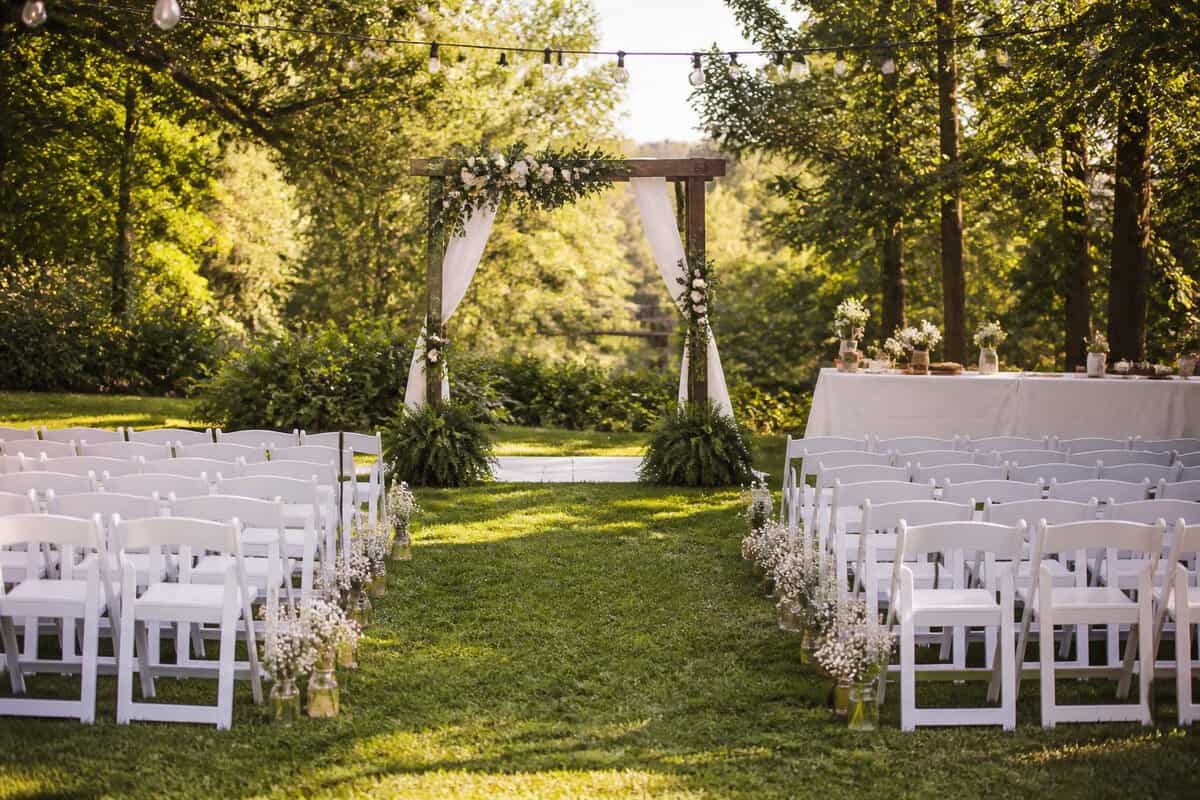
You can protect your wedding budget by comparing the full event cost, choosing a flexible date, and selecting a space that already offers useful features such as seating, restrooms, or shelter. A lower rental price helps, yet permits, rentals, catering, insurance, and weather plans also shape the final total.
As you compare affordable outdoor wedding venues, focus on the guest experience as well as the scenery. A thoughtful setting, simple décor, and a clear plan for setup can give your outdoor weddings a polished feel without stretching your finances. Save your favorite wedding venue ideas, then request detailed quotes before you book.
How Much Should You Budget for an Outdoor Venue?
Plan on about $1,000 to $5,000 for a low-cost outdoor venue, while mid-range spaces often run from $5,000 to $15,000 before extra services and rentals. Your guest count, date, location, and included amenities will shape the final wedding venue cost.
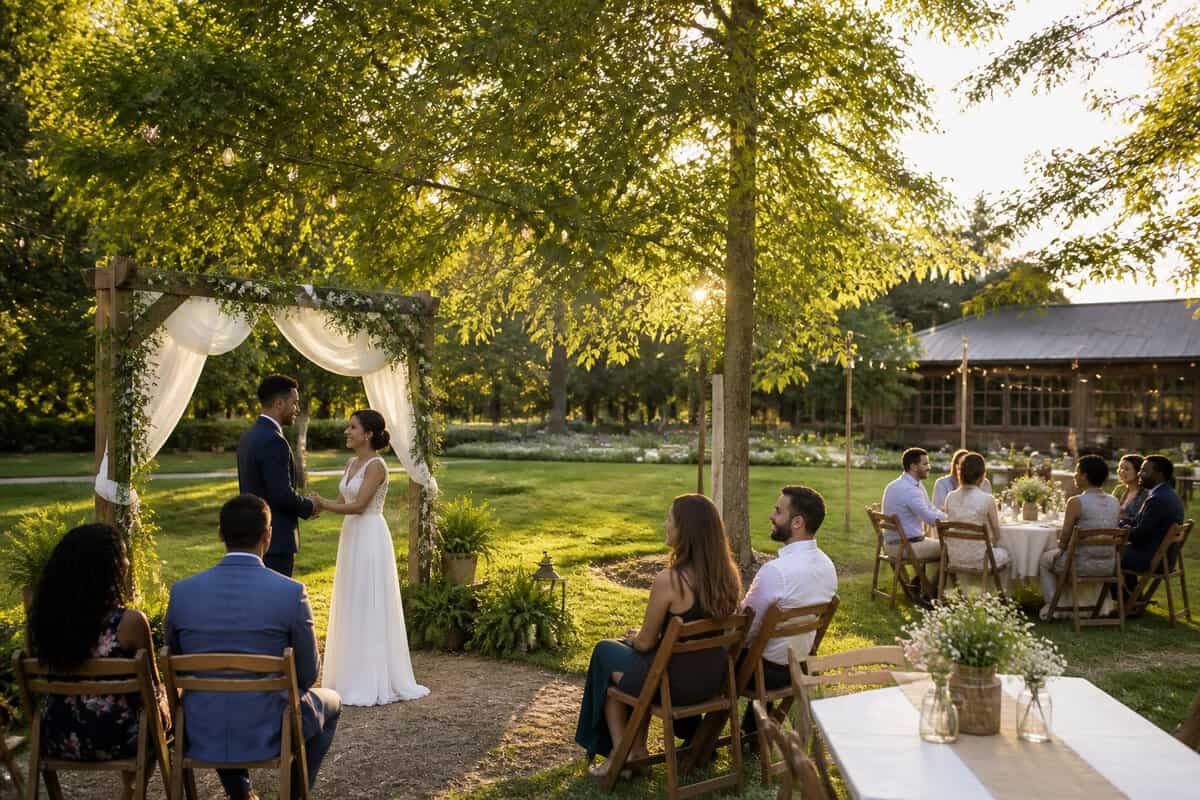
A strong wedding budget starts with the complete event price. Ask each venue for a written quote that lists rental time, deposits, taxes, insurance, permits, required vendors, and cleanup charges. Comparing these details helps you spot an affordable wedding option that stays affordable after add-ons.
Understanding Wedding Venue Cost Beyond the Rental Fee
The rental fee covers only the space. Your complete cost may include:
- Tables, chairs, linens, dinnerware, and lighting
- Catering, bar service, and cake fees
- Restroom trailers or portable restrooms
- Parking attendants, security, and event staff
- Liability insurance and public-space permits
- Delivery, setup, breakdown, and trash removal
A park reservation might look like one of the most inexpensive wedding venues available, yet rental equipment and restroom needs can raise the total. Make a guest-count estimate before comparing quotes because many charges rise with attendance.
When Wedding Packages Offer Better Value
Wedding packages offer better value when they include services you already need. A package with chairs, tables, catering, staffing, and cleanup can cost less than hiring each provider separately.
Read the package details closely. Check menu limits, service hours, gratuity, beverage rules, décor allowances, overtime rates, and vendor restrictions. A smaller package with fewer extras may suit a relaxed celebration, while a fuller package can reduce coordination work for a large reception.
Why Weekday Weddings and Off-Season Dates Cost Less
Weekday weddings and off-season dates cost less because venues have more open calendar space during those periods. Friday evenings, Sundays, and winter dates can bring lower rental rates or added inclusions.
Ask about weekday wedding pricing, morning time slots, and short reception packages. Confirm guest travel needs before choosing a date, since savings lose value if many guests need extra hotel nights or complicated transportation.
Low-Cost Natural Settings for the Ceremony and Reception
Public parks, gardens, beaches, state parks, campgrounds, and vineyards give you natural scenery with flexible price points. Compare access rules, permits, facilities, and travel time before choosing a setting.
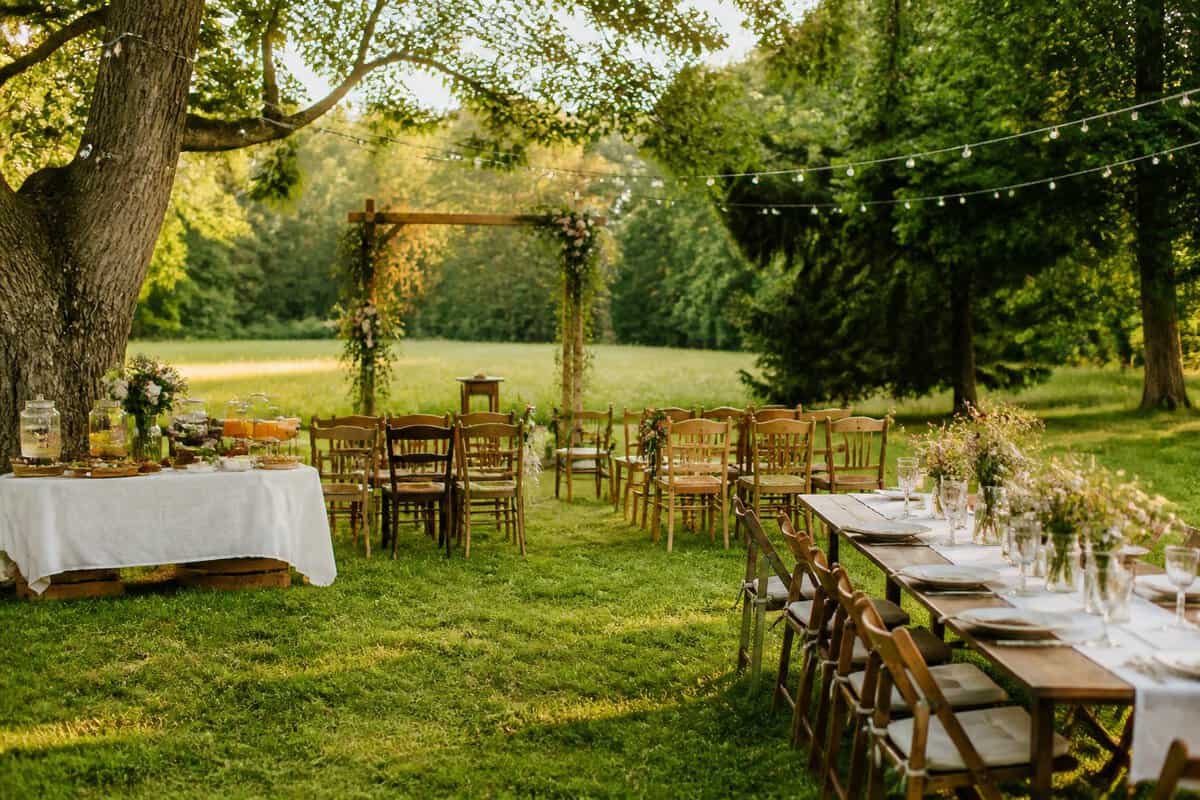
Public Parks, City Parks, and Waterfront Parks
Public parks can provide lawns, mature trees, walking paths, and scenic ceremony areas for a reservation fee. City parks are convenient for local guests, while waterfront parks add views for photos and cocktails.
Ask the parks department about event permits, amplified music, alcohol, parking, closing times, and public access. Choose a site with a nearby shelter or indoor room if your reception needs protection from sun or rain.
Botanical Gardens, Rose Gardens, and Garden Venues
Botanical gardens and rose gardens bring built-in flowers and landscaping, which can reduce décor spending. A garden wedding also gives you a clear ceremony backdrop and attractive photo locations.
Check whether the garden allows receptions, outside caterers, candles, dancing, and evening events. Some garden venues include chairs or staff, while others require you to arrange every rental.
Public Beaches and Lakeside Spaces
Public beaches and lakeside spaces work well for casual ceremonies and small receptions. Their natural setting keeps décor light, with a simple arbor, portable seating, and a meal served nearby.
Review tide schedules, wind patterns, shade, parking, restrooms, and permit requirements. Public beaches may restrict alcohol, glass, open flames, amplified music, or private use of the shoreline.
State Parks, National Parks, and Campgrounds
State parks, national parks, and campgrounds offer forests, meadows, overlooks, and cabins at prices that can suit a smaller guest list. A campground wedding also gives you lodging options for close family and friends.
Rules vary by park, so contact the local office before sending invitations. Ask about group-size limits, ceremony permits, camping reservations, shuttle access, fire rules, restroom quality, and quiet hours.
Vineyards and Wildflower Fields
Vineyards and wildflower fields create a strong setting with little added styling. A weekday ceremony among vines or seasonal flowers can feel special while keeping the décor plan focused.
Confirm the bloom season, ground conditions, restroom access, power supply, parking, and rain coverage. A field venue may need extra flooring, lighting, generators, and pest control, so include those items in your quote.
Affordable Alternatives to Traditional Event Spaces
Community centers, backyards, museums, campuses, and restaurant dining rooms can lower venue costs when you match the space to your guest count. These alternatives also offer useful layouts for a wedding ceremony, wedding reception, or intimate celebration.
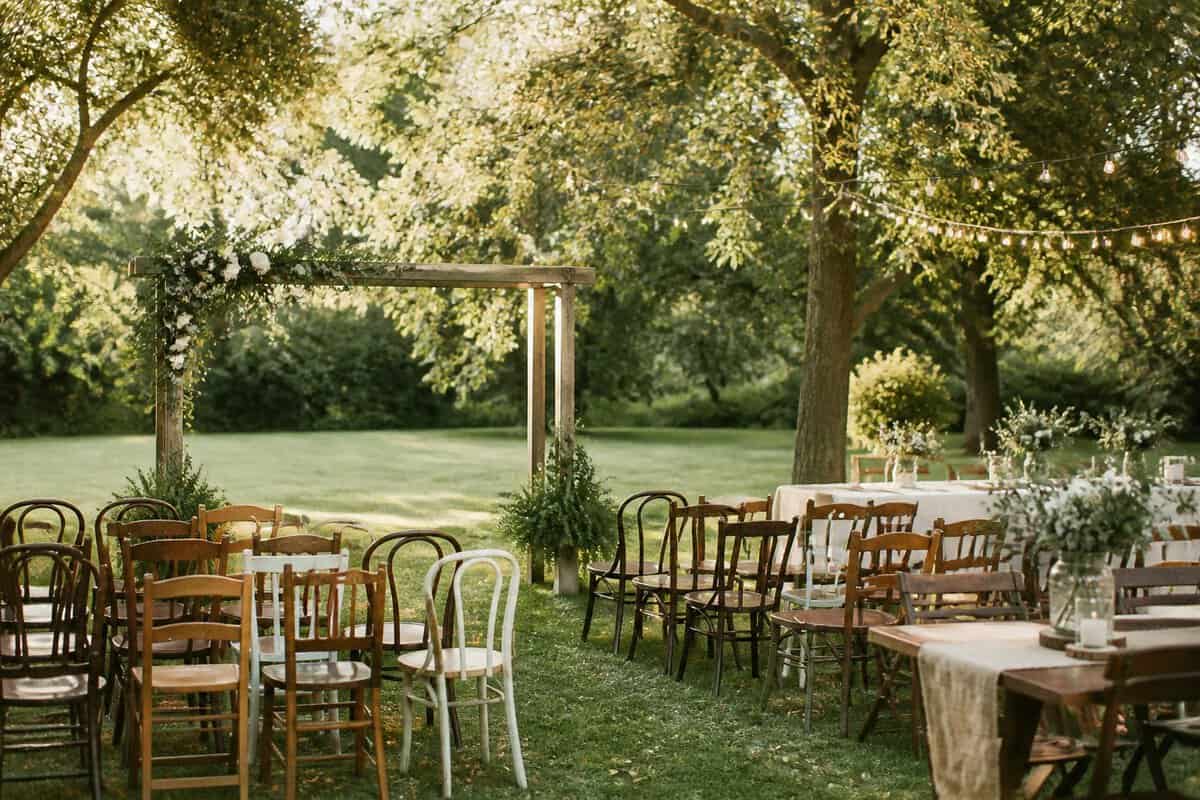
Community Centers With Patios, Lawns, or Gazebos
Community centers with patios, lawns, or gazebos often provide practical event space at local rates. You may also find kitchens, restrooms, parking, tables, and chairs included with the rental.
Ask about resident discounts, cleaning deposits, decoration rules, kitchen access, and event hours. A community center works well when you want an outdoor ceremony followed by an indoor meal or dancing area.
Backyard Weddings and Private Property
Backyard weddings offer control over the guest list, schedule, food, and décor. A friend’s property or family home can provide a warm setting with a low site fee.
Budget for tenting, flooring, restrooms, power, lighting, insurance, and extra trash service. Review local noise and parking rules before choosing a backyard, especially when the property sits in a dense neighborhood. For more planning ideas, explore these budget friendly backyard wedding ideas.
Museums and Art Galleries With Outdoor Areas
Museums and art galleries with courtyards, terraces, or sculpture gardens create a distinctive setting for small wedding venues. Their existing artwork and architecture can reduce the need for large décor installations.
Check event hours, catering policies, alcohol service, music limits, setup access, and surface protection rules. These spaces suit micro weddings when you want a refined reception with a smaller guest list.
Campus Chapels and University Courtyards
Campus chapels and university courtyards may offer attractive ceremony spaces during academic breaks. Courtyards can provide trees, brick paths, lawns, and nearby indoor rooms for meals.
Ask whether rentals are open to the public, which dates are available, and whether campus security or approved vendors are required. Confirm parking and walking distances for older guests and anyone with mobility needs.
Restaurant Private Dining Rooms for Small Receptions
Restaurant private dining rooms make efficient small wedding venues because food, service, tables, chairs, and restrooms are already in place. A patio or garden area can support the ceremony before guests move inside for dinner.
Request a minimum spend, service charge, beverage policy, cake fee, music rules, and private-room hours. This approach fits micro weddings and intimate wedding reception plans with a guest list sized to the restaurant’s dining room.
What to Check Before You Book an Outdoor Space
Book an outdoor space only after you confirm its rules, facilities, capacity, and backup plan in writing. A site visit should cover permits, restrooms, parking, accessibility, power, weather protection, setup time, and cleanup duties.
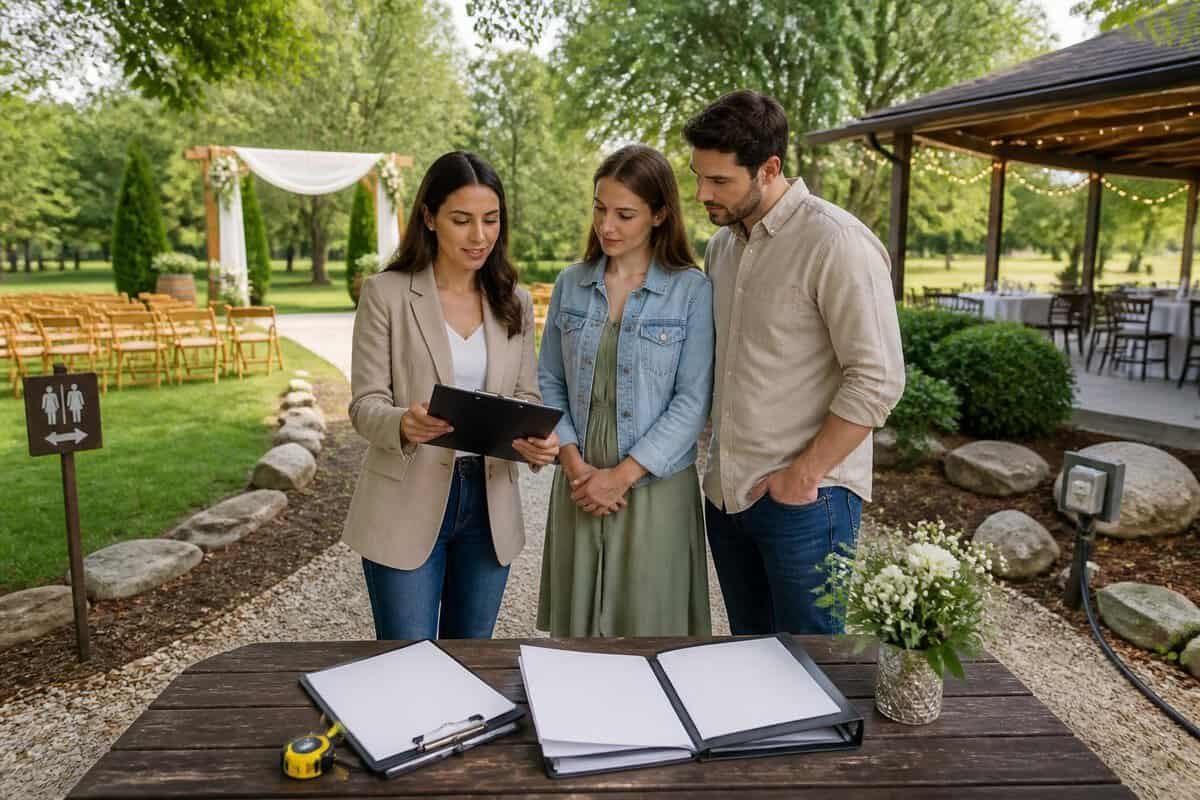
Use this checklist during tours and calls so small details do not create surprise costs later.
Permits, Alcohol Rules, Noise Limits, and the Marriage License
Ask who obtains the event permit and whether you need separate approval for food, alcohol, amplified music, tents, or generators. Public spaces may also limit decorations, candles, signage, and commercial photography.
Your marriage license comes from the proper county or local authority, not from the venue. Confirm application timing, identification requirements, officiant rules, and witness requirements with the issuing office.
Guest Capacity, Parking, Accessibility, and Restrooms
Confirm the legal guest capacity for the ceremony and reception layout you want. Count seating, buffet space, dance space, vendor areas, and accessible paths when reviewing the site.
Ask about parking permits, overflow parking, shuttle access, lighting, and rideshare drop-off. Verify restroom quantity and condition, then price portable restrooms if permanent facilities cannot serve your guest count.
Building a Weather Contingency Plan
Create a weather contingency plan before you sign the contract. Choose a covered area, tent location, indoor room, or alternate date, and decide who makes the call if conditions become unsafe.
Price tent walls, flooring, fans, heaters, umbrellas, and weatherproof power. Check the cancellation and postponement terms so you know which deposits transfer and which charges remain due.
Questions to Ask About Vendors, Setup Time, and Cleanup
Ask whether you can choose your caterer, florist, rental company, DJ, photographer, and bartender. Preferred-vendor lists can simplify planning, while required vendors can affect your total cost.
Confirm when vendors may arrive, how long setup and breakdown may take, and whether the venue charges overtime. Get clear instructions for trash removal, furniture placement, décor disposal, and final cleaning before booking.
How to Create a Polished Look for Less
A polished outdoor wedding comes from focused décor, warm lighting, useful rentals, and guest activities that fit the setting. Let the landscape lead your design so you can spend on a few visible details.
Use Greenery and Seasonal Flowers in Place of Large Installations
Use greenery arrangements to frame the ceremony, welcome table, and dining area. Eucalyptus, ferns, branches, and locally available foliage can add texture with less expense than large floral structures.
Choose seasonal flowers that match your date and setting. Place flowers where guests gather, then let open lawn, trees, gardens, or the view fill the remaining visual space.
Create Warm Evening Lighting With String Lights and Lanterns
String lights and fairy lights create a welcoming glow across dining areas, pathways, and dance spaces. Paper lanterns can add color and height when the venue permits them.
Ask about attachment points, power access, weather ratings, and installation rules. A licensed rental or lighting provider can help you plan safe placement, especially when guests will be dancing under the stars.
Rent, Borrow, and Repurpose Furniture Strategically
Rent only the furniture your venue does not provide. Borrowed furniture can work for a welcome table, lounge corner, or dessert display when you combine pieces with a consistent color or fabric.
Use cocktail tables for mingling and standard dining tables for meals. Repurpose ceremony chairs for the reception when the layout and setup schedule allow it. Simple fabric draping can soften a structure without filling every surface with décor.
Add Guest-Friendly Fun With Simple Lawn Games
Lawn games give guests an easy activity during photos and cocktail hour. Giant Jenga, bocce ball, and cornhole need little styling and fit relaxed outdoor receptions.
Set games near the social area with clear instructions. Add blanket seating for guests who want a quiet place to talk, then keep bluetooth speakers at a comfortable volume so conversations remain easy.
Small wedding favors can double as game prizes or useful take-home gifts.