
Affordable Venues for Weddings That Fit Your Budget
Your venue sets the tone for the day and takes a large share of your wedding budget. Affordable venues for weddings include parks, community halls, restaurants, courthouses, gardens, and private properties that offer charm without a luxury rental price.
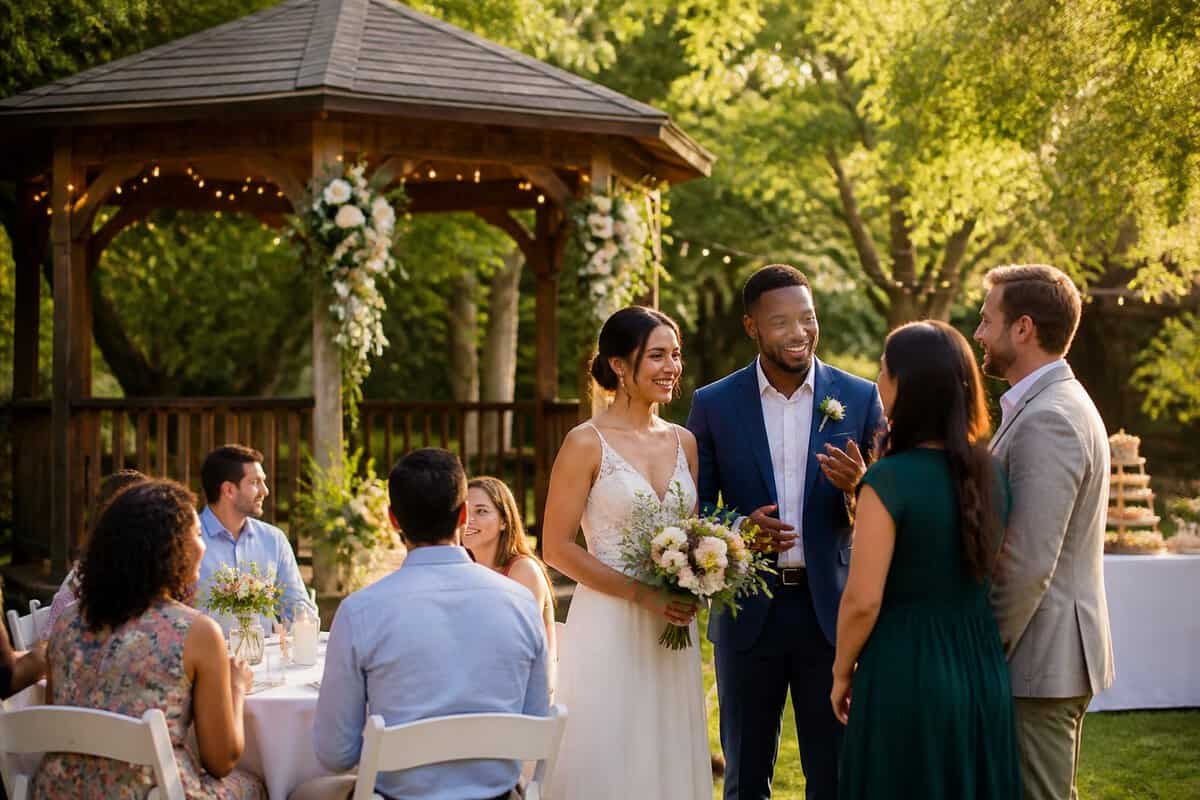
You can create a warm, memorable celebration by choosing a space with built-in beauty, keeping your guest list focused, and comparing the full cost before you book. A lower rental fee gives you room for food, photography, attire, music, and the details that make the day feel personal.
Start your wedding planning with a clear guest count and a firm spending limit. Then compare spaces that fit your style and ask each owner for a complete quote. Browse cheap wedding venue ideas for more ways to stretch your budget, and contact venues early to ask about available dates and package pricing.
What Counts as an Affordable Wedding Venue?
An affordable wedding venue keeps the complete cost of your ceremony and reception within your wedding budget after rental fees, food, staffing, rentals, taxes, and required services are added. A low starting price helps, though the full quote determines the value.
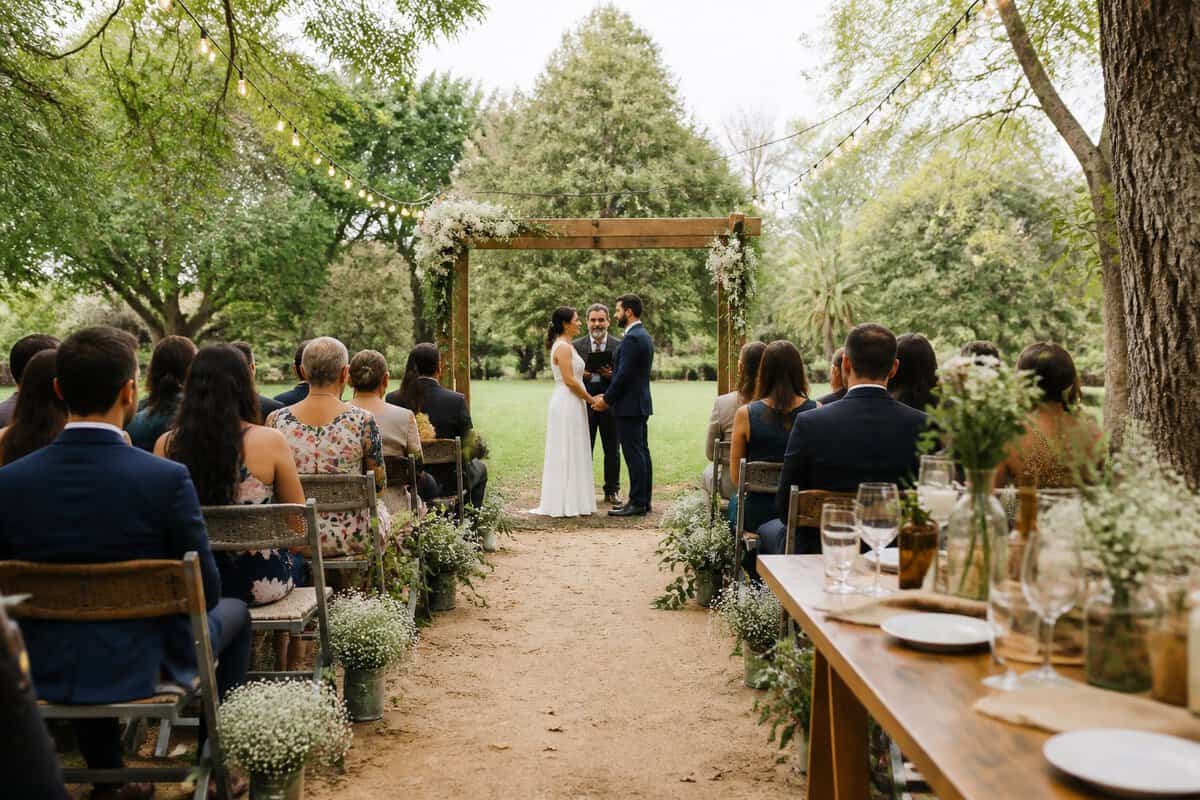
A space that works for ceremony only might suit a courthouse ceremony or a small outdoor gathering. A venue that hosts both the ceremony and reception saves travel time and avoids paying for two locations. Compare capacity, access, included equipment, and cleanup rules along with the advertised rate.
How Venue Rental Costs Affect Your Total Budget
Venue rental costs may use an hourly rate, a half-day or full-day fee, a per-person price, or a minimum food and beverage spend. A $1,000 rental can become a larger expense after you add chairs, tables, linens, security, insurance, staffing, and overtime.
Ask for a line-item estimate based on your guest count. Check whether setup and cleanup time count toward your rental period. A shorter celebration, smaller guest list, or ceremony-only booking can reduce the amount of space and service you need.
How to Compare Wedding Packages and A La Carte Pricing
Wedding packages bundle services such as tables, chairs, catering, bar service, staffing, and basic décor. A la carte pricing lets you choose each service separately, which works well when you have trusted vendors or plan to provide some details yourself.
Compare packages by total guest cost and included services. Ask whether the menu, bar hours, service staff, cake cutting, linens, and cleanup are part of the price. A package with more inclusions can cost less than a low rental fee paired with many separate charges.
Hidden Fees That Can Make a Low Quote Expensive
A low quote can grow through service fees, taxes, deposits, corkage charges, cake-cutting fees, parking costs, insurance requirements, and overtime. Some venues also charge for preferred vendors, outside catering, ceremony chairs, sound equipment, or trash removal.
Request the contract and a sample final invoice before you reserve the date. Confirm the cancellation policy, damage deposit, payment schedule, accessibility, noise rules, and rain plan. Put every promised inclusion in writing.
Low-Cost Outdoor Settings With Built-In Scenery
Public land, gardens, beaches, orchards, and backyards offer low-cost outdoor wedding settings because natural scenery reduces décor needs. Permits, weather planning, guest access, restrooms, power, and seating still belong in your budget.
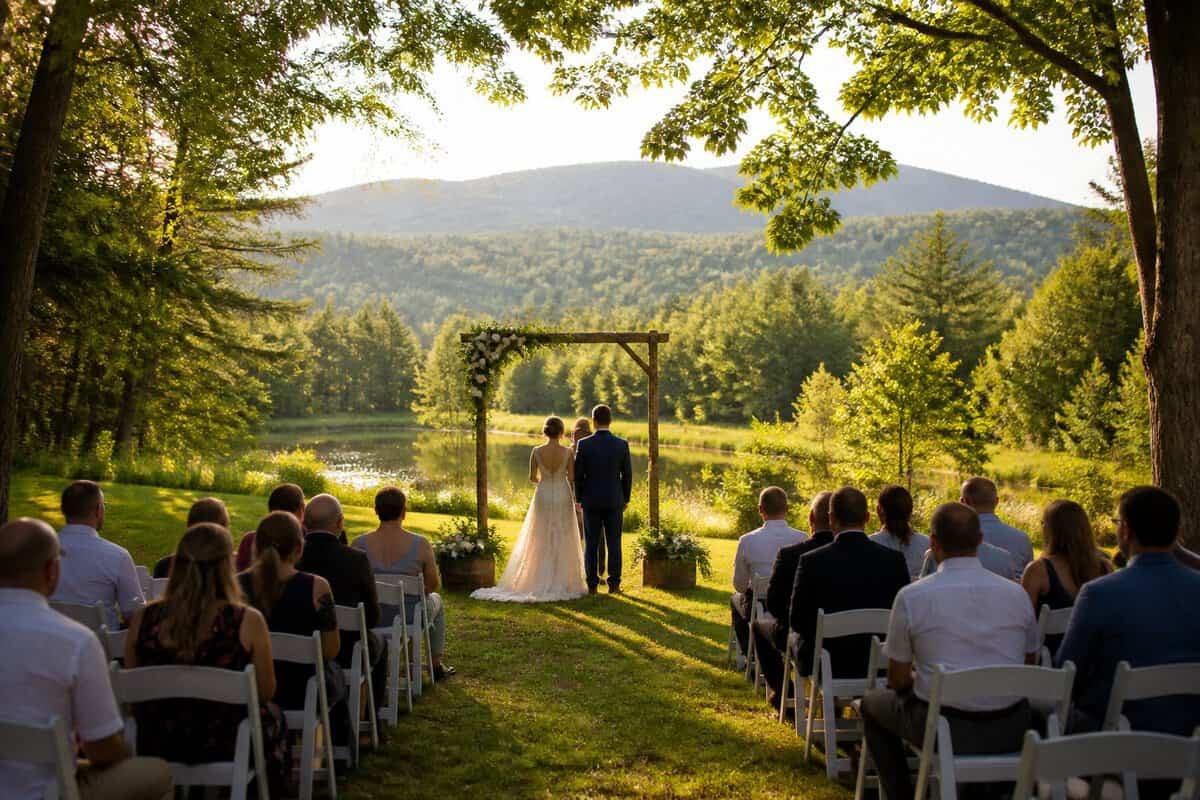
Choose a location that matches your guest count and comfort level. A small outdoor wedding can use a scenic ceremony site with a nearby restaurant reception, while a larger gathering needs firm ground, parking, restrooms, lighting, and a weather backup.
Public Parks, City Parks, and County Parks
City parks and county parks often provide attractive lawns, shelters, gardens, and picnic areas at permit rates below private venues. Some allow ceremonies only, while others permit receptions with approved catering, alcohol service, music, and rentals.
Ask the parks department about a special-use permit, reservation window, guest limits, amplified sound, photography, parking, and cleanup. Visit at the same time of day as your planned event to check shade, traffic, restrooms, and noise.
State Parks and National Parks
State parks and national parks bring scenic overlooks, forests, lakes, and historic areas into your ceremony plans. A site permit may be affordable, though you still need to account for entrance fees, transportation, chairs, photography rules, and restrictions on food or alcohol.
Keep the guest list manageable when the site has limited parking or uneven paths. Confirm accessibility and ask about seasonal closures, fire rules, restroom access, and weather procedures before sending invitations.
Botanical Gardens, Rose Gardens, and Orchards
Botanical gardens, rose gardens, and orchards provide built-in color and strong photo settings. Their rental rates can rise during peak bloom periods, so ask about weekday dates, morning ceremonies, shorter time blocks, and less requested areas.
Check whether the site includes chairs, tables, a changing room, staff, and a reception area. Protect the garden by following rules for candles, décor installation, food service, and guest movement.
Public Beaches and Backyard Weddings
Public beaches and backyard weddings suit relaxed celebrations with flexible décor and food choices. Beaches need a permit, wind planning, shade, footwear guidance, parking, and a clear restroom plan.
Backyards need enough space for guests, catering, parking, lighting, power, and noise control. For a private property, price tenting, tables, chairs, portable restrooms, trash service, and generator rentals before deciding that the space is free.
These affordable outdoor wedding ideas can help you plan a polished setting with practical rentals.
Community and Civic Spaces That Offer Great Value
Community centers, courthouses, libraries, historic buildings, and college campuses provide useful facilities at accessible rates. They often include restrooms, seating, kitchens, or indoor backup areas, which reduces the number of separate rentals you need.
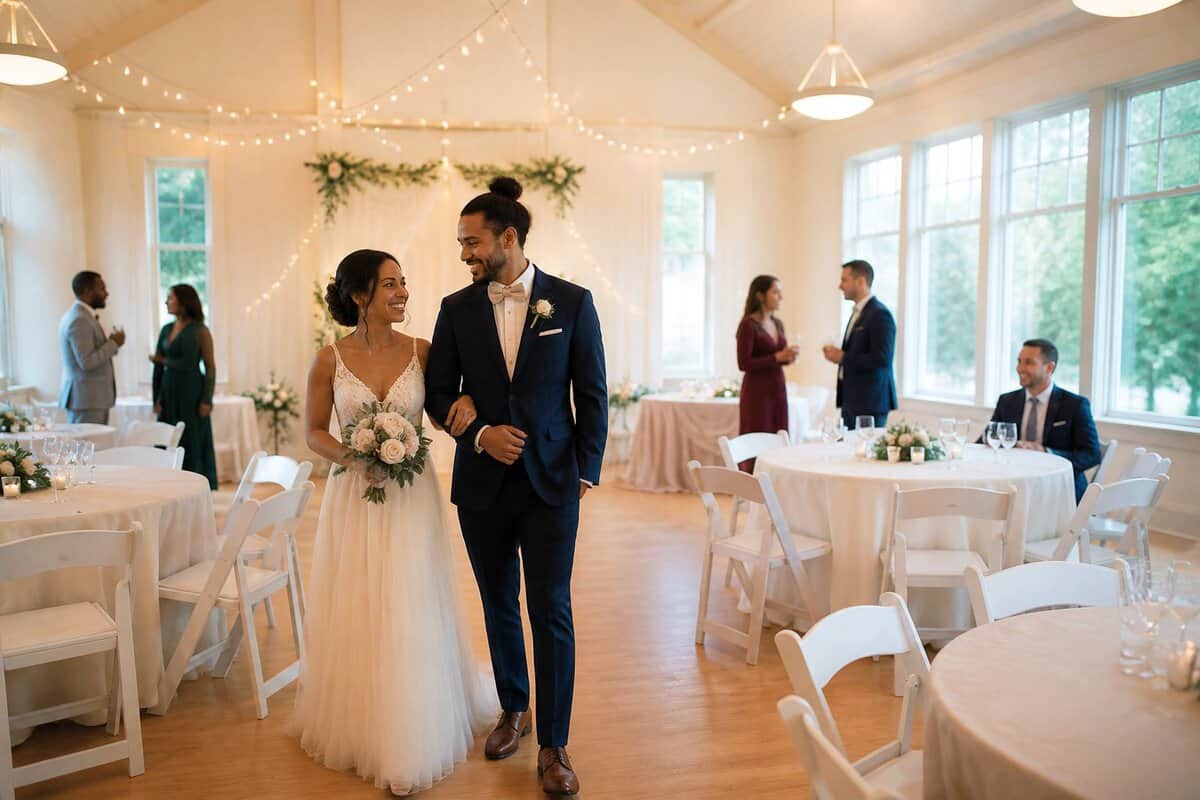
Look for a venue with a clear event policy and enough setup time. Ask about food preparation, alcohol, music, decorations, parking, elevators, security, and cleanup before you compare the rental fee.
Community Centers and Banquet Halls
A community center or banquet hall gives you an open room that can support both a ceremony and reception. Many offer tables, chairs, a kitchen, a stage, or audiovisual equipment, making them practical for a hands-on wedding budget.
Measure the room and sketch your layout before booking. Confirm the maximum seated capacity after space is reserved for a buffet, dance floor, DJ, gifts, and accessible pathways.
Courthouse Weddings and Marriage License Planning
A courthouse wedding keeps the ceremony small and the venue cost focused. You still need to apply for a marriage license, provide required identification, pay local fees, and follow appointment or witness rules.
Afterward, host a meal at a restaurant, private dining room, backyard, or community space. Call the courthouse or county clerk for current requirements because marriage license procedures and ceremony availability vary by location.
Historic Buildings, Public Libraries, and Historic Libraries
Historic buildings and public libraries offer architectural details that reduce the need for elaborate décor. Grand staircases, reading rooms, courtyards, and tall windows can create a strong setting for a ceremony or reception.
Ask about preservation rules, furniture movement, candles, floral installation, photography, and approved caterers. A smaller room with a shorter booking period may fit your guest list and keep staffing costs under control.
College Campuses and Campus Chapels
College campuses and campus chapels can offer formal architecture, landscaped grounds, auditoriums, and event center spaces during breaks or quieter periods. Policies differ by school, so contact the campus events office for public booking rules.
Check whether outside couples qualify to rent the space. Confirm parking, security, catering, alcohol service, sound limits, and the distance between the chapel and reception room.
Food-Forward and Character-Filled Reception Options
Restaurants, breweries, museums, galleries, zoos, inns, churches, and private clubs can lower décor and catering costs through built-in character or food service. These small wedding venues work best when their capacity, menu, and event rules match your guest list.
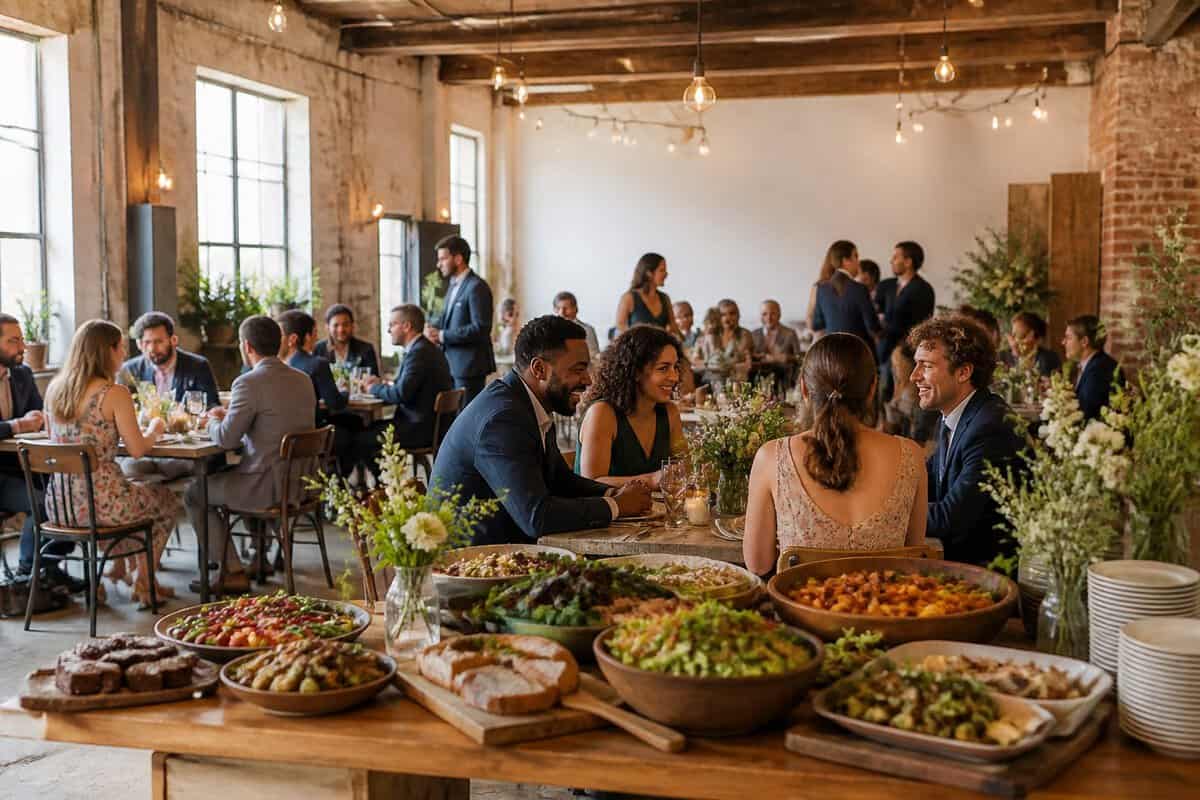
Choose a venue that already feels close to your preferred style. A restaurant can provide dinner and service, while a gallery can supply visual interest. Ask for a complete estimate that includes food, drinks, staffing, room fees, taxes, gratuity, and event time.
Restaurant Weddings and Private Dining Rooms
Restaurant weddings suit couples who want a meal-centered reception with limited setup. A private dining room may include tables, chairs, linens, staff, and a set menu, while a restaurant minimum spend replaces a traditional rental fee.
Ask about menu flexibility, dietary needs, cake service, wine or corkage fees, music, dancing, and room access. Schedule the ceremony nearby or use the dining room for a brief ceremony before dinner when permitted.
Breweries, Vineyards, and Coffee Shops
Breweries, vineyards, and coffee shops offer distinctive settings for casual receptions and small celebrations. Their existing bar areas, patios, tanks, vines, counters, and furniture add personality with fewer decorative purchases.
Ask about buyouts, beverage minimums, outside food, vendor rules, service staff, noise limits, and transportation. Vineyards may have seasonal availability, while breweries and coffee shops may work best for daytime or early evening events.
Museums, Art Galleries, and Zoos
Museums, art galleries, zoos, and aquariums provide built-in displays and memorable guest experiences. Their visual setting can reduce spending on backdrops, large floral installations, and entertainment.
Confirm the rooms available for private events, guest access to exhibits, catering requirements, photography rules, security, and closing times. Check whether the venue has accessible routes for every guest.
Inns, Churches, and Private Clubs
An inn can combine ceremony, reception, and guest rooms in one property. A church wedding may offer a meaningful ceremony space with a separate fellowship hall, while a private club may provide dining, service, and event management through membership or rental arrangements.
Ask about religious requirements, officiant rules, vendor limits, alcohol policies, guest capacity, and reception hours. Compare the complete cost of each service, including required donations, staffing, room fees, and overnight stays.
How to Make a Modest Venue Look Special
A modest venue feels polished when you focus décor on guest sightlines, lighting, tables, and the ceremony focal point. A clear layout and a few coordinated materials create more impact than filling every surface.
Use your wedding venue ideas to match the space instead of forcing a ballroom style into a community room. Select a color palette, repeat it through linens and flowers, and reserve part of your budget for comfort and safety.
Use String Lights, Lanterns, and Greenery Garlands
String lights soften plain ceilings, patios, and walls. Lanterns define walkways and tables, while greenery garlands add shape to a head table, welcome table, or ceremony structure.
Check the venue’s rules before hanging anything. Use removable hooks, approved stands, and flame-free candles where open flames are restricted. Concentrate décor at the entrance, ceremony focal point, dining tables, and dance area.
Plan Rentals and Utilities for Private Properties
Private properties require a complete utility plan. Price tenting, flooring, tables, chairs, portable restrooms, water access, trash removal, lighting, and generator rentals before you set the guest count.
A vacation rental may have attractive outdoor space, though its owner may restrict parties, amplified music, tents, or additional guests. Get written permission and confirm parking, quiet hours, insurance, and cleanup requirements.
Choose Guest Counts and Layouts That Control Costs
Guest count affects almost every venue expense, including seating, meals, restrooms, transportation, staffing, and rentals. A smaller list can let you use a garden, private dining room, chapel, or intimate hall.
Draw the ceremony and reception layout to scale. Use one space for both events when possible, then flip the room during a planned cocktail period. Skip a large ballroom when a smaller room creates a fuller, more welcoming layout.
How to Book for the Lowest Possible Price
You get the lowest venue price by comparing complete quotes, choosing flexible dates, and searching beyond traditional wedding halls. Weekday weddings, off-season bookings, public spaces, restaurants, and community facilities can open more room in your budget.
Make a shortlist of affordable wedding venues that fit your guest count and service needs. Ask for open dates, cancelled-date discounts, shorter rental blocks, and package adjustments. A venue’s flexibility often creates more savings than a small advertised discount.
Save With Weekday Weddings and Off-Season Dates
Weekday weddings and off-season dates often have lower rental rates and more open availability. Consider a Monday through Thursday celebration, a Sunday brunch, or a winter event when your guests can travel comfortably.
Ask whether the venue offers lower rates for morning events, shorter receptions, ceremony-only bookings, or dates close to the event. Confirm that your vendors also charge less or remain available on the selected date.
Questions to Ask Before You Sign a Contract
Ask these questions before paying a deposit:
- What is the complete estimated cost for your guest count?
- Which tables, chairs, linens, lighting, and sound equipment are included?
- Are setup, cleanup, security, staffing, and overtime included?
- Can you bring outside food, alcohol, décor, and vendors?
- What insurance, permits, deposits, and service fees apply?
- What happens if severe weather affects an outdoor wedding?
- When are final payments due, and what is the cancellation policy?
- Does the venue host both ceremony and reception, or ceremony only?
Request written answers and add agreed services to the contract. Check the final invoice terms before signing.
Where to Search for Inexpensive Wedding Locations
Search city and county park departments, community centers, libraries, historic properties, college event offices, restaurants, breweries, gardens, and local venue directories. Ask photographers, caterers, florists, and officiants which spaces work well for small celebrations.
Compare locations by total event cost, capacity, access, included equipment, and restrictions. A cruise ship, restaurant, or private club might fit a particular guest list, while a community hall or public garden may offer more control over vendors. Save promising options in a spreadsheet with the rental fee, required services, estimated extras, available dates, and contact details.