
Affordable Wedding Reception Venues That Fit Your Budget
Your reception venue sets the tone for the celebration and can take up a large share of your wedding budget. Affordable wedding venues help you spend more on the people and details that make the day meaningful, from a favorite meal to music your guests will enjoy.

You can find a polished wedding reception in a restaurant, park, community hall, private home, or small event space when you match the venue to your guest count and priorities. Start by setting a total spending limit, then compare the full rental, food, service, and rental costs for each option. Browse more wedding venue ideas as you decide which setting fits your celebration. Once you have a few favorites, request current availability and pricing from each venue.
What Makes a Reception Venue Affordable?
An affordable reception venue keeps the complete event cost in line with your guest count, food plan, service needs, and wedding budget.
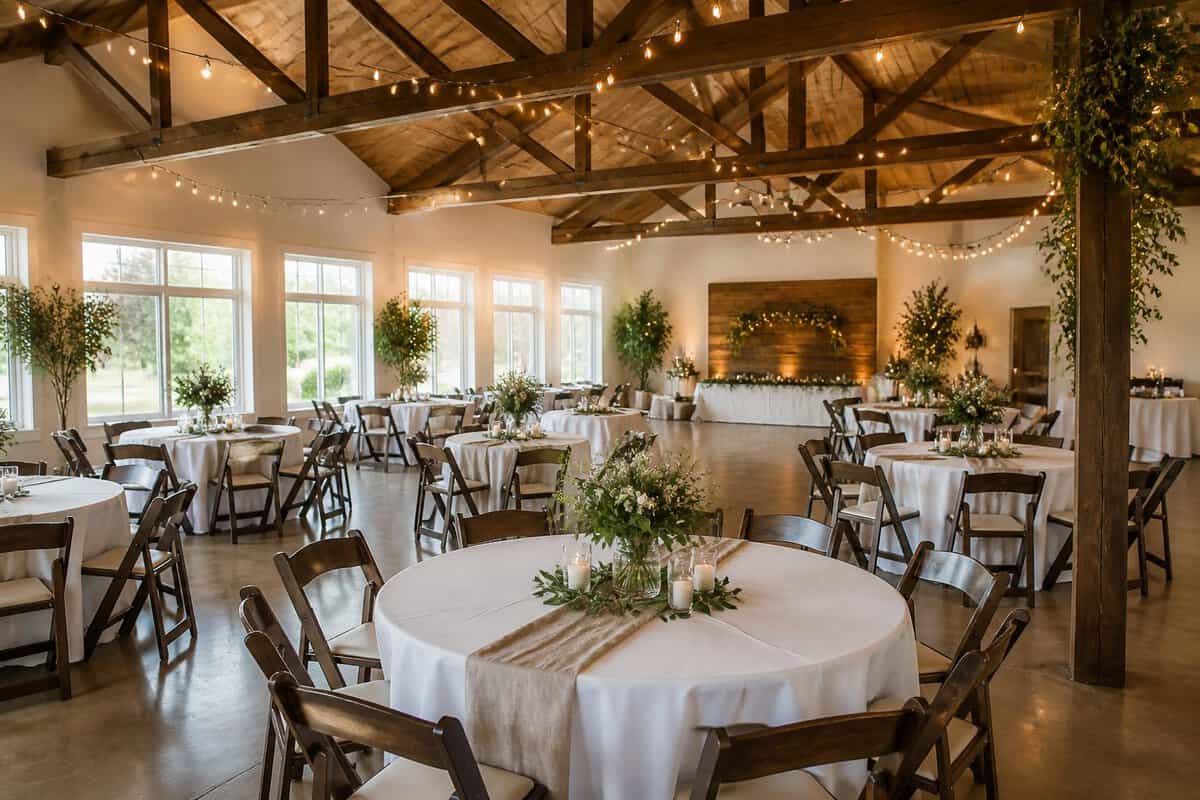
A low rental fee does not always create the lowest final price. A venue with tables, chairs, kitchen access, and staff included can cost less than a cheaper room that requires you to rent every item separately. Ask for a written estimate that shows all required charges.
How Guest Count Changes the Total Cost
Guest count affects both the room size and the cost of food, drinks, seating, linens, and service. A smaller guest list gives you access to private dining rooms, studios, chapels, and community spaces with lower capacity limits.
Build your estimate with a per-person food and beverage cost plus fixed charges such as the room rental, cleaning, security, and staffing. Confirm whether children, vendors, and guests who only attend part of the event count toward the venue’s total.
Rental Fees, Minimum Spends, and Hidden Charges
Ask whether the quote includes:
- Room rental and setup time
- Tables, chairs, linens, and tableware
- Cleaning and security
- Bartenders and service staff
- Parking or transportation fees
- Insurance requirements
- Overtime rates
- Taxes and service charges
Some wedding venues use a minimum spend for food and drinks instead of a separate rental fee. Calculate that minimum against your guest count. A large minimum can raise your cost when you plan a small wedding reception.
When Wedding Packages Offer Better Value
Wedding packages offer good value when they combine several services at a clear price. Look for food, tables, chairs, basic linens, staffing, setup, and cleanup in one written package.
Compare the package with an itemized option. A package that includes features you do not need can waste money, while a flexible package lets you remove unused services. Ask whether you can bring your own cake, alcohol, decorations, or vendors before signing.
Reception Spaces With Food and Service Included
Restaurants and all-inclusive wedding packages often lower costs by combining the reception space, food, staff, and basic event equipment.
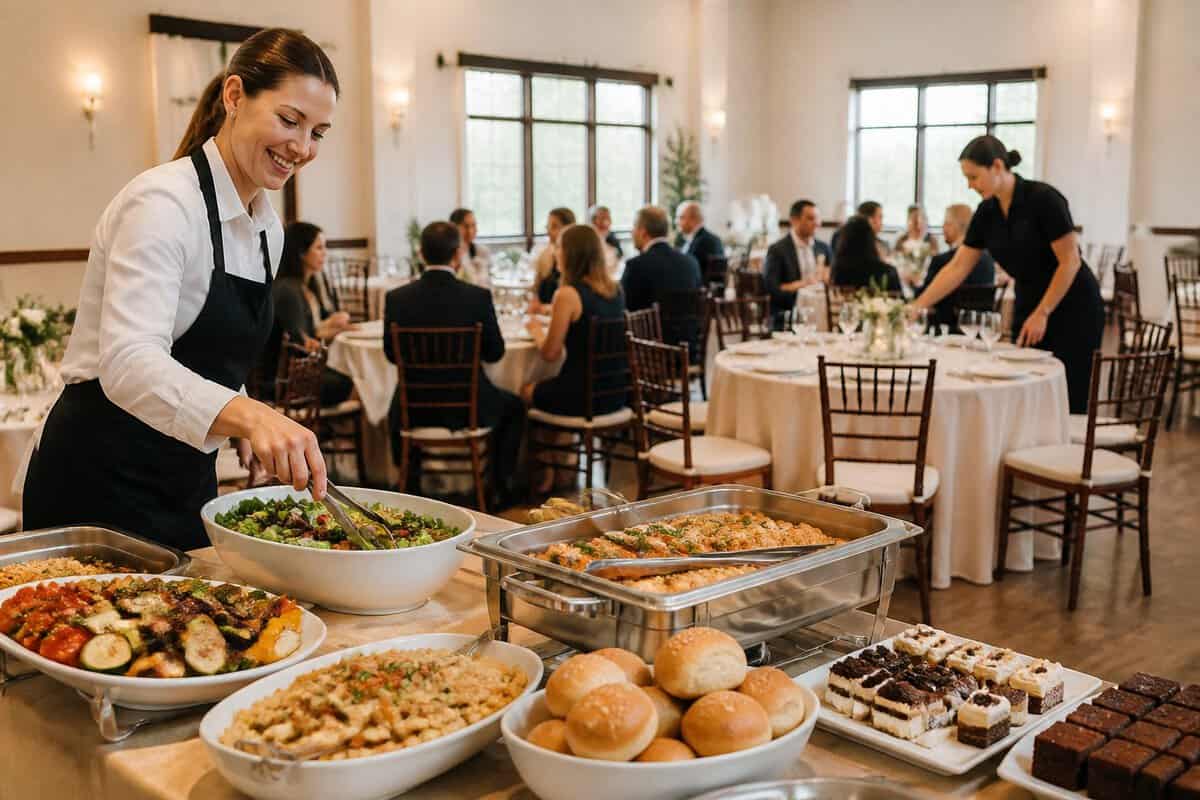
Food and service make up a large part of a wedding reception budget. A venue that already has a kitchen, trained staff, and dining equipment can reduce transportation, rental, and coordination costs. Ask each venue to provide a written quote with the guest count, menu, service style, tax, gratuity, and required minimum.
Restaurant Weddings and Private Dining Rooms
Restaurant weddings suit couples who want a smaller celebration with a ready-made meal and a comfortable dining setting. Private dining rooms often include tables, chairs, tableware, staff, and a set menu.
Ask about room access, music limits, cake policies, bar service, and the length of your reservation. A restaurant may charge a food and beverage minimum, room fee, or private-event service charge. Request a quote that separates those costs so you can compare restaurants fairly.
All-Inclusive Venue Packages
An all-inclusive package can include the room, catering, drinks, linens, staffing, setup, cleanup, and basic furniture. It gives you one main contract and fewer outside vendors to manage.
Read the package details closely. Check the number of menu choices, drink hours, staffing level, included rental items, service charge, tax, and overtime rate. Ask whether the venue allows upgrades without replacing the full package.
How to Compare Catering Minimums With Outside Catering
Compare the full price per guest, not only the room fee. Outside catering may require delivery, kitchen access, servers, plates, glassware, linens, cleanup, and a corkage or kitchen-use fee.
Use a simple quote sheet with these fields:
- Food and beverage price per guest
- Room rental
- Service charge and gratuity
- Rentals and equipment
- Delivery and staffing
- Cake and alcohol fees
- Taxes and cleanup
Send the same guest count and menu needs to every venue when you request a quote. This creates a clearer comparison between wedding packages and outside catering.
Low-Cost Community and Cultural Settings
Community centers, cultural buildings, museums, and church halls provide character and flexible layouts at prices that often fit a modest wedding budget.

These spaces work well when you are comfortable arranging some of the event details yourself. Check access hours, kitchen rules, furniture, parking, sound limits, and cleanup duties before you book. A venue with a lower fee can require more planning, labor, and rentals.
Community Centers and Civic Halls
Community centers and civic halls often offer large rooms with tables, chairs, restrooms, and kitchen access. Their practical layouts suit buffet dinners, dancing, family-style meals, and larger guest lists.
Ask whether the rental includes setup and cleanup time. Confirm the deposit, insurance, alcohol rules, decoration restrictions, and required staffing. Some locations offer lower rates for residents, nonprofits, or weekday events.
Museums, Art Galleries, and Historic Libraries
A museum wedding venue, art gallery, or historic library gives your reception a built-in setting with distinctive architecture and decor. These spaces work well for cocktail receptions, seated dinners, and smaller celebrations.
Ask which rooms are available for private events and whether food must come from approved caterers. Protect displays and historic surfaces by checking decoration rules, candle policies, hanging restrictions, and loading access. The venue’s required insurance and security staff should appear in your estimate.
Campus Chapels and Church Halls
Campus chapels and church wedding halls can combine ceremony and reception needs in one location. Some offer low room rates with chairs, tables, a kitchen, and basic sound equipment.
Check membership rules, donation expectations, alcohol policies, music limits, and available dates. Ask who handles setup, cleanup, and supervision. If you plan to obtain your marriage license elsewhere, keep the ceremony schedule and reception reservation separate in your planning notes.
Scenic Outdoor Options on a Smaller Budget
Public parks, gardens, beaches, vineyards, zoos, and aquariums offer memorable settings while keeping venue fees manageable for a carefully planned outdoor wedding.
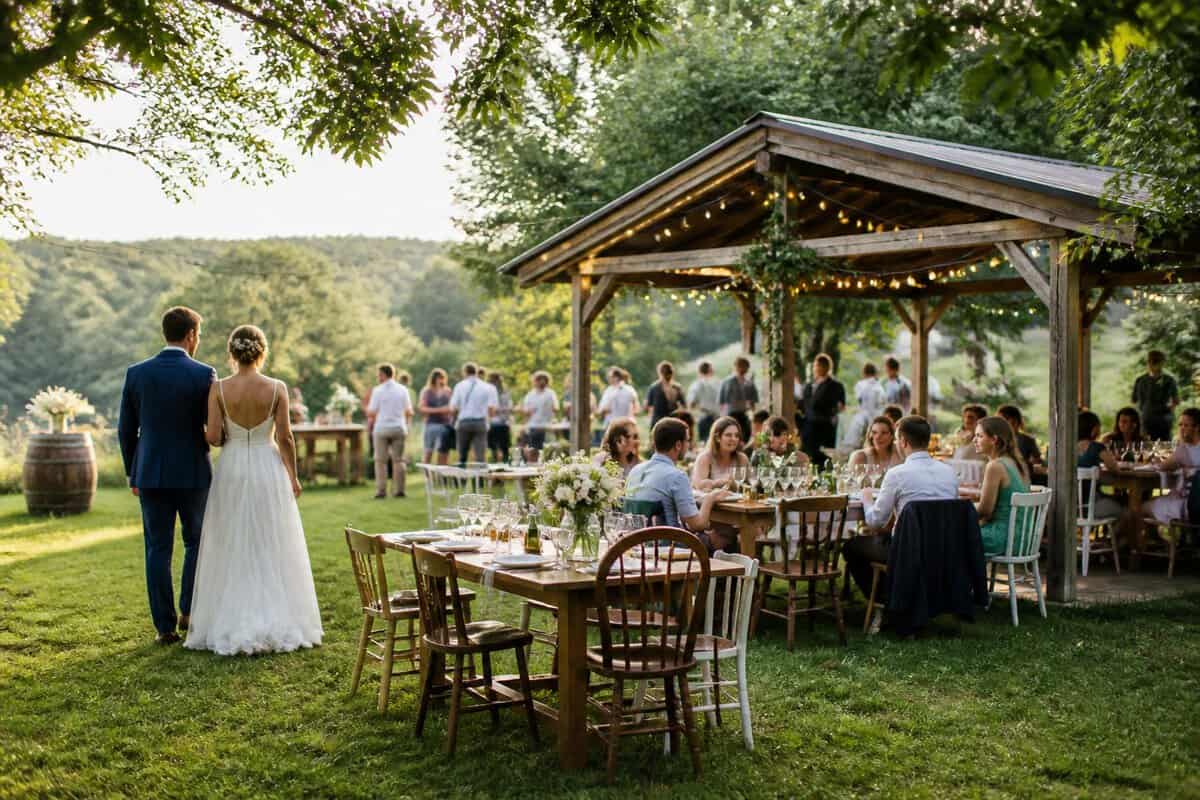
Outdoor spaces reduce the need for elaborate decor because the landscape provides the backdrop. They also shift costs toward permits, seating, restrooms, power, food service, weather protection, and transportation. Review local rules before you reserve a date, then price every required rental.
Public Parks, City Parks, and State Parks
Public parks, city parks, and state parks may offer picnic shelters, lawns, pavilions, or scenic overlooks for a modest reservation fee. Some parks allow receptions only in designated areas and require permits for amplified music, alcohol, tents, or professional catering.
Ask about guest limits, parking, restroom access, trash removal, and closing times. A covered pavilion helps with sun and light rain, while a separate indoor backup location protects the event during severe weather.
Botanical Gardens and Rose Gardens
Botanical gardens and rose gardens provide flowers, paths, and landscaping that reduce decoration needs. Smaller garden rooms or evening reservations may fit a limited budget.
Check the season, guest capacity, food rules, photography access, and weather policy. Many gardens restrict candles, confetti, stakes, hanging decor, and amplified music. Ask whether the rental includes chairs, tables, security, and cleanup.
Public Beaches and National Parks
Public beaches and national parks create a relaxed setting for a small reception. Permit fees can be low, though rules vary by location and season.
Confirm tide conditions, wind exposure, parking, restrooms, accessibility, alcohol rules, and food-service restrictions. Public beaches may require a backup plan for weather and privacy. National parks may limit decorations, furniture, amplified sound, and group size.
Vineyards, Zoos, and Aquariums
Vineyards offer landscape and built-in beverage service, while zoos and aquariums provide distinctive spaces for a reception. An aquarium wedding can work well for a smaller guest list that values the setting as part of the entertainment.
Ask what the venue includes, such as tables, catering, event staff, private rooms, and guest admission. Check closing times, noise rules, vendor requirements, and transportation. Compare the full package price with a plain room rental plus outside decor and entertainment.
At-Home and Small-Scale Celebrations
Backyard weddings, courthouse ceremonies, restaurant receptions, and small wedding venues give you practical ways to reduce space, food, and staffing costs.
A smaller celebration can also reduce the number of rentals and simplify the schedule. Set your maximum guest count before viewing venues. Then choose the setting that supports your priorities, whether those are a seated meal, dancing, photos, or time with close family.
Planning a Backyard Wedding Reception
A backyard wedding gives you control over the guest list, menu, decor, and schedule. Start with the basics: usable space, restrooms, parking, electricity, lighting, trash removal, seating, and weather coverage.
Price tent rentals, portable restrooms, tables, chairs, generators, catering, and cleanup. Ask your caterer about kitchen access and food storage. Keep the layout comfortable by leaving clear paths between the meal area, restrooms, seating, and dance space. These budget-friendly backyard wedding ideas can help you plan the setup.
Courthouse Ceremony
A courthouse wedding keeps the legal ceremony small and lets you direct more of your budget toward the reception. Check appointment rules, officiant requirements, guest limits, identification documents, and marriage license timing with your local courthouse.
After the ceremony, host a meal at a restaurant, private home, park shelter, or small event room. Reserve the reception separately and leave enough travel time between locations.
Restaurant Reception
A restaurant reception works well after a courthouse ceremony because food, seating, service, and cleanup are already part of the setting. Select a private room or semi-private area that fits your guest count.
Ask for a set menu, beverage options, room duration, cake policy, music rules, and service charges. A prix fixe meal can make the final cost easier to predict.
Choosing Small Wedding Venues for an Intimate Party
Small wedding venues include studios, inns, private dining rooms, libraries, garden rooms, and community halls. Match the room to your guest count so the layout feels comfortable without paying for unused space.
Check seating plans, dance space, vendor access, parking, accessibility, restrooms, and sound limits. Visit at the same time of day as your planned reception to see the natural light, traffic, and noise conditions.
How to Book a Venue Without Budget Surprises
A detailed contract and a complete quote protect your wedding budget from extra fees tied to time, rentals, staffing, power, and venue rules.
Review every cost before you place a deposit. Keep a comparison sheet with the room fee, food, service, taxes, rentals, deposits, insurance, cleanup, overtime, and cancellation terms. Planning tools such as The Knot can help you organize venue questions and spending categories, while the venue’s written contract controls your final agreement.
Ask About Inclusions, Restrictions, and Overtime
Ask the venue to list every included item and every required outside cost. Confirm:
- Setup and breakdown hours
- Tables, chairs, linens, and tableware
- Catering and bar requirements
- Approved vendors
- Alcohol and music rules
- Insurance and security
- Cleaning responsibilities
- Overtime rates
- Deposit and cancellation terms
Ask when the rental clock starts. A venue may count decoration, vendor arrival, and cleanup time within your booked hours. Get permission in writing for outside food, candles, decorations, live music, and late-night departures.
Use Weekday Weddings and Off-Season Dates
Weekday weddings and off-season dates often have lower room rates and more open availability. Thursday receptions, Sunday events, winter dates, and shoulder-season celebrations can help you negotiate package pricing.
Ask whether the reduced rate applies to catering, staffing, rentals, and guest rooms. Confirm the date in writing before telling vendors or guests. Compare the savings with travel costs for family and friends who work during the week.
Budget for Rentals, Lighting, and Backup Power
Low-cost venues may need added equipment. Include rental estimates for chairs, tables, linens, dinnerware, tents, heaters, fans, restrooms, sound equipment, and trash service.
Outdoor and backyard receptions also need a power plan. Generator rentals support catering equipment, music, refrigeration, and string lights when outlets are limited. Ask the rental company about delivery, fuel, placement, noise, and pickup.
Add weather coverage and lighting to your quote before you commit to the space.