
Affordable Wedding Venues DMV: Options for Every Style
You can find affordable wedding venues in the DMV by adjusting guest count, date, location, and included services. Washington, D.C., Maryland, and Virginia offer city event spaces, historic estates, barns, wineries, waterfront settings, and community halls that suit many wedding styles and budgets.
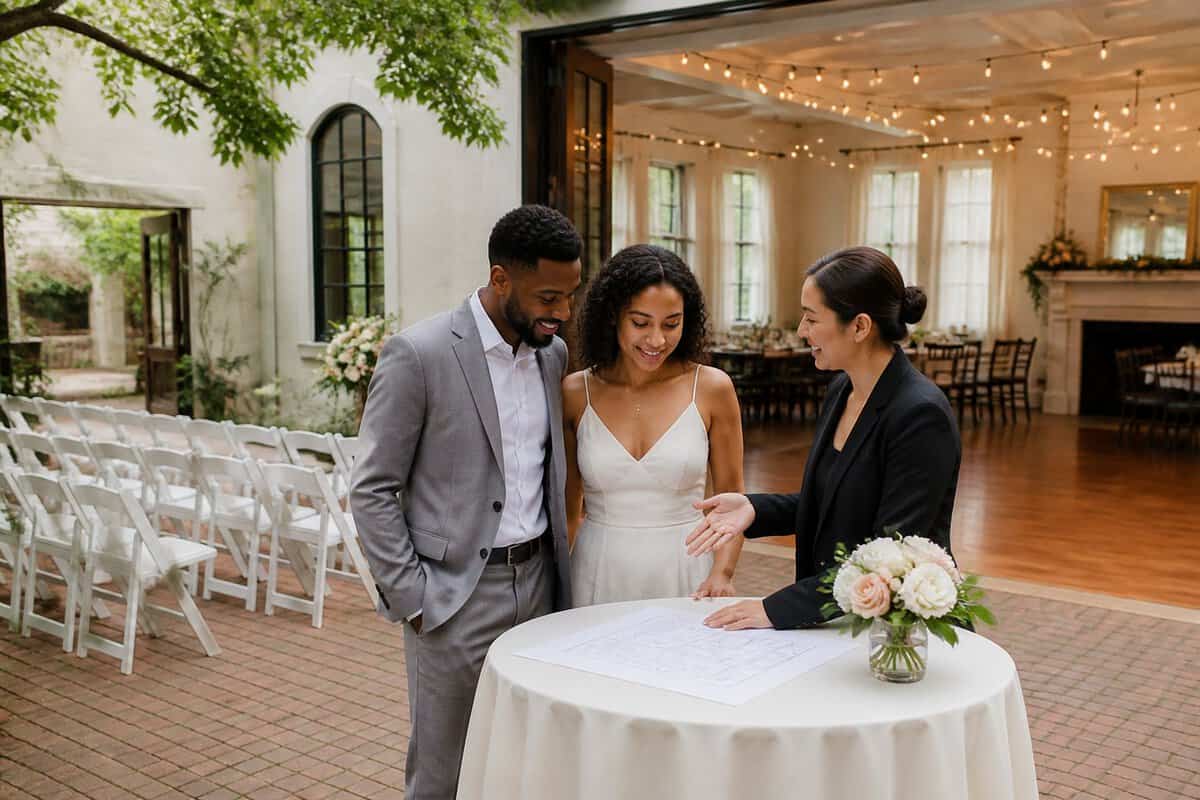
A smaller guest list and an off-peak date often create the biggest savings while preserving the setting and experience you want. Compare the complete wedding reception cost, including catering, bar service, rentals, staffing, taxes, and coordination.
Start your search with a clear spending limit, then tour spaces that fit your guest count. You can also explore these cheap wedding venue ideas for more budget-friendly directions.
If you have a date and a few preferred areas in mind, contact venues early to ask about open weekdays, winter dates, Sunday celebrations, and package options. A flexible search can help you find a beautiful DMV setting that fits your plans.
How to Find Value in DMV Venue Pricing
The best value comes from comparing the full package, guest minimums, and date rules instead of judging a venue by its rental fee alone. Event spaces with tables, chairs, setup, event coordination, or bar service included can reduce extra bills.

What Is Typically Included in a Venue Fee?
A venue fee might cover the room, ceremony area, tables, chairs, basic setup, cleanup, and a venue manager. Some packages also include linens, lighting, parking, security, or a getting-ready suite.
Ask for an itemized proposal. Confirm whether the quoted amount includes service charges, taxes, insurance, catering, bar service, staffing, and overtime. A low rental price can rise quickly when essential services are separate. A higher package price can provide stronger value when it includes several wedding-day needs.
How Guest Count Changes the Total Cost
Guest count affects both the room fee and the per-person cost. More guests require additional meals, drinks, rentals, staffing, restrooms, parking, and floor space.
Build a working guest list before requesting estimates. Ask each venue for pricing at your expected count and at a lower count, such as 50, 75, or 100 guests.
Intimate weddings can open access to smaller rooms, restaurant spaces, private gardens, and reduced food and beverage minimums. Use this guide on how to decide a wedding guest list if you need help setting your number.
When Off-Peak Dates Can Save You Money
Weekday weddings, Sunday receptions, winter dates, and daytime celebrations often come with lower rental rates or reduced minimums. Ask about open dates that the venue wants to fill, along with shorter reception packages.
A flexible date gives you room to compare offers. Also ask whether a ceremony and reception on the same day receive package pricing, and whether a brunch or afternoon wedding has different catering and bar costs. Read every date-related rule before paying a deposit.
Affordable Maryland Settings to Consider
Maryland gives you strong value across urban spaces, historic properties, barns, and waterfront locations. Compare travel time, guest capacity, included rentals, and catering rules along with the scenery.
Baltimore and Rockville Urban Event Spaces
Baltimore and Rockville offer convenient options for guests who prefer hotels, restaurants, museums, or flexible event spaces. Urban venues can reduce transportation needs and make overnight stays easier for out-of-town guests.
Look for private dining rooms, community halls, galleries, and smaller hotel spaces. These locations often suit couples planning an intimate wedding with a focused menu and limited décor. Ask about parking fees, room blocks, load-in times, and whether you can bring outside vendors.
Rockville also places you near major roads and Metro access, which helps guests traveling from Maryland, Virginia, and Washington, D.C. Baltimore provides waterfront districts, historic neighborhoods, and many reception rooms within a compact travel area.
Historic Estates and Barn Wedding Venues
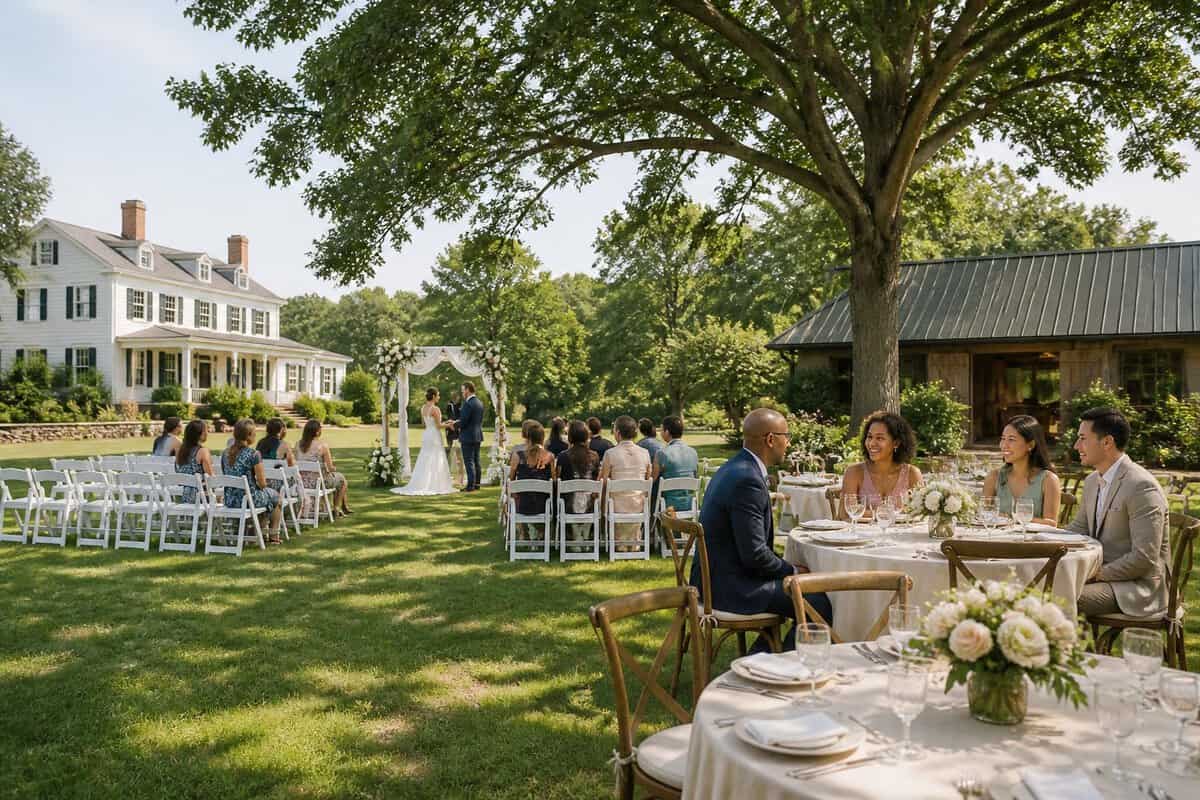
Historic estates and barn wedding venues create a strong visual setting with built-in character. Properties near Forest Hill and other Maryland countryside areas may offer lawns, stone buildings, farm views, or restored interiors for ceremonies and receptions.
Ask whether the venue provides tables, chairs, restrooms, climate control, and a rain plan. Outdoor spaces can require extra rentals for flooring, lighting, tents, and power.
Stone Ridge Hollow is one example of the rustic style couples may consider when searching for a Maryland setting with a countryside feel. Explore more best places to get married in Maryland while comparing travel distance and package details.
Waterfront Celebrations Near Annapolis and Chesapeake Bay
Annapolis and the Chesapeake Bay area offer waterfront views without requiring a large, formal estate. Restaurants, marinas, hotels, and coastal event spaces can suit smaller receptions with a scenic backdrop.
The Chesapeake Bay Beach Club provides a recognizable waterfront-style option to research, while nearby venues may offer more flexible capacity or pricing. Ask about sunset timing, wind, guest transportation, dock access, and indoor backup space.
Waterfront venues also need clear answers about parking and weather procedures before you sign.
Virginia Choices From City Charm to Wine Country
Virginia wedding venues range from accessible Northern Virginia spaces to vineyards and mountain properties. You can control costs by choosing a smaller guest list, a weekday date, or a package with clear inclusions.
Northern Virginia Venues Near Alexandria
Alexandria offers historic streets, hotels, restaurants, and event spaces close to Washington, D.C. A venue near Metro stations or major roads can lower guest travel costs and simplify transportation planning.
For an affordable reception, consider a private restaurant room, historic property, or small hotel ballroom. Ask about food and beverage minimums, parking, delivery access, and noise limits. Smaller spaces also make it easier to create a polished design with fewer rentals and less décor.
Leesburg Vineyards and Countryside Views
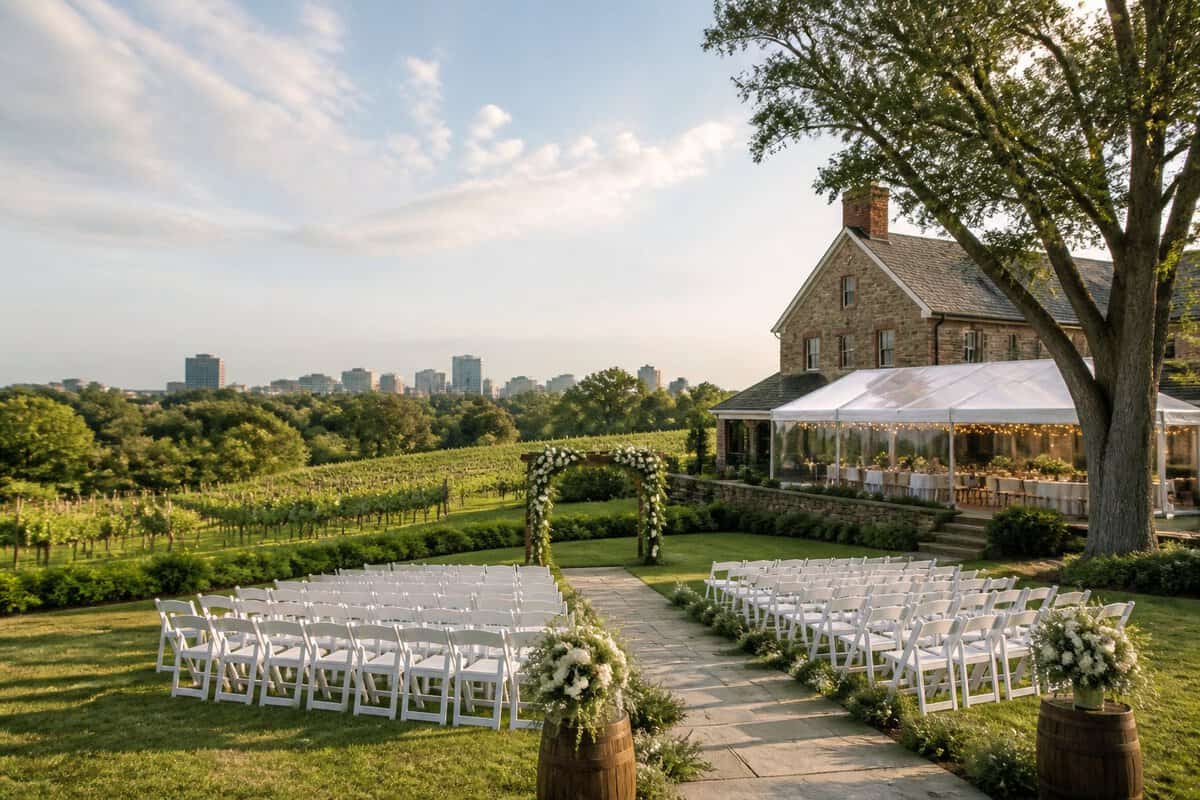
Leesburg and the surrounding Virginia wine country provide vineyard views, farm landscapes, and spacious grounds. A vineyard wedding can feel special with a ceremony outdoors and a reception in a tasting room, barn, or tent.
Stone Tower Winery is one venue to place on your research list. Compare its package structure with other vineyards, especially for catering, wine service, tenting, rentals, and event coordination. If the venue requires approved vendors, request a full vendor list before booking.
A weekday or winter celebration can make countryside venues more accessible. Check guest transportation because rideshare service and hotel choices vary by location.
Charlottesville and Blue Ridge Mountain Backdrops
Charlottesville offers historic properties, vineyards, restaurants, and views toward the Blue Ridge Mountains. These venues work well for couples who want scenic photos and a relaxed reception atmosphere.
Ask whether the quoted fee includes ceremony access, rain coverage, chairs, tables, lighting, and cleanup. Mountain and rural properties may require shuttle service for guests, which should be added to your wedding budget.
A venue near the Potomac River provides a different Virginia landscape and may suit couples who want water views with easier access from the D.C. region. Review more best places to get married in Virginia as you compare region, style, and travel needs.
Washington, D.C. Spaces That Balance Style and Access
Washington, D.C. venues can deliver a polished wedding experience with convenient transportation, though you need to review minimums and service fees closely. Smaller guest counts, daytime receptions, and flexible dates help city spaces fit a tighter budget.
Elegant Ballrooms for Larger Celebrations
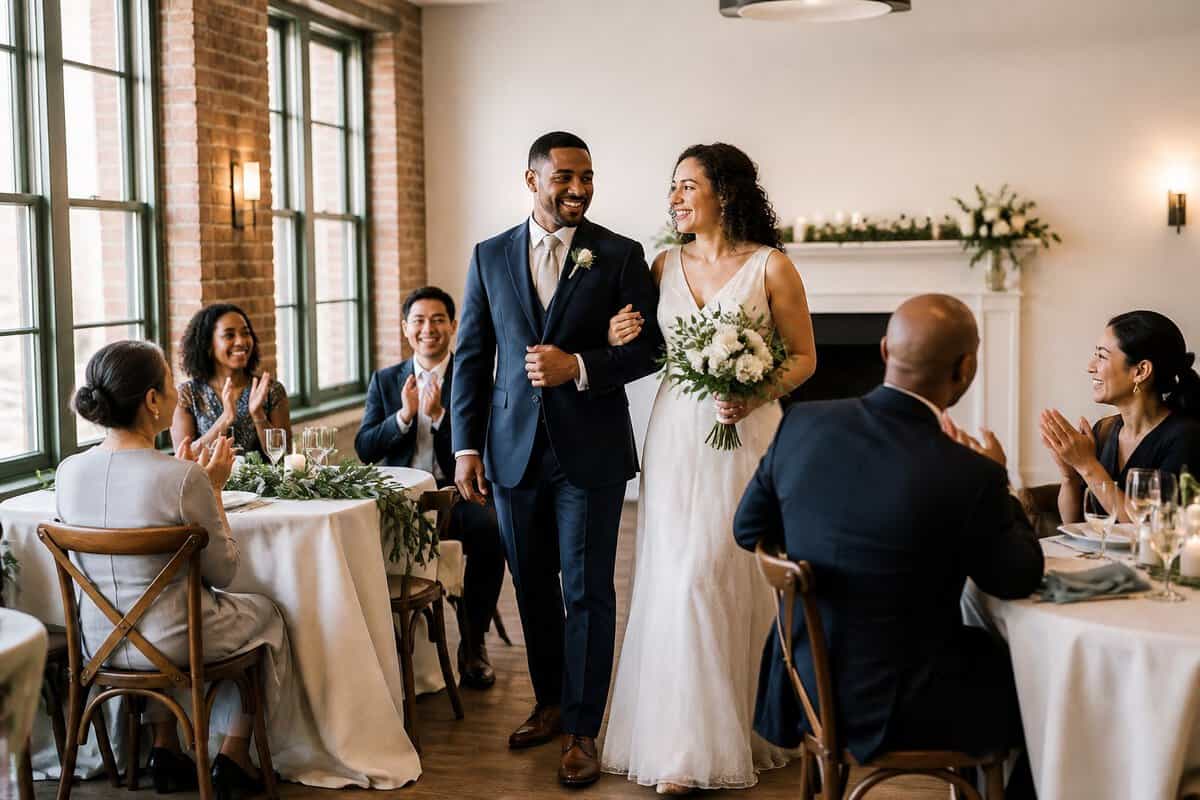
Elegant ballrooms suit larger weddings that need organized seating, a dance floor, catering access, and weather-protected space. Hotels and historic buildings may include tables, chairs, linens, staffing, and room blocks in their packages.
Request the minimum spend for food and beverages before comparing rental prices. A ballroom with a higher room fee may fit your budget when it includes setup, service staff, lighting, and reception furniture. Ask about overtime, cake-cutting fees, corkage, parking, and security.
A city ballroom also gives guests access to more hotels and transit routes. Confirm the ceremony and reception timing so you do not pay for unused hours.
Creative Event Spaces for Smaller Guest Lists
Creative event spaces work well for intimate weddings with a modern, personal style. Galleries, restaurants, wineries, courtyards, and industrial spaces can offer a distinctive setting with a smaller footprint.
Washington, D.C. examples include Culture House, Union Market District, District Winery, and private rooms at The Jefferson Hotel. Each type of space comes with different rules for catering, bar service, music, décor, and vendor access. Ask whether the venue provides an event coordinator or only a site manager.
For a small wedding, compare the minimum spend with a standard room rental. A space with a flexible layout can help you combine the ceremony and reception in one location, reducing transportation and setup costs.
These tips for choosing the perfect venue for a small wedding can help refine your shortlist.
How to Compare Your Shortlist Before Booking
Compare each venue using the same guest count, date type, service needs, and travel assumptions. A clear worksheet helps you see the complete cost and spot restrictions before you pay a deposit.
Questions to Ask on a Venue Tour
Ask for a written proposal that lists the rental fee, food and beverage minimum, taxes, service charges, staffing, rentals, and overtime. Confirm the ceremony location, reception hours, setup window, cleanup duties, and access for your planner or vendors.
Discuss event coordination in specific terms. Ask who manages the timeline, vendor arrival, room flip, rehearsal, and wedding-day problems. Confirm the deposit schedule, cancellation policy, insurance requirement, and refund rules.
Walk through guest arrival areas, restrooms, parking, elevators, getting-ready rooms, and the route between ceremony and reception. Take notes on noise limits, décor restrictions, candle rules, and music cutoff times.
How to Evaluate Catering, Bar Service, and Vendor Rules
Request a sample menu with per-person pricing and ask how much flexibility you have with substitutions. Confirm whether tasting fees, cake service, staffing, rentals, and late-night food are included.
For bar service, compare hosted packages, consumption pricing, wine and beer options, signature drinks, bartender fees, and required last-call times. Ask whether you can bring outside alcohol and whether a licensed bartender is required.
Vendor rules can change your budget. Check approved-caterer lists, corkage fees, delivery charges, rental requirements, and cleanup responsibilities. If you want to hire your own caterer, review how to choose the right wedding caterer before signing.
Weather, Accessibility, and Guest Travel Considerations
Every outdoor venue needs a written weather plan with backup space, tent costs, decision deadlines, and responsibility for moving rentals. This applies to gardens, vineyards, Chesapeake Bay locations, and properties near the Potomac River.
Check step-free entrances, accessible restrooms, parking distance, lighting, and seating routes. Ask how guests will move between the ceremony, cocktail hour, and reception.
Estimate travel time from major hotels, airports, and transit stops. A lower venue fee can lose its value when guests need long shuttles or limited lodging is available. Place your finalists side by side with their complete estimates, travel details, weather plans, and contract terms before choosing.