
Affordable Wedding Venues for 150 Guests on a Budget
A 150-person wedding can feel spacious, stylish, and affordable when you choose the right venue size and control the costs that follow. Community halls, parks, local restaurants, museums, and private homes often provide more value than traditional hotel ballrooms.
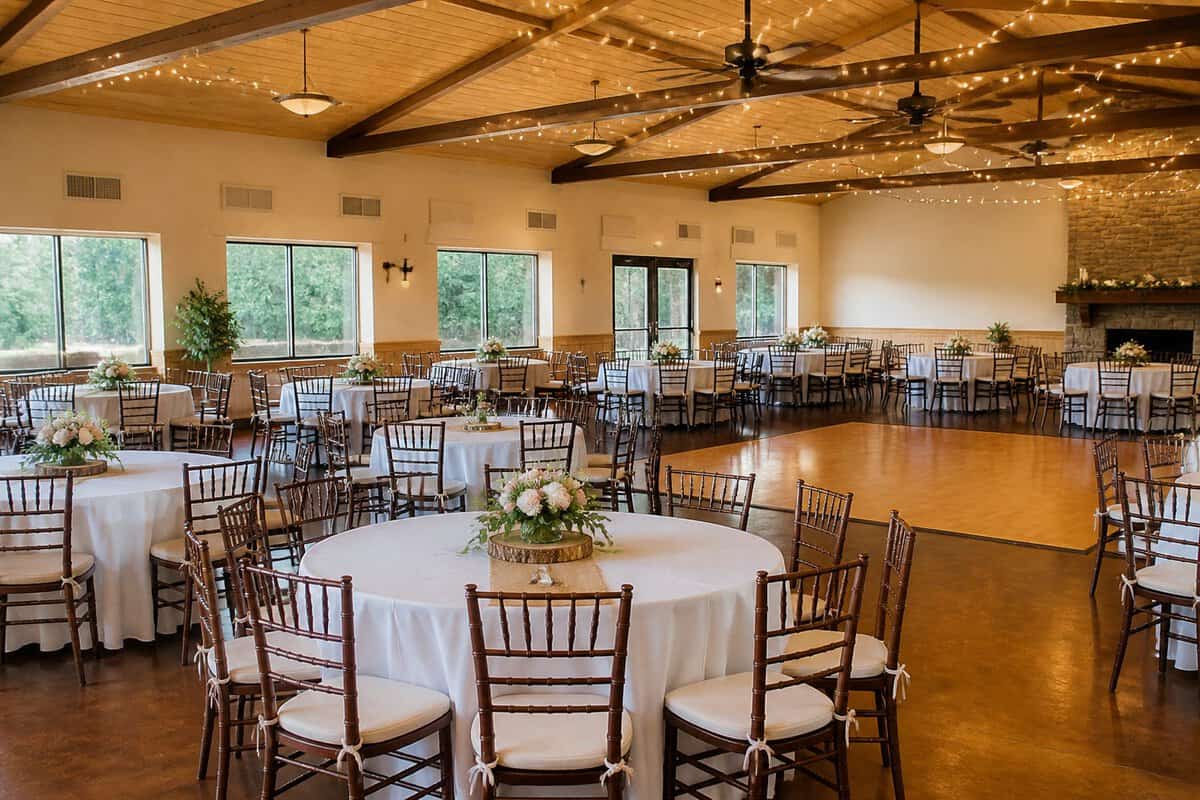
The smartest wedding planning starts with your guest count, preferred date, and total wedding budget. A venue with included tables, chairs, setup time, and flexible catering rules can save thousands of dollars before you add décor. Compare the full price, confirm the capacity, and ask for every fee in writing before you tour your final choices.
Browse these cheap wedding venue ideas for more ways to keep your celebration within reach.
What Does a 150-Guest Celebration Really Cost?
A 150-guest celebration often requires a venue budget of about $5,000 to $15,000, with location, date, food service, and included rentals driving the final wedding venue cost. A full U.S. wedding budget for this guest count can reach $30,000 to $50,000, while a careful plan using affordable wedding reception venues can come in much lower.
Your wedding reception venue affects catering, rentals, décor, and staffing. Compare those connected costs before choosing a space with a low rental price.
How to Set a Venue Budget Per Guest
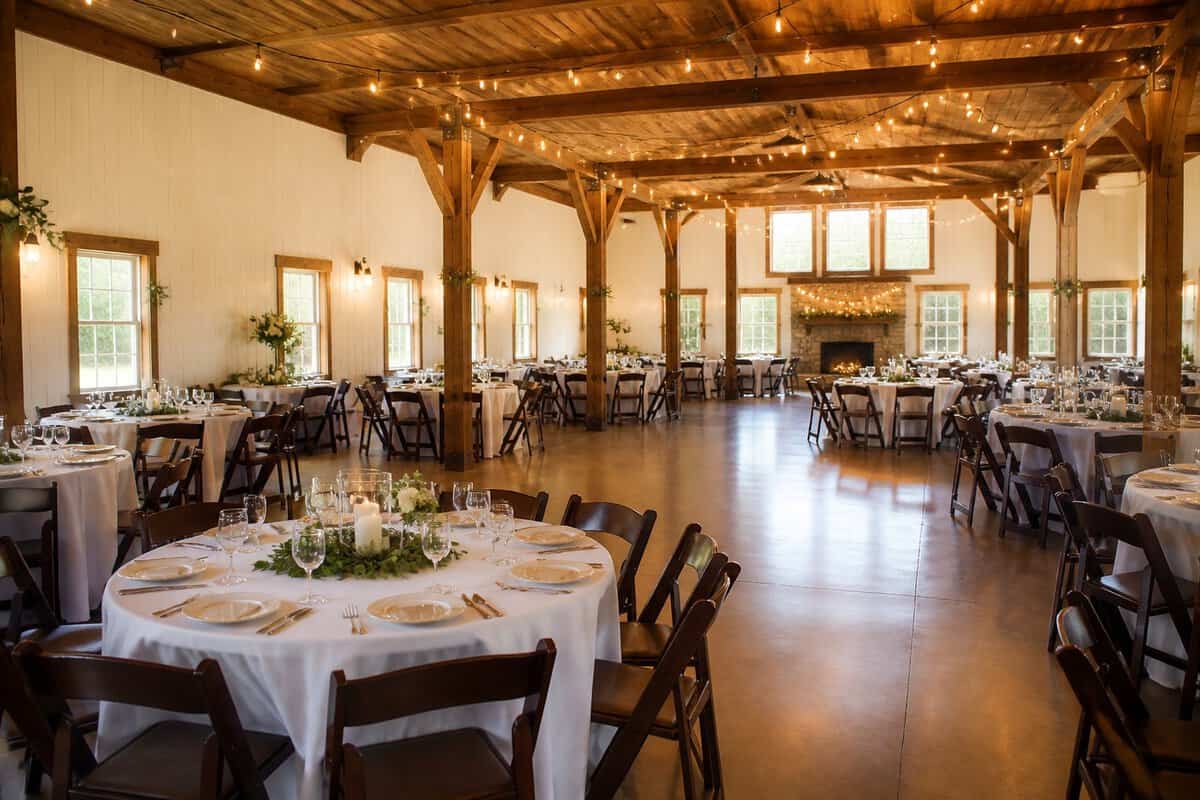
Start with a target cost per guest. A venue-only goal of $35 to $75 per person puts 150 guests at $5,250 to $11,250. If the venue includes tables, chairs, linens, staffing, and cleanup, a higher rental rate could still produce a lower total bill.
Set aside money for food, bar service, photography, music, attire, décor, invitations, transportation, and a buffer for unexpected charges. A Friday, Sunday, or winter date often creates more room in your wedding budget.
Which Fees Raise the Final Venue Bill?
Ask about every charge connected to the rental:
- Service fees and administrative charges
- Security deposits and event insurance
- Catering or kitchen fees
- Bartender and bar setup charges
- Table, chair, linen, and china rentals
- Setup, cleanup, and trash removal
- Ceremony fees and rehearsal access
- Parking attendants and security staff
- Overtime and early-access rates
Request an itemized estimate showing taxes and service charges. A $4,000 venue rental can become a much larger bill when outside vendors, staffing, and equipment are added.
How to Compare Venue Rental Costs and Package Pricing
Compare venues using the same guest count, event hours, meal style, bar plan, and rental needs. An all-inclusive package may cover catering and furniture, while a lower-priced blank space may leave you responsible for delivery, labor, and cleanup.
Ask each venue to provide a sample invoice for 150 guests. Check whether the package includes a ceremony area, dance floor, sound equipment, parking, and a rain plan. Your comparison becomes clearer when every estimate uses identical services.
How Much Space Do 150 Guests Need?
Plan for about 1,650 square feet of usable reception space for a seated banquet, plus room for food service, bars, restrooms, storage, and circulation. A venue advertised for 150 people may feel crowded once tables and chairs, a dance floor, a DJ booth, and buffet stations are placed inside.
A good layout gives guests clear paths between dinner, drinks, restrooms, and dancing. Ask to see a floor plan with furniture drawn to scale before signing.
Seating Layouts for Dinner, Drinks, and a Dance Floor
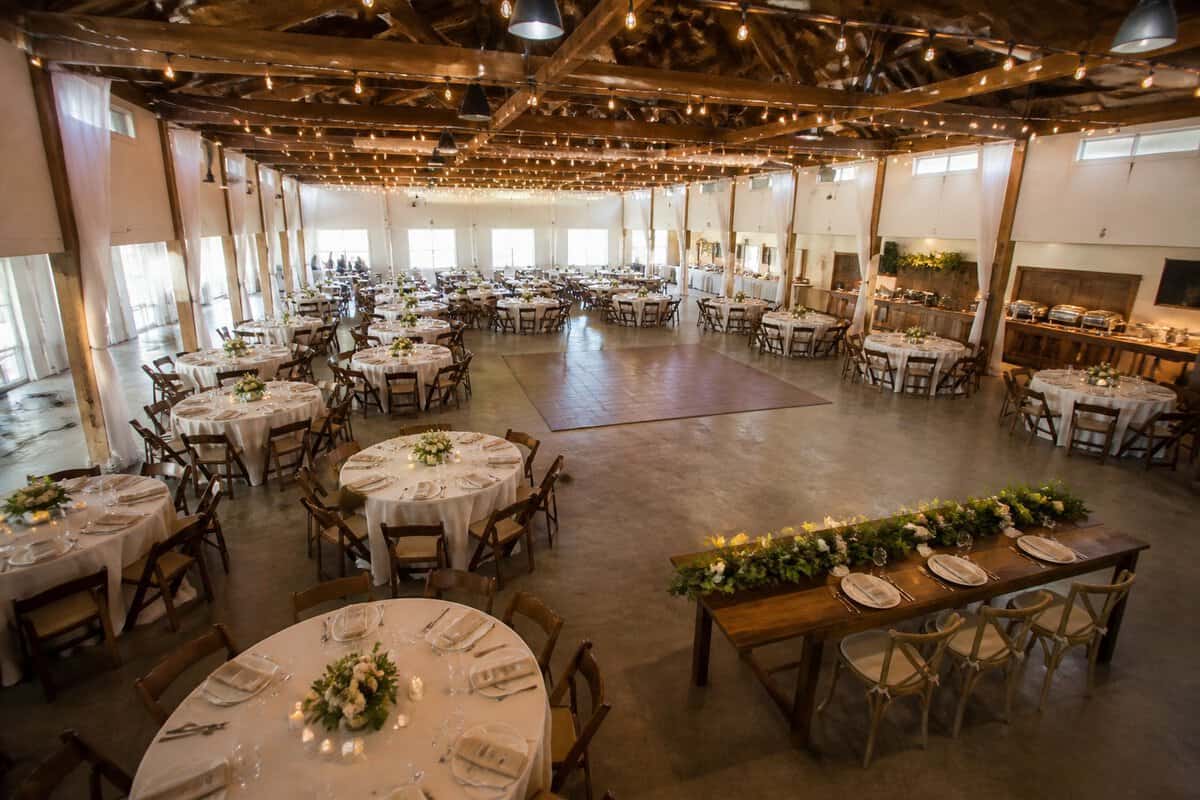
Round tables seating 8 to 10 guests work well for 150 people. Fifteen tables of 10 provide a clean starting point, while 16 tables allow extra flexibility for uneven groups and last-minute changes.
Leave space for:
- A dance floor of about 450 to 600 square feet
- A DJ or band area
- Buffet tables or plated-meal service
- A bar and cocktail queue
- A sweetheart table or head table
- Gift, cake, and guest-book tables
- Accessible routes between key areas
Use this guide to estimate how big a dance floor should be for 150 guests before reviewing floor plans.
Parking, Restrooms, and Accessibility Requirements
Confirm parking capacity, nearby overflow parking, lighting, and the distance from parking areas to the entrance. Guests should have a clear route from vehicles to the event space, including guests using wheelchairs, walkers, or strollers.
Ask about restroom quantity, accessible stalls, changing areas, and restroom access during setup. Outdoor venues need portable restrooms, handwashing stations, and stable paths if permanent facilities are too far away.
Why Included Tables and Chairs Can Save Thousands
Furniture rentals for 150 guests can include tables, chairs, linens, delivery, setup, and pickup. Those charges can add several thousand dollars when every item comes from a separate rental company.
Ask whether the venue owns the furniture or uses a preferred rental provider. Confirm the exact number, style, condition, setup time, and replacement fees. Included basics also reduce delivery windows and the number of vendors your planner must coordinate.
Low-Cost Venue Types That Can Handle a Crowd
Community centers, banquet halls, public parks, cultural spaces, and restaurants offer strong value for 150 guests because they often have practical layouts and lower rental rates. You can also find savings in libraries, schools, museums, art galleries, zoos, and aquariums when their event policies fit your plans.
Check capacity, vendor rules, alcohol permits, parking, and cleanup before falling in love with a unique setting. A low rental price helps only when the space supports your event needs.
Community Centers and Banquet Halls
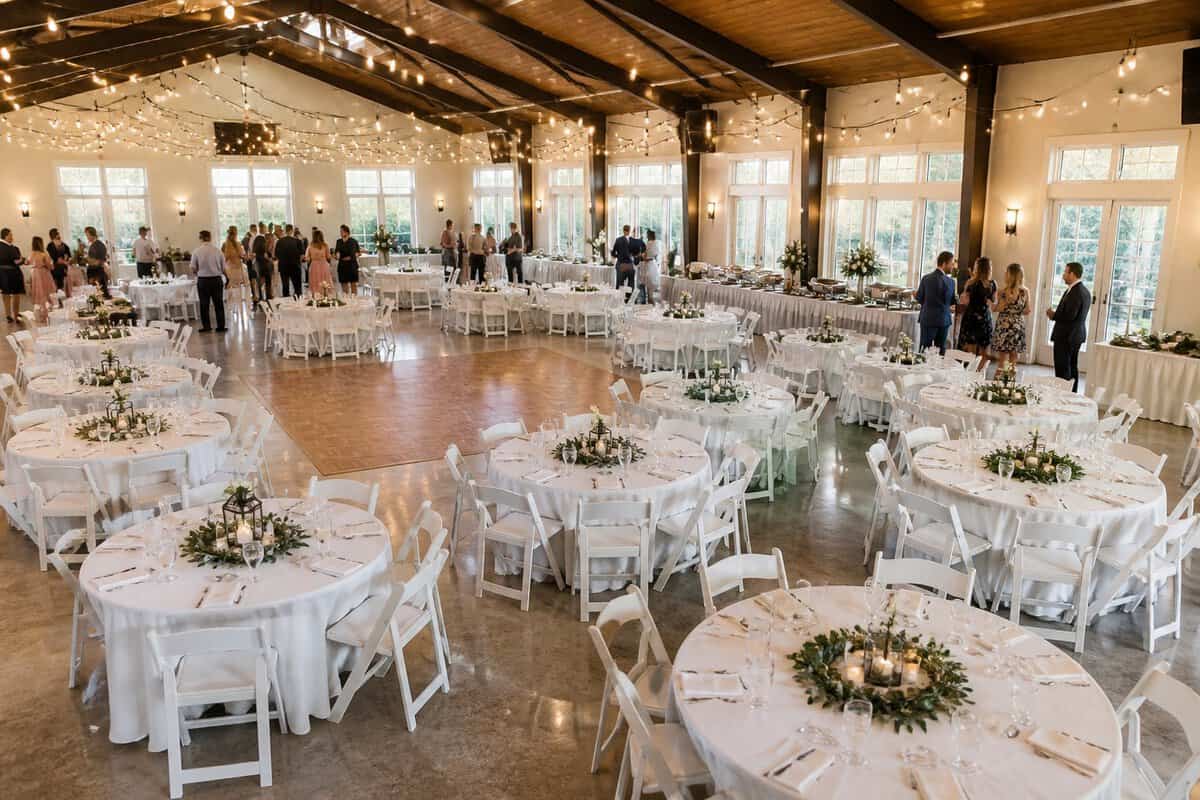
Community centers and banquet halls often provide the best balance of capacity, cost, and function. Many include a large open room, commercial kitchen access, tables, chairs, parking, and evening rental blocks.
Ask about resident discounts, nonprofit rates, weekday pricing, and cleaning requirements. A cultural center or recreation hall may also allow outside catering, which gives you more control over menu costs.
Parks, Gardens, Zoos, and Aquariums
Parks and gardens create a scenic setting with modest site fees, especially for ceremonies or daytime receptions. Zoos and aquariums offer memorable spaces, though catering, security, guest access, and event-hour rules can increase the total cost.
Check permit requirements, noise limits, weather plans, lighting, restrooms, and power. Some public sites also require event insurance and approved vendors.
Museums, Art Galleries, and Libraries
Museums, art galleries, and public libraries can provide built-in décor and a distinctive atmosphere. A historic branch, including a landmark such as the Boston Public Library, may have strict rules about candles, food, furniture placement, photography, and alcohol.
Ask whether guests can use all displayed areas and whether the rental includes a private room, loading access, security, and cleanup. Decorative architecture can reduce your floral and styling budget.
Local Restaurants, Schools, and Other Unexpected Spaces
A local restaurant with a private dining room may combine the venue, meal, service staff, tables, and chairs in one package. Schools, theaters, breweries, cultural centers, and university buildings can also handle 150 guests when they have suitable restrooms and event access.
Compare minimum food and beverage spending with a standard rental fee. Restaurants often charge per person, so calculate the full meal, bar, tax, service charge, and room fee before comparing the offer with a banquet hall.
Indoor, Outdoor, or at Home: Which Option Fits Best?
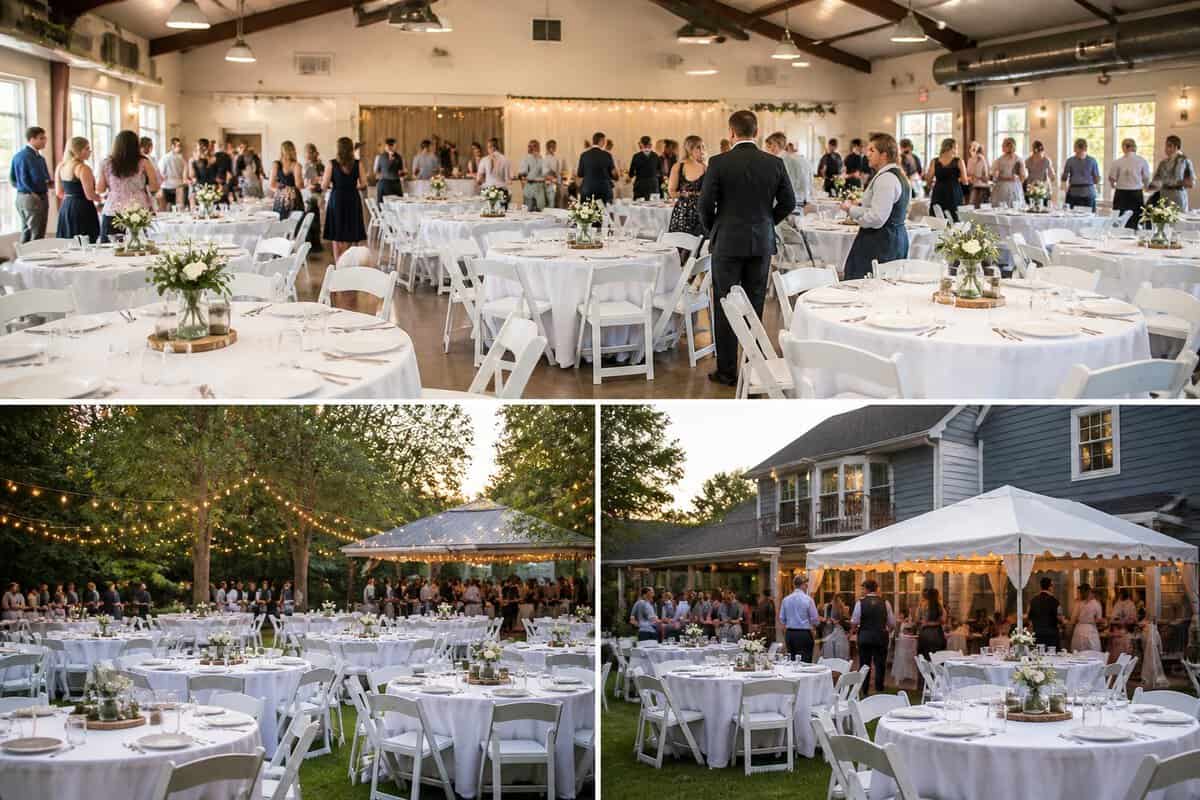
An indoor venue offers the easiest control over weather, temperature, restrooms, power, and accessibility, while an outdoor or backyard wedding can reduce the site fee and create a relaxed setting. For 150 guests, choose the wedding location that handles guest comfort and basic infrastructure without forcing you to rent every service separately.
A blended plan can work well: hold the ceremony outside and move dinner and dancing indoors. Confirm the guest flow before booking either format.
When a Backyard Wedding Works for 150 People
A backyard wedding works when the property has enough level ground, parking, restroom access, power, and space for catering deliveries. You also need room for tables and chairs, guest pathways, a dance floor, food service, and waste collection.
Measure the usable area, not the full lot. Review local noise rules, fire restrictions, event permits, and liability insurance. A residential setting can feel personal, while the added rentals and labor require careful budgeting.
Weather Backup Plans for Outdoor Celebrations
Outdoor celebrations need a backup plan that protects guests from rain, wind, heat, and cold. A tent on the same property works when the ground, drainage, access route, and tent size are suitable.
Ask when you must make the weather call, who controls the change, and whether the venue can move your event indoors. Include lighting, sidewalls, fans or heaters, flooring, and a safe plan for severe weather.
How to Price Tents, Power, Restrooms, and Rentals
Request one combined estimate for:
- Tent delivery, installation, flooring, sidewalls, and lighting
- Tables, chairs, linens, lounge furniture, and a dance floor
- Generators, extension cables, and distribution
- Portable restrooms and handwashing stations
- Catering equipment, dumpsters, and waste removal
- Delivery, pickup, labor, permits, and insurance
Compare this total with an indoor venue that already includes core infrastructure. The lower site fee does not guarantee a lower wedding budget after rentals and labor are added.
Questions to Ask Before You Sign the Contract
Ask for a complete written proposal covering catering, vendors, access hours, cleanup, overtime, ceremony use, permits, and venue rental costs. Clear answers protect your wedding planning budget and help you compare wedding reception venues on equal terms.
Bring your guest count, preferred date, meal plan, bar plan, and ceremony timeline to every venue meeting. Ask the coordinator to mark each included service on the contract.
Can You Use Outside Catering and Bring Your Own Bar?
Ask whether outside catering is allowed, whether the venue requires an approved list, and whether a kitchen or prep area is available. Confirm corkage fees, catering insurance, staff requirements, food storage, and cleanup duties.
For a bring-your-own bar, ask about alcohol permits, licensed bartenders, liability coverage, ice, mixers, glassware, refrigeration, and last-call rules. A flexible policy can reduce food and drink costs, while extra staffing charges can change the calculation.
What Is Included in Setup, Cleanup, and Overtime?
Confirm the exact access time for vendors, the setup window, the event end time, and the final cleanup deadline. Ask who places tables and chairs, handles trash, removes décor, sweeps floors, and returns furniture.
Get overtime rates for the venue, staff, caterer, DJ, and security in writing. Also ask about early access, rehearsal time, storage, delivery windows, and charges for items left overnight.
Does the Venue Work for Both the Ceremony and Reception?
A venue that hosts both events can reduce transportation, rental transfers, and guest confusion. Confirm whether the ceremony and reception use separate rooms or require a room flip during cocktail hour.
Ask about ceremony seating, an aisle, a sound system, rain access, private areas for the couple, and the timeline for moving tables and chairs. A room flip needs enough staff and time to finish before guests enter the reception.
When to Confirm the Marriage License and Local Rules
Contact your county clerk early to confirm marriage license requirements, identification, waiting periods, application timing, and officiant rules. Requirements differ across states and counties, so use your local government office as the final authority.
Ask the venue about alcohol permits, amplified sound, occupancy limits, fire codes, parking rules, outdoor structures, and event insurance. Add permit deadlines to your wedding planning calendar before you pay the final deposit.