
Affordable Wedding Venues for 150 People: A Planning Guide
A wedding for 150 guests needs more than an attractive room. You need enough space for dinner, dancing, restrooms, parking, catering, and a smooth guest flow.
With careful wedding planning, affordable wedding venues for 150 people can fit a modest wedding budget while still feeling comfortable and festive.
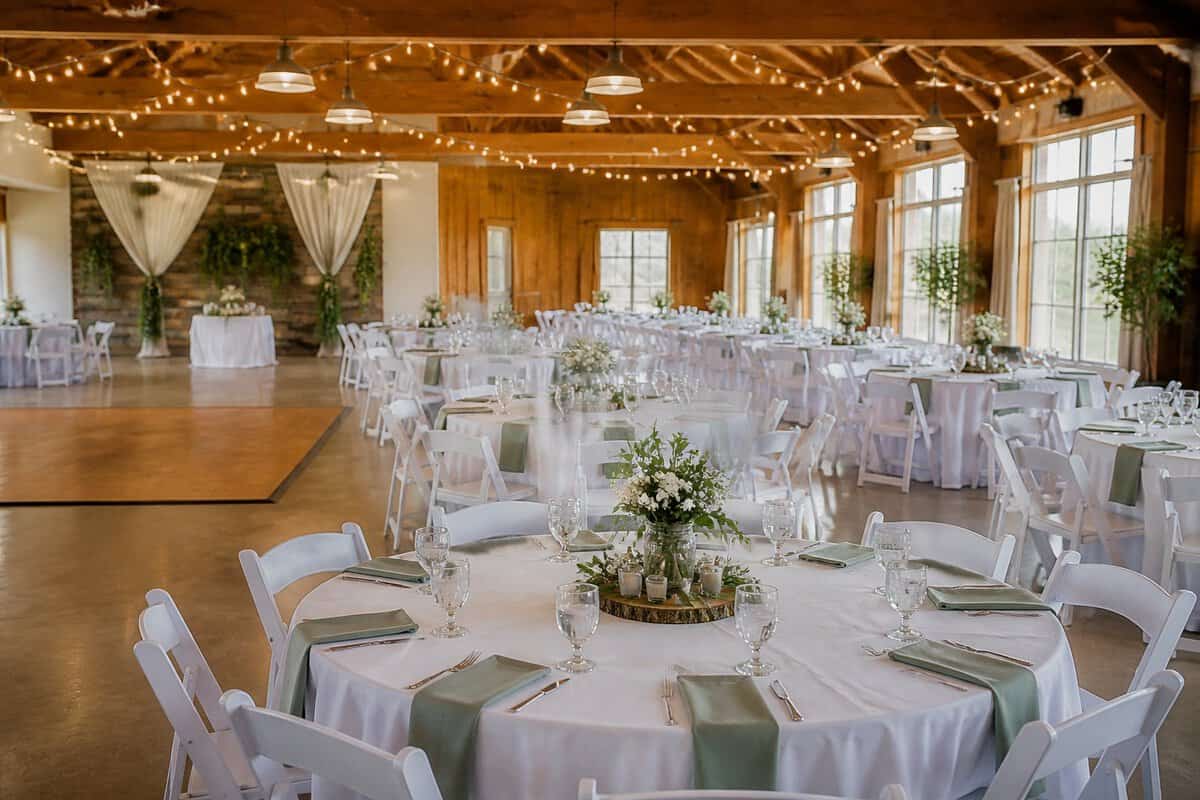
Start by comparing the venue’s complete cost, capacity, and included services instead of focusing on the rental price alone. Community halls, parks, banquet spaces, and flexible event rooms often provide strong value when you match the format to your guest list.
Use the numbers and questions below to narrow your choices, then request written quotes from your favorite wedding venues.
What Does a 150-Guest Venue Really Cost?
A realistic venue budget for 150 guests often falls between $3,000 and $12,000 before catering, bar service, taxes, and rentals. Your location, date, services, and food requirements can move that figure significantly.
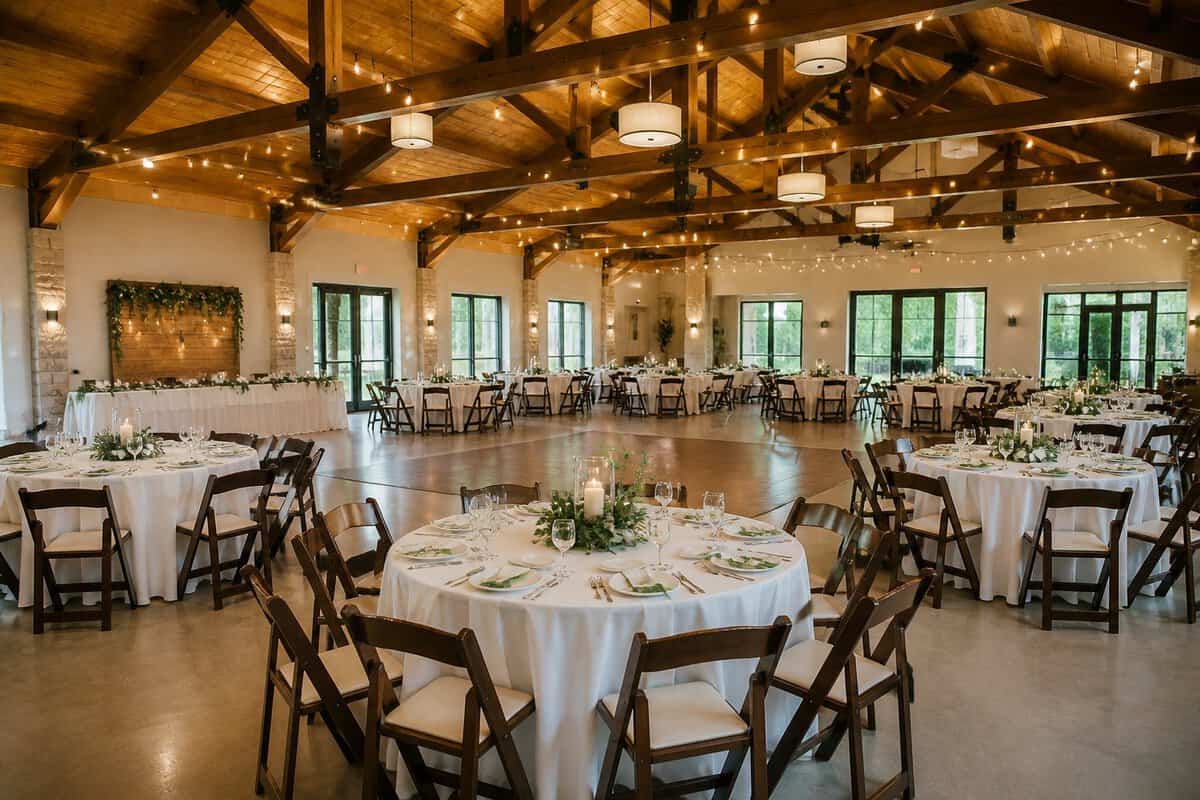
Estimate a Realistic Per-Person Venue Budget
For a value-focused wedding reception, set aside about $20 to $80 per guest for the venue and basic rentals. At 150 guests, that equals approximately $3,000 to $12,000.
A lower rate often comes with a room-only rental. A higher rate might include tables, chairs, linens, setup, cleanup, security, or an on-site coordinator.
Compare each package by dividing the total by 150, then list every service included in that number.
Your date also affects the price. Friday evenings, Sundays, winter dates, and weekday celebrations often cost less than Saturday events during peak wedding months.
Ask whether the venue offers reduced rates for shorter receptions or off-peak dates.
Calculate the All-In Cost Beyond the Rental Fee
The rental fee represents one part of the wedding reception cost. Add these line items before deciding whether a space fits your budget:
- Tables, chairs, linens, and dinnerware
- Catering and kitchen access
- Bartenders, alcohol, and a bar setup
- Setup, cleanup, and security
- Insurance, permits, taxes, and service charges
- Lighting, sound equipment, and a dance floor
- Restroom trailers for outdoor locations
- Heating, cooling, or tent rentals
A $4,000 hall can become a $9,000 venue expense after required rentals and staffing. A $7,000 package with furniture, cleanup, and catering equipment included might cost less at the final invoice stage.
Spot Service Fees, Minimums, and Overtime Charges
Read the contract for food and beverage minimums, staffing fees, damage deposits, and overtime rules. Some wedding reception venues require you to spend a set amount on catering or bar service, which can raise your total even when the room rental looks affordable.
Ask when the rental clock starts. A six-hour event might require you to pay for access two hours earlier for decorating and one hour afterward for cleanup.
Confirm the overtime rate for the couple, vendors, and guests separately.
Request a sample final invoice that includes tax, gratuity, administrative fees, and payment deadlines. Written details make quotes easier to compare.
How to Tell Whether a Space Fits 150 Guests
A suitable wedding venue gives 150 guests room to eat, move, dance, reach restrooms, and enjoy cocktail hour without crowding. A posted capacity number does not show how the space works with tables, a bar, a DJ, and service paths.
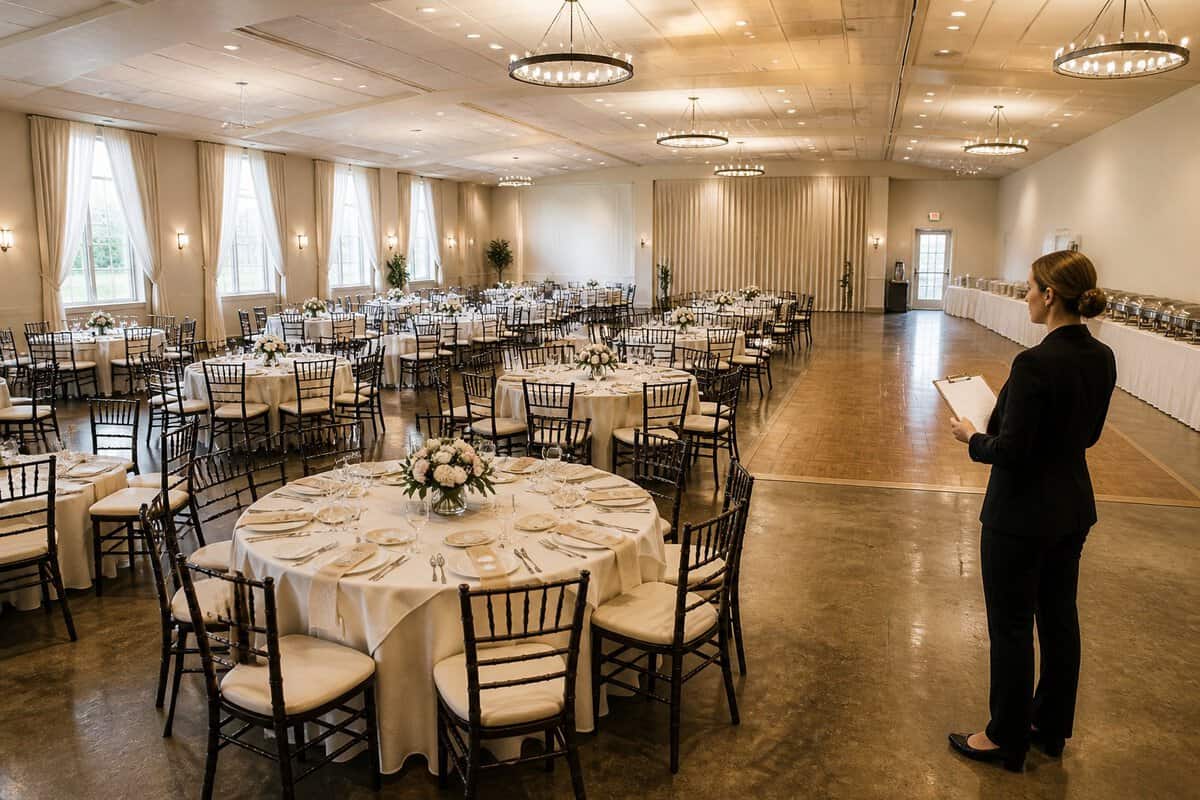
Use a scaled floor plan during every tour. Ask the venue to place dining tables, the dance floor, buffet or plated-service stations, bars, gift and cake tables, and a ceremony layout on the same plan.
Plan Room for Dinner, Dancing, and a Cocktail Hour
A comfortable 150-person reception often needs about 4,500 to 6,500 usable square feet when dinner, dancing, cocktail hour, service areas, and a ceremony share the property. Seated dining alone may use 1,800 to 2,250 square feet.
Plan for about 15 to 19 dining tables, depending on table size. Add a dance floor of roughly 300 to 400 square feet, plus space for the DJ or band, buffet lines, bars, and guest circulation.
Ask whether cocktail hour takes place in a separate room, patio, or outdoor area. A space that works for dinner may feel packed when all 150 guests gather near one bar or food station.
Check Parking, Accessibility, and Vendor Access
Confirm the number of parking spaces, overflow options, lighting, and rideshare pickup points. A remote venue might require shuttle service, which adds transportation costs and a longer guest timeline.
Walk the route from parking to the ceremony and reception rooms. Check ramps, elevators, accessible restrooms, aisle widths, seating for guests with mobility needs, and paths without stairs.
Ask how vendors load in. A service entrance, nearby parking, freight elevator, and prep kitchen can reduce setup time and labor charges.
Confirm where caterers store food, where rental companies unload, and whether vendors can enter before the rental period begins.
Confirm a Weather Backup and Setup Timeline
Outdoor wedding venues need a firm rain and heat plan before you sign. Confirm whether the backup space holds all 150 guests with the planned tables, dance floor, food service, and ceremony setup.
Ask who supplies tents, flooring, fans, heaters, lighting, and sidewalls. Get each item priced in writing.
Build a schedule that covers vendor arrival, decorating, ceremony setup, room flips, guest arrival, cleanup, and departure. A tight timeline can create overtime charges and delay the wedding reception.
Venue Types That Offer the Best Value
Community centers, parks, cultural spaces, and flexible event rooms often provide the strongest value for 150 guests. Each option saves money in a different way, so match the venue to your desired food service, decor, and guest experience.
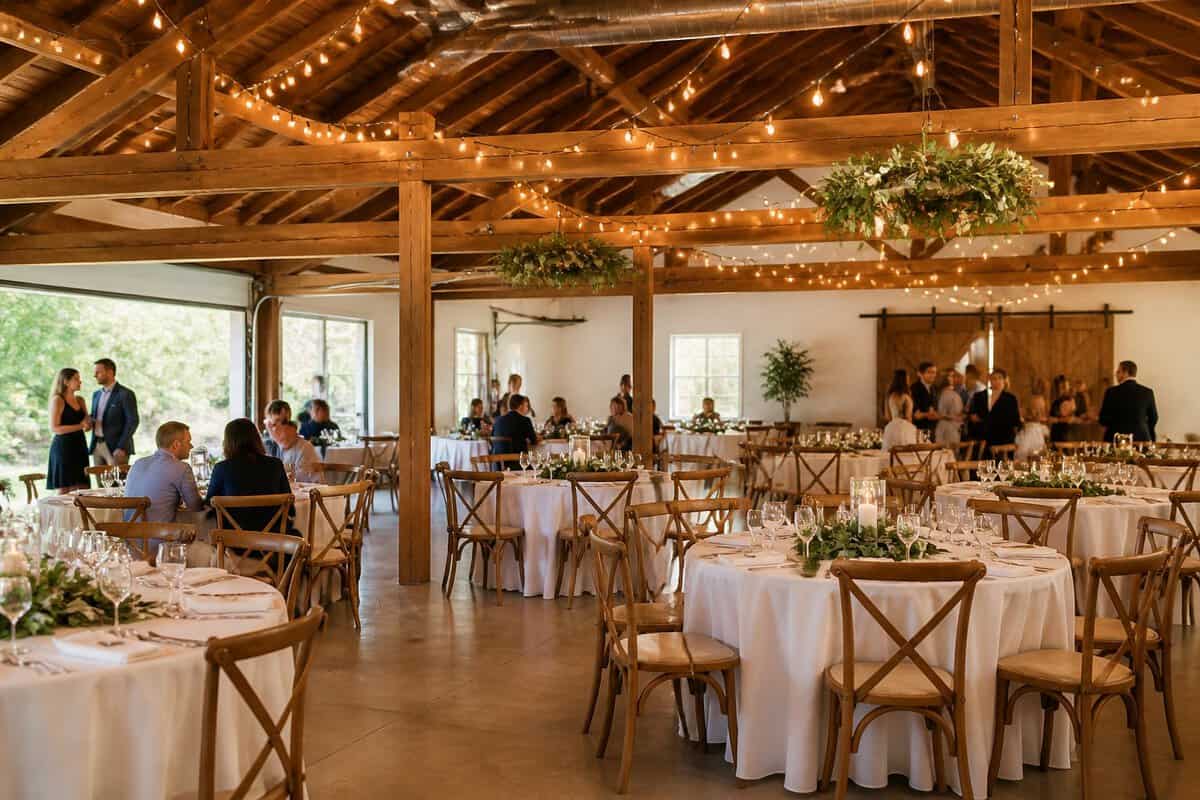
Compare the full operating cost before choosing a low rental rate. A public site might require permits and rentals, while a community hall might include tables, chairs, a kitchen, and restrooms.
Community Centers and Banquet Halls
Community centers frequently offer large rooms, kitchen access, tables, chairs, and flexible vendor policies. Hourly or daily rentals can work well when you manage decor and hire outside catering.
Banquet halls provide a more complete setup. Some include linens, staff, food service, bar packages, and cleanup in one price.
Ask whether the hall sets a food or beverage minimum and whether you can bring your own caterer.
Look for city recreation buildings, fraternal halls, cultural centers, and nonprofit event spaces. Tour the room during a similar event if possible, since a bare room can look much larger than a furnished reception.
Public Parks, State Parks, and National Parks
Parks offer natural scenery and low site fees, with permits often costing less than private venue rentals. A 150-person reception requires careful planning for restrooms, power, shade, seating, lighting, parking, and weather protection.
State parks and national parks may have rules for alcohol, amplified music, candles, catering vehicles, photography, and guest access.
Ask about event permits, insurance, quiet hours, fire restrictions, and cleanup requirements.
Include tent, table, chair, restroom, generator, and delivery costs in your estimate. A park becomes more cost-effective when it already has a covered pavilion, restrooms, parking, and electrical access.
Botanical Gardens, Museums, and Art Galleries
Botanical gardens, museums, and art galleries can provide a memorable setting with built-in visual appeal. Existing plants, exhibits, architecture, or artwork reduce the amount of decor you need to buy.
Check capacity by room and event format. A gallery might hold 150 guests for a standing cocktail hour yet seat fewer people comfortably for dinner and dancing.
Ask about exclusive caterers, alcohol policies, exhibit protection, candle rules, furniture restrictions, load-in windows, and required security. These details shape the final budget more than the room’s advertised rate.
Restaurants and Flexible Event Spaces
Restaurants with private dining rooms may bundle food, service, tables, chairs, and basic linens into a single package. Breweries, lofts, libraries, historic buildings, and coworking spaces can also offer flexible layouts.
Confirm that the kitchen can serve 150 guests within your preferred dinner schedule. Ask about private buyouts, menu minimums, bar packages, service charges, and music limits.
Flexible spaces can save money when you bring outside catering or rentals. Price those additions before booking, since a blank room requires more labor and equipment.
Low-Cost Formats for Ceremonies and Receptions
A separate ceremony location, off-peak date, backyard setting, or buffet meal can reduce venue costs for 150 guests. These formats work best when you assign clear responsibility for permits, rentals, food service, setup, and cleanup.
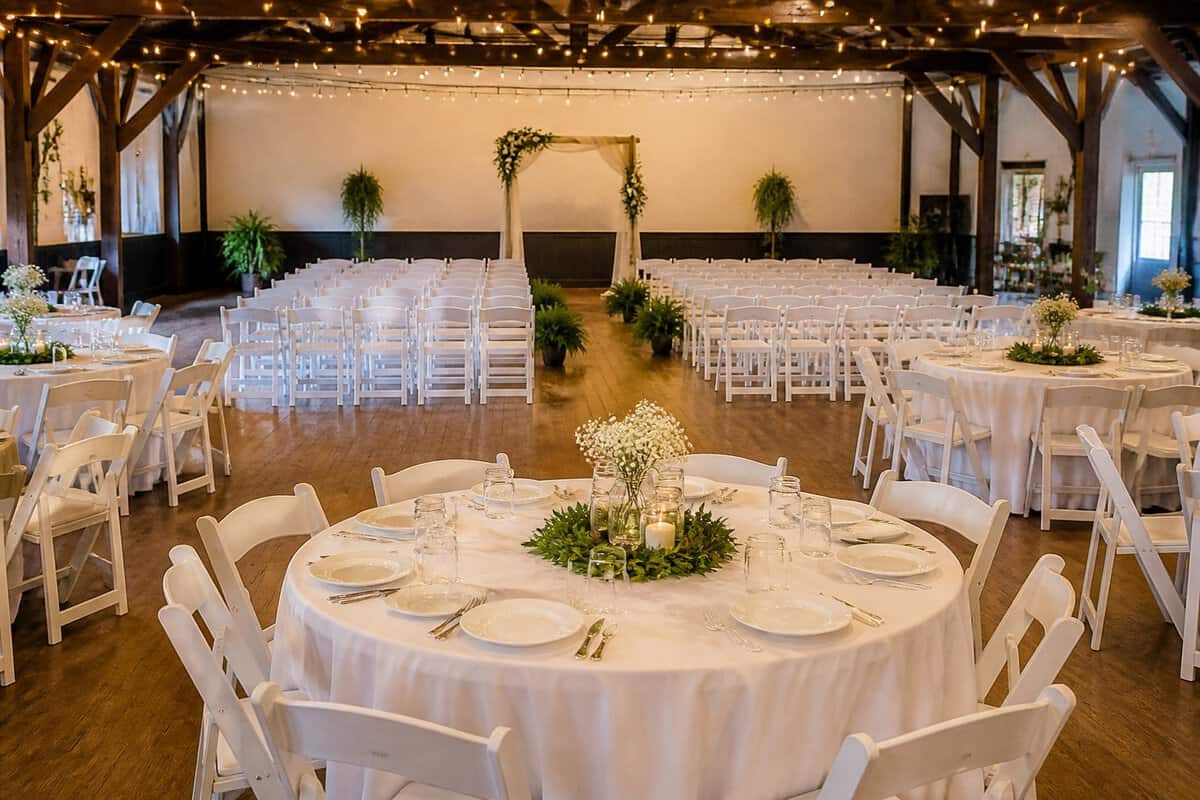
Choose the format that lowers several connected expenses at once. For example, a venue with tables and a kitchen might save more than a cheaper outdoor site that requires every rental.
Pair a Courthouse Wedding With a Separate Reception
A courthouse wedding separates the legal ceremony from the larger celebration. You can obtain your marriage license, complete the civil ceremony, and host a reception for 150 guests on a different day or at a less expensive location.
This approach reduces ceremony decor, seating, officiant, and ceremony-site costs. Check your county’s license rules, appointment process, identification requirements, and waiting period before setting dates.
A restaurant, community hall, or park pavilion can provide the reception setting. Include a brief welcome or vow renewal moment so guests feel included in the celebration.
Make Backyard Weddings Work for a Larger Guest List
Backyard weddings can save on venue fees when the property has safe access, usable space, and a strong plan for utilities. For 150 guests, measure the area for tents, dining tables, a dance floor, catering, restrooms, parking, and emergency access.
Renting a tent, flooring, lighting, restrooms, tables, chairs, power, and climate equipment can cost more than expected. Ask a rental company for a complete site plan and written quote.
Check local rules for parking, noise, alcohol, food preparation, temporary structures, and event insurance. Arrange professional cleanup and designate one person to manage vendors so family members can enjoy the reception.
Use a Weekday Wedding to Lower Venue Costs
A weekday wedding can reduce the room rental and improve vendor availability. Thursday celebrations often offer a useful balance between guest convenience and weekend pricing.
Send save-the-dates early so guests can request time off. Consider an evening reception after work or a daytime celebration with a shorter schedule.
Ask whether the venue applies different minimums to Monday through Thursday dates. Compare the savings with guest travel, hotel nights, and transportation costs before committing.
Choose Buffet-Style Meals and Outside Catering
Buffet-style meals can reduce staffing needs and simplify service for 150 guests. Request a menu with two main dishes, filling side options, vegetarian choices, beverages, and clear allergen labels.
Outside catering gives you more control over menu and price when the venue permits it. Confirm whether the caterer needs a prep kitchen, serving equipment, refrigeration, insurance, and a cleanup team.
Compare the full catering quote, including delivery, staff, rentals, service fees, tax, gratuity, and leftovers. A lower food price does not help if the venue adds a large outside-catering fee.
How to Compare Venue Quotes Before Booking
The best venue quote shows the complete cost, guest capacity, included services, restrictions, and payment schedule in writing. Put every quote into the same comparison sheet so one attractive base price does not hide extra expenses.
Review the room layout, vendor rules, meal format, and access hours with the quote. Request an updated estimate after you add your guest count, bar plan, rental needs, and weather backup.
Compare Inclusions, Restrictions, and Required Vendors
Create columns for each wedding venue and record:
- Rental hours and access time
- Tables, chairs, linens, dinnerware, and glassware
- Catering and bar policies
- Kitchen access and cleanup
- Setup, breakdown, security, and staffing
- Parking, restrooms, heating, cooling, and power
- Music, candle, decor, and photography rules
- Insurance, permits, taxes, and service charges
Mark each item as included, optional, required, or unavailable. A venue that allows outside catering can offer savings, while a preferred-vendor list may simplify coordination and limit your choices.
Ask for the venue’s capacity by layout. Get separate numbers for ceremony seating, seated dinner, cocktail hour, and dancing.
Ask the Questions That Prevent Surprise Costs
Use these questions during tours and calls:
- What is the total price for 150 guests, including tax and service fees?
- When does the rental clock begin and end?
- What happens if setup or cleanup takes longer?
- Are tables, chairs, linens, kitchen use, and trash removal included?
- Is there a food or beverage minimum?
- Can you hire outside catering, bartenders, rentals, and entertainment?
- Which vendors are required?
- What deposit, cancellation, insurance, and payment rules apply?
- What is the rain, heat, or smoke plan?
- Who handles setup, cleanup, and damage claims?
Request answers by email and attach them to the contract before you sign.
Prioritize Savings Without Sacrificing Guest Comfort
Protect spending on safe access, climate control, restrooms, seating, food service, sound, and a reliable weather plan. Guests notice long lines, poor airflow, limited parking, and uncomfortable seating quickly.
Save through an off-peak date, simple meal service, limited decor, digital stationery, and a venue with built-in equipment. Keep the dance floor large enough for the reception style and place bars or buffet stations in separate areas to reduce bottlenecks.
A practical venue comparison should include the final estimated cost per guest. Divide the full venue-related total by 150, then compare comfort and service along with price.
Finding Budget-Friendly Options in California
California offers affordable wedding venues through public properties, state parks, gardens, museums, galleries, and off-peak event spaces. You can reduce costs by searching beyond luxury hotels and coastal resorts while keeping your preferred region in mind.

Your location choice shapes the budget quickly. Compare the full cost of permits, rentals, catering, travel, and lodging across the Bay Area, Los Angeles, San Diego, the Central Coast, the Central Valley, and inland communities.
Search City, County, and State-Owned Properties
Begin with city recreation departments, county parks, historic properties, fairgrounds, libraries, and state park reservation offices. Public properties can offer lower site fees and established rules for large gatherings.
Ask about guest limits, event permits, alcohol service, insurance, amplified music, parking, restrooms, power, and approved vendors. Some properties have attractive rates but require you to provide every table, chair, tent, and restroom.
Search for facilities with covered pavilions, community rooms, kitchens, and nearby parking. Those features reduce rental and staffing needs for a 150-person reception.
Consider Coastal, Garden, and Cultural Spaces
Coastal parks and garden venues offer strong scenery with less decor, while museums and art galleries create a finished visual setting indoors. California’s botanical gardens, historic sites, and cultural centers can work well for a ceremony and reception when their layouts support dinner service.
Check local weather patterns and seasonal pricing. A coastal location may need wind protection, an inland site may need cooling, and a garden may have limits on lighting or amplified music.
Ask whether the venue has a preferred caterer, a required event monitor, or a separate ceremony fee. Compare those costs with the savings from reduced floral and decor needs.
Book Early and Stay Flexible With Dates
Popular California venues can fill dates many months ahead, especially during spring, summer, and early fall. Start your search 12 to 18 months before the preferred date when possible.
Give the venue several acceptable dates and ask about Thursday, Friday, Sunday, winter, and daytime rates. Request a full quote for each option, including required vendors and weather equipment.
Visit the property at the same time of day as your planned reception. Check traffic, heat, shade, parking, noise, and lighting before you put down a deposit.