
Affordable Wedding Venues Hudson Valley: 2026 Guide
The Hudson Valley gives you sweeping views, historic properties, barns, farms, and river towns for a wide range of wedding budgets. For 2026, a 100-guest celebration often lands between $45,000 and $65,000, while a smaller off-peak wedding can come in near $28,000 with careful planning.
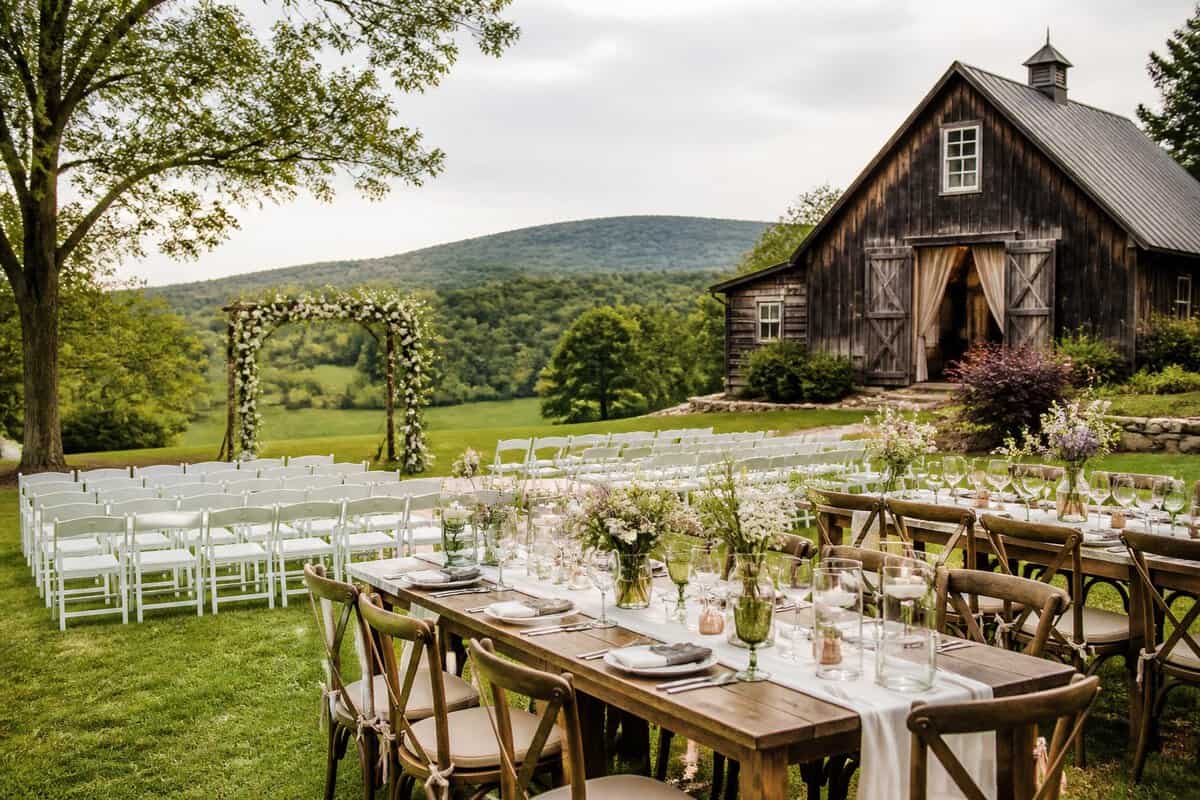
You can find affordable wedding venues in the Hudson Valley by comparing the full event cost, choosing a flexible date, and matching the venue to your guest count. A lower site fee helps, yet catering, rentals, staffing, bar service, and transportation shape the final bill.
If you want to start narrowing your choices, browse these cheap wedding venue ideas and build a shortlist around your preferred season, style, and guest count. Then contact venues for current 2026 pricing and availability.
What Does an Affordable Hudson Valley Wedding Actually Cost?
An affordable Hudson Valley wedding often means a site fee of $3,000 to $7,000, with a complete 100-guest celebration reaching $45,000 to $65,000 after food, drinks, vendors, and rentals.
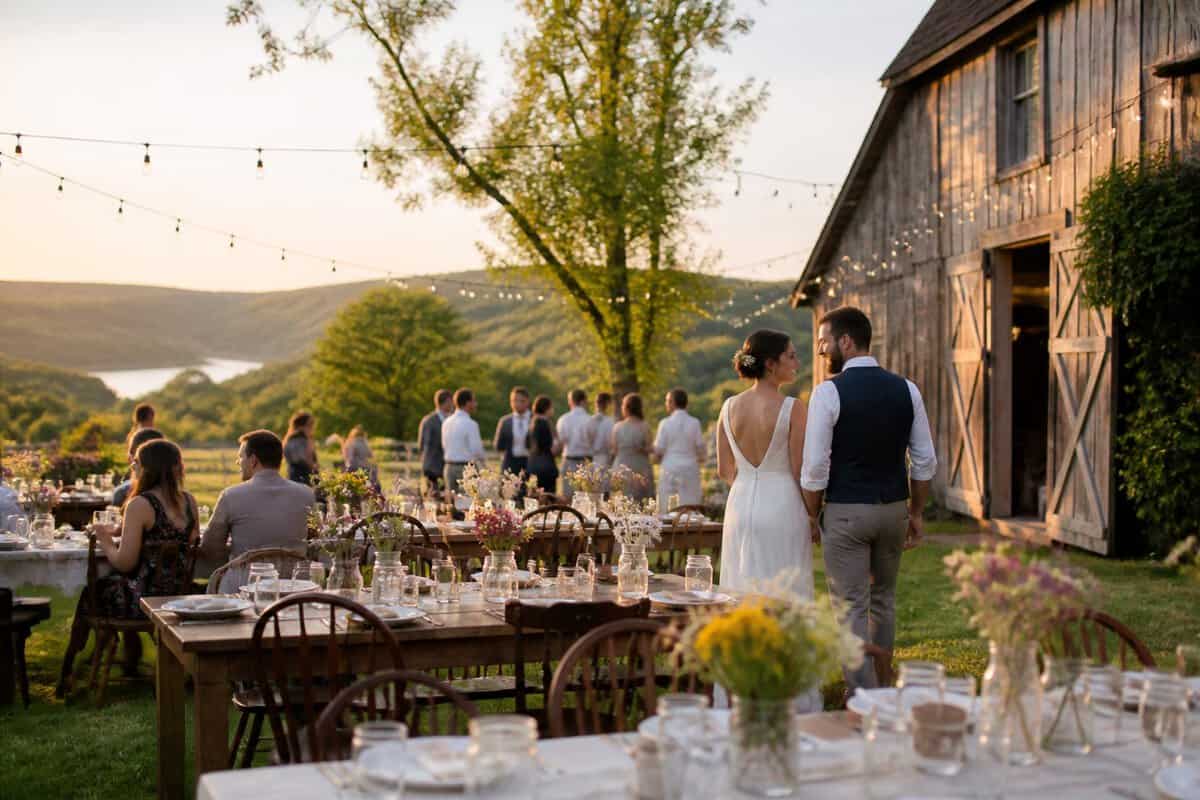
Your final price comes from the full event plan. Guest count, day of week, season, catering model, and included furniture can shift the budget by thousands of dollars.
Typical Venue Starting Prices and Total Wedding Budgets
Venue site fees in the Hudson Valley commonly fall into four broad ranges:
- Under $3,000: Public parks, town facilities, community spaces, and raw land with limited infrastructure.
- $3,000 to $7,000: Smaller barns, working farms, and off-peak dates at established properties.
- $7,000 to $15,000: Dedicated event barns, estates, ceremony spaces, suites, and venue coordination.
- $15,000 and above: Estate properties, boutique inns, and full-service locations with higher staffing or minimum spends.
For a lean 60-guest wedding, a budget of $28,000 to $38,000 can cover a modest venue, catering, photography, DJ service, florals, cake, and day-of coordination. A 100-guest wedding with a Saturday date and open bar commonly reaches $55,000 to $70,000.
Smaller celebrations under 30 guests can fit within $18,000 to $28,000 when you limit production and select an intimate venue.
Why a Low Site Fee May Not Be the Lowest Final Cost
A low site fee often means you are renting the property with few event essentials included. You might need separate contracts for tables, chairs, tenting, lighting, restrooms, catering equipment, staffing, cleanup, and insurance.
Ask each wedding venue for a complete estimate that includes:
- Site rental and ceremony fees
- Catering and staffing
- Bar package and service charges
- Tables, chairs, linens, and glassware
- Setup, breakdown, and cleanup
- Tents, restrooms, heating, or generators
- Taxes, gratuities, and required insurance
A $4,000 farm rental can become more expensive than a $9,000 inclusive wedding venue after you add rentals and labor. Compare total event estimates on the same guest count before you choose.
How Guest Count Changes the Value Equation
Food and beverage pricing makes guest count one of the largest budget drivers. At $85 to $150 per person, 50 guests may cost $4,250 to $7,500, while 150 guests may cost $12,750 to $22,500.
A larger guest list can improve your venue value when the property includes furniture, staff, and a ceremony site. A smaller wedding may benefit from a restaurant, inn, historic site, or private dining room with a lower minimum.
Use a guest-count range when requesting quotes. Ask for prices at 50, 75, and 100 guests so you can see where the venue’s minimums begin to affect your budget.
Best Value Venues by Wedding Style
The best value comes from matching your wedding style to a venue’s existing layout, services, and vendor rules. Historic properties suit intimate celebrations, barns and farms provide scenic space, and restaurants or wineries can reduce rental and décor needs.
Historic Estates and Riverfront Celebrations
Historic properties give you built-in character and strong photo settings. Along the Hudson River, places such as Locust Grove Estate, The Rhinecliff, and Mount Gulian Historic Site offer architecture, lawns, and views that require less added décor.
You can create value by hosting the ceremony and reception at one property. This reduces transportation needs and keeps your timeline compact. Ask whether the rental includes ceremony chairs, cocktail-hour furniture, getting-ready rooms, and access to the grounds.
Estate venues often carry higher site fees, so compare weekday, Friday, Sunday, and off-season pricing. A historic property with a shorter event window may suit a small guest list better than a large Saturday celebration.
Barns, Farms, and Rustic Gatherings
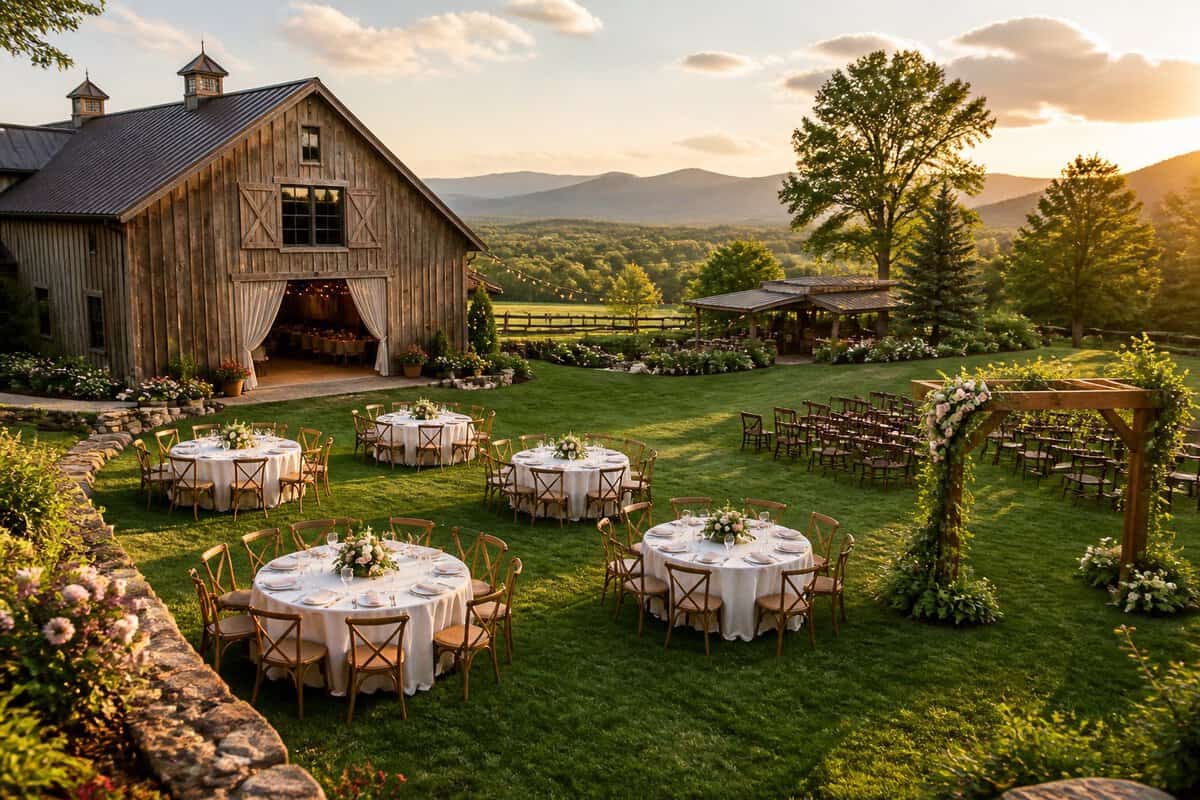
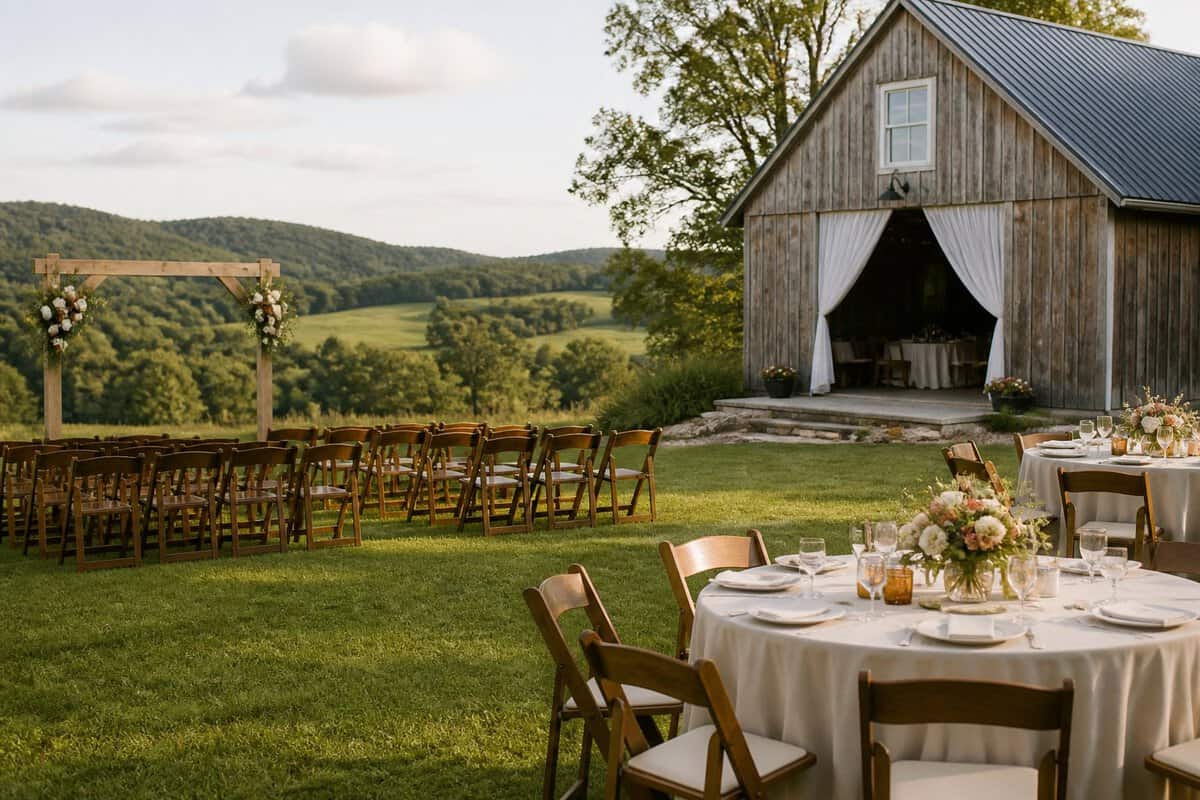
Barn wedding venues remain popular because the Hudson Valley landscape provides much of the visual design. The Barn at Liberty Farms, Blooming Hill Farm, and Red Maple Vineyard suit couples who want open land, farm details, and a relaxed reception.
A rustic wedding venue can save on decorations when the barn, fields, gardens, and existing lighting carry the design. Check the practical costs early. Ask about restrooms, parking, power, weather protection, heating, rain plans, and rental requirements.
Farm and barn properties often use a site-fee model. Your caterer, bar team, rentals, and staffing may come from separate vendors, so request a complete estimate before comparing the property with an all-inclusive venue.
Industrial, Restaurant, and Winery Receptions
Restaurant and winery spaces can give you food, service staff, furniture, and a finished atmosphere in one package. Senate Garage, City Winery Hudson Valley, The Roundhouse, and Feast at Round Hill offer distinctive settings with built-in dining infrastructure.
These venues work well when your priorities include a strong meal, indoor comfort, and a shorter planning timeline. Ask whether the menu has a per-person minimum, whether wine or spirits must come through the venue, and how much flexibility you have with dessert and late-night food.
A restaurant reception may also reduce décor and rental orders because the dining room already has lighting, tables, service areas, and design details.
Country Clubs and Mansion-Style Events
Country clubs and mansions can offer a polished event experience with established staff, indoor reception rooms, outdoor ceremony areas, and coordinated catering. Falkirk Estate and Country Club, Hollow Brook Golf Club, Paramount Country Club, and The Briarcliff Manor fit this style.
These properties often provide clear packages, which makes early budget planning easier. Review the guest minimum, food and beverage minimum, bar structure, service fees, and overtime policy before you sign.
A mansion-style venue can be a strong choice when you want formal surroundings with fewer outside rentals. Compare the package against a blank-slate barn after adding catering, furniture, staffing, and weather equipment.
Where Should You Look in the Region?
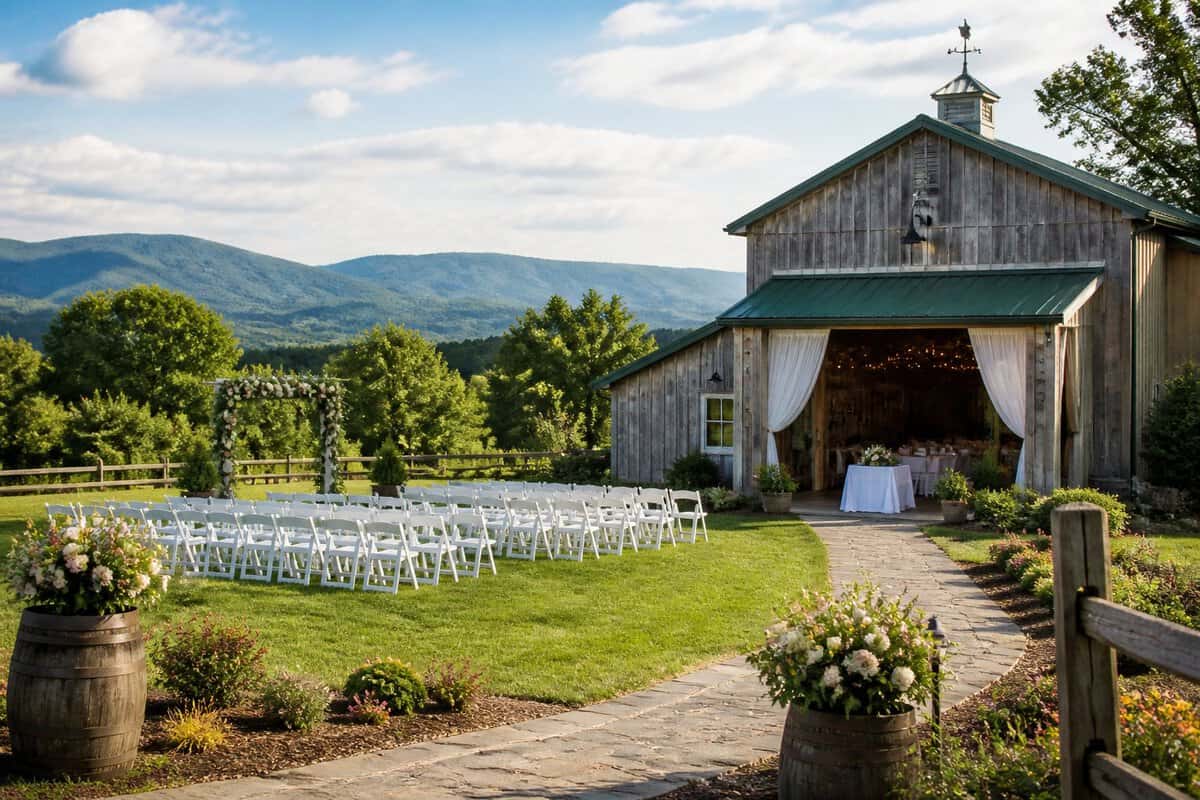
You will find affordable choices across the Hudson Valley, with lower costs often tied to travel distance, date flexibility, guest count, and venue infrastructure. Start with the areas that fit your guest travel plans, then compare complete proposals from several property types.
Lower Hudson Valley and Westchester County
Westchester County offers convenient access from New York City and southern Connecticut, though popular Saturday dates can carry higher prices. Tappan Hill Mansion, Crabtree’s Kittle House, and Monteverde at Oldstone suit couples who value established service and easy guest access.
You can look for savings through winter dates, Sunday receptions, shorter guest lists, or restaurant-style celebrations. Ask about parking, shuttle needs, room blocks, and event-end restrictions because transportation costs can affect the total.
Dutchess County and Hudson River Towns
Dutchess County gives you river views, historic properties, farms, inns, and small-town settings. Mount Gulian Historic Site, Bykenhulle House, and The Rhinecliff offer distinct settings for couples who want character and scenic grounds.
Poughkeepsie, Beacon, Rhinebeck, and nearby towns can work well for guests who want lodging, dining, and activities close to the wedding. Compare travel time for your main vendors, especially if the venue requires outside catering or rental delivery.
Orange County, Ulster County, and Beyond
Orange and Ulster counties offer farms, mountain views, inns, and private event properties with varied price structures. Buttermilk Falls Inn, Hasbrouck House, Arrow Park, The Garrison, and Lambs Hill Venue represent the range from intimate hospitality spaces to scenic event locations.
Properties farther from major metro areas can provide more land and flexible layouts. Build transportation and lodging into your budget, especially when many guests will travel from New York City or Westchester.
Ask whether the venue has nearby hotels, approved shuttle providers, and a late-night transportation plan. A lower rental price loses value when guests need long rides or your vendors charge extra for distance.
How to Keep Venue Costs Under Control
You can reduce venue costs by selecting a less competitive date, comparing full packages, setting a clear bar plan, and using the property’s existing scenery as part of your design.
Choose Off-Peak Dates, Fridays, or Sundays
Saturday dates from May through October carry the strongest demand. Friday, Sunday, weekday, late-fall, winter, and early-spring dates can lower site fees by 20% to 40% at some properties.
Ask for a date grid showing every available rate. A Friday wedding might also reduce vendor pricing, hotel costs, and transportation demand. Confirm the event-time window because a shorter rental period can affect setup and vendor labor.
Compare Inclusive Packages With Blank-Slate Rentals
An inclusive package may bundle catering, furniture, staffing, bar service, and coordination. A blank-slate property gives you more vendor choice, yet each added service increases planning work and the final invoice.
Request both versions in writing:
- Venue rental and ceremony fee
- Food and beverage cost per guest
- Rentals and staffing
- Taxes, gratuities, and service charges
- Setup, cleanup, and overtime
- Required insurance and vendor fees
Then compare the total for the same guest count and date type. You can also use these tips for choosing the perfect venue for a small wedding when your guest list is limited.
Build a Bar Plan That Guests Will Still Love
Bar service can add $45 to $85 per person for a full open bar. Beer and wine service can reduce the cost by about $15 to $25 per person while still giving guests familiar choices.
Ask about a limited bar during cocktail hour, house wines, local beer, and signature cocktails. A focused menu can reduce liquor purchases and simplify service. Confirm whether bartenders, mixers, glassware, ice, and gratuity are included.
Also ask whether the venue permits a cash bar, consumption bar, or hosted beer-and-wine package. These policies differ widely across Hudson Valley wedding venues.
Use the Setting to Reduce Décor and Rental Spend
Choose ceremony and reception spaces with attractive trees, fields, stonework, gardens, water views, or architectural details. A strong setting reduces the need for large installations and extra furniture.
Prioritize décor where guests spend the most time. You might invest in a ceremony focal point, table lighting, and a welcome display while using simple arrangements for other areas. Review these affordable outdoor wedding ideas for ways to work with an open-air venue.
Ask what the venue already supplies. Existing chairs, cocktail tables, string lights, lounge furniture, and ceremony arches can remove several rental line items.
Questions to Ask Before You Sign a Contract
Before signing, request a complete written estimate that names every required fee, included item, vendor rule, weather provision, and event-time limit.
What Is Included in the Published Starting Price?
Ask whether the starting price covers only the site fee or includes catering, furniture, staffing, coordination, ceremony access, and cleanup. Request an itemized quote for your guest count and preferred date.
Confirm whether the listed rate includes getting-ready rooms, cocktail-hour space, tables, chairs, linens, lighting, parking, and restrooms. Ask which items carry separate rental charges.
Which Fees, Minimums, and Service Charges Apply?
Ask about food and beverage minimums, guest minimums, ceremony fees, gratuity, administrative charges, tax, security, insurance, overtime, and cleanup. Request the cancellation, postponement, and refund terms in writing.
Ask whether the venue charges for vendor meals, cake cutting, corkage, rehearsal access, additional hours, or late-night cleanup. These smaller line items can change the final estimate.
Can You Bring Your Own Caterer, Bar, or Rentals?
Confirm the approved caterer list and whether outside vendors require approval or carry an additional fee. Ask whether the venue requires specific bartenders, rental companies, planners, or staffing levels.
Check whether your caterer must provide kitchen equipment, trash removal, refrigeration, generators, or a prep tent. A venue that permits outside vendors may still require a detailed production plan.
What Is the Rain Plan and Event-Time Window?
Ask where the ceremony and reception move during severe weather, when the decision is made, and who handles the change. Confirm whether the backup space holds your full guest count and preserves the planned meal service.
Review access times for setup, getting ready, vendor arrival, ceremony, reception, breakdown, and departure. Ask about heating, cooling, lighting, parking, accessible routes, and restroom capacity for the backup plan.