
Affordable Wedding Venues Near the Mountains: A Practical Guide
A mountain backdrop gives your wedding instant character, yet venue prices near popular peaks can rise quickly. You can keep costs manageable by looking beyond luxury resorts and comparing parks, community spaces, ranches, lodges, and shoulder-season packages.
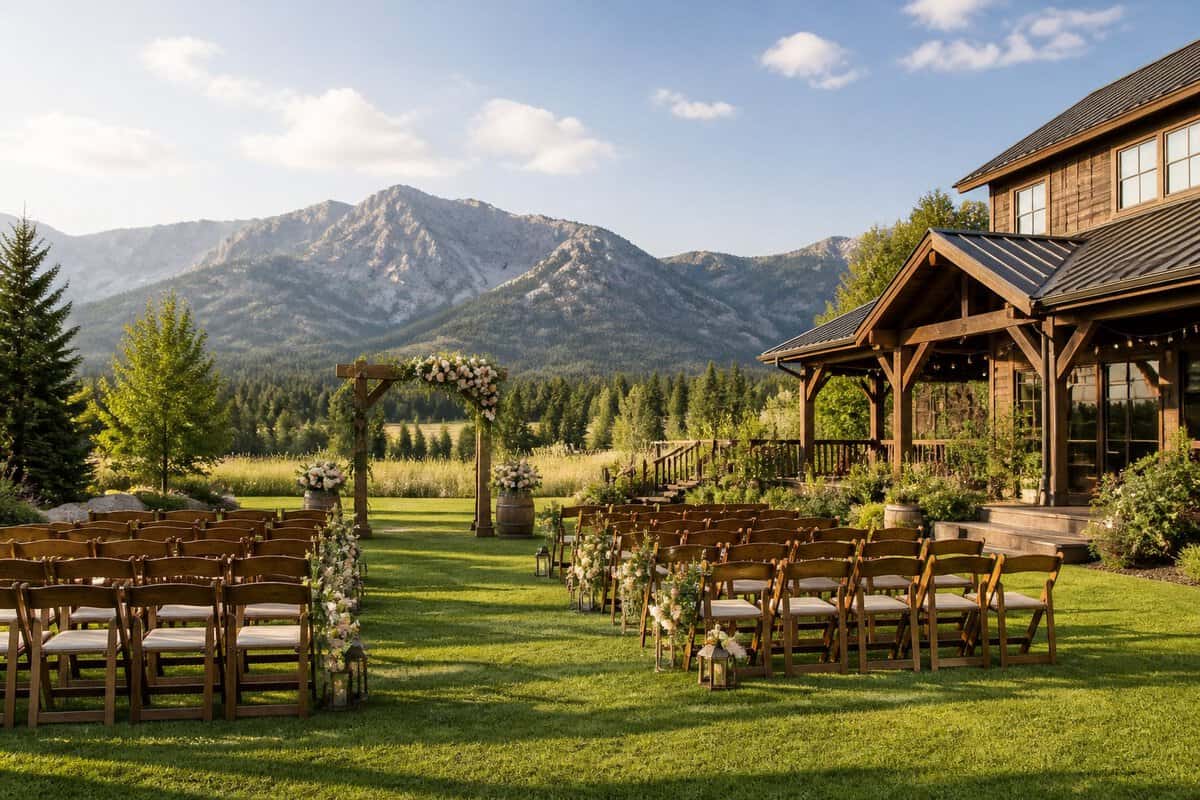
The best affordable wedding venues near the mountains combine a scenic setting with clear fees, practical guest capacity, and a solid weather plan. A venue with a lower rental fee can cost more after catering, rentals, permits, lodging, transportation, and service charges are added.
Request a complete estimate before you sign, then compare the total cost of your wedding celebration. You can also find inspiration in these mountain wedding ideas as you decide which setting fits your style and budget.
When you have a shortlist, contact each venue for current availability, package details, and a complete quote.
What Makes a Mountain Venue Truly Affordable?
An affordable mountain venue has a manageable total cost, not only a low rental price. You need to review the venue rental costs, included services, guest limits, taxes, and extra charges together.
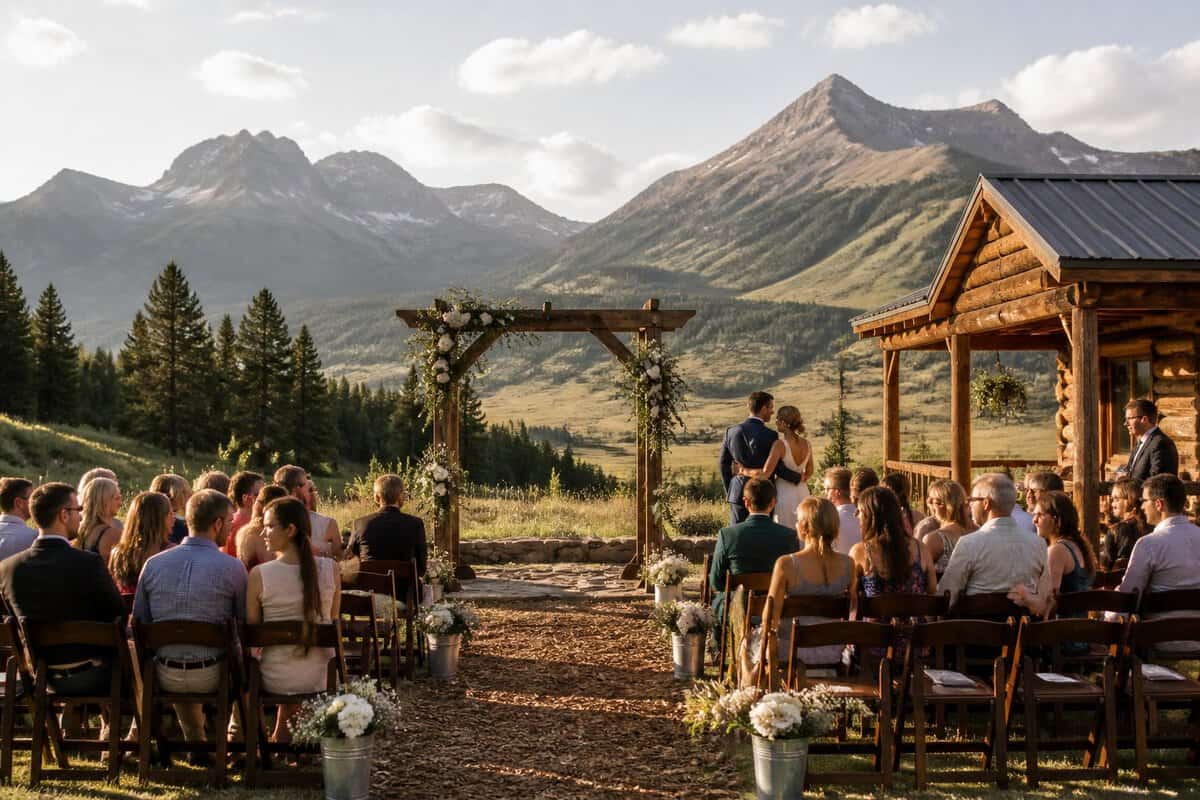
A useful budget estimate separates fixed fees from per-person expenses. Wedding packages can offer good value when they include tables, chairs, catering, staffing, setup, and cleanup.
A lower-cost ceremony site may suit you better when you already have local vendors and want to design each part of the day yourself.
How Much Do Venue Rental Costs Add to the Total Budget?
Venue rental costs cover access to the property for a set period. The price may include ceremony space, reception space, basic furniture, and a getting-ready room.
Ask whether the quote covers one day or a shorter time window. Your total rises when you add catering, bar service, rentals, insurance, permits, taxes, and overtime.
A public park can have a modest site fee while requiring separate payments for chairs, restrooms, sound equipment, and cleanup. Ask for a written estimate based on your expected guest count.
The cost of most wedding venues gives you useful context, though mountain locations have their own travel and seasonal pricing factors.
Which Costs Are Commonly Missing From a Starting Price?
A starting price may exclude:
- Food and beverages
- Service charges and taxes
- Tables, chairs, linens, and dinnerware
- Ceremony permits
- Event insurance
- Heating, lighting, or power
- Restroom trailers
- Setup and cleanup
- Vendor meals
- Transportation or parking support
- Lodging for your wedding party
Mountain terrain can add delivery fees when vendors travel long distances or carry equipment over uneven ground. Confirm the payment schedule, cancellation rules, damage deposit, noise limits, and overtime rate before booking.
When Do Wedding Packages Offer Better Value?
Wedding packages offer better value when the included services match your plans and reduce separate vendor fees. A package that includes catering, basic rentals, staffing, and cleanup can simplify your wedding ceremony and reception.
Compare each package by total cost per guest. Check the menu, drink limits, service hours, decoration rules, vendor restrictions, and guest minimum.
A package with a higher starting price can fit your budget when it removes several add-on charges.
Where to Find Scenic Venues on a Smaller Budget?
The most affordable scenic venues often sit near major mountain destinations, in smaller towns, public spaces, and properties with flexible dates. You can keep the views while reducing costs by choosing a less commercial setting or booking outside peak season.
Think beyond the most famous overlooks near the Rocky Mountains, Rocky Mountain National Park, Glacier National Park, or Yellowstone. A venue a short drive from a major attraction may offer better lodging rates and easier vendor access.
Use the Continental Divide, nearby forests, and mountain towns as starting points for your search.
Public Overlooks, Parks, and Amphitheaters
Public spaces often provide a dramatic ceremony setting with a lower site fee. State parks, forest areas, public overlooks, and amphitheaters may offer views of ridgelines, valleys, or lakes.
Check the permit rules before you invite guests. Some sites limit ceremony length, music, decorations, photography, alcohol, or vehicle access.
Ask about restrooms, parking, accessibility, backup shelters, and the required cleanup process. A park works well for a small outdoor ceremony followed by a reception at a nearby restaurant, hall, or lodge.
This split plan lets you use the landscape for vows while keeping dinner logistics indoors.
Town-Owned Halls and Historic Lodges
Town-owned halls and historic lodges give you indoor space, restrooms, kitchen access, and protection from changing weather. Smaller mountain communities may rent these properties at rates below large resort venues.
Review the building’s capacity, heating system, sound rules, loading access, and decoration policy. Ask whether you can bring your own caterer, alcohol, rentals, and dessert.
These details shape your final estimate. A historic lodge can also shorten the travel distance between your ceremony and reception, saving time for guests and potentially reducing transportation costs.
Ranches, Retreats, and Weekday Weddings
Ranches and retreats offer open land, private gathering areas, and space for an outdoor ceremony. Properties with cabins or group lodging can support a relaxed wedding weekend when the owner allows events.
Weekday weddings bring another path to savings. Monday through Thursday dates often have more availability and lower minimums.
Ask about Sunday events, morning ceremonies, brunch receptions, and off-season rates. Look for properties near a smaller mountain town with grocery stores, rental companies, and local caterers.
Vendor access affects the budget when a remote property requires long delivery trips.
Ski Resorts and Lodges in the Shoulder Season
Ski resorts and lodges can offer strong value during spring and fall dates between their busiest seasons. You may find lower room rates, flexible event space, and package discounts when snow or summer demand is lower.
Ask which lifts, restaurants, outdoor areas, and guest services operate during your chosen dates. Confirm the plan for rain, wind, cold temperatures, and limited transportation.
A scenic deck needs a nearby indoor room when the forecast changes. Compare the full resort quote with a nearby lodge or town hall.
Resort packages can include useful services, while outside venues may give you more control over vendors.
Regional Venue Ideas Worth Comparing
Regional comparisons help you balance scenery, travel time, guest lodging, and venue prices. The Cascades, Smoky Mountains, Blue Ridge Mountains, Adirondack Mountains, Green Mountains, White Mountains, and Eastern Sierra each offer different seasons and venue styles.
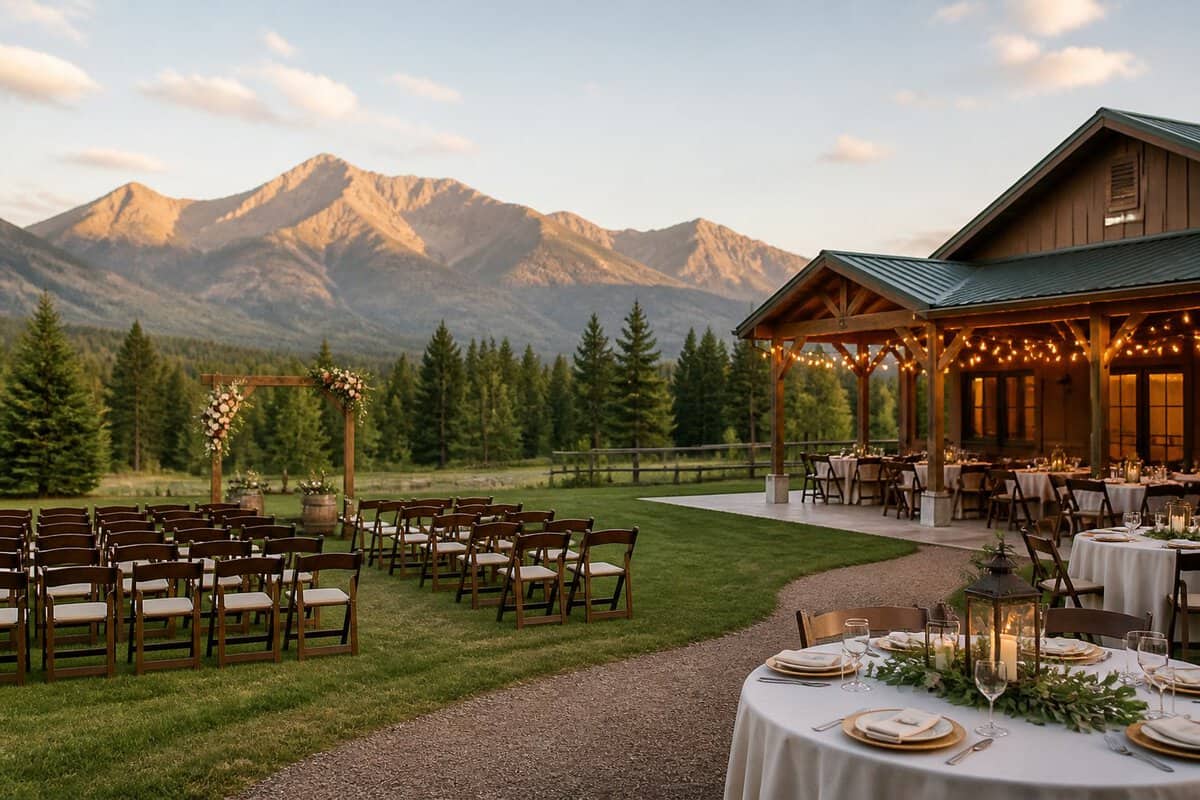
Use the destination name as a starting point, then search nearby communities. Popular locations such as Lake Tahoe, Sedona, Jackson Hole, Park City, and Stowe can carry premium rates, while towns within driving distance may offer more flexible options.
Rockies and Montana: Rivers, Ranches, and Big-Sky Views
Montana gives you broad views, ranch properties, river settings, and small-town lodges. A ranch near Bozeman, Missoula, or the Clark Fork River may provide open ceremony space with room for a tented reception.
Mountain towns near Jackson Hole can be expensive during peak travel periods. Look at nearby communities with easier parking and more local lodging.
Ask ranch owners about restrooms, power, catering access, and weather backup. Montana’s large landscapes can make a small guest list feel special.
Keep your event close to lodging so your guests do not need long drives after the reception.
Sierra and Lake Tahoe: Alpine Lakes and Granite Peaks
The Eastern Sierra and Lake Tahoe offer alpine water views, granite peaks, forest settings, and year-round photo opportunities. Prices rise near the lake and major resort areas, especially during summer weekends.
Compare venues in smaller communities around the lake with properties farther along the Sierra corridor. A private lodge, park facility, or restaurant with a terrace may provide views without the cost of a full resort buyout.
Check wildfire conditions, smoke policies, parking, and indoor capacity for warm-season events. Your contract should explain what happens when outdoor areas close.
Appalachians: Smokies and Blue Ridge Escapes
The Great Smoky Mountains and Blue Ridge Mountains offer cabins, inns, overlooks, farms, and community spaces. These areas work well for intimate celebrations and destination weekends with shared lodging.
Look at venues outside the busiest park entrances. A nearby town may provide more caterers, affordable cabins, and event spaces with fewer travel restrictions.
Confirm park permits when your ceremony takes place on public land. Mountain roads affect guest timing and transportation.
Give visitors clear driving instructions and schedule extra time for winding routes.
Northeast and Vermont: Green and White Mountain Lodges
The Green Mountains and White Mountains feature inns, ski lodges, historic properties, and lakeside venues. Vermont locations such as Stowe can be popular during fall foliage, while winter dates may bring ski-season demand.
Choose spring or a non-peak weekday when you want lower rates. Ask whether the venue provides heating, snow removal, indoor ceremony space, and accessible entrances.
The Adirondack Mountains also offer camps, lodges, and waterfront properties. Compare lodging minimums carefully because a required room block can change the total cost for you and your guests.
Arizona and Utah: Red-Rock Mountain Settings
Sedona, Arizona, and southern Utah offer red-rock scenery with a mountain feel and strong outdoor appeal. Venues may include desert gardens, ranches, resorts, and private estates.
Sedona rates can rise during popular travel periods, so compare nearby towns and weekday dates. Plan for heat, shade, water, and guest transportation during warmer months.
Park City, Utah, and other Utah mountain areas provide lodges, ski properties, and alpine views. Shoulder-season dates can reduce venue and lodging costs, though you should confirm operating schedules and weather plans.
Affordable Venues to Put on Your Shortlist
Your shortlist should include a mix of public spaces, private properties, inns, and resorts so you can compare total costs and guest experience. Named venues such as White Raven, The Woodlands at Cottonwood Canyon, Sky Ridge Ranch, and Mountain Lake Lodge give you different models to investigate.
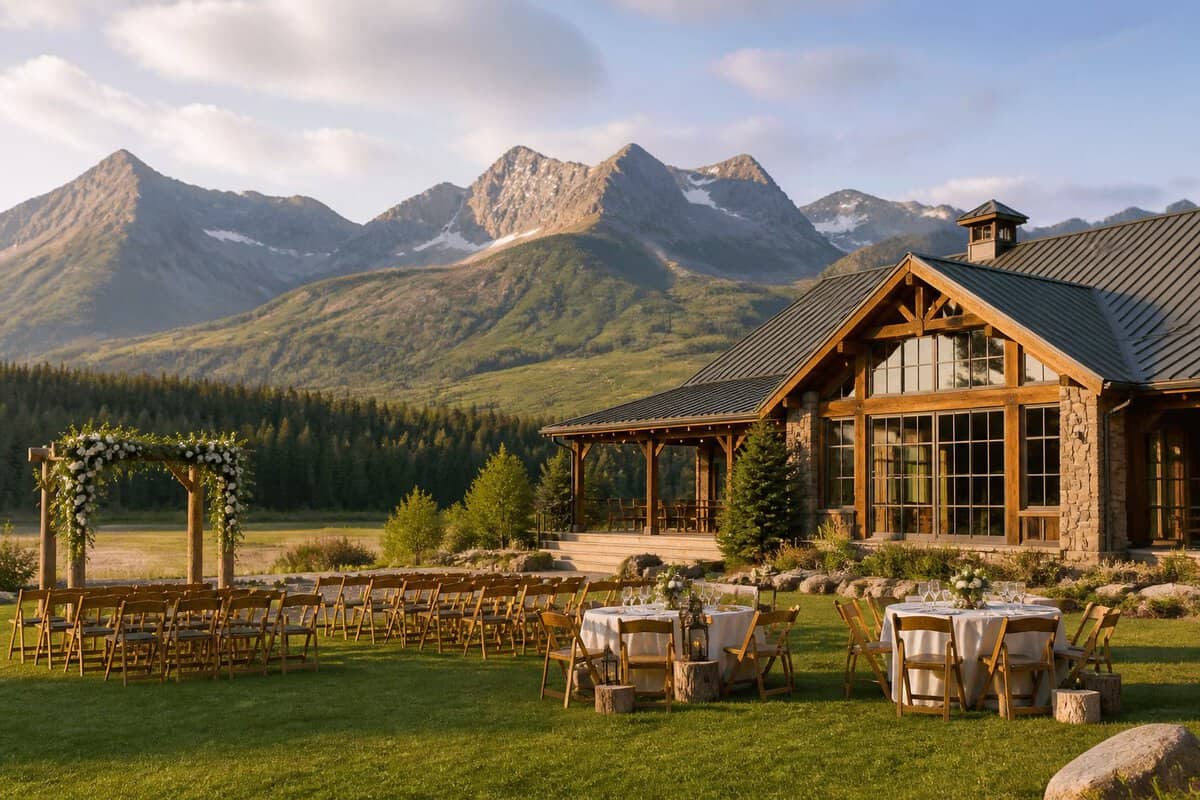
Treat every price as a starting point until the venue confirms your date, guest count, package, taxes, and required services. Ask for current pricing and availability directly from each property.
Montana Options for Intimate and Mid-Size Gatherings
White Raven and White Raven LLC can serve as starting points when you want a Montana mountain setting with a more intimate feel. Ask about ceremony and reception layouts, guest capacity, catering rules, and indoor backup space.
The Woodlands at Cottonwood Canyon is another property to compare for a scenic celebration. Review what its starting rate includes, then request a quote for your guest count and preferred date.
Sky Ridge Ranch can appeal to couples who want open land and a relaxed ranch atmosphere. Confirm restrooms, power, parking, weather protection, and vendor access before you place a deposit.
Mountain Lake Lodge offers a lodge-style option for couples who want lodging or a more contained wedding weekend. Ask about room blocks, meal service, ceremony locations, and minimum stays.
Colorado and Utah Resorts With Flexible Event Space
Garden of the Gods Resort and Club offers a Colorado setting with striking rock formations and resort services. Compare its event packages with smaller Colorado lodges or restaurants near the same landscape.
Utah options such as Deer Valley and Stein Eriksen Lodge provide mountain event infrastructure, lodging, and experienced staff. Their total costs can change with season, guest count, food minimums, and room requirements.
Request a line-by-line quote that separates venue rental, food and beverage, lodging, service fees, taxes, and rentals. A smaller event space within a resort may fit your budget better than a large ballroom or full property buyout.
Eastern Mountain Inns and Full-Service Retreats
Mohonk Mountain House offers a historic mountain retreat setting in New York. Its full-service structure can simplify planning, though you should review meal requirements, lodging terms, guest minimums, and event timing.
Mountain View Grand Resort & Spa provides another full-service option in the Northeast. Ask about seasonal rates, ceremony locations, indoor backup space, and the services included in each package.
Hawkesdene offers a private retreat model in North Carolina, with lodging and gathering spaces suited to a destination wedding weekend. Confirm the required stay, catering policy, guest capacity, and included amenities.
Carolina and Arizona Settings for Destination Weekends
Carolina venues can combine mountain scenery with cabin lodging and group activities. Hawkesdene, Lake Glenville, and nearby properties around the Blue Ridge region are useful comparison points when you want guests to stay close together.
Sacred Mountain Julian offers a California mountain setting with a private, retreat-style atmosphere. Ask about travel access, overnight accommodations, vendor policies, and weather arrangements.
Sedona properties work well for couples who want red-rock views and a destination feel. Compare event fees with lodging, transportation, heat protection, and guest activities before choosing a venue.
How to Keep a Mountain Wedding Within Budget
You can control the largest costs by matching your guest count to the property, selecting a lower-demand date, and planning for mountain travel and weather from the start. A clear guest plan helps you avoid paying for unused space, extra rentals, or emergency transportation.
Match Your Guest Count to the Site Capacity
Choose a venue whose comfortable capacity fits your guest list. A property built for 40 people may cost less than a large resort ballroom, while a small site can become expensive when it requires extra tents, restrooms, seating, and parking support.
Ask how the venue defines capacity for ceremony and reception seating. Confirm whether the limit includes vendors, children, musicians, and staff.
If you want a small wedding, use these tips for choosing the perfect venue for a small wedding to compare layout, privacy, access, and guest comfort.
Choose a Date That Reduces Demand
Weekdays, shoulder seasons, and non-holiday dates bring more availability and may lower venue minimums. Spring and fall can offer pleasant conditions in many regions, though mountain weather changes quickly.
Ask about Sunday brunch, Friday evening, and midweek packages. Check local event calendars because festivals, leaf season, ski openings, and holiday weekends can raise lodging and transportation costs.
A winter date can work well when the venue includes heated indoor space. Use these winter wedding ideas on a budget to plan décor, guest comfort, and seasonal activities without adding unnecessary rentals.
Plan Transportation, Accessibility, and Weather Backup
Mountain roads, limited parking, steep paths, and changing weather need a written plan. Confirm accessible routes, shuttle access, lighting, restroom locations, and the distance between ceremony and reception spaces.
Ask who provides transportation and what happens if a road closes or a shuttle runs late. Keep the ceremony and reception close together when possible.
Your contract should identify the indoor backup space, rain decision time, tent rules, heating options, and cancellation terms. Outdoor areas need shade in warm climates and wind protection at exposed overlooks.
Build a Destination Weekend Around Low-Cost Activities
A destination wedding feels more valuable when guests have affordable ways to enjoy the area. Share trail maps, picnic locations, scenic drives, local markets, and free town events.
Activities such as hiking, horseback riding, and lake walks give guests options beyond paid excursions. Provide safety notes for altitude, heat, wildlife, and changing weather.
Keep optional activities separate from the wedding budget. A shared welcome picnic or casual breakfast can bring guests together without paying for a full second event.
If you plan a honeymoon after the ceremony, compare these honeymoon destinations in the mountains with your wedding location and travel route.