
Affordable Wedding Venues Twin Cities: Where to Save
A beautiful wedding in Minneapolis, MN, does not require a luxury venue price tag. Affordable wedding venues Twin Cities couples love include community spaces, parks, historic buildings, small event halls, and flexible private venues.
Each option gives you a different balance of guest capacity, included services, location, and style.
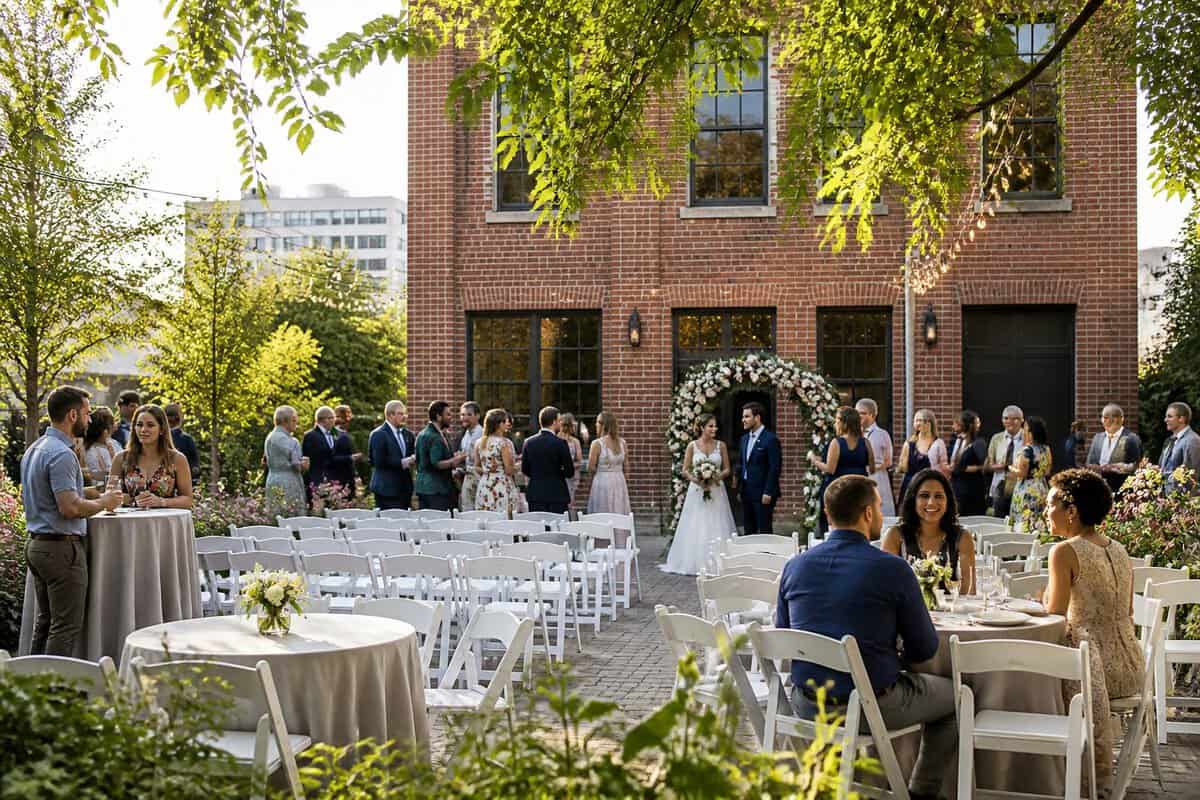
Venue rental prices across Minnesota commonly start near $2,000 to $5,000, with weekday and off-season dates at the lower end. Peak-season Saturdays and full packages can move closer to $8,000, so your date and inclusions deserve close attention during wedding planning.
You can protect your budget by comparing the full event cost, asking for an itemized quote, and choosing a venue that fits your guest count from the start. Browse more cheap wedding venue ideas as you build your shortlist.
What Does an Affordable Twin Cities Venue Really Cost?
An affordable Twin Cities venue often starts between $2,000 and $5,000, while the complete reception venue bill depends on catering, bar service, rentals, staffing, and the date you select.
A careful quote review helps you see the cost of hosting your ceremony and reception in one place.

How Venue Rental Fees Differ From Total Wedding Costs
A rental fee pays for access to the room, grounds, or building during a set period. Your full wedding budget also includes food, drinks, service staff, linens, lighting, sound, decorations, photography, and transportation.
A lower venue fee can become expensive when the space requires outside rentals. A higher fee can offer better value when it includes tables and chairs, setup time, cleanup, a ceremony area, or an in-house caterer.
Ask whether taxes, service charges, security deposits, and overtime are included in the advertised price.
Which Inclusions Deliver the Most Value
The most useful inclusions reduce large rental or labor charges. Look for:
- Tables and chairs sized for your guest count
- Setup and cleanup
- A ceremony space with a weather backup
- Basic lighting and sound access
- Kitchen or catering support
- Parking and accessible entrances
- A getting-ready room
- Clear vendor access and delivery rules
A venue that includes tables and chairs can save more than a small discount on the rental fee. A ceremony and reception package also reduces guest travel and transportation costs.
Questions to Ask for an Itemized Quote
Request a written quote that lists the rental fee, food and beverage minimums, staffing, taxes, service charges, deposits, cancellation terms, and overtime rates. Ask how many hours your booking includes and when vendors may enter for setup.
Confirm whether the venue requires preferred vendors, carries event insurance, charges a corkage fee, or limits candles, décor, amplified music, and outside alcohol. Ask for the price of adding a ceremony, extending the reception, or using the space for rehearsal access.
These details let you compare the true wedding reception cost across venues.
Best Low-Cost Venues by Wedding Style
Your wedding style can point you toward a lower-cost venue category. Parks and riverfront spaces create a natural setting, civic buildings add character, and gardens, breweries, and smaller halls provide built-in atmosphere that reduces décor needs.
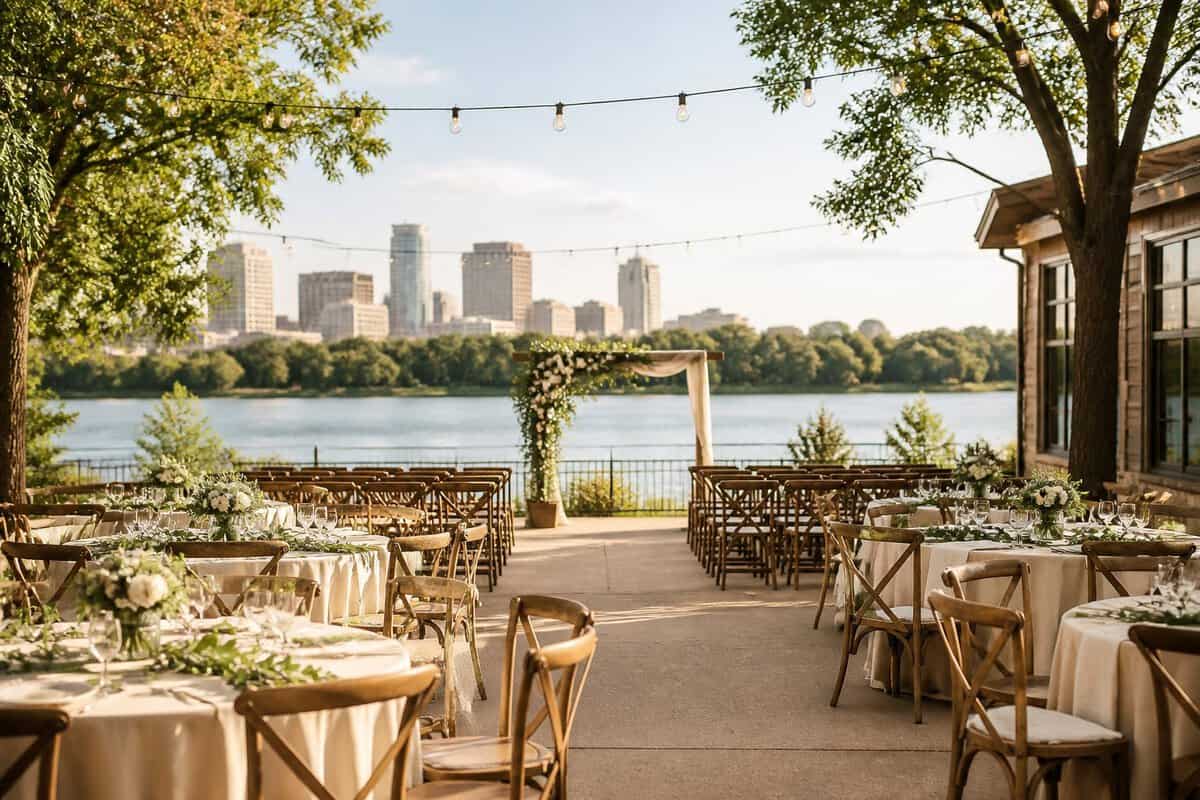
Parks and Riverfront Settings for an Outdoor Ceremony
Minneapolis and St. Paul parks offer scenic options near the Mississippi River, lakes, and wooded paths. A park rental can provide a lower site fee, especially for a short outdoor ceremony followed by a reception at a nearby hall or restaurant.
Check permit rules, restroom access, parking, rain plans, sound limits, and cleanup requirements before booking. A public site may require you to bring chairs, power, shelter, and waste containers.
Select a park with a nearby indoor reception space if you want a smooth guest transition.
Historic Buildings and Arts District Spaces
Historic architecture gives your celebration visual interest without requiring elaborate décor. Civic rooms, restored warehouses, galleries, and arts district spaces often work well for smaller guest lists and cocktail-style receptions.
Ask about elevator access, heating and cooling, noise limits, loading areas, and approved caterers. Some older buildings have beautiful rooms with limited kitchen facilities, so delivery timing and food service need careful planning.
Exposed brick, tall windows, and original details can lower your decorating needs.
Ballrooms, Banquet Halls, and Event Centers
A ballroom, banquet hall, or event center works well when you want predictable logistics. These spaces may include tables and chairs, a catering kitchen, a dance floor, parking, and staff for setup and cleanup.
Compare the package details closely. A low starting fee may come with a food minimum, limited rental hours, or a required bar package.
Smaller halls outside downtown often offer flexible layouts and lower rates for Sunday or weekday receptions.
Gardens, Conservatories, Vineyards, and Breweries
A garden, conservatory, vineyard, or brewery brings a strong setting into the event. The Minnesota Landscape Arboretum and a Japanese garden can suit couples who want a polished outdoor ceremony with natural scenery.
A brewery offers a relaxed reception with built-in beverage service, while a vineyard creates a countryside feel within driving distance of the metro.
Ask about weather coverage, guest capacity, alcohol rules, transportation, and seasonal availability. A beautiful site can still require extra rentals, so add those costs before comparing it with a traditional hall.
Notable Twin Cities Options to Compare
You can build a strong shortlist by comparing community centers, park facilities, inns, and private event spaces across Minneapolis, St. Paul, and nearby suburbs. Focus on guest capacity, included rentals, travel time, and the amount of outside coordination each venue requires.

Community Centers and Minneapolis Park Venues
A community center can offer a practical room, kitchen access, parking, and a familiar neighborhood location. Minneapolis park venues add lakeside, riverfront, or garden settings while keeping the event connected to public amenities.
Ask each site about resident pricing, nonprofit rates, alcohol permits, security, cleaning, and weekend availability. These venues suit couples who want control over catering and décor.
You can find more guidance in these tips for choosing the perfect venue for a small wedding.
Boutique Inns and Hotel Event Spaces
An inn or hotel event space simplifies guest lodging and transportation. Smaller rooms can feel warm and personal for intimate weddings, while hotel ballrooms handle larger receptions with clear food and beverage packages.
Compare room blocks, parking fees, service charges, brunch options, and the time available for setup. An inn near Medicine Lake or another scenic area may offer a relaxed guest experience with fewer transportation stops.
Modern Private Venues Near Medicine Lake
Private event spaces near Medicine Lake can combine modern interiors with nearby water views and suburban access. The Hutton House and Hidden Greens Event Venue are examples of names to investigate as you compare Minnesota wedding venues, packages, and capacity.
Confirm each venue’s current pricing, preferred vendors, bar rules, ceremony options, and rain plan directly with the owner or coordinator. Ask to see a floor plan for your expected guest count so you can judge the dance floor, dinner seating, and service areas.
Flexible Minnesota Venues Outside the Core Cities
Expanding your search beyond Minneapolis and St. Paul can open access to farms, wineries, lodges, banquet halls, and smaller event centers. A longer drive can lower the rental fee and give you more space for the same budget.
Calculate the full travel cost for guests, vendors, shuttles, lodging, and delivery. Look for venues with tables, chairs, parking, and a ceremony site included.
A package with fewer outside rentals can make a suburban or exurban location a better financial choice.
How to Match a Venue to Your Guest Count and Priorities
Your guest count should determine the venue size before you fall in love with a setting. The best event spaces give your guests enough room for dining, movement, restrooms, food service, and dancing without charging you for unused capacity.
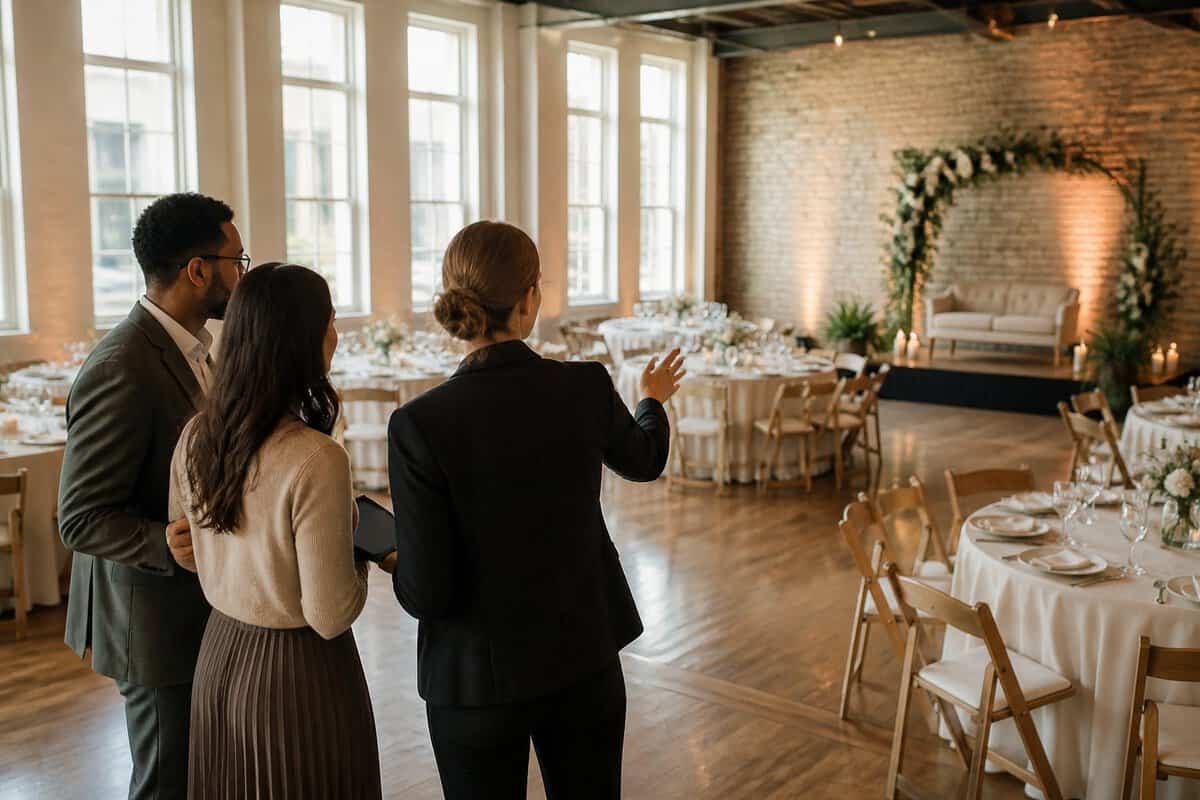
Small Celebrations With Maximum Character
For a smaller wedding, consider a private dining room, inn, gallery, historic room, brewery, or community space. These settings can feel full with fewer decorations and may offer a lower food minimum.
Measure the usable floor area, not only the stated maximum capacity. You need space for dinner tables, a bar, buffet or plated service, a dance floor, gifts, and a quiet area for older guests.
A room for 40 can feel more inviting than a hall built for 200.
Mid-Size Weddings With Indoor-Outdoor Flexibility
Mid-size weddings benefit from venues with connected indoor and outdoor areas. A garden ceremony, covered patio, and reception hall create movement through the day while giving you a weather backup.
Ask whether the ceremony area remains available during the reception and whether chairs must be moved between spaces. Confirm the guest limit for each layout.
A venue that handles both the ceremony and wedding reception can reduce transportation and rental labor.
Large Receptions Without Luxury-Level Costs
Large receptions need efficient kitchens, restrooms, parking, loading access, and a room with clear sightlines. Banquet halls, community centers, and event centers can handle high guest counts with lower décor and staffing costs than luxury hotels.
Compare per-person food prices, table layouts, bar packages, and required staffing. Check whether the dance floor, stage, sound system, and tables are included.
A venue with practical infrastructure keeps your reception moving and limits surprise charges. Use these tips for creating the perfect guest list for a small wedding if your headcount is still changing.
Ways to Lower Your Venue Bill Without Sacrificing the Experience
You can lower your venue bill through date flexibility, open vendor rules, one-site scheduling, and careful rental planning. The strongest savings come from choices made before you sign the contract.
Why Friday, Sunday, and Off-Season Dates Cost Less
Friday evenings, Sunday afternoons, winter dates, and early spring bookings often have lower rental fees and food minimums. Ask for the price difference between a peak Saturday and two alternative dates.
A shorter reception can also reduce staffing and bar costs. Set a clear timeline before booking so you know whether the lower rate still provides enough setup, event, and cleanup hours.
When an Open Vendor Policy Saves Money
An open vendor policy lets you compare caterers, bartenders, rental companies, florists, and dessert providers. This flexibility can lower costs when outside vendors offer better rates or smaller package sizes.
Request the complete vendor rules before choosing the venue. Check insurance requirements, delivery windows, kitchen access, cleanup duties, and vendor fees.
A venue with no preferred list can still become costly if it adds high outside-vendor charges.
How One-Site Ceremony and Reception Plans Reduce Spending
Holding your ceremony and reception at one venue reduces transportation, chair movement, guest confusion, and duplicate setup. Look for a site with a separate ceremony area, a weather backup, and enough time between ceremony and dinner for room changes.
Ask whether the venue includes ceremony chairs, an arch, sound equipment, and a coordinator for the transition. A single-site plan also makes it easier to keep elderly guests and families comfortable.
Where DIY Rentals Can Add Costs Back In
DIY décor saves money when you borrow items, use simple designs, and have a reliable setup team. Rental costs rise when you need to buy or transport tables and chairs, linens, lighting, arches, dishes, glassware, heaters, or weather protection.
Create a rental checklist before choosing a bare space. Add delivery, pickup, damage deposits, setup labor, and storage to every estimate. Compare that total with a venue package that includes tables and chairs, basic furnishings, and cleanup.