
Affordable Wedding Venues You Can Stay At With On-Site Lodging
You can find affordable wedding venues you can stay at by looking beyond traditional ballrooms. Inns, lodges, vacation rentals, retreat properties, campus guest houses, and small resorts can combine your wedding ceremony, reception, and overnight rooms in one setting.
That arrangement can reduce transportation needs and create a relaxed wedding weekend.
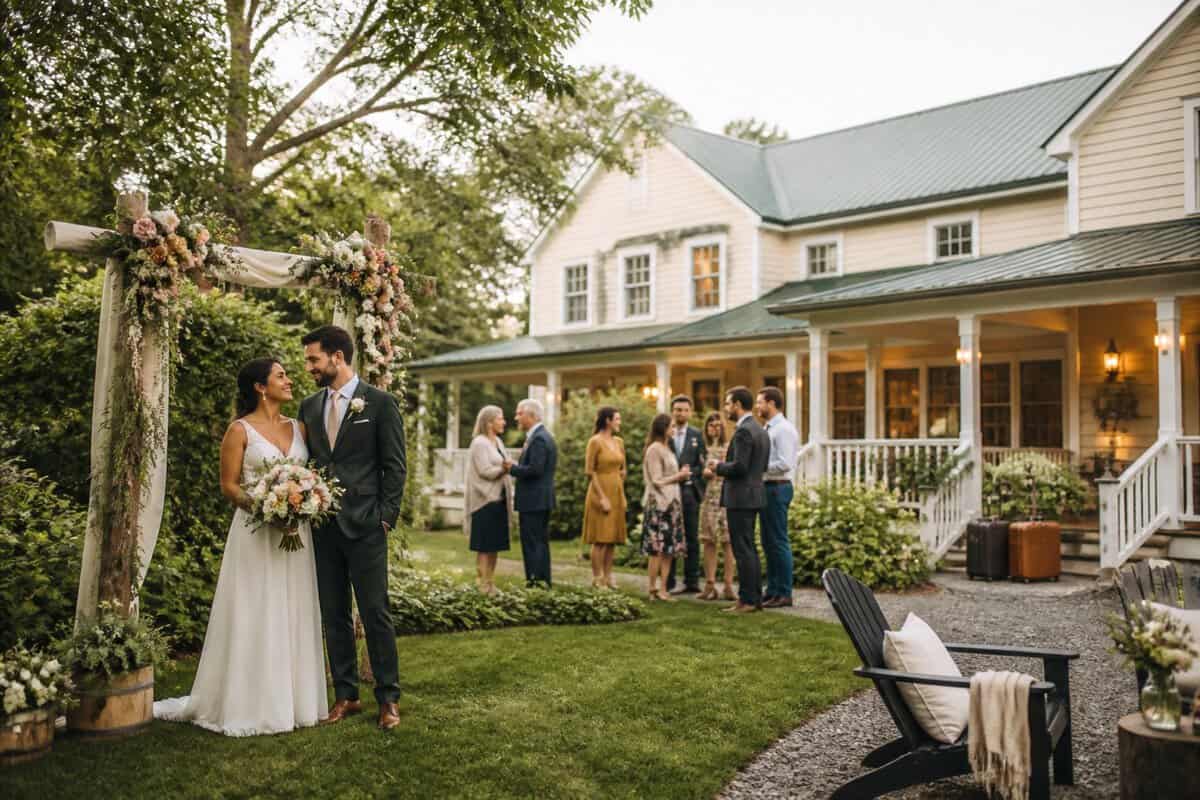
Start with your guest count, sleeping needs, and full wedding budget before you tour venues. A lower rental price may lose its value if you must add hotel rooms, shuttles, rentals, catering, or extensive décor. For more ways to control costs, explore these affordable wedding ideas.
Choose a property that supports the experience you want, whether that means an intimate wedding with your closest friends or a larger celebration with nearby lodging for guests. Once you have a guest range and preferred dates, contact venues and ask for a complete weekend estimate.
How to Choose a Stay-Over Venue That Fits Your Plans
The best stay-over venue matches your guest count, sleeping capacity, event schedule, and preferred level of privacy. Focus on the full property experience, including where guests sleep, get ready, eat, park, and move between wedding events.

Match the Guest Count to Sleeping Capacity
Ask for the exact number of beds, bedrooms, bathrooms, and approved overnight guests. A property that sleeps 20 people may suit a small wedding with 50 attendees if nearby hotels are convenient.
A larger guest list requires a clear room plan and transportation options. Check whether the listed capacity applies to sleeping guests, daytime visitors, or both.
Review bed sizes and room layouts before assigning spaces to family members, wedding-party members, or older guests. A wedding planner can help build a room chart that protects your budget and keeps key people close to the venue.
Decide Whether You Need a Full Buyout or Room Block
A full property buyout gives you private access to the event space and lodging. It works well for an intimate wedding weekend when your group wants shared meals, casual gatherings, and quiet access to the grounds.
A room block at an inn or hotel gives guests more privacy and lets you reserve only the rooms you need. Compare the buyout price with separate room rates, cleaning fees, food requirements, and transportation.
Ask whether the venue requires every room to be booked before confirming your date.
Keep the Wedding Ceremony and Reception in One Place
Combining the wedding ceremony and wedding reception on one property reduces travel time and rental transfers. Look for a venue with a ceremony area, event space, restrooms, a getting-ready room, and a weather backup.
Ask where guests will move after the ceremony and whether staff handle the transition. A small wedding venue with flexible indoor and outdoor areas may give you enough room for dinner, dancing, and portraits without booking a second location.
Confirm sound limits, end times, parking, and access for vendors before signing.
How Much Do Wedding Venues With Lodging Cost?
Wedding venue costs with lodging range widely, so compare the complete property price with room rates, catering, rentals, and added service charges. A venue with a higher headline price can fit your wedding budget when it replaces separate hotels and transportation.
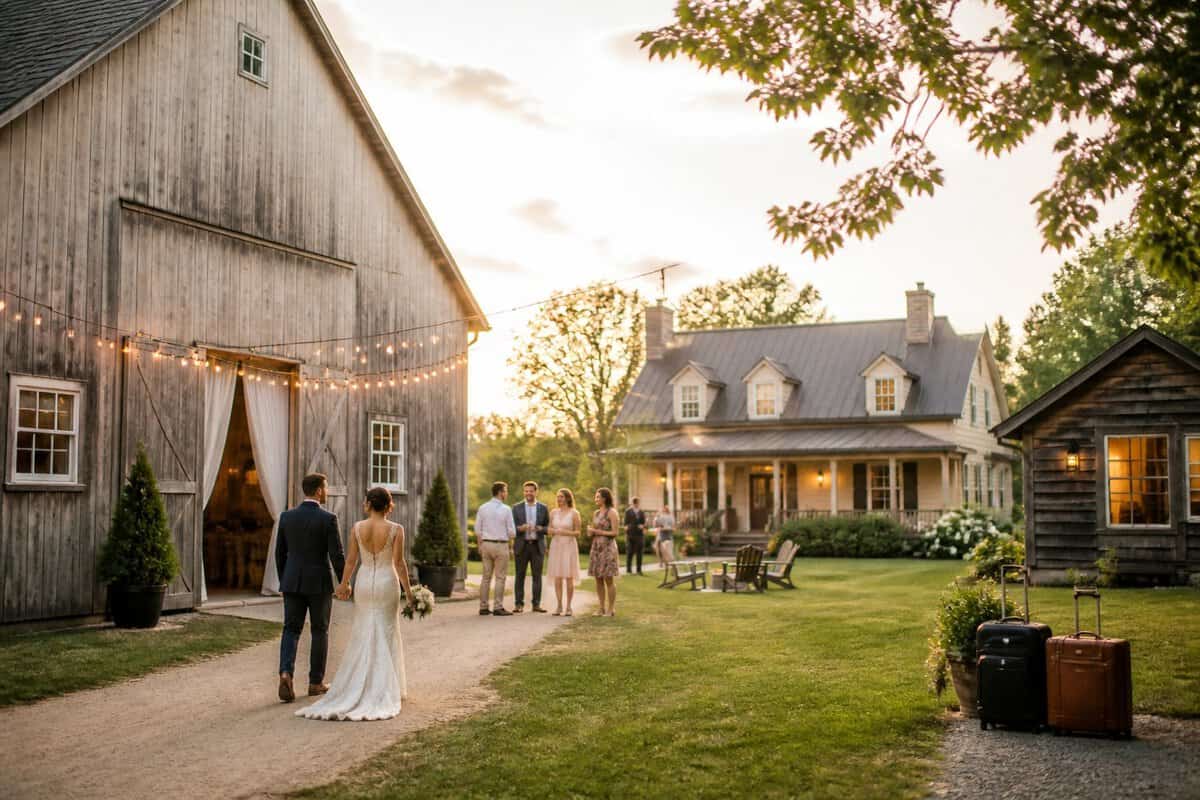
Compare Per-Person Packages With Property Rental Rates
Per-person packages bundle items such as meals, tables, chairs, staffing, and basic service. They work well when you want a clear cost tied to your guest count.
Ask whether lodging is included, discounted, or billed separately. Property rental rates charge for access to the venue for a set period.
You then add catering, rentals, décor, staff, and overnight rooms. This model gives you more control, though the final wedding venue cost requires careful planning.
Create a comparison sheet with these lines:
- Venue rental
- Overnight lodging
- Catering and bar service
- Tables, chairs, linens, and dinnerware
- Staffing and service charges
- Cleaning fees
- Security or damage deposits
- Parking and transportation
Which Extra Fees Can Change the Total?
Cleaning fees, overtime, setup, breakdown, corkage, event insurance, and security can change your final total. Ask whether the quoted price includes tax and service charges.
Confirm the cost for extra guests, additional nights, late departures, and vendor access. Lodging contracts can include separate house-cleaning fees, linen charges, firewood fees, or restrictions on outside food.
Ask how deposits are handled and when refunds apply. Request an itemized estimate that covers the complete stay and wedding schedule.
When Weekday Dates Deliver Better Value
Weekday weddings, Friday celebrations, and Sunday receptions often come with lower rental rates than peak Saturday dates. Winter and shoulder-season dates can also open more affordable options.
Ask the venue to price several dates with the same guest count and package. Compare the savings with guest travel plans, time off work, and lodging needs.
A two-night weekday stay could suit a local group, while a Friday or Sunday event may work better for out-of-town guests. For broader cost planning, review what do most wedding venues cost before requesting quotes.
Affordable Venues With Rooms on the Property
Hotels, lodges, vacation rentals, campus guest houses, and retreat properties offer practical lodging choices for a budget wedding. Each type has different rules for catering, music, guest access, and event hours, so match the property to your priorities.
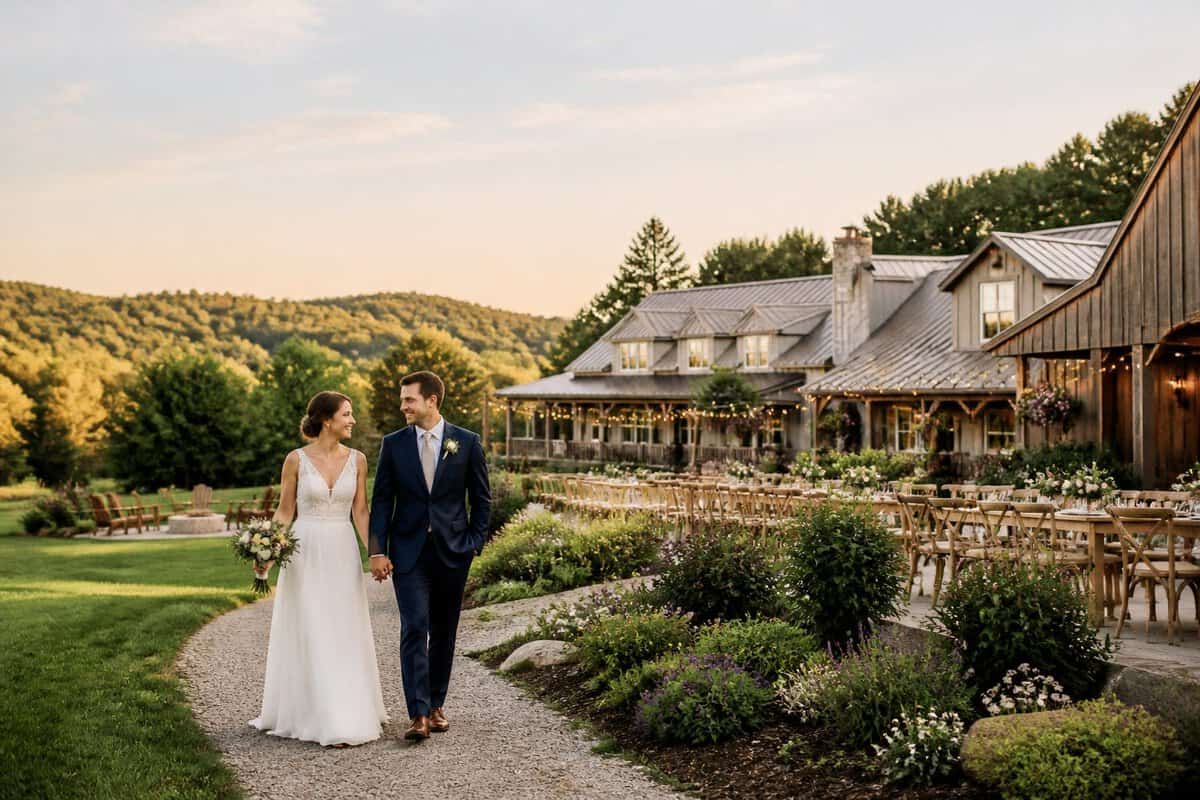
Hotels, Resorts, and Lodges
Hotels provide guest rooms, front-desk support, accessible bathrooms, and indoor event spaces. Smaller hotels and lodges may offer a more personal setting with a ceremony lawn, dining room, or covered patio.
Resorts can simplify guest logistics when rooms, meals, and activities sit on one property. Ask about minimum room blocks, resort fees, parking costs, and required catering.
A lodge near a lake, forest, or mountain area may offer strong scenery with less décor spending. If you are comparing hotel options, use these best wedding hotels as a starting point.
Vacation Rentals, Home Weddings, and Backyard Weddings
Large vacation rentals can provide bedrooms, kitchens, gathering rooms, and outdoor areas for a small guest list. Confirm that the owner permits weddings and ask about noise rules, parking, insurance, guest limits, and cleanup.
A home wedding or backyard wedding can lower rental costs when you already have access to a suitable property. You will need a plan for restrooms, power, weather protection, seating, lighting, trash, and food service.
Backyard weddings work best when the property has safe guest flow and enough room for vendors.
Campus Guest Houses and Retreat Properties
College campuses, schools, and retreat centers may rent chapels, dining halls, meeting rooms, dorm-style lodging, or guest houses during school breaks. Campus chapels can provide a meaningful ceremony setting, while nearby halls support a simple reception.
Ask about access dates, alcohol rules, security, parking, and sound limits. Retreat properties may offer cabins and shared dining areas that suit a relaxed weekend.
Check whether linens, tables, chairs, and kitchen access come with the rental. Browse more cheap wedding venue ideas for spaces that can pair with nearby lodging.
Scenic Ceremony Settings With Nearby Overnight Stays
Scenic venues can reduce décor costs because the landscape provides much of the visual setting. Parks, gardens, vineyards, beaches, zoos, and aquariums need careful permit and lodging research, since overnight rooms may sit nearby instead of on the event property.
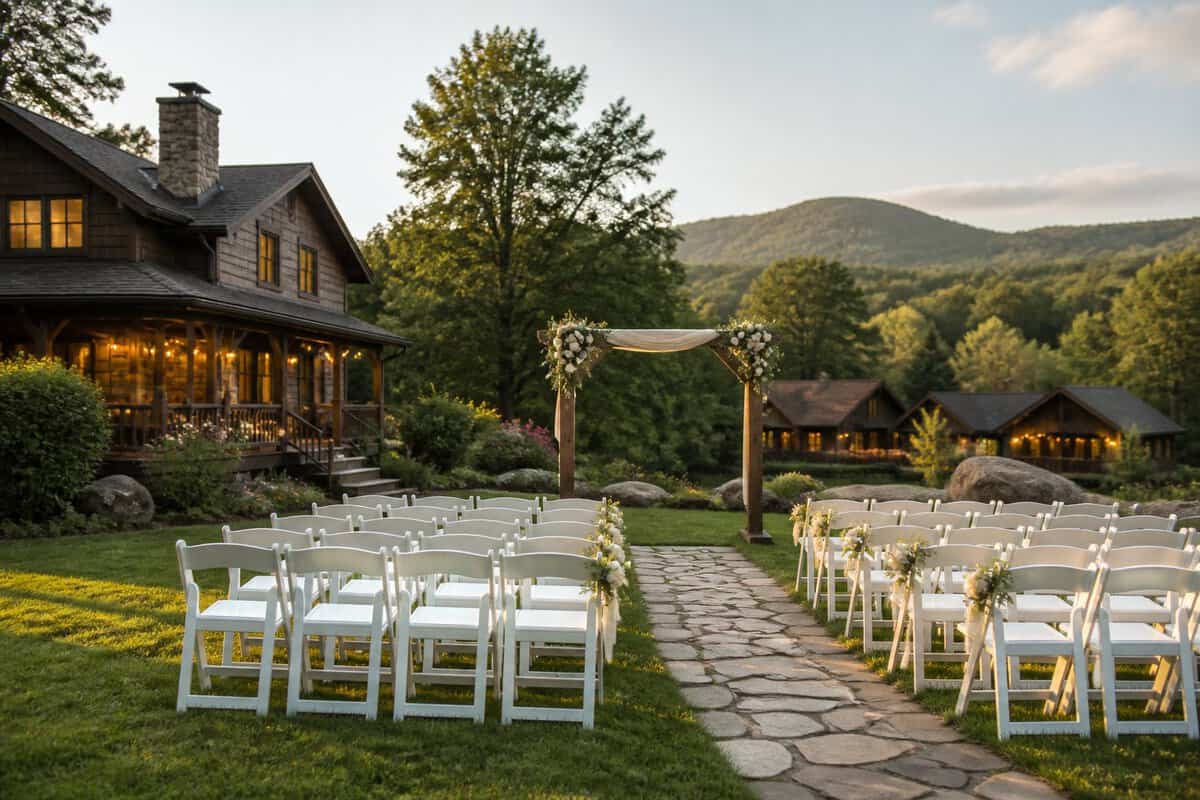
National Parks, State Parks, and Public Parks
National parks, state parks, public parks, and city parks can offer low-cost ceremony sites with memorable views. A special use permit may be required for chairs, amplified sound, photography, food service, alcohol, or large groups.
Search for inns, cabins, campgrounds, and hotels within a short drive. Confirm restroom access, parking, accessibility, rain plans, cleanup rules, and restrictions on décor.
Park receptions may need a separate indoor location if the site allows ceremonies only.
Gardens, Vineyards, and Waterfront Locations
Botanical gardens, rose gardens, vineyards, public beaches, and waterfront parks create built-in scenery for an outdoor wedding. Garden wedding packages sometimes include ceremony chairs, basic staffing, and access to selected areas.
Ask about seasonal closures, guest capacity, tent rules, irrigation, insects, and sound limits. Vineyards and waterfront sites may have nearby inns or vacation rentals, though shuttle planning becomes important.
Compare the cost of transportation with the savings from a naturally decorated setting. Explore more affordable outdoor wedding ideas when you want scenery to carry more of the design.
Zoos, Aquariums, and Outdoor Attractions
Zoos, aquariums, and outdoor attractions offer distinctive spaces that need less added decoration. An aquarium wedding might use a gallery with dramatic lighting, while a zoo reception could include access to themed exhibits or gardens.
Ask about private-event hours, guest routes, food and beverage rules, animal-area access, photography limits, and cleanup. Search for nearby hotels and confirm late-night transportation.
These venues can suit couples who want a memorable setting for a smaller guest list.
Distinctive Indoor Venues That Can Save on Décor
Indoor spaces with strong architecture, artwork, or built-in atmosphere can lower décor needs while protecting your schedule from weather. Museums, galleries, libraries, chapels, restaurants, breweries, and community centers each offer different limits on food, music, setup, and guest capacity.
Museums and Art Galleries
Museums and art galleries provide an immediate visual setting through exhibits, architecture, and lighting. Their event packages may include tables, chairs, staffing, and access to selected rooms.
Ask which exhibits remain open during your event and whether food, candles, flowers, or hanging décor have restrictions. Look for hotels or boutique inns nearby.
A museum wedding venue works well for a small reception when the room layout allows dinner and dancing without blocking displays.
Historic Libraries and Campus Chapels
Public libraries and historic libraries can offer elegant reading rooms, courtyards, and grand architectural details. The Boston Public Library is one example of a library setting that demonstrates how historic interiors can shape a wedding design, though each property sets its own event rules and pricing.
Campus chapels can provide ceremony space with nearby meeting rooms or guest housing. Confirm whether you can hold the wedding ceremony and reception on the same campus.
Ask about organ use, music limits, photography, accessibility, and parking.
Restaurants, Breweries, and Community Spaces
Restaurant weddings can combine food, seating, staff, and service in one contract. A private dining room may suit a smaller guest count and reduce rental needs.
Breweries can provide a casual setting with built-in tables, lighting, and beverage service. Community centers often offer affordable event space with kitchens, multipurpose rooms, and flexible hours.
You may need to bring linens, décor, bartenders, or cleanup staff. Confirm the venue’s insurance requirements, alcohol policy, kitchen access, and approved vendor list before booking.
Booking Details to Confirm Before You Sign
Read every lodging, event, vendor, permit, and cancellation rule before you pay a deposit. Written answers protect your schedule and reveal costs that a tour or headline rate may hide.
Ask About Outside Vendors, Setup, and Portable Restrooms
Ask whether you can hire your own caterer, bartender, planner, florist, DJ, photographer, and rental company. Preferred vendor lists can affect both price and style.
Confirm vendor arrival times, loading areas, storage, power, setup windows, and breakdown deadlines. Outdoor sites may require portable restrooms, handwashing stations, generators, lighting, or tent flooring.
Ask who orders these items and whether the venue charges a coordination fee. Confirm restroom placement and accessibility before finalizing the layout.
Confirm Permits, Marriage License Rules, and Curfews
Parks, beaches, historic properties, and outdoor attractions may require permits for a wedding ceremony, reception, alcohol, amplified music, or tents. Ask which party submits each application and how far ahead the permit must be filed.
Your marriage license rules come from the state or county where your ceremony takes place. Confirm the application process, officiant requirements, waiting period, witness rules, and return deadline with the local clerk.
Ask the venue about curfews, quiet hours, fire rules, and guest departure times.
Plan a Courthouse Ceremony With an Overnight Celebration
A courthouse wedding can keep the legal ceremony brief and affordable while your guests gather for an overnight celebration at a nearby property. You can host dinner, portraits, and a relaxed reception at a lodge, rental home, or small hotel after completing the legal requirements.
Courthouse weddings and larger weekend events may require separate schedules, contracts, and transportation. Tell guests whether the courthouse portion is private or open to everyone. If you are considering a destination such as Cancun, confirm passport rules, local marriage requirements, travel costs, and lodging before inviting guests.