
Affordable Winery Wedding Venues: How to Save Smartly
A winery wedding gives you vineyard views, built-in atmosphere, and a memorable setting for your ceremony and reception. The venue price can range from a modest site fee to a full-service package, so your best value comes from comparing the entire wedding budget instead of focusing on the rental number alone.
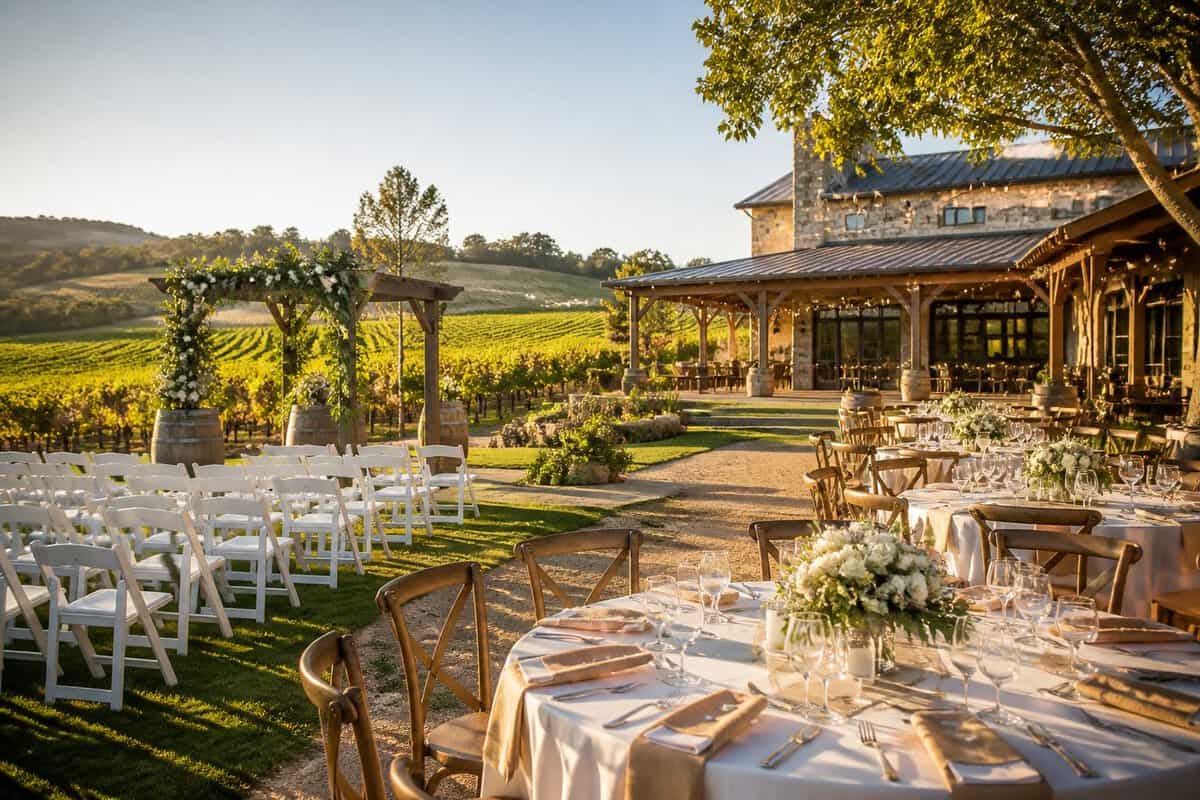
You can make affordable winery wedding venues work by choosing a flexible date, matching the guest list to the property, and checking every package fee before signing. Smaller vineyards outside the most famous wine country areas often offer the scenery associated with winery weddings at a lower cost. Start by asking venues for an itemized estimate, then compare the full cost of food, wine, rentals, staffing, transportation, and lodging. You can also explore more cheap wedding venue ideas as you build your shortlist.
What Makes a Winery Wedding Venue Affordable?
An affordable winery wedding venue keeps the full wedding budget under control through clear pricing, useful inclusions, and a guest count that fits the property. A low site fee loses its value when required catering, rentals, security, or beverage charges add thousands of dollars.
Site Fees vs. the Total Wedding Budget
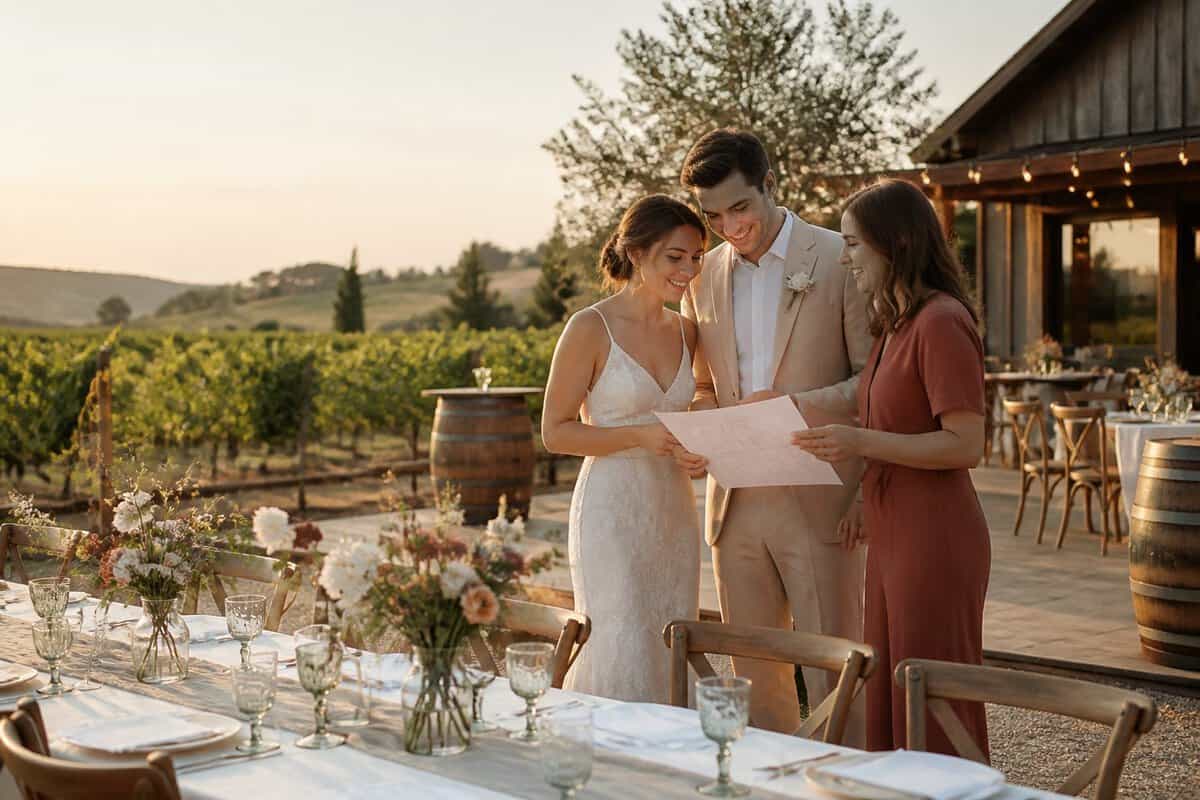
The site fee covers access to the property and may include ceremony areas, reception space, tables, chairs, basic staffing, or cleanup. Ask for the complete estimate before comparing venues.
Review these charges line by line:
- Rental fee and security deposit
- Ceremony and reception access hours
- Tables, chairs, linens, and glassware
- Setup, breakdown, and cleanup
- Insurance and security
- Restroom access and power
- Corkage, wine minimums, and service fees
A venue with a higher rental fee may still cost less when it includes furnishings and staff. Compare the final price for your guest count and wedding date.
When All-Inclusive Wedding Packages Deliver Better Value
All-inclusive wedding packages deliver strong value when you want a simpler planning process and predictable costs. Packages may combine the ceremony site, reception space, in-house catering, bar service, staffing, rentals, and basic coordination.
Ask whether the package includes:
- Appetizers and a full meal
- Wine, beer, and spirits
- Cake cutting and dessert service
- China, glassware, and flatware
- Tables, chairs, linens, and lighting
- Service staff and cleanup
A BYO catering option gives you more control when you already have trusted vendors or want a custom menu. Price the caterer, rentals, staffing, and kitchen fees together before choosing flexibility.
How Guest Capacity Changes the Price
Guest capacity affects both the venue fee and the cost of food, drinks, rentals, and staffing. A property built for 200 guests may charge more for space and service than a vineyard designed for 40 guests.
Choose a venue that fits your real guest list. A smaller celebration can open access to private tasting rooms, garden patios, and intimate vineyard areas with lower minimums. Confirm the minimum guest count, maximum capacity, and per-person charges in writing.
How to Save Money on a Vineyard Wedding
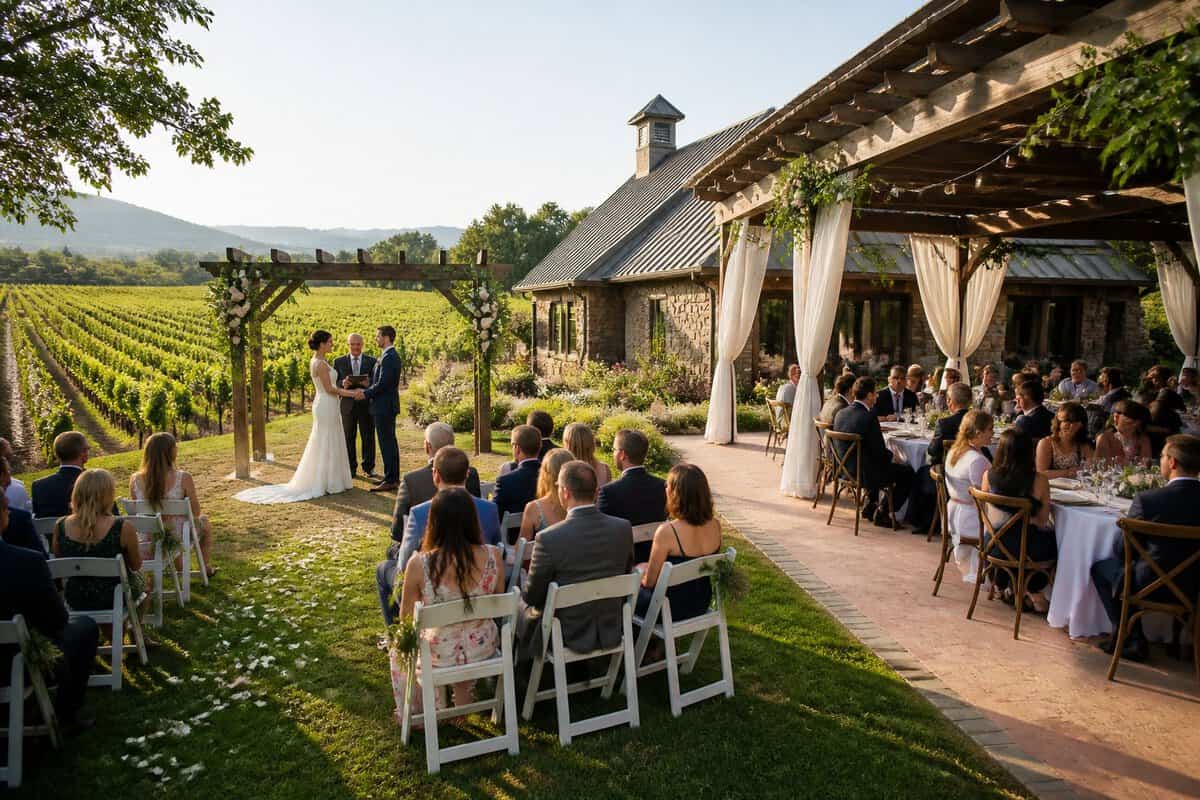
You save the most on a vineyard wedding by adjusting the date, guest count, decor plan, and travel logistics before making deposits. These choices reduce several connected expenses at once.
Choose a Friday, Sunday, or Off-Season Date
Friday, Sunday, and off-season dates often come with lower rental fees and smaller food and beverage minimums. Ask about weekday pricing, winter dates, harvest-season restrictions, and holiday surcharges.
Request quotes for at least three dates. A venue might offer the same ceremony site, meal, and wine service at different prices based on demand. Check the weather plan before choosing an off-season date, especially if the reception depends on outdoor space.
Keep the Celebration Intimate With a Micro-Wedding
A micro-wedding reduces per-person spending on meals, drinks, rentals, invitations, favors, and transportation. A guest list of 20 to 50 people also gives you access to smaller rooms and private vineyard areas.
Use the savings where they create the most value, such as a better meal, longer photography coverage, or overnight accommodations for close family. A smaller event still needs a clear contract covering ceremony and reception access, staffing, and cleanup.
For more ideas, review these tips for designing a budget-friendly small wedding.
Reduce Decor Costs With Natural Scenery
Vineyard rows, barrel rooms, mature trees, stone walls, and rolling hills provide strong visual detail with little added decor. Use flowers at the ceremony entrance, sweetheart table, and guest tables while leaving scenic areas open.
Ask whether the venue includes arches, farm tables, candles, lounge furniture, or string lights. Reuse ceremony arrangements at the reception, choose seasonal flowers, and rent decor that works in multiple spaces. Confirm rules for attaching items to vines, buildings, trees, and historic structures.
Plan Transportation and Overnight Accommodations Early
Transportation becomes a major expense when guests stay far from the winery. Compare shuttle routes, parking limits, rideshare access, and nearby hotels before booking the venue.
Destination weddings need a lodging plan that works for your guest list. Reserve room blocks early when the property sits in a small wine region with limited overnight accommodations. Ask whether the winery has guest rooms, partner inns, or a preferred shuttle company. Include transportation in your first budget draft so the venue price reflects the full guest experience.
Which Winery Venue Style Fits Your Budget?
The most budget-friendly winery style matches your guest count, vendor needs, and desired level of service. Rustic properties may lower decor costs, banquet spaces may simplify logistics, urban wineries may reduce travel, and outdoor sites may require more rentals.
Rustic Wedding Venue and Barn Settings
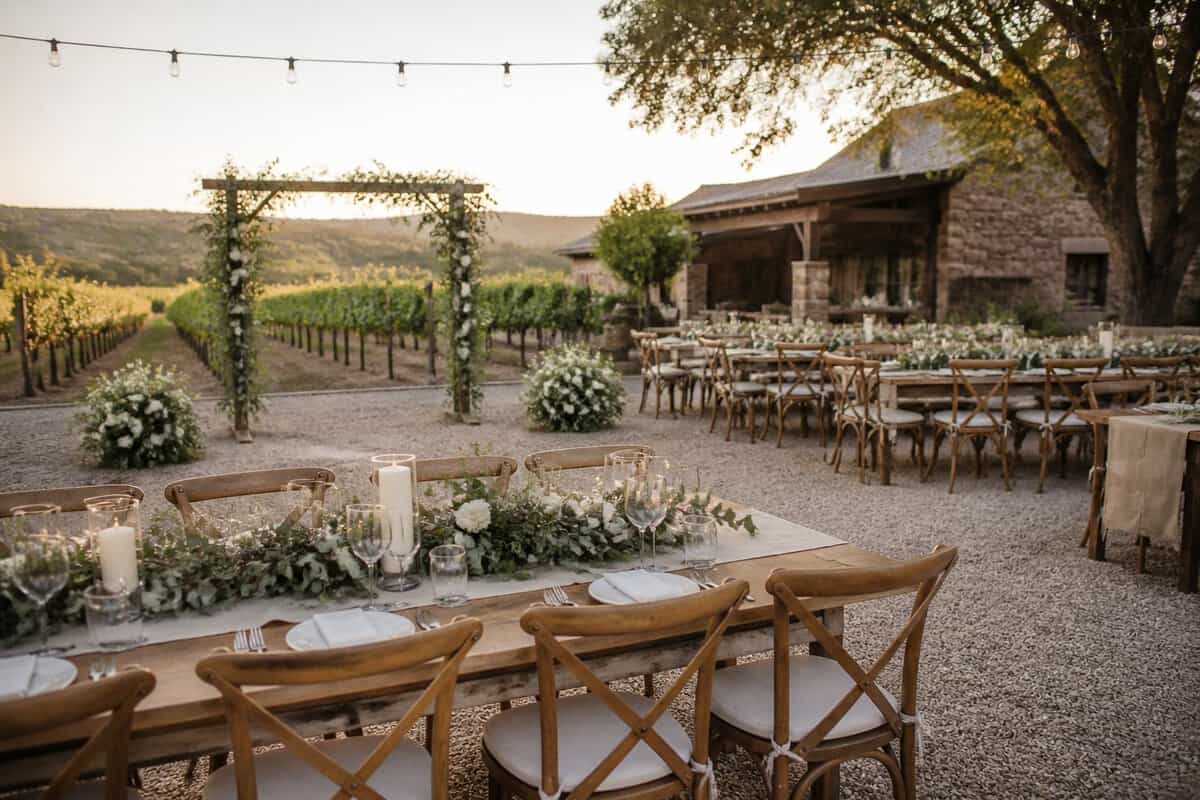
A rustic wedding venue with a barn, farmhouse, or working vineyard often gives you natural character and flexible outdoor space. Wood beams, gravel paths, barrels, and farm tables can reduce the need for added styling.
Check the practical details carefully. Ask about restrooms, heating, power, parking, lighting, flooring, and weather protection. A lower rental fee can require extra rentals for guest comfort, so include those costs in your comparison.
Budget-friendly rustic features include:
- Existing farm tables and benches
- Ceremony space near the reception
- In-house wine service
- Seasonal flowers and greenery
- Flexible vendor policies
Banquet Hall and Event Center Options
A banquet hall or event center on winery property often offers predictable service and efficient guest flow. These spaces may include kitchens, climate control, permanent restrooms, accessible entrances, and built-in lighting.
You may spend less on rentals and staffing when the room already supports large private events. Ask whether wine service follows winery pricing, whether outside catering is permitted, and whether the space has a food and beverage minimum.
Urban Winery Celebrations
An urban winery offers a winery wedding venue near hotels, restaurants, public transportation, and local vendors. Guests may spend less on travel and lodging, while you gain access to an industrial setting with tasting rooms, tanks, and barrel storage.
Urban spaces can have smaller guest limits and stricter noise rules. Review parking, load-in access, music policies, and event hours before booking. The reduced travel cost can balance a higher city rental fee for a compact celebration.
Mountain Views and Outdoor Ceremony Sites
Mountain views create a strong ceremony backdrop with minimal floral design. Outdoor sites can also provide room for a relaxed reception, cocktail hour, or lawn games.
Ask about walkways, shade, restrooms, lighting, power, and a covered rain plan. A remote property may add shuttle, delivery, and lodging costs. Compare those logistics with the savings from a simpler decor plan.
Affordable Wine Country Regions and Venue Examples
Affordable wine country options often appear in smaller regions, less commercial towns, and properties outside the most expensive resort areas. You can find strong value by comparing the full travel plan alongside the venue estimate.
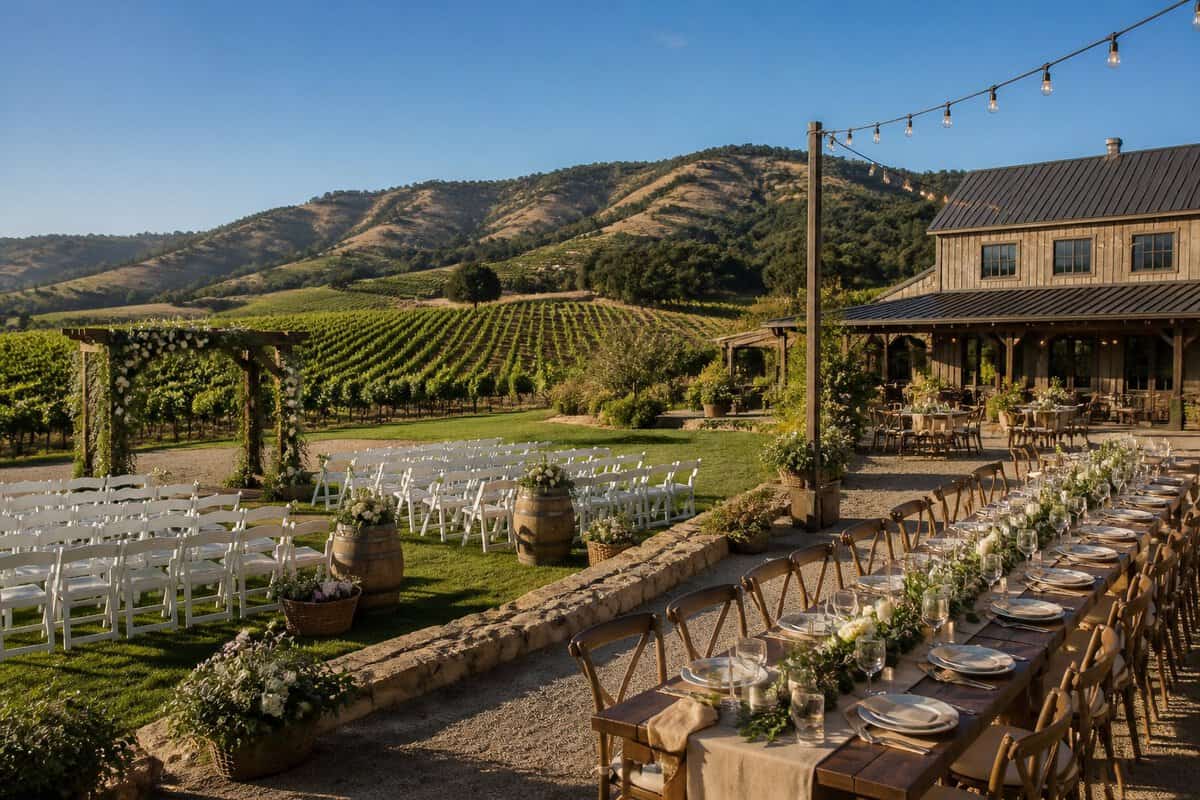
Napa and Sonoma Wine Country
Napa and Sonoma offer famous vineyard views, yet prices vary widely by town, property size, and service level. Look beyond luxury resorts toward family-run wineries, garden properties, weekday dates, and smaller guest counts.
In Napa and Sonoma Wine Country, ask about food and beverage minimums, required coordinators, parking, and seasonal availability. A venue outside the busiest towns may lower lodging and transportation costs while keeping you close to tasting rooms and scenic roads.
Mendocino, Hopland, and Redwood Valley
Mendocino, Hopland, and Redwood Valley offer a quieter setting with vineyards, open land, and smaller event properties. Hopland venues may suit intimate celebrations, while Redwood Valley provides rural scenery and space for outdoor ceremonies.
Barra Of Mendocino Winery And Event Center is an example of a property to research when comparing options in the region. Confirm its current guest limits, package details, catering rules, and available dates directly with the venue.
Livermore and Pleasanton
Livermore and Pleasanton provide wine country access within reach of the greater Bay Area. Shorter drives can reduce shuttle costs and make local hotel options easier for guests.
Compare wineries with nearby event centers and private estates. Ask how the venue handles wine service, outside vendors, ceremony transitions, and end times. A property with practical access may support a lower total budget even when its site fee is not the lowest quote.
Willamette Valley and Beyond
The Willamette Valley offers boutique vineyards, rolling farmland, and a wide range of smaller wedding properties. You can also compare regions such as Temecula, the Finger Lakes, Texas Hill Country, and other emerging wine areas.
Search by guest count and service style first. A venue such as Zenith Vineyard or Pippin Hill Farm may fit a different budget and event scale than a large estate. San Carlos and Domenico Winery provide additional urban or Bay Area examples to investigate, with pricing and availability confirmed directly before you plan around them.
What to Ask Before Booking a Winery Venue
Ask for a complete written estimate and contract before you reserve a winery venue. Your questions should cover weather, catering, alcohol, event rules, included rentals, and every fee tied to your ceremony and reception.
Is the Rain Plan Included?
Ask where the ceremony and reception move during rain, wind, heat, or wildfire smoke. Confirm whether the backup space is included in the rental fee and whether it holds your full guest count.
Check the cost of tents, heaters, fans, flooring, and weather equipment. Ask when the venue makes the weather call and who handles the changeover.
What Are the Catering and Bar Requirements?
Confirm whether the venue requires in-house catering, permits BYO catering, or charges a kitchen or corkage fee. Request sample menus, per-person pricing, staffing fees, service charges, and tax estimates.
Ask which alcohol options are available and whether wine from the property must be served. Clarify whether your package includes bartenders, glassware, mixers, ice, water, and cleanup.
Are There Curfews, Noise Rules, or Wine Minimums?
Ask about music end times, amplified sound, guest departure times, and outdoor event limits. Review wine minimums, beverage packages, corkage, and charges for unopened bottles.
Private events may also have rules for candles, decorations, photography, pets, parking, and outside vendors. Put every restriction in the contract so your timeline and budget match the venue’s requirements.
What Is Included in the Rental Fee?
Request an itemized list of included furniture, ceremony access, reception access, setup, breakdown, cleanup, restrooms, lighting, power, staffing, and coordination. Ask whether the rental fee covers the entire event day or only specific hours.
Confirm the payment schedule, cancellation terms, overtime rate, damage deposit, insurance requirement, and approved vendor list. Compare the complete contract with at least two other wedding venues before you sign.