
All-Inclusive Honeymoon Korea: What to Expect
South Korea gives you a honeymoon filled with lively city streets, volcanic coastlines, mountain scenery, and memorable food. You can pair a luxury hotel stay with palace visits in Seoul, peaceful beaches on Jeju Island, or a coastal escape in Busan.
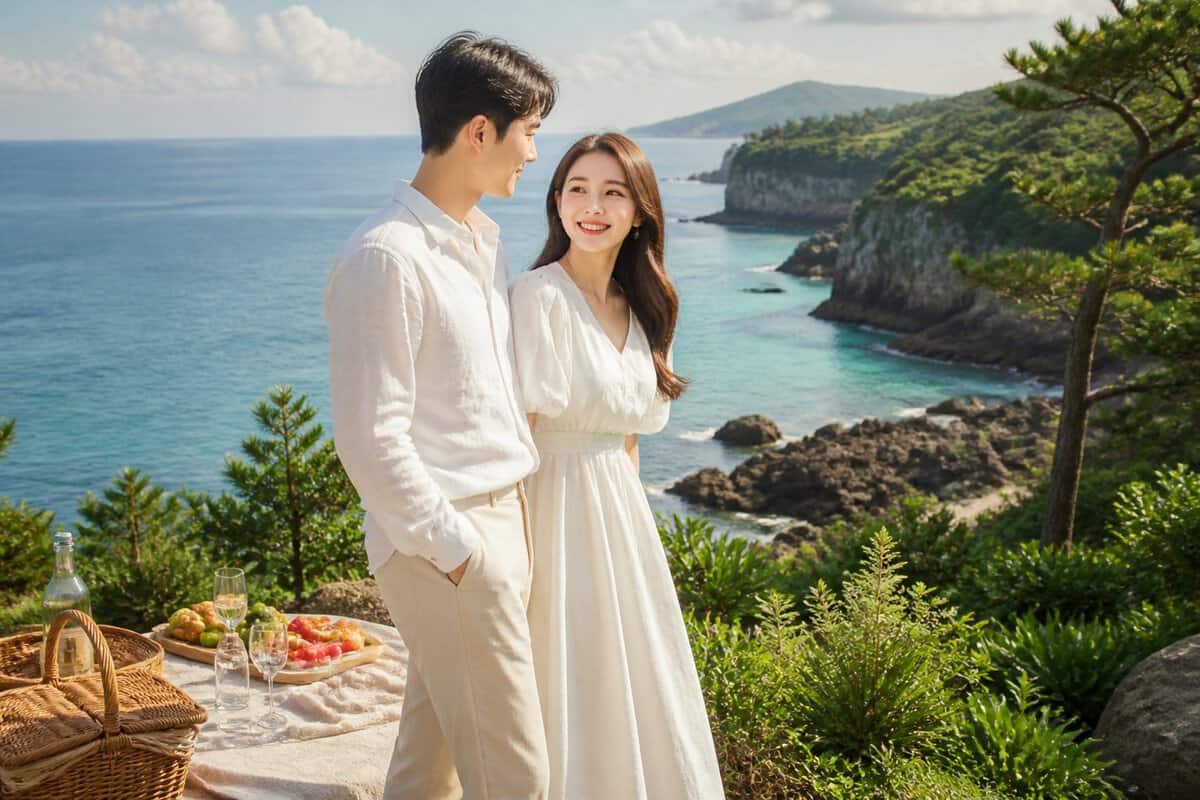
An all inclusive honeymoon korea package usually combines your hotel with selected meals, transfers, tours, and romantic extras, while the exact meaning of “all inclusive” depends on the provider. South Korea has fewer resort-style packages than destinations built around large beach resorts, so careful planning helps you choose the right mix of convenience and freedom.
You can start by comparing honeymoon destinations in South Korea and then request a package that matches your preferred pace, hotel style, and budget.
What Does All-Inclusive Mean in South Korea?
In South Korea, an all-inclusive honeymoon package usually covers lodging plus a planned mix of meals, transportation, activities, and guest services. The package may cover your full trip or only a resort stay within a larger customized itinerary.
Why Fully Inclusive Resorts Are Less Common
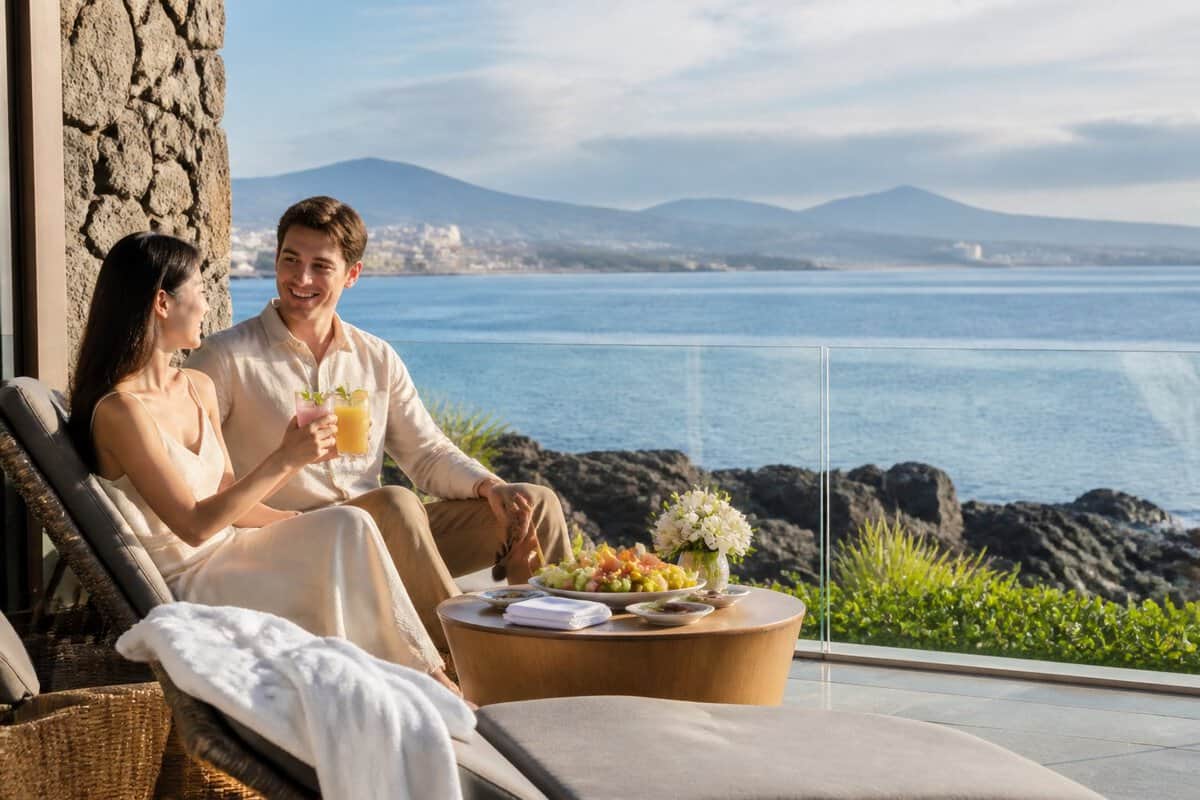
South Korea works well for independent travel because its cities have strong public transportation, diverse restaurants, and many attractions close to major hotels. Couples often spend part of the honeymoon exploring neighborhoods and cultural sites, so resort packages tend to focus on selected services instead of covering every expense.
Jeju Island has the strongest resort setting for an all-inclusive-style stay. Seoul, Busan, and mountain areas offer more city hotels, boutique properties, guesthouses, and tour-based packages.
A package may include a resort room for several nights, followed by hotels in Seoul or Busan with breakfast and guided excursions. This format gives you a comfortable base while leaving room for local dining and self-guided activities.
Typical Inclusions in Korean Honeymoon Packages
Your package might include:
- Hotel accommodation
- Daily breakfast or selected meals
- Airport transfers
- Domestic flights to Jeju Island
- Private drivers or intercity transportation
- Guided sightseeing
- Couples’ spa treatments
- A welcome arrangement or room upgrade
- A special dinner
- Travel support during the trip
Read the meal details closely. “All meals” could mean buffet access at a resort, while another package may include breakfast and one set dinner. Drinks, minibar items, premium restaurants, and room service often follow separate rules.
Some packages also include admission fees for palaces, museums, gardens, or cultural performances. Confirm whether guides provide transportation between each activity or meet you at the destination.
What Couples Should Confirm Before Booking
Ask for a written list of inclusions before you pay a deposit. Check these details:
- Number of hotel nights and room category
- Meals included each day
- Alcoholic and nonalcoholic drink coverage
- Airport and station transfers
- Domestic flights or ferry tickets
- Private versus shared tours
- Attraction admission fees
- Baggage rules
- Cancellation terms
- Resort fees, taxes, and service charges
You should also confirm the location of each hotel. A lower package price may reflect a property far from the neighborhoods, beaches, or attractions you plan to visit.
Which Destinations Suit Your Travel Style?
Your best South Korean honeymoon destination depends on the balance you want between city life, beach time, food, and nature. Seoul suits a culture-focused trip, Jeju Island supports a slower resort stay, and Busan blends coastline with urban activity.
Seoul for Food, Culture, and City Nights
Seoul works well for couples who want palaces, design districts, cafés, markets, and late-night dining. You can tour Gyeongbokgung Palace, walk through Bukchon Hanok Village, and spend an evening in Insadong or Hongdae.
Choose a hotel near a subway station for easier access to major neighborhoods. A private guide can add context to historic sites, while a food tour introduces you to dishes such as Korean barbecue, noodles, and seasonal market specialties.
Seoul fits best at the start or end of your trip, when you want convenient airport connections and plenty of dining choices.
Jeju Island for Beaches and Resort Time
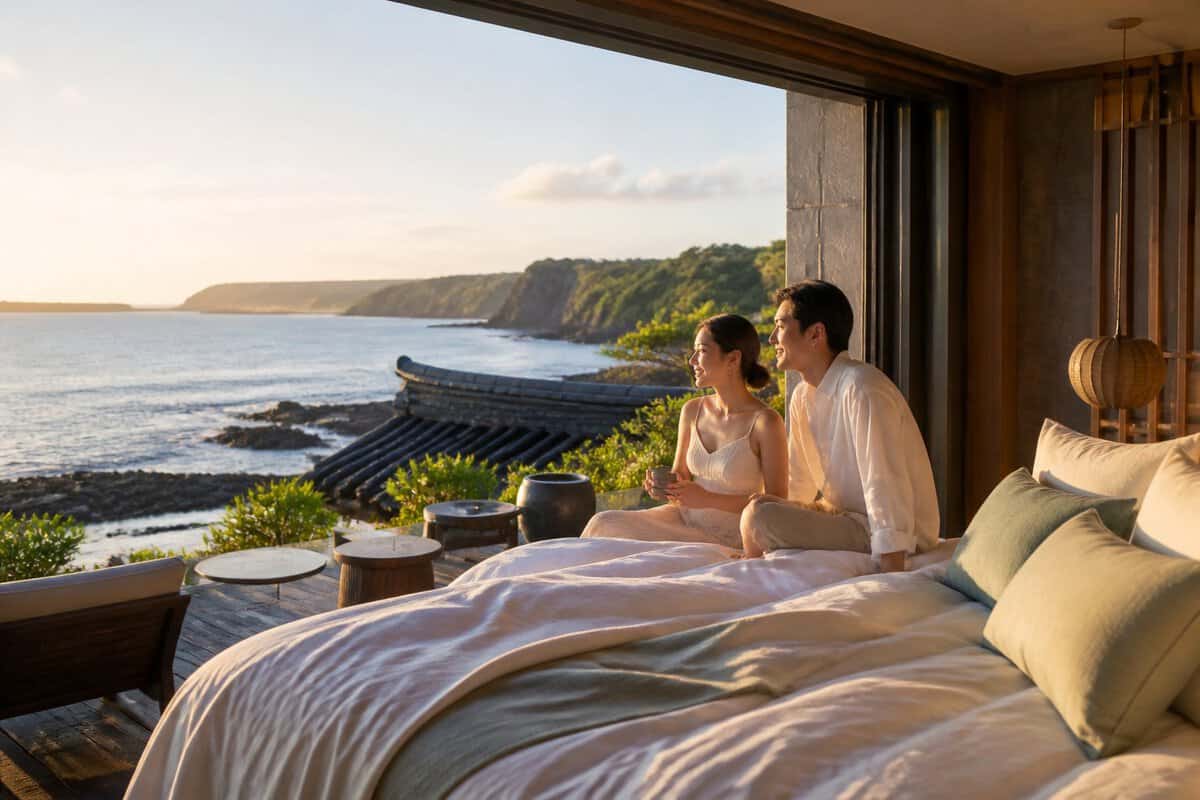
Jeju Island offers volcanic landscapes, coastal roads, waterfalls, beaches, and luxury hotels with pools and spas. You can spend a quiet morning at your resort, then visit a coastal trail, tea plantation, garden, or seafood restaurant.
A rental car or private driver makes it easier to reach scenic areas. Public buses serve many parts of the island, though routes require more planning and travel time.
For a resort-centered honeymoon, choose a property near the coast and reserve at least three nights. Add a room with an ocean view, a couples’ treatment, or a private dinner if those extras fit your budget.
Busan for Coastal Views and Urban Energy
Busan suits couples who want beaches, seafood, markets, temples, and a lively waterfront. Haeundae Beach offers a polished hotel area, while Gwangalli Beach provides views of Gwangan Bridge and a large selection of cafés and restaurants.
You can visit Gamcheon Culture Village, explore Jagalchi Market, or take a coastal walk at Taejongdae. Busan also connects well with Seoul by high-speed train, making it useful for a two-city itinerary.
Choose a hotel near Haeundae for resort comforts or near Seomyeon for central transportation and nightlife.
Sokcho for Mountains and Quiet Escapes
Sokcho gives you a calmer coastal stay near Seoraksan National Park. You can hike forest trails, visit waterfalls, explore the fish market, and enjoy fresh seafood after a day outdoors.
The area suits couples who value scenery and quiet mornings. Stay near the beach for ocean views or near the park entrance for easier trail access.
Sokcho pairs well with Seoul by road and works as a two-night nature stop. Check trail conditions and weather before booking guided hikes, especially during colder months.
How to Build a Romantic Itinerary
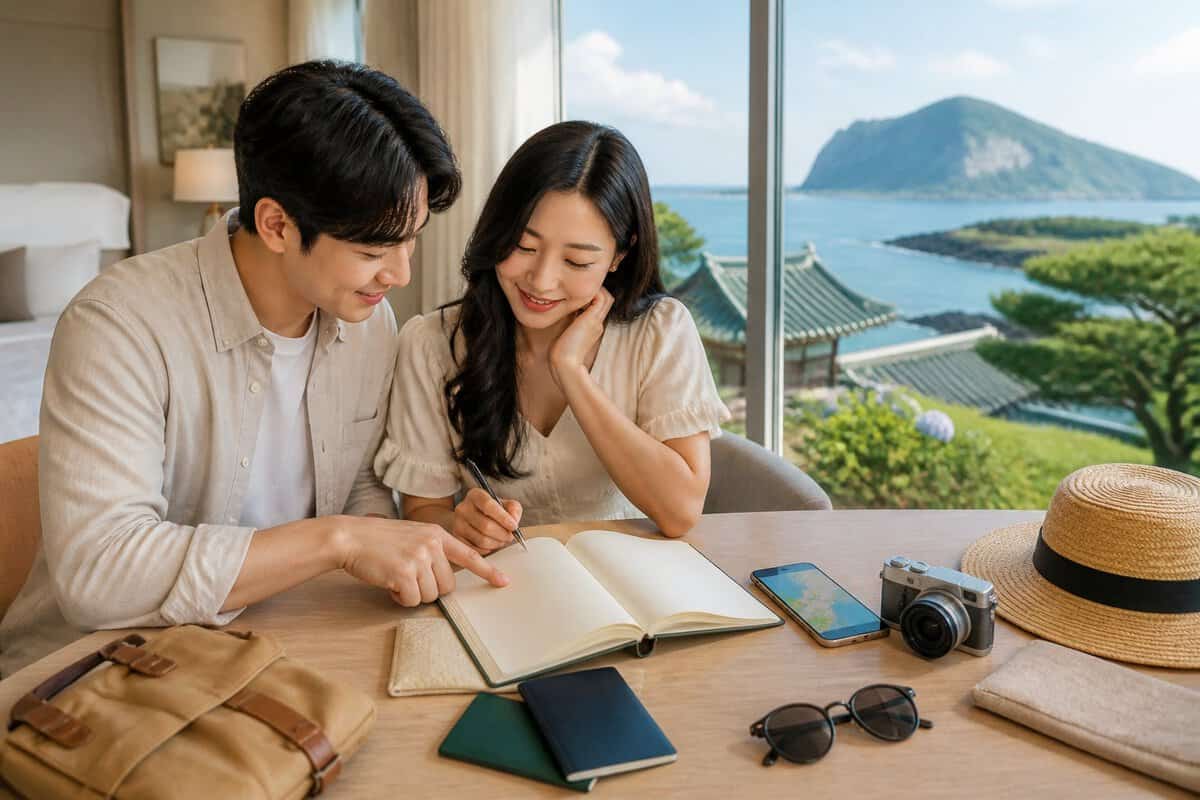
A romantic Korean honeymoon works best when you give each destination enough time for relaxed meals, rest, and unplanned discoveries. Plan one major activity per day, then add private experiences around your hotel location.
Romantic Experiences Worth Adding
Consider adding experiences that create shared memories without filling every hour:
- A hanbok rental and palace photo session
- A private Korean cooking class
- A sunset cruise in Busan
- A couples’ spa treatment
- A coastal drive on Jeju Island
- A candlelit dinner at your hotel
- A tea ceremony
- A professional couple’s photo shoot
- A sunrise walk along the beach
Reserve popular restaurants and private tours before you arrive. You can also ask the hotel to arrange flowers, a dessert, or a handwritten welcome note for your room.
Leave space for local cafés, market snacks, and quiet time together. A honeymoon schedule with fewer transfers gives you more time to enjoy each place.
Combining Seoul and Jeju in One Trip
A Seoul and Jeju itinerary works well for seven to ten nights. Spend three or four nights in Seoul, then fly to Jeju for three to five nights of resort time.
Start in Seoul if you want culture and city energy while you are rested from your international flight. Move to Jeju for slower days near the end, with a spa visit or special dinner before your return home.
Book domestic flights with enough baggage allowance for your trip. Confirm airport transfer times because Jeju’s main airport sits near Jeju City, while many resort areas are farther along the coast.
Adding a Seoraksan National Park Stay
Add Sokcho and Seoraksan National Park when you want hiking, mountain views, and a quieter change of pace. Two nights give you time for one full park day without creating a rushed schedule.
You can place Sokcho between Seoul and another eastern-coast destination, or use it as a short excursion from Seoul with private transportation. Choose a gentle trail if you want scenic views without turning the day into a demanding hike.
Pack comfortable walking shoes, light layers, and rain protection. Mountain weather can shift quickly, especially during spring and autumn.
How Much Should You Budget?
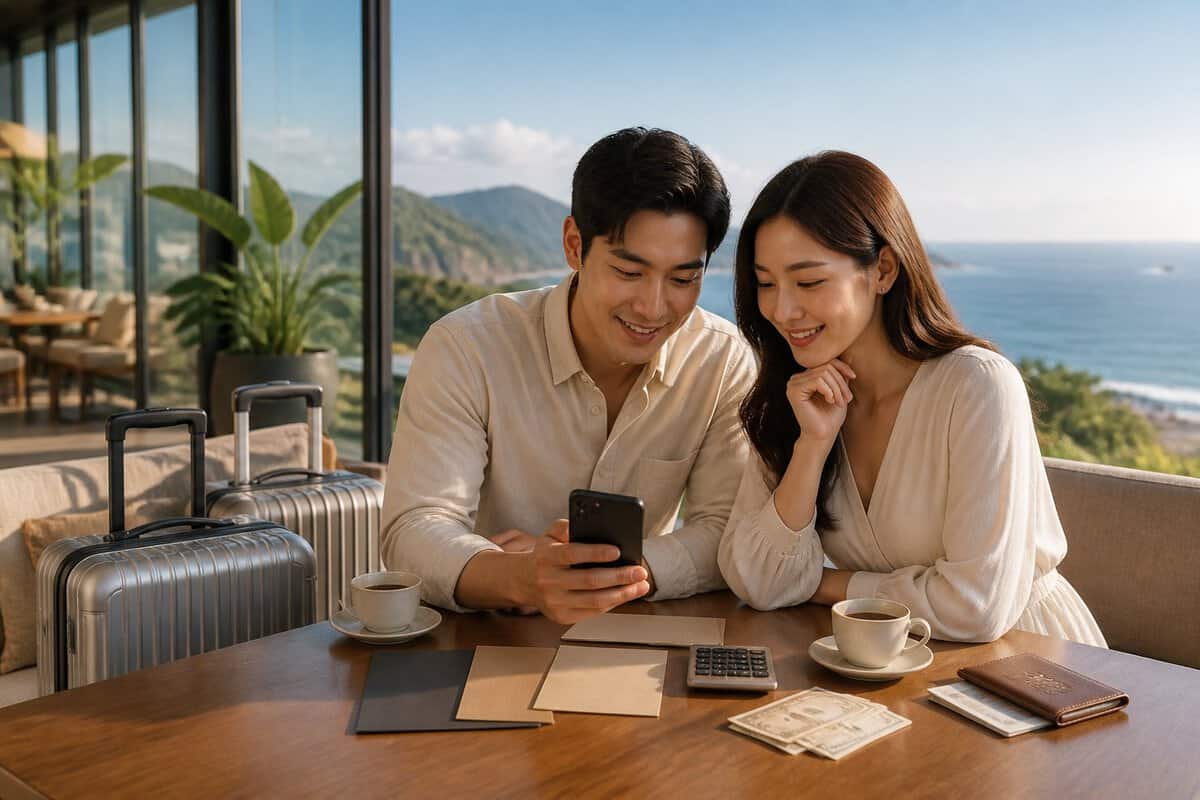
Plan on a wide price range because hotel level, private transportation, domestic flights, dining, and tour style shape the cost of your honeymoon. A package with luxury resorts and private guides will cost far more than a plan built around city hotels and selected activities.
Costs Commonly Included in a Package
Your package price may include:
- International airfare
- Hotel rooms
- Breakfast or selected meals
- Domestic flights
- Airport transfers
- Intercity transportation
- Guided tours
- Attraction tickets
- Resort activities
- Travel planning support
Ask whether the quoted rate covers both travelers or shows a per-person price. Taxes, booking fees, and seasonal surcharges should appear in the written quote.
A package with fewer included meals can suit you if you want to try restaurants throughout Seoul, Busan, or Jeju. A resort package with full meal coverage offers more predictability during beach and spa days.
Expenses Often Left Out of the Price
Budget separately for:
- International tips and gratuities
- Extra baggage
- Specialty drinks
- Premium restaurant meals
- Room service
- Shopping
- Café stops
- Taxis outside scheduled transfers
- Travel insurance
- Laundry
- Optional excursions
You should also set aside money for weather-related changes. A private taxi, replacement activity, or extra hotel night can affect your final spending.
For more planning help, compare your travel estimate with guidance on how much do you budget for a honeymoon.
When Private Tours and Upgrades Add Value
Private tours add value when you want flexible start times, direct transportation, or help with language and logistics. They work especially well for Jeju’s spread-out attractions, a food-focused Seoul day, or a scenic trip around Sokcho.
Hotel upgrades make sense when you expect to spend long periods at the property. An ocean-view room, club lounge access, private terrace, or couples’ spa package can improve a resort stay.
Spend on convenience when it removes a difficult transfer or protects time for a special experience. Keep standard rooms and independent meals when you plan to spend most days exploring.
When to Go and Where to Stay
Spring and autumn offer mild weather and attractive scenery, while summer brings beach conditions and winter suits snow and city travel. Your hotel choice should match the time you plan to spend relaxing, sightseeing, and moving between destinations.
Spring Cherry Blossoms vs. Autumn Foliage
Spring brings cherry blossoms, fresh greenery, and comfortable walking weather. Blossoms appear at different times across the country, so flexible dates help if flowering views are a major goal.
Autumn brings colorful foliage, crisp air, and excellent hiking conditions in areas such as Seoraksan National Park. Mountain hotels and popular city properties fill quickly during peak foliage weeks.
Summer works well for Jeju beaches and resort pools, though heat, humidity, and rain can affect outdoor plans. Winter offers lower rates at some properties, along with festive city lights and mountain snow in selected areas.
Choosing Hotels, Hanoks, and Resort Stays
Choose a full-service resort on Jeju Island when you want pools, spa services, on-site dining, and fewer daily decisions. Seoul hotels suit couples who want easy access to neighborhoods, shopping, and cultural attractions.
A hanok stay adds traditional architecture, floor bedding, courtyards, and a quiet atmosphere. Check room size and bathroom details before booking, since traditional properties vary in comfort and layout.
For a multi-city trip, prioritize location and transport access. A smaller room near a subway station may save time each day, while a larger suite makes more sense for a stay centered on relaxation.
Getting Around Between Destinations
South Korea’s high-speed rail connects Seoul and Busan in about two and a half to three hours, depending on the service and station. Domestic flights connect Seoul-area airports with Jeju, while buses and private cars serve destinations such as Sokcho.
Book airport and station transfers when you carry large luggage or arrive late. Use trains for major city connections, private drivers for scenic routes, and rental cars on Jeju when you want control over your daily schedule.
Build transfer time into your itinerary and avoid scheduling a major tour immediately after a flight. Confirm hotel check-in hours, luggage storage, and pickup points before each travel day.