
All-Inclusive Honeymoon Yellowstone: Packages and Planning
Yellowstone National Park gives you a honeymoon filled with steaming springs, wide mountain views, and quiet moments beside abundant wildlife. An all inclusive honeymoon yellowstone package can bring lodging, meals, guided outings, and transportation into one plan, giving you more time to enjoy each other and less time managing reservations.
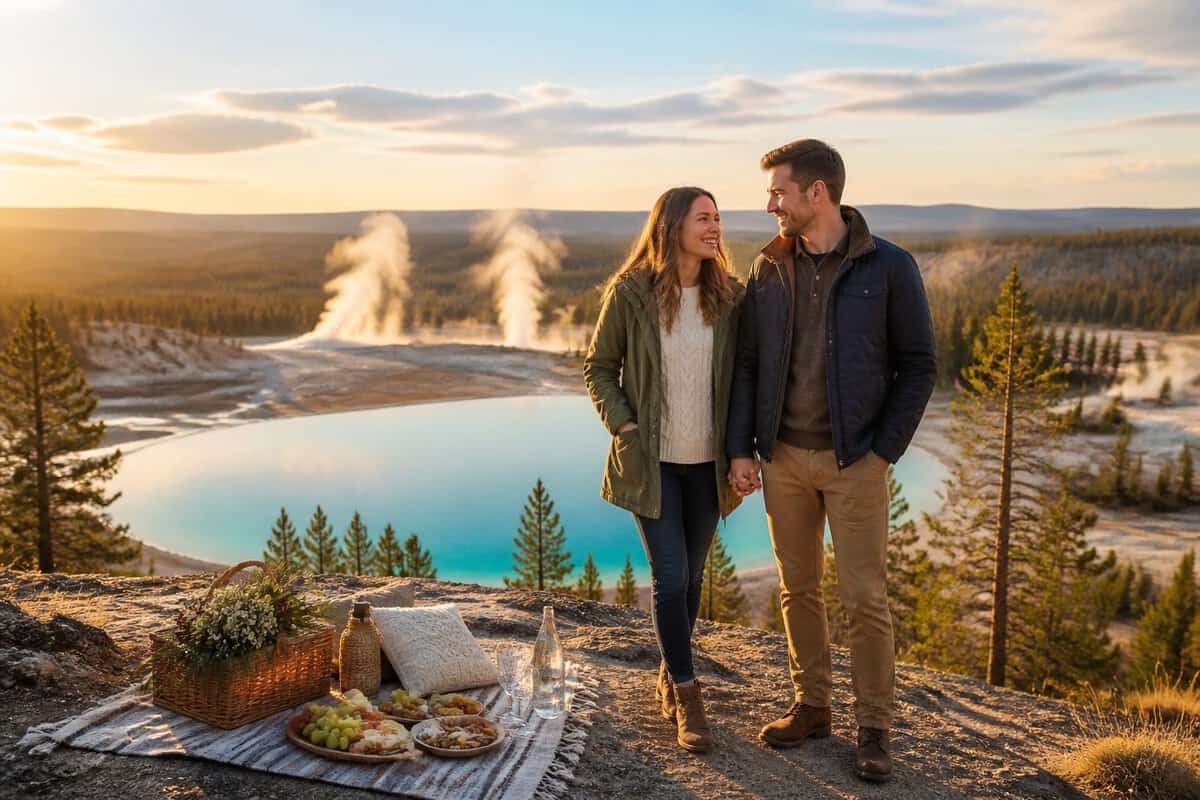
You can choose a lodge inside the park, a private cabin near an entrance, or a luxury Montana ranch with spa services. Start by deciding how much structure you want, then match your dates, budget, and favorite activities to the right Yellowstone vacation packages.
For more inspiration, explore these romantic honeymoon destinations in the mountains, then begin comparing Yellowstone stays for your celebration.
What Does All-Inclusive Mean for a Yellowstone Honeymoon?
An all-inclusive Yellowstone vacation package combines core trip costs, such as lodging, meals, activities, and select transportation, into one planned booking. Package details vary, so you should confirm every inclusion before paying a deposit.
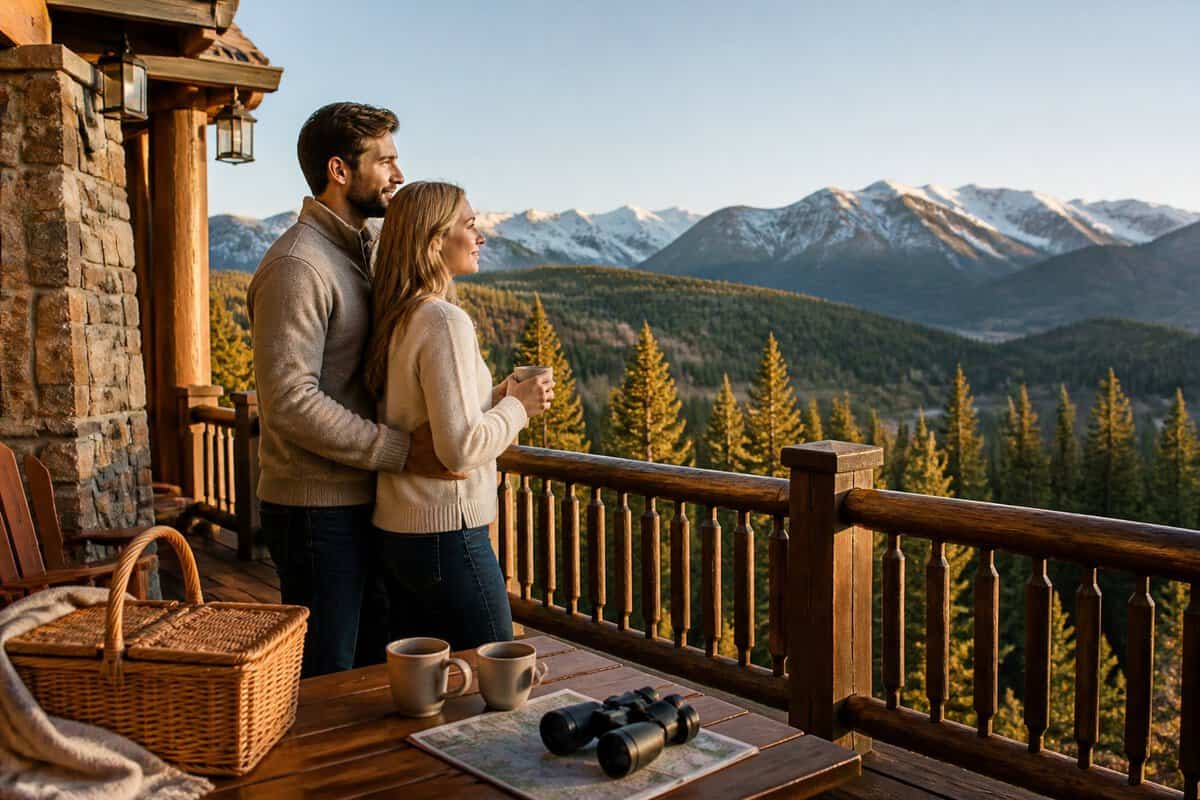
What Is Usually Included in Yellowstone Packages?
A Yellowstone package for couples may include:
- Lodge rooms, cabins, or a nearby boutique hotel
- Breakfast, dinner, picnic lunches, or a special honeymoon meal
- Guided sightseeing at Old Faithful and Grand Prismatic Spring
- Wildlife drives or photography tours
- Entrance fees and planned park transportation
- Airport transfers or shuttle service
- A private guide for selected excursions
A Yellowstone couples adventure package can also include hiking, scenic drives, and evening activities such as campfires or stargazing. Ask whether meals cover drinks, gratuities, and dietary requests.
Which Costs Are Commonly Extra?
Airfare, park permits for special activities, alcoholic drinks, spa treatments, souvenirs, and guide tips often sit outside the advertised rate. Rental cars, fuel, travel insurance, horseback riding, and premium fishing or rafting trips may also add to your total.
Read the cancellation policy and ask about resort fees, taxes, and required deposits. A written list of inclusions helps you compare Yellowstone packages with equal details.
Guided Group Trips vs. Private Custom Itineraries
A guided group trip gives you a set schedule, shared transportation, and a guide who handles daily logistics. It suits couples who enjoy meeting other travelers and want a clear route through the park.
A private custom itinerary gives you more control over wake-up times, meals, photo stops, and activity levels. You can spend longer at a favorite overlook or add a private wildlife drive. The higher price often reflects exclusive transportation, guide time, and flexible planning.
Choose the Right Base and Package Style
Your base shapes each day of your honeymoon, so choose lodging according to the sights you want to reach and the level of comfort you prefer. Staying inside Yellowstone reduces daily driving, while nearby Montana properties offer more dining, spa, and luxury choices.
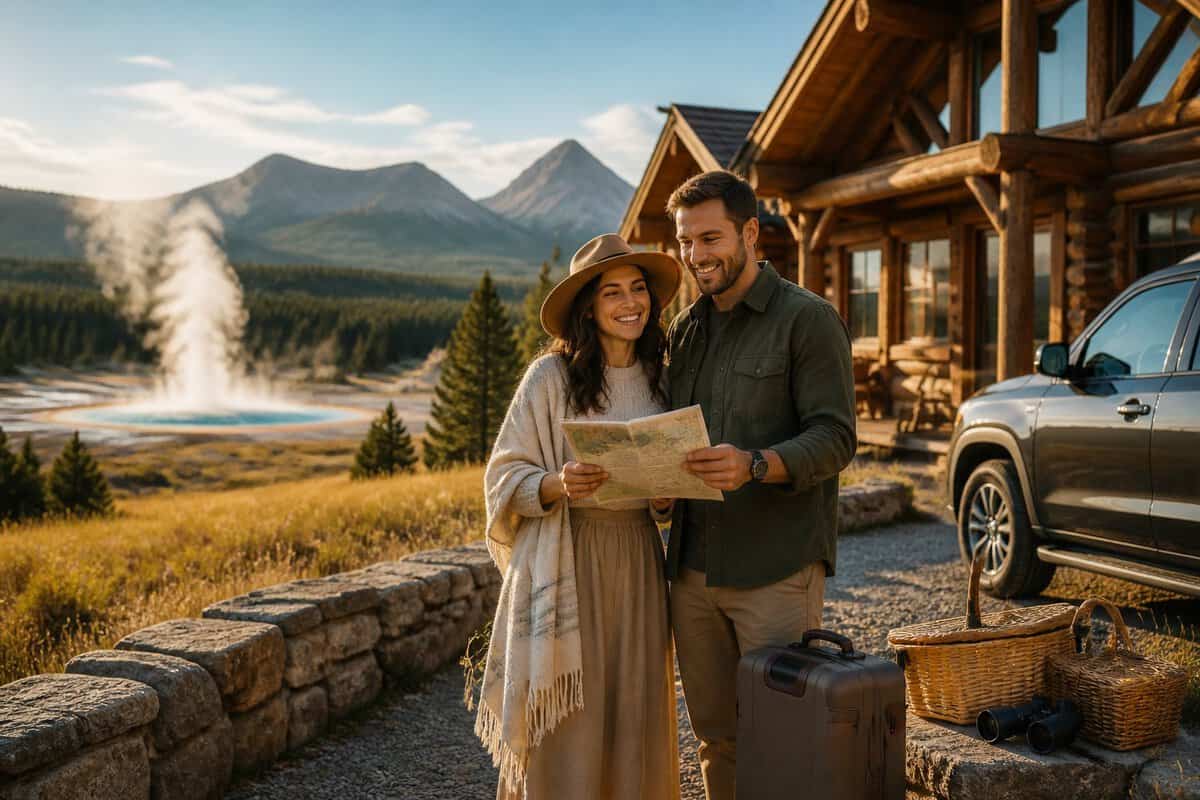
Staying Inside the Park at Old Faithful and Yellowstone Lake
Old Faithful Inn places you close to Old Faithful Geyser and the Upper Geyser Basin. You can watch an eruption, return for a meal, and enjoy the park after many day visitors have left.
Yellowstone Lake offers a quieter setting with water views, forest trails, and access to West Thumb Geyser Basin. A lake-area stay works well when you want scenic mornings and a slower pace. Rooms inside the park fill early, so reserve as soon as your dates are firm.
Why West Yellowstone and Big Sky Work for Couples
West Yellowstone sits near the park’s west entrance and gives you easy access to geysers, waterfalls, and scenic drives. You will also find restaurants, outfitters, cabins, and hotels outside the park boundary.
Big Sky, Montana, creates a resort-style base with mountain views, dining, and outdoor activities. It pairs well with a planned Yellowstone day and private time at your lodging. Travel time into the park varies by route and season, so include it in your daily schedule.
Montana Ranch Stays and Added Luxury
A Montana ranch stay adds private cabins, wide-open scenery, hosted meals, and guided outdoor experiences. Properties such as Lone Mountain Ranch may pair rustic design with modern comfort near Big Sky.
Look for packages that include spa services, a massage, horseback riding, fly fishing, or private dining. A ranch works best when you want Yellowstone excursions plus several unhurried days away from the busiest park roads. Confirm whether transportation into Yellowstone is included.
Build a Romantic Yellowstone Itinerary
A romantic Yellowstone itinerary balances major geothermal sights with wildlife viewing, one active outing, and open time for rest. Plan by region so you spend less of your honeymoon crossing the park.
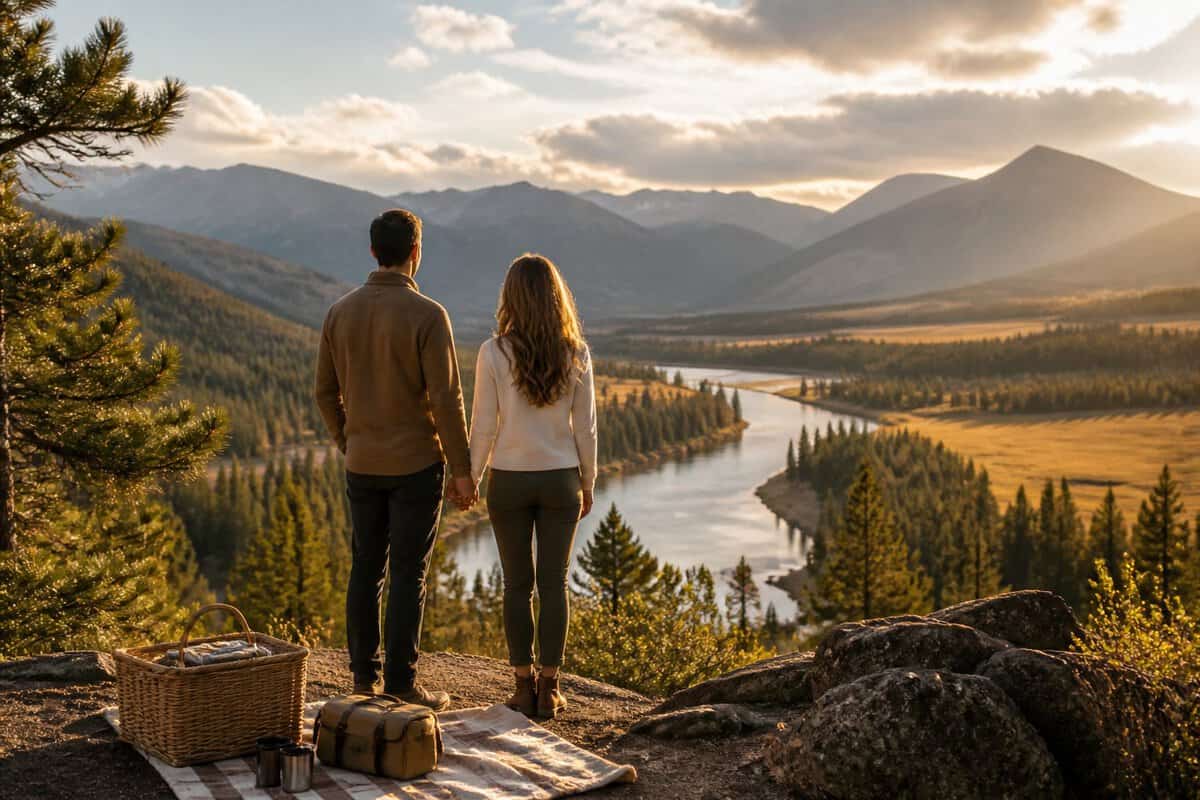
Geysers and Scenic Stops for the First Days
Begin near Old Faithful and explore the surrounding boardwalks at a comfortable pace. Add Grand Prismatic Spring, where elevated viewpoints provide a broad view of the vivid colors.
West Thumb Geyser Basin fits well with a Yellowstone Lake day. If you cross the Continental Divide, allow time for overlooks, weather changes, and slower traffic. The Grand Canyon of the Yellowstone deserves a separate stop, with viewpoints on both the north and south rims.
Reserve one evening for a special dinner or sunset walk. You can also leave the schedule open after a long travel day.
Wildlife Viewing in Lamar and Hayden Valleys
Lamar Valley offers strong opportunities for bison, elk, wolves, and occasional grizzly bears, especially during early morning drives. Hayden Valley gives you broad meadows and frequent bison sightings near the Yellowstone River.
Bring binoculars and keep a safe distance from every animal. A guide can help you spot movement, choose legal pullouts, and read changing conditions. Wildlife viewing takes patience, so plan a warm drink stop and avoid packing the day with fixed reservations.
Adventure and Unhurried Time Together
Choose one main adventure that fits your comfort level. Hiking ranges from short boardwalk walks to longer trails, while horseback riding creates a guided way to explore open country.
Fly fishing, whitewater rafting, and scenic cycling add active options outside the busiest sightseeing stops. End an adventure day with a quiet meal, a hot tub, or a sunset viewpoint. Reserve a night for stargazing, since Yellowstone’s dark skies create excellent conditions away from lodge lights.
When Is the Best Time to Visit Yellowstone as a Couple?
The best time to visit Yellowstone depends on your priorities, with summer offering the broadest access, fall bringing quieter roads and wildlife activity, and winter creating a peaceful snow-covered escape. Road openings, weather, and lodging availability should guide your final dates.
Summer for Full Access and Classic Sightseeing
Summer gives you the widest access to park roads, hiking trails, lodges, and guided tours. You can reach Old Faithful, Grand Prismatic Spring, Yellowstone Lake, and the canyon in one trip with careful route planning.
Crowds increase from June through August, especially near famous viewpoints. Start sightseeing early, reserve lodging months ahead, and allow extra time for traffic and parking. Summer suits couples who want a first visit filled with classic landmarks and many activity choices.
Fall for Quieter Days and Wildlife Viewing
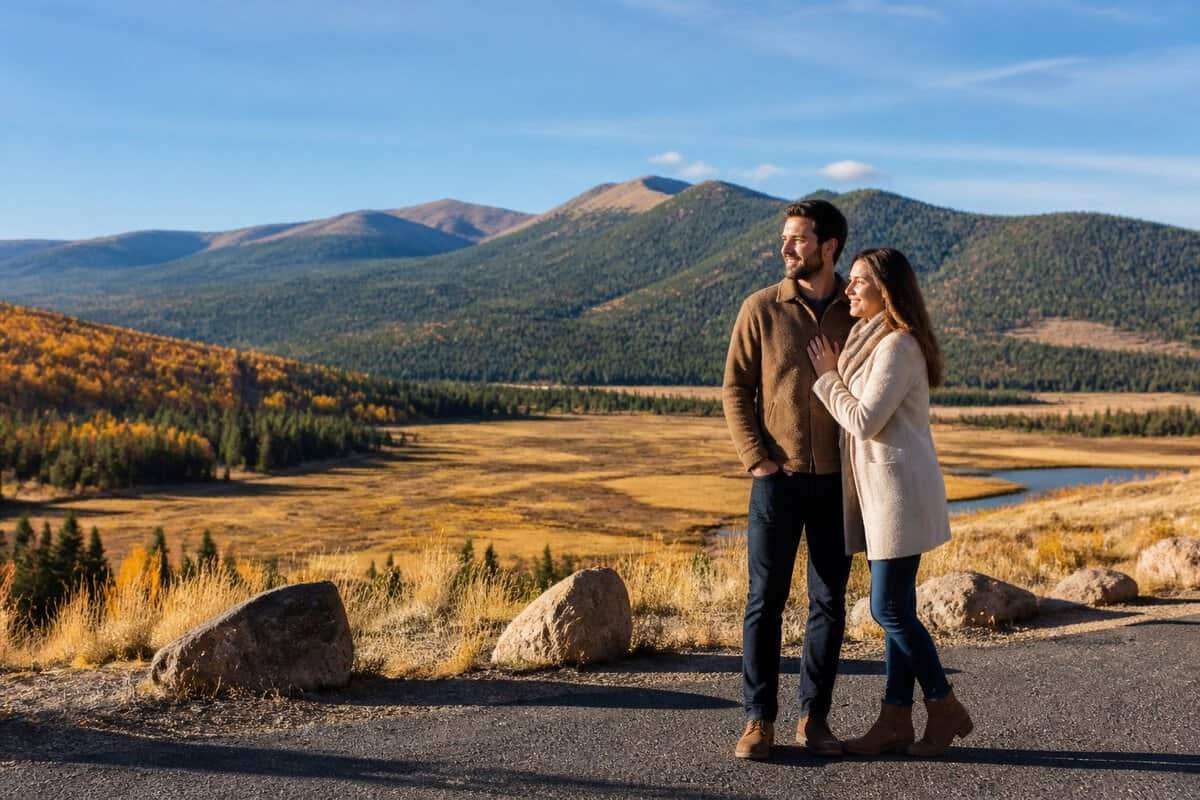
September and early October bring cooler air, golden foliage, and fewer visitors on many roads. Elk activity increases during the fall rut, while wildlife viewing in Lamar Valley and Hayden Valley remains rewarding.
Pack layers and check road conditions before leaving each morning. Some services and lodging areas close after summer, so confirm restaurant hours and fuel locations. Fall works well for couples who value photography, peaceful walks, and flexible sightseeing.
Planning a Winter Honeymoon
A winter honeymoon turns Yellowstone into a snowy landscape reached through approved routes and guided transportation. Snowcoach tours provide access to areas that close to regular vehicle traffic, including routes toward Old Faithful.
Mammoth Hot Springs remains accessible by road, and nearby towns offer lodging, dining, and winter activities. Pack insulated boots, gloves, warm layers, and traction aids. You can add a fireside dinner, a spa visit, or western music in a nearby Montana town for a cozy evening.
Budget, Booking, and Travel Logistics
Your Yellowstone honeymoon budget should account for lodging, transportation, park access, meals, activities, taxes, and seasonal demand. Booking early gives you more choices for rooms, guides, and package dates.
How Far Ahead Should You Reserve?
Reserve popular summer lodging and guided tours six to twelve months ahead when possible. Inside-park rooms, private guides, ranch stays, and special dining slots may sell out first.
Winter packages also require advance planning because snowcoach seats and seasonal lodging are limited. Ask each provider for a detailed price sheet showing what the Yellowstone vacation packages include. Compare the total trip cost, cancellation rules, deposit schedule, and added fees.
Flying Into Bozeman and Reaching the Park
Bozeman Yellowstone International Airport serves as a practical arrival point for West Yellowstone, Big Sky, and the park’s north and west areas. From the airport, you can rent a car, arrange a private transfer, or join a guided trip.
Driving times change with weather, construction, wildlife, and park traffic. Keep your first day light after a flight, especially if you plan to reach a remote lodge. Fill your vehicle before entering long stretches with limited services.
Pack Smart and Stay Safe Around Wildlife
Pack layers, waterproof shoes, sun protection, a refillable water bottle, binoculars, and a small first-aid kit. Bear spray is a useful safety item for backcountry hiking, and you should learn how to carry and use it before entering the trail.
Stay on marked boardwalks near thermal features and keep far away from wildlife. Never approach bison, elk, grizzly bears, or other animals for a photo. Check park alerts each morning and tell your guide about allergies, medical needs, and activity limits.