
All-Inclusive Small Wedding Venues: A Practical Guide
A small wedding gives you room to focus on the people, setting, and moments that matter most. When you choose all inclusive small wedding venues, you also bring key services into one coordinated package, which reduces vendor calls and makes your budget easier to track.
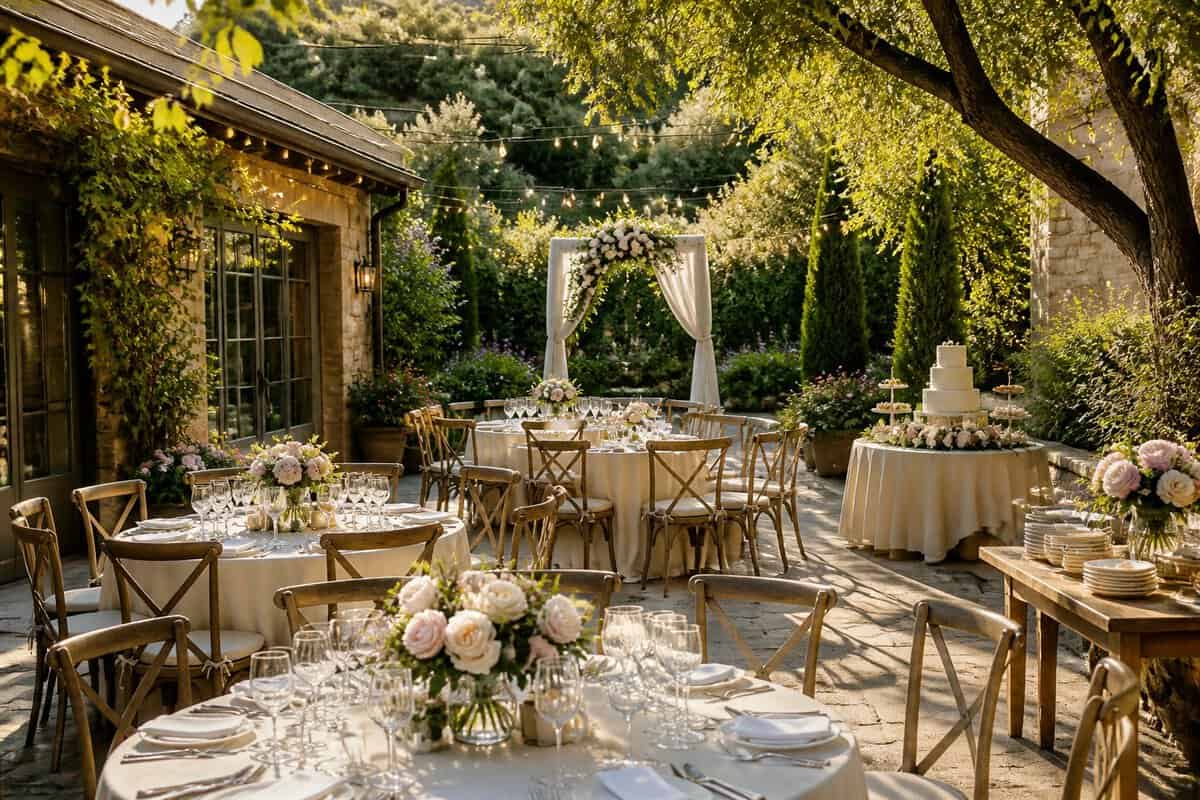
The best package matches your guest count, preferred style, and planning needs while spelling out every included service and fee. A thoughtful review helps you find a space that feels personal without creating extra work.
Start by comparing nearby options and request a detailed proposal so you can see what your celebration would include.
What Does All-Inclusive Mean for a Small Celebration?
An all-inclusive wedding venue combines the event space with several planning and service needs under one package and contract. For a small celebration, that package might cover the ceremony, reception, meal, drinks, rentals, decor, staffing, and cleanup.

Package details vary widely, so read each proposal line by line. Some wedding packages include a full vendor team, while others provide the room, tables, chairs, and a venue coordinator with additional services priced separately.
The Difference Between an Elopement, Micro Wedding, and Small Wedding
An elopement centers on the couple and may include only a few guests. An elopement package often covers the ceremony, officiant, photography, flowers, and a short celebration.
A micro wedding is a small, planned wedding with a guest list commonly below 50 people. Micro-wedding packages may include a ceremony, meal, cake, decor, music, and coordination.
A small wedding has a wider guest range. You might invite 20 people or 75 people, depending on the venue and your priorities. The label matters less than the actual guest count, event length, and services you need.
What a Complete Wedding Package Usually Includes
Review the package for these core items:
- Ceremony and reception event space
- Tables, chairs, linens, place settings, and basic rentals
- Catering, beverages, bartending, and service staff
- Basic floral arrangements or ceremony decor
- Wedding cake or dessert service
- Music, sound equipment, or a DJ
- Setup, breakdown, and cleanup
- A venue coordinator for logistics
- Parking and guest access details
A complete package might also include a rehearsal, getting-ready rooms, a champagne toast, a guest book, or a private meal tasting. Ask whether each item is included for your guest count and event duration.
What “All-Inclusive” May Still Leave Out
“All-inclusive” does not guarantee that every wedding expense is covered. Common exclusions include photography, videography, attire, invitations, transportation, hair and makeup, upgraded flowers, extended hours, rehearsal dinners, and lodging.
Ask for a written list of exclusions and add-on prices. Confirm taxes, service charges, gratuities, delivery fees, cake-cutting fees, corkage, overtime, and vendor access charges before you compare totals.
How to Choose a Venue That Fits Your Guest Experience
Choose a wedding venue that supports the way you want guests to move, dine, relax, and celebrate. Capacity, layout, travel time, accessibility, and lodging shape the experience as much as the decor.
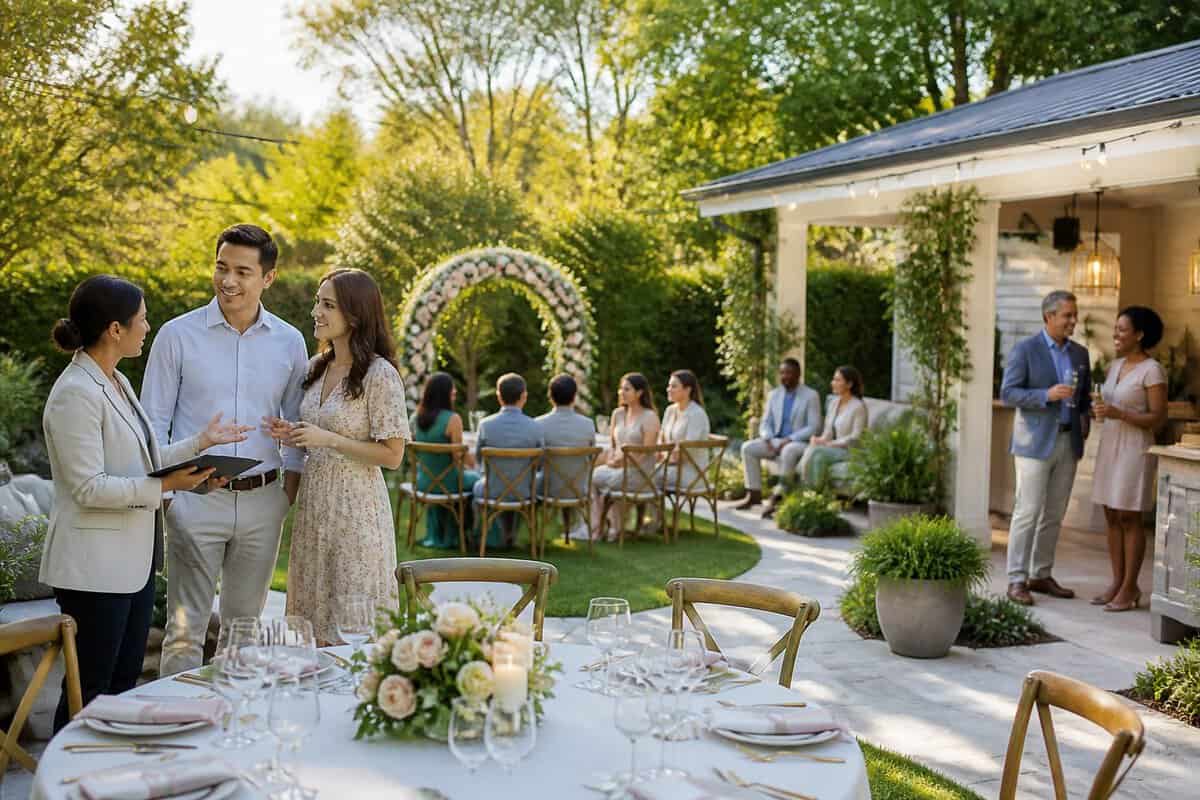
A beautiful room can feel awkward when it is too large for your group or difficult for guests to reach. Compare the full guest journey, from arrival and ceremony seating to dinner, dancing, restrooms, and departure.
Match Capacity and Layout to Your Actual Guest Count
Select a space designed for your confirmed guest range. A room built for 200 people may make a 25-person reception feel spread out, while a compact venue can create warmth for an intimate wedding.
Ask to see a floor plan with tables, ceremony chairs, buffet stations, a dance area, and accessibility routes. Check whether the ceremony and reception share one room, use separate spaces, or require a room flip between events.
Also review:
- Guest seating and sightlines
- Restroom distance
- Weather backup plans
- Private areas for getting ready
- Sound levels and music restrictions
- Parking and rideshare access
- Accessibility for older guests and people with mobility needs
Decide Whether You Need On-Site Accommodations
On-site accommodations help when your celebration includes a wedding weekend or guests traveling from far away. They keep transportation simple and give guests a convenient place to rest after the reception.
Ask about room blocks, booking deadlines, suite availability, breakfast, accessibility, parking, and shuttle service. A venue without lodging can still work well when nearby hotels offer reliable rates and easy transportation.
Choose Between Local and Destination Wedding Experiences
A local venue makes planning visits, tastings, and vendor meetings easier. It also reduces travel costs for guests who live nearby.
A destination wedding creates a shared getaway and works well with resort packages or venues that coordinate lodging and activities. Review travel time, weather, marriage license rules, guest costs, and the support available when you cannot visit in person.
For more location guidance, explore these tips for choosing the perfect venue for a small wedding.
Compare Packages Beyond the Starting Price
Compare the complete event total, service limits, and upgrade rules instead of choosing the package with the lowest advertised price. Two wedding packages with similar starting prices can deliver very different guest experiences.

Request an itemized proposal that lists food, drinks, rentals, staffing, decor, taxes, fees, and optional services. Then compare the cost of adding the details you would want in your final design.
Which Services Create the Most Value?
Services that remove coordination work and affect the guest experience usually provide the strongest value. Catering, staffing, rentals, setup, cleanup, and day-of coordination form the practical base of a smooth event.
Look closely at quality and limits:
- Does the menu include a tasting and dietary accommodations?
- Does the bar include beer and wine, cocktails, mixers, and service hours?
- Are wedding cakes included, or does the package provide a dessert credit?
- Does floral design cover bouquets, a boutonniere, centerpieces, and ceremony arrangements?
- Does charcuterie serve as a welcome display, cocktail-hour station, or meal addition?
- Does decor include delivery, installation, removal, and changes to the design?
A lower-priced package can lose its value when you add essential upgrades. Compare finished proposals with the same guest count and service level.
How Much Does a Small All-Inclusive Wedding Cost?
The price of a small all-inclusive wedding varies by location, date, guest count, menu, bar service, staffing, and design choices. A ceremony-only package can start near the low thousands or less in some markets, while a full reception with food, drinks, photography, and lodging can reach five figures.
Your guest count drives food, beverage, rental, and staffing costs. A weekday or off-season date may reduce the venue fee, while premium dates and destination locations raise the total.
Build a budget with separate lines for the package, taxes, service charges, attire, photography, transportation, lodging, stationery, and personal details.
Questions to Ask About Fees, Minimums, and Upgrades
Use these questions during every venue call:
- Is there a food and beverage minimum?
- Does the minimum apply before or after taxes and service charges?
- What deposit is required, and when are payments due?
- What happens if the guest count changes?
- Are gratuities included?
- What is the cost for extra reception hours?
- Are outside desserts, alcohol, or vendors allowed?
- What fees apply to cake cutting, corkage, delivery, or cleanup?
- Which decor, floral, menu, and bar upgrades are available?
- What is the cancellation and postponement policy?
Write the answers beside each venue proposal so your comparison stays consistent.
Understand Who Handles What During Planning
Your planning experience improves when you know which tasks belong to the venue team and which remain yours. Ask for a named contact, a planning timeline, meeting schedule, and clear list of responsibilities before you sign.

A coordinated package can reduce work, yet you still make important choices about the guest list, priorities, style, music, menu, attire, and personal traditions.
Venue Coordinator vs. Wedding Planner
A venue coordinator protects the venue’s schedule and operations. Their duties may include room setup, vendor access, floor plans, meal timing, staff coordination, and cleanup.
A wedding planner supports the full wedding planning process. They can help with budget decisions, vendor selection, design, invitations, guest logistics, timeline creation, rehearsal details, and personal priorities across the entire day.
Ask whether your coordinator works only for the venue or also manages personal wedding details. You can review what a wedding planner handles before deciding which support level fits.
When In-House Teams Are Enough
An in-house team may be enough when your guest list is small, the package includes clear planning support, and your celebration follows the venue’s standard format. This arrangement works well when the venue handles catering, rentals, staffing, ceremony flow, and approved vendors.
Confirm how many meetings you receive, who creates the timeline, who manages the rehearsal, and who stays on-site during the reception. Ask who answers vendor questions and handles emergencies on the wedding day.
When to Bring in Outside Wedding Professionals
Bring in outside professionals when your design is highly custom, your event includes several locations, or you want help with details beyond venue operations. An independent planner can also help when you live far away or have limited time.
Outside wedding photography, floral design, ceremony decor, hair and makeup, entertainment, or transportation teams might be important to your vision. Check vendor rules first. Some all-inclusive wedding venues require preferred vendors, charge outside-vendor fees, or limit access times.
Venue Styles and Locations to Consider
Your venue style sets the tone for the celebration, while the location affects travel, photos, lodging, and vendor access. Compare natural retreats, urban spaces, and resort settings by the experience they create for you and your guests.
Forest Retreats and Nature-Forward Celebrations
Forest venues offer ceremony backdrops with trees, gardens, trails, and natural light. The Emerald Forest near Redmond, Washington, reflects the appeal of a nature-forward setting for couples who want an intimate gathering surrounded by greenery.
Ask about rain plans, heating, lighting, insects, uneven paths, restroom access, and noise limits. Confirm whether the venue provides ceremony seating, weather protection, power, and transportation between areas.
Boutique Hotels and Urban Event Spaces
Boutique hotels combine event space with guest rooms, dining, and a central location. A venue such as Wythe Hotel in Brooklyn, New York, shows how an urban setting can pair a distinctive design with convenient guest access.
Restaurants, galleries, lofts, historic buildings, and private dining rooms also suit small celebrations. Review sound rules, elevator access, loading zones, parking, room blocks, and the distance between getting-ready areas and the ceremony space.
Resorts and Destination Wedding Packages
Resorts make destination celebrations easier by combining ceremony locations, lodging, meals, activities, and guest services. San Diego, California, offers a range of coastal and resort-style settings, while Chicago, Illinois, provides urban hotels and event spaces with strong transportation access.
Compare resort packages by room requirements, travel costs, weather, marriage license rules, blackout dates, and included guest activities. Ask whether your wedding package includes a private reception, open bar, photography, decor, and a dedicated coordinator.
Build a Shortlist and Book With Confidence
A strong shortlist includes venues that fit your guest count, budget, style, travel needs, and preferred planning support. Compare each proposal using the same questions before you place a deposit.
Tour the Space With Your Full Wedding Day in Mind
Walk through the complete event path during your tour. Stand where you would exchange vows, sit at a reception table, test the sound, inspect restrooms, and note how guests move between spaces.
Bring your guest list, sample floor plan, budget, and questions. Ask to see the rain plan, getting-ready rooms, storage areas, loading access, parking, and lighting at the time of day you prefer.
Review photos from real weddings to see how the venue looks with an intimate guest count.
Review the Contract and Vendor Rules
Read the contract before paying a deposit. Confirm the date, access hours, guest maximum, payment schedule, cancellation terms, postponement policy, insurance requirements, overtime rates, damage rules, and weather procedures.
Check the approved-vendor list and outside-vendor policy. Ask whether you can bring your own photographer, florist, cake baker, HMUA team, officiant, or entertainment. A clear contract prevents last-minute surprises during the wedding planning process.
Customize Details Without Losing the Benefits of Bundling
Start with the venue’s core package, then personalize the details that shape your experience. You might upgrade the menu, add a signature drink, request special floral colors, choose a custom cake, or extend photography coverage.
Ask the coordinator to price every change in writing. Companies such as Wedgewood Weddings and EZ Elopements show how bundled planning models can support small celebrations while allowing selected add-ons.
Keep the custom list focused so you retain the convenience of one coordinated team and a manageable contract.