
All-Inclusive Wedding Reception Venues: What to Expect
All-inclusive wedding reception venues bring your event space, food service, bar, rentals, and planning support together in one coordinated package. You choose a setting and package level, then work with one venue team to shape your wedding celebrations around your guest count, style, and budget.
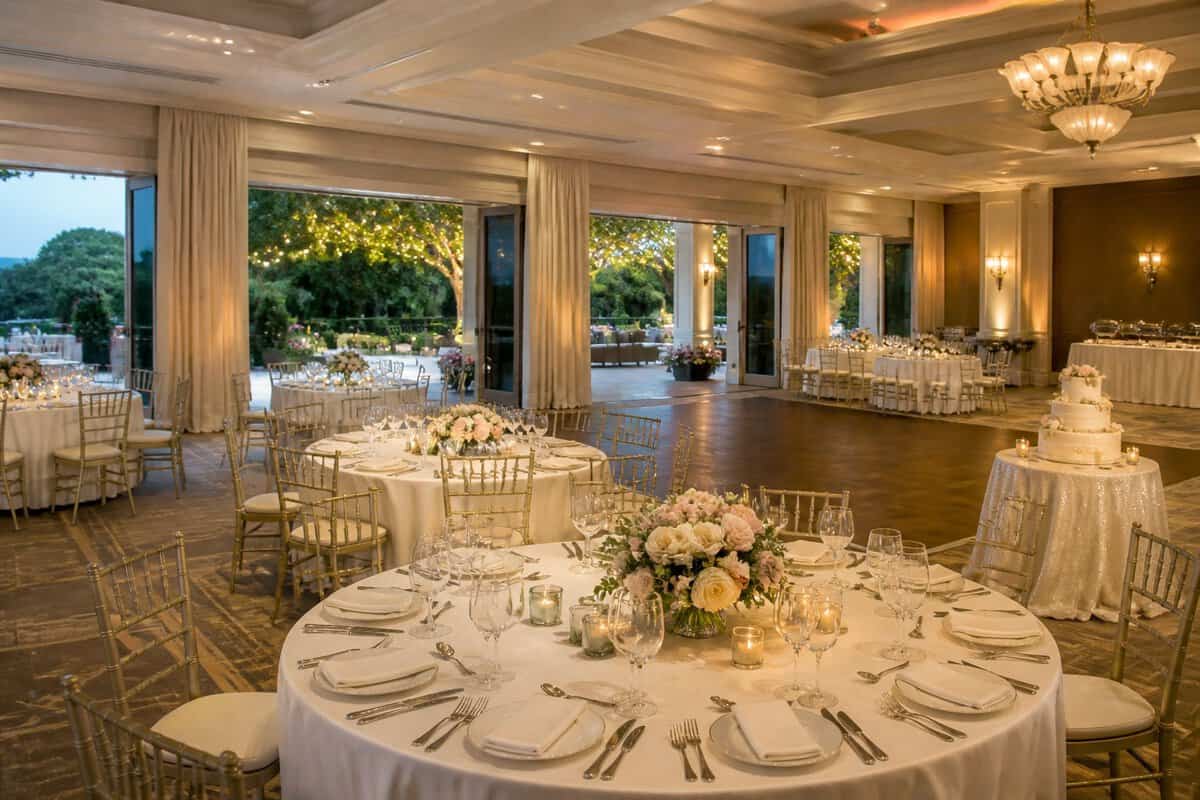
A well-written package should show exactly what you receive, what each guest costs, and which upgrades or fees remain separate. That clarity helps you compare all-inclusive weddings with traditional à la carte planning and avoid budget surprises. Review your options, ask for an itemized estimate, and schedule a tour before you reserve your date.
What Is Included in a Reception Package?
All-inclusive reception packages bundle the main services needed for your celebration into one agreement, though each venue defines “inclusive” differently. Check the package details for guest minimums, service hours, menu limits, vendor rules, and upgrade prices.
Core Reception Inclusions to Expect
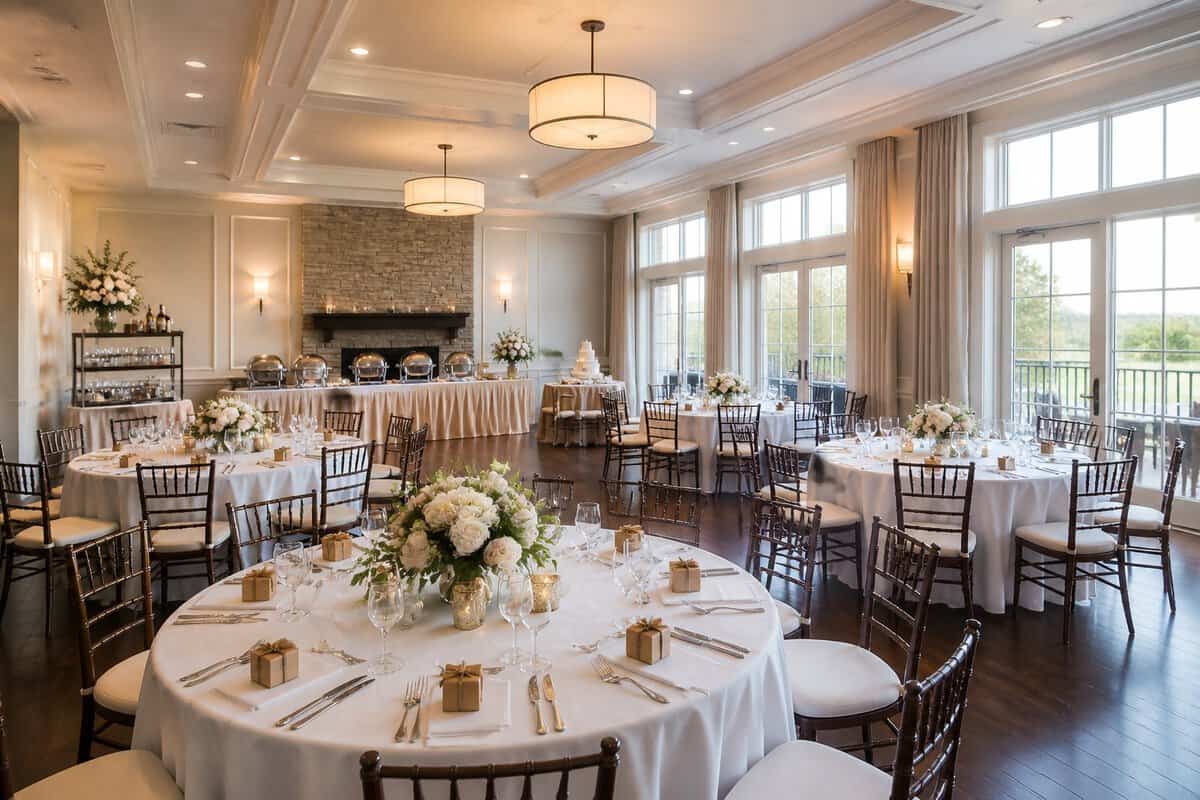
Most wedding packages include the reception room, tables, chairs, standard tableware, and basic linens. Catering may cover a plated dinner, buffet, or stations, along with hors d’oeuvres during cocktail hour.
A package may also include:
- Venue setup and cleanup
- A venue coordinator
- A wedding menu tasting
- Beer, wine, and selected spirits
- A house bar and bartenders
- A wedding cake
- A champagne or sparkling wine toast
- Basic centerpieces or décor
- A preferred vendor list
- Dance floor and sound equipment
- Parking or shuttle service, where offered
Ask whether the package covers the full event space or only a specific room. Confirm the reception start time, end time, access for vendors, and cleanup responsibilities in writing. Some venues provide planning support for the wedding reception while charging separately for ceremony services.
Common Add-Ons That Cost Extra
Package upgrades often include premium bar selections, specialty linens, elaborate floral centerpieces, upgraded lighting, lounge furniture, and late-night snacks. Photography, a photo booth, live entertainment, upgraded cake designs, and transportation also frequently carry separate fees.
You might pay extra for:
- An extended bar or reception
- Premium spirits
- A custom wedding cake
- Additional cocktail-hour food
- Specialty rentals
- Ceremony décor
- Room flips between ceremony and reception
- Overtime for staff or the venue
- Valet parking
- Outside vendor access
Request an itemized quote that separates package inclusions, required fees, optional upgrades, taxes, and gratuity. A what do most wedding packages include checklist can help you compare offers line by line.
Venue Coordinator vs. Wedding Planner
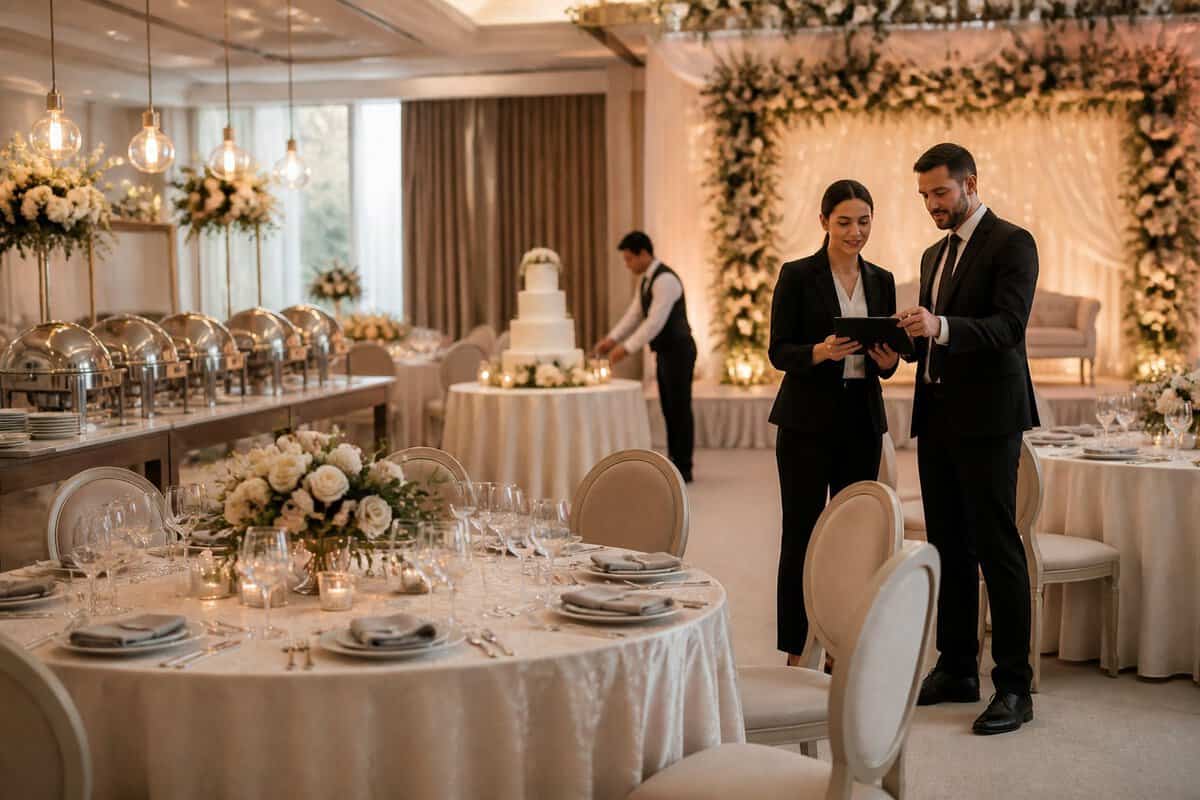
A venue coordinator manages the location and its contracted services. They may organize setup, communicate with the catering team, confirm the timeline, and solve venue-related issues during the reception.
A wedding planner supports your full wedding planning process. Their work may include budget tracking, vendor selection, design, timeline creation, rehearsal direction, guest logistics, and personal assistance throughout the day.
Ask how many planning meetings you receive, when the coordinator becomes involved, and who handles setup for personal items. If you want help with independent wedding vendors or a detailed design plan, budget for a separate wedding planner.
How Much Do All-Inclusive Receptions Cost?
All-inclusive reception costs commonly fall between $10,000 and $60,000 in the United States, with guest count, season, location, and package depth driving the final figure. Smaller celebrations and weekday dates can cost less, while luxury spaces and peak Saturdays raise the wedding budget.
Per-Person Pricing vs. Flat-Rate Packages
Per-person pricing ties food, drinks, rentals, and service to your guest count. A package priced at $175 per guest would total $17,500 for 100 wedding guests before taxes, service charges, and selected upgrades.
Flat-rate packages charge one event fee for a set number of guests or a defined level of service. The venue may add a per-person charge after you exceed the included guest count. Ask whether the quoted price includes the room, catering, bar, rentals, staff, cake, and coordination.
Compare packages by calculating the full price for your expected guest count. A lower room fee can become more expensive after catering, rentals, staffing, and required services are added.
Fees That Can Change the Final Total
A service charge may apply to catering, bar service, or the entire package. Taxes, gratuity, delivery fees, overtime, ceremony fees, and insurance can also change the final bill.
Ask these questions before you sign:
- Is the service charge taxable?
- Does the service charge replace gratuity?
- Are setup and cleanup included?
- What happens if the reception runs late?
- Is valet parking required or optional?
- Are outside desserts or alcohol allowed?
- What deposit and payment deadlines apply?
- What cancellation and postponement terms protect you?
Write each answer into the contract or an attached estimate. Verbal promises have little value when the final invoice arrives.
How Guest Count Shapes Your Wedding Budget
Guest count affects dinner, drinks, rentals, staffing, cake servings, seating, and room size. Adding 20 guests can increase the budget through several connected charges, even when the venue rental stays fixed.
Set a realistic guest range before comparing wedding venue packages. Ask whether the venue has a food-and-beverage minimum, a guaranteed guest deadline, and a charge for meals reserved for vendors or children. If your list is small, explore tips for choosing the perfect venue for a small wedding to find a package that fits without unused capacity.
Food, Drinks, and Reception Details to Compare
Food and beverage terms reveal much about the value of all-inclusive wedding packages, so compare menu choices, serving style, bar hours, and guest accommodations. A package with fewer choices can still work well when it matches your priorities and dietary needs.
Building the Wedding Menu
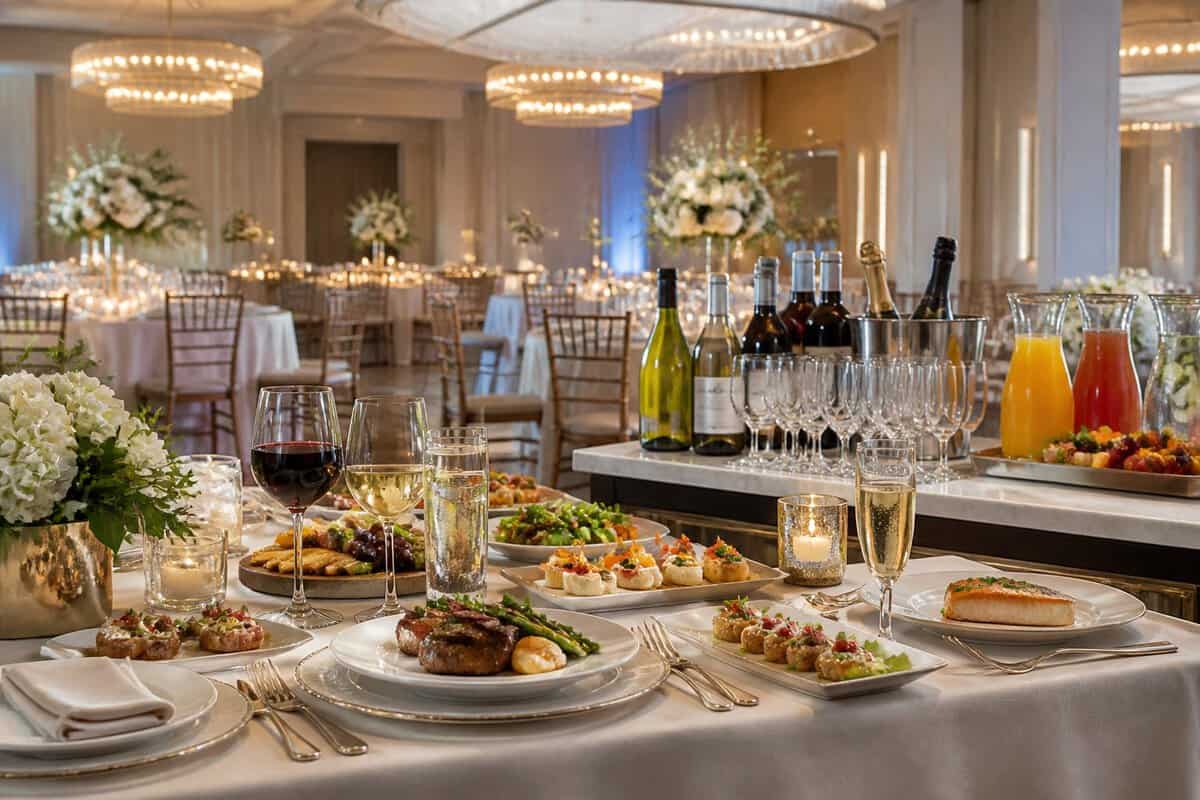
Ask whether your wedding menu includes a tasting, appetizers, salad, entrée choices, sides, dessert, coffee, and nonalcoholic drinks. Confirm the number of selections allowed and the fee for adding another entrée.
Serving styles affect both the guest experience and staffing needs:
- Plated meals create a formal pace.
- Buffets offer more choice and flexible portions.
- Food stations encourage movement and conversation.
- Family-style service keeps guests seated while sharing dishes.
Request clear options for vegetarian, vegan, gluten-free, allergy-safe, and children’s meals. Ask how the kitchen prevents cross-contact and whether special meals carry an extra charge. Use these wedding reception food ideas to identify menu details worth asking about.
What an Open Bar May Include
An open bar may cover beer, house wine, standard spirits, mixed drinks, soft drinks, sparkling water, and coffee. The phrase alone does not tell you which brands or cocktails are available.
Confirm whether the bar includes gin, rum, tequila, vodka, whiskey, mixers, and signature drinks. Ask when service begins, whether it continues through dancing, and whether a cash bar or limited bar is available after the included hours. Premium liquor, specialty cocktails, champagne, and sparkling wine may sit in a higher package tier.
Toasts, Cake, and Cocktail Hour
Check whether the package includes hors d’oeuvres, a champagne toast, sparkling wine toast, wedding cake, cake cutting, coffee, and dessert service. Some venues provide a small cake for display and charge extra for additional servings or a dessert table.
Ask about cocktail-hour timing, indoor backup space, passed or stationary appetizers, and drink service while guests wait for dinner. Confirm whether you may bring a family cake, use an outside baker, or save leftover cake for later.
Which Type of Venue Fits Your Reception?
Hotels, banquet halls, restaurants, and resorts each suit different reception goals, guest needs, and travel plans. Choose the venue type that matches your preferred atmosphere, room layout, service style, and level of package control.
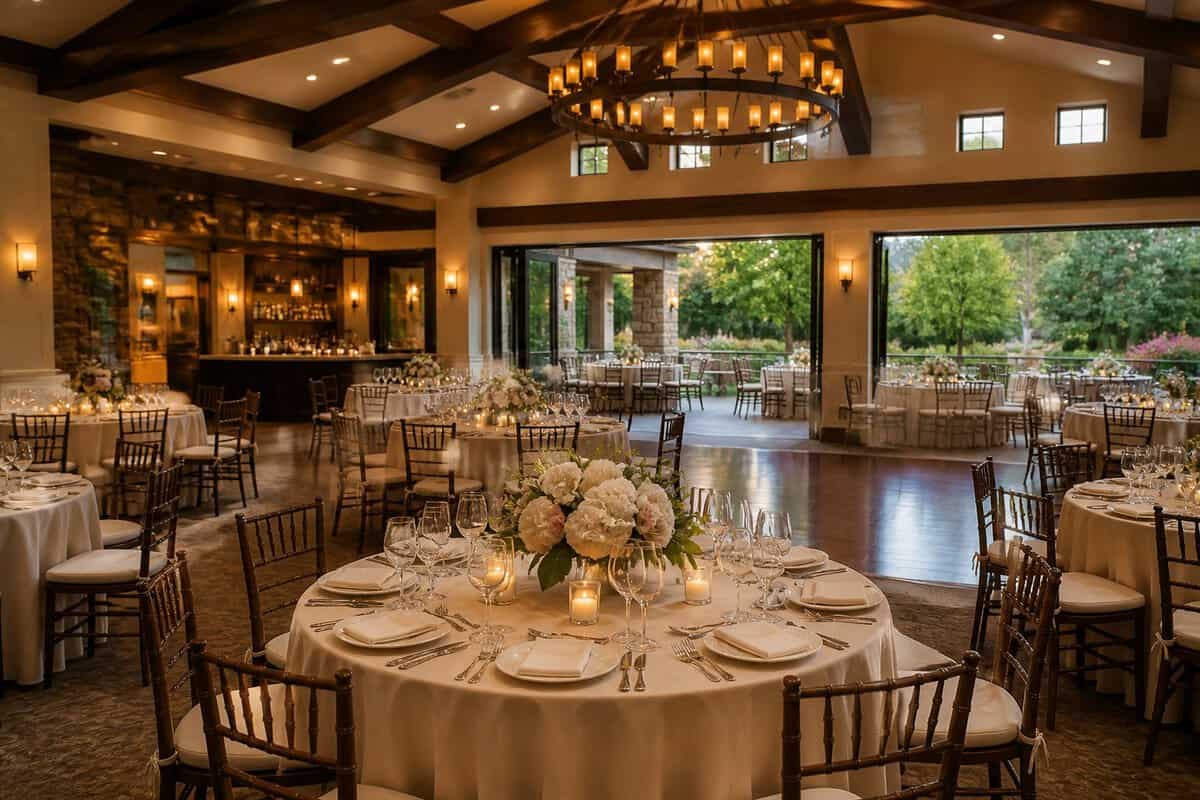
Hotels, Banquet Halls, and Restaurants
Hotels offer guest rooms, meeting spaces, catering teams, and convenient lodging for out-of-town guests. Ask about room blocks, suite upgrades, breakfast, parking, and noise rules.
Banquet halls are built for receptions and may provide large event rooms, dance floors, tables, linens, and in-house food service. Their packages often work well for large guest lists and traditional reception layouts.
Restaurants provide a natural food experience with an established kitchen and service team. Private dining rooms suit smaller celebrations, while full buyouts create a more exclusive setting. Ask about menu customization, music volume, dancing, décor access, and the restaurant’s closing time.
Explore wedding venue ideas if you are still weighing a formal ballroom, private dining room, garden, or outdoor terrace.
Resorts and Destination Celebrations
An all-inclusive resort combines the wedding venue with lodging, meals, drinks, and guest activities. This format suits destination weddings where you want many events hosted in one location.
Ask about room requirements, guest travel costs, ceremony and reception locations, weather plans, legal documents, and private-event fees. Resort wedding vendors may come from an approved list, and outside vendors may face access charges.
A destination wedding also creates a wider guest experience. Group excursions, welcome events, spa appointments, and shared meals add value for guests who travel to attend. Compare the total trip cost with the reception package before choosing a resort.
How to Evaluate Package Flexibility
Review how much control you have over the wedding menu, décor, floor plan, music, ceremony timing, and wedding vendors. A package is more flexible when it offers several menu tiers, design choices, approved outside vendors, and transparent upgrade prices.
Ask to see a sample floor plan for your guest count. Confirm whether you can move tables, add lounge seating, bring cultural elements, or change the lighting plan. Check the preferred vendor list early, especially if you already have a photographer, florist, band, or planner.
A wedding venues tips checklist can help you compare access hours, guest comfort, parking, restrooms, weather protection, and sound limits.
How to Review the Contract Before You Book
Your contract should name every included service, deadline, fee, restriction, cancellation term, and responsibility. Read the package summary beside the full agreement so missing details stand out before you pay a deposit.
Questions to Ask About Vendors and Upgrades
Ask whether the preferred vendor list is required or recommended. Confirm the approved options for floral centerpieces, wedding photography, photo booth services, live entertainment, hair and makeup, transportation, and cake.
Clarify these points:
- Can you hire outside wedding vendors?
- Is an outside-vendor fee charged?
- Who owns the photography rights?
- What equipment does the DJ or band provide?
- Are vendor meals included?
- What does each décor tier contain?
- Can you upgrade flowers, linens, lighting, or furniture?
- What happens if a listed vendor becomes unavailable?
Request names, package levels, service hours, and prices in an attachment. “Basic décor” and “standard music” need a written description.
Confirming Setup, Décor, and Entertainment
Your agreement should state when vendors may enter, who sets place cards and favors, and who removes personal décor. Confirm the floor plan, table count, linen colors, centerpiece style, dance floor size, lighting, and power access.
Ask about sound limits, end times, backup equipment, and weather protection for outdoor entertainment. If your wedding reception follows an on-site wedding ceremony, confirm who moves chairs, resets the room, and manages the transition.
Include the rain plan, accessibility details, guest parking, restroom access, security, and cleanup duties. A written timeline helps each team know when dinner, speeches, dancing, and the send-off occur.
Planning Ceremony and Weekend Events
Some venues require your wedding ceremony and wedding reception to take place on-site. Others host separate events such as a rehearsal dinner, welcome drink, farewell brunch, or next-day meal.
Confirm which spaces and services apply to each event. Ask whether ceremony chairs, an officiant, a bouquet, boutonniere, ceremony sound, and décor are included or priced separately. Review event times, food and beverage minimums, room access, and guest transportation.
For a multi-day celebration, check whether one contract covers every event. Make sure deposits, cancellation rules, weather policies, and guest-count deadlines apply clearly to the rehearsal dinner and welcome gathering as well as the reception.
Destination Resort Options for a Hosted Reception
Mexico and the Dominican Republic offer resort settings where your ceremony, reception, lodging, dining, and guest activities connect in one destination wedding plan. Compare each resort’s package rules, room requirements, travel access, private-event options, and legal process before choosing a location.
Mexico: Cancun, Riviera Maya, Los Cabos, and Puerto Vallarta
Cancun and Riviera Maya offer broad resort choices, beach settings, pools, garden venues, and convenient airport access. These areas suit couples who want a lively guest experience with many lodging and activity options.
Los Cabos provides desert, ocean, and modern resort scenery. Ask about wind protection, sunset timing, outdoor sound rules, and transportation between the airport, hotel, and event locations.
Puerto Vallarta combines beaches, mountain views, restaurants, and town activities. Check whether your resort offers private reception space, a weather backup, outside-vendor access, and room blocks that fit your guest list.
Brands such as Hilton and Hard Rock Hotel Los Cabos may offer different package structures, so compare the written inclusions for each property. A symbolic ceremony can reduce paperwork when you complete the legal marriage at home, while a legal ceremony requires destination-specific documents and timelines.
Dominican Republic: Punta Cana Packages
Punta Cana resorts commonly combine ceremony décor, coordination, dinner, drinks, cake, and a sparkling wine toast in tiered packages. Some offer complimentary or discounted packages when you meet room-night or stay requirements.
Ask how many guests the base price covers and whether a private reception, DJ, photography, flowers, or premium bar is included. Confirm airport transfers, event privacy, weather backup, and the cost of bringing vendors from outside the resort.
Your guests may also enjoy beach time, excursions, pools, restaurants, and group activities. Share lodging deadlines and estimated travel costs early so invitees can make an informed choice.
Resort Perks for Couples and Guests
Resort packages may include room upgrades, free nights, welcome events, cocktail hours, group discounts, or resort credits. Spa treatments, hair and makeup, couples’ massages, and private dinners can add comfort to the wedding weekend.
Ask whether perks apply automatically or require a minimum number of rooms and nights. Confirm blackout dates, booking deadlines, cancellation rules, and whether guests receive the same all-inclusive dining and drink access.
A vow renewal or symbolic ceremony can work well for couples who want a hosted celebration with fewer legal steps. Request the exact ceremony script, décor list, reception menu, and guest terms before you place a deposit.