
All-Inclusive Wedding Venues Europe: What to Expect
Planning a destination wedding in Europe becomes easier when your venue bundles the key services into one coordinated package. The best all-inclusive wedding venues in Europe combine the ceremony space, reception, catering, rentals, and planning support, giving you fewer contracts to manage across time zones.
Your package still needs a careful review because “all-inclusive” covers different services at every property.
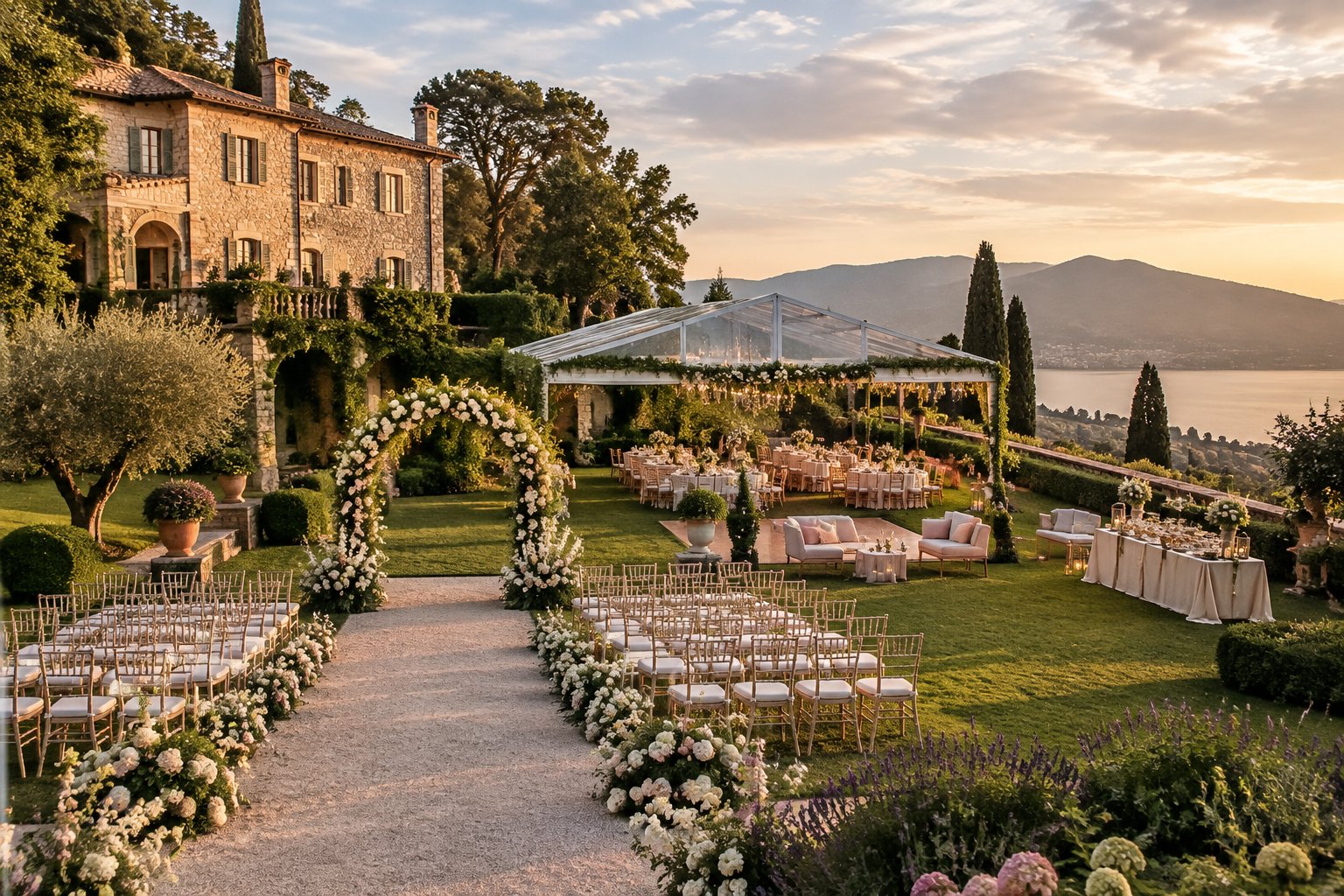
You can find this format at coastal resorts, private villas, vineyard estates, historic castles, and countryside properties. A resort may connect your wedding to guest rooms and on-site dining, while an exclusive-use estate may give you more privacy and room to shape the weekend.
Review each inclusion, fee, guest limit, and weather plan before you pay a deposit. Browse all-inclusive destination wedding venues to compare ideas, then request a written proposal from venues that fit your guest list.
What Does All-Inclusive Actually Include?
An all-inclusive wedding package in Europe usually combines the venue, food, rentals, basic décor, and coordination, while photography, travel, legal services, and premium upgrades often cost extra. Your written proposal should name every service, quantity, tax, service fee, and payment date.
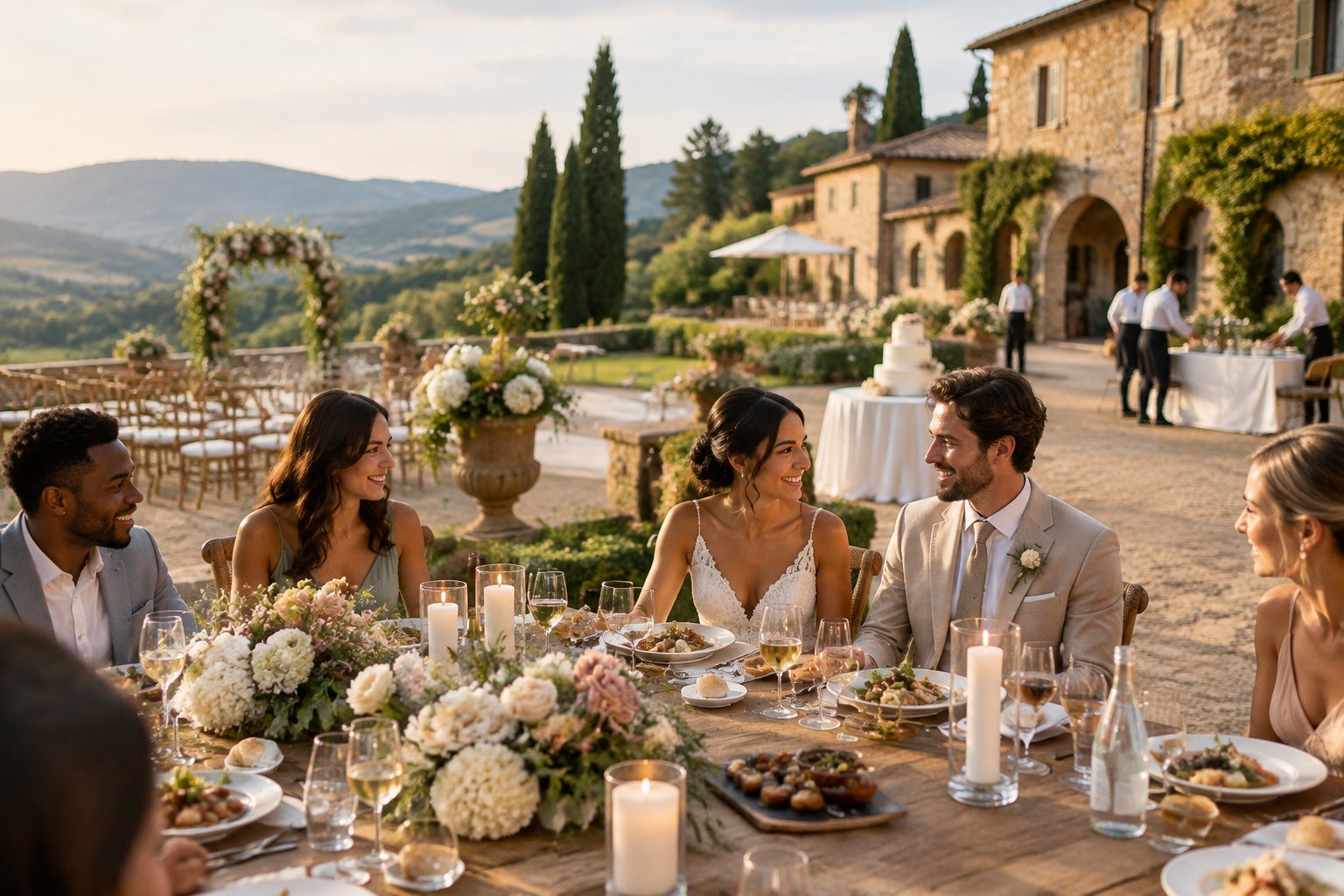
Core Services Usually Covered
A package for destination wedding venues may include:
- Ceremony and reception spaces
- Tables, chairs, plates, glassware, and basic linens
- A set menu, canapés, dessert, and selected drinks
- Basic floral décor or a ceremony backdrop
- Setup and cleanup
- A venue coordinator
- Sound equipment for speeches or background music
- A wedding cake or dessert option
- A tasting, depending on the property
- Guest room blocks at resort-style locations
Ask whether the wedding planner is assigned by the venue or hired through an outside company. Confirm the coordinator’s role, meeting schedule, response time, and presence on the wedding day.
Costs Commonly Excluded From Packages
Budget separately for flights, guest accommodations, airport transfers, and personal travel insurance. Photography, videography, hair and makeup, entertainment, upgraded flowers, lighting, stationery, favors, and additional events also receive separate quotes at many properties.
Legal paperwork deserves its own line in your budget. Civil ceremonies may require translations, certificates, local appointments, residency time, and fees.
A symbolic ceremony can reduce paperwork, while a legal ceremony gives you a different set of planning tasks.
Check whether taxes, service charges, gratuities, corkage, overtime, extra guests, and outside-vendor fees are included. Ask for the price of each addition before choosing a package.
Venue-Led vs. Planner-Led Packages
A venue-led package places the property team at the center of planning. You benefit from staff who know the layout, kitchen, preferred suppliers, access rules, and weather backup spaces.
This structure suits you when convenience and a single point of contact are high priorities.
A planner-led package gives you broader support across venues and vendors. Your planner can help compare locations, arrange guest transportation, manage welcome events, and coordinate suppliers who invoice separately.
Ask who owns the contract with each vendor, who handles emergencies, and who has final authority on the wedding day.
How Do You Choose the Right Venue for Your Celebration?
Choose a venue by matching its capacity, lodging, location, access, and house rules to the way you want your guests to experience the celebration. A beautiful setting becomes a poor fit when guests face long transfers, limited rooms, or a layout that cannot support your schedule.
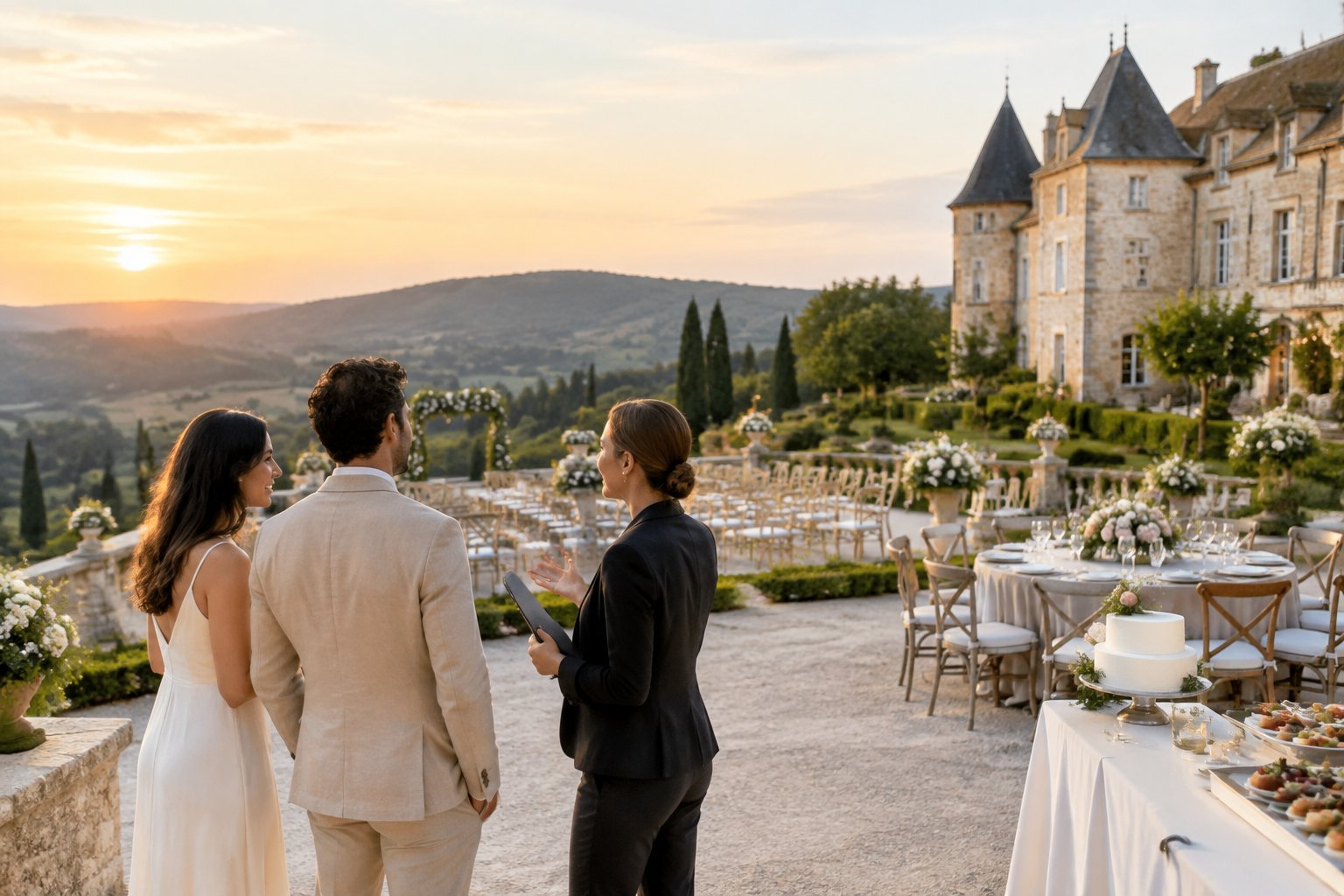
Your guest count affects the ceremony layout, dining plan, bar minimum, room block, and transportation budget. Your preferred atmosphere also guides the choice between a resort, villa, estate, or boutique property.
Matching the Venue to Your Guest Count
Start with your confirmed guest list and add space for movement, dining, dancing, and weather changes. A venue that seats 80 for dinner may feel crowded when you add a band, dance floor, buffet, or children’s area.
For an intimate wedding, look for spaces that feel warm with 10 to 30 guests. A small courtyard, private terrace, garden room, or villa dining area can give your group a natural sense of connection.
Ask for floor plans with table layouts, ceremony seating, cocktail space, and a rain plan.
Choosing Between Resorts, Villas, and Estates
A resort brings guest accommodations, restaurants, pools, activities, and on-site staff together. It works well when guests want a full vacation and you want simple room and meal planning.
A villa gives you privacy and a shared-home feeling. Confirm bedroom counts, accessibility, kitchen rules, noise limits, cleaning, pool safety, and whether events are allowed on the property.
An estate can offer gardens, historic architecture, multiple ceremony areas, and a larger reception setup. Review the distance from airports, nearby lodging, music curfews, vendor restrictions, and transport needs.
What to Check Before Signing a Contract
Read the contract beside the proposal and request clarification for every vague term. Confirm:
- Exclusive use and access hours
- Rain and extreme-weather plans
- Guest capacity for each event space
- Catering minimums and menu substitutions
- Bar hours, alcohol rules, and corkage
- Noise limits and music end times
- Required vendors and outside-vendor fees
- Room blocks and cancellation terms
- Payment schedule and refund rules
- Taxes, service charges, overtime, and gratuities
A site visit helps you check walking routes, restrooms, lighting, parking, sound, and the distance between guest accommodations and event spaces.
Which European Destinations Suit Your Priorities?
Your priorities point toward different European wedding settings: dramatic views in Santorini or the Amalfi Coast, classic Italian scenery in Tuscany or Lake Como, relaxed value in Portugal and Spain, or mountain drama in the Dolomites. Season, airport access, local rules, and guest travel time should guide the final choice.
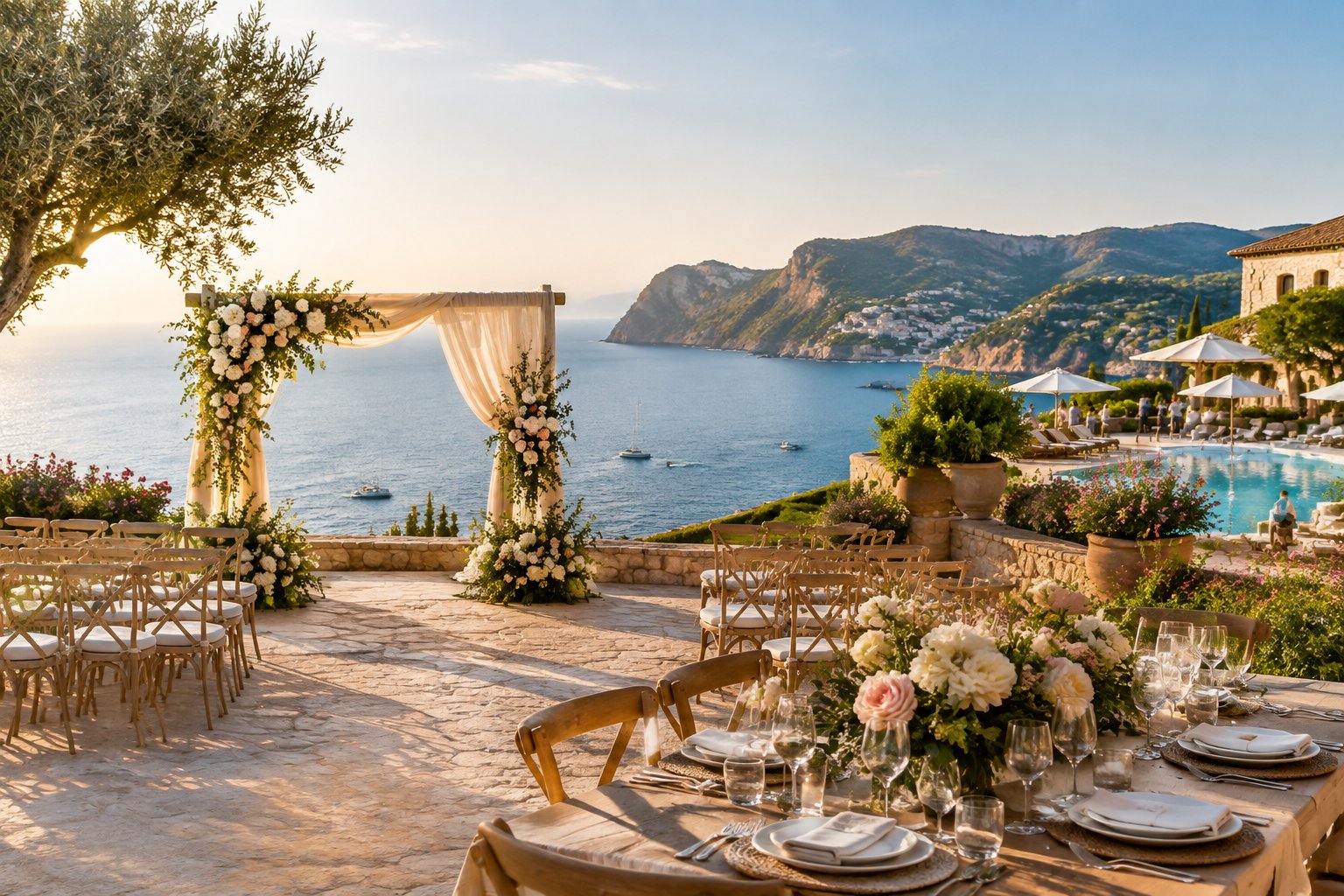
Each destination offers a distinct guest experience. Compare the scenery with the practical details your celebration needs, including shade, transport, lodging, indoor space, and late-night rules.
Iconic Coastal Celebrations: Santorini, the Amalfi Coast, and the French Riviera
Santorini suits sunset ceremonies, whitewashed architecture, and smaller guest lists. Clifftop sites bring striking views, along with stairs, wind, limited flat space, and high demand during peak months.
The Amalfi Coast offers sea views, terraces, lemon gardens, and Italian food. Narrow roads make guest transportation important, especially when your group stays in different towns.
The French Riviera brings polished hotels, private villas, and coastal elegance around Nice, Cannes, and Saint-Tropez. Ask about seasonal rates, event curfews, and travel time between airports, hotels, and venues.
Italian Settings: Tuscany, Lake Como, and Puglia
Tuscany works well for vineyard dinners, historic villas, olive groves, and countryside weekends. Its inland setting supports a relaxed multi-day celebration, with shuttle planning needed for rural properties.
Lake Como offers grand villas, lake views, boat arrivals, and refined dining. Many venues have limited capacity or strict event rules, so check guest access, weather backup, and music hours early.
Puglia gives you masserie, stone courtyards, local food, and a warm southern setting. It can suit couples seeking rustic elegance and a private estate experience, with airport and transfer plans based around Bari or Brindisi.
Spain and Portugal: Mallorca, Costa Brava, Sintra, the Douro Valley, and Madeira
Mallorca combines beaches, fincas, mountain views, and strong airport access. A finca can create a private wedding weekend, while a resort simplifies rooms and guest services.
Costa Brava offers coves, coastal estates, and historic properties north of Barcelona. Check road access and travel time when guests stay across several towns.
Sintra brings palaces, gardens, and cool green hills near Lisbon. The Douro Valley suits vineyard weddings and river views, while its winding roads make group transfers essential.
Madeira provides lush landscapes, ocean overlooks, and mild weather. Ask about wind, hillside access, and indoor options for ceremonies and receptions.
Mountain and Island Alternatives: the Dolomites and Cyprus
The Dolomites suit couples who want mountain views, alpine food, and a lodge or hotel setting. Travel time, seasonal road conditions, and guest mobility deserve careful planning.
Wedding venues in Cyprus include beaches, resorts, historic sites, yachts, and private villas. The island works well for warm-weather celebrations and offers a range of event styles, from a two-person ceremony to a larger reception.
What Works Best for Elopements, Micro Weddings, and Vow Renewals?
Elopements work best with a focused package for the couple, micro weddings need guest logistics and shared dining space, and vow renewals benefit from personal ceremony design without the full legal process of a new marriage. Ask for a package built around your group size instead of paying for services designed for a large reception.
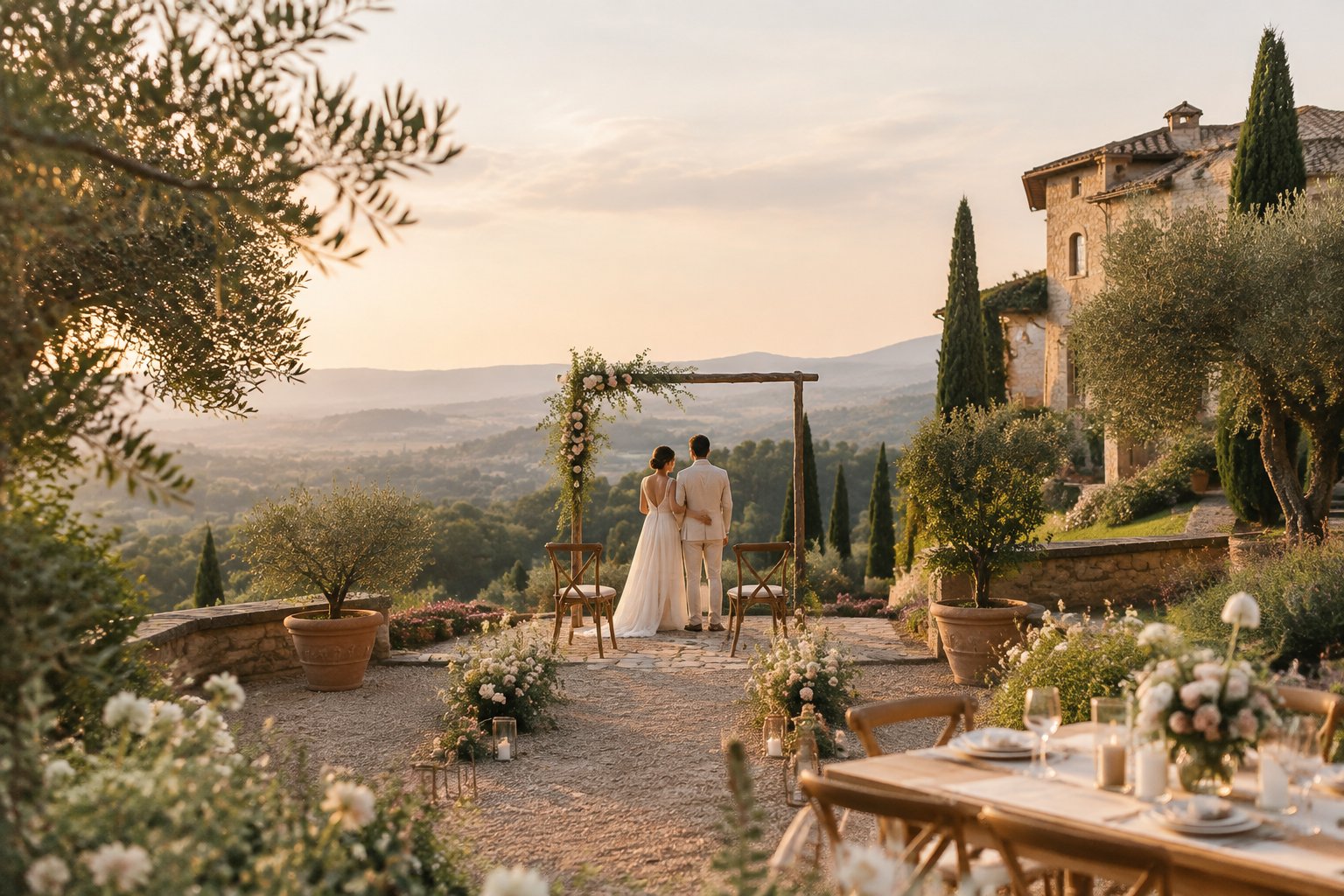
Smaller celebrations give you room to invest in meaningful details, such as a private meal, scenic activity, custom vows, or extended photography coverage. Check minimum spends because a small guest count does not always reduce the venue fee.
Elopements and Two-Person Ceremonies
Elopement packages may include location planning, a celebrant, bouquet and boutonniere, photography, hair and makeup, and a short meal or activity. Some packages allow a small number of guests, while others focus on the couple.
Choose a ceremony location that fits your mobility, privacy, weather needs, and photography plan. Confirm whether the ceremony is symbolic or legal, then ask for a checklist of documents if you want legal recognition abroad.
Planning a Micro Wedding With Guests
A micro wedding gives you the intimacy of a small group with the structure of a full celebration. Plan guest accommodations, transportation, ceremony seating, dinner service, speeches, music, and a clear end time.
A group of 5 to 30 guests can fit a private villa, garden terrace, boutique hotel, or small estate. Add a welcome dinner, shared activity, or farewell breakfast when your guests are traveling far to join you.
Designing Meaningful Vow Renewals
A vow renewal lets you focus on your history, promises, and family experience. You can choose a symbolic ceremony with custom readings, new vows, family participation, photographs, and a meal in a setting connected to your relationship.
Ask whether the package includes a celebrant, ceremony script, flowers, photography, music, dinner, and keepsake materials. For inspiration, explore intimate wedding vow renewal ideas and choose details that reflect your shared life.
How Much Should You Budget Beyond the Package Price?
Add a separate budget for guest accommodations, guest transportation, travel, legal paperwork, taxes, service charges, and personal upgrades before you compare destination wedding packages in Europe. The headline package price rarely represents every cost connected to your wedding weekend.
Your guest count, season, location, and event length shape the final figure. Request a complete estimate in one currency and ask whether prices include tax.
Venue, Food, and Bar Cost Drivers
Venue costs rise with exclusive use, prime dates, long access hours, historic settings, and large guest capacity. Food prices change with menu style, local ingredients, staffing, service format, and late-night food.
Bar pricing depends on hosted hours, beverage choices, cocktail service, wine selections, corkage, and consumption limits. Ask whether tastings, cake cutting, coffee, water, and children’s meals are included.
Design costs include ceremony structures, flowers, rentals, lighting, linens, stationery, and setup labor. Request sample menus and décor collections with prices, photographs, and upgrade rates.
Accommodation and Travel Planning
Guest accommodations may sit inside the venue, in a room block, or across nearby hotels. Ask about nightly rates, minimum stays, taxes, breakfast, accessibility, cancellation deadlines, and who handles room assignments.
Guest transportation may include airport transfers, hotel shuttles, ceremony vehicles, and late-night returns. Price each route by vehicle, hour, or passenger, then account for traffic, steep roads, ferry schedules, and rural access.
Your budget should also cover flights, baggage, passports, insurance, local travel, meals outside the venue, and optional guest activities. Tell guests which costs they pay directly and which costs you plan to host.
Questions to Ask When Comparing Proposals
Send every venue the same questions:
- What does the package price include per guest and per event?
- What is the minimum spend or minimum room block?
- Which taxes, service charges, and gratuities apply?
- What happens when your guest count changes?
- Which vendors are required?
- What fees apply to outside photographers or entertainers?
- What is included in the rain plan?
- How long do you have access to the venue?
- What happens if the date changes or the venue cancels?
- Which costs are charged in euros, and when is the exchange rate set?
Place each answer beside the proposal line it supports. This makes small fees easier to spot before you sign.
How Can You Find a Venue That Feels Personal Rather Than Generic?
Choose an exclusive-use property with a clear story, flexible spaces, local food, and a planning team that invites your input. Your venue feels personal when the setting, schedule, menu, music, and guest activities connect to your relationship and travel style.
A strong package gives you structure while leaving room for choices that guests will notice. Ask to see complete wedding galleries, sample timelines, menus, and the exact spaces available on your date.
Exclusive-Use Properties and Private Stays
Exclusive use gives your group control of the main event areas and more privacy throughout the stay. A private estate, villa, or château can support a welcome dinner, ceremony, reception, pool time, and farewell breakfast in one setting.
Check the number of bedrooms, bathroom access, accessibility, nearby lodging, catering rules, music limits, staffing, cleaning, and security. Confirm whether exclusive use covers every area or only the wedding space.
Considering Casa Sacoto and Mas Torroella
Casa Sacoto and Mas Torroella illustrate the private-estate style many couples seek for a destination wedding. When you compare properties like these, look at the setting, guest capacity, accommodation plan, event spaces, supplier rules, and distance from transport hubs.
Ask each venue how much of the wedding can be customized. Review menus, ceremony locations, rain plans, music policies, and the cost of adding a welcome dinner or next-day gathering. A property that allows your preferred schedule and vendors gives you more control over the guest experience.
Building a Multi-Day Guest Experience
Begin with a relaxed arrival plan, such as a welcome dinner with local dishes and a short toast. Schedule the ceremony day with enough space for preparation, photos, guest transfers, dinner, speeches, dancing, and rest.
Add one optional activity that suits the location, such as a boat outing, vineyard visit, cooking class, beach afternoon, or guided walk. Keep participation voluntary and share clear times, prices, dress guidance, and transport details.
Give guests a simple weekend plan with hotel information, transfer instructions, emergency contacts, weather notes, and payment details. Then protect private time for the couple before and after the main celebration.