
All-Inclusive Wedding Venues Fort Worth: Planning Guide
Planning a wedding in Fort Worth becomes easier when your venue bundles the major details into one coordinated plan. The Crescent Hotel Fort Worth is a strong choice for couples who want an all-inclusive setting with flexible event spaces, in-house catering, about 200 guest rooms, and valet parking in the heart of the city. Its Crescent Ballroom fits about 150 to 300 guests, while the Courtyard and Gallery serve smaller celebrations.
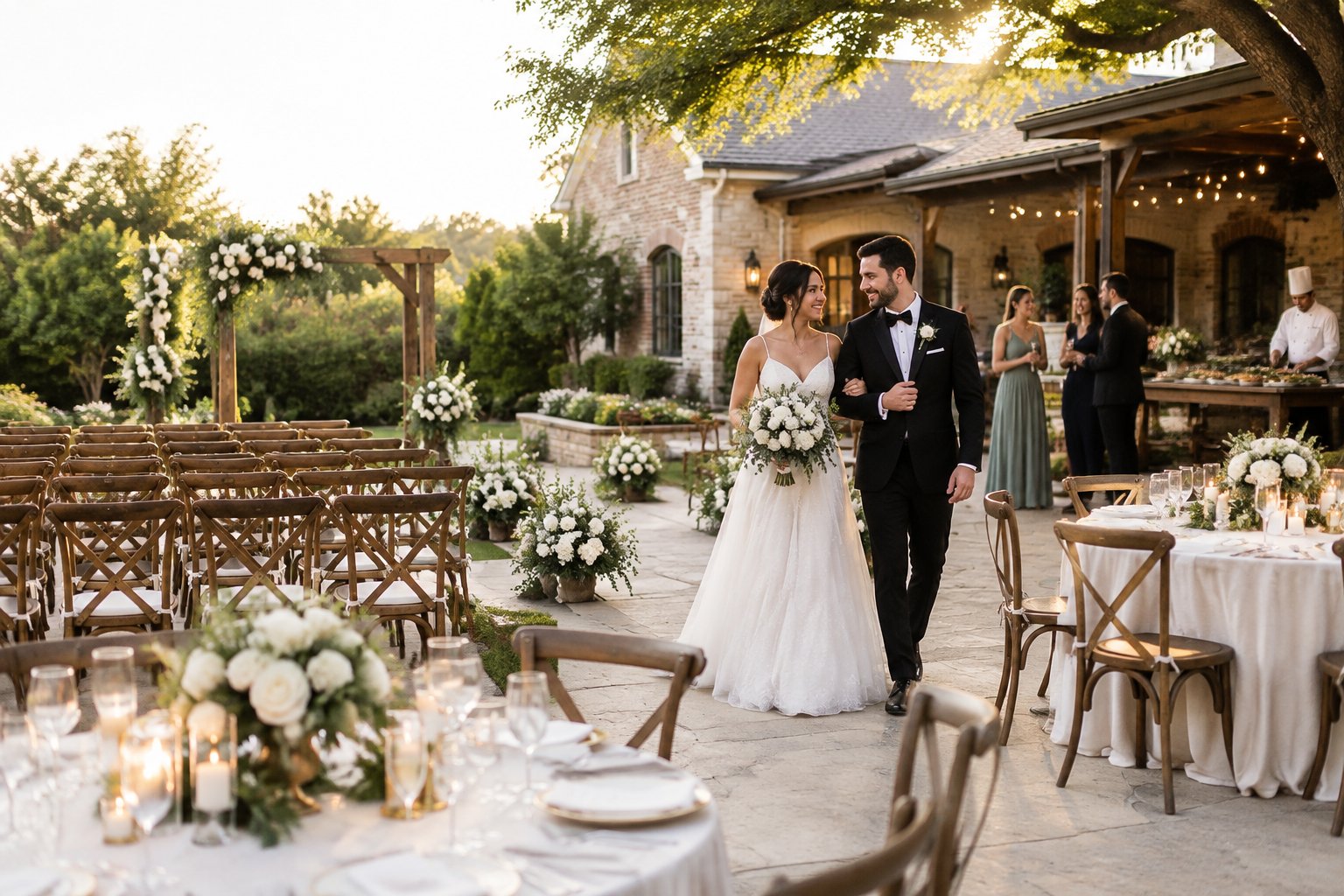
All-inclusive wedding venues in Fort Worth help you organize the ceremony, wedding reception, food, drinks, décor, guest stays, and wedding weekend events through one events team. You still need to review each package carefully because the term can cover different services and fees from one property to another.
As you compare venues, request a tour and a written proposal with every inclusion, upgrade, tax, service charge, and deadline listed. For a refined hotel celebration, contact The Crescent’s events team to discuss your guest count, menu, room block, and preferred layout.
What All-Inclusive Really Means
An all-inclusive wedding package combines major venue services into one agreement, giving you a central team for the wedding day and related events. The exact details belong in the package sheet and contract.
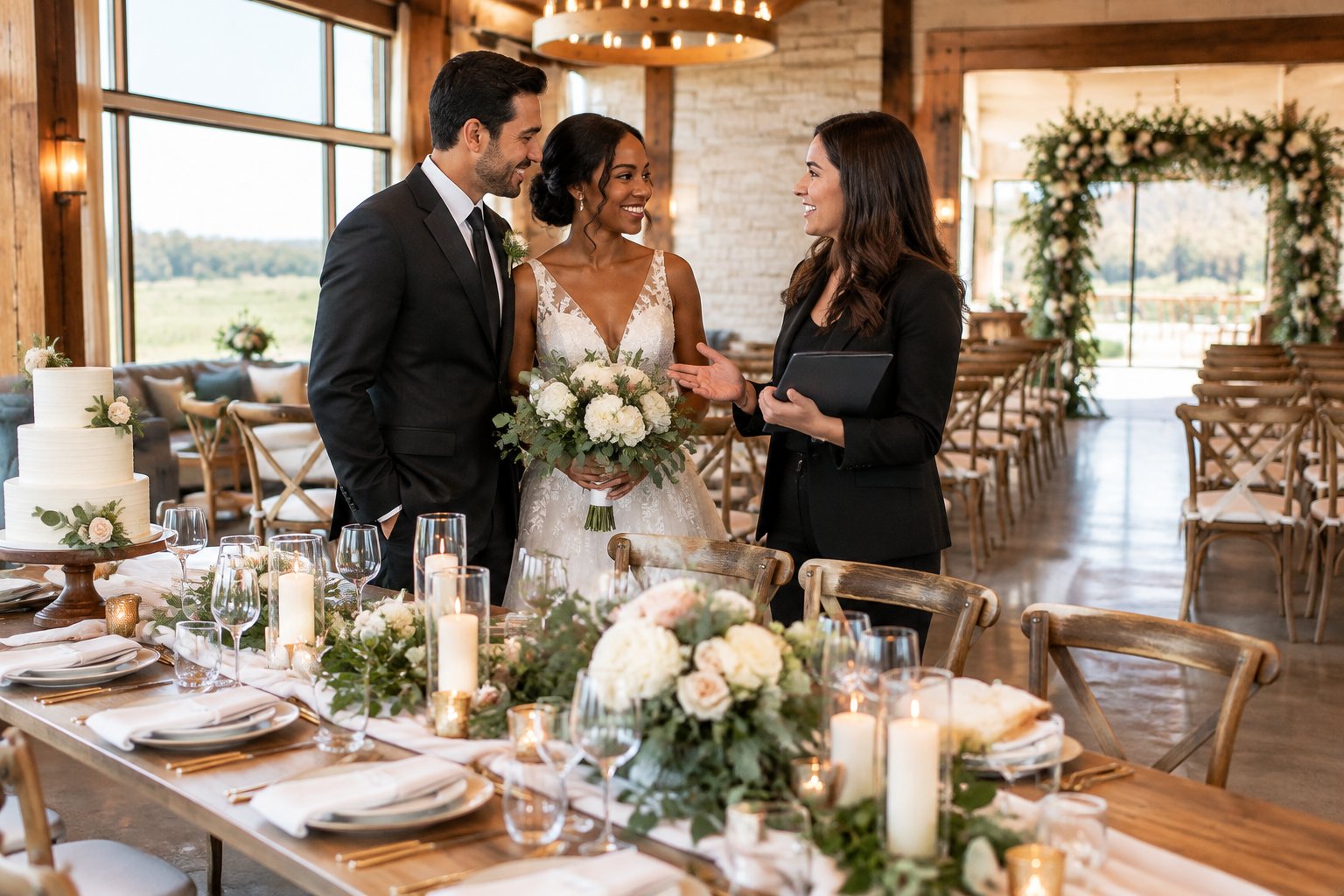
Your review should cover the event space, catering, bar, rentals, décor, coordination, guest accommodations, parking, and vendor rules. Ask for quantities, service hours, and prices for every item before you compare wedding packages.
Which Services Are Commonly Included?
Common inclusions cover the ceremony and wedding reception spaces, tables, chairs, linens, china, flatware, glassware, basic décor, catering, bar service, staff, and cleanup. Some packages also include a cake-cutting service, sound equipment, a ceremony backdrop, a dressing suite, guest rooms, or a rehearsal dinner.
Ask whether the package includes setup and breakdown within the rental period. Confirm the number of bartenders, servers, tables, chairs, linens, and centerpieces provided for your guest count.
Preferred vendors can simplify wedding planning because the venue already knows their work and requirements. Check whether you must use the venue’s caterer, florist, DJ, photographer, rental company, or planner.
What Is Usually an Upgrade or Additional Fee?
Upgrades often include premium liquor, specialty linens, upgraded chairs, floral installations, extra lighting, late-night food, specialty rentals, overtime, security, valet service, and extra rehearsal time. Outside vendors can also bring approval fees, insurance requirements, delivery charges, or staffing costs.
Ask for a written upgrade menu with unit prices. A per-person bar increase, rental charge, or extra hour can change your final total quickly.
Taxes, service charges, gratuities, vendor meals, and cleanup fees deserve their own lines. Request a sample invoice that shows these costs applied to your expected guest count.
How Do Venue Coordinators and Wedding Planners Differ?
A venue coordinator manages property operations, including room setup, catering timing, staff communication, venue rules, and the event schedule. A wedding planner handles your wider wedding planning needs, such as design, vendor coordination, ceremony flow, personal details, and timeline management.
Some venues provide an on-site manager or day-of coordinator while you hire a separate full-service planner. Confirm who creates the timeline, directs outside vendors, manages the ceremony process, and handles problems during the reception.
How to Match a Venue to Your Wedding
The right venue gives your guest count, wedding style, event flow, and travel plans enough space to work together. A floor plan, site tour, and weather plan help you judge whether the property works beyond its photos.
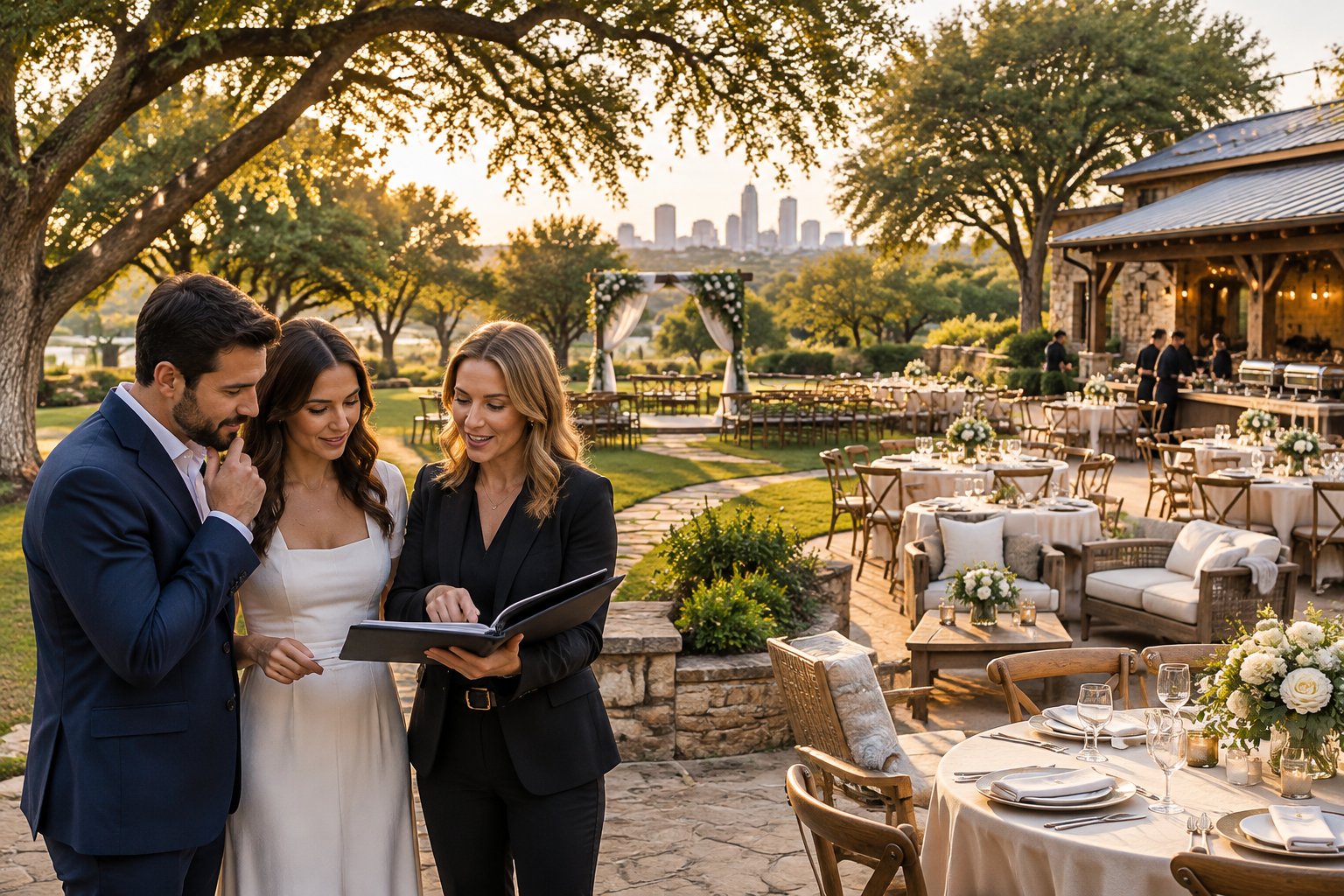
Start with the number of invited guests, then reserve room for dinner tables, a dance floor, a bar, entertainment, buffet stations, and clear walkways. Review how guests move from the ceremony through cocktails and into the wedding reception.
How Much Space Does Your Guest List Need?
Use your confirmed guest count to choose a room with usable capacity. A space listed for 200 guests can feel tight when you add a stage, dance floor, buffet, bar, sweetheart table, lounge seating, and service aisles.
Request a floor plan showing your table style and reception layout. Ask for a second plan if the ceremony and reception share one room, since the venue team may need time and space for a room flip.
Leave room for accessibility and guest comfort. Check restroom locations, exits, climate control, sound quality, and the distance between spaces.
Should You Choose a Ballroom, Courtyard, Chapel, or Gallery?
A ballroom suits a formal reception with controlled lighting, climate control, and a defined dance floor. A courtyard creates an open-air atmosphere, while a chapel offers a clear ceremony setting and a gallery provides a more artistic backdrop for photos and cocktails.
The Crescent Ballroom accommodates about 150 to 300 guests. The Courtyard fits about 50 to 200 guests depending on the layout, and The Gallery accommodates about 40 to 140 guests.
Ask about the ceremony plan, cocktail-hour location, reception layout, sound limits, guest flow, and rain backup for every flexible event space. An outdoor space with a climate-controlled tent gives you added weather protection.
Can One Property Host Every Wedding-Weekend Event?
A hotel venue can host the ceremony, reception, rehearsal dinner, welcome gathering, guest rooms, and farewell breakfast in one location. This reduces transportation needs and gives traveling guests a clear home base.
Ask whether each event has a private room, patio, restaurant area, or ballroom option. Confirm food and beverage minimums, service hours, décor rules, cake policies, and room-block deadlines for each gathering.
A single property also makes the wedding weekend easier for your wedding party. Everyone can move between events without arranging several separate locations.
Food, Drinks, and Reception Details
Your catering and bar agreement should spell out the menu, service style, beverage brands, staffing, timing, and fees for the wedding reception. Taste the food and ask how the culinary team handles dietary needs before you sign.
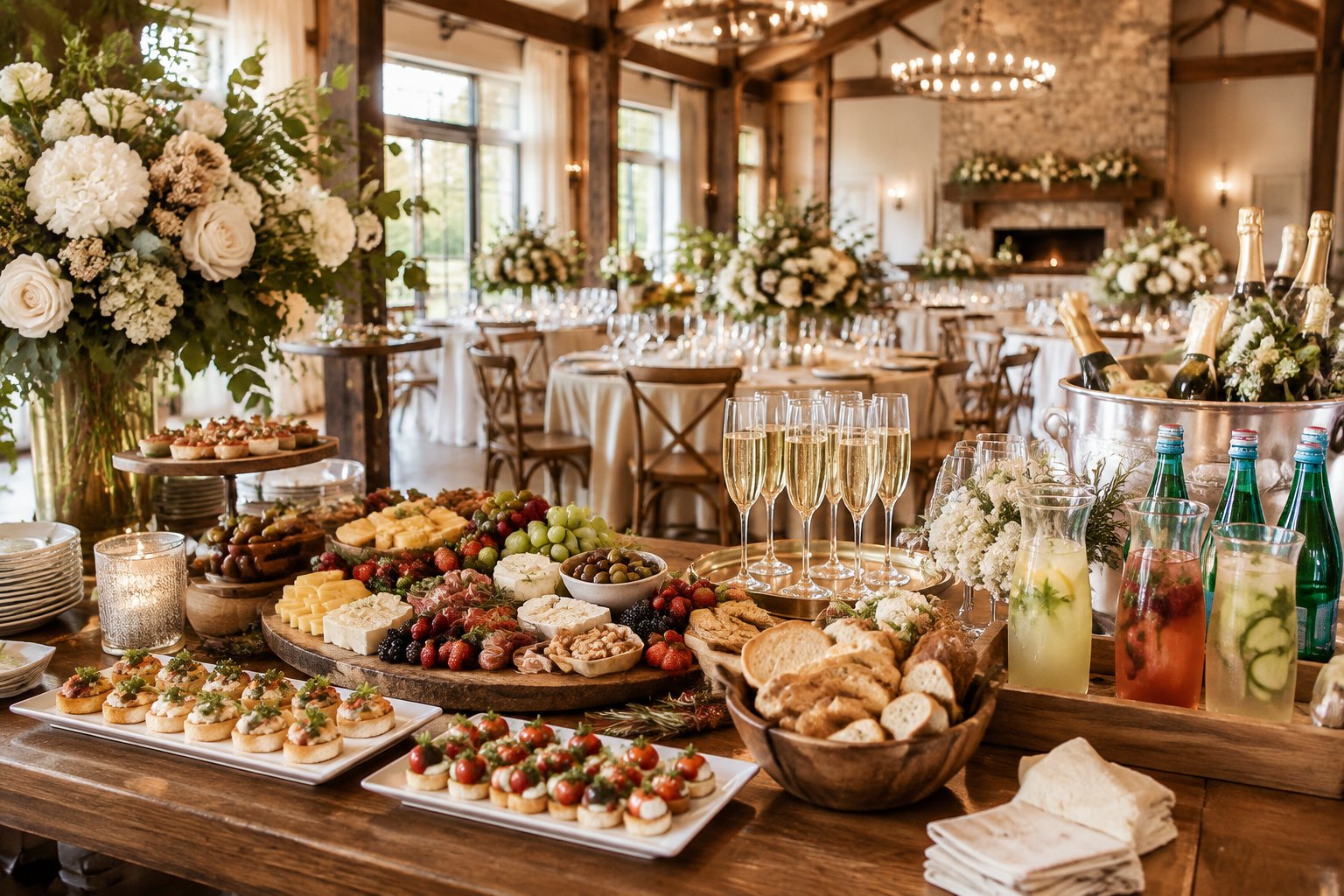
A strong package gives you clear choices without forcing you to guess about portions or service. Review how each menu supports the rehearsal dinner, cocktail hour, dinner, dessert, and late-night celebration.
What Should Catering and Bar Packages Cover?
Catering details should include hors d’oeuvres, dinner service, dessert, coffee, water, nonalcoholic drinks, staffing, china, flatware, glassware, and cleanup. Ask whether the package uses plated meals, buffets, stations, or a combination.
Bar details deserve separate attention. Confirm whether beer, wine, liquor, mixers, bartenders, ice, glassware, champagne, and a signature drink are included. Ask how the price changes with premium brands, service length, guest count, and last call.
Request options for children’s meals, vendor meals, allergies, cultural dishes, vegetarian guests, and late-night snacks. Have the final menu and substitution rules added to the proposal.
How Can You Build a Menu for a Rehearsal Dinner and Reception?
Give the rehearsal dinner its own identity through a smaller menu, relaxed service, or a Fort Worth-inspired meal. Ask about private dining rooms, patios, restaurant spaces, food and beverage minimums, and service times.
For the reception, choose food that suits the schedule and guest experience. Passed appetizers support mingling, while plated meals create a formal pace and stations keep guests moving.
Ask when the final guest count and menu choices are due. Confirm whether you can bring a cake or specialty dessert, and check the cake-cutting fee before ordering.
When Does Fine Dining Add Value to a Package?
Fine dining adds value when the menu quality, service, presentation, and customization support the experience you want. A hotel with in-house culinary staff can coordinate food timing with speeches, dancing, room transitions, and the rest of the wedding reception.
Ask to attend a tasting and review sample menus before booking. Compare portion sizes, ingredient quality, dietary accommodations, dessert options, and service style.
The package should also show the cost per guest, service charge, tax, and any food and beverage minimum. Those figures let you compare a polished fine-dining package with other wedding packages using the same guest count.
Hotel Amenities That Simplify Guest Travel
A Fort Worth hotel can simplify a wedding weekend by placing guest rooms, event spaces, dining, parking, and celebrations at one property. Confirm the room block, transportation details, and guest perks in writing.
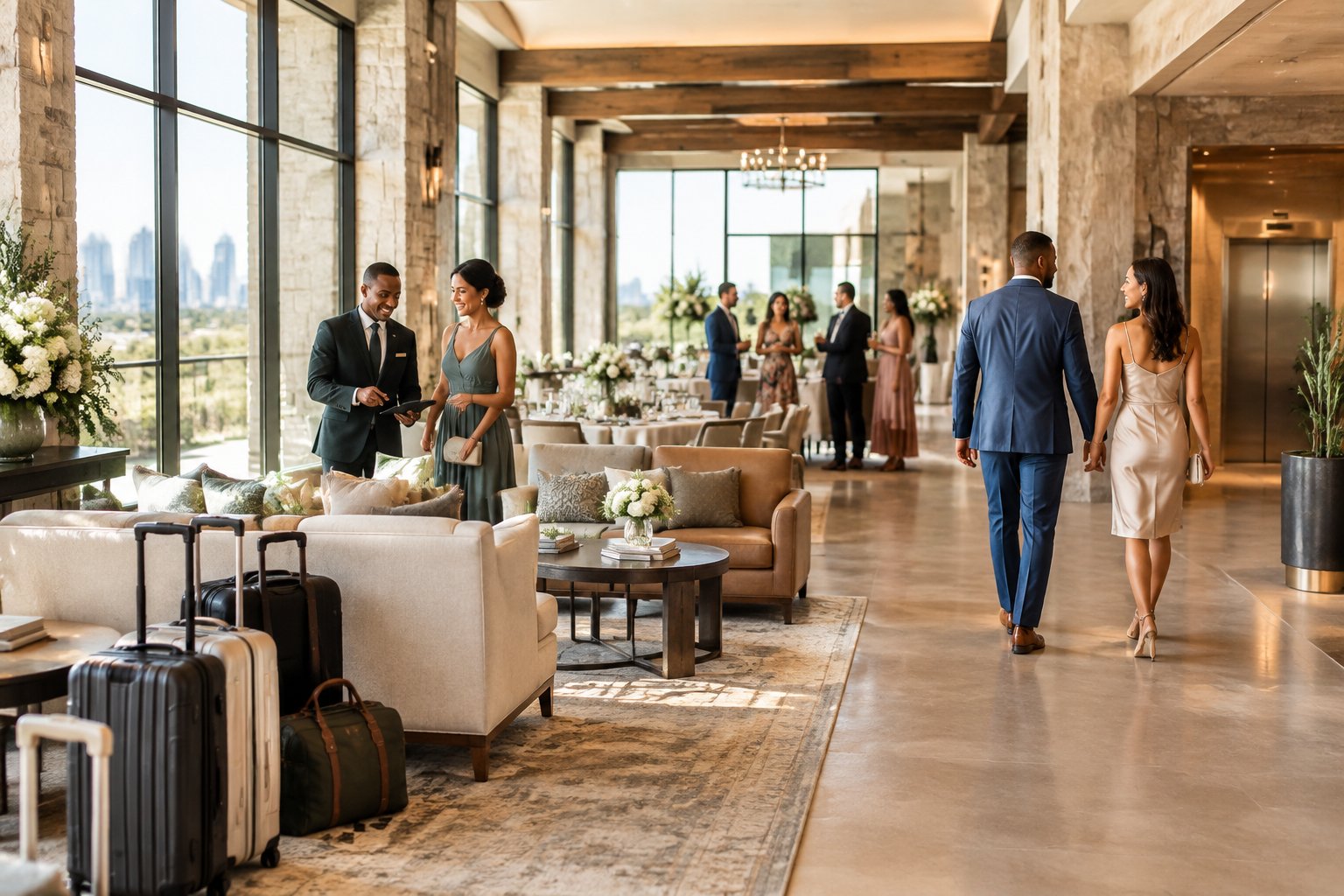
Travel convenience affects your guests’ arrival, event attendance, and departure plans. Review the property from a guest’s point of view, including check-in, elevators, accessibility, parking, and the route from the airport.
Are On-Site Guest Rooms Worth It?
On-site rooms give traveling guests a convenient place to stay after the reception and reduce transportation between events. A property with 200 guest rooms can support a large room block while keeping the wedding party close to the celebration.
Ask about room-block rates, booking deadlines, pickup requirements, release dates, cancellation terms, breakfast, accessible rooms, and suite availability. Confirm whether the couple receives a complimentary room or another benefit.
Include the room-block code and booking deadline on your wedding website and guest information. Check whether the hotel can provide early check-in, late checkout, luggage storage, or welcome-bag delivery.
What Should You Confirm About Parking and Airport Access?
Confirm valet parking prices, in-and-out privileges, self-parking options, accessible spaces, overnight rates, and guest validation. Ask where guests should arrive for the ceremony and where rideshares should pick up after the reception.
The Crescent is about 24 miles from DFW Airport, with an estimated drive of 28 minutes under listed conditions. Travel time changes with traffic, so give guests a recommended arrival window and clear directions.
If guests fly in from different cities, ask about shuttle options and transportation partners. Add transportation costs and departure times to the wedding weekend schedule.
Which Wedding-Weekend Perks Belong in the Contract?
Room upgrades, breakfast, spa credits, welcome drinks, complimentary rooms, turn-down service, discounted parking, and late checkout belong in the written agreement when they are part of the offer. Confirm who qualifies, how guests claim each benefit, and whether blackout dates apply.
Ask when each perk is delivered and which department manages it. A verbal promise from a sales conversation needs a contract line, addendum, or attached offer sheet.
Review cancellation and date-change terms for rooms and event spaces together. A room-block benefit has limited value if the booking deadline or release policy does not fit your guest list.
A Fort Worth Hotel Venue Example: The Crescent
The Crescent gives you a hotel-based wedding setting with more than 14,000 square feet of flexible event space, in-house fine dining, about 200 guest rooms, and valet parking. Its spaces support celebrations from intimate gatherings to events for about 300 guests.
The property combines indoor and outdoor options with guest accommodations and wedding-weekend dining. Ask the events team to build the proposal around your guest count, ceremony plan, menu, room block, and preferred reception layout.
Which Event Spaces Fit Your Guest Count?
The Crescent Ballroom accommodates about 150 to 300 guests. The Courtyard fits approximately 50 to 200 guests, while The Gallery suits about 40 to 140 guests depending on the layout and event design.
The Courtyard includes a climate-controlled tent, giving you an outdoor atmosphere with added weather support. The ballroom connects to outdoor space through floor-to-ceiling doors, which supports a ceremony, cocktail hour, and reception with smooth movement between areas.
Request floor plans for your exact table arrangement. Confirm dance-floor dimensions, stage placement, ceremony seating, cocktail-hour space, sound equipment, and the time required for setup.
How Do Accommodations and On-Site Dining Support the Celebration?
The hotel’s 200 guest rooms give traveling guests a convenient base for the wedding weekend. Valet parking and the central Fort Worth location also help guests manage arrival and departure.
In-house catering and fine dining support the wedding reception, rehearsal dinner, and other gatherings. Ask about private dining rooms, menu customization, bar service, food and beverage minimums, and dessert policies.
You can also ask about guest-room rates, suite availability, breakfast, spa access, welcome events, and farewell meals. Each benefit should appear in the room-block or event contract.
What Should You Verify Before Requesting a Proposal?
Prepare your guest count, preferred date, ceremony location, reception style, menu direction, bar preference, room-block estimate, and rehearsal dinner needs before requesting a proposal. These details help the events team price the right spaces and services.
Ask the proposal to list the Crescent Ballroom, Courtyard, or Gallery rental, catering, bar, staffing, rentals, décor, technology, valet, guest rooms, taxes, service charges, and overtime. Confirm which items are estimates and which are guaranteed.
Request the rain plan, vendor policy, deposit schedule, cancellation terms, final guest-count deadline, and menu deadline in writing. A complete proposal gives you a clear starting point for comparing total costs.
How to Compare Proposals Before You Book
Compare all-inclusive wedding packages by total contracted cost, included services, guest experience, flexibility, and contract terms. A low starting price can change after you add service charges, upgrades, rentals, overtime, and required vendors.
Use one comparison sheet for every venue. Record the same guest count, event hours, menu style, bar level, room needs, and ceremony plan so each proposal uses matching assumptions.
Which Questions Should You Ask During a Venue Tour?
Ask who manages the venue on your wedding day, who coordinates outside vendors, and who makes weather decisions. Walk through the ceremony, cocktail hour, reception, restrooms, dressing rooms, parking area, loading zone, and guest-room route.
Ask about capacity with your preferred floor plan, sound limits, event hours, setup time, breakdown time, rain backup, accessibility, lighting, temperature control, and cleanup. Request photos or samples of included tables, chairs, linens, centerpieces, and ceremony décor.
Review catering and vendor rules during the tour. Ask about tastings, dietary needs, bar service, cake cutting, vendor meals, insurance, outside vendors, rehearsal access, and after-hours events.
How Can You Compare Total Cost Instead of Starting Price?
Build each estimate with the venue rental, ceremony fee, catering, bar, rentals, décor, staffing, coordination, parking, guest rooms, rehearsal dinner, service charge, tax, gratuity, overtime, and vendor fees. Mark each item as included, priced, estimated, or unconfirmed.
Calculate the total for your expected guest count, then divide it by the number of guests. This per-person figure helps you compare a large hotel package with a smaller venue that charges separate fees.
Ask each venue to price the same menu style, bar duration, service hours, table layout, and guest count. Keep a separate line for upgrades so you can see the cost of your preferred version.
What Contract Terms Need a Written Confirmation?
Your contract should confirm the event date, spaces, access hours, guest capacity, menu, bar package, vendor rules, rentals, décor, staffing, cleanup, parking, room block, rehearsal dinner, and weather plan. It should also state payment dates, deposits, cancellation terms, postponement rules, final guest-count deadlines, and overtime rates.
Have every promised perk added to the contract or an attached addendum. Review service charges, taxes, gratuities, damage rules, insurance requirements, force majeure language, and refund policies before signing.
Ask the venue to define who handles setup, room flips, vendor arrival, ceremony coordination, and cleanup. Keep the signed proposal, floor plan, menu, and event timeline with your planning documents.