
All-Inclusive Wedding Venues in the US: A Planning Guide
Choosing among all inclusive wedding venues in the US can simplify your wedding planning by bringing the ceremony space, reception, food, drinks, rentals, and coordination together. You get one main point of contact and a clearer path from booking to wedding day.
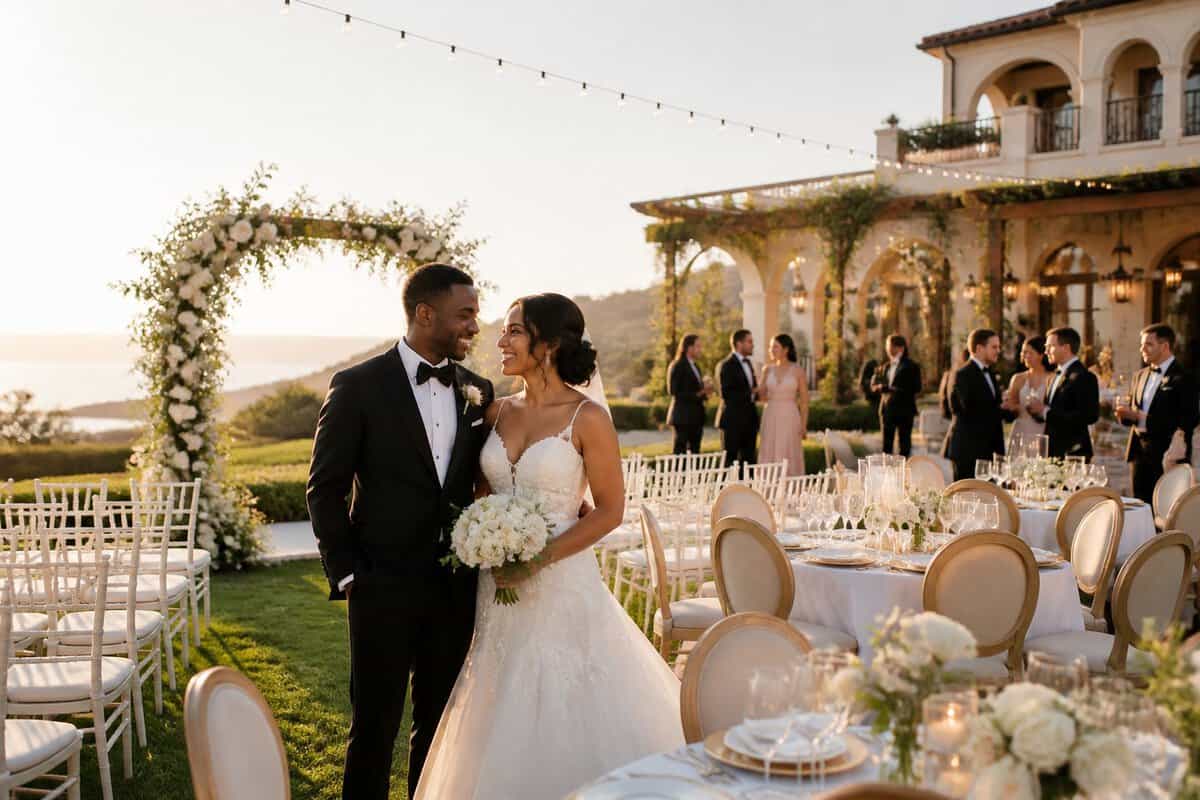
The best package is the one that matches your guest count, preferred setting, design goals, and complete budget line by line. A low starting price can rise after service fees, taxes, lodging, photography, upgraded florals, and premium bar choices enter the plan.
As you compare wedding venues, ask for an itemized proposal for your date and guest count. A tour, sample menu, and contract review will help you choose with confidence and move toward a smoother celebration.
What Does an All-Inclusive Venue Actually Include?
An all-inclusive venue brings several wedding services into one package, with the ceremony space, reception setup, catering, rentals, and coordination forming the usual base. Package details differ widely, so you need a written list of every inclusion and exclusion.

Most wedding packages cover the practical pieces that make your wedding day work. The fine print shows how much creative freedom, vendor choice, and personal support you receive.
Core Services Included in Most Wedding Packages
Common all-inclusive wedding packages include:
- Ceremony space and reception room
- Tables, chairs, basic linens, place settings, and staffing
- Catering for the selected guest count
- Beer, wine, or a standard open bar
- Setup and cleanup
- Basic centerpieces or floral arrangements
- A wedding cake or dessert option
- A bridal suite or getting-ready room
- A wedding coordinator for event-day logistics
Some venues also include an officiant, DJ, basic lighting, a photo booth, or a short photography package. Review the exact hours, serving style, menu choices, and quantity limits attached to each item.
What Is Usually an Upgrade or Add-On?
Photography, videography, premium floral arrangements, specialty lighting, live music, upgraded linens, late-night snacks, and a premium open bar often sit outside the base rate. Lodging, transportation, rehearsal events, guest welcome parties, and attire also need separate budget lines.
Ask for prices for each upgrade before choosing a package. Confirm whether outside vendors are allowed, whether outside services carry a fee, and whether the venue requires you to use its preferred professionals.
Wedding Coordinator vs. Wedding Planner: What Is the Difference?
A wedding coordinator manages venue logistics, schedules, setup, vendors, and event flow. Many coordinators begin detailed work a few weeks before the wedding ceremony or focus on the wedding day itself.
A wedding planner supports the full wedding planning process, including budget building, vendor research, design, timelines, guest logistics, and decision support. Wedding planning services cost more because they begin earlier and cover more decisions.
Ask who will attend your meetings, when support begins, and how many events the assigned coordinator handles on your date.
Are Bundled Packages Worth the Cost?
Bundled packages are worth the cost when their included services fit your plans and the final itemized price compares well with separate vendors. They save coordination time, yet convenience has value only when the package gives you suitable quality and flexibility.
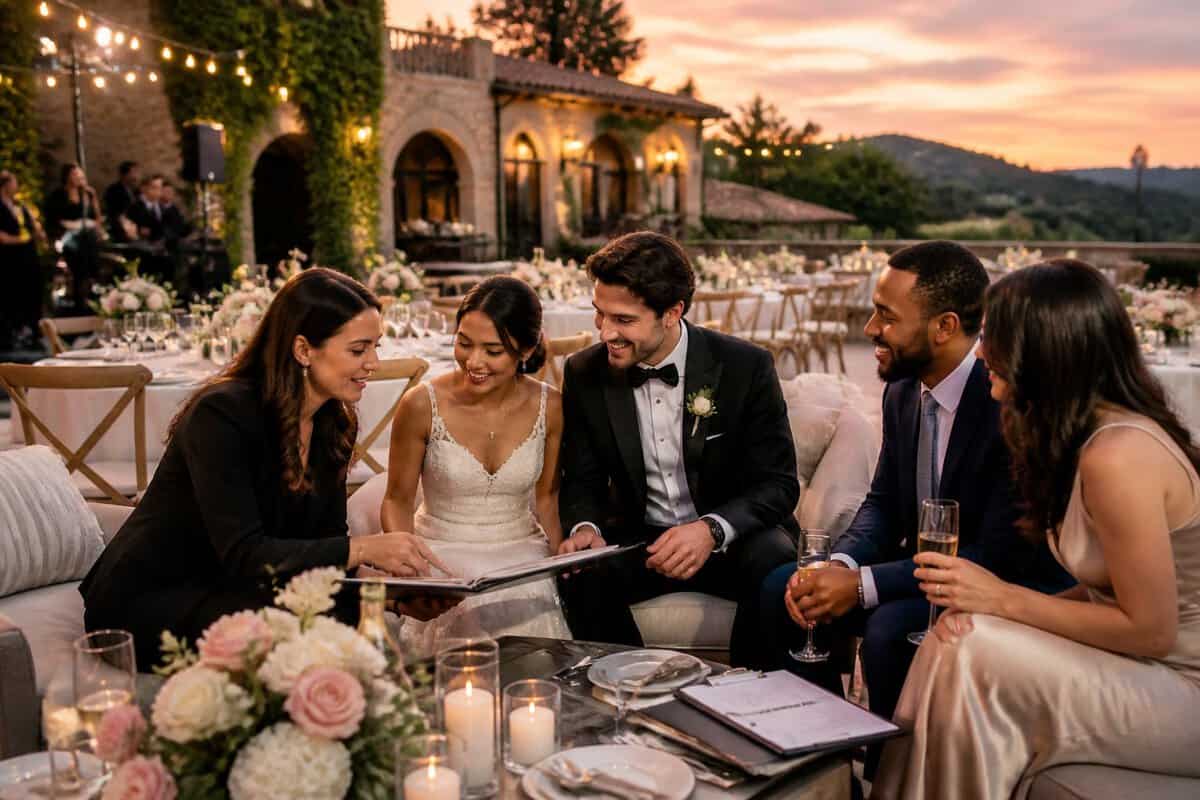
Compare the total cost, service level, vendor rules, and guest experience. A package at a banquet hall, country club, or hotel may look different from a resort offer, so place each proposal into the same budget worksheet.
How Much Do Full-Service Celebrations Cost?
For 2026 weddings, bundled venue services often fall near $62 to $132 per guest, while complete celebrations can reach $10,000 to $60,000 after guest count, season, location, and upgrades are set. A 100-guest celebration may land around $12,000 to $25,000 before taxes and service charges, depending on the package.
Venue-only fees can range from about $2,500 to $13,500 in different US markets. Catering, bar service, photography, florals, rentals, entertainment, taxes, and gratuity can shift the final total. Saturday dates in May, June, September, and October often command higher rates.
Per-Person Pricing vs. Flat-Rate Packages
Per-person pricing makes food, drinks, staffing, and rentals easy to scale with your guest list. Every added guest increases the bill, while a smaller headcount may lower the catering and bar total.
Flat-rate packages provide a fixed price for venue access or a defined service bundle. Check the guest limit, event hours, required minimum spend, and charges for exceeding the included count.
Ask the venue to price your expected headcount plus a realistic increase so you can see the financial effect of late RSVPs.
Fees and Limits to Confirm Before Signing
Request written details about:
- Service charges, taxes, gratuities, and payment deadlines
- Minimum guest counts and food-and-beverage spends
- Overtime for the room, coordinator, bar, or staff
- Cake-cutting, corkage, cleanup, and outside-vendor fees
- Rain plans, power access, sound limits, and event insurance
- Cancellation, postponement, refund, and force majeure terms
- Room blocks, resort fees, parking, transportation, and breakfast
Ask for a sample contract and a complete quote tied to your date. A clear proposal gives you a better comparison than a headline price.
Which Venue Type Fits Your Wedding Vision?
The right venue type connects your desired scenery, guest experience, travel needs, and wedding style. Resorts suit celebrations with lodging and leisure, while estates, vineyards, ballrooms, and city venues offer distinct settings and levels of control.
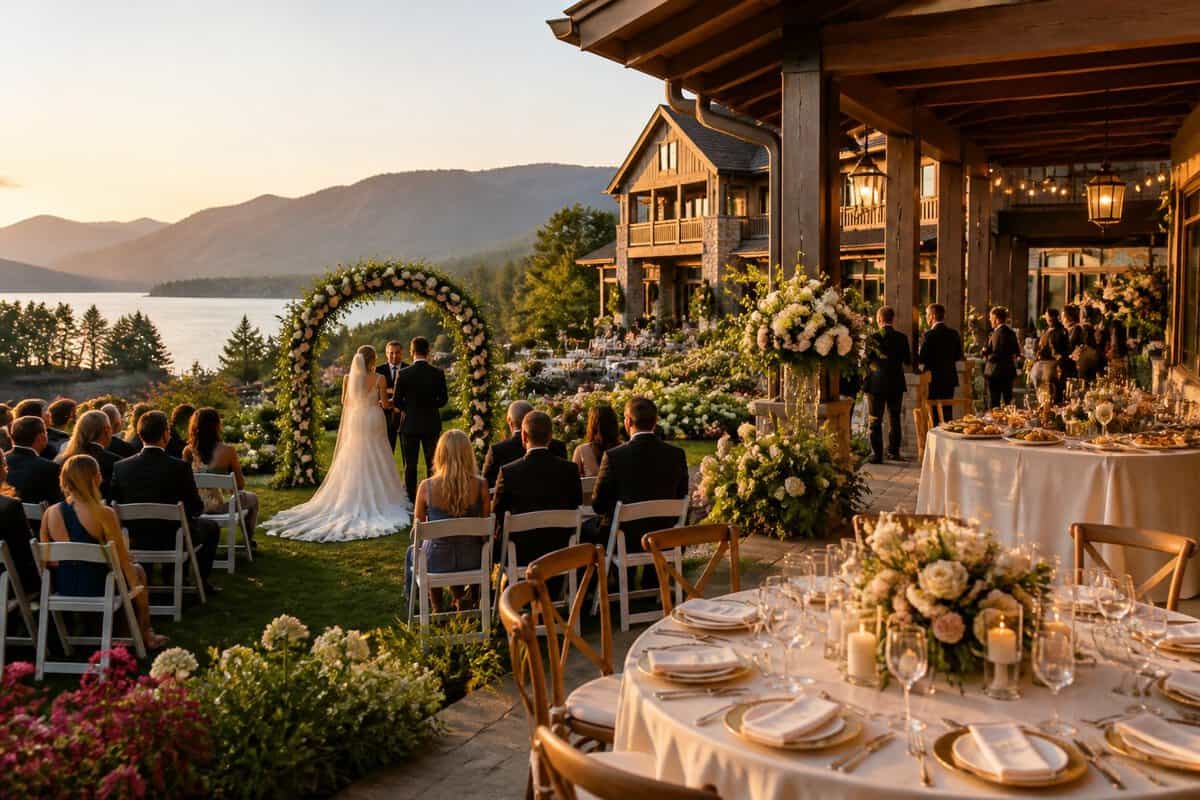
Think about weather, accessibility, noise rules, guest activities, and the travel time between ceremony and reception. Your ideal setting should support both the visual style and the practical movement of your guests.
Hotels, Resorts, and Adults-Only Escapes
Hotels provide guest rooms, indoor event spaces, meeting facilities, and convenient breakfast options. Wedding resorts and all-inclusive wedding resorts add dining, recreation, spa treatments, and on-site event teams.
An adults-only resort works well for a guest list made up of adults who want a relaxed getaway. Confirm age rules, room availability, wedding group policies, and whether children can attend the ceremony or reception.
Ask how the venue handles guests who prefer a nearby family-friendly hotel.
Beach, Island, and Hawaiian Celebrations
A beach wedding creates a strong natural backdrop and works well for an intimate ceremony or destination wedding. Hawaii and the Hawaiian Islands offer tropical scenery across Maui, Oahu, and other islands, with resorts that combine ceremony sites, receptions, rooms, and guest activities.
Check tide schedules, sunset timing, wind, permits, accessibility, footwear needs, and a covered rain plan. Ask whether your package includes beach setup, sound equipment, aisle decor, backup space, and transportation between guest lodging and the reception.
Mountain, Vineyard, and Estate Settings
Mountain wedding venues in the Blue Ridge Mountains offer wooded views, seasonal color, and outdoor ceremony sites. Napa Valley vineyards and private estates bring gardens, terraces, wine service, and a refined countryside feel.
Review road access, weather changes, heating, cooling, restroom capacity, and overnight lodging. Mountain and estate venues may require shuttle service when parking is limited or guest rooms sit away from the event space.
City Venues and Historic Ballrooms
New York and Brooklyn venues give you restaurants, hotels, galleries, rooftops, and historic ballrooms close to major transportation. City locations suit couples who want an energetic setting with easy access to nightlife and cultural attractions.
Ask about load-in times, elevator access, noise restrictions, parking, nearby construction, and vendor insurance. A beautiful ballroom still needs a practical plan for guest arrivals, deliveries, photos, and end-of-night transportation.
Top US Regions and Destination-Style Picks
The strongest destination-style picks combine a memorable setting with reliable lodging, food service, transportation, and guest support. You can create that experience in the US or consider nearby international resorts when travel rules and budgets allow.
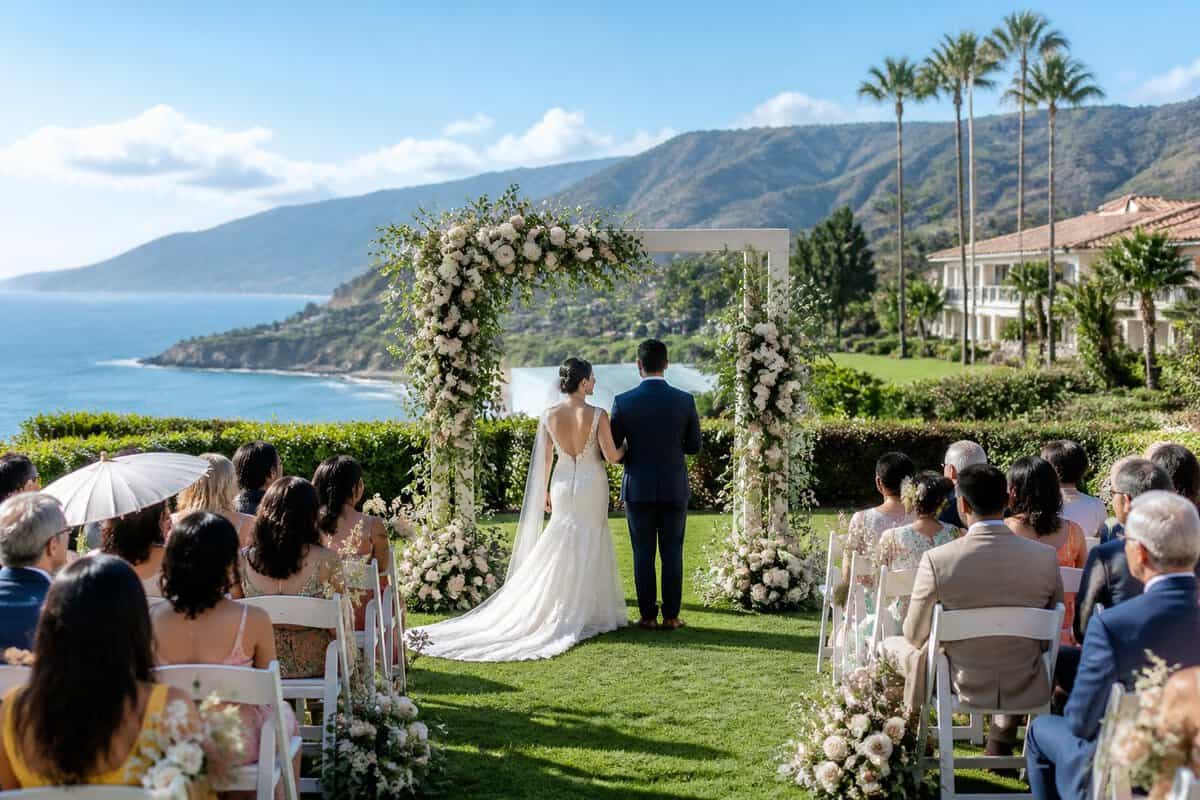
Use recognizable examples as starting points, then verify current packages, availability, and guest requirements directly with each property. Names and pricing change, while the location’s access, weather, and event capacity remain central to your choice.
Hawaii and the Pacific Coast
Hawaii offers resort weddings, oceanfront ceremonies, and strong honeymoon potential. On Oahu, you can look at settings near Honolulu and Kaneohe; Maui brings beaches, gardens, and volcanic landscapes. Haiku Gardens in Kaneohe is known for a lush garden setting, while Pacific Coast properties provide coastal scenery closer to the mainland.
Ask about interisland travel, airport transfers, room blocks, weather backups, and local marriage requirements. Build airfare and extra nights into the guest budget because resort packages rarely cover those costs.
Colorado, the Blue Ridge, and Desert Retreats
Colorado mountain venues suit couples who want alpine views, outdoor recreation, and a destination feel. The Little Nell in Aspen represents a luxury mountain setting, while the Blue Ridge Mountains near Asheville, North Carolina, offer forests, estates, and cooler seasonal celebrations.
Desert retreats in Tucson, Arizona, provide wide skies, warm colors, and dramatic landscapes. Confirm heat plans, shade, indoor cooling, transportation, and sunset timing for outdoor events.
Florida, the Northeast, and Urban Weekends
Florida offers beaches, waterfront hotels, and warm-weather resort packages. The Breakers in Palm Beach provides a classic coastal setting, while The Beach House can suit couples looking for a relaxed shoreline atmosphere.
Compare hurricane-season policies, heat plans, and indoor reception options. The Northeast works well for historic properties, city weekends, and fall weddings. Delaware venues can offer coastal or country settings, while New York and Brooklyn provide urban access and broad hotel choices.
Mexico and Caribbean Alternatives for Resort Weddings
Los Cabos and Cabo San Lucas, Mexico, offer desert coastlines, luxury resorts, and sunset ceremonies. Costa Rica brings rainforest, beaches, and adventure activities; the Dominican Republic and Jamaica provide resort-focused destination weddings with on-site planning teams.
International destination wedding venues require passport planning, travel insurance, group transportation, and clear guest communication. Ask about legal ceremony requirements, resort fees, weather policies, and whether the quoted package uses US dollars.
How to Compare, Tour, and Book With Confidence
You can book with confidence when each venue answers the same questions about food, lodging, vendors, contract terms, and backup plans. Shortlist three to five venues, request matching quotes, and tour the strongest options before paying a deposit.
Your research can start with venue directories, local wedding professionals, and platforms such as The Knot Vendor Marketplace. Wedgewood Weddings and similar multi-property operators can help you compare package structures across locations, while a private wedding planner can add advice for complex events.
Questions to Ask About Food, Drinks, and Design
Ask to see a complete menu with portion sizes, tasting fees, children’s meals, dietary accommodations, and late-night options. Confirm whether catering is prepared on-site, how many menu selections your package allows, and whether outside desserts are accepted.
Clarify the bar hours, drink brands, signature cocktails, champagne service, bartender count, and nonalcoholic choices. Review sample tables, linens, chairs, floral arrangements, lighting, signage, and setup standards. Request prices for upgrades in writing.
How to Assess Lodging and Guest Travel
Check the number of available rooms, room-block deadlines, rates, resort fees, parking, breakfast, accessibility, and cancellation terms. Ask whether the hotel guarantees rooms for your dates and whether guests can stay at nearby properties.
Map airport transfers, shuttle routes, ceremony travel, rideshare access, and late-night transportation. Destination wedding venues should provide a clear guest itinerary with booking instructions, contact details, and event locations.
Vendor Policies, Contracts, and Backup Plans
Find out whether you can hire your own planner, photographer, florist, DJ, baker, or rental company. Confirm outside-vendor fees, insurance requirements, delivery windows, setup access, meal policies, and sound limits.
Read the contract for payment milestones, cancellation terms, postponement rights, weather procedures, force majeure language, and responsibility for damaged items. Ask who makes the rain call, when that decision happens, and what the backup room looks like.
Where to Find and Shortlist Venues
Use local directories, venue websites, planning communities, and wedding marketplaces to gather options. Search by setting, guest capacity, lodging, package price, and travel distance.
Save each proposal in a comparison sheet with these columns:
| Comparison point | Venue A | Venue B | Venue C |
|---|---|---|---|
| Complete package price | |||
| Guest capacity | |||
| Lodging options | |||
| Vendor flexibility | |||
| Weather backup | |||
| Deposit and cancellation terms |
Schedule tours for venues that provide itemized pricing and fit your guest needs. Before signing, ask the coordinator to initial any promised inclusion that does not appear clearly in the contract.