
All-Inclusive Wedding Venues in Spain: How to Choose
Spain gives you a wide choice of wedding settings, from Mediterranean resorts and beach clubs to historic estates and countryside fincas. All-inclusive wedding venues in Spain help you bring the key parts of your celebration into one plan, which makes budgeting and overseas coordination easier.
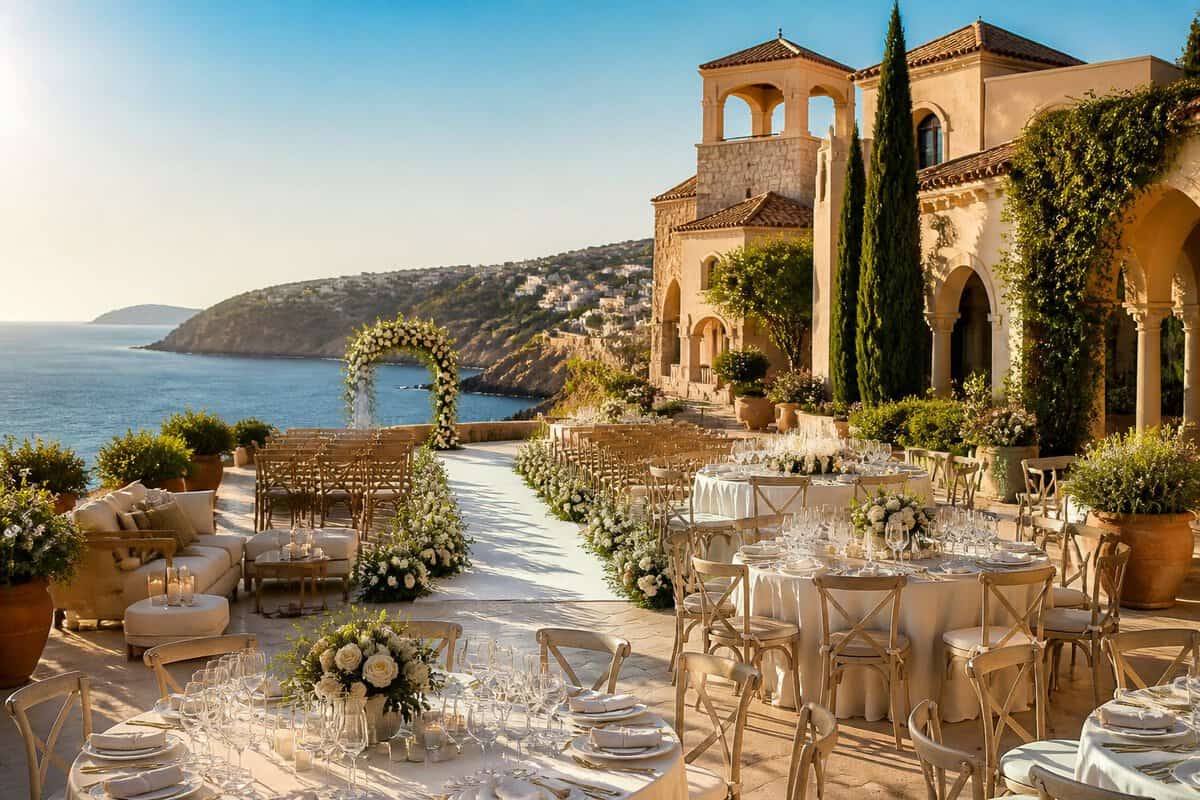
The phrase “all-inclusive” covers different levels of service. One venue might include food, drinks, décor, and music, while another adds photography, transport, accommodation, and a dedicated planner.
Before you book, ask for a line-by-line package document that names every inclusion, upgrade, fee, and service limit.
You can create a relaxed destination wedding in Spain by matching the package to your guest count, preferred region, ceremony type, and planning needs. If you are ready to compare options for getting married in Spain, contact a local wedding team for a tailored proposal and clear answers about what your celebration includes.
What Does All-Inclusive Mean at a Spanish Wedding Venue?
An all-inclusive wedding package brings several wedding services into one agreed plan and price, with the exact inclusions set by the venue or planner. You should check the details closely because Spanish wedding packages differ in service level, guest minimums, drink limits, and planning support.
What Is Usually Included in a Venue Package?
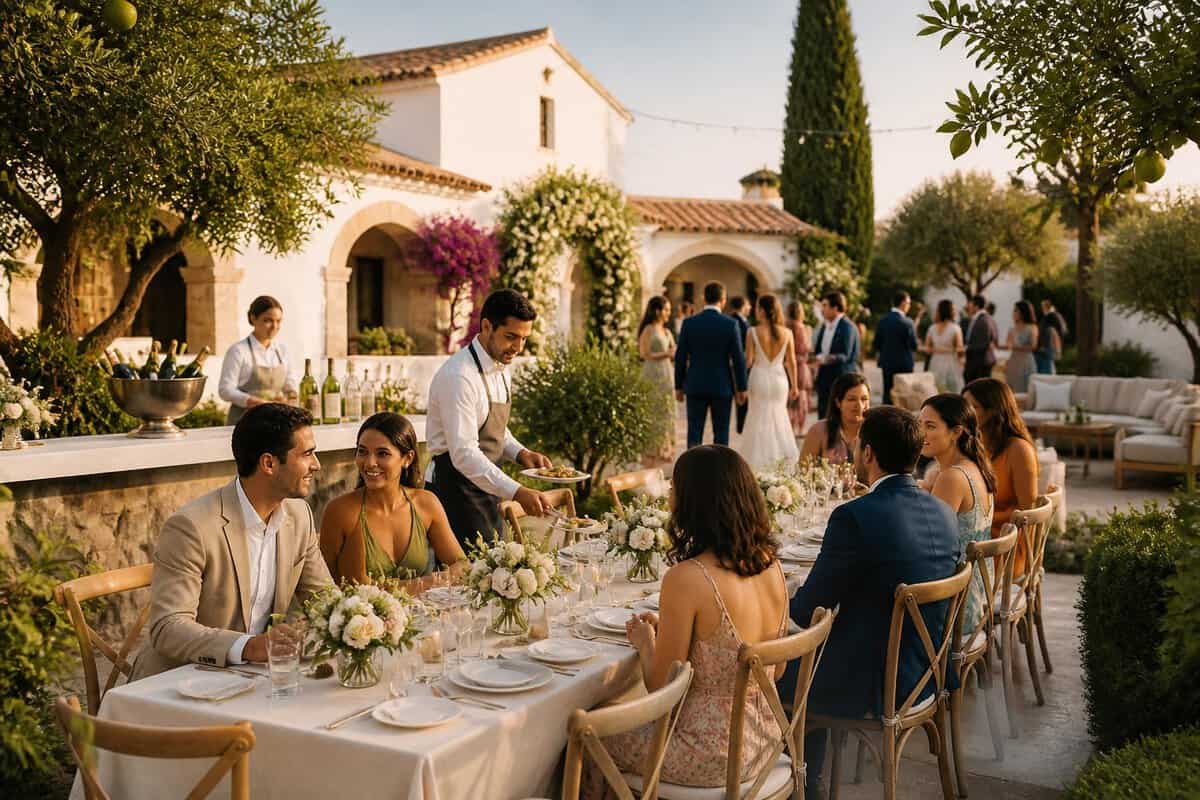
An all inclusive wedding package may include:
- Ceremony space and reception area
- Tables, chairs, linens, and basic table settings
- Welcome drinks and canapés
- Wedding meal
- Wine, cava, beer, and soft drinks during set service periods
- Basic floral décor and centerpieces
- Wedding cake
- DJ or background music
- On-site coordination
- Menu tasting for the couple
Some inclusive wedding packages also include bridal hair and makeup, photography, entertainment, transportation, printed stationery, or a few nights of accommodation. Confirm whether each service comes from the venue team or an outside supplier.
What Is Often Excluded From the Advertised Price?
The headline price may exclude venue hire, VAT, ceremony paperwork, corkage, extra bar hours, supplier travel, and guest accommodation. You might also pay more for premium menus, imported spirits, upgraded flowers, fireworks, live bands, lighting, or late-night food.
Ask whether the package covers your chosen date and guest count. Some prices apply only on weekdays, in low season, or above a minimum number of guests.
Venue-Led Packages vs. Full Wedding Planning
A venue-led package gives you a set menu of services managed by the venue’s coordinator. It suits you when your design is straightforward and you want fewer supplier decisions.
Full wedding planning gives you broader support with venue research, contracts, design, guest logistics, supplier sourcing, and event management. Partial wedding planning helps when you have booked some elements and need professional support with the remaining work.
Compare the planning fee, meeting schedule, supplier access, and wedding-day staffing before choosing between venue coordination, partial wedding planning, and full wedding planning.
How Much Do All-Inclusive Weddings in Spain Cost?
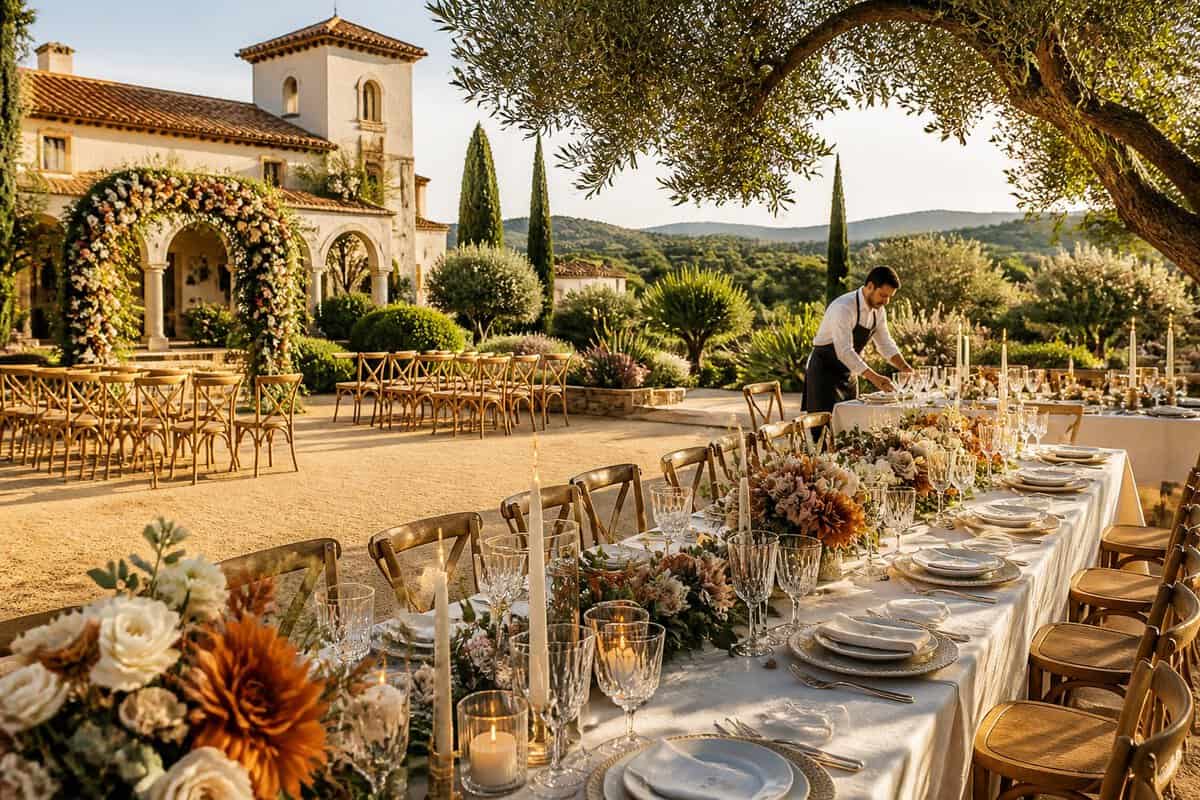
All-inclusive wedding packages in Spain range from small ceremonies for a few guests to full destination celebrations costing €45,000 to €55,000 or more for 100 guests. Your date, region, venue style, guest count, and service level set the final budget.
How Guest Count Changes the Total Budget
Guest numbers affect catering, drinks, seating, staffing, rentals, favors, and transport. A package priced per person might look manageable at 40 guests, while a 120-person wedding creates a much larger wedding reception bill.
Prepare two budgets:
- Core wedding budget: venue, ceremony, meal, drinks, staffing, and basic décor.
- Guest experience budget: accommodation support, transfers, welcome events, extra entertainment, and farewell meals.
Ask for a quote at your expected guest count, plus a second quote with a 10-person increase. This shows how quickly the price rises as your list changes.
VAT, Venue Hire, and Other Costs to Confirm
Ask whether the advertised amount includes Spanish VAT. Confirm venue hire, ceremony fees, service charges, menu tasting, corkage, overtime, and cleanup in writing.
Check drink rules carefully. A package might include wine and beer with dinner, cava for the toast, and soft drinks during the meal while charging separately for spirits, cocktails, or a late-night bar.
Ask whether the wedding cake includes delivery, cutting, and service.
When an All-Inclusive Package Offers Better Value
An all-inclusive package offers stronger value when it includes services you would otherwise book separately, gives you reliable cost limits, and reduces coordination between suppliers. Compare the complete price with an itemized plan containing venue rental, catering, drinks, wedding cake, décor, photography, entertainment, and planning.
A low starting price can rise through upgrades. A higher quote might include more hours, stronger staffing, better menus, and a larger supplier team.
Request a written proposal with taxes, deposits, cancellation terms, payment dates, and upgrade prices.
Which Spanish Regions Suit Your Wedding Style?
Spain’s regions give you distinct wedding settings, travel patterns, and seasonal conditions, so choose the location alongside your guest experience and celebration style. Coastal areas suit relaxed outdoor events, while major cities give you historic architecture, cultural venues, and easier urban access.

Barcelona, Girona, and Costa Brava for Masías and Coastal Views
Barcelona gives you city hotels, modern event spaces, and landmark surroundings for a Barcelona wedding. Girona and the Costa Brava offer stone masías, vineyards, gardens, and sea views.
A Costa Brava wedding works well when you want a countryside estate close to beaches and attractive towns.
Check transfer times from Barcelona Airport, especially when your venue sits inland. Ask whether the property has a rain plan, guest accommodation nearby, and exclusive use.
Mallorca, Menorca, and Ibiza for Balearic Island Celebrations
Mallorca gives you fincas, boutique hotels, mountain scenery, and coastal estates. A Mallorca wedding suits couples who want a polished island celebration with strong accommodation options.
Menorca offers a quieter pace and a relaxed setting for smaller groups. Ibiza fits stylish villa weddings and lively celebrations, with strict attention needed for noise rules and supplier access.
The Balearic Islands require early booking for popular summer dates, and you should confirm ferry or flight options for guests traveling between islands.
Andalusia, Marbella, and Malaga for Haciendas and Resorts
Andalusia gives you white villages, courtyards, olive groves, and historic haciendas. Marbella and Malaga provide beach clubs, golf resorts, hotels, and easy airport connections.
A Marbella wedding suits elegant resort styling, while inland venues offer a more rustic setting.
Review heat protection for summer events, including shaded dining, water service, fans, and indoor air conditioning. Ask about late-night music rules before signing a contract.
Seville and Madrid for Historic City Weddings
Seville gives you palaces, courtyards, tiled interiors, and a strong sense of Spanish culture. Madrid offers grand hotels, galleries, private dining rooms, and convenient transport for guests arriving from different countries.
City weddings make restaurant events and cultural activities easy to arrange. You should confirm guest transfer plans, ceremony permissions, street access, and accommodation rates before choosing a central venue.
How to Compare Wedding Venues in Spain Before Booking
The best wedding venues in Spain fit your guest numbers, stay needs, food preferences, weather plan, music rules, and supplier terms. Compare each venue using the same written checklist so a low headline price does not hide missing services.

Capacity, Accommodation, and Exclusive Use
Ask for the seated dining capacity, ceremony capacity, dance-floor size, and comfortable maximum. A venue that holds 150 guests for dinner might feel crowded once you add a band, buffet, bar, or children’s area.
Confirm how many rooms sit on-site, whether the venue requires a stay minimum, and how guests book. Exclusive use gives you more privacy and control over the schedule.
If the venue remains open to other guests, ask which areas are private and who controls shared facilities.
Catering, Drinks, and Spanish Menu Options
Request sample menus with portion sizes, service style, dietary choices, and children’s meals. Ask whether you can include paella, tapas, regional seafood, or other dishes that reflect local flavors.
Confirm the drinks package by brand, service hours, and beverage type. Ask about wine pairings, cava for the toast, beer, soft drinks, coffee, cocktails, spirits, and late-night snacks.
If you want an outside caterer, check exclusivity and corkage terms.
Weather Plans, Curfews, and Late-Night Celebrations
Every outdoor venue needs a written rain and heat plan. Ask when the decision is made, whether the backup space holds every guest, and whether moving indoors costs more.
Check music curfews, amplified sound limits, bar closing times, and rules for fireworks or candles. Some venues allow dancing indoors after outdoor music ends, while others require the celebration to finish at a fixed hour.
Questions to Ask About Suppliers and Contracts
Ask whether the venue requires preferred suppliers for flowers, music, catering, rentals, or wedding photography. If you want a photographer from home, confirm travel fees, access times, insurance, and meal requirements.
Read the contract for deposit protection, cancellation stages, postponement rules, force majeure, guest-count changes, damage charges, and payment currency.
Request a complete schedule of services, including setup, ceremony access, supplier arrival, meal timing, and cleanup.
What Type of Celebration Can a Package Support?
Wedding packages in Spain can support a two-person ceremony, a small gathering, or a multi-day destination wedding weekend, provided the venue’s capacity and service model fit your plan. State your guest count and event format early so the package can be shaped around the experience you want.
Intimate Weddings and Micro Weddings
Intimate weddings and micro weddings work well at boutique hotels, private terraces, beach clubs, and small fincas. A smaller guest list lets you spend more on food, views, design, photography, or a longer stay.
Ask whether the venue has a minimum spend or minimum guest count. A package priced for 50 guests might still require that payment when only 20 people attend.
Elopements and Vow Renewals
An elopement in Spain can include a ceremony, bouquet, officiant, photography, hair and makeup, and a private meal. You can choose a city landmark, coastal location, mountain setting, or hotel terrace, subject to permission and local rules.
A vow renewal in Spain gives you more flexibility with ceremony paperwork because you are celebrating an existing marriage. Ask which documents the venue or planner needs, and confirm whether the ceremony is symbolic or legally recognized.
Multi-Day Destination Wedding Weekends
A destination wedding can become a weekend with a welcome dinner, wedding day, and farewell brunch. Spanish food, winery visits, boat trips, beach time, or guided city walks give guests shared activities across the stay.
Build each event into the budget separately. Confirm transport, meal timing, guest payment arrangements, weather backups, and whether your planner or venue team will coordinate every gathering.
When Should You Hire a Local Wedding Planner?
You should hire a local wedding planner as soon as you have a preferred region and approximate date, with 12 to 18 months giving you stronger access to popular venues and suppliers. A planner becomes especially useful when you live overseas, need help in two languages, or want several events across Spain.
What a Wedding Planner Handles Beyond the Venue
A wedding planner can source venues, compare proposals, manage contracts, create a design plan, arrange tastings, and coordinate suppliers. The role can also include guest transfers, room blocks, ceremony paperwork guidance, timelines, seating plans, welcome events, and wedding-day management.
A venue coordinator focuses on that property’s operations. An independent planner represents your priorities across the full supplier team.
Review what it means to hire a wedding planner before you compare service proposals.
Choosing Between Full Planning and Partial Planning
Full wedding planning suits you when you want support from venue search through the final dance. The planner leads design, budgeting, supplier selection, guest logistics, and event production.
Partial wedding planning fits couples who have booked the venue or key suppliers and need help with the remaining decisions. Day coordination gives you a professional lead for the final weeks and wedding day.
Ask how many planning hours, meetings, revisions, site visits, and on-site staff each package includes.
Why Local Knowledge Matters for Overseas Couples
A local planner knows regional venues, supplier working styles, travel routes, permits, seasonal weather, and Spanish event customs. That knowledge helps you spot transfer problems, translate contract details, and choose menus that work for your guests.
For a Barcelona celebration, a wedding planner Barcelona team can also advise on city access, nearby accommodation, and venue noise rules. Review what to know before talking to a wedding planner and prepare your guest count, target dates, budget range, preferred region, and must-have services before your first call.