
All-Inclusive Wedding Venues in the United States
Choosing among all inclusive wedding venues united states couples can simplify wedding planning by bringing major services under one coordinated plan. You can spend less time contacting separate vendors and more time shaping the celebration around your guests, style, and budget.
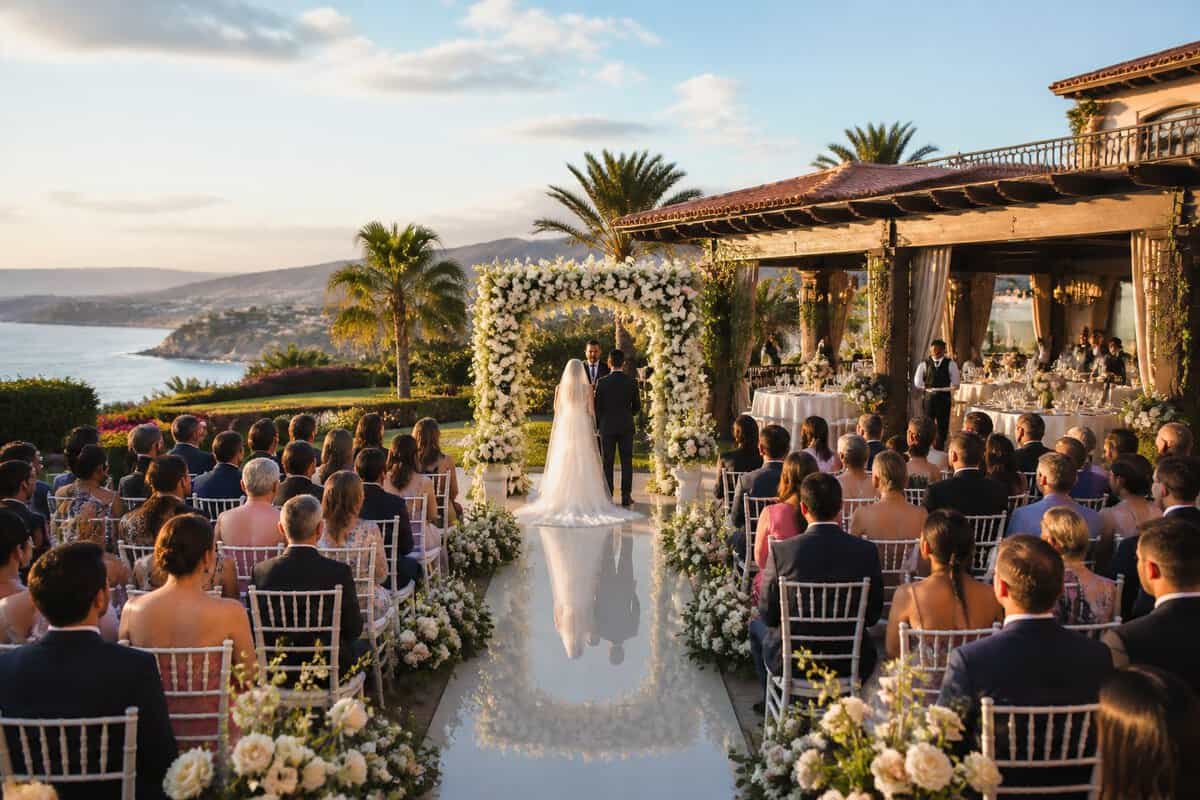
The best package gives you clear pricing, dependable event coordination, and enough flexibility to make the wedding feel personal. Compare what each venue includes, what carries an extra fee, and how lodging affects your guests before you sign.
Start by exploring venues that fit your guest count and vision, then request a tour and detailed proposal.
What Does All-Inclusive Mean for a Wedding Venue?
An all-inclusive wedding venue combines the ceremony site, reception services, key rentals, food, and planning support into one package. Your venue team may also provide a bridal suite, event coordination, setup, cleanup, and a dedicated point of contact.
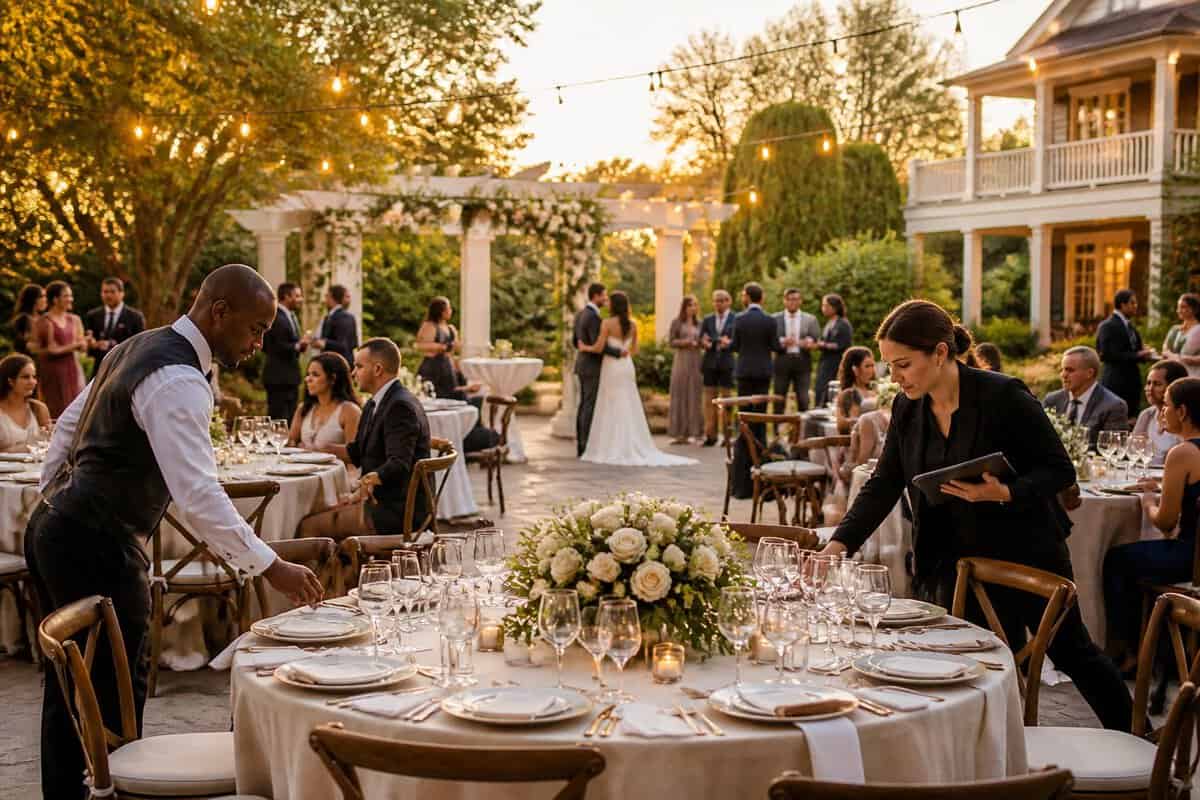
What Is Usually Included in a Package?
A package often includes:
- Wedding ceremony and reception spaces
- Tables, chairs, linens, glassware, and place settings
- Cocktail-hour food and a plated or buffet meal
- Beer, wine, or a full bar tier
- Cake or another dessert option
- Basic centerpieces and reception décor
- Wedding-day coordination
- Setup and teardown
- Access to a bridal suite
Some venues add a DJ, photo booth, lighting, or rehearsal time. Ask for the exact inclusions in writing, since package names do not follow one national standard.
Which Services Are Often Extra?
Flowers beyond the included package, upgraded menus, premium liquor, specialty lighting, live entertainment, photography, videography, transportation, and ceremony musicians may cost more. You could also see separate charges for an outside vendor, overtime, additional guests, upgraded linens, or a late-night snack.
Request a sample invoice that shows service fees, taxes, gratuities, and payment deadlines. That document gives you a clearer budget picture than a starting package price.
Venue Packages vs. All-Inclusive Resort Stays
A venue package centers on your wedding day and may include limited lodging. An all-inclusive resort stay combines the wedding with guest rooms, meals, drinks, and resort activities across the full stay.
Ask whether the wedding price is separate from room rates. A resort package can suit a destination wedding weekend, while a local venue package may give you more control over guest travel and overnight plans.
How to Compare Packages and Total Costs
Compare the full event cost per guest, including service fees, taxes, gratuities, upgrades, and lodging commitments. Two all-inclusive wedding venues with similar package prices can produce very different final totals.

Build a comparison sheet with the guest count, package tier, included vendors, bar plan, décor allowance, venue hours, and every extra charge. A detailed worksheet helps you compare proposals on equal terms.
How Much Do All-Inclusive Wedding Packages Cost?
Many packages use per-person pricing, while others combine a site fee with food and beverage minimums. Published venue examples range from several thousand dollars for smaller celebrations to $40,000 or more for larger weekend events with lodging.
Your date, region, guest count, menu, bar service, and package level drive the total. Ask for pricing for your exact wedding date and estimated attendance. A weekday or off-season date may reduce the site fee or minimum spend.
Questions to Ask About Fees, Minimums, and Gratuities
Ask these questions before comparing final proposals:
- What is the base venue fee?
- Is there a food or beverage minimum?
- Which taxes and service fees apply?
- Are gratuities included or added later?
- What deposit is due, and when are payments scheduled?
- What happens if your guest count changes?
- Are ceremony fees separate from reception fees?
- What does overtime cost?
- Are outside vendors allowed, and is there a vendor fee?
Request a complete contract and sample final invoice. Pay special attention to cancellation terms, weather plans, and refund rules.
How Guest Lodging Changes the Budget
Guest rooms affect both affordability and attendance. A venue with on-site lodging can reduce transportation needs, while a separate hotel gives guests more price choices.
Ask whether a room block requires a minimum pickup. Confirm the release date for unused rooms, parking costs, resort fees, breakfast details, and shuttle service. If guests pay for their own rooms, share those costs early so they can plan.
Choose a Setting That Fits Your Wedding Vision
Your setting shapes the ceremony experience, guest travel, décor needs, and photo opportunities, so choose the landscape that supports your preferred mood and schedule. Consider weather, accessibility, sound limits, and backup spaces alongside the view.
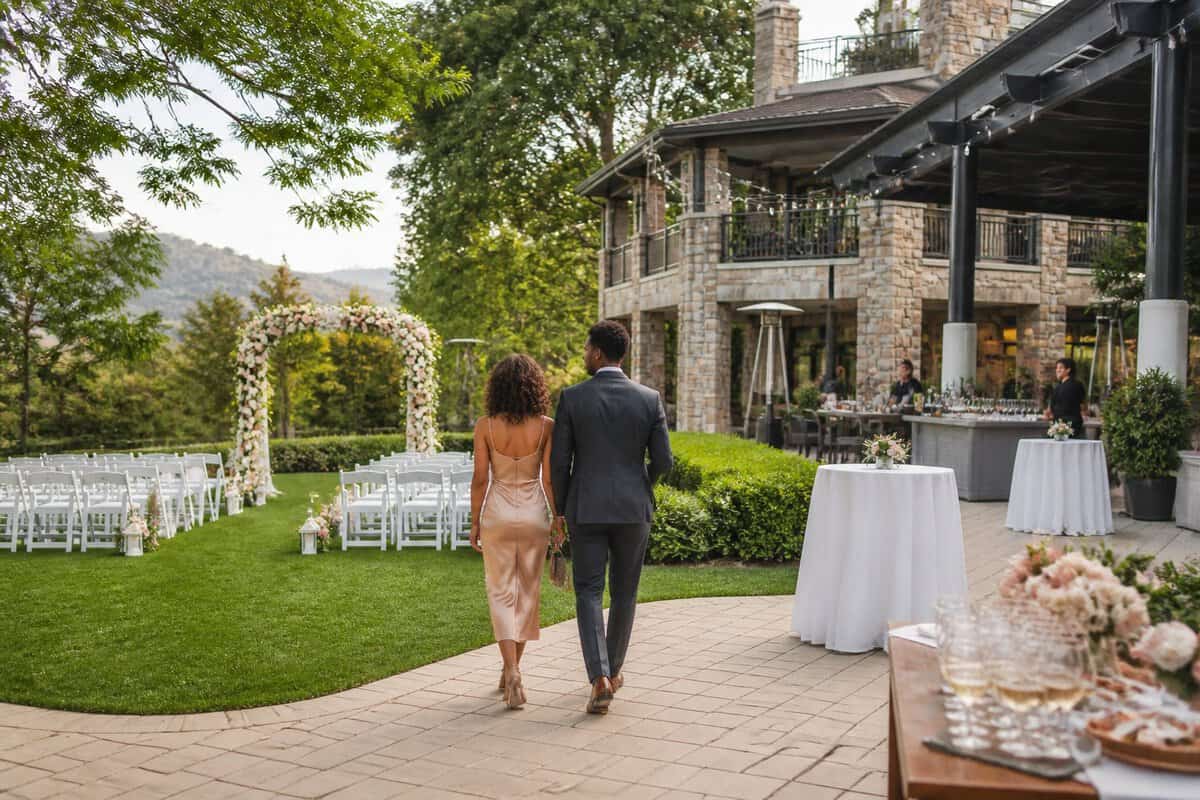
A beach wedding may need wind plans and shade, while a mountain venue requires attention to travel time and elevation. City and estate venues often offer easier access, strong indoor options, and distinctive architecture.
Beach and Tropical Escapes
Tropical beaches create a relaxed setting for a romantic wedding, especially when you want outdoor vows and sunset portraits. Hawaii, Florida, Southern California, and coastal destinations across the country offer beachside resorts and private event spaces.
Ask about tide timing, wind, rain coverage, noise limits, guest transportation, and permits. Check whether the ceremony location remains private during peak visitor hours. A covered reception room gives you a reliable plan when weather changes.
Mountain and Nature Retreats
The Blue Ridge Mountains, Rocky Mountains, desert landscapes, and forest retreats offer dramatic scenery and a peaceful wedding weekend. These destination wedding venues work well for couples who want outdoor photos, group activities, and a slower pace.
Review road access, seasonal closures, heating or cooling, nearby airports, and mobility routes. Confirm whether guests can reach the ceremony site without steep paths or long walks. Indoor backup spaces should fit your full guest count.
City, Estate, and Historic Hotel Celebrations
City venues, estates, and historic hotels bring architecture, polished service, and convenient transportation into your plans. They suit formal receptions, weekend events, and guest lists that include travelers arriving from different areas.
Check parking, elevators, nearby hotels, noise rules, and access for vendors. Historic properties can have restrictions on décor, candles, hanging items, and amplified music, so ask for those rules before choosing your design.
Standout U.S. Destinations and Venue Examples
The United States offers all-inclusive settings across islands, coasts, cities, mountains, deserts, and gardens. Use named destinations as starting points, then verify current packages, availability, guest capacity, and contract terms with each property.
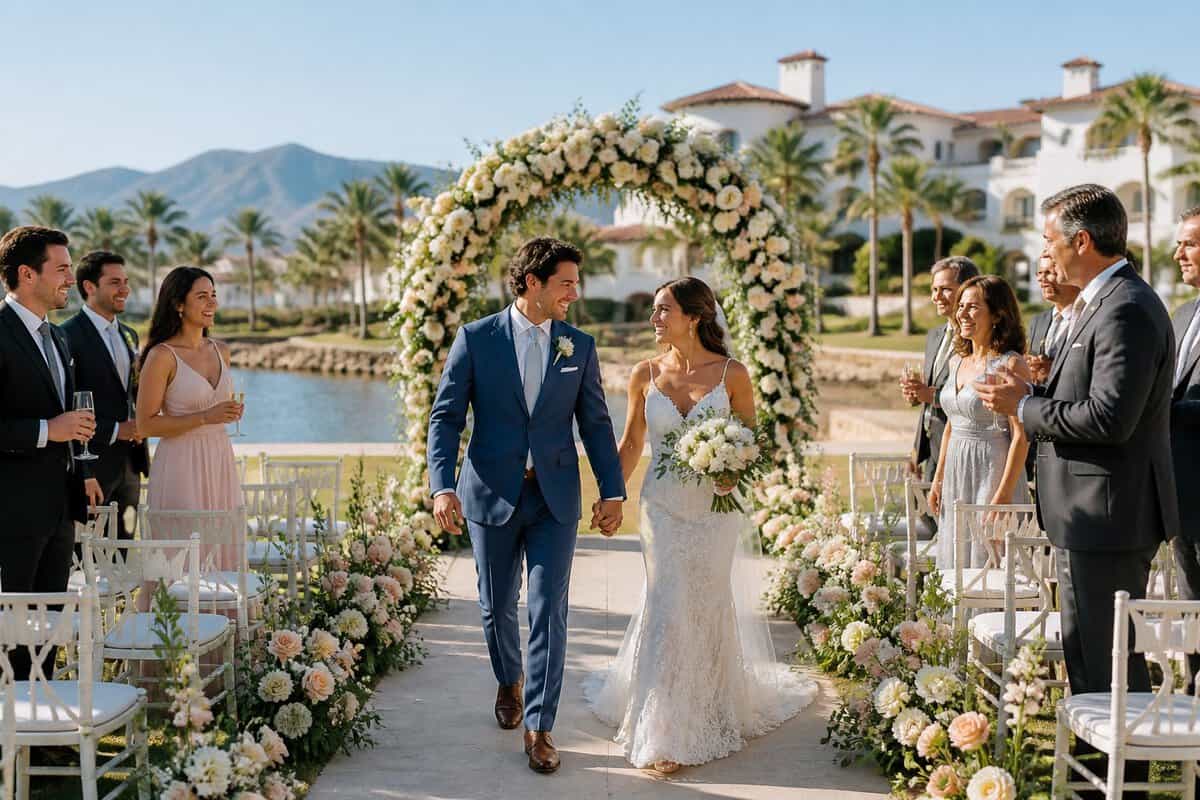
A strong shortlist includes places that fit your travel needs as well as your design preferences. Compare airport access, room blocks, weather patterns, and the level of planning support included.
Hawaii: Maui and Oahu Celebrations
Maui and Oahu offer ocean views, resort services, and strong destination appeal across the Hawaiian Islands. You might also explore garden venues such as Haiku Gardens in Kaneohe, where lush scenery creates a natural ceremony backdrop.
Ask about seasonal rain, guest transportation, beach access, permit rules, and local vendor requirements. Confirm whether the package includes a reception meal, bar service, rentals, décor, and a coordinator.
California, Florida, and the East Coast
California gives you coastal, vineyard, estate, and urban choices. Florida offers beach resorts, waterfront properties, and venues such as The Breakers in Palm Beach. East Coast options extend from historic hotels in New York to estates and waterfront spaces in Delaware.
Compare travel time, weather, indoor capacity, and guest lodging in each region. A venue close to an airport can reduce arrival stress for a large group.
Mountain, Desert, and Pacific Northwest Settings
Asheville, North Carolina, offers access to mountain scenery and estate-style celebrations. The Little Nell in Aspen, Colorado, represents a high-end mountain setting, while Tucson provides desert landscapes and warm-weather venues.
Portland and other Pacific Northwest cities add gardens, forests, vineyards, and urban spaces. Ask about rain coverage, heating, seasonal road conditions, and indoor photo locations before booking an outdoor-focused property.
Plan a Smooth Destination Wedding Weekend
A smooth destination wedding weekend starts with an early venue visit, a clear travel plan, and a contract that explains every financial and service detail. U.S. locations can reduce passport concerns, while international options such as Mexico and Costa Rica require additional travel planning.
Give guests a simple schedule with arrival guidance, hotel information, transportation details, dress expectations, and planned activities. Keep ceremony and reception logistics in one shared document for your wedding party and coordinator.
When to Tour and Book Your Date
Tour venues during the season that resembles your wedding date. You can inspect weather conditions, landscaping, lighting, traffic, and indoor backup areas more accurately.
Popular weekends and destination properties fill well in advance. Ask when the date becomes official, how long a courtesy hold lasts, and which deposits are refundable. If you cannot tour in person, request a live video walkthrough of the ceremony route, reception room, guest areas, and restrooms.
Coordinate Travel, Room Blocks, and Guest Activities
Choose a venue within a practical distance of an airport, hotels, restaurants, and activities. Arrange room blocks with clear booking instructions and a deadline guests can follow.
Provide transportation details for airport arrivals, hotel transfers, rehearsal events, and the wedding day. Plan optional activities that suit different ages and budgets, such as a welcome dinner, local tour, beach outing, or free afternoon.
Read the Contract Before You Commit
Your contract should state the date, spaces, guest count, package inclusions, payment schedule, cancellation terms, weather plan, vendor rules, and overtime rates. Check who handles setup, cleanup, damage claims, and final headcount changes.
Ask how the venue handles illness, travel disruption, severe weather, and postponement. Have every promised upgrade or special accommodation added to the signed agreement.
How to Find the Right Venue for Your Guest List
The right wedding venue fits your guest count, accessibility needs, preferred vendors, and spending limit. Start with attendance priorities, then compare spaces that can deliver a comfortable experience for the people you plan to invite.
If you are planning a smaller celebration, these tips for choosing the perfect venue for a small wedding can help you focus your search.
Match Capacity and Accessibility to Your Priorities
Choose a ceremony and reception layout that gives guests enough space for dining, dancing, service routes, and mobility access. Ask about maximum seated capacity, restroom locations, elevator access, parking, ramps, lighting, and distances between event spaces.
Confirm the plan for children, older guests, mobility devices, dietary needs, and quiet areas. A venue that fits the headcount on paper still needs comfortable circulation and clear seating options.
Decide Whether Preferred Vendors Work for You
All-inclusive wedding venues may provide their own catering, bar team, rentals, décor, and coordination. This arrangement reduces vendor research and keeps communication in one system.
Ask whether you can bring a photographer, florist, DJ, cultural specialist, or baker. Review outside-vendor fees, insurance rules, delivery windows, setup limits, and menu restrictions. Wedgewood Weddings is one example of a venue group built around customizable all-inclusive packages, so compare its package structure with independent venues in your preferred area.
Schedule a Tour and Compare Finalists
Tour at least two finalists with the same questions and estimated guest count. Walk through the arrival route, ceremony site, cocktail area, reception room, bridal suite, restrooms, parking, and backup space.
Request itemized proposals after each tour. Compare the complete cost, included service level, guest experience, contract terms, and flexibility for personal details before choosing your venue.