
All-Inclusive Wedding Venues Western Cape: What to Expect
All-inclusive wedding venues Western Cape give you a simpler way to plan a beautiful celebration, especially when you are arranging a destination wedding from another city or country. Your all-inclusive package may combine the wedding venue, food, drinks, furniture, décor, and event support under one agreement.
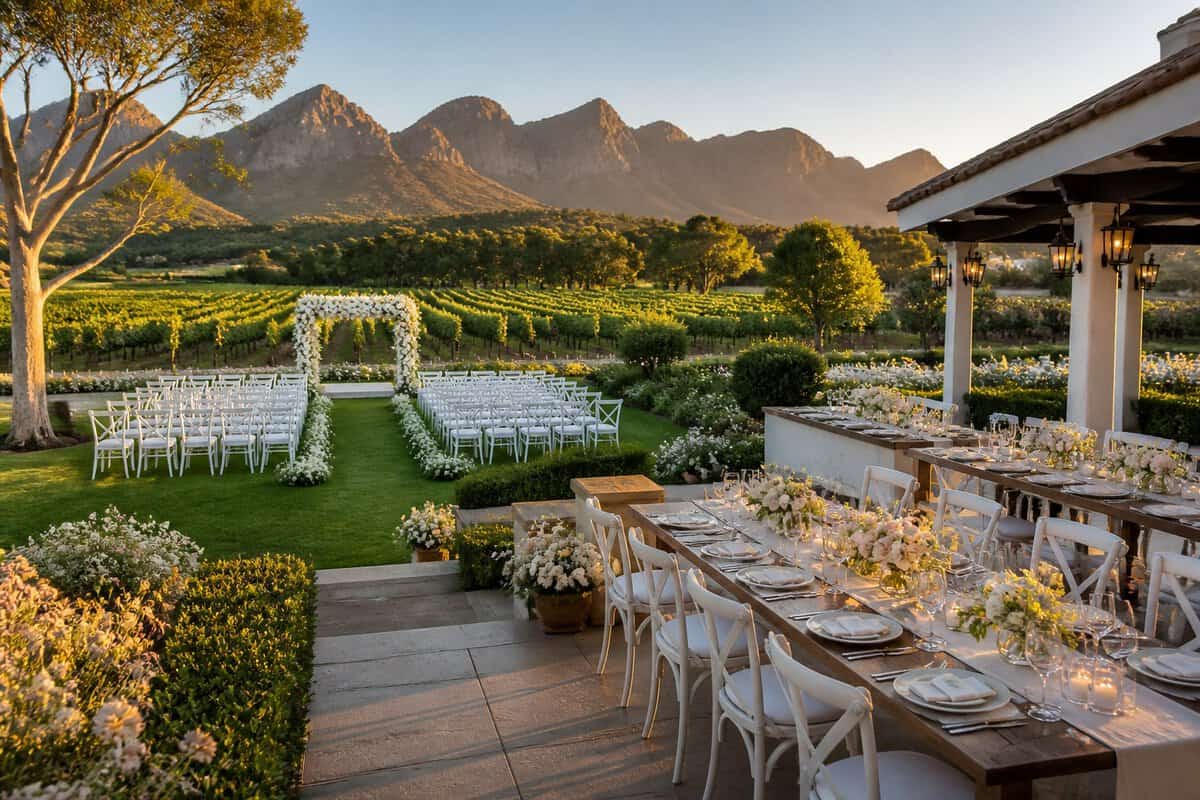
The best package gives you a clear list of inclusions, a firm pricing structure, and enough support to keep your wedding day moving smoothly. You still need to check the guest limit, supplier rules, accommodation, weather plan, and extra charges before you book.
The Western Cape gives you plenty of settings to consider, from wine estates near Stellenbosch and Paarl to coastal venues around Cape Town. Compare full quotes with your guest list and preferred date, then contact your shortlist to request a detailed package and arrange a visit.
What Does an All-Inclusive Package Usually Include?
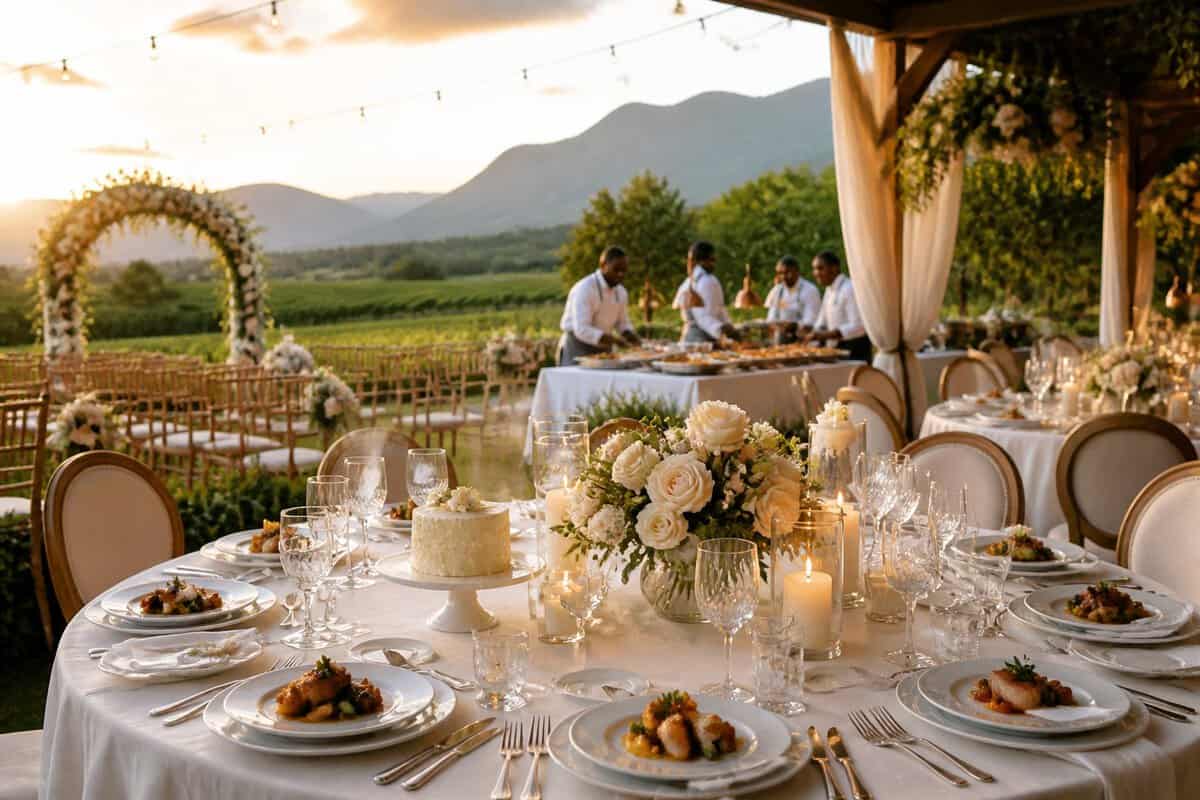
An all-inclusive package usually covers the main venue hire, reception setup, catering, selected drinks, coordination, and basic décor. Each wedding venue sets its own limits, so read the inclusion list line by line before you compare prices.
Venue Hire, Furniture, and Core Reception Equipment
Venue hire may cover the ceremony area, wedding reception space, preparation rooms, parking, and access for setup. Check how many hours you receive and whether early access or next-day cleanup costs extra.
A package may provide tables, chairs, glassware, silver cutlery, linens, a dance floor, and a table runner. Ask whether the venue handles setup and breakdown, and confirm the size and style of each item.
Food, Drinks, and Service Staff
Catering may include canapés, a starter, a main course, dessert, tea, coffee, and service staff. Some menus use seasonal ingredients and allow you to choose from set options.
Drinks may cover water, soft drinks, wine with the meal, champagne for the toast, and a bar service period. Confirm whether pre-drinks, a cocktail hour, spirits, corkage, and extra service time appear in the quote.
Ask how the team handles allergies, children’s meals, and vegetarian or vegan guests.
Planning Support and On-the-Day Coordination
Wedding planning support can include a venue coordinator who helps with the layout, supplier schedule, menu choices, and timeline. On-the-day coordination may cover vendor arrivals, ceremony transitions, meal service, speeches, and the reception close.
Some venues include a marriage officer, while others ask you to arrange one separately. Confirm who manages the legal ceremony, required documents, rehearsal, and signing.
Décor, Flowers, and Entertainment
Basic décor may include candles, standard linens, table numbers, and a selected color palette. Flower inclusions can cover seasonal flowers, the bridal bouquet, boutonnieres, ceremony arrangements, and confetti.
Ask whether the package includes a DJ, sound system, microphones, and dance-floor lighting. Review sample décor packages so you know which styling changes cost more.
How Much Should You Budget for Your Celebration?
Your wedding budget should combine venue hire, the per-person package price, guest accommodation, travel, and every selected extra. A detailed quote helps you compare wedding packages on the same basis.

Understanding Venue Fees and Per-Person Pricing
Some venues charge a fixed venue hire fee plus catering per guest. Others offer an all-inclusive package with one price per person and a minimum guest count.
Ask for a quote based on your expected attendance, then request the price for a smaller and larger guest list. A venue with a lower hire fee may become more expensive after furniture, staffing, food, and equipment are added.
Review how much should you budget per person for a wedding before setting your guest target. Keep a separate reserve for photography, attire, transport, stationery, and accommodation.
Common Extras That Can Change the Final Quote
Common additions include pre-drinks, a longer cocktail hour, premium wine, spirits, late-night food, cake cutting, corkage, extra flowers, upgraded furniture, and lighting. Overtime, cleaning, security, generator use, and delivery fees also deserve a place on your cost sheet.
Ask for taxes, service charges, deposits, cancellation terms, and payment dates in writing. Confirm whether the quoted price applies to your wedding date and whether the venue requires a minimum spend.
When a Weekday or Winter Date Offers Better Value
A weekday or winter date may bring a lower venue hire fee, smaller minimum spend, or added inclusions. Ask about indoor ceremony options and rain plans before you choose a date during the cooler or wetter months.
You can also compare Friday, Sunday, and midweek rates. If guests travel from far away, calculate accommodation and transport before deciding that a lower venue price saves money.
Choose a Setting That Fits Your Wedding Vision
The Western Cape lets you choose between vineyard landscapes, city spaces, gardens, coastal views, and countryside retreats. Select the setting according to your ceremony style, guest travel, photos, and weather needs.
Wine Estate Celebrations in the Cape Winelands
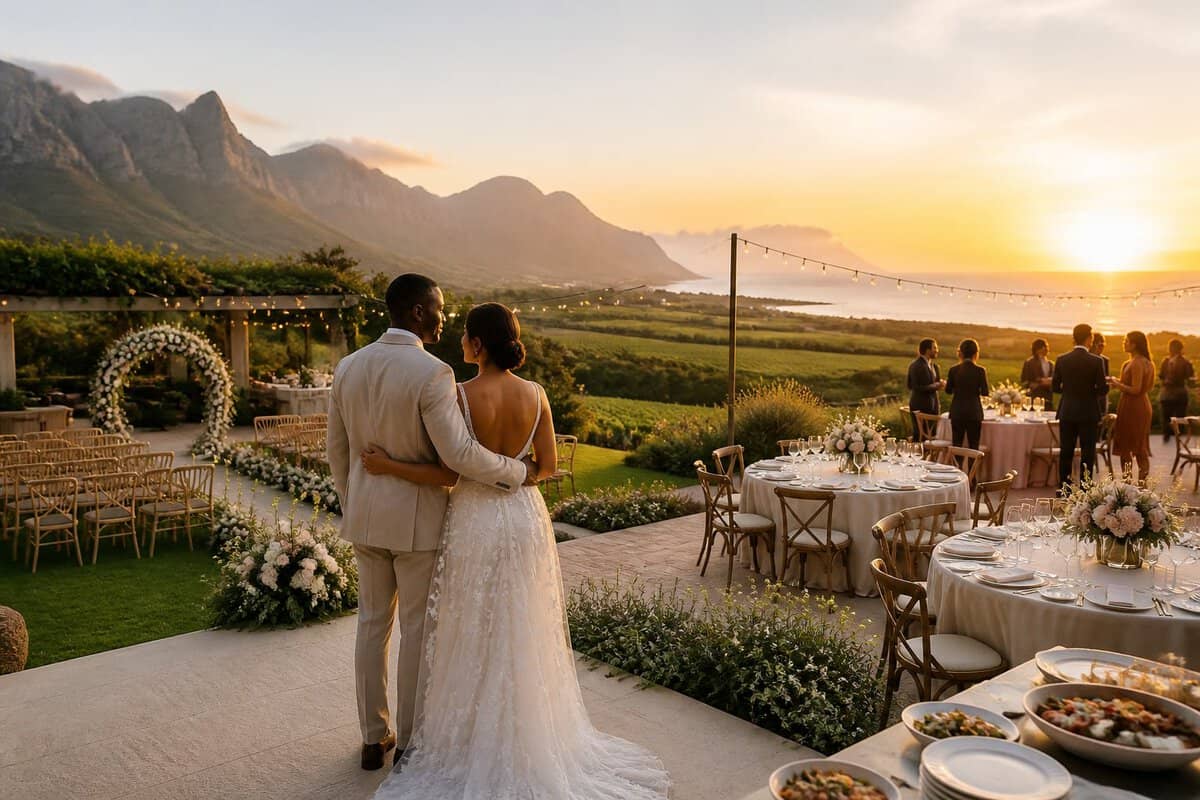
Wine estates in Stellenbosch and Paarl suit couples who want vineyard rows, mountain scenery, polished dining, and local wine. The Cape Winelands also offers historic buildings, courtyards, cellar spaces, and outdoor ceremony lawns.
Ask about tasting appointments, wine service, transport between ceremony and reception areas, and noise restrictions. A venue with a strong rain plan gives you more confidence when you choose an outdoor ceremony.
Cape Town City, Garden, and Coastal Venues
Cape Town venues place you near hotels, airports, restaurants, and attractions. Gardens can provide a calm ceremony setting, while coastal venues offer views of the Atlantic Ocean and easy access to city services.
If you want a city backdrop, ask whether Table Mountain is visible from the ceremony and reception areas. Coastal celebrations need a plan for wind, temperature changes, guest comfort, and sound limits.
Rustic Barns, Bomas, and Countryside Retreats
Rustic barns create a relaxed setting with timber details, open beams, and flexible dining layouts. A boma or countryside retreat suits an evening celebration with firelight, outdoor dining, and a more private feel.
Check road access, lighting, parking, restrooms, power supply, and mobile reception. Ask how far guests must travel from nearby accommodation and whether a shuttle service is available.
Match the Venue to Your Guest List and Overnight Plans
Choose a venue whose capacity, accommodation, and layout suit your guest list from the start. This approach helps you plan a comfortable wedding reception and gives traveling guests a clear place to stay.
Small Weddings, Elopements, and Larger Receptions
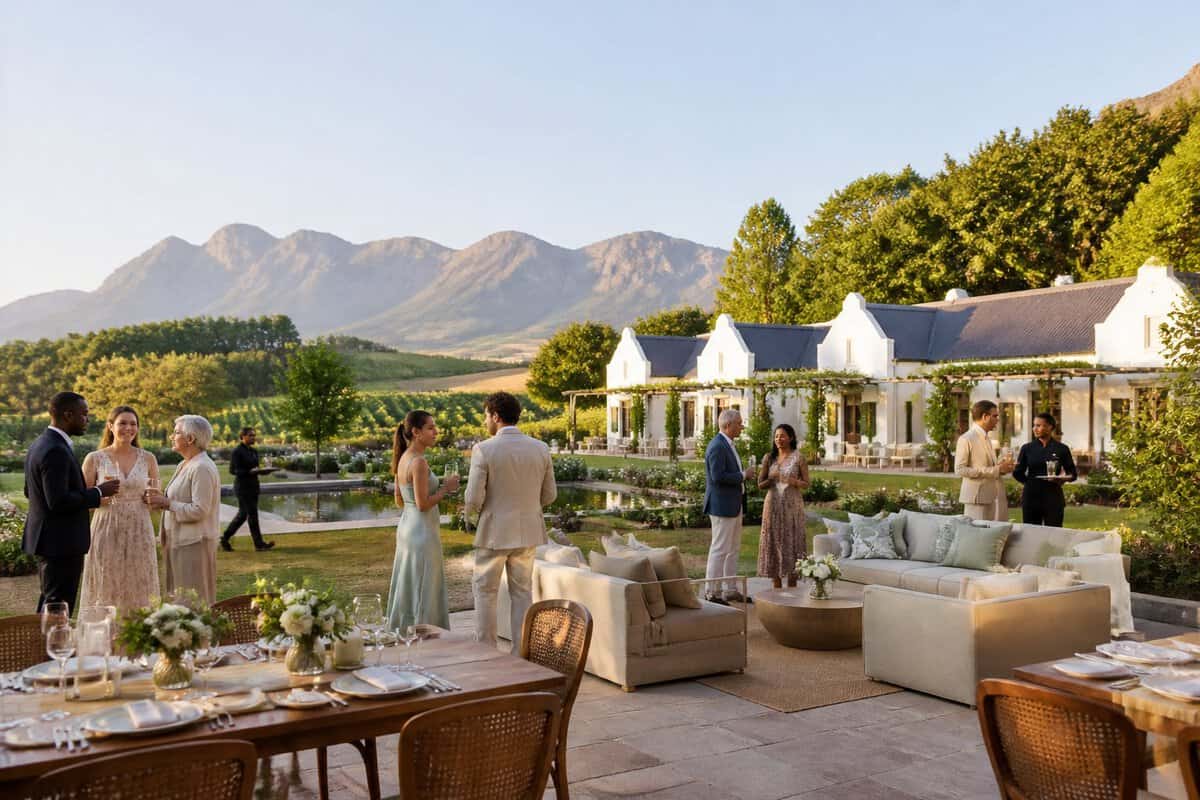
Small weddings and elopements work well in intimate gardens, lodges, private dining rooms, and compact wine estates. Ask whether the venue offers a smaller package with no large minimum guest count.
Larger receptions need enough space for dining, dancing, buffet or plated service, restrooms, parking, and weather backup. Confirm the maximum seated capacity with your preferred floor plan, since a room may hold fewer guests once you add a dance floor and stage.
For more ideas, review these tips for choosing the perfect venue for a small wedding.
Bridal Suites, Honeymoon Stays, and Guest Accommodation
A bridal suite gives you a private place to get ready, store personal items, and take a short break. A honeymoon suite can extend the celebration after your wedding reception.
Some venues include rooms, cottages, cabins, or nearby lodging in selected packages. Ask about the number of beds, accessibility, check-in times, breakfast, children, transport, and extra-night rates. For a destination wedding, share accommodation details with guests early.
Exclusive Use and Weather-Ready Indoor-Outdoor Spaces
Exclusive use gives you more privacy and control over guest movement, music, setup, and access to shared areas. Confirm the exact spaces included and whether another event can take place nearby.
A weather-ready venue should offer a practical indoor backup with enough seating, catering access, power, restrooms, and space for dancing. Ask when the final weather decision is made and who pays for a tent, heaters, flooring, or a room change.
Questions to Ask Before You Sign the Contract
Ask for a complete written package that names every inclusion, charge, deadline, supplier rule, and weather responsibility. Your venue coordinator should answer these questions before you pay a nonrefundable deposit.
What Is Included, and What Is Charged Separately?
Ask whether the quote includes venue hire, furniture, glassware, silver cutlery, linens, catering, drinks, staffing, cleaning, setup, breakdown, and coordination. Request quantities, service times, menu choices, and upgrade prices.
Ask about pre-drinks, cocktail hour, corkage, cake service, overtime, security, generators, transport, accommodation, and taxes. Compare the final total with the advertised package price.
Can You Use Your Own Suppliers and Bring Your Own Wine?
Ask whether you must use the venue’s caterer, DJ, florist, photographer, marriage officer, or planner. If outside suppliers are allowed, confirm approval rules, delivery times, insurance needs, setup access, and any supplier fees.
For your own wine, ask about corkage per bottle, storage, chilling, service, and leftover bottles. Put the agreed wine policy in the contract.
Who Manages the Timeline, Setup, and Legal Ceremony?
Confirm the name and duties of the venue coordinator and the person providing on-the-day coordination. Ask who checks supplier arrivals, directs setup, manages the reception timeline, handles speeches, and responds to urgent problems.
Confirm whether the venue supplies a marriage officer and which legal documents you need to provide. Ask who handles the ceremony rehearsal, signing table, witnesses, and backup plan if the assigned officer becomes unavailable.