
All-Inclusive Wedding Venues Xenia: A Local Planning Guide
Choosing among all-inclusive wedding venues Xenia couples love starts with one practical question: how much planning do you want handled for you? A bundled venue may combine the ceremony and reception space, food, bar service, rentals, setup, and coordination under one contract.
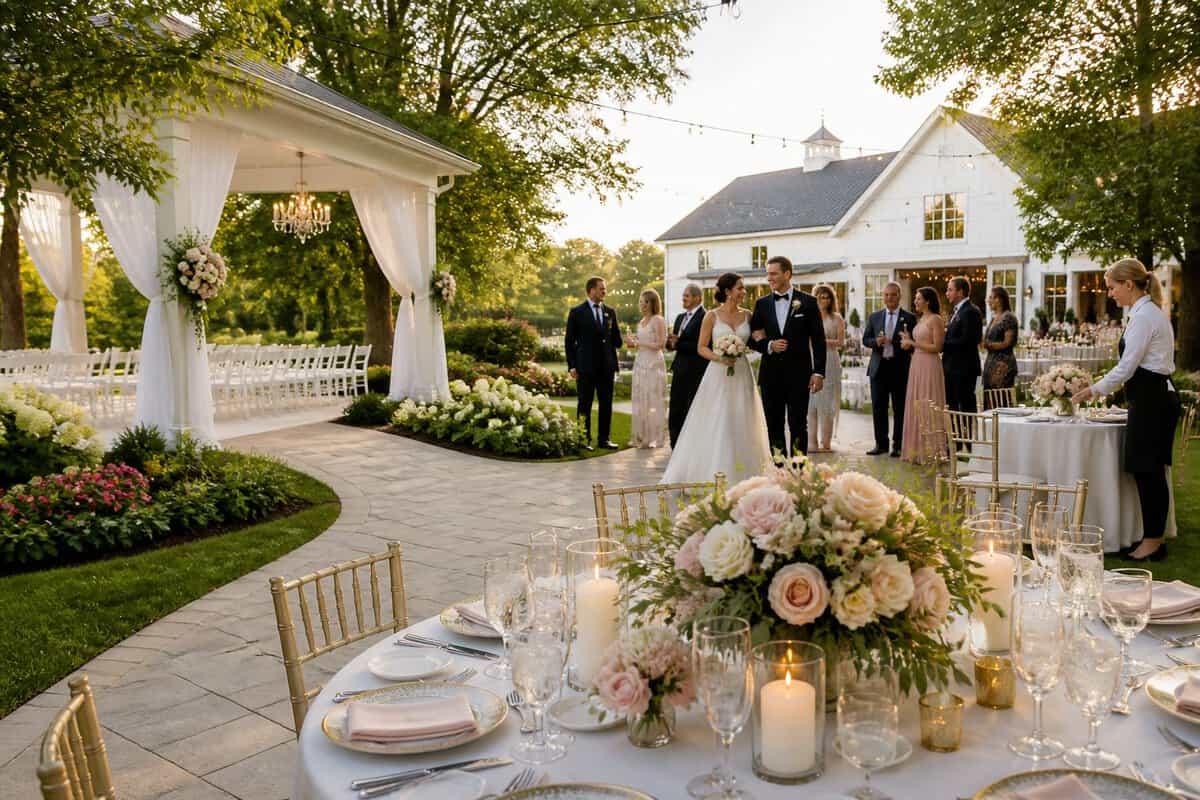
The best package gives you a clear final price, useful planning support, and enough flexibility to create a wedding that feels like yours. Xenia sits within easy reach of Dayton and other Miami Valley communities, so you can compare farm settings, historic buildings, banquet halls, and polished event centers.
Start by asking for a complete package sheet and a sample contract. If you want local help narrowing your choices, contact venues serving Xenia, Ohio, and schedule tours while your preferred dates remain open.
What Does All-Inclusive Actually Include?
An all-inclusive wedding venue usually combines the space, core reception services, rentals, and event support into one package, though each owner defines the term differently. Read the itemized proposal before you compare prices.
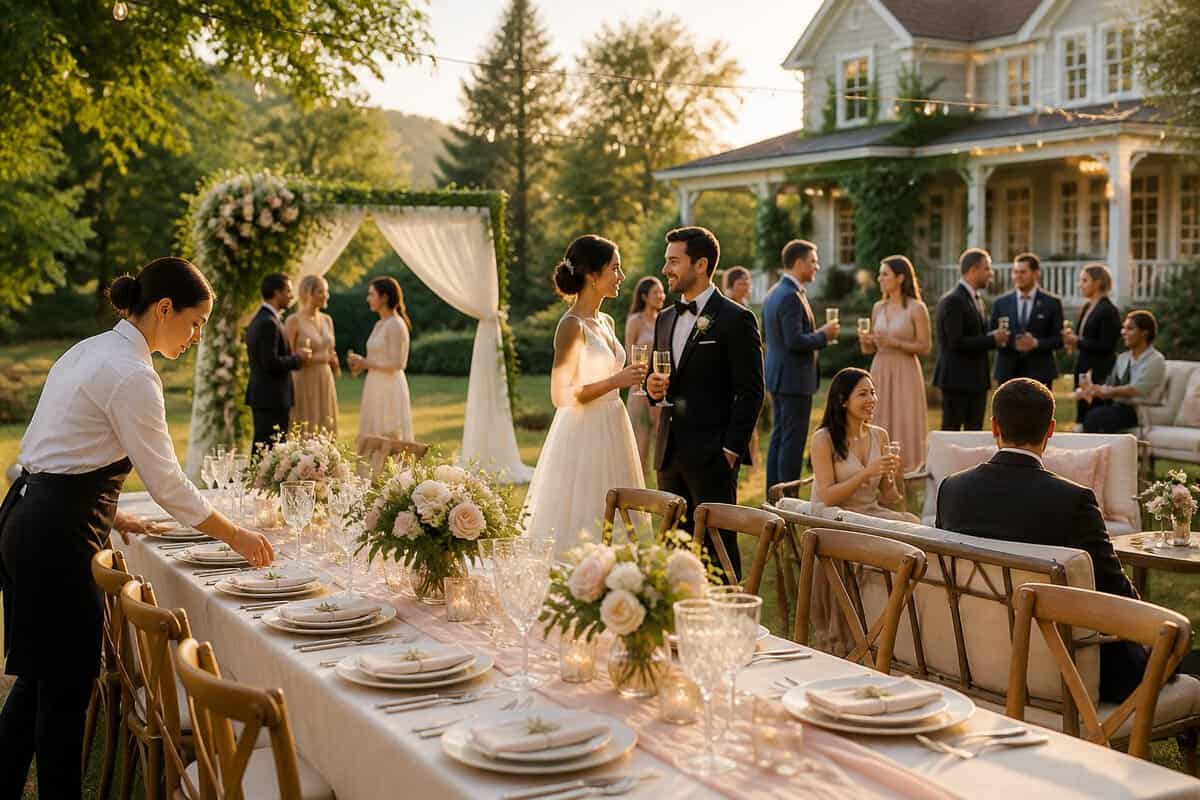
Venue Rental
The rental may cover a ceremony lawn, banquet hall, ballroom, event center, cocktail area, and reception room. Ask how many hours you receive, when vendors may arrive, and whether setup and cleanup time count toward the rental period.
A bridal suite or dressing rooms can make wedding-day preparation easier. Confirm whether those spaces are private, air-conditioned, furnished, and available for the full booking window.
Catering, and Bar Services
Packages may include appetizers, a plated meal, buffet service, dessert, cake cutting, coffee, and soft drinks. Bar terms require closer review because venues may offer beer and wine, a limited bar, or a full open bar with selected spirits.
Ask about menu tastings, dietary meals, children’s plates, late-night snacks, bartender staffing, corkage, and drink limits. Get the per-person rate for each bar upgrade in writing.
Furniture, Linens, Décor, and Lighting
Core rentals may include tables, chairs, linens, napkins, china, glassware, and basic table settings. Décor packages can add centerpieces, candles, ceremony chairs, backdrops, uplighting, or a sweetheart table.
Request photos of weddings using the standard package. Marketing photos may show upgraded flowers, specialty linens, or enhanced lighting that carry separate charges.
Planning Support and Day-of Coordination
A venue coordinator may manage the timeline, floor plan, vendor arrivals, meal service, and cleanup. Ask whether the coordinator works for the venue or serves as your personal planner, since those roles have different responsibilities.
Confirm who handles rehearsal details, ceremony cues, rain-plan changes, late vendor arrivals, and final payments. A written service list prevents gaps on the wedding day.
What May Still Cost Extra
Photography, videography, invitations, attire, flowers beyond the included décor, hair and makeup, transportation, favors, and an officiant commonly sit outside the base package. Specialty rentals, overtime, ceremony fees, premium bar service, cake upgrades, and vendor meals may also add to the bill.
Keep a separate line for taxes, service charges, gratuities, and delivery fees. Ask for a projected total after every upgrade you are considering.
Xenia-Area Venues to Compare
Xenia-area wedding venues span working farms, rustic barns, historic properties, museums, banquet halls, and flexible event spaces. Compare the setting, travel time, guest capacity, package structure, and vendor rules before you fall in love with a date.
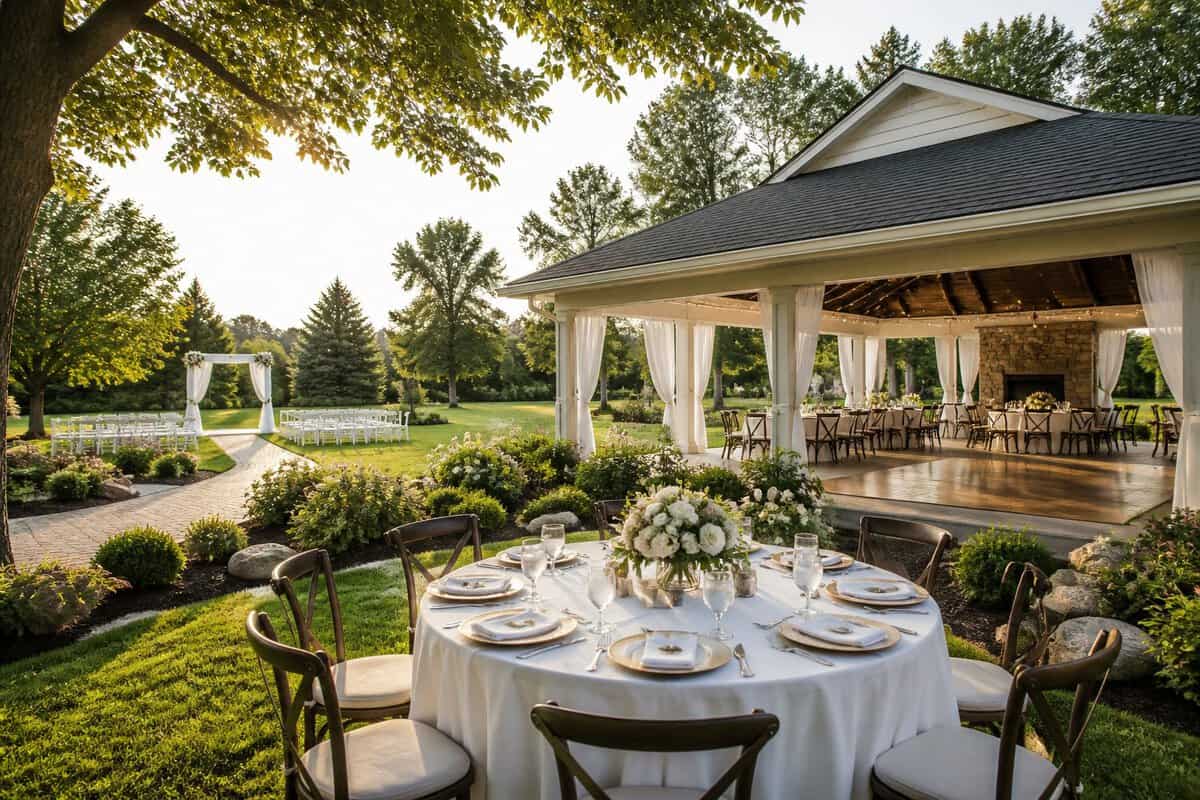
Farm and Rustic Settings Near Xenia
Farm and barn properties suit couples who want open views, timber details, gardens, or a relaxed country feel. Orchard Lane Events, Silver Creek Stables, The Estate at Sunset Farm, Canopy Creek Farm, The Bicentennial Barn, and The Pasture offer distinct ways to create a rustic wedding near the Miami Valley.
Ask about parking, restroom access, heating and cooling, accessibility, gravel paths, sound limits, and weather protection. Outdoor beauty may come with extra rentals for climate control, ceremony seating, lighting, or flooring.
Historic and Downtown Reception Spaces
Historic buildings give your reception architectural character and a strong indoor plan. The Main House Events, The Dayton Masonic Center, Bridgeport Depot, Reverie, and The Springfield Metropolis are options to compare for classic details, urban access, and formal celebrations.
Check loading access, elevator service, guest parking, getting-ready rooms, and restrictions on candles or décor attachment. A downtown address can help guests find hotels and restaurants nearby.
Modern Event Spaces and Banquet Halls
Modern event spaces and banquet halls make guest flow, catering, and weather protection easier to manage. Whispering Hearts Event Center and The Golf Club at Yankee Trace are worth comparing for reception layouts, service packages, and polished facilities.
Ask to see a floor plan at your expected guest count. A room that feels spacious during a small tour may feel crowded once you add a dance floor, buffet, bar, DJ, cake table, and guest seating.
Distinctive Venues Worth a Short Drive
A unique wedding venue can give your celebration a memorable setting when you are willing to travel beyond Xenia. The Boonshoft Museum of Discovery offers a museum setting, while The Golf Club at Yankee Trace brings country club scenery and event service. The Main House Events and The Springfield Metropolis add historic character within the wider area.
Include drive time, hotel access, shuttle needs, and guest transportation in your comparison. A distinctive site works best when its experience justifies the extra logistics.
How Much Should You Budget for a Bundled Wedding?
For 2026 planning, bundled wedding costs commonly range from about $10,000 to $60,000, with guest count, season, menu, bar service, and upgrades driving the final figure. Package pricing for core venue services may land near $62 to $132 per guest, while a full venue, food, and bar total can rise well beyond that range.
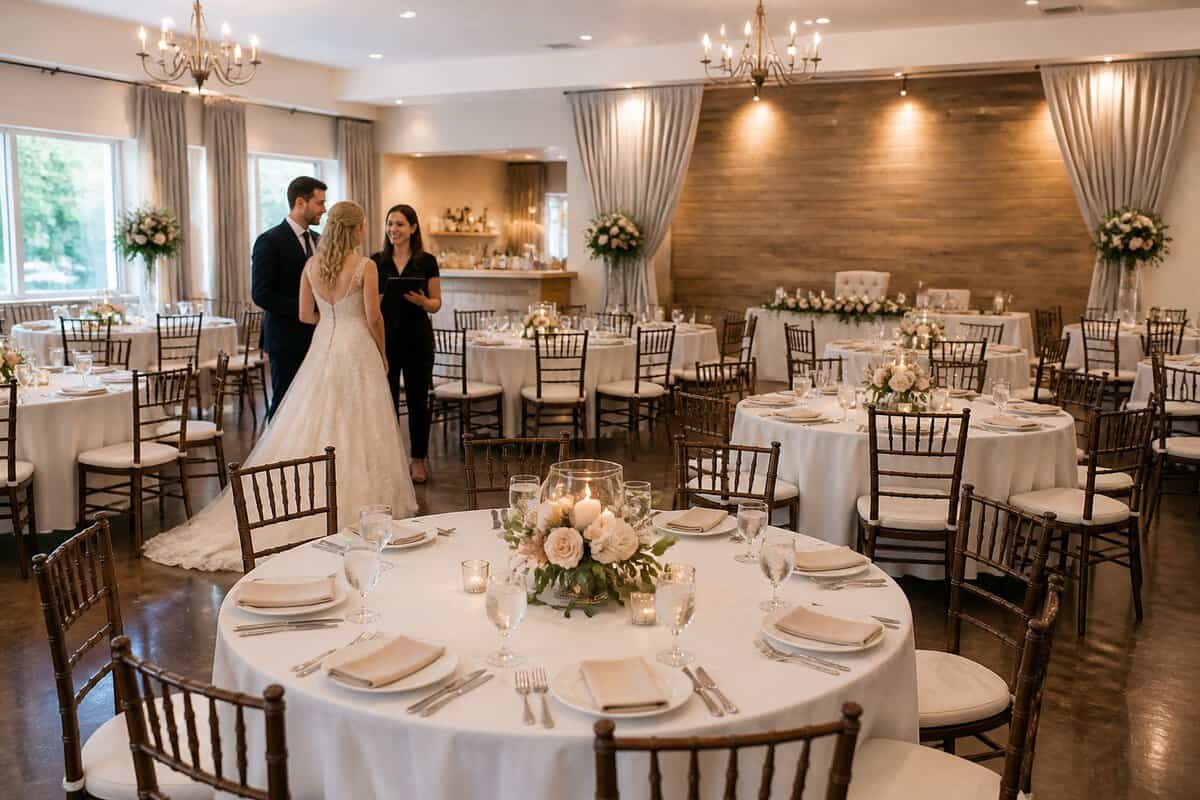
Use a wedding budget per person estimate as a starting point, then replace broad averages with written quotes from your preferred venues.
How Guest Count Changes the Final Price
Guest count affects food, drinks, staffing, rentals, cake portions, and table space. A 50-person celebration may carry a minimum spend, while a 200-person wedding increases nearly every per-person charge.
Ask whether children, vendors, and the wedding party count toward the package minimum. Confirm the deadline for your final guest count and the fee for additions after that date.
Comparing Per-Person Packages With Flat Fees
A per-person package makes food and bar costs easier to track, while a flat venue fee may offer more control over the guest list. A banquet hall, ballroom, country club, or event center may use a combination of both models.
Write down the guest count, base rental, meal rate, bar rate, rentals, and known extras in one worksheet. This lets you compare a $150-per-person offer with a $12,000 flat fee using the same assumptions.
Service Charges, Taxes, and Gratuities
Taxes, administrative fees, service charges, staffing fees, and gratuities can add a large amount to the advertised price. Ask whether the venue applies these charges to the rental, food, bar, rentals, or every package item.
Request a sample final invoice for a wedding close to your size. A sample bill shows how fees are calculated more clearly than a brochure headline.
How to Compare Two Package Quotes Fairly
Give both venues the same guest count, date season, meal style, bar level, ceremony plan, rental needs, and upgrade list. Then mark each line as included, optional, restricted, or unavailable.
Check the cancellation policy, payment schedule, overtime rate, vendor meals, cleanup duties, and rain-plan fees. The lower first quote may require more outside vendors to reach the same finished result.
Finding the Right Fit for Your Wedding Style
Your wedding style should guide the setting, package details, guest flow, and backup plan. A rustic wedding needs different logistics from a ballroom reception, even when both venues offer catering and coordination.

For help defining your look, use these wedding styling tips before touring. You will make better comparisons when you know which details you care about most.
Rustic Farm and Barn Celebrations
Silver Creek Stables, Canopy Creek Farm, and The Bicentennial Barn fit couples who want wood textures, open land, and a relaxed reception. Ask about outdoor ceremony access, muddy-weather routes, restroom trailers, heating, lighting, and power for entertainment.
Review the standard décor closely. A rustic venue may provide tables and chairs while charging separately for specialty seating, florals, draping, signage, or upgraded lighting.
Romantic Estate and Garden Weddings
The Estate at Sunset Farm supports a romantic wedding style through landscaped grounds, sunset views, and a blend of indoor and outdoor areas. Look for ceremony locations with attractive guest seating, a clear aisle, and nearby shelter.
Ask when the grounds look their best, where portraits take place, and how staff move guests indoors if weather changes. Confirm whether garden access continues during cocktail hour and reception photos.
Classic Ballroom and Country Club Receptions
The Golf Club at Yankee Trace suits a refined country club celebration, while a ballroom offers controlled lighting, formal seating, and dependable climate control. These settings work well for larger guest lists and structured meal service.
Ask about dance-floor size, ceiling height, décor restrictions, minimums, and sound limits. A bridal suite adds comfort when your wedding party needs a private place to prepare.
Indoor-Outdoor Plans With a Rain Backup
An indoor-outdoor wedding needs a complete backup plan before you sign. Confirm the alternate ceremony room, guest capacity, transition time, furniture changes, photography locations, and decision deadline.
Boonshoft Museum of Discovery, The Estate at Sunset Farm, and venues with both lawns and reception rooms deserve questions about weather procedures. A rain plan works best when it is included in the contract and priced before your invitations go out.
Touring and Booking in the Miami Valley
Touring several wedding venues across the Miami Valley helps you compare service levels, travel demands, package rules, and contract terms in person. Include Xenia, Bellbrook, Fairborn, Dayton, Miamisburg, Springfield, Oregonia, Augusta, West Chester, and Cincinnati when the guest list makes a wider search practical.
Bring your estimated guest count, target date, ceremony plan, and package priorities to every tour. Take notes on parking, restrooms, accessibility, noise, and the condition of spaces that will not appear in promotional photos.
Questions to Ask Before Signing a Contract
Ask these questions before you pay a deposit:
- What does the base package include line by line?
- Which taxes, service charges, gratuities, and staffing fees apply?
- What is the food and beverage minimum?
- How many hours cover access, setup, the event, and cleanup?
- Which vendors must you use?
- Can you bring outside caterers, desserts, florists, DJs, or bartenders?
- What happens if your guest count changes?
- What is the cancellation, postponement, and refund policy?
- Who manages the event on the wedding day?
- What happens if severe weather affects an outdoor ceremony?
Keep the answers with the proposal and contract. Verbal promises should appear in writing before you sign.
Guest Travel and Nearby City Options
Xenia offers a convenient starting point for guests connected to Dayton and nearby communities. Bellbrook and Fairborn may shorten travel for local guests, while Dayton and Miamisburg offer broader hotel and dining choices.
Springfield, Oregonia, Augusta, West Chester, and Cincinnati expand your venue search when guests already live in those areas. Estimate drive times at the ceremony and reception hours, then ask about shuttle routes, parking, rideshare access, and nearby lodging.
How to Check Availability and Vendor Rules
Ask each wedding venue for available dates, hold policies, deposit amounts, and the date when your reservation becomes binding. Confirm whether the venue hosts special events on the same day and how that affects access.
Read vendor rules for catering, alcohol, music, décor, candles, load-in, insurance, cleanup, and photography. Some venues require approved vendors or charge outside-vendor fees, while others give you broad choice with a lower level of in-house support.
When to Choose an Inclusive Package or an Open-Vendor Venue
Choose an inclusive package when you want one planning contact, coordinated service, predictable core costs, and fewer vendor decisions. Choose an open-vendor wedding venue when you have trusted professionals, a specific design vision, or a need to control each service independently.
Compare the complete cost of both paths using the same guest count and quality level. A package works well when its included services match your priorities; an open-vendor plan fits when flexibility has more value for your celebration.