
All-Inclusive Wedding Venues Yorkville: A New York Planning Guide
Yorkville, New York gives you a practical starting point for a polished wedding with fewer moving parts. All-inclusive wedding venues bundle key services into one package, helping you coordinate your ceremony, reception, meal, drinks, rentals, and venue team through a simpler planning process.
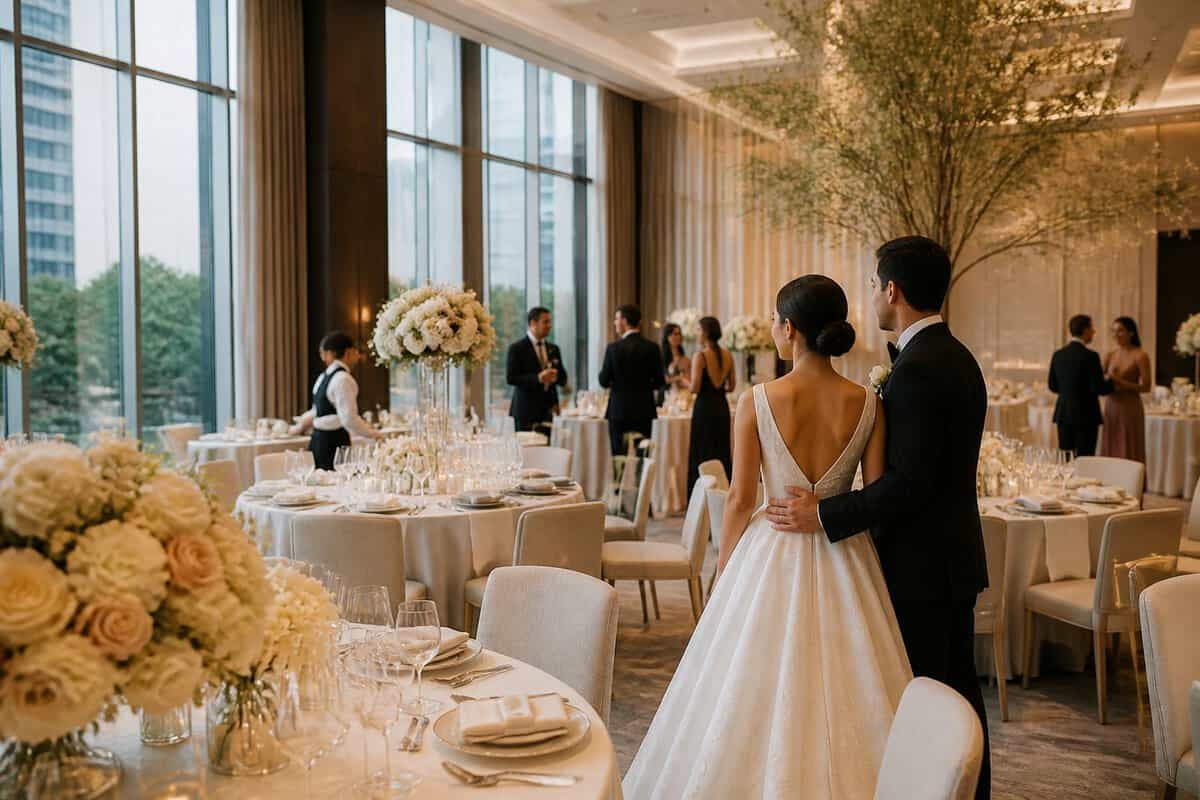
You can also widen your search to nearby Cazenovia, NY and other Central New York destinations. The best package gives you a clear price, a comfortable guest experience, and enough flexibility to match your wedding style. Before you reserve a date, ask for a complete package sheet and a written estimate that lists every fee.
Use the details below to compare venues with confidence, then contact your favorite property to request current availability and schedule a tour.
What Does an All-Inclusive Package Really Cover?
An all-inclusive package should combine the venue, catering services, bar services, basic event rentals, and on-site coordination in one clearly priced agreement.
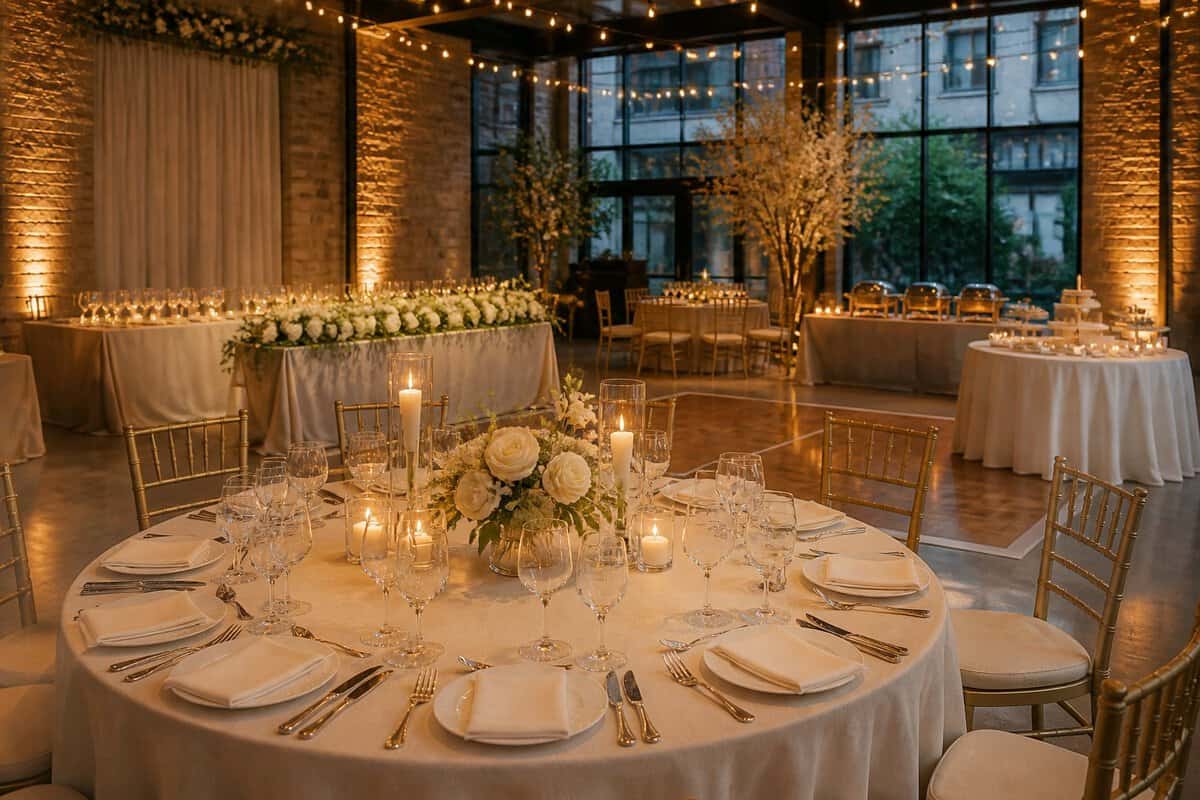
A strong package also explains who handles setup, service, cleanup, and guest support. Read the inclusions beside the exclusions so you know which choices require separate vendors or upgrades.
Included Services vs. Add-Ons
Ask whether your package includes:
- Tables, chairs, linens, china, glassware, and a dance floor
- Catering services, menu tastings, and meal service
- Bar services, beverage packages, bartenders, and a closing time
- An event coordinator and trained event staff
- A dressing room or bridal suite
- Wedding cake services
- Basic lighting, sound equipment, and wifi
- Setup, cleanup, service staff, and liability insurance requirements
Common add-ons include premium liquor, late-night food, upgraded linens, specialty lighting, floral design, custom cakes, ceremony chairs, heaters, tenting, and additional reception hours. Ask for prices per guest, per item, and per hour.
All-Inclusive vs. Select-Service and Raw-Space Venues
All-inclusive venues give you a bundled plan with fewer separate contracts. Select-service venues cover key pieces such as the room and catering while leaving several vendors for you to book. Raw-space venues provide the setting, so you arrange nearly every rental, food, staff, and production detail.
A raw space gives you broad creative control and may suit a couple with a planner and a large vendor team. An all-inclusive venue fits couples who value a shorter vendor list and a single point of contact.
Who Is Responsible for Each Wedding Detail?
Your venue coordinator manages property logistics, venue rules, room access, and the venue team. The service staff handles food, beverages, table service, setup, and cleanup when those duties appear in the contract.
You or your wedding planner remain responsible for personal décor, invitations, attire, transportation, guest communication, and outside vendors. Put every handoff in writing, including delivery times, storage, vendor insurance, and who moves décor between the ceremony and reception.
How to Compare Yorkville and Nearby Central New York Venues
Compare Yorkville properties with nearby Central New York venues by reviewing travel time, package depth, guest capacity, lodging, and date availability together.
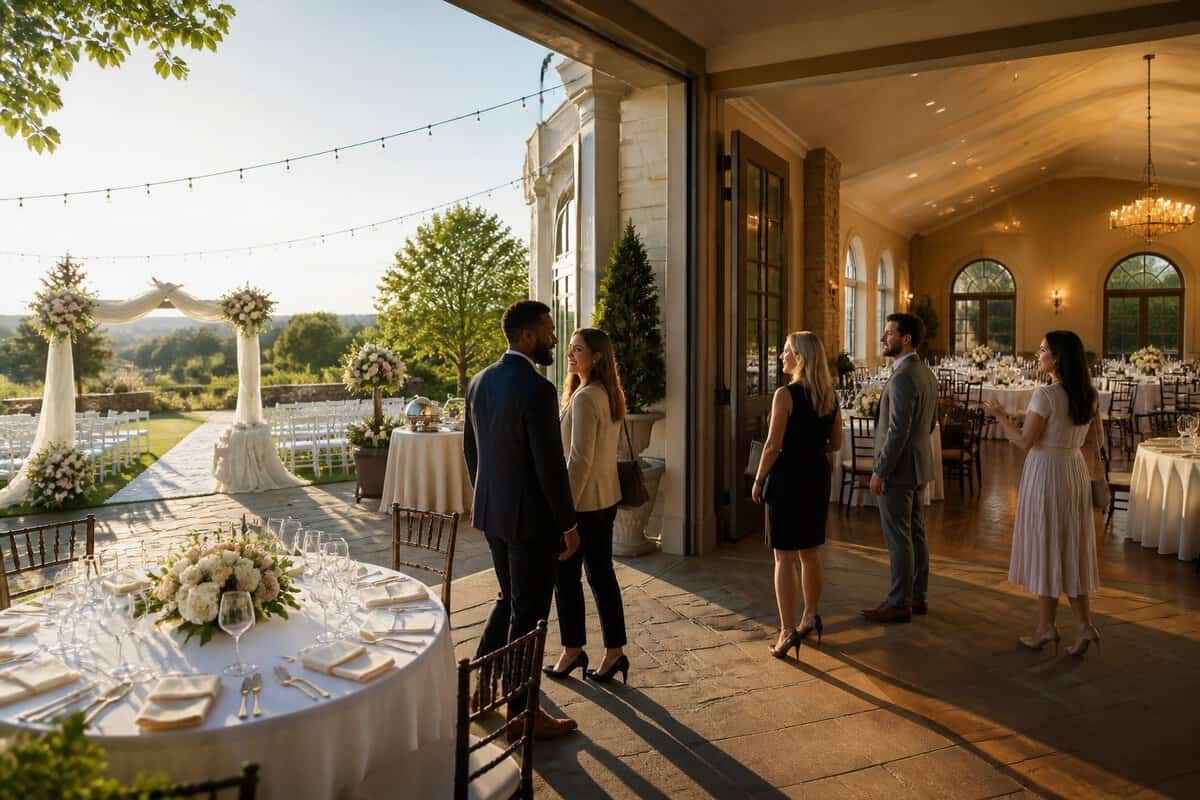
A nearby property can offer more space or a stronger package without changing your guest list. Destination resorts add guest activities and overnight convenience, while local venues may keep travel and vendor logistics easier.
Why Nearby Cazenovia Can Expand Your Choices
Cazenovia, NY gives you access to lakeside, countryside, estate, and resort-style settings within Central New York. Vanderkamp is one property to investigate when you want a scenic setting with room for a fuller celebration.
When comparing Yorkville with Cazenovia, check the drive for your guests, winter road conditions, parking, ceremony locations, and nearby lodging. A beautiful setting loses value when guests face a difficult trip or limited room inventory.
When a Destination Resort Is Worth the Drive
A destination resort earns the extra travel when your wedding includes multiple events or many guests who need lodging. Turning Stone Resort Casino, The Otesaga Resort Hotel, Mirbeau Inn & Spa, and Greek Peak Mountain Resort offer different approaches to resort-style celebrations.
You might also consider Cortland, the Finger Lakes, or venues near the Adirondack Mountains and Catskill Mountains. Compare room rates, shuttle plans, resort fees, activity options, and minimum guest counts before choosing a distant property.
How to Verify Current Packages, Capacity, and Availability
Venue packages and dates change, so request a current proposal before comparing prices. Ask each property for:
- Package inclusions and exclusions
- Saturday, weekday, and off-season rates
- Ceremony and reception capacity
- Food and beverage minimums
- Service charges, taxes, gratuities, and overtime fees
- Vendor restrictions and insurance rules
- Available dates and backup weather plans
Awards such as Best of Zola Winners or Best of Zola 2026 Winners can help you create a shortlist. Use reviews and awards as starting points, then confirm the details directly with the venue team.
Which Venue Setting Fits Your Celebration?
The best venue setting matches your guest experience, meal plans, weather needs, and desired level of service.
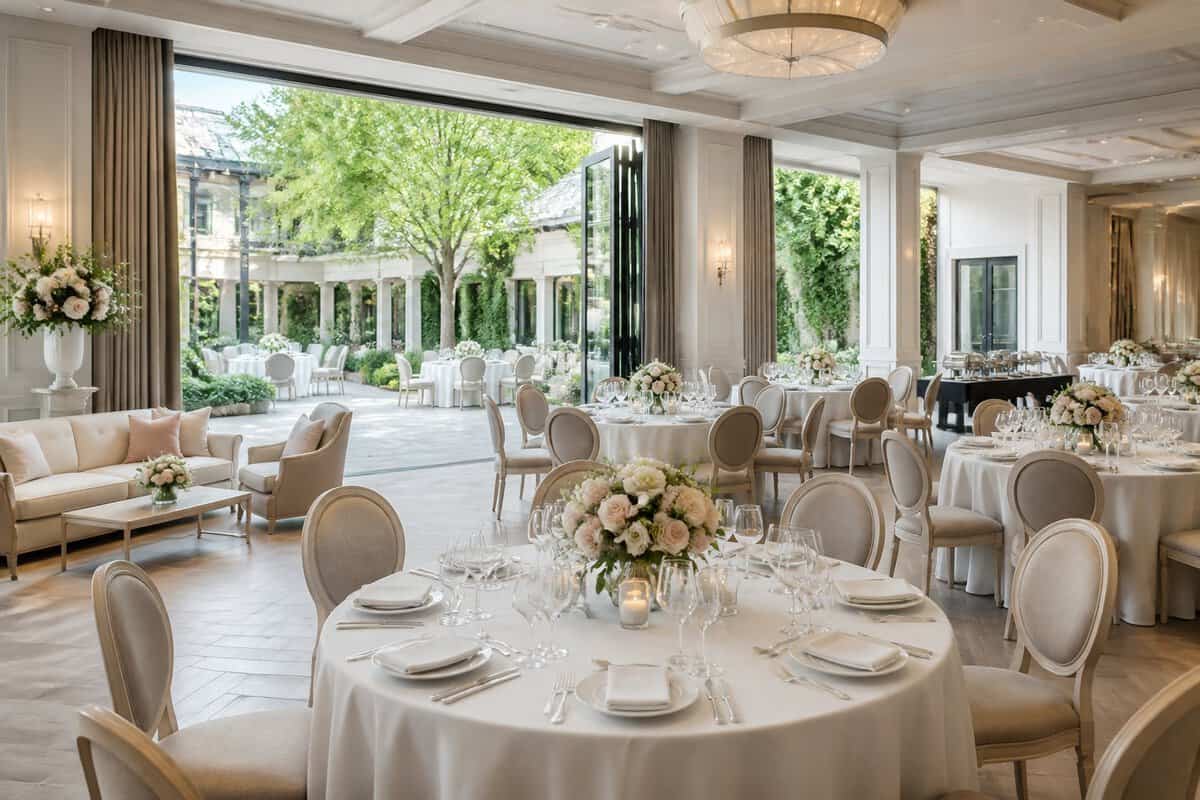
Yorkville and nearby areas give you a wide range of wedding venues, from formal ballrooms and banquet halls to barns, gardens, restaurants, and historic properties. Your preferred setting will shape the flow of the day, the décor budget, and the number of vendors you need.
Resorts, Hotels, and Country Clubs for Full-Service Ease
Hotels, resorts, lodges, retreats, and country clubs suit couples who want coordinated food, beverage, staffing, and guest services. Ballrooms and banquet halls offer dependable indoor space, climate control, built-in restrooms, and clear layouts for larger receptions.
Ask about room blocks, guest parking, elevators, noise limits, ceremony transitions, and exclusive use of the reception area. Hotels and resorts also work well when relatives travel from outside New York and need on-site accommodations.
Barns, Farms, and Ranches for Rustic Celebrations
A barn wedding venue, farm, or ranch creates a warm setting with open grounds, timber details, and space for an outdoor wedding. These properties can suit a relaxed barn wedding with long tables, string lights, lawn games, or a fire-pit gathering.
Confirm the rain plan, heating and cooling, restrooms, power supply, lighting, parking, and accessibility. Ask whether the package includes tables, chairs, tenting, catering, bar service, and cleanup because rural properties vary widely in service level.
Historic, Cultural, and Outdoor Settings
Historic estates and mansions bring architectural detail and a formal backdrop. Museums, galleries, aquariums, zoos, parks, gardens, beaches, vineyards, and wineries offer strong visual character for ceremonies and portraits.
Outdoor settings require a clear weather plan, guest transportation, restroom access, sound controls, and lighting after sunset. Ask about permits, photography rules, restricted décor, and areas that close during private events.
Restaurants, Breweries, and Wineries for Food-Forward Events
Restaurants, breweries, and wineries work well when dining and drinks lead the celebration. These venues may offer chef-led menus, private dining rooms, tasting areas, and a more intimate reception layout.
Review the menu format, beverage limits, seating plan, dance space, music rules, and private-event hours. A smaller food-focused venue can suit a cocktail-style reception or a guest list that values conversation over a large dance floor.
How Much Do Couples Need to Budget?
Your wedding budget should start with the guest count, package price, service fees, taxes, and upgrades that shape the full cost of the celebration.

All-inclusive pricing often uses a per-person rate, a site fee, or both. Build your estimate from the ceremony and wedding reception together, then add transportation, attire, photography, music, flowers, stationery, and lodging.
Building a Guest-Count-Based Estimate
Start with this basic formula:
Estimated venue total = site fee + guest count × per-person package rate + taxes and service charges
Request estimates for several guest counts, such as 75, 100, and 150. A higher guest count increases meal and beverage costs, while a lower count may trigger a minimum spend.
For broader planning, review guidance on how much should you budget per person for a wedding. Keep a separate reserve for personal vendors and unexpected changes.
Fees and Upgrades That Change the Final Total
Your final quote may change because of:
- Ceremony fees or separate room charges
- Premium bar selections and extra reception hours
- Cake-cutting, corkage, or outside-vendor fees
- Upgraded linens, chairs, lighting, or décor
- Transportation and parking services
- Gratuities, taxes, administrative fees, and overtime
- Guest room blocks or on-site accommodations
Ask whether setup, cleanup, service staff, security, and liability insurance appear in the package. Request a sample invoice so you can see how charges appear at signing and after the final guest count.
Questions to Ask Before Signing a Contract
Ask the venue:
- What is the complete price for our expected guest count?
- Which services come from the venue, and which require outside vendors?
- What deposit, payment schedule, cancellation terms, and postponement rules apply?
- When is the final guest count due?
- What happens if the event runs past the contracted end time?
- Which taxes, service charges, gratuities, and venue fees are included?
- What changes if you bring your own cake, alcohol, décor, or planner?
- How does the venue handle severe weather, vendor delays, or power issues?
Have every promised inclusion added to the contract before you pay a deposit.
Can the Venue Host Your Entire Wedding Weekend?
A venue can host your entire wedding weekend when it offers suitable spaces, overnight lodging, event staffing, transportation support, and a schedule that allows several celebrations.
Plan the full guest experience before selecting a property. Your needs may begin with an engagement party or wedding shower and continue through a welcome party, ceremony, reception, and farewell brunch.
Ceremony-to-Reception Flow
Ask how guests move from the ceremony to cocktail hour and the wedding reception. A strong layout keeps restrooms, bar service, dining tables, and the dance floor easy to reach while giving your service staff time to reset the ceremony space.
Check the rain plan, dressing room, bridal suite, portrait locations, guest parking, and accessibility. If you plan a first look or private meal, confirm where those moments fit into the event schedule.
Hosting Cultural and Multiday Events
Tell the venue about cultural traditions early. A baraat may need a safe outdoor route, music support, staging space, and a guest arrival plan. Other celebrations may require special food preparation, ceremony items, prayer space, or extended family seating.
Ask about rehearsal dinner, welcome party, couples luncheon, after party, and farewell brunch packages. Confirm whether the same coordinator and event staff support each gathering or whether separate teams and fees apply.
Guest Comfort, Lodging, and Late-Night Plans
On-site accommodations reduce travel between events and give guests an easy place to rest. Ask about room blocks, accessible rooms, check-in times, breakfast, parking, shuttle service, and nearby hotel options.
Review late-night rules before you sign. Confirm the music end time, bar closing time, after-party location, transportation schedule, and security plan. If the venue cannot host every event, create one shared itinerary with clear addresses and pickup times for each location.