
And a Wedding Questions Guide for Every Celebration
If you are searching for and a wedding questions, start with a couple-focused trivia game for a reception or shower. It gives guests an easy way to learn about the newlyweds, works across age groups, and keeps the mood light.
You can also choose the shoe game for a short, funny activity centered on the couple.
The best wedding questions invite laughter, memories, and conversation without putting anyone on the spot. Keep the wording clear, mix easy prompts with a few surprises, and match the activity to your wedding day schedule.
With a little planning, your questions become warm wedding entertainment instead of another task to manage.
Choose the Right Game for the Occasion
Choose wedding trivia for guest participation, the newlywed game for couple-focused laughs, and short prompt cards for relaxed mingling. Your event type, guest list, and available time should guide the format.
Wedding Trivia vs. the Newlywed Game
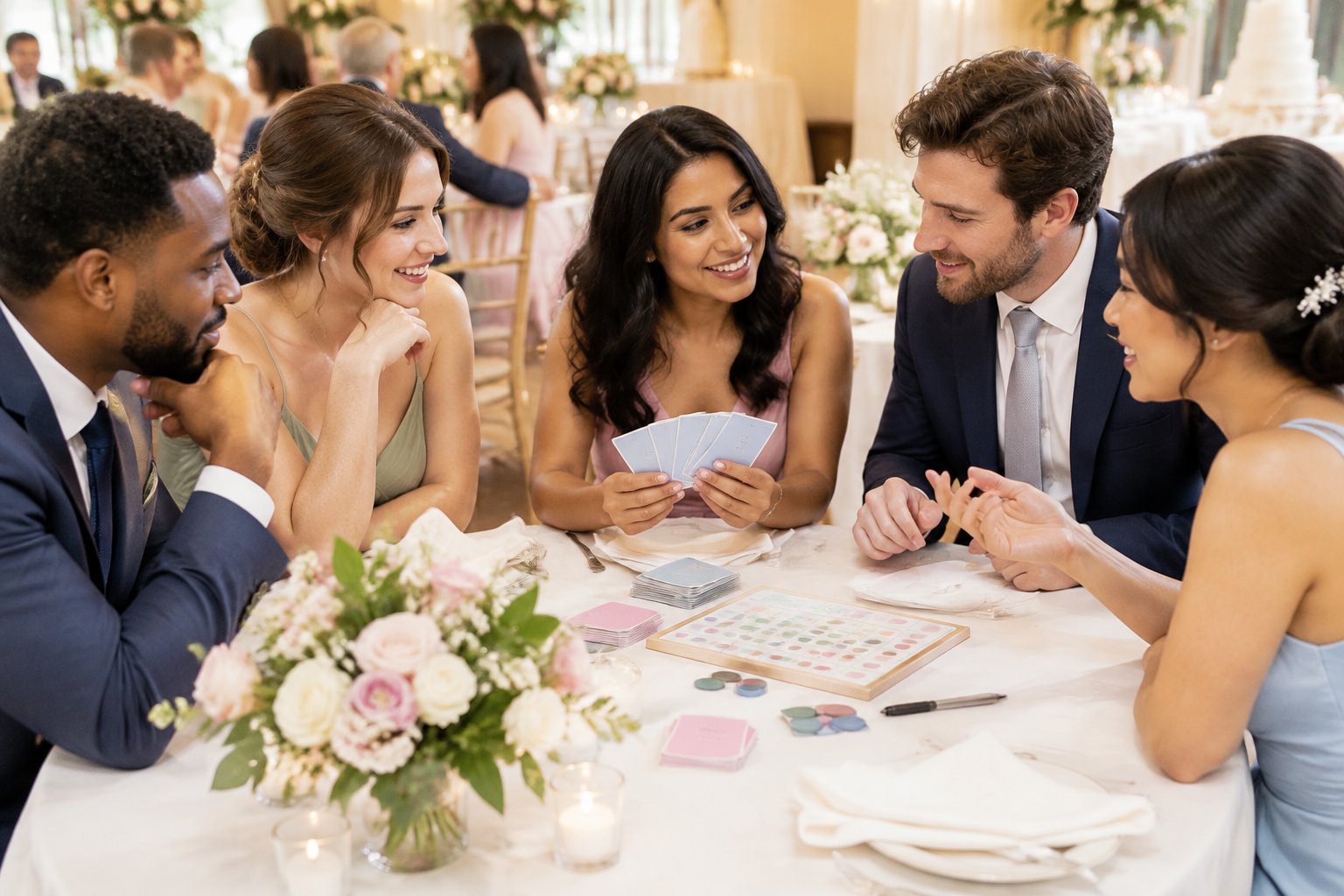
Wedding trivia asks guests questions about the couple, their story, or wedding traditions. Guests can answer alone, in teams, or by table. This format suits a wedding reception because everyone can join from their seat.
The newlywed game puts the bride and groom at the center. You ask each partner the same questions and compare their answers. Prompts such as “Who made the first move?” or “Who takes longer to get ready?” keep the focus personal and playful.
| Feature | Wedding Trivia | Newlywed Game |
|---|---|---|
| Main players | Guests or teams | Couple |
| Best setting | Reception or cocktail hour | Shower or reception |
| Length | 10 to 25 minutes | 10 to 15 minutes |
| Supplies | Cards, pens, or phones | Two chairs and answer cards |
| Mood | Social and competitive | Personal and funny |
Best Options for a Bridal Shower or Bachelorette Party
A bridal shower works well with bridal shower trivia about the couple, family memories, wedding plans, or marriage customs. Keep the questions accessible for guests who know the bride at different levels.
A bachelorette party allows more playful prompts, provided the bride approves the tone. Try “Who is most likely to plan a surprise date?” or “Which person would survive longest on a deserted island?” Let the guest of honor set boundaries before the game begins.
When to Play at the Reception or Cocktail Hour
Use cocktail hour for table cards, guest predictions, or a quick trivia round that encourages mingling. Save a live game for a pause between dinner and dancing, when guests are seated and the microphone is available.
Tell the DJ, emcee, or wedding planner the planned length. Ten to fifteen minutes keeps the activity lively and protects time for dinner, speeches, and dancing.
How to Create Questions Everyone Can Enjoy
Create questions that reveal charming details about the bride and groom while giving every guest a fair chance to participate. Use a mix of personal prompts, light humor, and traditional wedding trivia.
Couple-Story Prompts for Mixed Crowds
Choose details that close friends and newer connections can enjoy. Good wedding trivia questions include:
- Where did the couple meet?
- Who sent the first message?
- What was their first shared meal?
- Where did the proposal happen?
- Which song reminds them of their first date?
- What destination would they choose for a dream trip?
Give guests a short fact sheet to the host so every answer stays accurate. Questions about the wedding venue, favorite date activity, or honeymoon plans also help guests start conversations.
Funny but Respectful Who-Knows-Who Prompts
Keep humor focused on harmless habits and shared preferences. Ask who is more likely to sing in the car, forget where they put their keys, choose the movie, or order dessert first.
Avoid questions that invite criticism or reveal private disagreements. The bride and groom should review every prompt before the wedding. A quick approval check protects the couple and keeps the game welcoming for wedding guests.
Traditional Wedding Trivia for All Ages
Traditional wedding trivia gives older relatives and children a way to participate. Ask about the meaning of rings, common ceremony customs, wedding flowers, or the history of the first dance.
Mix simple questions with moderate ones. You might ask which hand traditionally holds a wedding ring in the United States, what a ring symbolizes, or why couples cut a wedding cake. Explain answers briefly so the game feels social instead of like a test.
Topics to Avoid
Skip questions about former relationships, money, pregnancy, fertility, family conflict, or private bedroom details. Avoid jokes about appearance, drinking, religion, or personal identity unless the couple has clearly requested that tone.
Do not force guests to share sensitive stories. Offer a pass option, let people play in teams, and provide a non-game activity for guests who prefer to watch.
Run the Shoe Game Without Awkward Moments
The shoe game works best when you use clean, couple-specific prompts, keep the round brief, and let the bride and groom approve the list first. Its simple setup makes it a practical choice for a wedding party or reception.

Simple Setup and Supplies
Place two chairs back-to-back so the couple cannot see each other’s answers. Each person holds one of their own shoes and one belonging to their partner. The host reads each prompt, and both players raise the shoe that matches their answer.
You need:
- Two chairs
- Two shoes per player
- A microphone for larger rooms
- A list of 12 to 20 questions
- A host who knows when to move on
Test the seating and microphone before guests arrive. Keep the couple’s shoes easy to identify, especially if formal footwear looks similar.
Best Shoe Game Questions
Start with easy questions and build toward fun habits:
- Who made the first move?
- Who is the better cook?
- Who takes longer to get ready?
- Who is more likely to suggest a road trip?
- Who keeps the better calendar?
- Who is more likely to cry during a movie?
- Who picks the restaurant?
- Who apologizes first?
- Who is the better dancer?
- Who will plan the next vacation?
Add one or two sentimental prompts, such as who gives the best hugs or who planned the most thoughtful surprise. Keep the full round under 15 minutes.
How to Keep the Bride and Groom Comfortable
Send the questions to both partners before the wedding and remove anything that feels private, embarrassing, or likely to create tension. Tell the host to skip follow-up jokes when the answers differ.
Invite guests to laugh with the couple, not at them. A calm host, clear pacing, and a planned ending help the game stay warm from the first question to the last.
Plan Timing, Teams, and Hosting
Plan the game around the reception schedule, give guests a clear way to answer, and assign one confident host. A wedding planner can place the activity between major moments so it feels like part of the celebration.

How Many Questions Should You Ask?
Use 10 to 15 questions for a live couple game and 15 to 25 for a table quiz. A phone-based trivia round can support more prompts because answers move quickly, though guests still need time to read each question.
Set a firm end time before you start. Ask the host to remove repeated themes and keep a few backup questions ready in case the room moves faster than planned.
Paper Cards, Table Quiz, or Live Phone Play
Paper cards suit intimate weddings and require little technology. Place one card and a pen at each table, then collect answers in a basket or have the host read them aloud.
A table quiz creates team conversation and works well during dinner. Live phone play gives you quick scoring and a visible leaderboard when guests have reliable service and feel comfortable using their phones.
Match the format to your venue. Check lighting, sound, charging access, and Wi-Fi needs during the reception walkthrough.
Who Should Host the Game?
Choose a friend, emcee, DJ, or wedding planner who can speak clearly and keep the pace moving. The host should have the final question list, correct answers, timing notes, and a signal for stopping.
Give the host a short script for explaining the rules. Ask them to pronounce names correctly, invite quieter tables to join, and hand the microphone back to the DJ on schedule.
Match the Game to Your Wedding Style
Match the questions, presentation, and pace to your wedding style so the activity feels natural beside the ceremony décor and reception plans. A polished event needs clear rules and restrained humor, while a relaxed celebration gives you room for playful prompts.
Black-Tie Wedding Etiquette
For a black-tie wedding, use elegant printed cards, neutral language, and a short hosted round. Questions about the couple’s first date, favorite travel memory, or wedding cake flavor fit a formal room.
Place the game after dinner or during a planned reception break. Keep props tidy and let the emcee introduce the activity with the same tone used for speeches and formal announcements.
Destination Wedding Icebreakers
Destination wedding questions help guests from different parts of your life connect. Ask how guests know the couple, which local food they tried, or what they hope to see during the trip.
Use welcome-bag cards, a group dinner activity, or a casual cocktail hour quiz. Include local details that guests can answer without specialized knowledge, and provide printed instructions when travel has made phone service uncertain.
Personalizing Questions With Meaningful Details
Build prompts around details from your relationship and wedding ceremony. Ask about your first look location, the story behind a ceremony reading, the meaning of a family heirloom, or the reason you chose a certain flower.
You can also connect questions to your honeymoon plans, favorite shared tradition, or wedding cake design. Confirm every answer with both partners, then give the host a pronunciation guide for names and places.
Coordinate Guest Details Before the Big Day
Share game instructions through your wedding invitations and wedding website, collect useful answers before guests arrive, and design participation around different comfort levels. Clear information supports both the activity and the rest of your guest experience.
Use Invitations and Your Website to Set Expectations
Your wedding invitations should focus on essential event details. Use the wedding website for dress code, venue directions, parking, transportation, ceremony timing, reception timing, and game instructions.
If guests need phones, tell them in advance. If you prefer paper cards, mention that participation will happen at each table. A note such as “Join us for a short couple quiz after dinner” sets a friendly expectation without making the game feel mandatory.
Collect Answers and Preferences in Advance
Use the rsvp card or website form to gather guest questions, song suggestions, table-team names, and accessibility needs. Ask permission before using a guest’s submitted story during the reception.
Coordinate answers with the guest list and seating arrangements. Keep dietary restrictions, transportation needs, and open bar details with your planning notes so the game never interrupts meal service or creates confusion.
Make Participation Inclusive
Offer paper and verbal ways to join when your format uses phones. Let guests answer as individuals or teams, and provide a pass option for personal prompts.
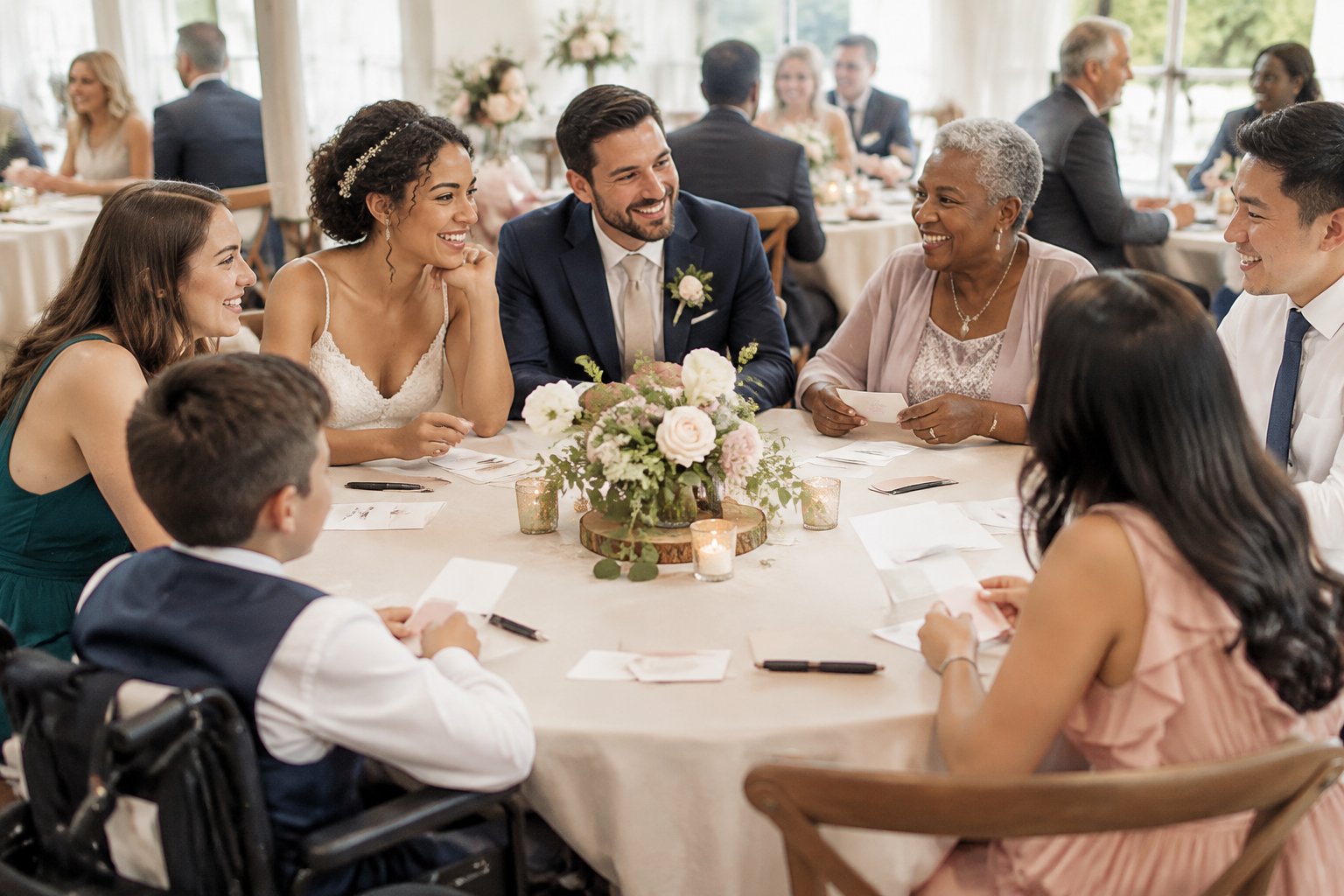
Include children, older relatives, guests with disabilities, and people who do not know the couple well. Avoid making alcohol a requirement for participation.
Schedule the activity around the rehearsal dinner or other events when many guests may still be traveling. Keep supplies within the wedding budget by choosing materials that fit your existing stationery and table setup.