
B and B Wedding Venues: Planning an Intimate Stay
A bed and breakfast gives you a warm setting for an intimate wedding, with overnight accommodations close to the ceremony and reception. You can host a relaxed wedding weekend in a garden, historic house, country inn, or private estate while keeping your guest list connected.
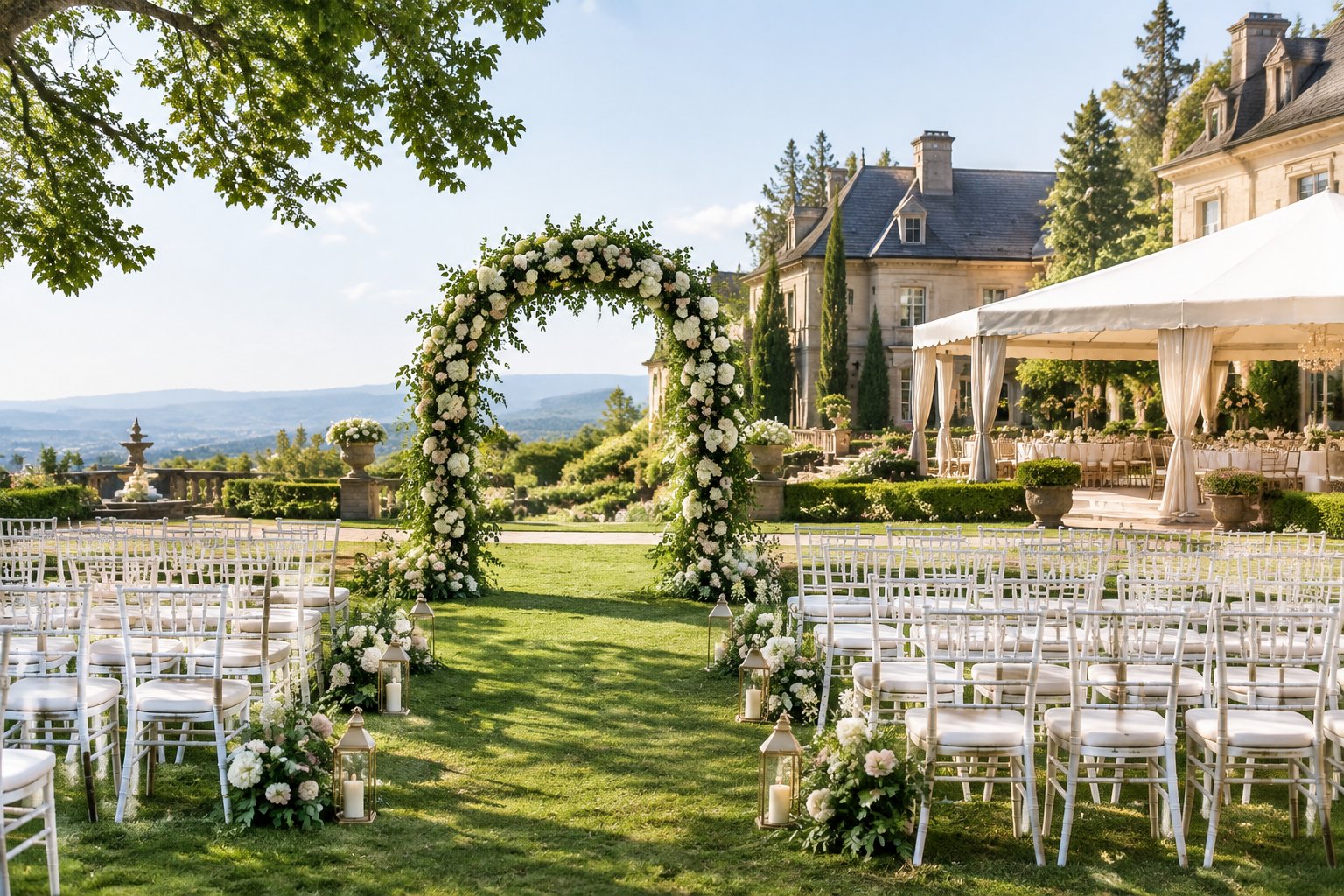
For couples planning a small celebration, B&B wedding venues offer a personal guest experience because your closest friends and family can stay, dine, and celebrate in one place. You gain a wedding venue with character, flexible event spaces, and a setting that feels more personal than a large events facility.
Start with your guest count, preferred setting, date, and total budget. Then ask each property about lodging, event rules, catering, music, accessibility, and a rain plan. If you want help comparing styles and budgets, explore these wedding venue ideas before scheduling tours.
What Makes a B&B a Strong Wedding Setting?
A B&B works well as a wedding setting because it combines overnight accommodations, shared gathering areas, and a welcoming atmosphere for a smaller celebration. You can turn the property into a retreat where guests spend meaningful time together before and after the ceremony.
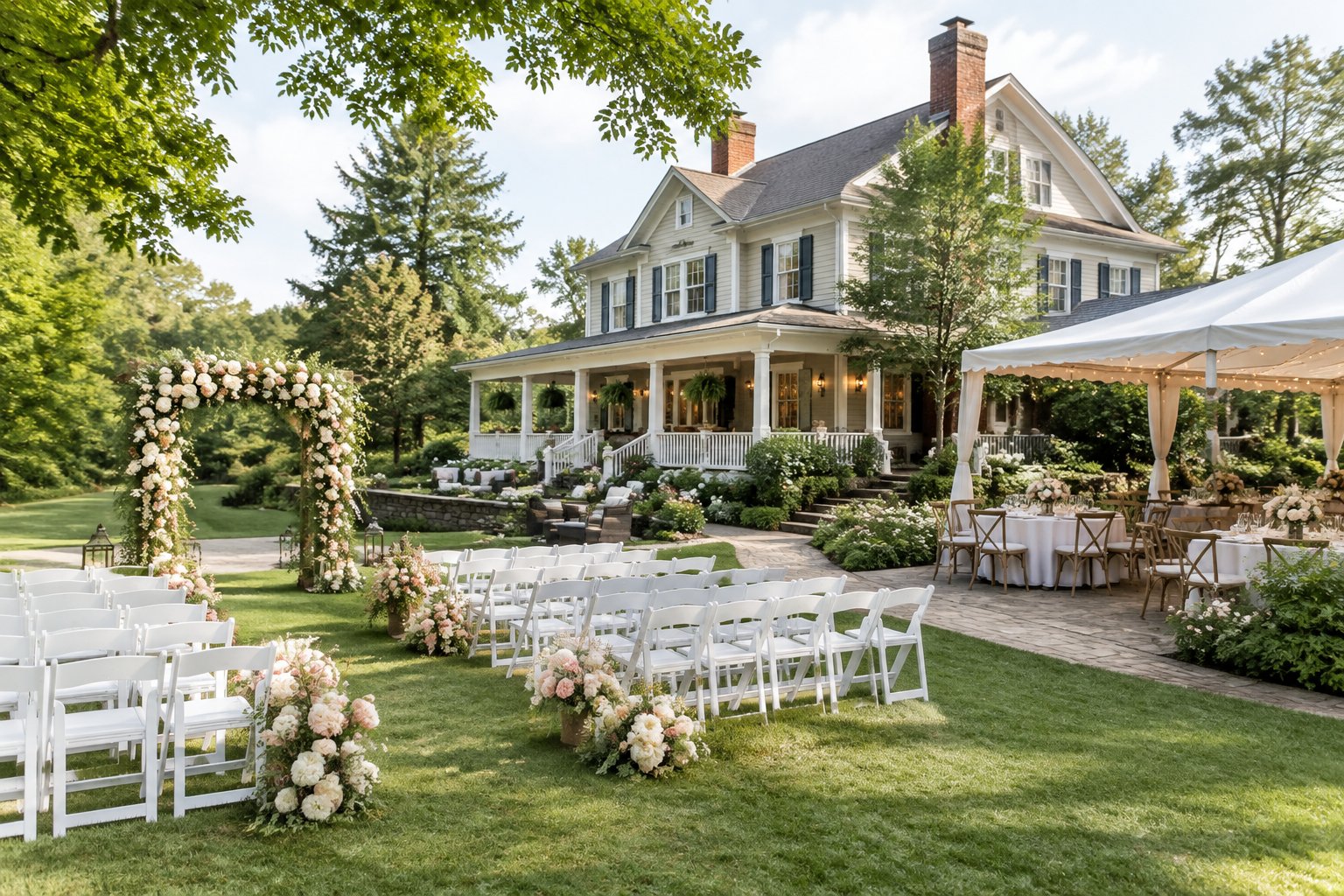
The Appeal of On-Site Guest Rooms
On-site rooms simplify the wedding weekend. Guests can arrive, check in, attend the ceremony, and return to their rooms without arranging rides between separate hotels and event spaces.
Ask how many rooms you can reserve, whether a full-property booking is available, and whether the room layout suits older guests or anyone with mobility needs. Confirm check-in times, parking, breakfast service, quiet hours, and the plan for guests who cannot stay on-site.
A property with shared porches, parlors, or dining rooms also gives your group space for a welcome gathering or farewell breakfast. These small moments help your event feel connected across the entire weekend.
How B&Bs Compare With Ballrooms and Banquet Halls
A ballroom or banquet hall provides a purpose-built space for larger guest counts, formal seating, and high-volume service. A B&B offers a more residential setting, with fewer guests and more connection to the property’s history, gardens, or local character.
Ask about ceiling height, dance-floor size, sound limits, restroom capacity, and vendor access. A B&B might have beautiful event spaces without the large kitchen, loading area, or staff capacity found in a dedicated events facility.
A landmark building can offer striking architecture, while an inn may provide a softer, more private flow. Compare the full guest experience, including lodging and transportation, when reviewing each option.
When a Private Home or Retreat Is a Better Fit
A private home or retreat suits couples who want full control of the guest list, schedule, and design. These properties work well for a family-centered celebration with a quiet ceremony, shared meals, and time outdoors.
Review local permits, insurance requirements, noise limits, parking, restrooms, power, and cleanup duties before signing. Some private properties welcome events, while others allow lodging only. Put every permission in writing.
Choose the Right Property for Your Guest Count and Style
The right property gives your guest count enough space to move comfortably while matching the mood you want for the wedding ceremony and reception. A garden, farm, country inn, or indoor hall can each support an intimate wedding when the layout and rules fit your plans.
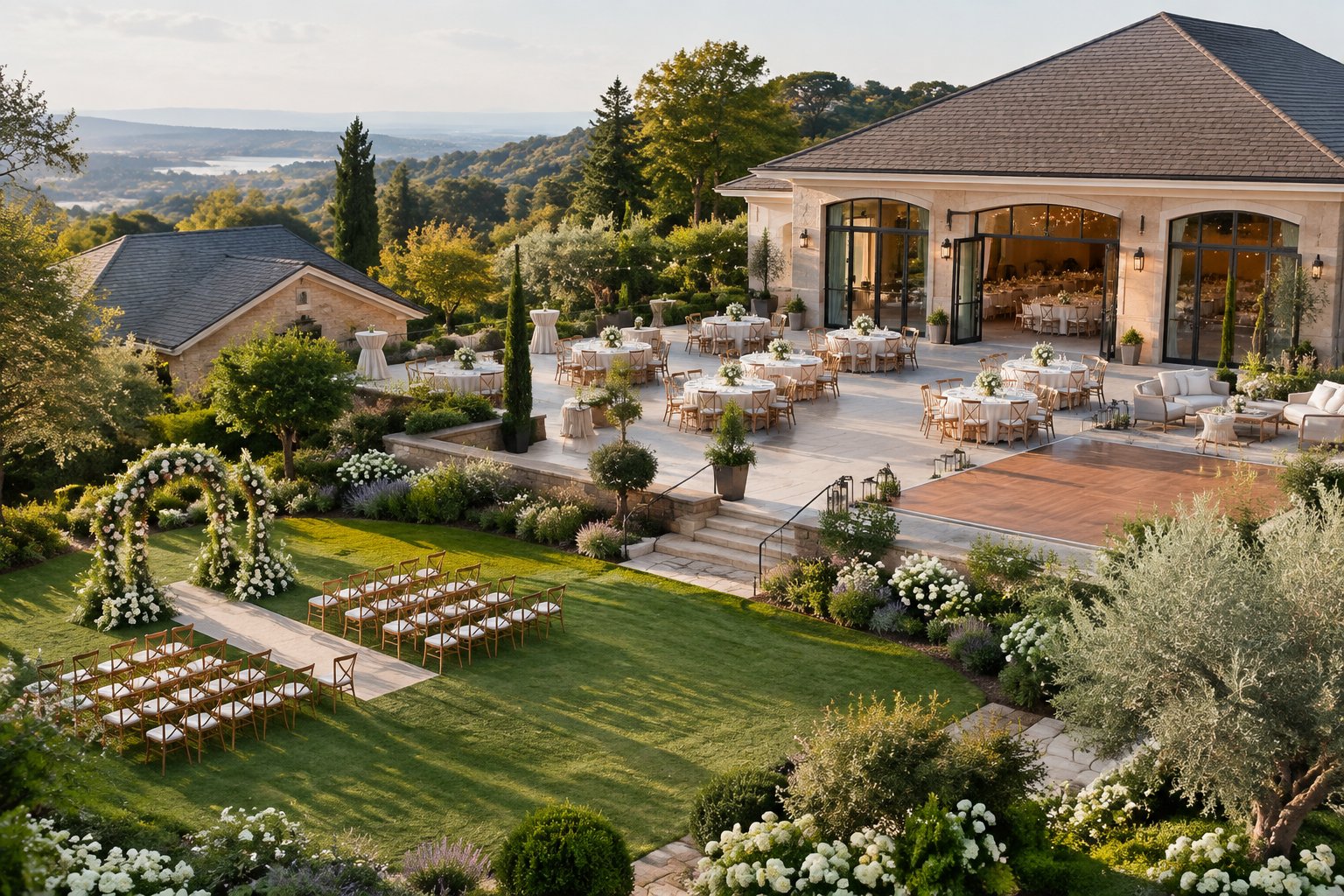
Garden and Outdoor Ceremony Options
A garden creates a natural ceremony backdrop and gives you room for photographs, cocktails, and outdoor dining. Walk the property during the season of your wedding to check shade, ground conditions, insects, lighting, and nearby noise.
Ask where guests will sit, how the processional will work, and whether the path is accessible. Confirm the plan for wind, heat, rain, and early sunsets. A covered terrace or nearby indoor room gives you a practical weather option.
Rustic Farms, Barns, and Country Inns
Farms, barns, and country inns suit a rustic wedding with wood details, local food, open fields, or relaxed dress. Check the distance between the ceremony, reception, parking, and guest rooms. Uneven ground, gravel, and long walks affect footwear and accessibility.
Ask whether the property has heating, air conditioning, restrooms, lighting, and enough power for a band or DJ. Clarify rules for candles, vehicles, pets, fireworks, and amplified music.
Indoor Spaces and Rain Plans
An indoor backup needs enough room for ceremony seating, dining, dancing, and vendor setup. A narrow parlor might work for vows but feel cramped once tables and a dance floor are added.
Request a floor plan with your expected guest count. Confirm when you must make the weather call, who moves the furniture, and whether the backup room carries an extra fee. Tour the indoor space in person so you can judge sound, temperature, light, and access.
Best Fits for Micro Weddings
Micro weddings pair well with properties that host a small number of guests and provide attractive shared spaces. A private dining room, garden terrace, library, or covered porch can give your group a complete experience without filling a large hall.
Ask for a layout designed for your exact count. You want enough space for dinner, conversation, music, and photographs while keeping the setting warm. Review tips for choosing the perfect venue for a small wedding as you compare floor plans.
How Much Do B&B Wedding Venues Cost?
B&B wedding venue cost varies with location, season, guest count, lodging, rental time, and included services. Compare the complete quote, including event fees, rooms, catering, rentals, taxes, service charges, and overtime.
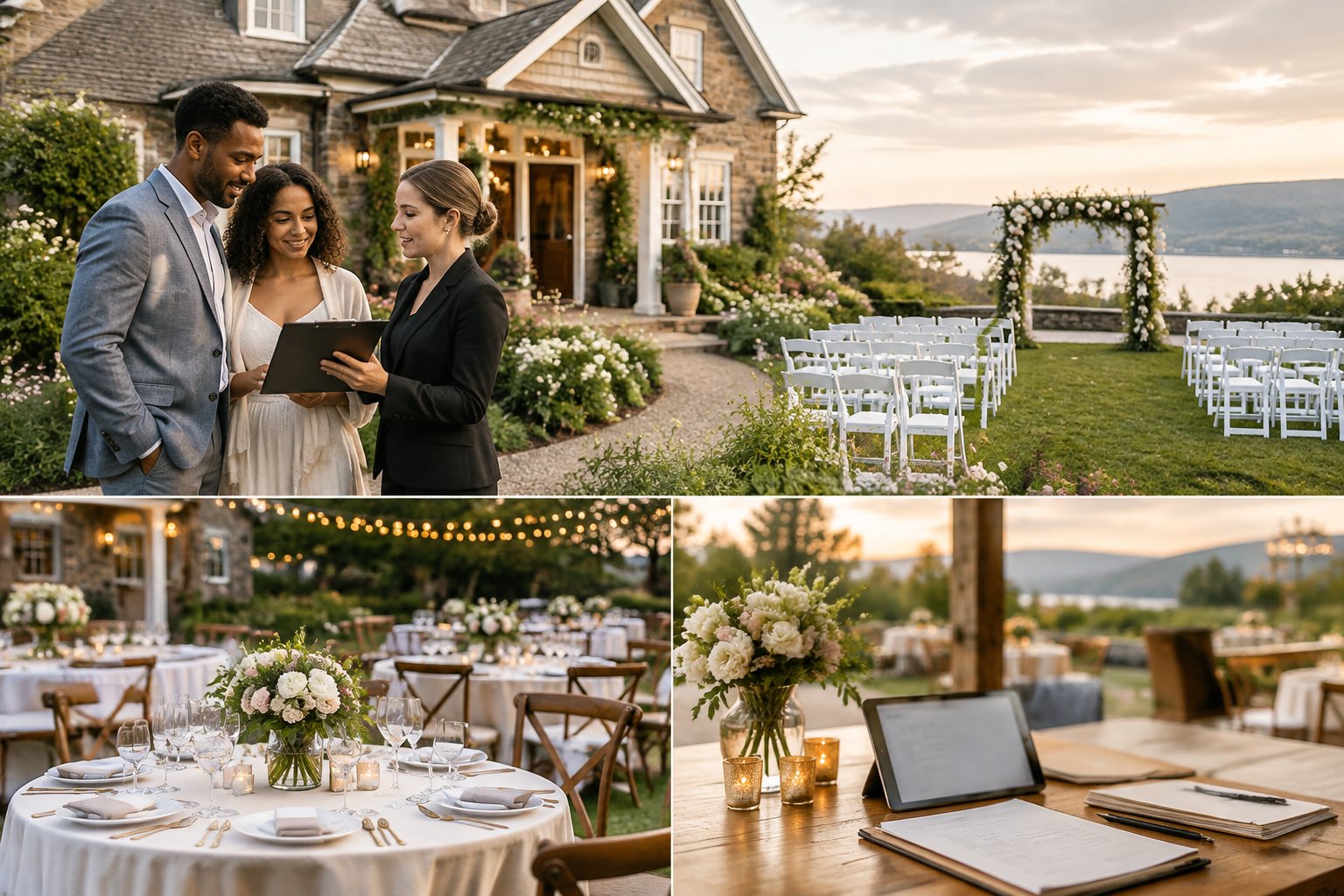
What Wedding Packages May Include
Wedding packages can bundle the ceremony site, reception space, tables, chairs, linens, food, bar service, coordination, and guest rooms. A smaller package might cover only the ceremony and a meal, while a weekend package includes multiple gatherings.
Request an itemized list for every package. Ask whether the price is based on a minimum guest count, room block, food-and-beverage spend, or exclusive property use. A package with fewer line items can make planning easier, though you still need to check its limits.
Rental Rates, Event Fees, and Hidden Costs
Rental rates may cover a set number of hours, one room, or the entire property. Additional event fees can include setup, cleanup, ceremony seating, rehearsal access, security, heating, parking, cake cutting, and overtime.
Ask for these details in writing:
- Deposit amount and payment schedule
- Cancellation and postponement terms
- Setup and breakdown windows
- Tables, chairs, linens, lighting, and sound equipment
- Service charges, taxes, and gratuities
- Guest room minimums and lodging taxes
- Music curfew and overtime rates
Use an itemized quote to compare properties fairly. A lower site fee can grow after you add rentals and required services. For broader planning context, review what do most wedding venues cost.
Catering and Vendor Policies
In-house catering may include menu planning, staff, china, glassware, cake service, and bar options. Ask about tasting fees, dietary needs, children’s meals, late-night food, and the service charge.
Some properties require approved caterers or charge a fee for outside vendors. Confirm whether you can bring your own alcohol, cake, florist, planner, DJ, or rentals. Request insurance requirements and delivery instructions before booking vendors.
Airbnb and VRBO Alternatives to Traditional Inns
Airbnb and VRBO properties offer privacy and residential character, though you need written approval before planning an event. A listing that welcomes overnight guests does not automatically allow a wedding, reception, vendors, amplified music, or extra visitors.
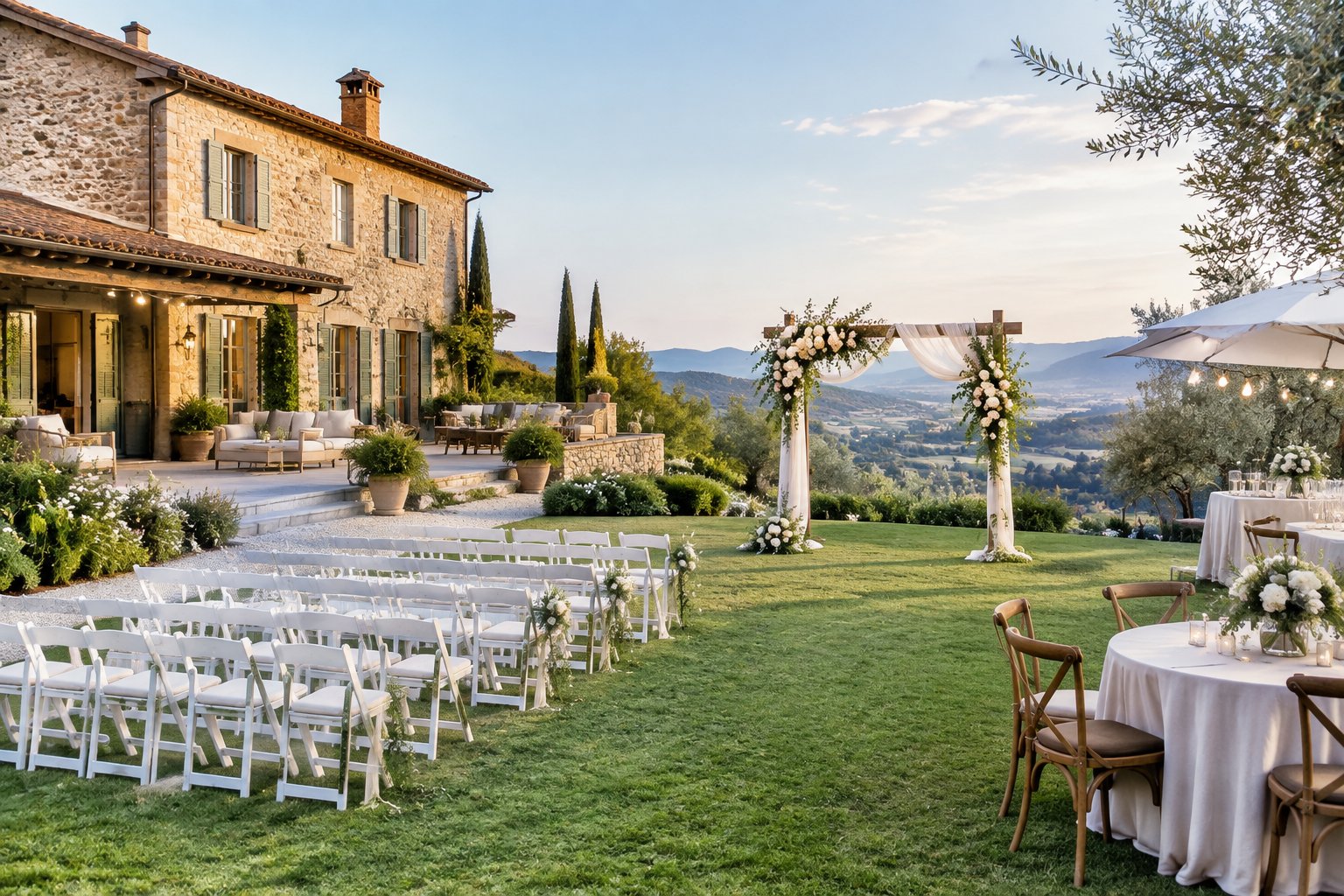
Can You Host an Airbnb Wedding?
An Airbnb wedding works only when the host and platform rules permit the event. Airbnb has rules that restrict disruptive parties and unauthorized gatherings, so contact the host before paying and describe your plans in detail.
Share your guest count, ceremony time, reception end time, vendors, rentals, music, parking needs, and overnight room count. Ask the host to confirm approval in the booking messages and contract. You can also compare the total airbnb wedding venue cost with a B&B package that already includes event support.
Why VRBO Wedding Venues Can Be Easier to Book
VRBO wedding venues can be easier to evaluate when the listing clearly states event capacity, property rules, sleeping arrangements, and host approval requirements. Whole-home rentals also give your group a private base for the wedding weekend.
Search for properties designed for events, private estates, or retreats. Check whether the listed price covers lodging only or includes an event fee. Confirm local permits, insurance, cleanup, parking, restrooms, and vendor access before you reserve.
Questions to Ask a Host Before Paying
Ask the host these questions in writing:
- Are ceremonies and receptions allowed at the property?
- What is the maximum daytime and overnight guest count?
- Are outside vendors, tents, rentals, and amplified music allowed?
- What are the quiet hours and local noise rules?
- Is event insurance required?
- Where can guests park?
- Which rooms and outdoor areas are included?
- What cleaning, damage, and overtime fees apply?
- What happens if weather changes the event plan?
A private home can create a beautiful airbnb micro wedding, though the agreement must cover the complete event. If the host cannot provide clear permission, choose a licensed wedding venue or event-ready property.
Examples of Memorable B&B-Style Destinations
Memorable B&B-style destinations pair lodging with a strong sense of place, such as gardens, historic architecture, lakes, mountains, farms, or small-town charm. Use these location ideas to shape your search, then verify capacity, event rules, and current availability with each property.
Historic and Garden-Forward Escapes
Historic inns and garden properties create a refined setting for an intimate wedding. Look for restored homes, courtyards, covered porches, stone paths, and rooms that support private dinners or welcome gatherings.
The Glass House offers an example of how a distinctive architectural setting can shape the event design. A historic property in Bremen, Alabama, can inspire a celebration built around regional character and relaxed hospitality.
Lakeview Estate suggests a different garden-forward approach, with a private estate feel and room for outdoor ceremonies. Ask whether the property supports overnight stays, exclusive use, and a reception plan that fits the grounds.
Lake, Mountain, and Rural Getaways
Rural destinations give you scenery and space for a wedding weekend. Properties near lakes, mountain towns, and working farms can support welcome dinners, outdoor ceremonies, and farewell breakfasts.
The Farm at Marshtown in Dover, Delaware, is the kind of rural setting that can guide your search for fields, farm buildings, and quiet guest time. In Fredericksburg, Texas, you can look for country inns and estates that combine local food, open land, and destination appeal.
New Hampshire offers wooded landscapes and seasonal scenery, while Sevierville, Tennessee, provides access to mountain views and getaway activities. Check travel times, nearby airports, weather patterns, and guest transportation before choosing a remote property.
Regional Examples to Inspire Your Search
Use destination examples as starting points, then search by the features you need:
- Alabama: Historic homes, garden inns, and small-town estates
- Delaware: Rural farms and properties near coastal or historic areas
- Texas: Hill Country inns, private estates, and vineyard-style settings
- New Hampshire: Mountain lodges, woodland retreats, and lakeside properties
- Tennessee: Cabin resorts, country inns, and Smoky Mountain getaways
A destination wedding works best when the property supports both the celebration and the stay. Confirm room capacity, nearby lodging, transportation, ceremony permits, catering access, and guest activities before you place a deposit.