
And O Wedding Packages: What’s Included and How to Choose
A wedding package brings key services together under one agreement, which helps you plan your day with fewer separate quotes and deadlines. For many couples, the best choice is a package that covers the venue, ceremony setup, reception meal, drinks, rentals, and an on-site contact.
For couples who want a simpler planning process, an And O wedding package is a strong starting point because it lets you review core wedding services together before adding personal upgrades. Read each inclusion carefully, compare the full price for your guest count, and ask about fees before you sign.
When you are ready to explore your options, contact the And O wedding team to discuss your date, guest list, and preferred celebration style.
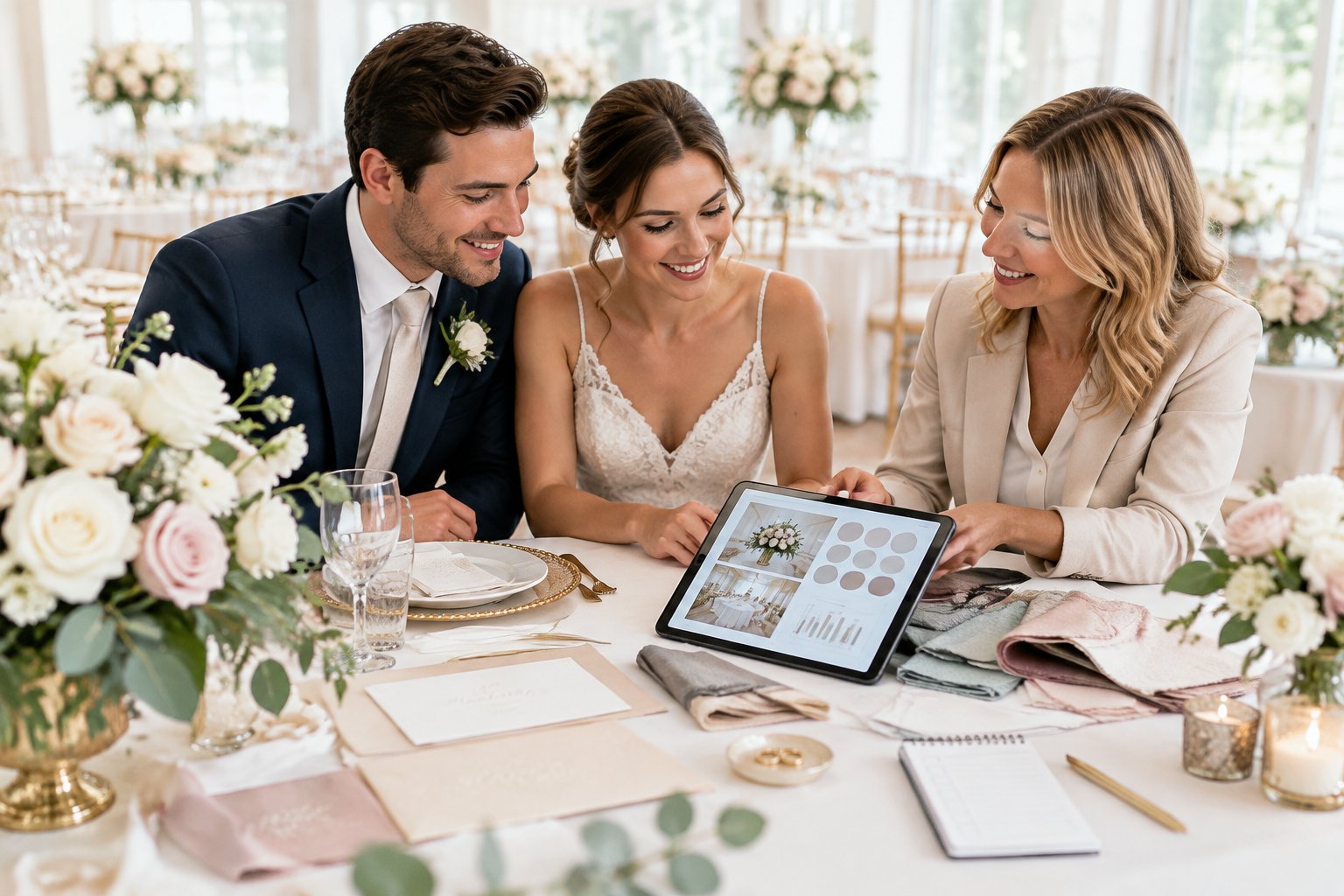
A package can save planning time while still giving you room to shape the day around your relationship. The key is knowing which services form the base offer, which details cost extra, and whether the venue fits the experience you want your guests to have.
What Is Usually Included in a Wedding Package?
A wedding package usually includes the ceremony and reception space, basic rentals, food and drinks, and support from a wedding planner or wedding specialist.

Read the package as a service list and a set of limits. Check the room, menu choices, service hours, guest count, setup details, and staff responsibilities before you compare prices.
Ceremony and Reception Essentials
The venue package may cover the wedding ceremony location, reception room, tables, chairs, linens, place settings, and basic setup. Some offers also include a getting-ready room, an arch or backdrop, lighting, parking, and cleanup.
Ask whether the ceremony and reception use the same room or separate spaces. Confirm the time available for setup, guest access, photographs, and departure.
If your celebration takes place outdoors, ask for the weather plan, indoor backup space, and any added rental charges. Check the room capacity against your guest list.
A room that fits the maximum number of guests may feel crowded once you add dining tables, a dance floor, a bar, and space for entertainment.
Food, Drinks, and the Wedding Menu
Food and drinks form a large part of many wedding packages. The wedding menu may include a cocktail hour, appetizers, a plated meal or buffet, dessert, coffee, tea, and a bar package.
Ask how many menu selections you receive and whether dietary needs are included in the quoted price. Find out whether the package covers a wedding cake, cake cutting, sparkling wine for a toast, and children’s meals.
A tasting gives you a useful way to review portions, flavors, presentation, and service timing. Ask for the per-person cost of menu upgrades before you choose a premium entrée or add late-night food.
Planning and On-the-Day Support
A wedding planner or wedding specialist may help you select a date, build a timeline, review menus, coordinate vendors, and manage details on the wedding day. Confirm the level of support in writing.
Some packages provide planning meetings and a day-of coordinator. Others assign a venue contact who handles room operations while you or an outside planner manages design and vendor communication.
Ask who will be present during setup, ceremony transitions, dinner service, and cleanup. Request the contact’s name, response times, and responsibilities so you know where decisions go as the date approaches.
How Do You Compare Package Prices and Inclusions?
Compare wedding packages by calculating the full cost for the same guest count, service level, taxes, fees, and upgrades.

A low package price may cover fewer hours, a smaller menu, or fewer rentals. A higher price may include services you would otherwise book separately, so place each proposal in the same comparison sheet.
Guest Counts, Minimum Spends, and Added Fees
Guest count affects food, drinks, staffing, seating, and room requirements. Ask whether the quoted price uses a minimum number of guests, a minimum spend, or a fixed package fee.
Review charges for service, gratuity, tax, ceremony space, overtime, setup, cleanup, cake cutting, corkage, and outside vendors. Ask how the final bill changes if your guest count rises or falls.
Write down the payment schedule and cancellation terms. Your terms and conditions should explain deposits, due dates, postponement rules, date changes, refunds, and liability requirements.
Base Inclusions vs. Optional Extras
Separate the base inclusions from optional extras before you decide which package offers the best value. Mark each item as included, upgraded, or priced separately.
Common extras include upgraded linens, specialty lighting, premium bar service, additional reception hours, enhanced florals, a larger wedding cake, and sparkling wine for a longer toast. Add each selected upgrade to the working total.
A package that includes fewer services may suit you if you already have trusted vendors. A more complete package may reduce coordination work and give you one main point of contact.
Questions to Ask Before You Sign
Ask these questions in writing:
- What is included for our ceremony, reception, and guest count?
- Which taxes, service charges, and gratuities are added?
- What happens if our guest count changes?
- What does the wedding cake include, and what costs extra?
- Is sparkling wine included, and how many glasses are provided?
- Which vendors must we use?
- What happens if weather affects an outdoor ceremony?
- Who coordinates the wedding day?
- What are the payment, cancellation, and postponement terms?
Keep the answers with your proposal and contract. Verbal promises should appear in the signed documents before you make a deposit.
Choosing the Right Venue and Celebration Style
Choose a venue that fits your guest count, travel plans, budget, and preferred pace for the celebration.
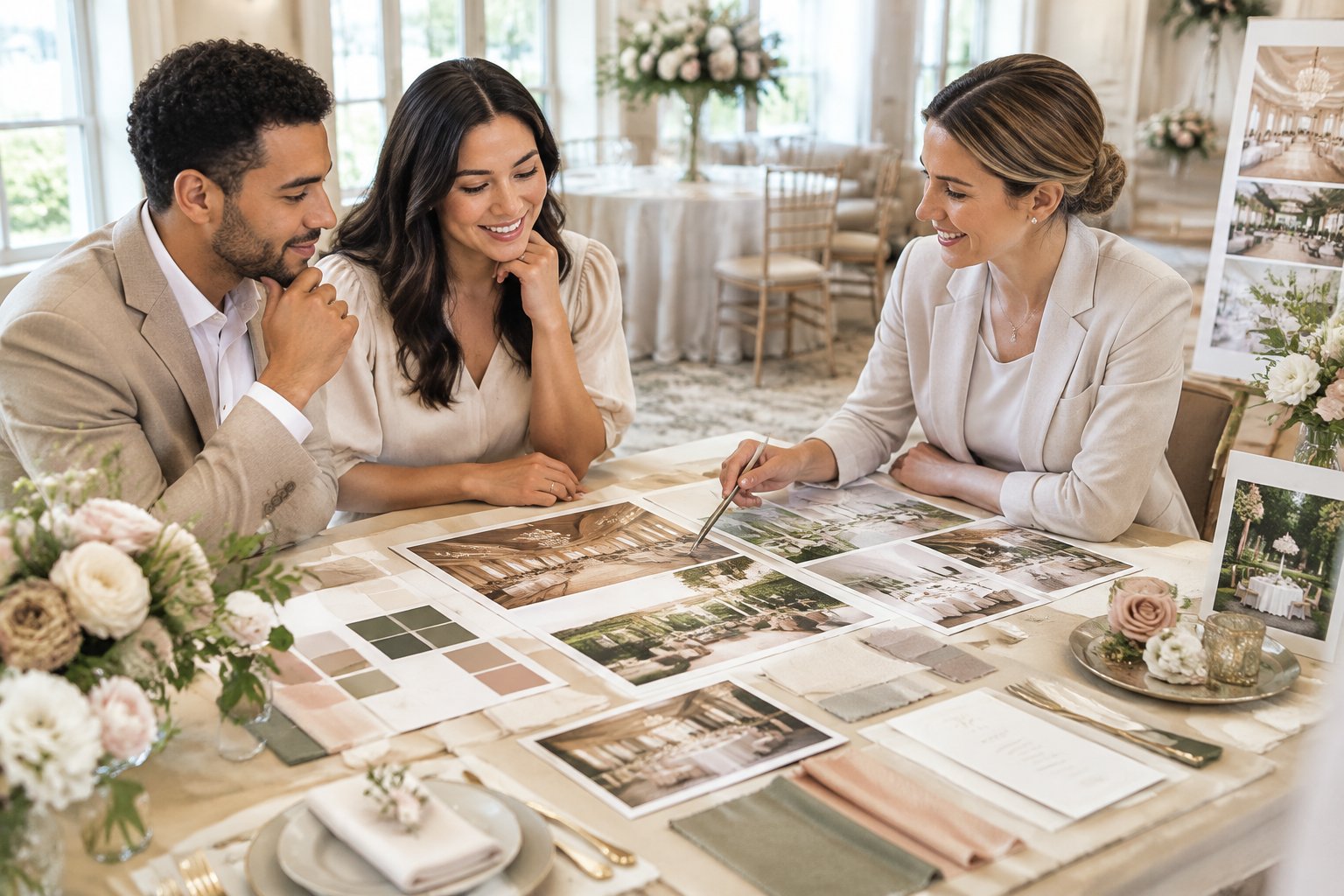
Your venue shapes the ceremony setting, meal service, photographs, guest comfort, and timeline. Review location, accessibility, weather plans, vendor rules, and lodging before you focus on décor.
Hotel Weddings With Everything in One Place
An O.Henry Hotel wedding gives you a polished hotel setting with ceremony, reception, guest rooms, and event support close together. This format suits couples who want guests to stay nearby and prefer a clear flow from preparation to celebration.
Ask whether room blocks, a couple’s suite, breakfast, parking, and transportation are part of the wedding offer or priced separately. Review the event room’s capacity and ask how another event on the property could affect guest movement or noise.
Green Valley Grill can add a restaurant-centered feel to your plans, with food and hospitality playing a leading role. Ask about private dining spaces, menu formats, bar service, and the timing of your reception.
Destination Weddings in Penang
Penang offers a destination setting with historic streets, coastal views, local food, and distinctive cultural character. If you are considering Lebuh Farquhar, review travel time, guest lodging, transportation, weather, and local marriage requirements early.
A destination package should spell out what happens before guests arrive. Ask whether the package includes airport transfers, welcome events, room blocks, venue access, meals, and an on-site wedding specialist.
Plan for guests who need accessibility support, children’s arrangements, or extra time between hotel and event locations. A clear guest information page can reduce questions and help everyone plan.
A Ceremony at Sea or Renewal of Vows
An O Ceremony can suit a couple who wants a focused celebration with a clear ceremony format and a manageable guest list. Ask about the ceremony location, officiant, décor, photography time, music, and reception options.
A Ceremony at Sea creates a strong setting for couples who want the water to shape the experience. Confirm sailing time, boarding details, weather procedures, accessibility, motion considerations, and guest transportation.
A renewal of vows can follow the same planning steps as a wedding while giving you more freedom with the ceremony wording and guest list. Ask whether the package includes a celebrant, flowers, cake, photos, a toast, and a private meal.
Which Wedding Vendors May Need Separate Booking?
A package may cover venue operations and core reception services while leaving choices such as photography, flowers, music, or a wedding planner to you.

Review the vendor list early. Your venue may offer preferred suppliers, approved vendor rules, or in-house services that affect your choices and budget.
Finding a Photographer Who Fits Your Day
A photographer shapes how your wedding story is recorded, so review full galleries that match your venue, lighting, and ceremony style. Ask about coverage hours, editing, delivery dates, albums, engagement sessions, travel fees, and backup plans.
Confirm whether the photographer works alone or brings a second shooter. Share your timeline and priority moments, such as family portraits, vows, dinner speeches, or a Ceremony at Sea.
Book photography after confirming the date and venue. Your contract should state the coverage period, payment schedule, image rights, cancellation terms, and deliverables.
Flowers, Music, and Personal Touches
A florist may handle bouquets, boutonnieres, ceremony arrangements, centerpieces, candles, and reception details. Provide your color palette, inspiration, room photos, and guest count, then ask which items are included in the package.
A DJ manages music, announcements, microphones, and reception flow. Ask about sound equipment, setup time, song requests, overtime, emcee duties, and backup coverage.
Small personal touches can come from stationery, table names, family recipes, cultural details, or a signature drink. Choose details that support your guest experience and fit the venue’s rules.
When a Wedding Planner Adds Value
A wedding planner adds value when your celebration involves several vendors, a destination location, a complex timeline, or many guests who need support. A planner can help review contracts, build schedules, manage setup, and handle questions on the wedding day.
Ask whether your venue package includes planning meetings, design support, rehearsal coordination, or day-of management. If those services are separate, compare the planner’s scope with the venue specialist’s duties to prevent gaps.
Confirm who makes decisions during the event. One shared timeline with vendor arrival times, contact details, floor plans, meal timing, and emergency contacts gives every person the same operating plan.
How to Personalize Your Celebration Without Overspending
Personalize your wedding packages by directing your budget toward details that shape the guest experience and reflect your story.
A meaningful menu choice, a favorite song, or a family tradition can have more impact than many small upgrades. Set a spending limit for extras before you begin selecting them.
Prioritize the Moments Guests Will Remember
Choose one or two priority areas, such as the ceremony backdrop, meal, music, photography, or guest welcome. Put more of your budget there and keep supporting details simple.
Personal touches can include table names linked to places you have visited, handwritten notes, a family dessert, a favorite cocktail, or vows written in your own words. These details add meaning without requiring a full design change.
Consider guest comfort as part of personalization. Clear directions, thoughtful seating, dietary choices, shade, heating, and an easy transportation plan help people enjoy the day.
Use Upgrades Selectively
Review each optional extra by asking whether it changes the guest experience, improves comfort, or carries lasting value. A custom wedding cake design may be worth the cost if cake is central to your celebration.
A sparkling wine upgrade may fit a toast-focused reception. You can also personalize the base package through color choices, music requests, printed menus, ceremony wording, and carefully selected florals.
Ask which changes are included before paying for a full upgrade. Keep a running total that includes taxes, service charges, delivery, setup, and overtime.
This prevents small additions from pushing the final price beyond your limit.
Review the Final Proposal Carefully
Before you approve the proposal, check the date, spaces, guest count, menu, beverage service, rentals, décor, vendor names, staffing, timing, and cleanup responsibilities. Make sure every selected optional extra appears with its price.
Compare the proposal with the contract and ask for corrections in writing. Confirm payment dates, cancellation terms, postponement rules, weather procedures, and the process for changing your guest count.
Save the signed documents, invoices, menus, floor plans, and timeline in one shared folder. Give your planner, wedding specialist, and key vendors the same final version before the wedding day.