
Are Brown Shoes Less Formal than Black? Exploring Shoe Etiquette and Style Choices
When choosing between brown and black shoes, knowing their formality can make a big difference in your outfit. Brown shoes are generally considered less formal than black shoes, making them perfect for everyday wear and casual settings. This doesn’t mean they can’t be styled for more upscale events; with the right outfit, brown shoes can shine at semi-formal occasions too.
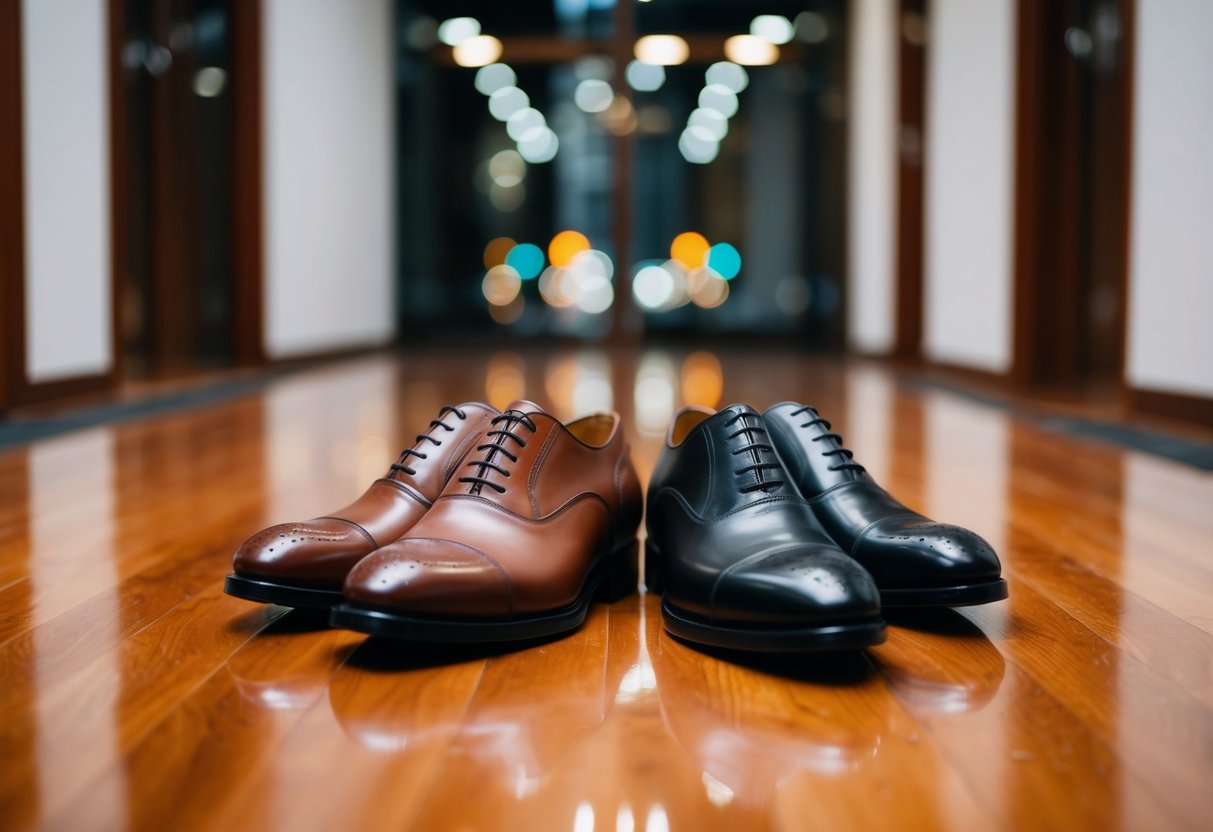
The decision often depends on the dress code and style options available. For black tie events or formal gatherings, black shoes are the go-to choice. However, if you’re dressing for a wedding or a more relaxed gathering, brown shoes can add a stylish touch while still looking polished.
The Formality Spectrum of Shoe Colors
When choosing shoes for a formal occasion, the color plays a crucial role in determining your overall look. The shades of your shoes can greatly influence your style and the impression you leave. Let’s explore the specifics of black and brown shoes, which are common choices for dressy events.
Significance of Black in Formal Attire
Black shoes are often seen as the gold standard in formal wear. They are a must-have for black tie events, where elegance is key. Wearing black shoes with a tuxedo or dark suit enhances your sophisticated appearance.
In terms of color hierarchy, black is considered the most formal option. Its versatility allows it to pair well with a variety of outfits. Black shoes elevate your look, especially in settings where attention to detail matters. Whether you choose polished oxfords or sleek loafers, black shoes consistently convey a sense of refinement.
Brown Shoes in Various Shades
Brown shoes come in several shades, each with its own degree of formality. Dark brown shoes are generally more formal than lighter tones and can pair nicely with dark suits. They offer a rich, warm look that works well in many settings.
On the other hand, light brown shoes are often seen as casual or semi-formal. They can be stylish options for less formal events or daytime gatherings. Earthy tones like tan can add personality to your outfit. However, they are typically less suited for formal events compared to their darker counterparts. Understanding the nuances of these shades will guide you in making the best choice for your next appearance.
Analyzing Different Dress Shoe Styles
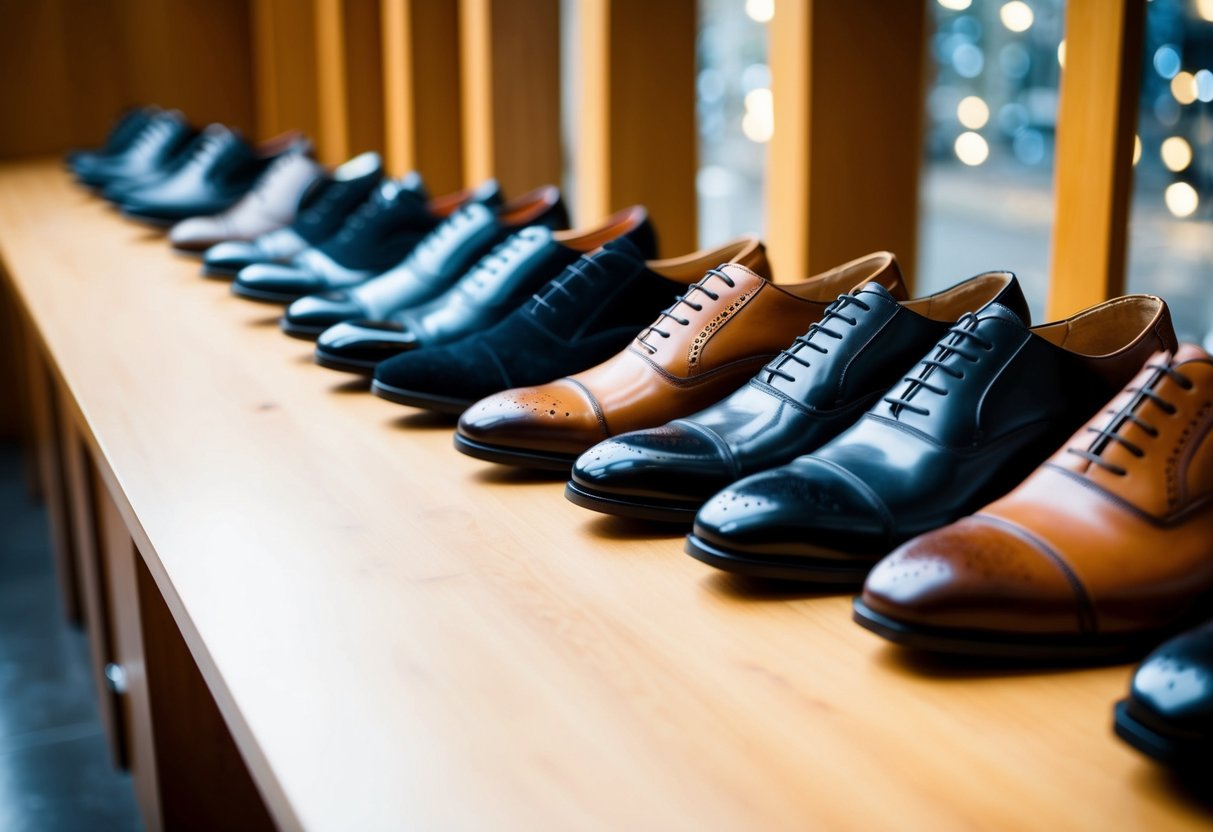
When choosing between brown and black dress shoes, understanding the various styles can help you make the right decision for any occasion. Each style offers unique qualities that affect its formality and suitability.
The Classic Oxford
The Oxford shoe is a staple in formal wear. With its closed lacing system, it provides a sleek and polished look. Oxfords are ideal for black-tie events or formal business settings.
You can find Oxfords in various shades, including both brown and black. A black Oxford is the most formal option, whereas a brown Oxford is versatile enough for less formal settings. Pairing these shoes with suits or tailored pants elevates your outfit.
To maintain their elegance, choose high-quality leather and keep them polished. The classic Oxford is essential if you want a timeless shoe that works well with various dress codes.
Loafers for Versatility
Loafers offer a blend of comfort and style. They slip on easily and can be worn for both formal and casual occasions. Their relaxed look makes them a great alternative to traditional lace-ups.
Different types of loafers exist, such as penny loafers and tassel loafers. A brown loafer can work well in a business casual setting, while a black loafer may fit seamlessly into more formal environments.
To style your loafers, pair them with chinos or tailored trousers for a smart, laid-back look. Given their versatility, loafers are a valuable addition to any wardrobe, especially if you want shoes that adapt to various situations.
The Distinctive Brogue
Brogues are known for their decorative perforations and come in many styles. They can range in formality from casual to semi-formal, depending on the design and color.
A brown brogue often appears less formal compared to its black counterpart. The intricate detailing offers a playful touch to your outfit, making them a fun choice for social events or days at the office.
They pair well with both suits and smart-casual wear. Choose brogues for a stylish yet relaxed look that stands out without being overly flashy. Attention to quality craftsmanship is essential to ensure they remain a chic part of your collection.
Alternative Styles: Monk Straps and Chelsea Boots
Monk straps and Chelsea boots provide unique options beyond traditional dress shoes. Monk straps have a distinct buckle design, offering a fashionable twist on formal wear.
They come in various materials and colors, including sleek black and rich brown. A monk strap shoe can elevate your outfit, making it suitable for both work and formal events.
Chelsea boots, on the other hand, are ankle-high and feature elastic sides. They’re easy to put on and versatile for casual and semi-formal occasions. A pair of brown Chelsea boots can complement your look while keeping it stylish and comfortable. Consider adding these options for a refreshing take on your footwear choices.
Dress Codes and Suiting Combinations
Choosing the right shoes for your outfit can make a big difference. Understanding how to pair shoes with suits and how brown shoes fit into various dress codes will help you look your best.
Pairing Shoes with Suits
When dressing up, your shoe color plays a crucial role. For instance, black shoes are your go-to choice for formal occasions like black tie events or when you’re wearing a charcoal grey suit. They convey elegance and professionalism.
On the other hand, brown shoes, especially darker shades, can be a good match for light grey or dark navy suits. This combination strikes a balance between formal and casual. Keep in mind that pairing brown shoes with a black suit can be tricky and is often seen as less formal.
Here’s a quick overview:
- Black Shoes: Best with dark grey, black, or formal suits.
- Brown Shoes: Work well with light grey, tan, or softer colors.
Brown Shoes for Flexible Dressing
Brown shoes offer versatility in your dressing options. They look great with casual outfits, making them perfect for relaxed work environments or social events. For example, wearing oxblood or maroon brown shoes can add character while still looking put together.
For a more business-casual setting, consider pairing dark brown shoes with lighter shades like beige or even pastel colors. You can also dress down your look with tan shoes; they complement lighter suits well.
In short, brown shoes adapt to different styles and occasions. They allow you to dress up or down while maintaining a polished appearance.
The Role of Shoes in an Interchangeable Wardrobe
Shoes play a key role in shaping your interchangeable wardrobe. Choosing the right pair can enhance your style choices and provide versatility for different occasions. Understanding how to select and optimize your shoes will help you create a functional and stylish collection.
Choosing Shoes for Casual Environments
In casual settings, your shoe choices can really set the tone for your outfit. Brown shoes are a great option here. They offer a relaxed yet stylish look that suits many casual attires. Lighter shades of brown work well with denim or chinos, while darker tones can add a sophisticated touch.
Consider white shoes for a fresh, modern vibe, or go for colors like blue or red to make a statement. You could even mix shades to add visual interest. Keep in mind that comfort is key; choose styles that are easy to wear for extended periods.
Remember, versatility in casual shoes means they can work for various events, from brunch outings to casual Fridays at work.
Optimizing Your Shoe Collection for Multiple Occasions
To make the most of your shoe collection, focus on versatility. Aim for a mix of styles and colors that can easily transition from casual to more formal settings. For example, a pair of brown shoes can often bridge that gap.
Add options like loafers, sneakers, and low-top boots. Each type of shoe brings its own flair, allowing you to adapt your look easily.
Consider your wardrobe color palette when choosing shoe colors. Neutral tones like beige, gray, and navy can pair well with various outfits.
Don’t overlook the importance of comfort and fit. A well-fitted shoe not only looks good but allows for all-day wear, making your collection practical for any occasion.