
Are Celebrants Legally Binding? Understanding Their Role in Weddings
If you’re considering a celebrant for your wedding ceremony, you might wonder about their legal authority. Celebrants typically do not have the power to conduct legally binding ceremonies. This means you would need a civil ceremony for your marriage to be recognized by the law. They can, however, create beautiful and personalized ceremonies that reflect your unique relationship.
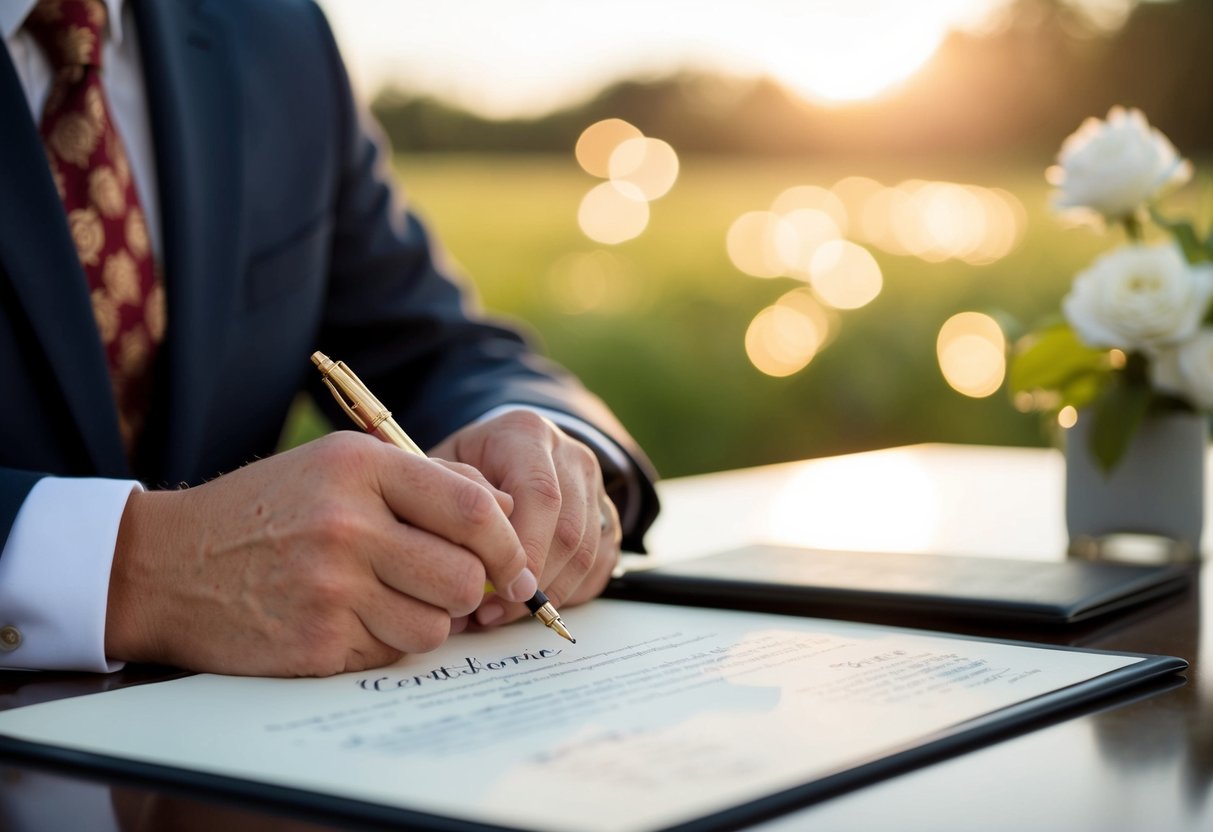
Using a celebrant allows for greater flexibility and creativity in how you express your vows. Many couples choose to have a legal ceremony at a registry office and then celebrate with a memorable event led by a celebrant. This combination lets you enjoy the best of both worlds, blending legal requirements with a heartfelt, personalized ceremony.
Navigating the different roles of celebrants and registrars can be tricky, but understanding their functions will help you make an informed choice for your special day. Whether you prefer a straightforward legal ceremony or a unique celebration, knowing the difference will guide you in planning the wedding that truly represents you and your partner.
Understanding Celebrants and Their Roles
Celebrants play a key role in making your special day unique. They help personalize your ceremony to reflect your values and beliefs. Understanding the different types of celebrants and how they operate can help you choose the right one for your wedding.
Types of Celebrants
There are several types of celebrants to consider.
-
Wedding Celebrants: These professionals focus solely on conducting wedding ceremonies. They can be religious or non-religious.
-
Humanist Celebrants: These celebrants usually conduct non-religious ceremonies. They focus on a personal and meaningful experience without religious elements.
-
Independent Celebrants: They are not tied to any specific organization and can create tailored ceremonies to fit your needs, beliefs, and preferences.
-
Religious Celebrants: If you prefer a ceremony that includes religious traditions, this could be the right choice. They often work within particular faith communities.
Understanding these options helps you select a celebrant that aligns with your vision for the ceremony.
Function of Wedding Celebrants
Wedding celebrants are responsible for making sure your ceremony feels personal. They work with you to draft a script that reflects your love story, incorporating meaningful readings, vows, and music.
After the ceremony, they guide you through the necessary paperwork to ensure your marriage is legally binding. This includes submitting documents like the Notice of Intended Marriage (NOIM) if required in your jurisdiction.
Celebrants focus on the emotional and symbolic aspects of the wedding, providing a unique touch that makes your day special. They are there to help you every step of the way.
Celebrants vs Registrars
While both celebrants and registrars can officiate weddings, their roles are different. Registrars handle the legal side of marriage. They are government officials who ensure all paperwork is properly filed to make your marriage official.
Celebrants, on the other hand, often create personalized ceremonies. They focus on the experience rather than legalities.
To legally marry, you might need to complete some paperwork with a registrar even if you have a celebrant lead the ceremony. Understanding this difference is essential to planning your wedding effectively.
Legal Aspects of Marriage Ceremonies
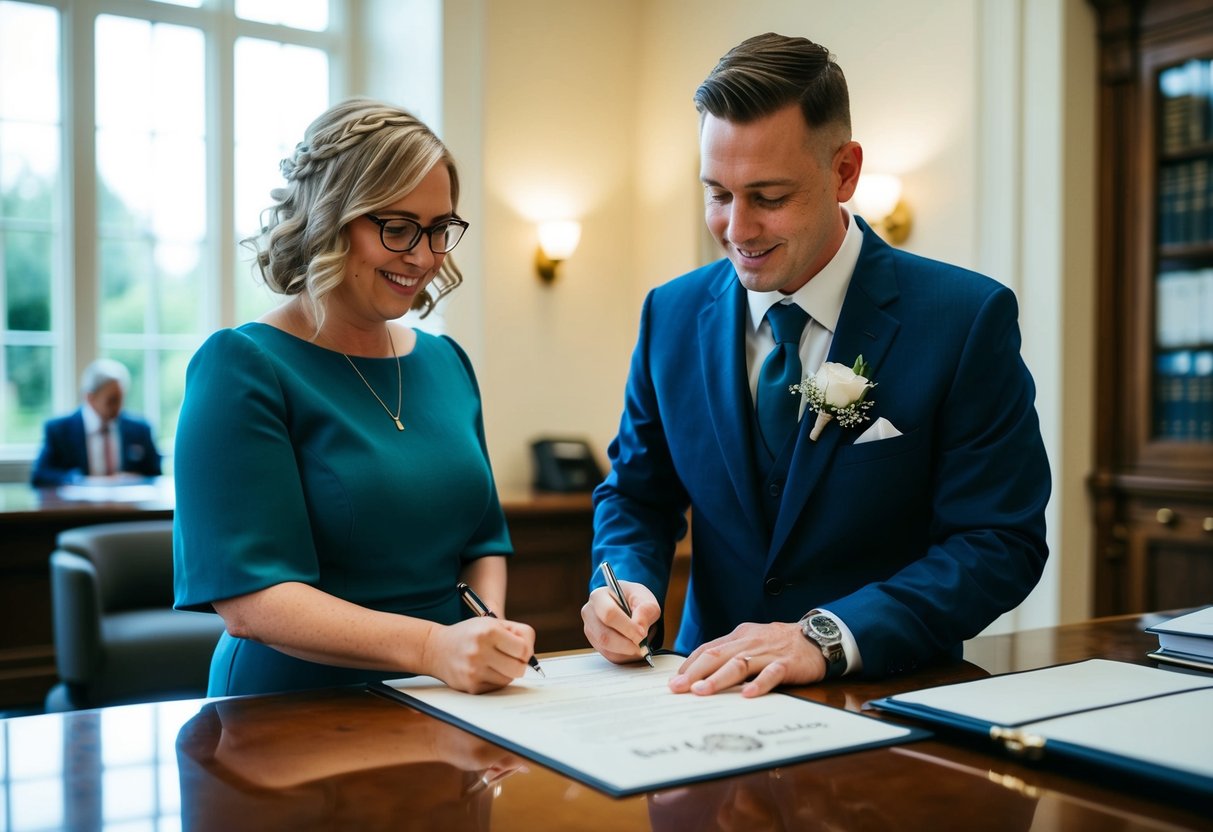
When planning your wedding, understanding the legal aspects is crucial. This ensures that your marriage ceremony is recognized and binding. Knowing the requirements helps you avoid any last-minute issues.
Legal Requirements for Marriage
Each state has specific legal requirements for a marriage ceremony. A legal wedding typically involves a licensed officiant, such as a judge or a religious leader. It is important to check your state’s laws.
You must also have a valid marriage license. This document shows that you have permission to marry. Be sure to apply for it ahead of time, as there is usually a waiting period. Requirements may also include a notice of marriage, which gives others a chance to raise any legal objections.
Marriage License and Marriage Schedule
A marriage license is a key document. You must secure this license before your wedding day. The process usually involves filling out an application and paying a fee at your local registry office.
Once you have the license, there may be a waiting period before you can marry. Some places require you to schedule your civil ceremony in advance. Keep all your legal paperwork organized to ensure smooth processing.
Statutory vs Celebrant-Led Ceremonies
Statutory ceremonies are conducted by recognized officiants and follow strict legal guidelines. In contrast, celebrant-led ceremonies offer more flexibility in terms of personalization.
While celebrants can create beautiful and meaningful ceremonies, you should verify their legal authority. Depending on your location, celebrants may need to follow specific regulations to ensure your ceremony is legally binding.
Always confirm that your chosen celebrant is qualified to perform legal marriages. A celebration without the necessary legal requirements may lead to complications down the line.
Planning Your Ceremony with a Celebrant
When planning your ceremony with a celebrant, you can create a unique and memorable experience. This process allows you to choose the right celebrant, personalize your ceremony, and, if desired, incorporate spiritual or religious elements.
Choosing the Right Celebrant
Selecting the right celebrant is crucial for your wedding day. Start by researching different types of celebrants, such as independent or humanist celebrants, to find one that aligns with your vision.
Ask friends for recommendations or search online directories. Look for reviews and testimonials to gauge their reliability. Schedule meetings with potential celebrants to discuss their experience and style.
Make sure you feel comfortable communicating your ideas and expectations. A good celebrant will respect your wishes and help you create a ceremony that reflects your relationship, complete with meaningful rituals like exchanging rings.
Creating a Personalized Experience
A personalized ceremony makes your wedding unique. Discuss your love story with your celebrant and what memorable moments you’d like to include.
You can choose specific readings, poems, or music that resonate with you both. The celebrant can also help you incorporate special rituals, like unity sand or candle lighting, which symbolize your commitment.
Incorporating personal anecdotes or family traditions can enhance the connection to your guests. Your celebrant should be open to your suggestions and provide creative ideas to ensure your ceremony reflects your personalities and values, making it truly your own.
Incorporating Spiritual or Religious Content
If you wish to include spiritual or religious content in your ceremony, communicate this to your celebrant. Many celebrants are willing to work with you to blend elements from your beliefs and traditions.
You might want to include prayers, blessings, or specific religious symbols. If you have a particular spiritual leader you want to involve, discuss how they can contribute to your ceremony.
By openly sharing your values and desires, your celebrant can create a ceremony that respects your beliefs while still being personal. Remember, it’s all about crafting a special experience that holds meaning for you and your loved ones.
Becoming a Celebrant
If you’re interested in becoming a celebrant, you’re in for an exciting journey. Celebrants play a key role in special ceremonies, which can include weddings, renewals, and even funerals.
To start, you should look into celebrant training programs. Many organizations offer courses that teach you how to create and lead ceremonies. Programs like Celebrantopia provide online courses tailored to your needs.
Training usually covers topics like:
- Ceremony planning: You’ll learn how to design personalized services.
- Communication skills: Work on speaking clearly and confidently.
- Legal requirements: You’ll understand what’s needed for different ceremonies.
Becoming a funeral celebrant is also an option. This role involves guiding families through their grief and helping them honor their loved ones. Training for this can include grief support and memorial planning.
You might consider joining an organization or community of celebrants for support. Connecting with others in the field can help you gain experience and confidence.
As a celebrant, you have the opportunity to make important moments memorable for people. Your role is to bring joy and comfort through your ceremonies. It’s a rewarding path that can truly impact lives.