
Are Guys Supposed to Buy Their Own Wedding Ring? Unpacking Tradition and Modern Trends
Choosing a wedding ring is an important part of getting married, and many wonder about the tradition behind this decision. Traditionally, men have been expected to buy their own wedding rings, but modern couples are changing this practice. The reality is that there are no hard and fast rules anymore, and you and your partner can decide what works best for both of you.
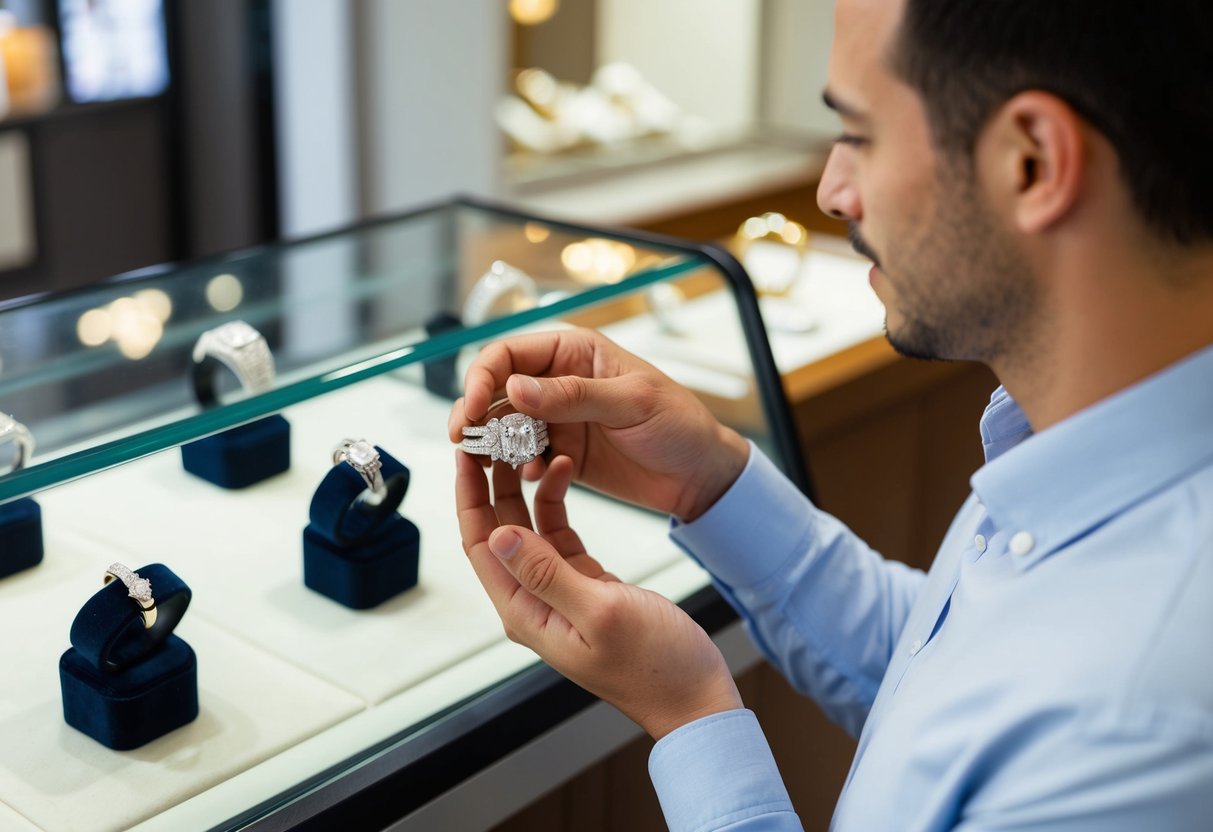
You might find that sharing the ring-buying process can make it more special. Some couples enjoy choosing each other’s rings or even picking out their own together. This choice adds personal significance and can reflect both of your styles.
As you explore your options, remember that the meaning behind the ring matters more than who buys it.
With so many styles and materials available, the decision can be exciting rather than stressful. Embrace this moment and enjoy the journey of finding a ring that symbolizes your love and commitment.
Exploring Wedding Ring Traditions
Wedding ring customs vary greatly across cultures and time periods. Understanding these traditions can help you navigate the expectations surrounding who buys the wedding rings today.
Historical Context of Wedding Rings
The history of wedding rings dates back thousands of years. Ancient Egyptians believed that the circle symbolized eternity, and they exchanged rings made of braided reeds. Romans adopted this custom, using iron and later gold to signify permanence in marriage.
In the past, it was common for the groom’s family to provide the bride’s ring. Men rarely wore wedding bands until the 20th century. At that time, World War II soldiers began wearing rings to remind them of their wives. This changed societal views, leading to more men wearing wedding bands as a symbol of commitment.
Current Societal Expectations
Today, societal expectations around who buys wedding rings can vary depending on personal values and cultural backgrounds. In some cultures, it’s still traditional for the groom to purchase both rings, while in others, couples choose to make the purchase together.
Many modern couples prefer to share this responsibility, reflecting equality in their relationship. This shared decision often allows for personal expression. Individual style is important, and buying rings together can be a fun way to select a piece that represents both partners.
Consider your own preferences as you navigate these traditions. Whether you follow traditional customs or make your own rules, what matters is honoring your unique relationship.
Financial Aspects of Wedding Bands
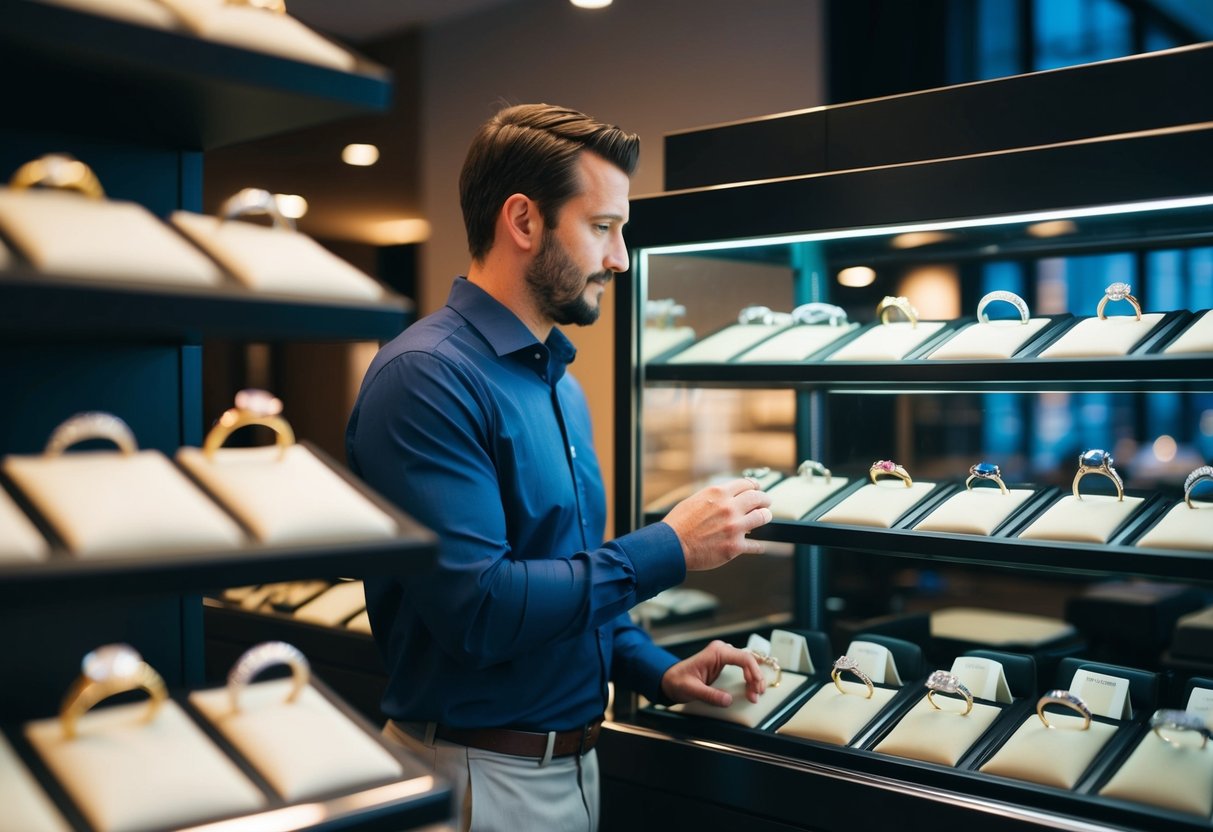
When planning for wedding bands, it’s important to consider who is responsible for the costs and how to budget effectively. Understanding these financial aspects can help ease any confusion or stress you may feel.
Who Covers the Cost?
Traditionally, the groom’s family pays for the bride’s engagement ring and wedding bands. However, that norm is changing. Many couples now choose to split costs or share expenses, which can promote equality in the relationship.
You might also choose to buy your own wedding ring. This decision can reflect personal style or financial independence. Discussing your preferences with your partner will help set clear expectations.
Remember, the overall cost can vary widely, so knowing your options is crucial.
Budgeting for Wedding Band Sets
Establishing a budget for wedding band sets is essential for staying within your financial means. Start by determining how much you can realistically afford. A good rule of thumb is to allocate about 3% of your wedding budget to the rings.
List the styles and materials you like. Platinum, gold, and silver each come with different price points. Include both your engagement ring and wedding band in this budget.
Consider additional costs like engraving or matching sets. By outlining your financial responsibility early, you can make informed choices that fit your needs while avoiding unexpected expenses.
Navigating Personal Choices

When it comes to buying wedding rings, personal beliefs and open communication play a crucial role. Understanding your preferences and how they fit into your relationship can help you make the right choice together.
Influence of Personal Beliefs
Your personal beliefs can strongly impact your decision about who buys the wedding ring. Some people see the act of purchasing the ring as a symbol of commitment. For them, it may feel right for the groom to buy his own wedding ring. Others might feel sharing this responsibility supports equality in the relationship.
Cultural factors also come into play. In some cultures, it’s customary for the bride and groom to each purchase their own bands. Think about what resonates with you and your partner. It’s essential to reflect on both of your values and how you want to approach this tradition.
Communication and Decision Making
Open communication is vital when navigating wedding ring decisions. Start discussing your preferences early. This can help avoid misunderstandings later on.
Share your feelings about buying the rings. Are you comfortable choosing separately, or do you prefer to shop together?
Mutual understanding can grow when you openly express your thoughts. If you have concerns about budgets, talk about them.
Consider creating a list of options that fit both of your needs. This way, you can find a balance that works for both of you.
Ring Selection and Sizing
Selecting the right wedding ring and determining your size are important steps in the ring-buying process. You want to ensure comfort and style for your lifelong journey together.
Choosing the Right Ring
When choosing your wedding band, consider your personal style and how it complements the bride’s wedding ring. You can opt for matching rings, which symbolize unity, or select a design that reflects your individual tastes.
Think about the band material, like gold, platinum, or tungsten. Each has its own look and feel. Some materials are more durable than others, so pick one that suits your lifestyle.
Don’t forget about width. Common widths range from 4mm to 8mm. Thicker bands may feel heavier, while thinner bands may be more comfortable. Always try on different styles to see what works best for you.
Determining Your Ring Size
Getting the right ring size is crucial for comfort. An ill-fitting ring can be uncomfortable or easily lost.
To find your size, you can either visit a jeweler or use an online sizing guide.
If you’re measuring at home, make sure your fingers are at a normal temperature, as heat can cause swelling. Use a soft measuring tape or a string to find the circumference of your finger.
Once you have the measurement, refer to a ring size chart to determine your size. Remember, if you plan to wear other rings on the same finger, make sure to account for that extra width.