
Are Marriage Rates Declining in the UK? Exploring the Trends and Reasons Behind the Shift
Marriage rates in the UK have seen a significant decline in recent years, sparking discussions about what this trend means for society. The marriage rate has fallen below 50% for the first time, which shows a clear shift in how people view marriage today. In England and Wales, more couples are choosing to delay marriage or opt for civil partnerships, while same-sex marriage has remained steady since its legalization.

This change can be traced back to various factors, including economic conditions and shifting cultural values. Many young adults prioritize personal growth, career, and financial stability before committing to marriage.
Understanding why marriage rates are declining can provide you with insight into current social dynamics. Whether you are curious about the stability of traditional marriage or the rise of alternative relationships, the trends in the UK offer a fascinating perspective on modern commitment.
Historical Perspective on Marriage Rates
Understanding the historical context of marriage rates in the UK reveals significant trends and changes influenced by societal values, legal reforms, and census data. This perspective helps you grasp the reasons behind today’s declining marriage rates.
Trends Over the Decades
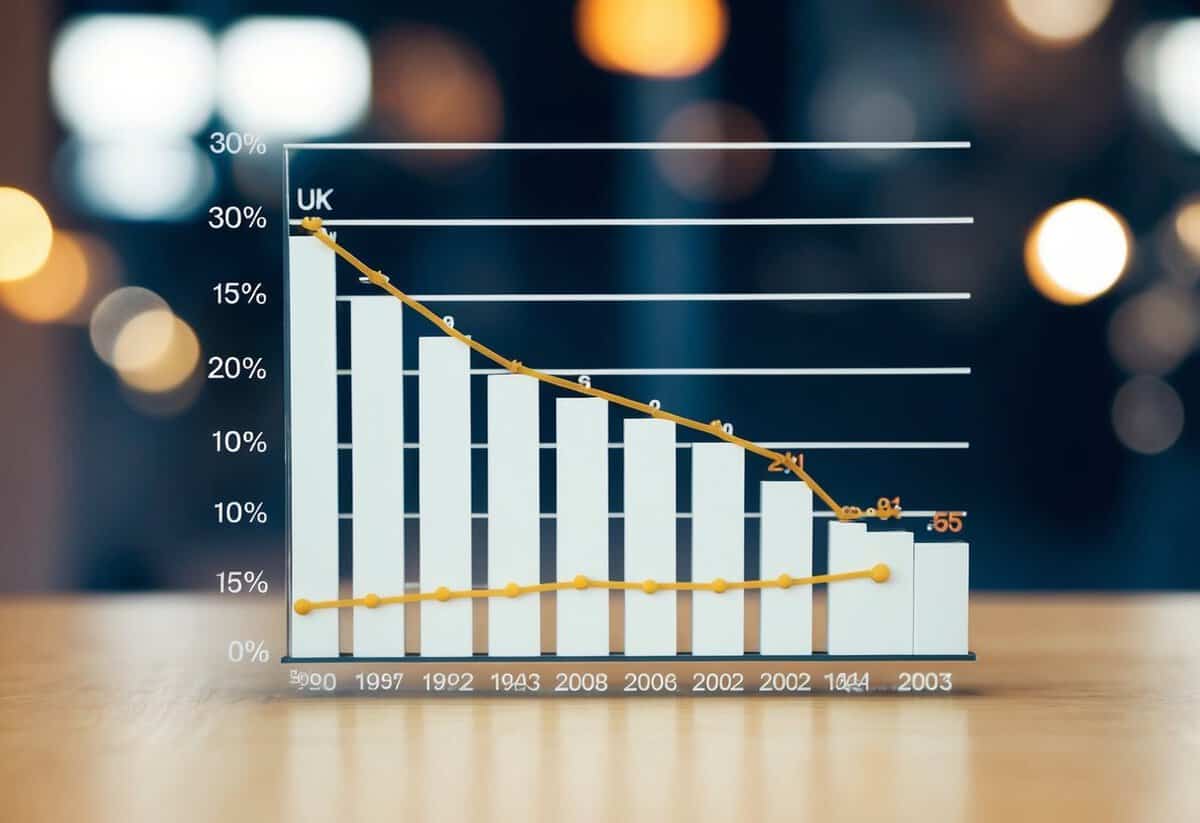
Marriage rates in the UK have experienced notable changes since the mid-20th century. In the late 1960s, there were over 400,000 marriages each year. By 2019, this number had fallen to around 220,000, indicating a marked decline. According to the UK Office for National Statistics, many factors contribute to this trend.
The rise of cohabitation has shifted attitudes toward marriage. Many people now choose to live together without formally marrying. Additionally, the increasing acceptance of civil partnerships and same-sex marriages has changed the landscape of relationships. Many couples may prioritize these alternatives instead of traditional marriages.
Impact of Legal Changes
Legal changes have played a crucial role in shaping marriage trends. The 1969 Divorce Reform Act made it easier for couples to separate, leading to an increase in divorce rates. This change may have impacted how individuals view marriage.
Moreover, the legalization of same-sex marriages in 2014 marked a significant shift. It provided legal recognition to couples who previously could not marry. This development led to a rise in marriages, contributing to the growing diversity of relationship types.
As cultural norms continue to evolve, these legal reforms will keep influencing marriage behaviors and trends in the UK.
Contemporary Factors Affecting Marriage Rates
Several modern factors are influencing marriage rates in the UK today. These factors include significant socio-economic changes and the impact of the COVID-19 pandemic. Each has affected how people view and approach marriage.
The Role of Socio-Economic Changes
Economic factors play a crucial role in marriage decisions. Many people today prioritize financial stability before committing to marriage. As you might know, younger generations face challenges like rising housing costs and student debt. This leads to a delay in the average age at marriage.
In 1991, the average age for men was around 27, while for women it was 25. By 2019, these ages rose to 36 and 34, respectively. Additionally, the marriage gap between different income levels has widened. More affluent individuals are likely to marry than those with lower incomes, affecting overall marriage rates.
Social factors also influence marriage trends. With changing attitudes toward relationships, many prefer cohabitation over marriage. Civil ceremonies have become more common, providing alternative options without the formalities of traditional weddings.
Effect of the COVID-19 Pandemic
The COVID-19 pandemic reshaped many aspects of life, including marriage trends. Restrictions on gatherings led to postponements of weddings, with more people re-evaluating their commitment choices. Many couples faced challenges like financial uncertainty and job instability.
Divorce rates saw fluctuations during the pandemic, but many couples chose to stay together due to uncertain times. This period marked a moment of reflection for many regarding their relationships.
Some couples even opted for more casual forms of commitment instead of traditional marriages. After all, civil ceremonies became a popular choice. As norms shift, the pandemic has added another layer to how people view marriage today.
Demographics of Modern Marriages
Understanding the demographics of modern marriages in the UK reveals important trends. There are noticeable differences between various population groups, as well as shifts in the age at which people choose to marry.
Comparison Between Different Population Groups
Marriage rates in England and Wales are distinct for different groups. For opposite-sex couples, the engagement in marriage has seen a steady decline over recent decades. Conversely, same-sex couples have a relatively stable marriage rate since legalization in 2014.
Statistical data shows that first marriages are most common among heterosexual couples. However, many couples today prefer to live together without getting married, creating a growing unmarried population. The marriage gap between rich and poor also stands out, with wealthier individuals more likely to marry compared to those from disadvantaged backgrounds.
Shifts in Age at First Marriage
The average age at which people are marrying has been increasing over the years. Many individuals in England and Wales are waiting longer to tie the knot.
Currently, males are often marrying around age 33, while females are typically marrying at age 31.
This shift reflects changing social norms, such as prioritizing education and career before marriage. Furthermore, cohabiting couples are becoming more common, with many choosing to live together before making a formal commitment.
These trends highlight how modern marriages are evolving, showing a blend of tradition and contemporary choices.
Alternative Forms of Relationships

As marriage rates decline, many couples are exploring different ways to form their relationships. Cohabitation and civil partnerships are becoming popular alternatives, each offering unique benefits and legal standings.
Cohabitation vs. Marriage
Cohabitation involves couples living together without being married. This arrangement is common among both opposite-sex and same-sex couples. You might find that cohabiting allows for flexibility. Couples can share their lives without the formal commitment of marriage.
Legal partnership status varies for cohabiting couples. In many cases, they do not receive the same legal protections as married couples. This can include issues around inheritance, tax benefits, and parental rights.
Many people see cohabitation as a way to test compatibility. If a relationship doesn’t work out, it tends to be a less complicated split than a legal marriage.
The Rise of Civil Partnerships
Originally, same-sex couples sought legal recognition through civil partnerships. Now, opposite-sex couples can also choose this option. This legal status offers many of the same rights as marriage, including tax benefits and inheritance rights.
Civil partnerships provide a formal recognition of a relationship without the title of “marriage.” This can be appealing if you’re looking for commitment without the traditional wedding.
You may also appreciate that civil partnerships can be more inclusive. They offer a way for couples to celebrate their love, regardless of gender or sexual orientation, without the expectations tied to marriage.