
Are Most Wedding Cakes 2 or 3 Layers? Understanding the Choices for Your Big Day
When planning your big day, you might wonder about the best choice for your wedding cake: are most wedding cakes 2 or 3 layers? Traditionally, wedding cakes often have three tiers, but many couples now choose cakes with only two layers. This shift allows for more personal expression, making it easier to match the cake to your style and celebration.
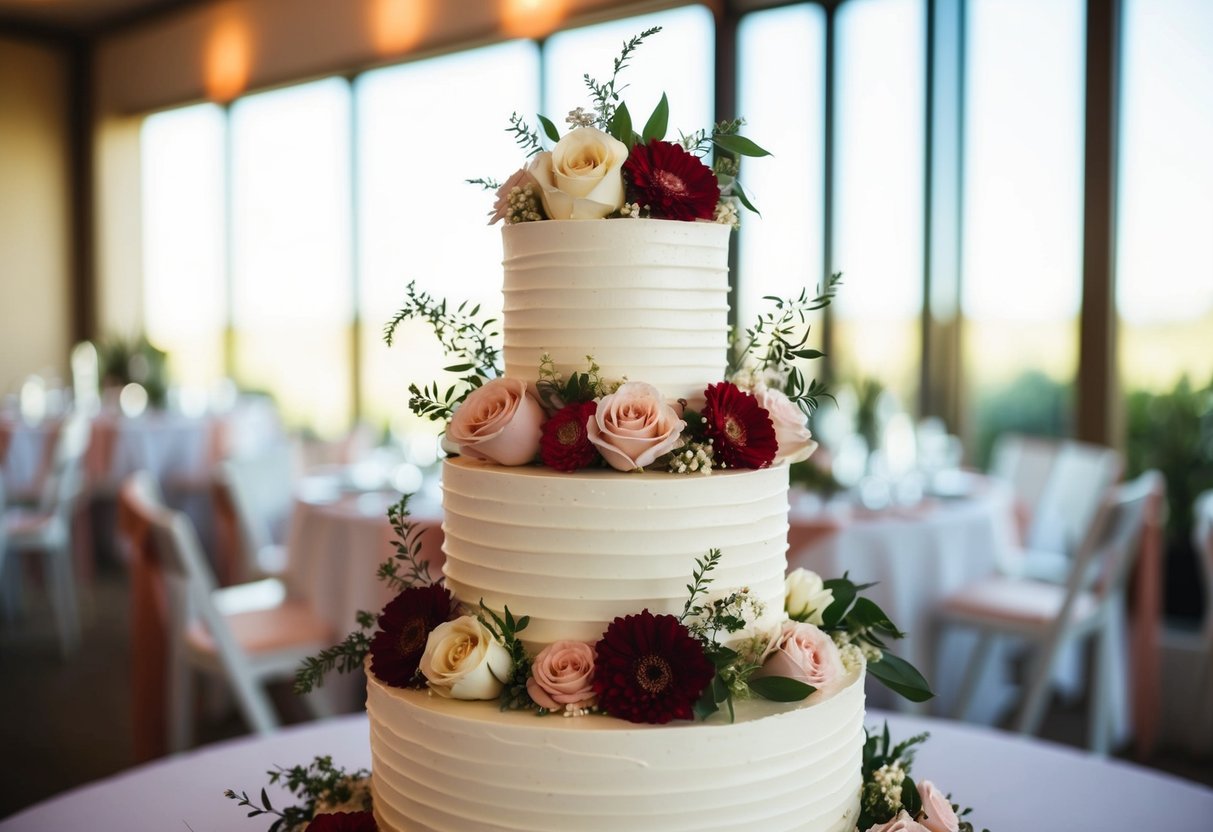
Choosing the number of cake layers can reflect your preferences and budget. A three-tier cake can look impressive and provides more servings, but a two-tier cake can also be beautiful and just as delicious. With rich frosting and eye-catching designs, both options can create a stunning focal point for your reception.
As you consider your options, think about what you want your wedding cake to say about you. Whether you opt for 2 or 3 layers, the most important thing is that it tastes great and brings joy to your special day.
Exploring Wedding Cake Structures
When planning your wedding cake, the structure is crucial. The number of tiers, size, and stability can impact both the look and the experience of your big day. Here’s what you need to know to choose the best cake configuration for your celebration.
Common Tier Configurations
Wedding cakes often come in various tier configurations. A three-tier cake is the classic choice, symbolizing prosperity and celebration. Each tier can have distinct flavors to please your guests.
If your celebration is smaller, consider a two-tier cake. This option still offers elegance and is often easier to cut and serve.
For casual celebrations, many couples choose a single-tier cake, which works well for intimate settings. Remember that the cake’s height will influence the look, so choose a cake stand that complements your design.
Size and Servings Guide
Choosing the right size for your wedding cake is essential. The rule of thumb is to consider your number of guests. For about 100 guests, a three-tier cake can be a perfect option.
Here’s a simple guide for servings:
- Top Tier (6 inches): Serves about 10-12.
- Middle Tier (8 inches): Serves 20-25.
- Bottom Tier (10 inches): Serves 30-40.
This configuration gives you enough cake to serve everyone while keeping it visually impressive. Using cake boards for each tier can help provide structure.
Stability and Support
Stability is key to a successful wedding cake. The height and weight of the tiers require proper support to prevent collapsing. Using cake dowels within each tier is essential to hold everything securely.
Additionally, make sure to place the cake on a sturdy cake stand. This can enhance the appearance while providing the stability needed.
For larger cakes, consider using a cake board under each tier to add support. This additional layer helps distribute the weight and keeps the cake from shifting during transport.
Design Elements of Wedding Cakes
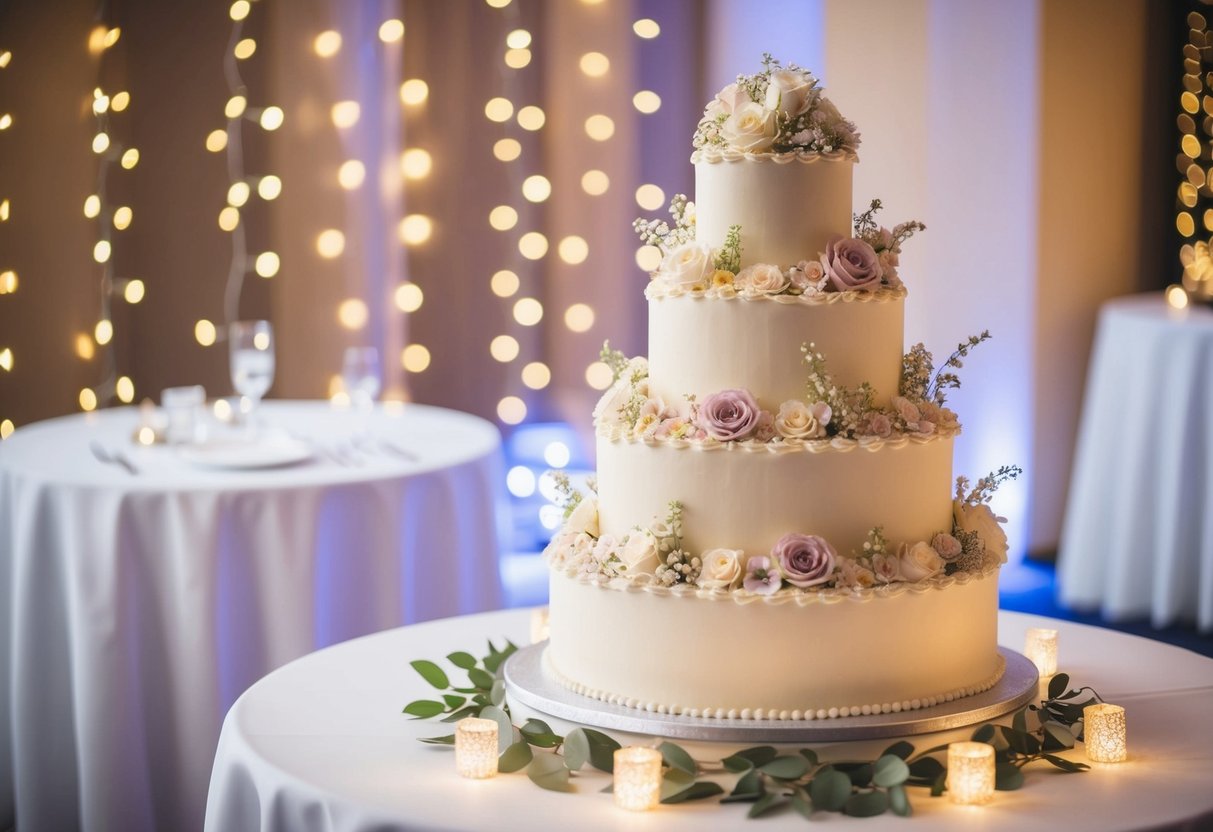
When it comes to wedding cakes, the design elements play a significant role in making your cake memorable. From the type of icing to the overall theme, each detail contributes to the cake’s beauty and taste.
Icing and Decoration
Icing is one of the most important aspects of cake design. You can choose from various types, such as buttercream, fondant, or ganache.
Buttercream is creamy and can be easily flavored, while fondant offers a smooth look, allowing for sharp edges and intricate designs. Ganache, made from chocolate and cream, provides a rich finish.
Decorations can include royal icing for delicate piping, edible flowers, or custom cake toppers. Borders can be made from any icing type, giving your cake a polished look. Many couples also opt for sponge cake or chocolate cake layers, allowing the flavors to shine through the decoration.
Unique Cake Designs
Your cake design can reflect your personality and wedding theme. This is where you can get creative. Think about incorporating unique elements, such as fake tiers to create a more substantial look without extra servings.
Some popular options include three-tiered cakes that feature different flavors or colors for each layer. Multi-tiered cakes can blend traditional with modern designs. Balancing the aesthetics is key, so work closely with your cake designer to achieve your vision.
Themes and Cake Personalization
Personalization adds a special touch to your cake. Consider customizing it to match your wedding theme, colors, or even your love story. Adding initials, important dates, or meaningful symbols can make your cake truly unique.
For instance, a beach wedding could inspire a cake decorated with seashells made from fondant. You could also use seasonal flowers for a fresh look. Collaborating with your cake designer can help you explore these personalized touches while ensuring the cake remains delicious and visually appealing.
Practical Considerations for Cake Selection
When picking a wedding cake, you need to consider various practical factors. These include the appropriate cake size and how you’ll serve and cut it at the reception. Each detail can influence your choice of layers and tiers.
Determining the Right Cake Size
Choosing the right size for your wedding cake depends on the number of guests you expect. For smaller weddings, a classic sheet cake or a two-tier cake might suffice. For larger gatherings, a three-tier wedding cake becomes necessary.
Common cake sizes include:
- 6-inch, 9-inch, and 12-inch round layers for a traditional look.
- 2-layer cake may serve around 20 guests.
- 3-layer cake can serve 50 or more guests based on slice sizes.
Think about how the number of layers and fillings can also impact the overall size and presentation of your cake.
Serving and Cutting
Serving and cutting your cake is essential for a smooth wedding reception. Your cake designer can provide guidance on cutting sizes. A single slice of cake typically measures about 2 inches by 4 inches.
A 3-tier wedding cake lets you stack different flavors. This gives variety to your guests.