
Are Rings Before or After Vows? Understanding Wedding Traditions
When planning a wedding ceremony, you might wonder about the order of events. In most traditional wedding ceremonies, you exchange vows before the rings. This sequence emphasizes the commitment and love you are promising to each other. The vows serve as a powerful declaration of your feelings.
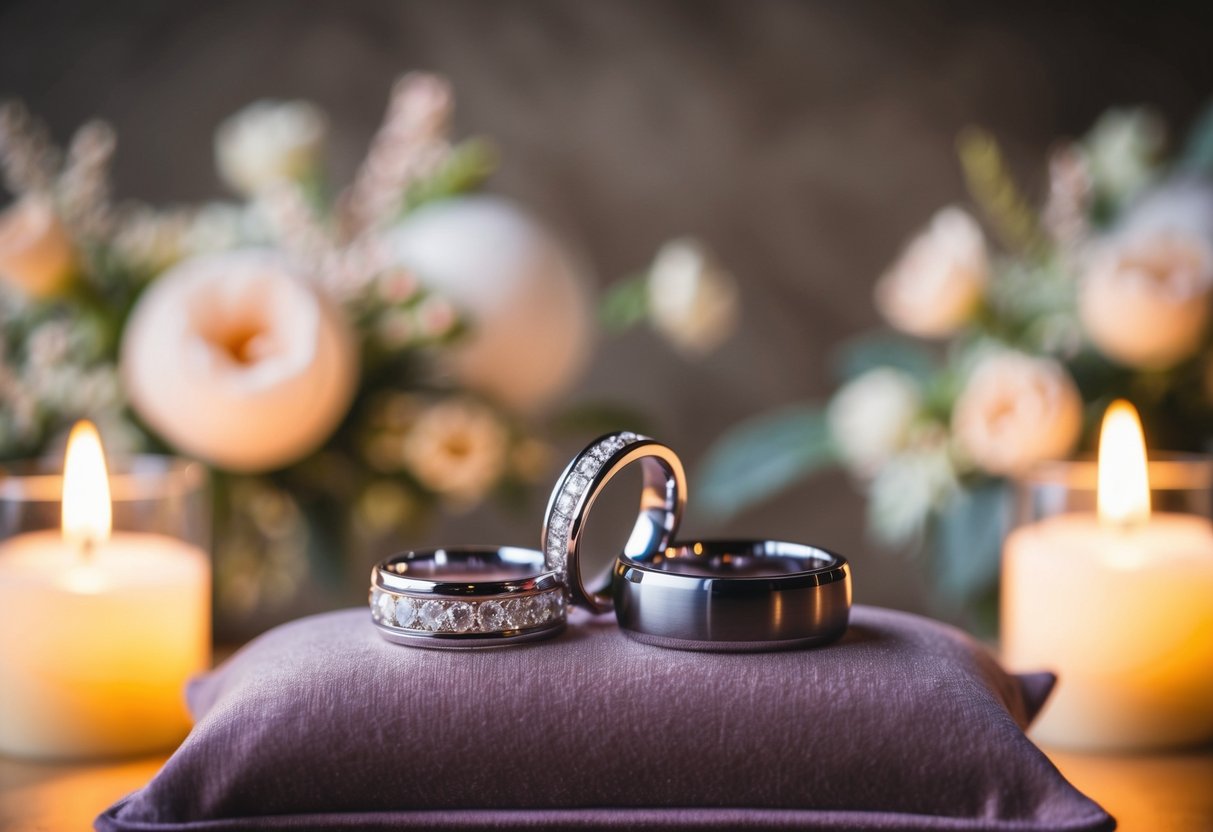
Understanding the importance of this order can help you shape a meaningful ceremony. After you express your promises, the ring exchange serves as a physical symbol of your union. Knowing the role each part plays can make your ceremony even more special.
While customs may vary, many couples follow this traditional approach to highlight the significance of their vows. As you prepare for your big day, consider how this order reflects the love and dedication you are celebrating.
The Role of the Officiant
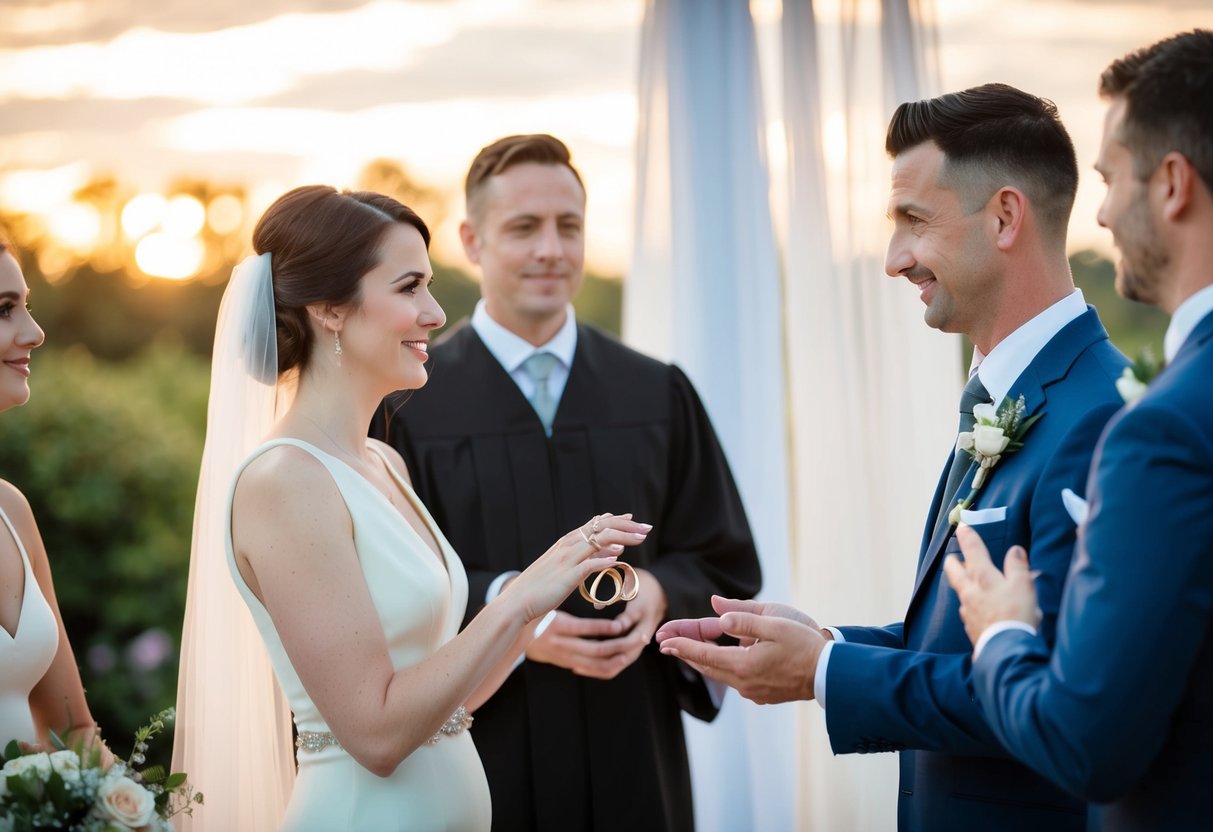
The officiant plays a key role in your wedding ceremony. They guide you through important moments, ensuring everything runs smoothly.
At the start, the officiant typically asks for a declaration of intent. This is where you confirm your willingness to marry. It’s a meaningful part, as it sets the tone for the rest of the ceremony.
Next, you will exchange your vows. The officiant helps you with this process. They may encourage you to express your feelings sincerely and remind you of the importance of your promises.
After the vows, the officiant leads the exchange of rings. They explain the significance of the rings as a symbol of your love and commitment. This is often a touching moment that everyone loves.
Finally, the officiant makes the pronouncement of marriage. This is the moment when you are declared married, and it’s usually celebrated with cheers and applause from your guests.
Throughout the ceremony, the officiant supports you. They ensure that you feel comfortable and engaged, helping to create a warm and loving atmosphere for your special day.
Ceremony Structure and Order of Events
The structure of a wedding ceremony typically follows a set order of events. Understanding this can help you plan your special day with ease. Key elements include the processional, vow exchange, ring exchange, and the recessional.
The Processional and Opening Remarks
The ceremony begins with the processional. This is when you and your wedding party walk down the aisle. Typically, the immediate family and wedding party go first, followed by you and your partner. This part sets a joyful tone for what is to come.
After everyone is in place, the officiant makes opening remarks. These remarks usually welcome guests and may include a brief explanation of what to expect during the ceremony. They might also share a few personal words about you and your partner, adding warmth and intimacy to the moment.
Readings and Unity Ceremony
Following the opening remarks, many couples include readings. These come from poems, literature, or religious texts that are meaningful to you. Sometimes a friend or family member reads these, creating a personal touch.
Many choose to have a unity ceremony after the readings. This symbolizes your bond. Popular options include handfasting, where you tie a knot with ribbons, or a sand ceremony, where you mix colored sand together. Both rituals visually represent your commitment to one another.
Vows and Ring Exchange
Next, you and your partner will exchange vows. This is a crucial moment where you share your promises to each other, often highlighted by the words “I do.” These personal vows can reflect your unique relationship and hopes for the future.
After the vows, you will participate in the exchange of rings. This tradition underscores your commitment. As you place rings on each other’s fingers, it symbolizes the start of a lifelong partnership. This moment is often accompanied by heartfelt words about what the rings represent.
The Pronouncement and Recessional
Once the rings are exchanged, the officiant will pronounce you as married. This is typically followed by the first kiss as a married couple, which is a joyous occasion celebrated by all.
After the pronouncement, the couple will walk back down the aisle together in the recessional. This marks the end of the ceremony and the beginning of your married life. It’s often filled with cheers and applause from your guests, capturing the joy of the moment.
Rings and Vows in Different Traditions
Different religious traditions have unique approaches to the order of rings and vows during wedding ceremonies. Understanding these customs can help you appreciate the significance behind each part of your special day.
Christian Wedding Ceremony Order
In a typical Christian wedding ceremony, the exchange of vows comes first. You will often hear heartfelt promises about love, support, and fidelity. Following this, the couple usually exchanges rings. The rings symbolize eternal love and commitment, representing a visible reminder of the promises made during the vows.
This specific order helps emphasize the importance of the couple’s words before the physical symbol of their commitment. In many Christian traditions, the ring exchange often includes a brief moment of prayer or blessing, underscoring the spiritual aspect of the union.
Jewish Wedding Ceremony Order
In a Jewish wedding, the structure is a bit different. The ceremony traditionally begins with the signing of the Ketubah, a marriage contract. After that, the couple shares their vows under the chuppah, which represents their new home together.
The exchange of rings comes immediately after the vows. In this tradition, the ring is often passed from the groom to the bride while he recites specific declarations. This act serves as a public acknowledgment of their commitment and is often accompanied by blessings from family members.
Hindu and Other Religious Wedding Traditions
In Hindu weddings, the order of vows and rings may vary. Generally, the ceremony involves many rituals. The couple may take vows during a ceremony called Saptapadi, where they take seven steps together, each symbolizing different promises.
The exchange of rings may occur during this time, symbolizing mutual love and regard. Other religions also have distinct practices. For example, in some cultures, rings may be exchanged before vows to represent an ongoing commitment. Each tradition brings its own beautiful nuances to this significant moment.
Personalizing the Ceremony
Personalizing your wedding ceremony can make it truly memorable. You have the freedom to combine traditional elements with your unique style.
Consider the ring exchange wording. Instead of sticking to common phrases, you can create your own vows. This adds a special touch that reflects your relationship.
If you choose to write your personal vows, think about what love means to you. You can express your promises in a way that feels genuine. Share stories or moments from your journey together.
Cultural traditions can also play a part in your ceremony. You can incorporate meaningful rituals that honor your heritage. This can add depth to your celebration, whether it’s a religious or non-religious wedding ceremony.
For modern weddings, many couples opt for a less formal approach. Feel free to skip the traditional vows if they don’t resonate with you. Instead, you might focus on what makes your love special.
Finally, don’t forget to involve your loved ones. Ask friends or family to share their thoughts or blessings. This can create a warm atmosphere filled with love and support.