
Are the Bride and Groom Not Supposed to Sleep Together the Night Before the Wedding? Unpacking the Tradition
As your wedding day approaches, you might wonder about the tradition of sleeping apart the night before. Traditionally, couples have chosen to spend the night apart to avoid bad luck, but many modern couples are now opting to sleep together. This shift allows for a more comforting experience, taking away some of the nerves that come with the big day.
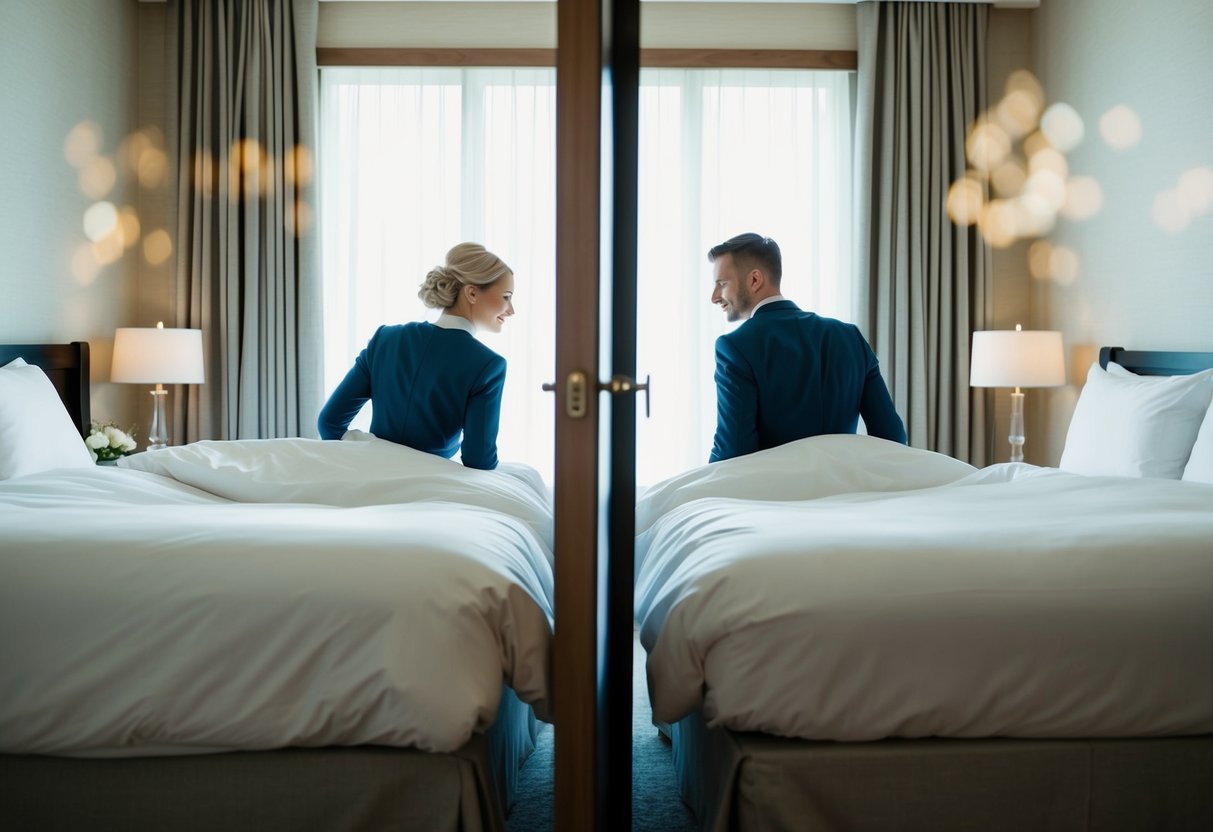
You may feel torn between maintaining tradition and doing what feels right for you. Whether you decide to spend the night together or sleep apart, the choice ultimately reflects your values as a couple. Understanding these traditions can help you feel more confident in your decision, allowing you to focus on enjoying your special day.
This topic is more than just about tradition; it’s about how you want to begin your journey as a married couple. Considering what feels comfortable for you both can set a positive tone for your wedding day and the journey ahead.
Historical Significance of Wedding Eve Traditions
Many wedding traditions have roots in history, shaped by cultural beliefs and practices. Spending the night apart before the wedding has deep significance, especially regarding superstitions and the nature of arranged marriages.
Origin of Spending the Night Apart
The custom of not having the bride and groom sleep together the night before their wedding dates back centuries. In times of arranged marriages, families often worried that seeing each other might cause the groom to change his mind. It was considered bad luck if the couple met before the ceremony. This belief was tied closely to the idea of protecting the bride’s virginity and reputation, which were highly valued in many cultures.
In some cultures, this practice also connects to ensuring that the wedding would go smoothly. By spending the night apart, families felt they were safeguarding the couple’s future and honoring traditions passed down through generations.
Evolution Over Time
As societies have evolved, so have wedding traditions. While the superstition surrounding spending the night apart still exists, many modern couples view this tradition differently. Today, you may see a mix of personal preferences and cultural beliefs in how couples decide to spend their wedding eve.
In some cases, couples choose to spend time together, rejecting older superstitions. Others may still follow the tradition as a way to build excitement before the big day. The decision often reflects a balance between historical practices and contemporary views on love and partnership.
Cultural Beliefs and Superstitions
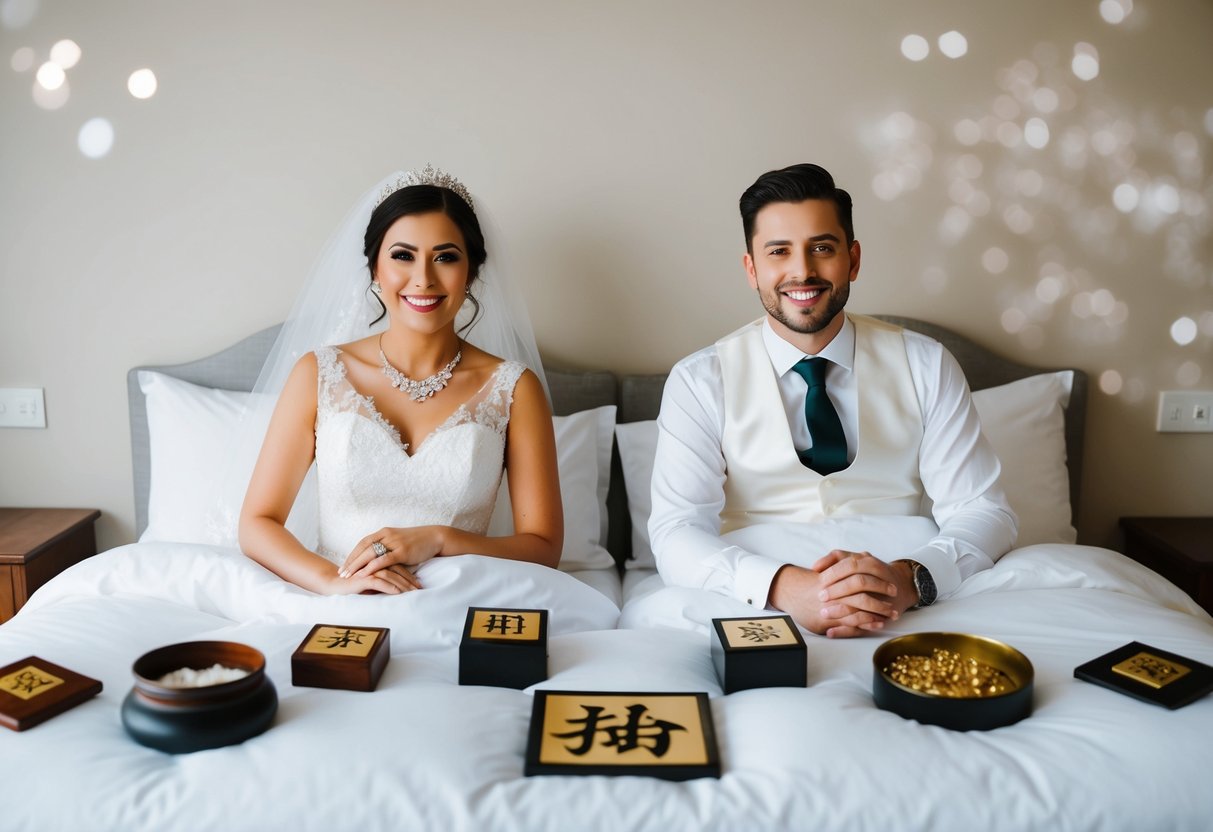
Many cultures have strong beliefs about what couples should or shouldn’t do the night before their wedding. These traditions often stem from the idea of ensuring good luck and addressing wedding jitters. Let’s explore the key aspects that influence modern weddings through these customs.
Connecting Superstition to Modern Weddings
In various cultures, it is believed that couples should not sleep together the night before their wedding. This tradition is thought to help ward off bad luck. The rationale behind this practice often links to ideas of anticipation and the emotional buildup of the big day.
Some see this separation as a way to build excitement. It creates a special moment, known as the first look, where the couple sees each other for the first time on their wedding day. This moment can amplify feelings of love and connection, making the day even more memorable.
Many couples still choose to follow these superstitions out of respect for tradition, even if they don’t personally believe in them.
Adjusting Old Practices to Contemporary Values
As times change, many people adapt old customs to better align with modern values. While some may view the night before as a chance for reflection, others see it as a source of unnecessary stress.
You might feel comfort in having your partner by your side, instead of adhering to outdated routines. Personal beliefs play a significant role here. Many choose to focus on positive feelings of love and unity, rather than fear of bad luck.
For some couples, breaking this tradition brings good luck in its own way, as they create a more relaxed atmosphere. It’s essential to find what feels right for you while navigating these age-old beliefs.
Practical Considerations and Personal Preferences
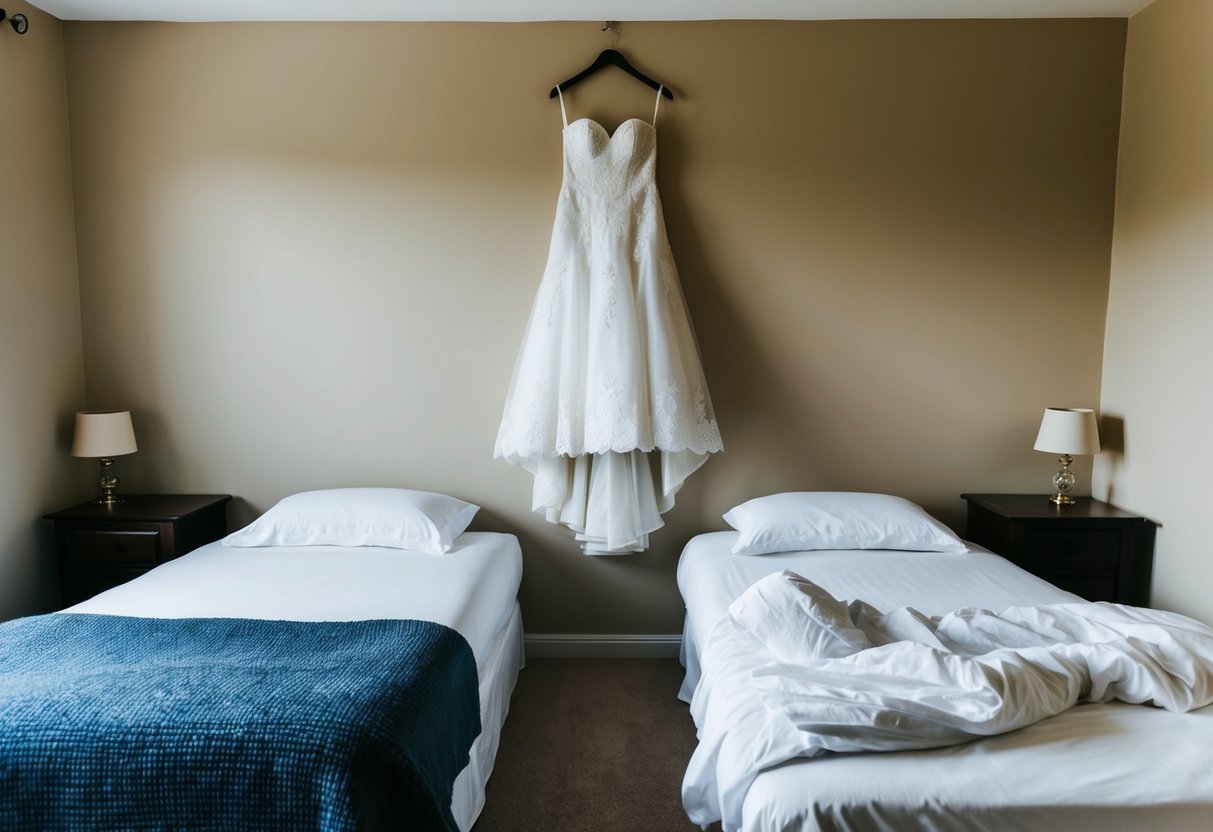
When deciding whether to sleep apart the night before your wedding, think about the logistics of your wedding prep and what makes you feel comfortable. Each couple has unique needs, and understanding what works best for you can help ease any anxiety.
Logistics of Wedding Prep
Consider where you and your partner will be the night before your wedding. If your family lives nearby, spending the night at home can be comfortable. You might choose to stay at a family home or a cozy bed and breakfast.
Also, think about the timing of your wedding day. Waking up together can create a sweet moment, filled with excitement and anticipation. However, if you have a long day ahead with hair and makeup appointments, separate accommodations might help you get ready without feeling rushed.
Choosing Comfort and Readiness
A good night’s sleep before your big day needs comfort. If your partner snores or tosses and turns, a separate room might be a better choice for you. Being well-rested will help you feel your best on your wedding day.
Discuss your plans with your bridesmaids and family, too. They might have suggestions to help you feel at ease. If it helps you stay calm, consider keeping your routine.
Choose what feels right for you, whether that is sleeping apart or cuddling together the night before.