
Are Wedding Bands Still a Thing? Exploring Their Relevance in Modern Weddings
When planning a wedding, one question that often arises is whether wedding bands are still a thing. The answer is a resounding yes! Wedding bands continue to be a meaningful symbol of love and commitment, cherished by couples around the world.
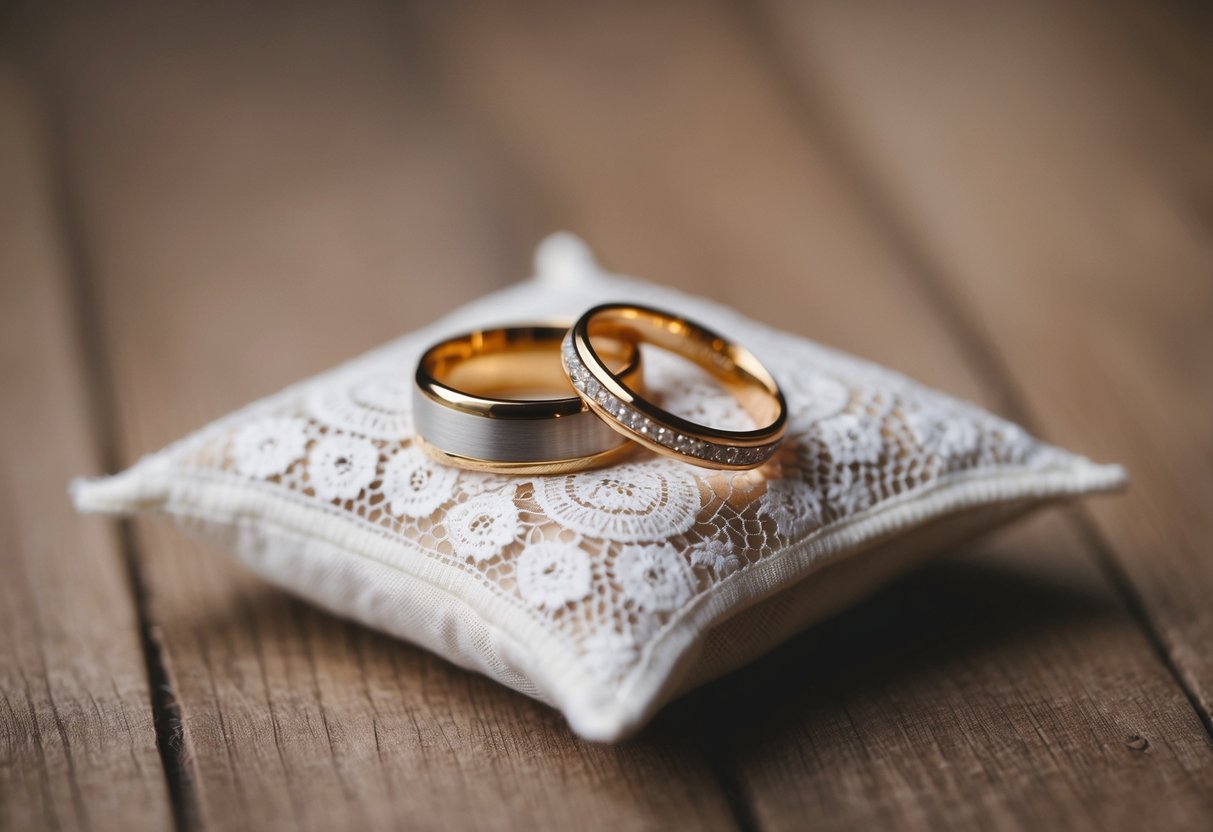
More than just shiny pieces of jewelry, these rings play a significant role during the marriage ceremony. They represent the vows you make to each other and serve as a daily reminder of your partnership.
Whether you prefer traditional designs or modern styles, wedding bands are still a vital part of many people’s wedding experiences.
In a world where trends come and go, wedding bands remain timeless. They signify a commitment that lasts a lifetime, connecting you to your partner every day. So, as you plan your special day, remember that choosing the perfect wedding band is just as important as any other detail.
The Historical Significance of Wedding Bands

Wedding bands have a rich history that dates back thousands of years. These rings symbolize love, commitment, and the joining of two lives. Their evolution reflects cultural practices and changing beliefs about marriage over time.
From Ancient Egypt to the Byzantine Empire
In Ancient Egypt, wedding rings were made from materials like woven reeds or leather. They symbolized eternity, as the circle has no beginning or end. As time went on, gold became the metal of choice, symbolizing wealth and stability.
During the Byzantine Empire, rings gained further significance. They were often adorned with intricate designs and gemstones. These rings not only served as symbols of love but also represented a union between families. They indicated the social status of the couple and were often displayed openly.
Development of Betrothal and Wedding Ring Practices
As history progressed, various cultures developed unique ring traditions. In the Middle Ages, gimmel rings became popular. These were two interlocking bands, signifying the bond between partners.
Posy rings, inscribed with romantic poems or phrases, emerged during the Tudor period. Fede rings, which depicted two hands clasped together, symbolized love and fidelity.
By the Georgian era, wedding bands became more refined. Couples started to wear simple gold bands, focusing on the act of exchanging rings as a key part of the wedding ceremony. The importance of these rings has only grown since then, deeply ingraining them in modern wedding traditions.
Cultural and Symbolic Meanings of Rings
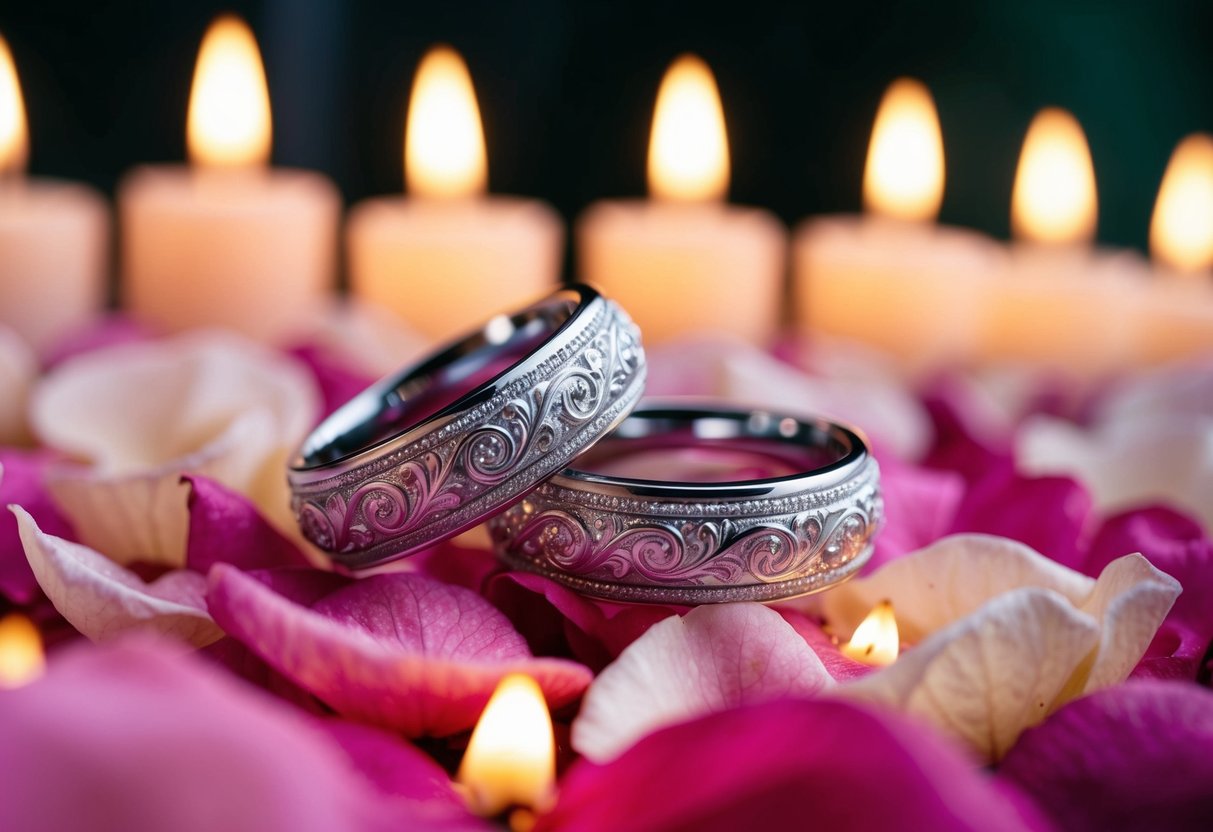
Rings have deep cultural and symbolic meanings that vary across different societies and traditions. These meanings often connect to love, commitment, and eternity, highlighting the special bond between partners.
Vena Amoris and the Vein of Love
The tradition of wearing a wedding ring on the fourth finger of the left hand comes from the belief in the “vena amoris,” or the vein of love. This ancient idea suggests a direct link from this finger to the heart, symbolizing deep emotional connection.
In many cultures, this practice embodies loyalty and fidelity. When you wear your ring, it represents not just your love, but also your commitment to the relationship.
Its circular shape signifies eternity, with no beginning or end, which is key in expressing the endless nature of love.
Interlocking Bands and Eternal Love
Interlocking rings are another powerful symbol of unity and eternal love. These bands often represent two individuals becoming one in marriage.
The design of gimmel rings, for example, features two interlocking parts that can be worn separately or together, illustrating the idea of two lives intertwined.
Fede rings also convey similar messages; their design often mimics hands clasping, symbolizing faith and trust between partners.
When you think of interlocking bands, picture how they represent the bond you share, with each ring telling a story of love, connection, and commitment that lasts a lifetime.
Modern Trends in Wedding Bands
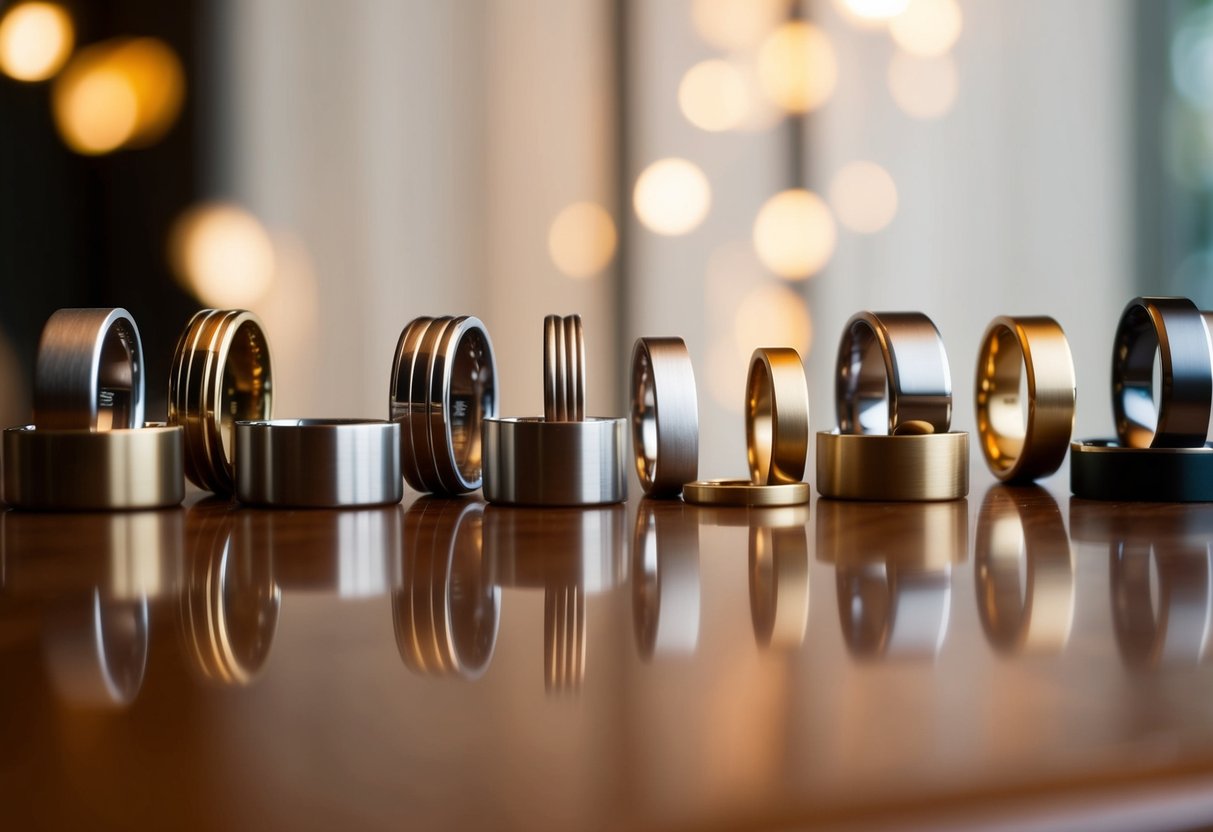
Wedding bands have evolved with new styles and materials. Many couples now look for unique designs that reflect their relationship and preferences. This section explores the trends shaping today’s wedding bands.
The Rise of Diamond Rings and Marketing Influence
Diamonds continue to be a popular choice for wedding bands. The slogan “A Diamond is Forever,” popularized by De Beers, has greatly influenced couples. This marketing campaign highlights the significance of diamonds in love and commitment.
As a result, many couples select diamond wedding bands that match their engagement rings. The desire for diamonds is not just about tradition; it’s also tied to how they symbolize enduring love.
You might find options that blend diamonds with alternative materials, adding a personal twist.
Contemporary Styles and Customization Options
Today, your wedding band can be anything you want. Many couples are seeking out contemporary styles that stand out.
Unique designs now include intricate patterns or personalized engravings that tell your love story.
Customization is a key trend. You can choose alternative materials like tungsten, wood, or even mixed metals. This variety allows you to express your individuality while maintaining the significance of the ring.
Whether you prefer a minimalist look or a bold statement piece, there’s a wedding band that fits your vision perfectly.
Materials and Design of Wedding Jewelry
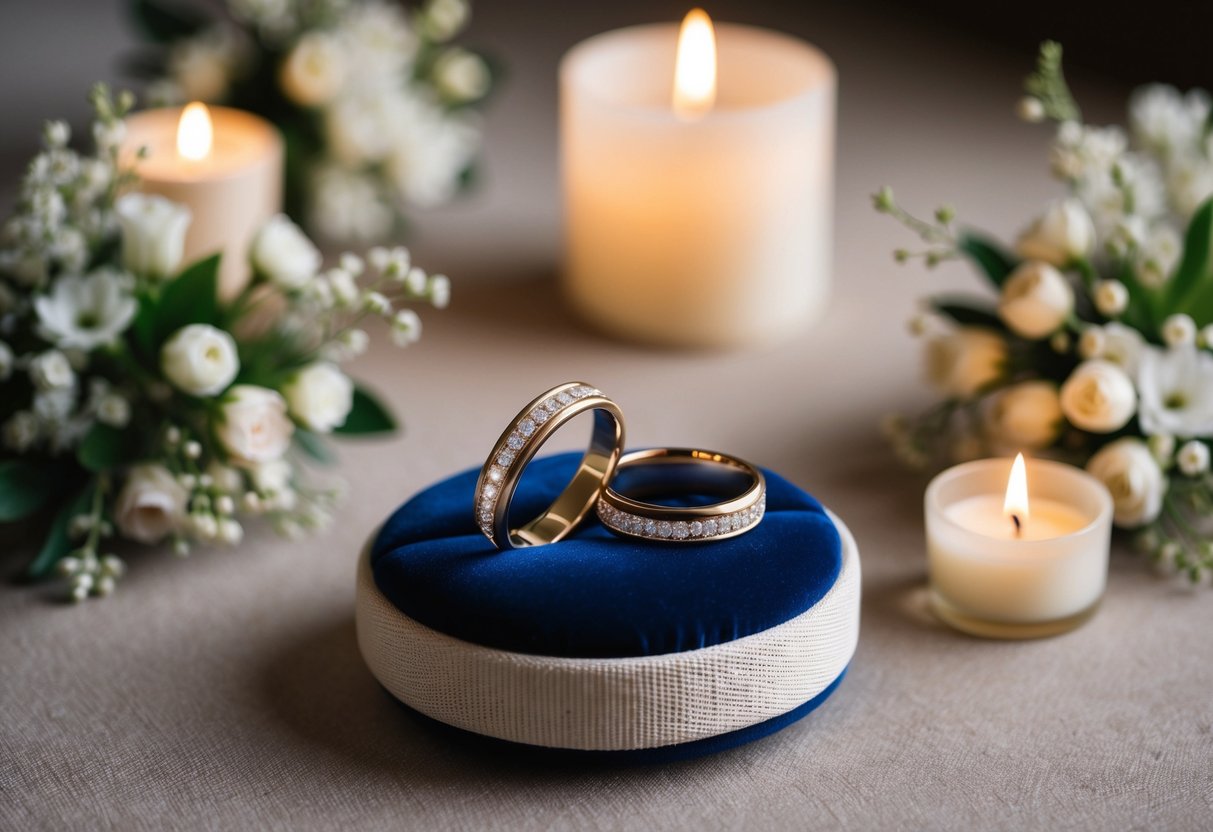
When choosing wedding jewelry, you’ll find a variety of materials and designs that fit your style and preference. Understanding the characteristics of these options can help you make the best choice for your special day.
Precious Metals and Durable Alternatives
Gold remains a classic choice for wedding bands. Available in yellow, white, and rose hues, it offers a timeless appeal.
You can select 14K or 18K gold based on your preference for durability and shine.
Platinum is another popular option. This metal is heavier and more durable than gold. It resists scratches well, making it ideal for everyday wear. Though usually more expensive, platinum’s longevity is a great investment.
If you seek something different, consider alternative materials like tungsten or titanium. These metals offer modern aesthetics and superior durability, making them excellent for active lifestyles.
They come in various finishes and colors, allowing for personalized designs.
Engravings and Personalization
Adding engravings to your wedding band makes it uniquely yours. You might choose to add your names, wedding date, or a special message. This personal touch adds emotional significance to the piece.
Consider different engraving styles, such as cursive or block font. Some couples even opt for symbols that represent their relationship, like hearts or infinity signs.
In addition, you can personalize with stones like diamonds or other gemstones. Many modern wedding rings feature these accents, adding sparkle and flair. Personalization allows you to express your individuality and match your wedding jewelry to your personality and style.