
Are Wedding Cakes Fondant or Buttercream? Choosing the Right Frosting for Your Big Day
When planning your wedding, choosing the right cake is a big decision. A major factor in this choice is the type of icing used, and the two most popular options are fondant and buttercream. Fondant provides a sleek and polished look, while buttercream offers a rich, creamy flavor. Each has its own unique qualities that can elevate your wedding cake.
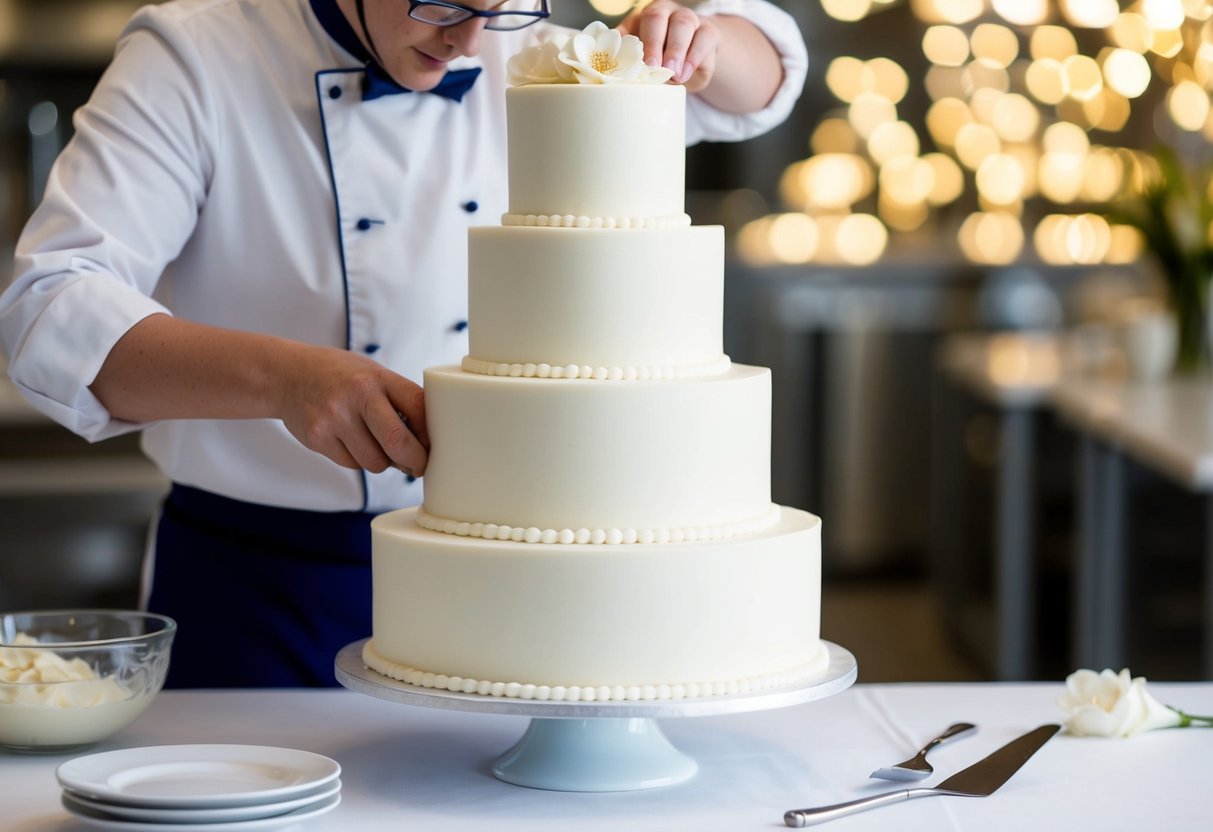
Fondant is a smooth, pliable icing that can create stunning designs, perfect for a formal wedding setting. On the other hand, buttercream is loved for its delicious taste and versatility, making it a favorite for many couples. Understanding the differences between fondant and buttercream will help you make the best choice for your special day.
As you explore your options, consider what matters most to you: the look of the cake or the flavor of the icing. With the right knowledge, you can find the perfect balance of beauty and taste to delight your guests.
Exploring Cake Icings: Fondant and Buttercream
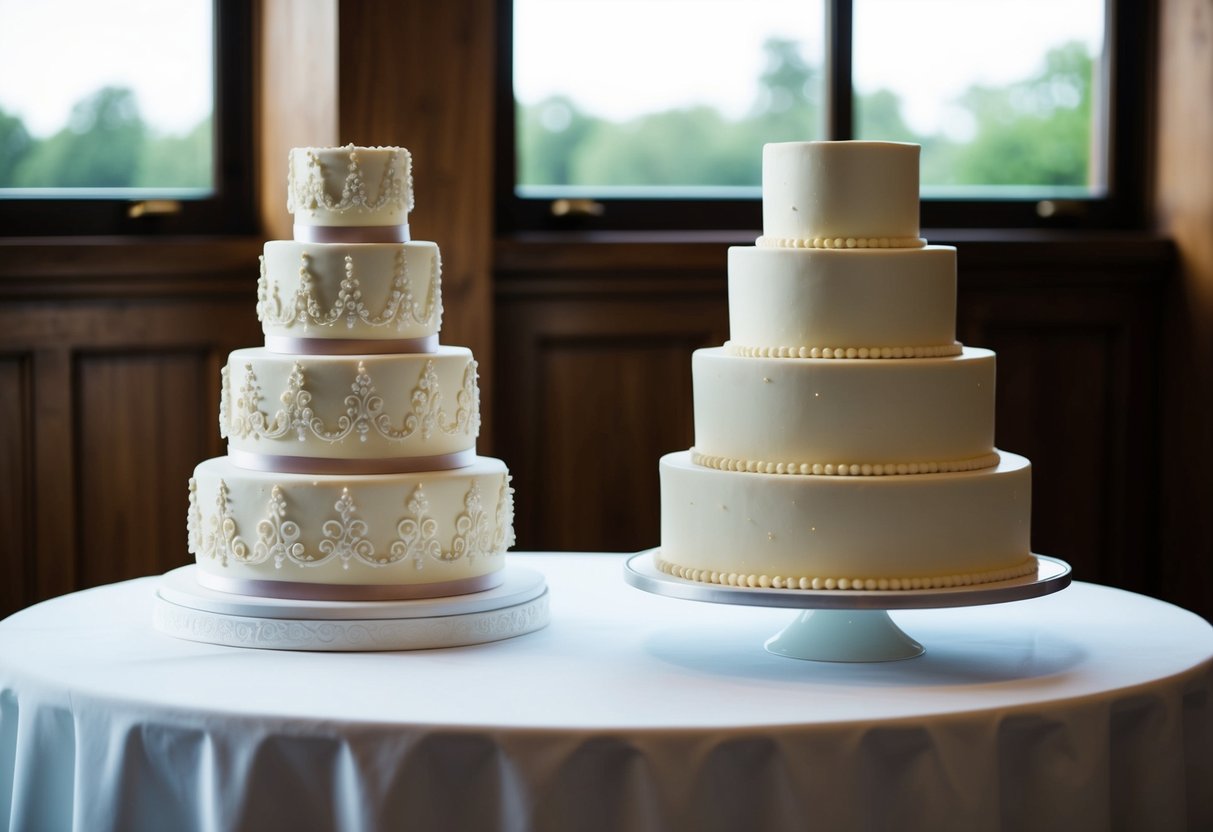
When choosing between fondant and buttercream for your wedding cake, it’s essential to understand what each icing offers. Both types have unique characteristics that can affect the look and taste of your cake.
What Is Fondant?
Fondant is a sweet, pliable icing made from sugar, water, and gelatin. It can also include marshmallows for a smoother texture. You roll it out and drape it over your cake, creating a sleek and polished finish. Many people love fondant for its smooth appearance and ability to hold shapes.
Fondant can be tinted in various colors and molded into decorations like flowers and figures. However, it can be less flavorful compared to buttercream. While fondant acts as a protective layer, it may not be as enjoyable to eat.
Some cakes use a combination of fondant and buttercream. The buttercream layer helps the fondant stick while providing a better taste experience. You can find fondant in many colors available, often called sugar paste.
What Is Buttercream?
Buttercream is another popular choice for wedding cakes, made primarily from butter and powdered sugar. There are different types, including American buttercream, Swiss buttercream, and meringue buttercream. Each has its unique texture and flavor profile.
American buttercream is sweet and easy to whip up, making it a favorite for many bakers. Swiss meringue buttercream, on the other hand, has a silky texture and is less sweet due to its egg whites. This variety gives your cake a creamy, decadent taste.
Buttercream is spreadable and perfect for creating layers of flavor within your cake. You can also pair it with other elements like ganache. With its delightful taste and versatility, buttercream enhances the overall wedding cake experience.
Aesthetic and Textural Differences
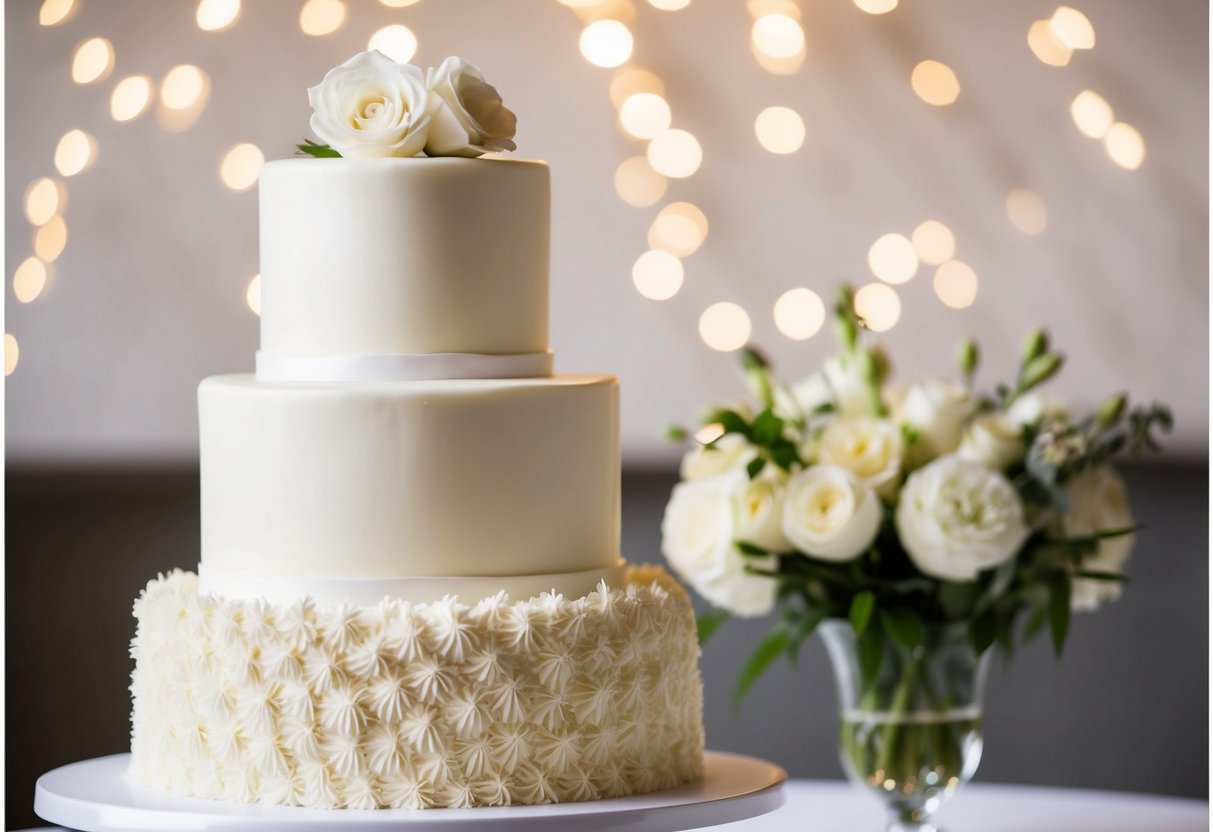
Choosing between fondant and buttercream for your wedding cake involves understanding their unique aesthetic and textural qualities. Each type brings distinct benefits and visual appeal to your cake design.
Smooth Finish and Intricate Designs
Fondant cakes are known for their smooth finish and ability to create intricate designs. The thin, clay-like icing can be rolled out and draped over cakes, providing a sleek and polished look. This allows for elaborate patterns, bows, and 3D shapes that are hard to achieve with buttercream.
With fondant, you can create detailed decorations that look stunning, especially for themed weddings. From elegant wedding cake designs to whimsical styles, fondant gives you the flexibility to craft your dream cake. It’s the choice for couples who want their cake to resemble a beautiful work of art.
Cake Appearance and Texture
Buttercream cakes have a creamy texture that many find comforting and delicious. While it may not achieve the super-smooth surface that fondant offers, buttercream can still look beautiful. It can be piped into various styles, creating soft edges, rosettes, or even ruffles.
The appearance of buttercream can be more rustic and inviting, often giving cakes a homey feel. Plus, it comes in various flavors that enhance the cake’s taste, making it a favorite for many. Remember, your choice should also be based on how important flavor and texture are to you on your special day.
Practical Considerations for Wedding Cakes
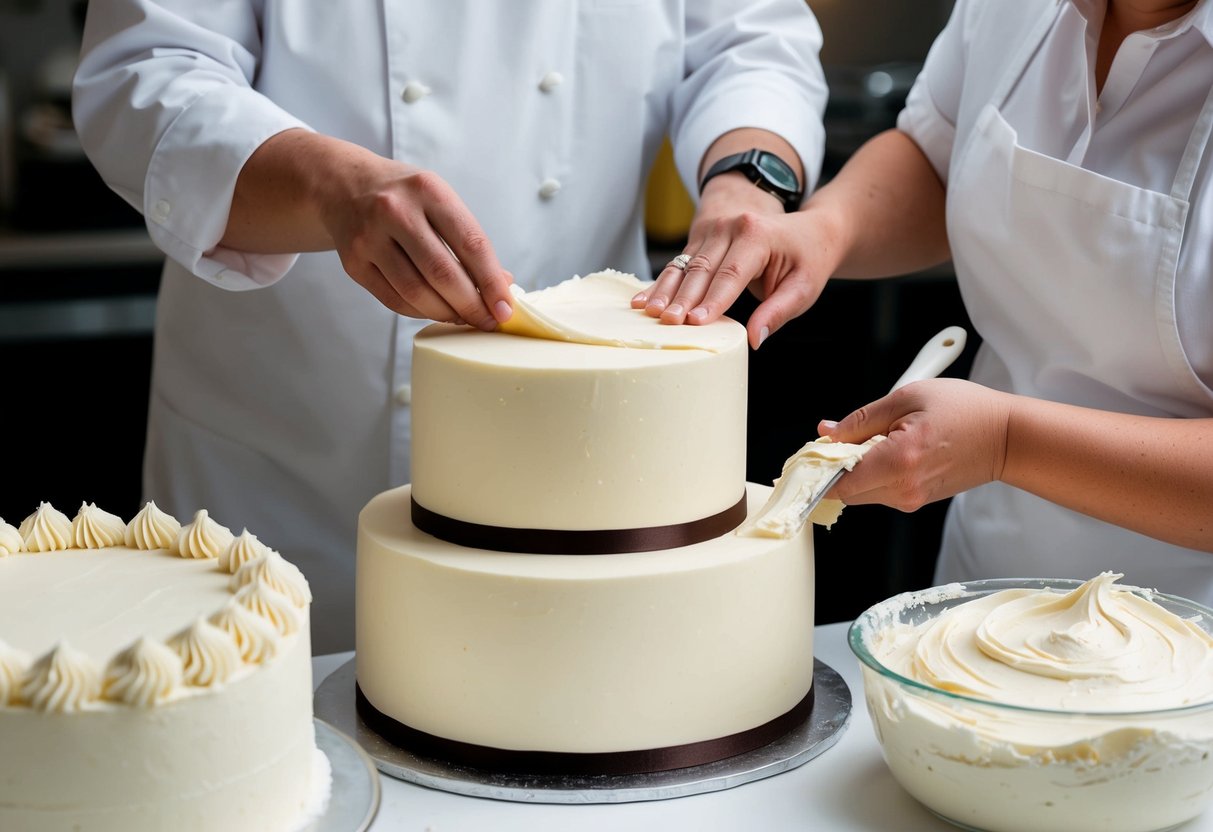
When planning your wedding cake, consider important factors like weather conditions and flavor preferences. These elements will play a crucial role in ensuring your cake looks great and tastes even better.
Weather and Durability
If you’re having an outdoor wedding, weather can be a big factor. High humidity can cause cakes with buttercream to melt or slide. This makes fondant a popular choice for outdoor weddings, as its firmer texture holds up better in heat.
Keep in mind that fondant can protect the cake inside from drying out. Yet, if the temperature is too hot, even fondant might sweat or lose its shape. You’ll want to discuss with your baker about storage options and how to keep your cake fresh, especially in warm weather.
Flavors and Taste Preferences
Choosing a cake flavor is just as important as selecting the icing. Many people love traditional flavors like vanilla or chocolate. With buttercream, you can easily customize flavors by adding hints of fruit, chocolate, or even nuts.
Fondant, while perfect for decorating, often has a more limited flavor profile. It usually tastes sweet but can have a chewy texture that doesn’t appeal to everyone. Some couples opt for a layered cake. They choose to use fondant for the exterior and then fill the layers with buttercream or other fillings to enhance the flavor experience for guests.