
Are Wedding Rehearsals a Thing in the UK? Understanding Their Importance and Traditions
Planning a wedding can be exciting but also a bit overwhelming, especially when it comes to customs and traditions. If you’re wondering whether wedding rehearsals are part of the experience in the UK, you’re not alone. In the UK, wedding rehearsals are generally not a common tradition like they are in the US.
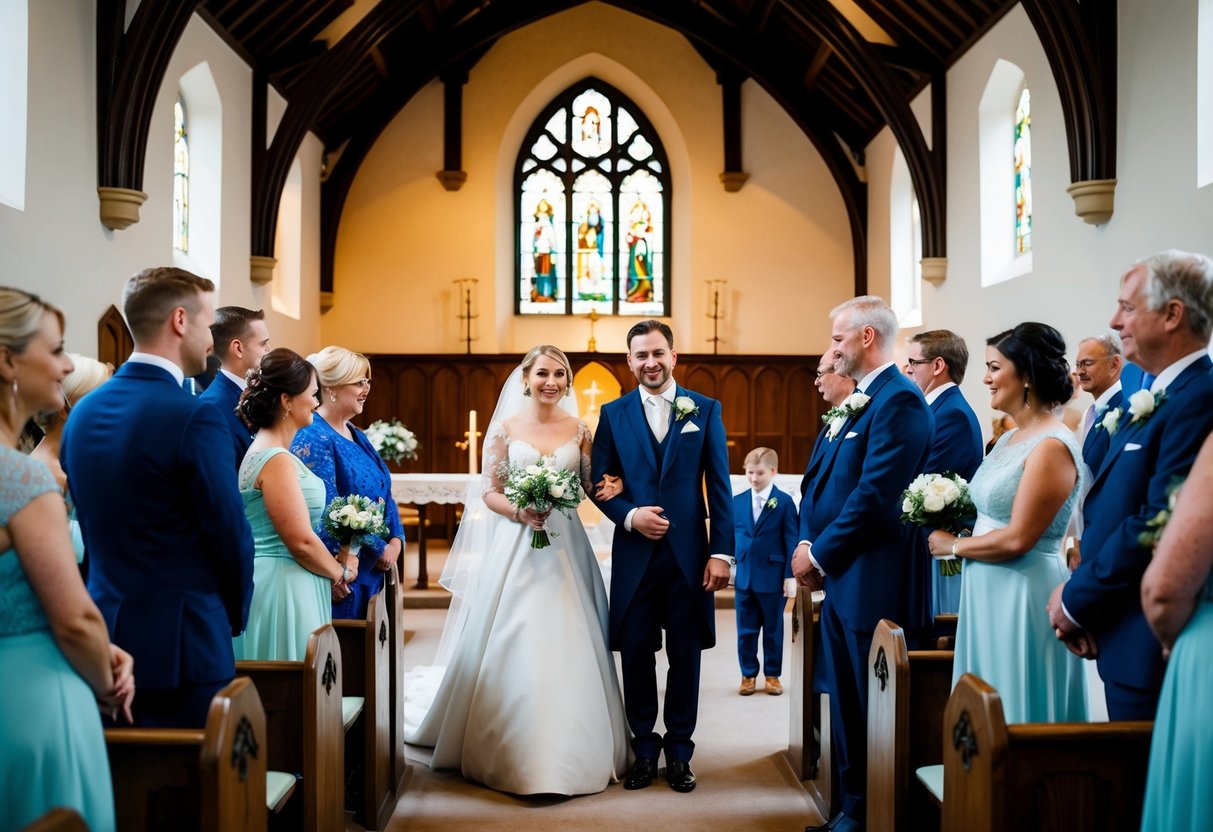
While some venues may suggest a short meeting before the big day to go over last-minute details, most couples don’t have formal rehearsal dinners. Instead, the focus is often on ensuring that everything is set for the ceremony itself.
This can leave you curious about what to expect and how to prepare for your own wedding.
If you’re planning a wedding in the UK, understanding what to do and what to skip can help you manage your time and make your day run smoothly. In this article, you’ll learn more about how wedding rehearsals work in the UK and what alternatives you might consider to feel prepared for your special day.
Understanding Wedding Rehearsals in the UK
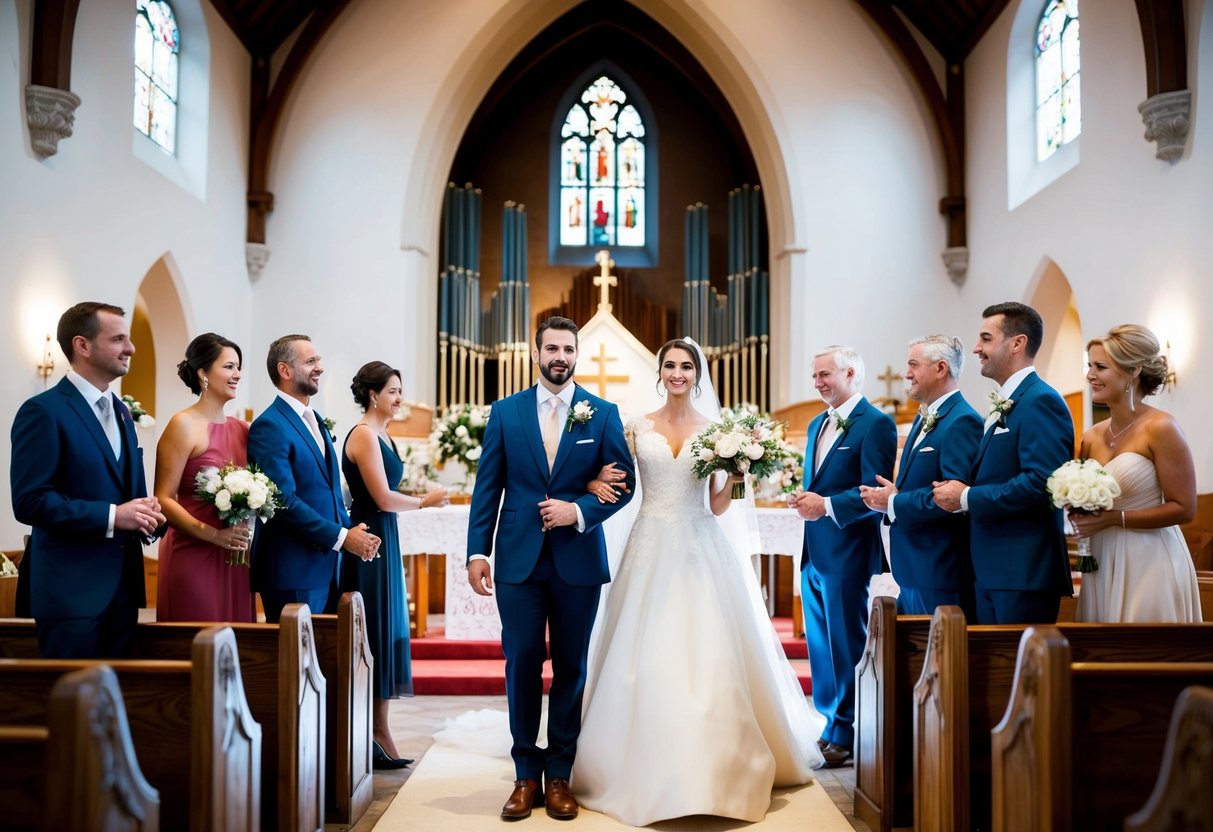
In the UK, wedding rehearsals are not as common as in other countries, especially the United States. Many couples wonder about the purpose of rehearsals and how they fit into UK wedding traditions.
The Role of Rehearsals in UK Weddings
In the UK, a wedding rehearsal is not always a standard practice. Many couples opt for a simple meeting with the officiant before the big day instead of a formal rehearsal. If a rehearsal occurs, it usually includes just the wedding party.
The goal is to make sure everyone understands their roles, where to stand, and what to do during the ceremony. This helps ease any anxiety and makes the day run more smoothly.
While it may not be a grand affair, it is still beneficial for those involved in the ceremony.
Differences Between UK and American Traditions
In American wedding traditions, rehearsals are a significant part of the planning process. They often include a dinner afterward, known as a rehearsal dinner, where families gather.
In contrast, UK weddings typically do not feature this custom. While some couples may choose to host an informal gathering, it’s not a widespread practice. Instead, you might find a more relaxed atmosphere surrounding the rehearsal, often without a dinner.
This difference highlights how cultural norms shape wedding practices. Understanding these variations can help you plan a wedding that respects your preferences and traditions.
Key Participants in Wedding Rehearsals
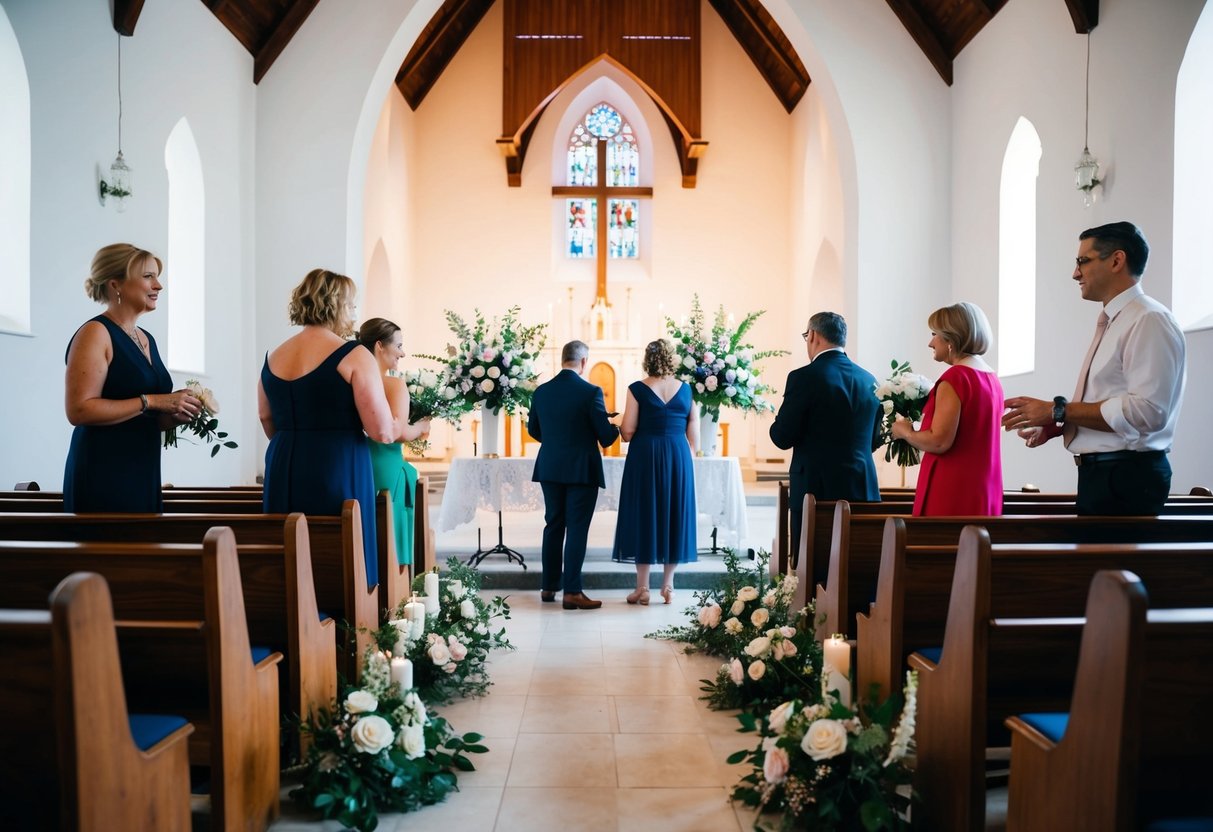
Wedding rehearsals play a key role in preparing everyone for the big day. This section focuses on the bridal party’s duties and explains the important roles of witnesses and ushers. Each participant contributes to a smooth and organized ceremony.
Duties of the Bridal Party
The bridal party typically includes bridesmaids, groomsmen, the maid of honor, and the best man. Each person has specific duties during the rehearsal.
-
Bridesmaids: They practice walking down the aisle and standing beside the bride. They also help with any last-minute details.
-
Groomsmen: Like the bridesmaids, they run through their roles, ensuring they understand where to stand and how to support the groom.
-
Maid of Honor and Best Man: They guide the other members, keeping everyone on track. They help with vows and hold important items like rings.
This teamwork helps everyone feel more comfortable and confident for the wedding day.
Explaining the Roles of Witnesses and Ushers
Witnesses and ushers also play crucial roles in the rehearsal. Here’s how they contribute:
-
Witnesses: Usually two individuals are chosen to sign the marriage certificate. They need to understand the ceremony flow, knowing when to step forward.
-
Ushers: They assist guests as they arrive, directing them to their seats. During the rehearsal, ushers practice their greeting and seating responsibilities to make guests feel welcome.
It’s essential for both witnesses and ushers to know their roles well. This ensures that everything runs smoothly on your special day.
Wedding Rehearsal Events and Etiquette
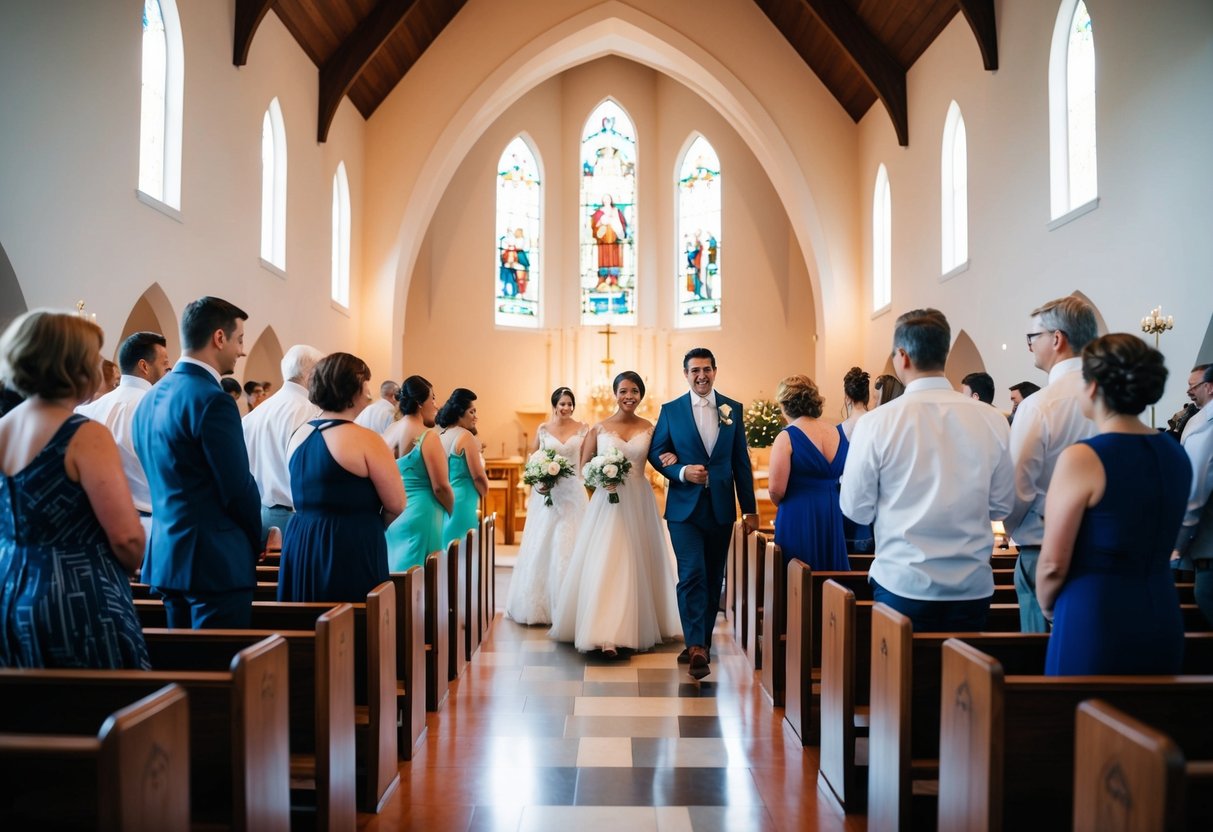
Planning a wedding in the UK often includes a rehearsal event. This is a great opportunity for you and your close ones to gather before the big day. You can enjoy time together, learn about the ceremony, and set the stage for a memorable celebration.
Rehearsal Dinner Traditions
In the UK, a rehearsal dinner is commonly held. This meal often takes place after the rehearsal ceremony. It’s a chance for the wedding party, family, and close friends to relax before the wedding.
Traditionally, the groom’s family hosts this dinner. It can be at a restaurant or a family home. Making sure the venue is convenient is key, as your guests may have traveled some distance.
During this dinner, it’s common to have speeches. This is where family and friends share stories and best wishes. Don’t forget the fascinators! These stylish accessories can add a lovely touch to your rehearsal dinner attire.
Who Attends and What to Expect
The rehearsal dinner includes your immediate family, the wedding party, and any close friends. It’s usually a smaller group than the wedding reception.
Expect to spend about an hour on the rehearsal, followed by the dinner. Guests should arrive early, often about thirty minutes before start time. This allows for mingling before the formalities begin.
You can also plan light activities or games during the dinner. This helps break the ice, especially for those who may not know each other well. Just keep the mood relaxed. Remember, this is a moment to enjoy before the celebration of your wedding day.
Executing the Perfect Wedding Rehearsal
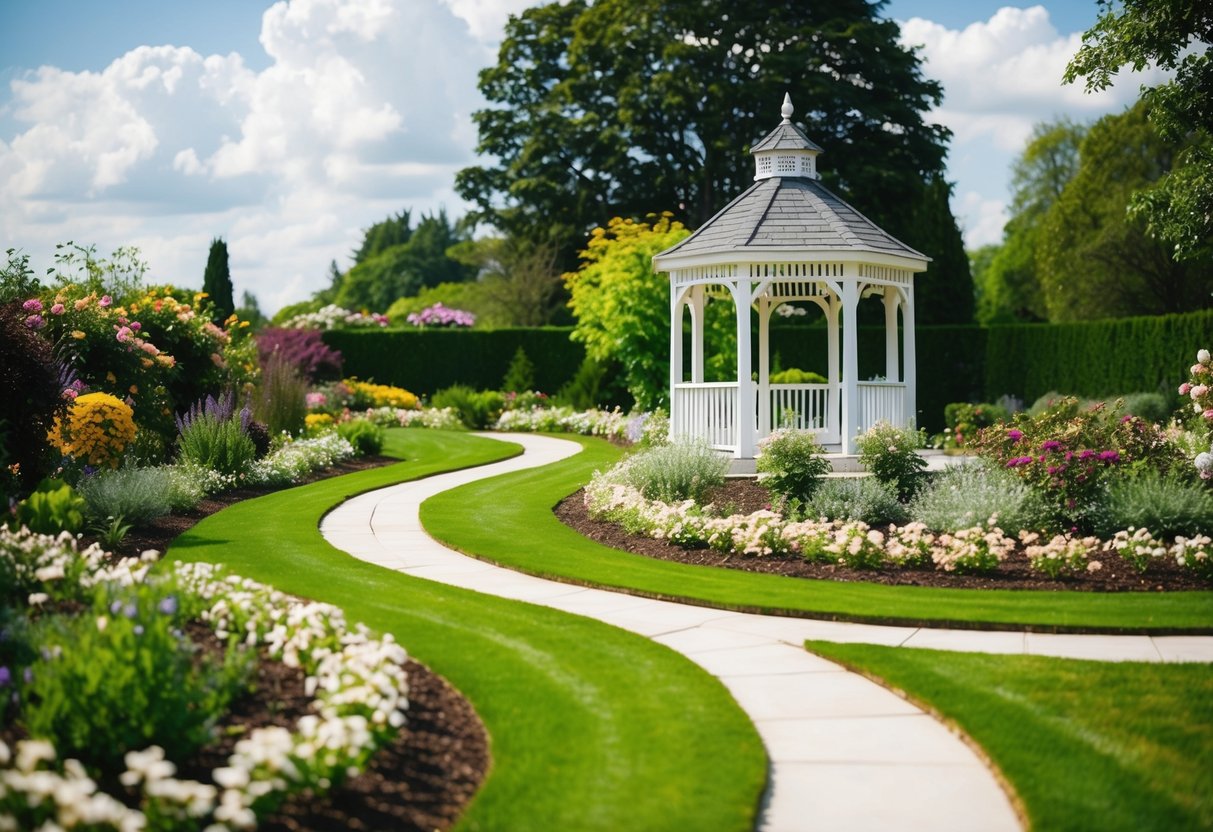
A well-planned wedding rehearsal ensures that everyone knows their roles for the big day. Whether you’re getting married in a church or a wedding venue, practicing can help make the ceremony smooth and enjoyable.
Steps in Planning a Rehearsal
To kick off your rehearsal, set a date and time within a week before the wedding. Aim for one or two days prior to your wedding day.
Next, gather your wedding party, including the vicar if you’re getting married in a church.
Make sure to confirm the rehearsal location. It could be at the church or the venue where you’ll walk down the aisle.
When you gather, run through each part of the ceremony. This includes readings and any special wedding ceremony words or rituals. Discuss any instructions for the wedding photographer so they can capture those key moments.
Having an organized checklist can be very helpful. Write down the order of events, who will walk where, and what needs to be rehearsed. If there are specific cues for music or timing, make a note of those too.
Importance of a Wedding Planner
A wedding planner can be a key ally when executing your rehearsal. They have experience and can help coordinate all aspects of your wedding planning.
From the logistics of the venue to managing the flow of the ceremony, they ensure nothing is overlooked.
With a planner, you can also discuss specific elements like the setup for a civil ceremony or the arrangement for readings during the wedding.
They can provide insights into Church of England traditions if you’re having a church wedding, ensuring everything aligns with the expectations.
Having someone who knows how to manage the details can reduce stress. They can direct the wedding party during the rehearsal and offer advice.
This support makes it easier to focus on the joy of the occasion, rather than the technicalities.