
Are Wedding Rehearsals Common? What You Need to Know About This Important Tradition
As you plan your wedding day, you might wonder about the importance of wedding rehearsals. Many couples choose to hold a rehearsal as it helps everyone feel comfortable and prepared for the big day. This practice can ease nerves and ensure that the ceremony runs smoothly.
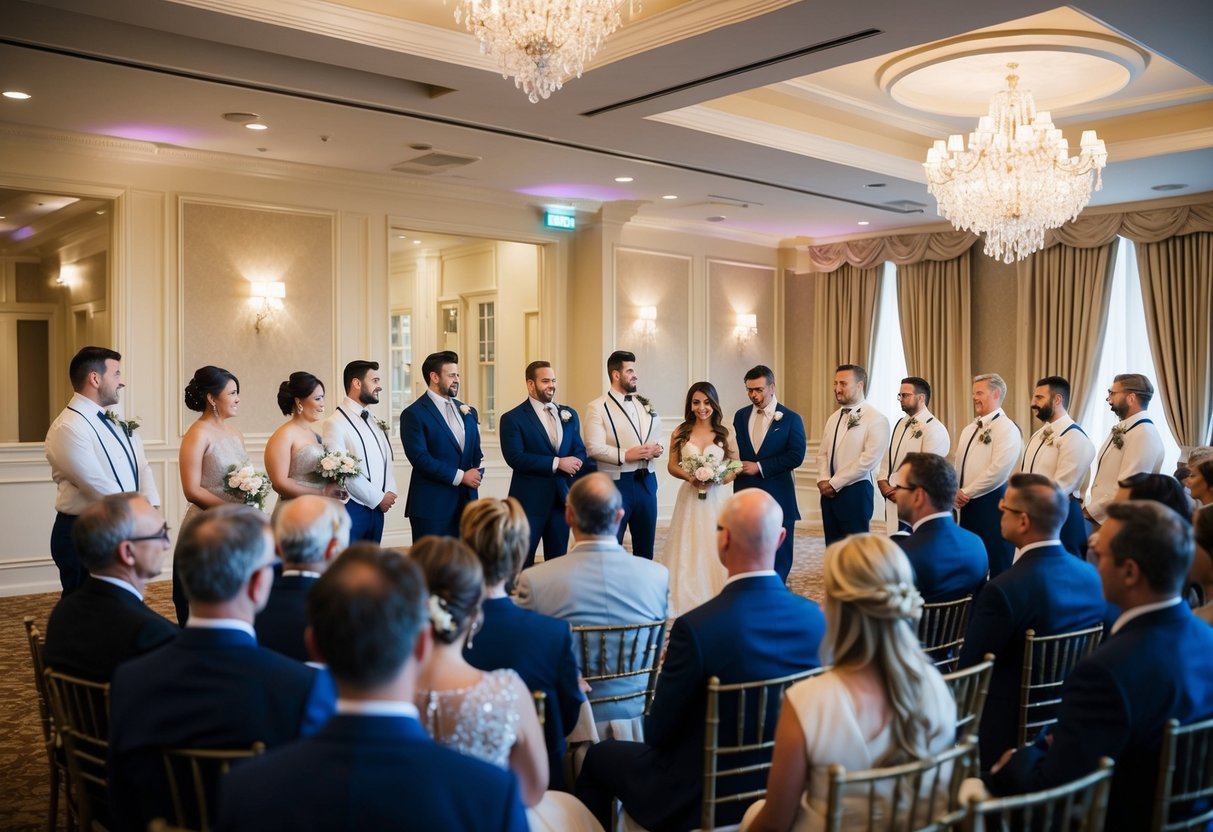
A wedding rehearsal is a great opportunity to gather your wedding party and loved ones. It allows you to walk through the ceremony details, from the processional to the recessional. This practice not only highlights important roles but also builds excitement among everyone involved.
Most weddings include a rehearsal, especially larger ceremonies. By taking this step, you set the stage for a more relaxed and enjoyable wedding day.
Planning Your Wedding Rehearsal
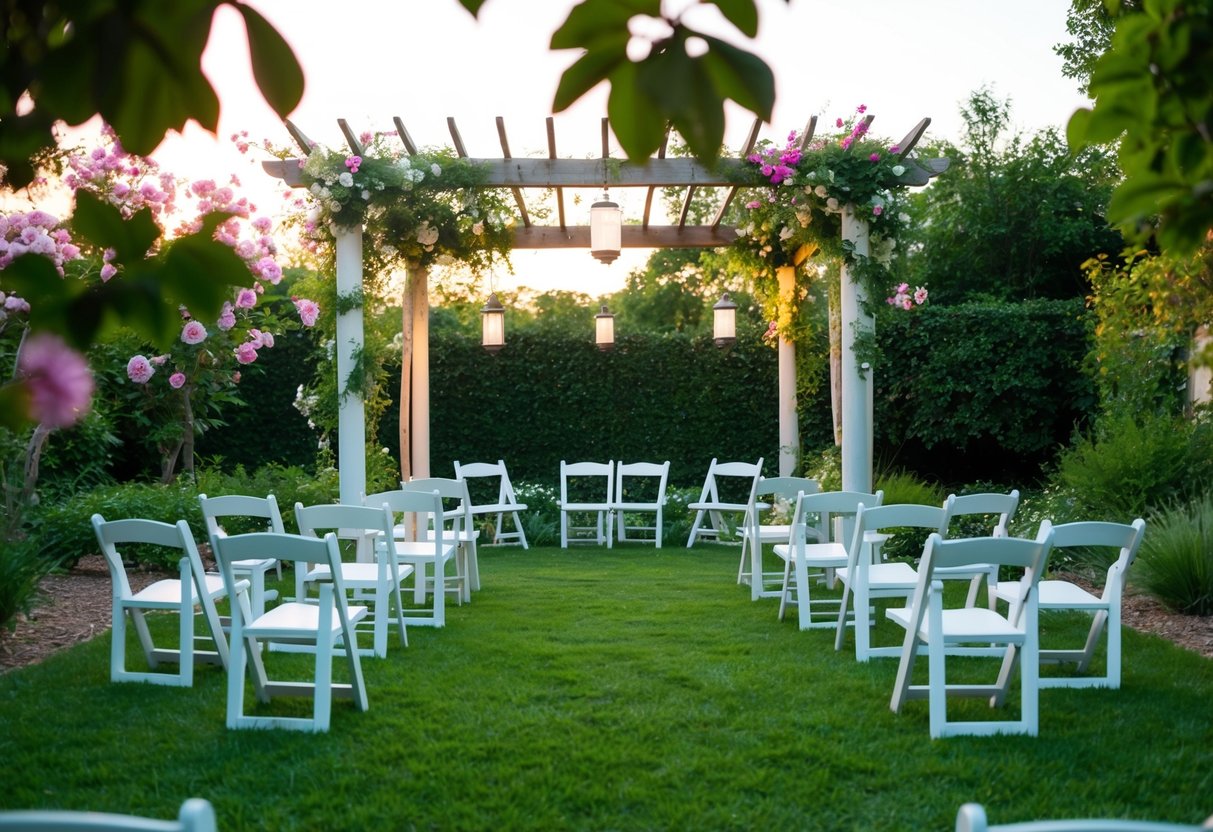
Planning your wedding rehearsal is an important step to ensure everything goes smoothly on your big day. By clearly assigning roles, creating a schedule, and considering the venue, you’ll help keep things organized and stress-free.
Assigning Roles and Responsibilities
Designating clear roles helps everyone know what to expect. A rehearsal coordinator can be a helpful point person. This could be your wedding planner or someone from your wedding party.
Here’s a suggested list of roles:
- Officiant: Leads the rehearsal and ceremony.
- Wedding party members: Practice their parts and positions.
- Family: Know where to sit and when to enter.
- Venue manager: Provides guidance on location specifics.
Having open communication about roles can ensure stress is minimized. Make sure everyone understands their part and feels comfortable asking questions.
Creating the Rehearsal Schedule
A well-structured schedule is key to a successful rehearsal. Most couples spend about 30 to 40 minutes on this.
Here’s a simple outline for your schedule:
- Gather everyone at the chosen venue.
- Explain the order of events for the ceremony.
- Walk through each part, practicing entrances, exits, and key moments.
You might find it helpful to send out the schedule in advance. This way, everyone knows the timeline and feels prepared.
Rehearsal Venue Considerations
Choosing the right wedding venue for your rehearsal is essential. Make sure it’s the same location as your ceremony if possible. This helps everyone visualize the actual event.
When planning, consider:
- Space: Is there enough room for your wedding party and family?
- Accessibility: Ensure everyone can get in easily.
- Meeting the venue manager: They can provide insight about the setup and help you run through important details.
Taking time to discuss your needs with the venue manager can lead to a smoother rehearsal.
The Rehearsal Dinner
The rehearsal dinner is an important part of the wedding weekend. It’s a time for celebration and helps everyone feel connected before the big day. Here are key points to consider about planning the rehearsal dinner, from the menu to guest management.
Planning the Dinner Menu
When planning the rehearsal dinner menu, consider the tastes of your guests. You might want a sit-down meal, a buffet, or even casual fare like barbecue or pizza.
Make sure to provide options for different dietary needs. Including vegetarian, gluten-free, and other choices shows you care about everyone’s preferences.
Think about local caterers if you want to support small businesses. You can also ask family members to contribute dishes for a potluck-style dinner, adding a personal touch.
Invitations and Guest Management
Sending out rehearsal dinner invitations is essential. Who attends the rehearsal dinner usually includes the wedding party, close family, and out-of-town guests.
You can choose simple digital invites or more formal cards. Make sure to include the date, time, and location. You might also want to note if participants need to RSVP.
Keep track of responses to manage seating arrangements. A list can help you avoid confusion on the day of the event.
Rehearsal Dinner Traditions and Entertainment
Rehearsal dinner traditions often vary by culture. Common elements include speeches from the couple or their parents. These moments add a personal touch and warmth to the celebration.
Regarding entertainment, consider fun games or toasts. Sharing stories about the couple can lighten the mood. You could also include music or even a slideshow of memories.
Planning some light entertainment can make the evening more enjoyable. Make sure whatever you choose makes everyone feel included and valued. This time is about celebrating relationships before the big day.
The Ceremony Walk-Through
A smooth ceremony walk-through helps prepare everyone for the big day. This includes practicing key moments such as entering and exiting the ceremony area. You will ensure everyone knows their roles, making the actual event less stressful.
Perfecting the Processional
The processional is the moment you and your wedding party walk down the aisle. It’s important to decide the order in which everyone will enter. Typically, the officiant stands at the front, followed by the groom and groomsmen.
You should practice this part multiple times. Walking down the aisle can feel overwhelming, so ensuring that everyone feels comfortable can ease nerves. Consider timing the music with your steps to create a beautiful atmosphere. Make sure each person knows when to walk and where to stand.
Choreographing the Recessional
The recessional is just as important as the processional. This happens after you say, “I do!” Plan how you and your partner will exit, as well as how the rest of the wedding party follows.
You might want to walk down together, hand in hand, while your guests cheer. Practice the timing, walking speed, and order of departure. Consider the setting, as this might affect how you exit—whether it’s a grand exit with flowers or a simple stroll.
Communication with the Officiant
Clear communication with your officiant is essential. Make sure to tell them the schedule for the rehearsal and the details of each part of the ceremony. Also, discuss the flow of the service, including how they will interact with you and your wedding party.
You might also want to discuss how the officiant will cue everyone for the processional and recessional. This clarity can prevent confusion on the big day. Don’t hesitate to ask questions during the rehearsal, ensuring everyone is on the same page.