
Are Wedding Rehearsals Normal? Exploring Common Practices for Nuptial Prep
Planning a wedding can be exciting, but it can also feel overwhelming. You might wonder about different traditions and practices, including whether or not a wedding rehearsal is necessary. Yes, wedding rehearsals are quite normal and often recommended to help everyone feel prepared and reduce stress on the big day.
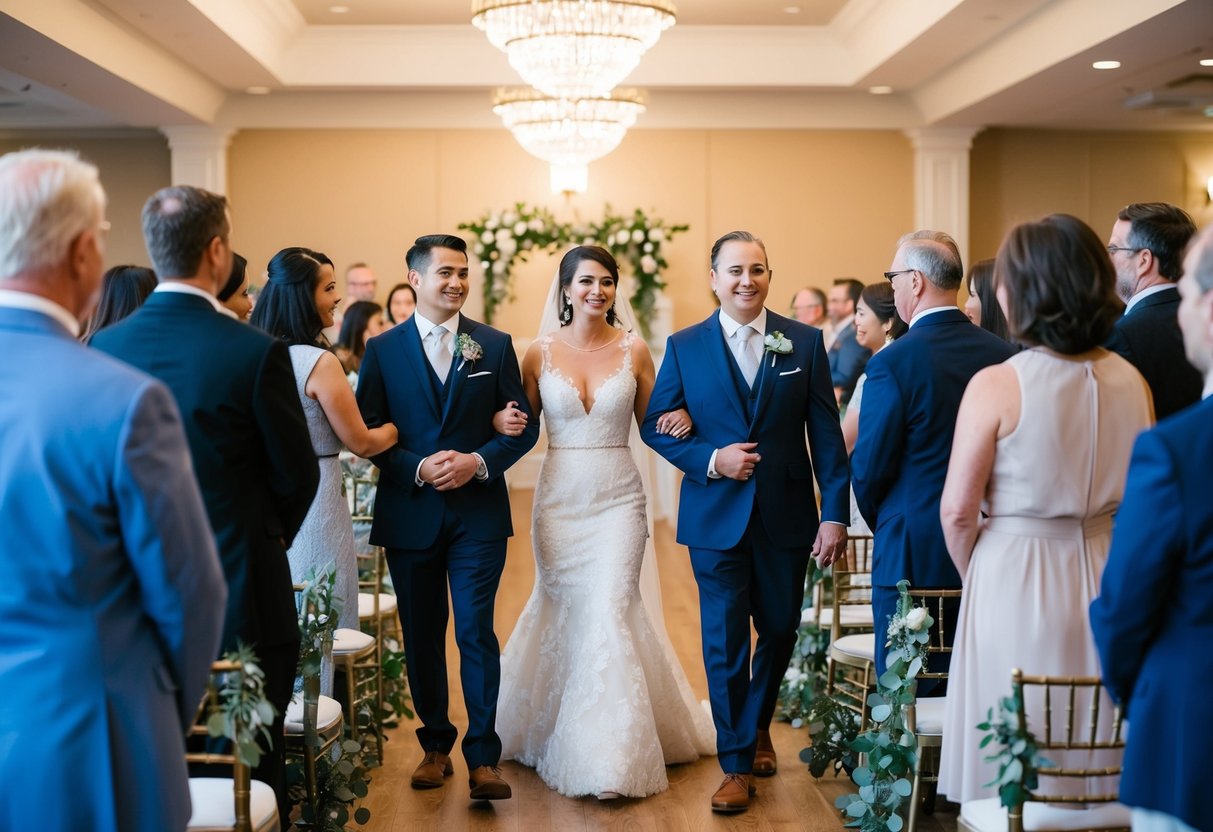
A wedding rehearsal typically happens a day or two before the ceremony. It’s a great opportunity for the bride, groom, and wedding party to practice the ceremony. This practice run allows everyone to know their roles and where to be, making the actual event smoother.
Many couples find that having a rehearsal not only helps with the logistics but also brings everyone together. It’s a time to bond with your friends and family, setting a positive tone for the celebration ahead.
Understanding Wedding Rehearsals
Wedding rehearsals play an important role in preparing for the big day. They help everyone feel confident in their roles and the flow of the ceremony. This section covers the purpose of these rehearsals, the roles of the wedding party, and important choreography for the processional and recessional.
Purpose of a Ceremony Rehearsal
A ceremony rehearsal is a practice run that takes place one or two days before your wedding. It allows the wedding party, including groomsmen and bridesmaids, to familiarize themselves with their roles.
During the rehearsal, everyone can see how the ceremony will unfold. This is crucial for helping the officiant understand the flow and timing. You can also address any last-minute concerns.
Practicing in advance can make the actual ceremony run smoothly. It reduces anxiety and helps everyone know where to stand and when to move. A well-organized rehearsal sets the stage for a beautiful wedding day.
Roles of the Wedding Party During Rehearsals
Each member of the wedding party has specific roles during the rehearsal. Groomsmen support the groom, while bridesmaids assist the bride.
The officiant plays a key role in guiding the rehearsal, explaining what will happen during the ceremony. You can also designate someone to lead each part of the practice.
It’s helpful for everyone to practice walking down the aisle together. The rehearsal is the time to clarify duties, such as who will hold the rings or when to light candles. This clarity helps everyone feel prepared and confident on your wedding day.
Choreography of the Processional and Recessional
The choreography of the processional and recessional is a key focus during the rehearsal. The processional is how you enter the ceremony, and the recessional is how you exit.
Together with your wedding party, walk through each part. This includes the order of entry: who goes first, second, and so on.
Practicing these movements helps ensure that everyone walks at the right pace and time. It’s vital to know when to stand and sit during the ceremony. A smooth processional and recessional marks a lovely start and finish to your big day.
Planning The Perfect Rehearsal
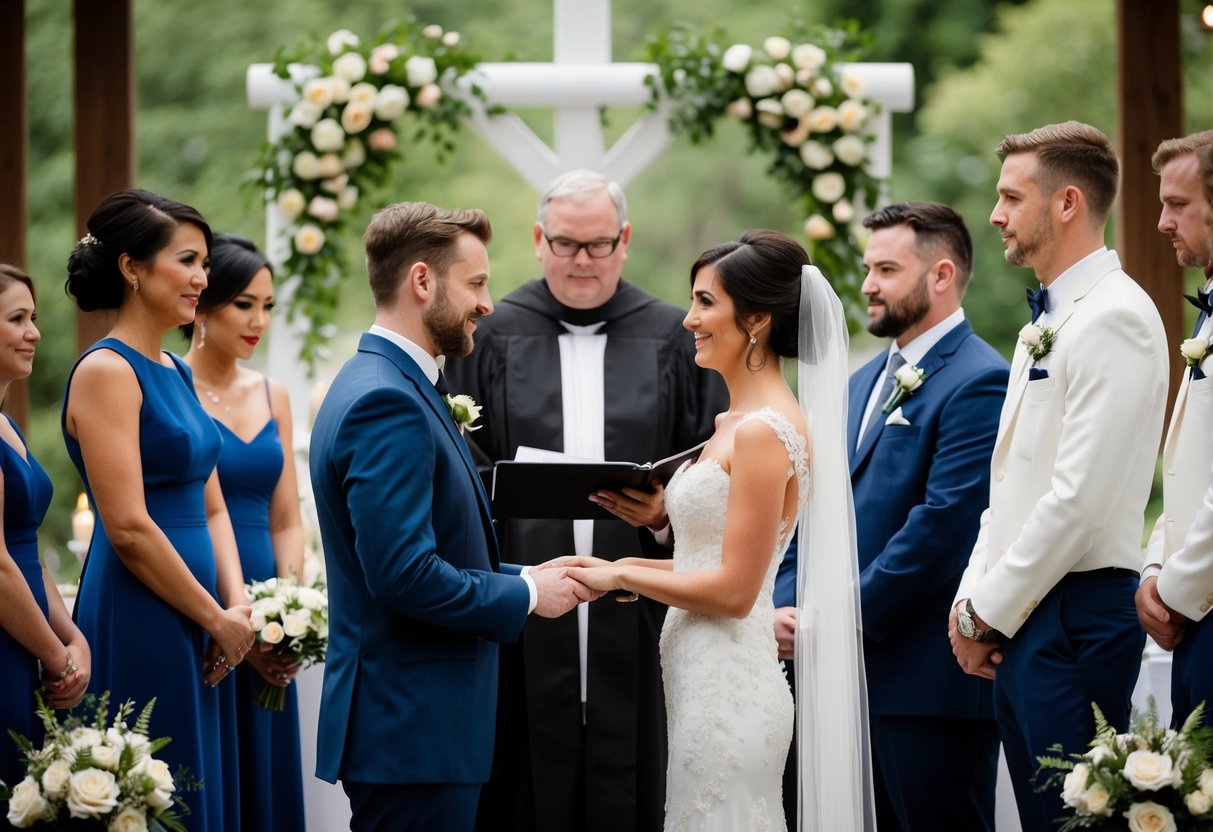
Planning a wedding rehearsal can set a positive tone for the big day. The right date, a clear timeline, and good communication with everyone involved will make things run smoothly. Here’s how to do it effectively.
Selecting the Date and Time
Choosing the right date and time for your rehearsal is important. Most couples schedule it for 1-2 days before the wedding. This helps everyone stay fresh and focused.
Make sure to confirm the venue availability on that day. If you are expecting out-of-town guests, try to choose a time when they can easily attend. Aim for an evening time to make it more convenient.
You might also want to consider scheduling around any dinner plans you have. Start early to avoid running late and keep the rehearsal coordinator or wedding planner in the loop about your choices.
Designing the Rehearsal Timeline
Creating a rehearsal timeline helps everyone know what to expect. Aim for about 30-40 minutes for the actual rehearsal.
Outline the sequence of events, including the start time for each part.
- Welcome and Introductions (5 mins)
- Walkthrough of Ceremony (15 mins)
- Practice Vows and Rings (5 mins)
- Music Cue Timing (5 mins)
- Final Remarks (5 mins)
Having a clear timeline keeps everyone focused. Your wedding planner or venue coordinator can help you fine-tune the schedule. This way, everyone knows what to do and when.
Communicating with Participants and Vendors
Good communication will make your rehearsal a hit. Start by letting your wedding party know the date, time, and location well in advance.
Send them a friendly reminder a day or two before the rehearsal. If you’re working with a rehearsal coordinator or venue coordinator, keep them updated about who will be attending.
Consider creating a group chat for quick messaging. This keeps everyone in the loop and makes sure no details get missed. Clear communication with your wedding planner and vendors about their roles will also ensure they’re prepared.
Hosting The Rehearsal Dinner
Planning the rehearsal dinner can feel like a big task, but with good organization, it can be a joyful experience. You’ll want to focus on choosing the right venue, setting a clear schedule, and managing last-minute details to keep everything smooth and fun.
Choosing a Venue for Rehearsal Dinner
The venue sets the mood for your rehearsal dinner. Consider places that are meaningful to you, like a favorite restaurant or a family home. Make sure the venue is spacious enough to accommodate your guests comfortably.
When selecting your venue, check availability in advance. Speak with the venue manager about your needs and confirm that they can handle any catering or setup arrangements. This way, you can avoid last-minute surprises and ensure a stress-free wedding experience.
Setting the Rehearsal Dinner Schedule
Creating a detailed rehearsal dinner schedule helps everyone know what to expect. Begin with a time to gather, allowing guests to arrive and settle in. Plan to serve food shortly after everyone has arrived to keep the energy up.
Don’t forget to include time for speeches or toasts. This is a great chance for guests to share their thoughts and help ease wedding jitters. Keep the flow relaxed to promote mingling and conversation among family and friends.
Managing Last-Minute Details
As the rehearsal dinner date approaches, focus on managing last-minute details. Confirm the guest list, and check in with the venue manager to ensure everything is on track.
Consider creating a checklist to cover all essential items, like seating arrangements, decorations, and any special food requests. Keeping a calm attitude will help you tackle any unexpected changes.
By staying organized, you can enjoy the rehearsal dinner without added stress, allowing you to focus on celebrating this special moment with your loved ones.
Ensuring a Seamless Wedding Day
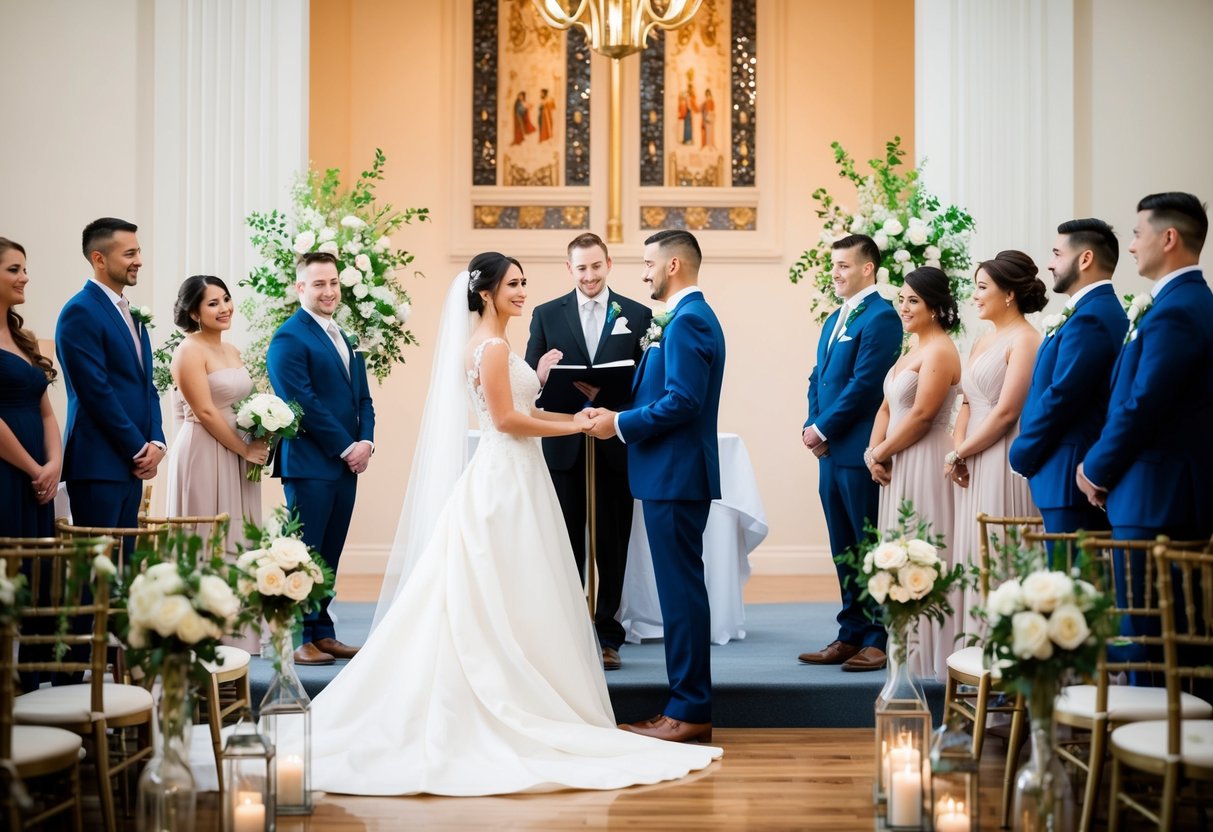
Planning your wedding day requires careful preparation to make everything run smoothly. Here are essential steps to help you navigate the final details leading up to the big day.
Final Walk-Through with the Wedding Planner
A final walk-through with your wedding planner is crucial. This meeting allows you to review all the details of the venue. You will discuss the layout for the ceremony and reception areas to ensure they align with your vision.
During the walk-through, pay close attention to the placement of decorations, seating, and where the bouquets will be. This is also a great time to clarify any wedding traditions you want to include. Confirming everything together helps create a clear plan, reducing stress on your wedding day.
Finalizing the Wedding Day Timeline
Creating a precise wedding day timeline is essential. This timeline should detail every segment of your day, from getting ready to the ceremony and dinner. Make sure to include the arrival times for vendors, your bridal party, and the officiant.
Sharing this timeline with your wedding planner and venue staff promotes smooth operations. You want everyone to know when each part of the wedding is set to take place. This communication keeps everyone on track while allowing for any last-minute adjustments.
Coordinating with the Officiant and Venue Staff
Meeting with the officiant and venue staff is another crucial step.
Discuss the ceremony order. Make sure the officiant knows your wishes for the vows and any readings.
Coordination with the venue staff will clarify who is responsible for setting up the space.
It’s also a chance to confirm where the bridal party will enter and exit during the ceremony.
Clear communication makes certain that everyone is synchronized, helping your wedding ceremony go off without a hitch. Having these details ironed out creates a joyful atmosphere for you and your guests.