
Are Wedding Videos Still Popular? What Couples Want Now
Wedding videos are still popular in 2026, with couples choosing shorter, more personal films that preserve voices, movement, and the feeling of the day. Wedding videos remain popular because a well-made wedding film captures details you cannot experience through photos alone, especially vows, laughter, speeches, music, and candid interactions.
The format has changed. Many couples want a five-to-eight-minute highlight film for easy sharing, plus a ceremony or speech edit for complete memories. Others add social clips, live streaming, or guest-recorded camcorder footage.
The best wedding videography feels personal and comfortable, with enough polish to last without making the day feel staged.
If you are deciding whether a wedding film belongs in your plans, explore styles from trusted wedding filmmakers and choose the coverage that fits your priorities, guest experience, and budget.
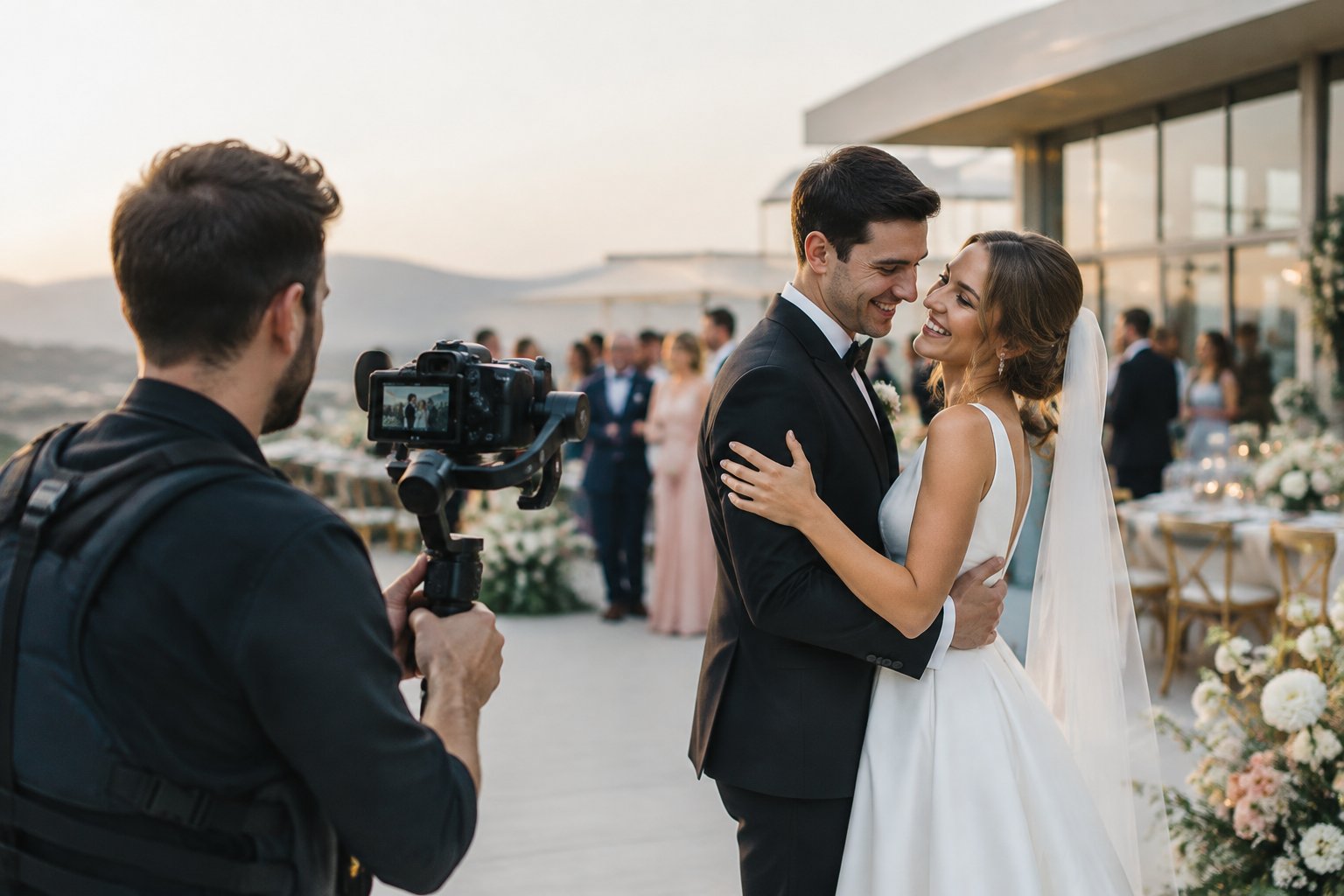
Why Couples Still Choose Wedding Video
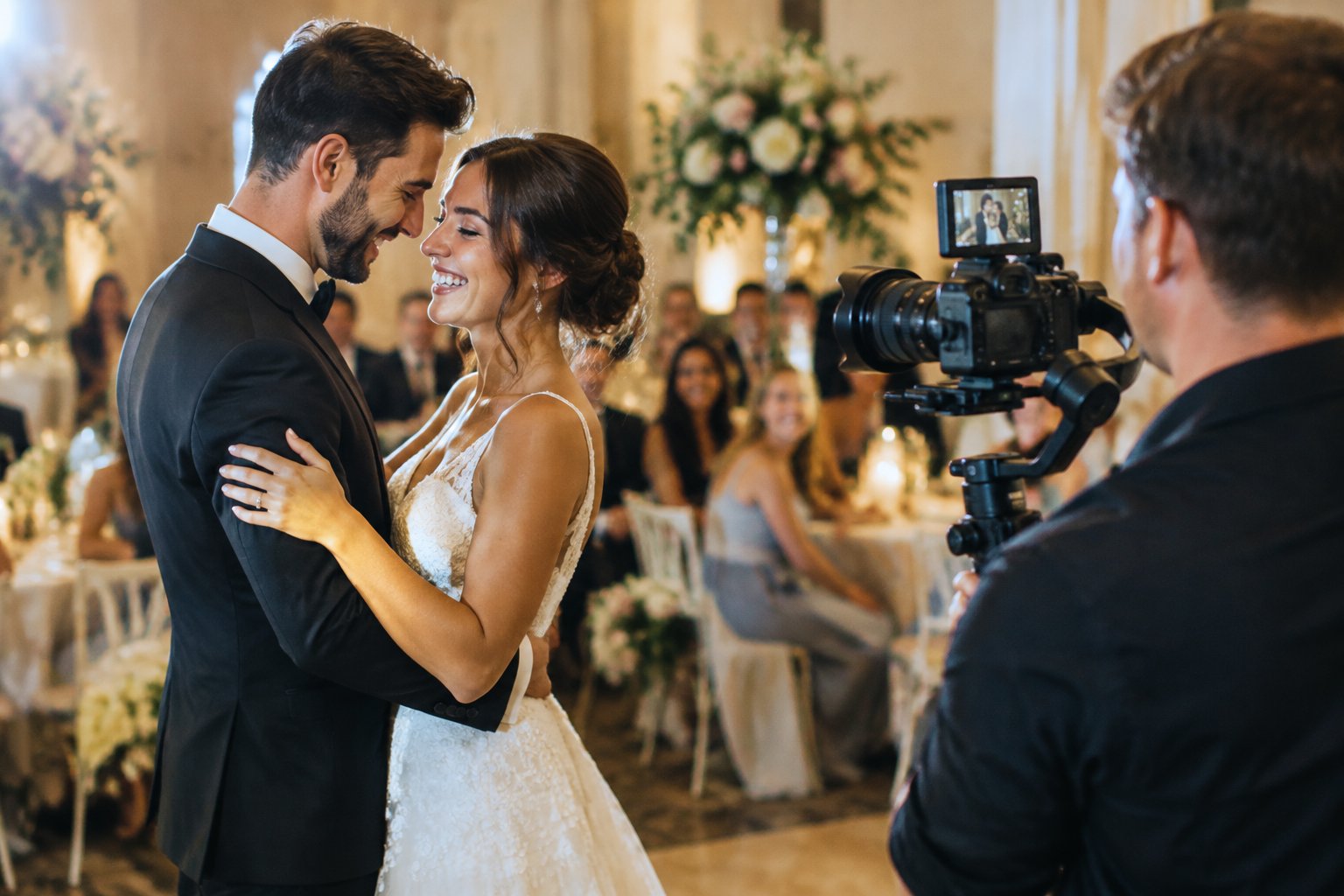
Couples still choose wedding video because it preserves sound, movement, and emotion in a way still images cannot. A skilled wedding videographer can record your vows, your partner’s voice, your parents’ reactions, and the energy of the dance floor.
A short highlight film gives you an easy way to revisit and share the day. A longer edit gives you access to complete moments, including readings, speeches, cultural traditions, and guest messages.
Live streaming also helps distant relatives attend when travel is difficult.
What a Film Preserves That Photos Cannot
Photos show expression and detail. A wedding film adds the words, pauses, gestures, music, and background sounds surrounding those moments.
You can hear your vows, relive a loved one’s toast, and watch how your friends reacted when you entered the room.
Audio deserves special attention during your search. Ask how the team records the officiant, vows, readings, and speeches.
A professional setup may include wireless microphones, a recorder connected to the venue system, and backup audio.
A documentary approach also captures small interactions that happen between planned events. You might see a quiet exchange with a parent, a friend helping you get ready, or guests laughing together during cocktail hour.
Which Deliverables Couples Value Most
Most couples value a short highlight film, a complete ceremony edit, and a social teaser. Each file serves a different purpose:
- Highlight film: A polished story that lasts about five to eight minutes.
- Ceremony edit: A longer recording that preserves the full ceremony and vows.
- Speech edit: A focused version of toasts, readings, and meaningful reception remarks.
- Social teaser: A brief vertical or square clip for sharing with friends.
- Live stream: A real-time viewing option for guests who cannot attend.
Ask for exact runtimes, delivery dates, file types, and storage details in your contract. If you want raw footage, include that request before booking.
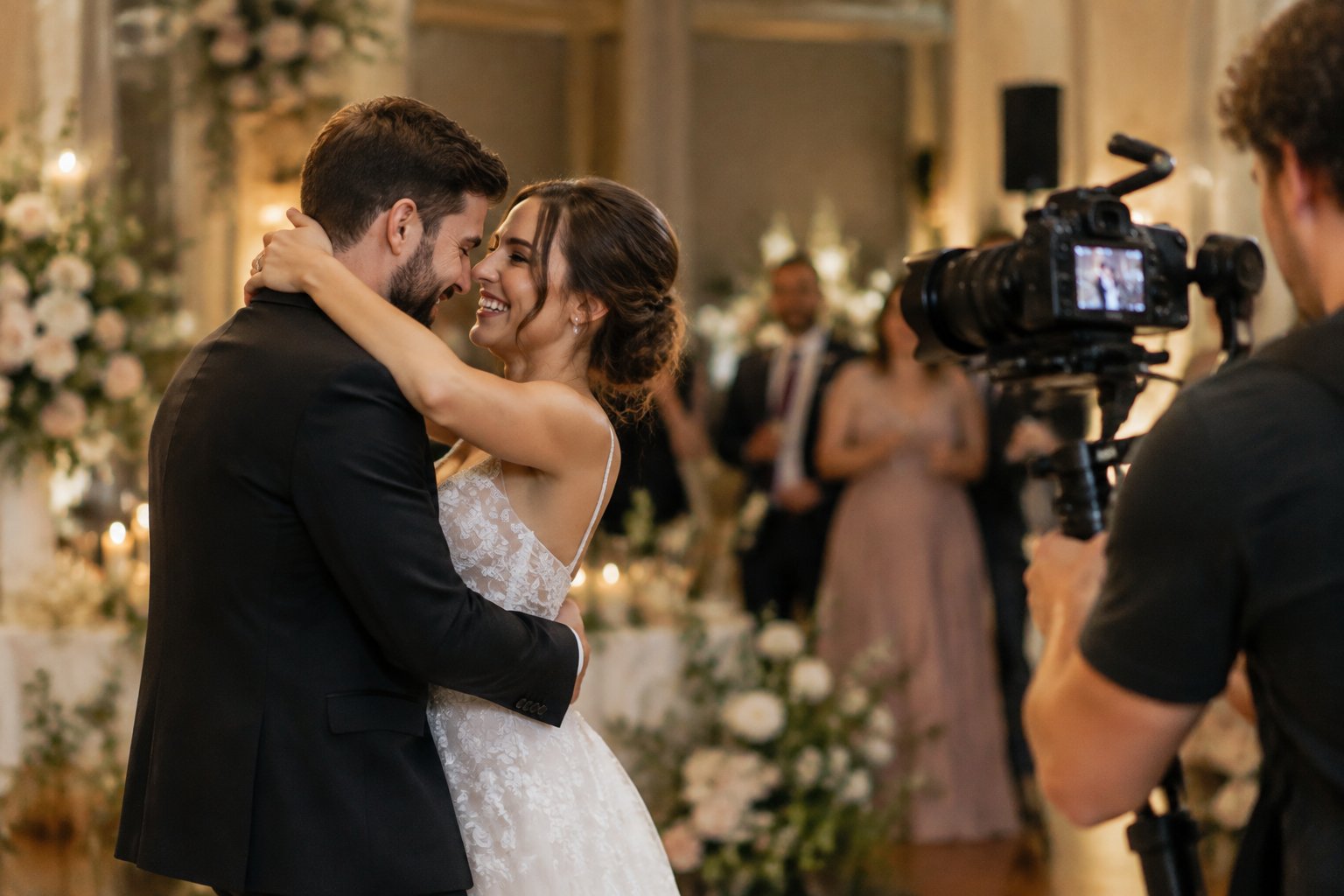
The Wedding Video Trends Driving Demand
The strongest wedding videography trends combine fast sharing with honest storytelling. Couples want polished films that include real voices, candid conversations, and moments that feel connected to their personalities.
Current wedding video trends also give you more ways to document the day. You can hire a traditional team, add a wedding content creator for quick social clips, or blend digital coverage with nostalgic film textures.
Documentary-Style Films and Real Audio
A documentary-style wedding video follows the day as it unfolds. The camera observes natural moments, while the edit uses real vows, speeches, and candid conversations to create a clear story.
Documentary-style wedding videos suit you if you value personality and spontaneity. You will see the nervous smiles, unfinished sentences, happy interruptions, and reactions that make the day feel like yours.
Ask to watch a full film before booking. A highlight reel shows visual style, while a longer sample reveals how the filmmaker handles quiet moments, audio, pacing, and transitions.
Short-Form Social Edits and Content Creators
A wedding content creator focuses on quick, phone-friendly clips for fast sharing. You might receive vertical videos during the wedding day or shortly afterward, depending on the service.
This role works well beside a professional videographer. The content creator can capture behind-the-scenes updates, guest interviews, and casual clips while the main team focuses on the lasting wedding film.
Set clear boundaries before the event. Decide whether you want phones visible during key moments, which platforms you use, and how soon you want the files delivered.
Your content plan should support the guest experience and ceremony rules.
Cinematic Storytelling With a Natural Feel
Cinematic wedding films use intentional framing, camera movement, music, color, and editing to shape an emotional story. Cinematic storytelling feels strongest when those creative choices support real moments.
Ask how much direction you will receive. Some wedding cinematography teams guide portraits and movement, while others stay quiet and observe.
Choose the approach that helps you feel relaxed.
A cinematic film does not require every moment to look dramatic. Natural laughter, imperfect movement, and real audio give the polished images emotional weight.
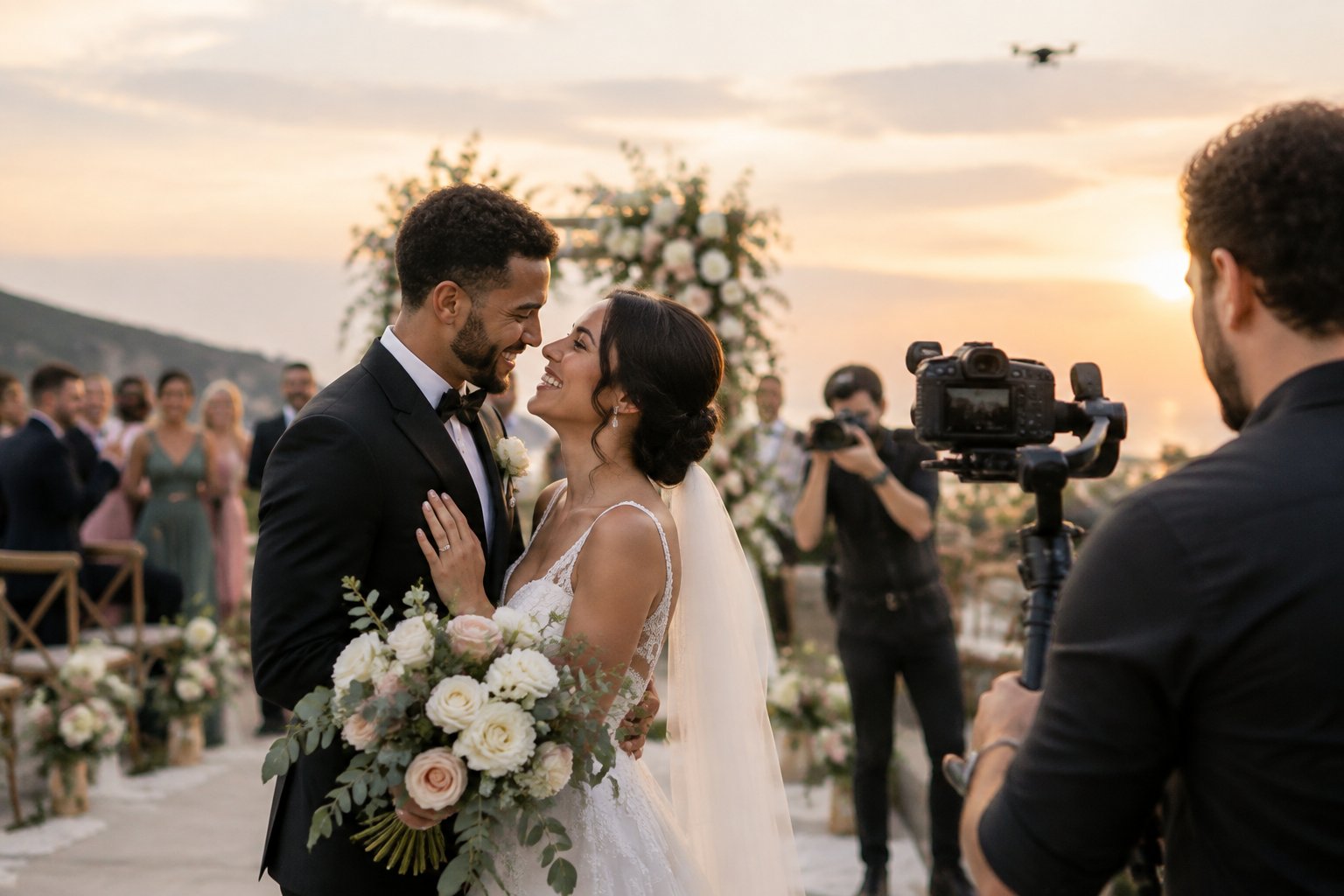
How to Choose a Style That Will Age Well
A wedding video ages well when its story, audio, and emotional details remain meaningful after visual trends change. Your favorite style should support the people and moments you want to remember.
Timeless choices include clear vows, natural reactions, balanced color grading, and an edit that gives important moments room to breathe. Trend-led elements still have a place when they reflect your taste and the mood of your celebration.
When to Choose a Documentary or Cinematic Approach
Choose documentary coverage if you want a chronological record with real sound and minimal direction. This style works well when you care about complete memories and spontaneous interactions.
Choose a cinematic approach if you want a shorter, carefully shaped film with strong visual flow. You may enjoy guided portrait scenes, creative camera movement, and music-led editing.
A blended style gives you both options. You can receive a cinematic highlight film alongside full ceremony and speech edits.
Watch complete examples from each filmmaker so you can judge pacing, audio, and how natural the people feel on screen.
Using Super 8 as an Accent Rather Than a Gimmick
Super 8 film adds grain, texture, light leaks, and soft movement. Its analog character works well for getting-ready footage, a first look, portraits, or a short sequence during the reception.
Using Super 8mm film for selected moments keeps the effect connected to the story. Ask how the footage will be scanned, color graded, and combined with digital footage.
You should also confirm whether the package includes the film stock, processing, scanning, and any extra shooting time.
A few well-placed analog scenes can add warmth without making the entire film feel dated. The emotional content should lead the style.
Why Voices, Vows, and Unscripted Moments Matter
Voices give your wedding film a personal record that images cannot provide. Vows, speeches, private letters, and spontaneous comments help you remember how the day sounded and felt.
Ask whether the team records backup audio and how it handles wind, music, large rooms, and outdoor ceremonies. Clear sound gives your film lasting value even when editing trends change.
Unscripted moments also reveal relationships. A parent’s laugh, a friend’s message, or a quiet exchange during the first look may become one of your favorite parts of the finished film.
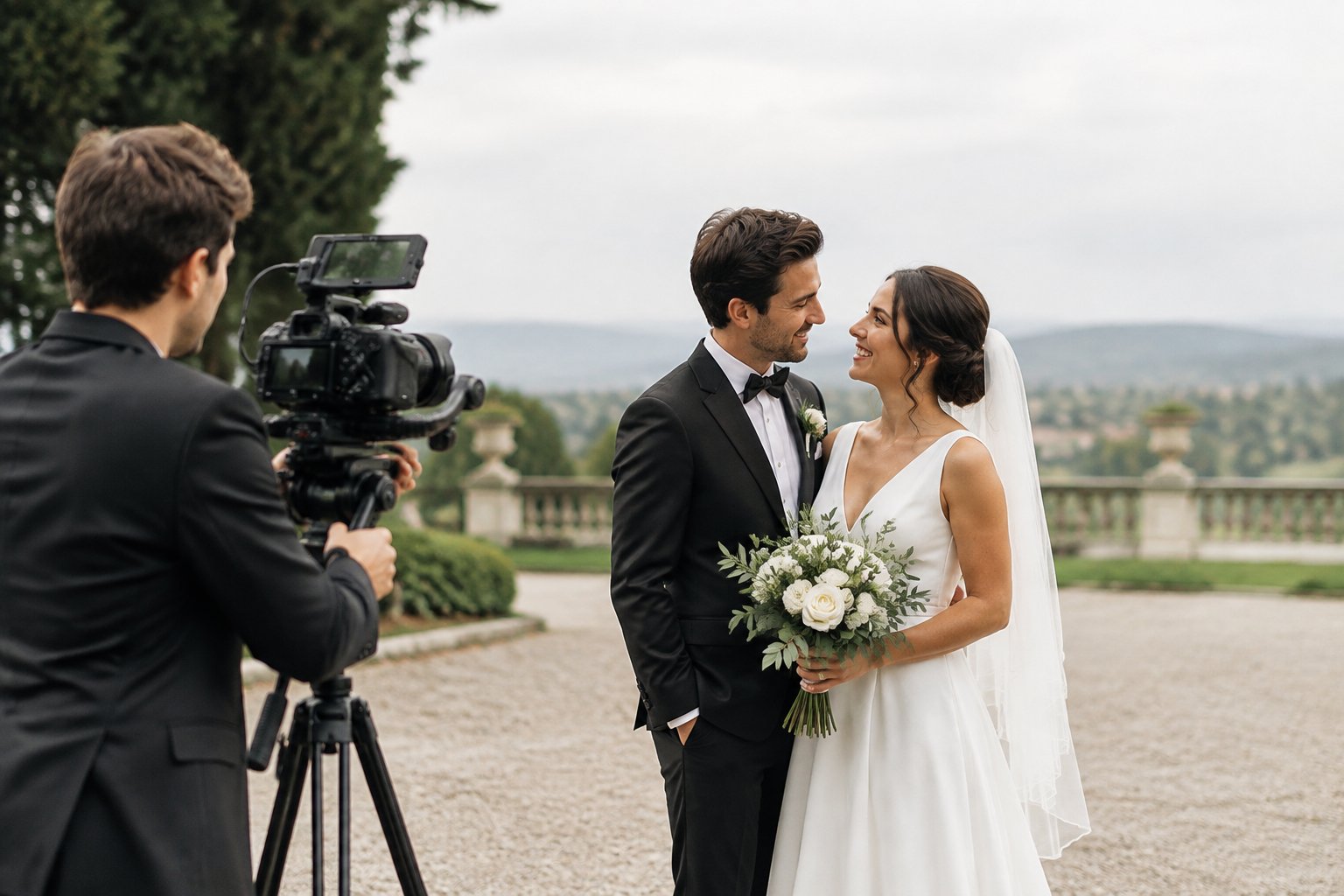
What to Ask Before Hiring a Wedding Videographer
Before hiring a wedding videographer, review full films, ask detailed audio questions, and confirm every deliverable in writing. A portfolio should show how the team works through an entire wedding, including dim rooms, crowded receptions, and unscripted moments.
Your conversation should also cover staffing, venue rules, backup plans, delivery, and collaboration with your photographer. These details shape the final film and your experience on the wedding day.
Can the Team Capture Clear Ceremony and Toast Audio?
Ask exactly how the team records vows, readings, music, and speeches. A strong plan may use microphones on the officiant or speaker, a recorder connected to the venue sound system, and backup audio devices.
Request a full ceremony or speech sample. Listen for clear voices, balanced music, and smooth transitions between speakers.
Ask how the team handles wind, echoes, and outdoor sound.
Is Drone Coverage Permitted at the Venue?
Drone footage and aerial shots require venue approval and a safe flight plan. Ask whether the venue allows drones, whether local rules apply, and who obtains any required permissions.
Weather, nearby buildings, guests, and ceremony timing can affect aerial coverage. Treat drone footage as an optional part of the story, not a guarantee for every wedding.
What Is Included Beyond the Highlight Film?
Ask whether your package includes a teaser, full ceremony edit, reception speeches, raw footage, social clips, or a polished online gallery. Confirm the number of filming hours, shooters, camera angles, revisions, and delivery resolution.
Also ask about turnaround time and file storage. Your contract should state what you receive, when you receive it, and how you can download or preserve the files.
When Wedding Video May Not Be the Right Fit
Wedding video may not fit your plans when the cost, filming presence, or editing timeline conflicts with your priorities. You can still preserve meaningful memories through lighter coverage choices.
Think about the moments you want to hear and see again. If vows, speeches, family messages, and movement feel important, professional coverage may justify its place in your budget.
If you want a low-key record, a smaller option may suit you better.
Budget and Timeline Trade-Offs
Professional wedding videography pricing varies by location, experience, coverage hours, and deliverables. A short highlight package costs less than a multi-camera team with full edits, drone coverage, and a same-day film.
Editing also takes time. A fast teaser may arrive within days, while a complete film requires a longer post-production schedule.
Ask for a delivery timeline before signing and decide which files deserve priority.
You can control costs by reducing coverage hours, choosing one shooter, selecting fewer edits, or booking a highlight film with a ceremony recording. Keep audio quality and secure file delivery on your priority list.
Alternatives for Couples Who Want Simple Coverage
A guest camcorder, phone-based guest messages, or a wedding content creator can provide casual footage with a relaxed feel. These choices work well when you want candid clips, personal interviews, and quick social sharing.
You can also hire a filmmaker for a short window covering the ceremony, portraits, and toasts. A photographer may provide motion clips as part of a package, depending on their service.
Before choosing a simpler option, check how the files will be gathered, edited, backed up, and delivered. Assign one person to collect guest footage so important clips do not remain scattered across individual phones.