
Are You Legally Married if You Have a Humanist Wedding? Understanding the Basics of Humanist Ceremonies
Planning a wedding can be exciting, and choosing a meaningful ceremony that reflects your values is crucial. If you’re considering a humanist wedding, you might wonder about its legal status. In many places, a humanist wedding alone does not legally marry you. You need a separate civil ceremony for legal recognition.
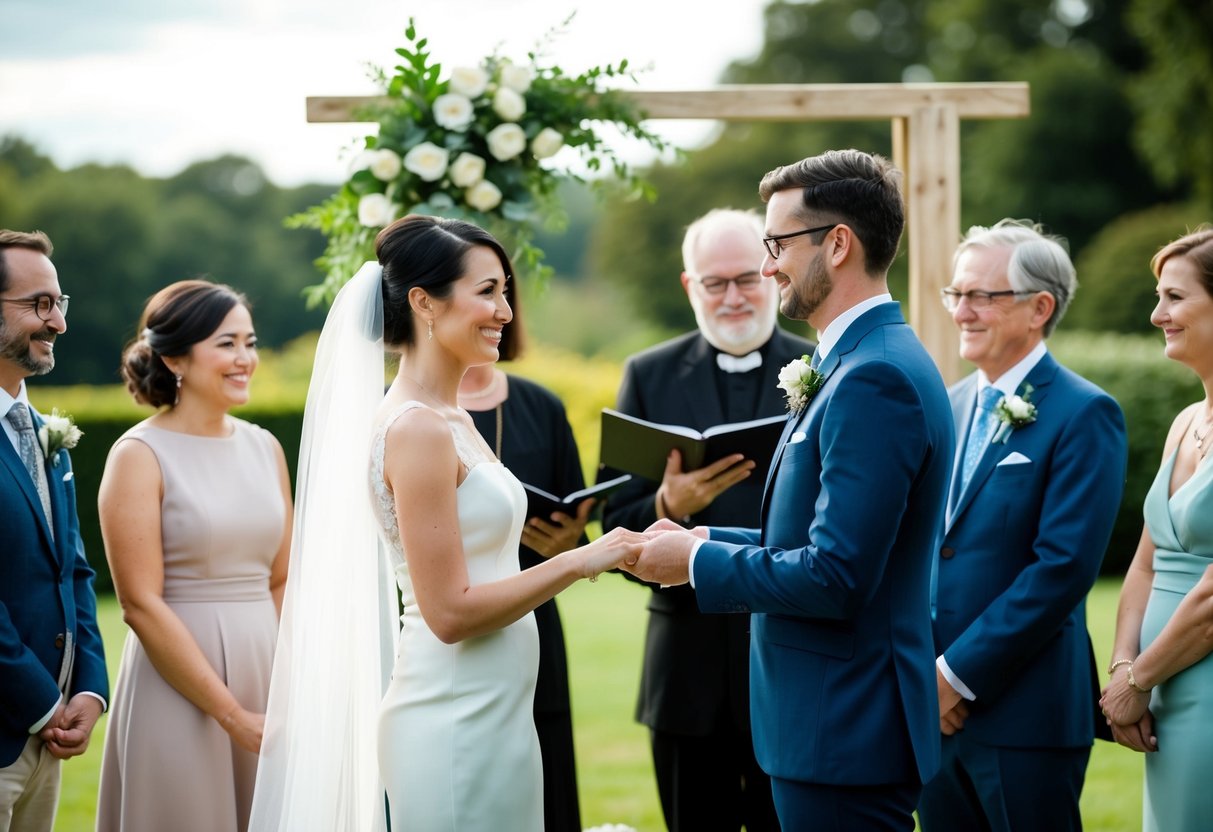
Humanist weddings offer a personal touch. They allow you to customize your celebration, making it special for you and your partner. However, remember that while your ceremony can be beautiful and filled with meaning, it may not have the same legal weight unless you complete the necessary civil registration.
If you want a non-religious wedding that truly represents who you are, a humanist ceremony can be an excellent choice. Just remember to check the legal requirements in your area so that your commitment can be recognized officially.
Understanding Humanist Weddings
Humanist weddings offer a unique approach to marriage that focuses on personal values and beliefs. These ceremonies emphasize individual choice, love, and commitment without a religious context, making them meaningful for many couples.
History and Philosophy of Humanism
Humanism is a philosophy that values human dignity and reason. It dates back to the Renaissance but has evolved to embrace diverse perspectives today. Humanists believe in ethical living based on reason, empathy, and respect for others.
A humanist wedding reflects this philosophy. These ceremonies allow couples to create personal vows and select readings that resonate with their beliefs. The focus is on the couple’s relationship and shared values rather than traditional religious practices. This makes each ceremony special and tailored uniquely for you.
Roles of a Humanist Celebrant
A humanist celebrant plays a crucial role in planning and conducting your wedding. They are trained professionals who help to create a ceremony that reflects your values and story.
You can collaborate with a celebrant to craft meaningful vows and choose readings. They guide you through the entire process, ensuring everything aligns with your wishes.
During the ceremony, the celebrant facilitates the proceedings, making it a personal and memorable experience. You can feel comfortable expressing your love and commitment while standing in front of family and friends.
Legal Status of Humanist Weddings
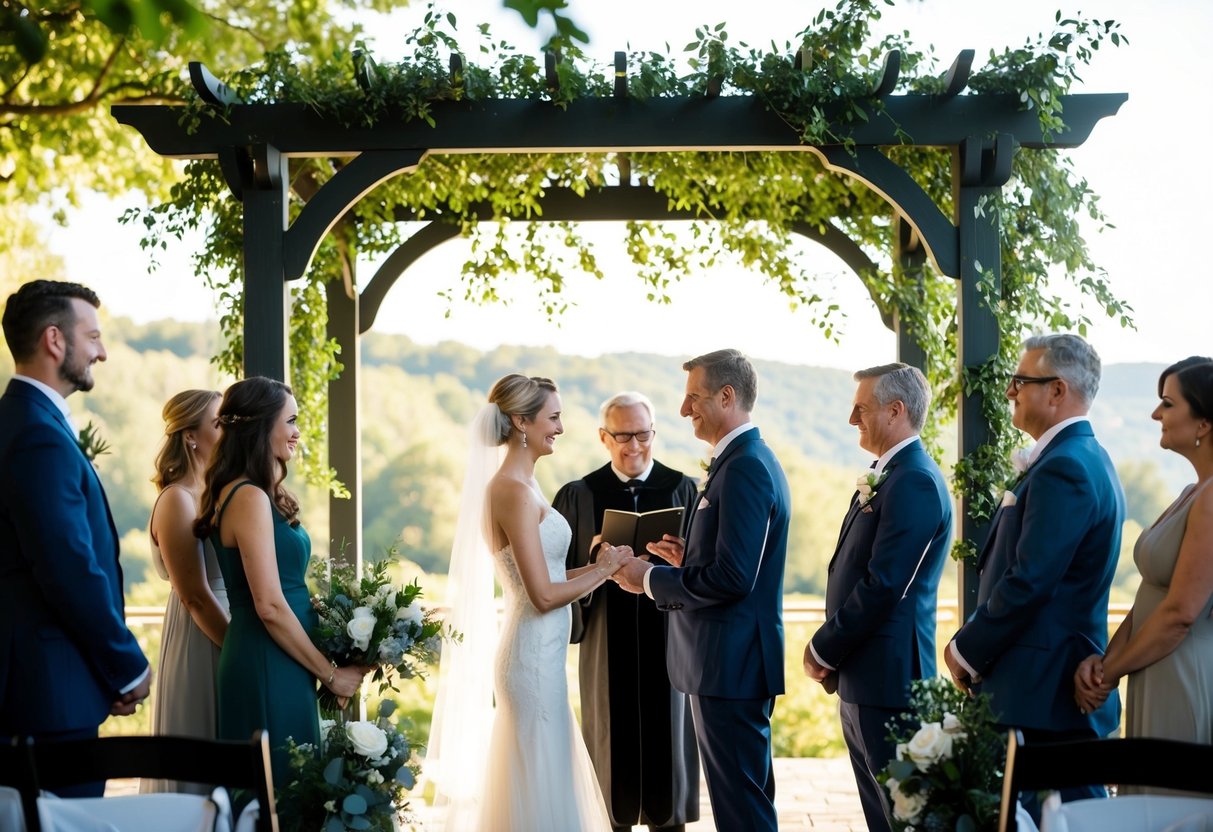
Humanist weddings have gained traction in various regions, but their legal status can vary significantly. It’s crucial to know where your wedding stands legally, especially depending on where you live or plan to wed.
Recognition in Scottish Law
In Scotland, humanist weddings have been legally recognized since 2005. This means that if you choose a humanist ceremony, it is considered a legally binding marriage. Celebrants who conduct these weddings must be registered with an official body, like the Humanist Society Scotland.
Recent data indicates that humanist weddings are now a popular choice, accounting for about 20% of all ceremonies. These weddings offer a personal touch, allowing couples to express their values and beliefs without religious affiliation, making them a meaningful option for many.
Variances in England, Wales, and Northern Ireland
In England and Wales, the situation is different. While humanist weddings are beautiful and meaningful, they are not legally recognized as marriages. Couples must first register their marriage at an official registry office before celebrating a humanist ceremony. This means you can have the emotional experience of a humanist wedding but won’t gain legal status from it alone.
In Northern Ireland, humanist weddings have achieved legal recognition, similar to Scotland. This recognition allows couples to have a legally binding ceremony performed by trained humanist celebrants. So, if you are in Northern Ireland, a humanist wedding would count as a legal marriage.
Offshore Jurisdictions: Jersey and Guernsey
Both Jersey and Guernsey also recognize humanist weddings. This means if you are married in one of these offshore jurisdictions, your humanist ceremony will be legally binding. The laws here mirror those in Scotland, allowing trained celebrants to conduct these weddings.
Similar to Scotland, this legal recognition empowers couples to create deeply personal ceremonies that honor their beliefs while ensuring that their marriage is legally protected. If you’re considering a humanist wedding in Jersey or Guernsey, you will enjoy the same rights as couples married in traditional civil ceremonies.
Planning Your Humanist Wedding Ceremony

Planning a humanist wedding ceremony allows you to create a meaningful experience that reflects your unique love story. You can personalize every detail, from the vows you take to the symbolic gestures you incorporate.
Creating Personal Vows and Symbolic Gestures
Writing your personal vows is one of the most important parts of your ceremony. These vows are a chance for you to express your love and commitment in your own words. Think about what makes your relationship special and include those elements in your vows.
In addition to vows, consider including symbolic gestures to make your ceremony even more memorable. Popular rituals include handfasting, where you tie your hands together to symbolize unity, or lighting a unity candle, representing the joining of two lives. Outdoor weddings can also enhance the experience by adding natural beauty. Choose gestures that resonate with you and your partner.
Selecting a Wedding Celebrant and Venue
Selecting the right wedding celebrant is crucial for your humanist ceremony. Look for someone who shares your values and understands your vision for a non-religious ceremony. A good celebrant will help you craft a ceremony that feels personal and intimate.
When choosing a venue, consider what type of setting best reflects your relationship. Whether you prefer an outdoor garden or a cozy indoor space, the venue should complement your ceremony theme. Make sure it can accommodate all your guests comfortably. Personal touches in your venue can create a warm atmosphere that enhances your unique ceremony.