
Are You Supposed to See Your Spouse on Your Wedding Day? Understanding the Tradition and Its Modern Take
Many couples wonder about the tradition of not seeing each other before the wedding ceremony. Some feel that this adds an exciting element of surprise, making the first glimpse of each other even more special.
Wedding traditions vary widely, and this one is no exception. While some couples embrace the idea of keeping apart before the ceremony, others choose to break this custom for practical reasons or personal preferences.
If you’re considering what feels right for you both, it’s important to think about how this tradition aligns with your vision for the day.
Origins of the Tradition
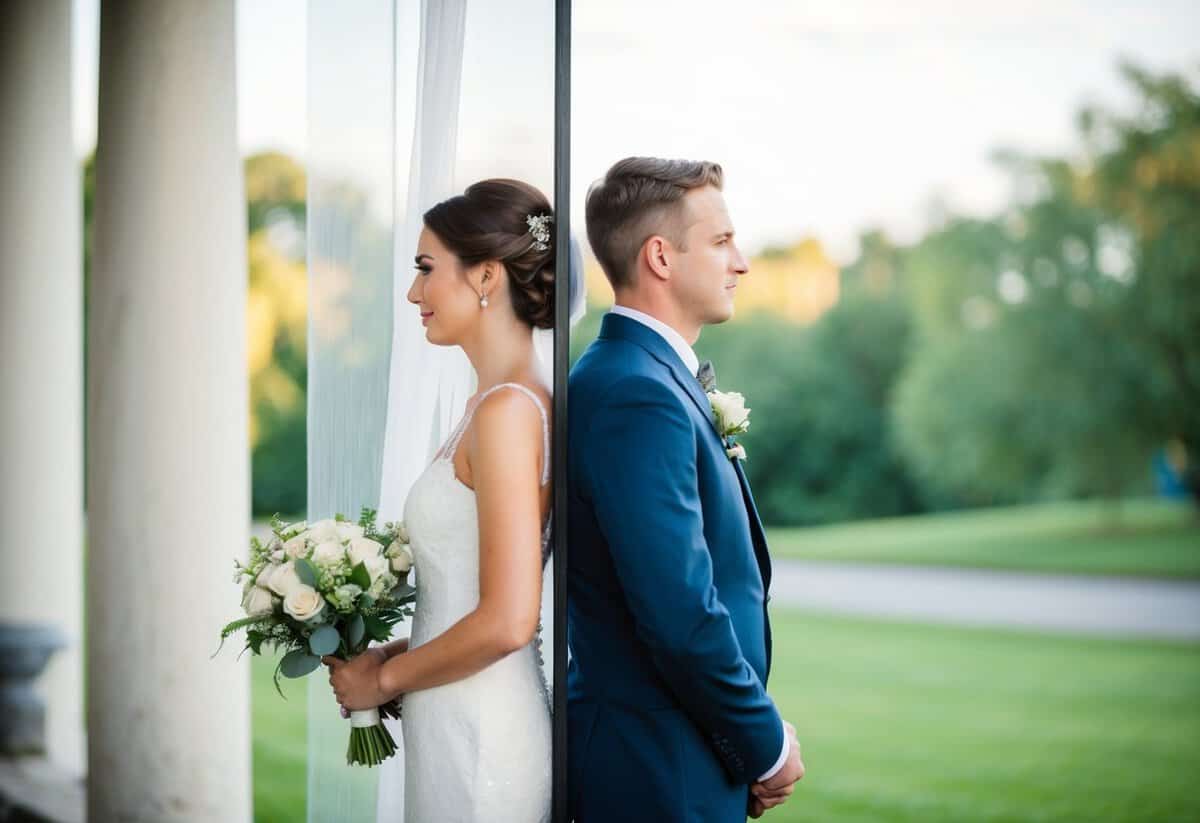
The tradition of not seeing your partner before the wedding has deep roots and reflects various cultural beliefs. Understanding its origins can help you relate to this practice and decide what feels right for you.
Superstitious Beliefs and Their Historical Context
This tradition largely stems from superstitious beliefs dating back to pre-18th century times. Many people believed it was bad luck for the couple to meet before the ceremony. The idea was that if they saw each other, it would disrupt the good fortune associated with their union.
Additionally, this practice was common in arranged marriages. Couples often did not know each other well before their wedding day. Keeping them apart helped maintain an element of surprise, allowing emotions to build until the moment they officially met at the altar.
These roots in superstition and arranged marriages remain significant in many cultures today. While some couples still choose to follow this tradition, others find alternative ways to connect before saying “I do.”
Pros and Cons of Not Seeing Each Other
Choosing not to see each other before the wedding can create unique emotional moments and require careful planning. This decision influences the day’s flow and can impact your photos.
Anticipation and Emotional Impact
Not seeing each other before the wedding can build significant anticipation. You may feel butterflies in your stomach as you approach the ceremony. This excitement often leads to a powerful emotional experience once you finally see each other at the altar.
Many couples cherish the moment they lock eyes for the first time during the ceremony. This is sometimes referred to as the “first look,” which can be incredibly romantic. While some prefer this approach, others might miss the chance to calm nerves with a private moment before the ceremony.
Logistical Considerations and Photographer Coordination
If you decide to keep the tradition of not seeing each other, you’ll need to plan carefully. This choice may limit when your wedding photographer can take certain shots, like candid moments or couple portraits.
You might have to schedule photos with your wedding party or family beforehand. Discuss with your photographer about coordinating shots that don’t require you to see each other. This ensures you still capture those important memories without breaking the tradition.
Pay attention to timing to make everything smooth for the day of your wedding. With good planning, you can enjoy the emotional moments while still having beautiful photos.
Modern Interpretations and Variations
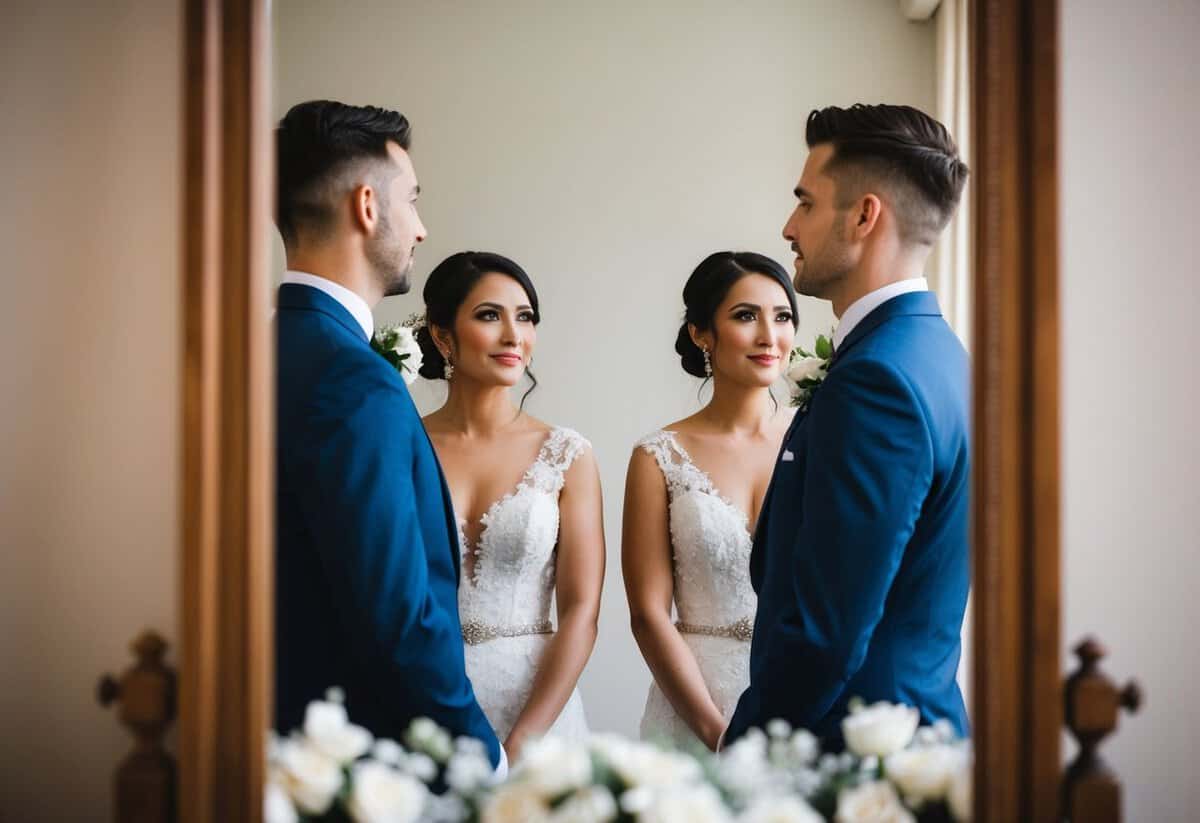
Today, couples approach the tradition of seeing each other on their wedding day in different ways. Many choose to personalize their experience based on preferences and beliefs. Two popular interpretations include First Look sessions and cultural adaptations to this tradition.
First Look Sessions
A First Look session is a modern trend where the bride and groom see each other before the ceremony. This moment happens in a private setting, often arranged by a photographer.
You can enjoy a quiet moment together and capture beautiful photos without the pressure of guests watching. Many couples find that this helps calm their nerves, allowing them to enjoy the ceremony more fully.
Wearing your wedding attire during this time adds to the excitement. It becomes a special memory just for the two of you, making the day all the more personal.
Adaptations in Different Cultures
Different cultures have unique interpretations of the tradition. For example, in some cultures, it is considered lucky for the bride and groom to see each other before the ceremony. This helps strengthen their bond and set a positive tone for the day.
In contrast, some cultures maintain the belief that seeing each other before the wedding brings bad luck and emphasize keeping the couple apart until the ceremony.
Regardless of tradition, many couples choose to adapt these beliefs to fit their personalities and values. Wedding attire still plays an essential role, symbolizing the couple’s commitment and connection to their heritage.
Planning Your Own Tradition
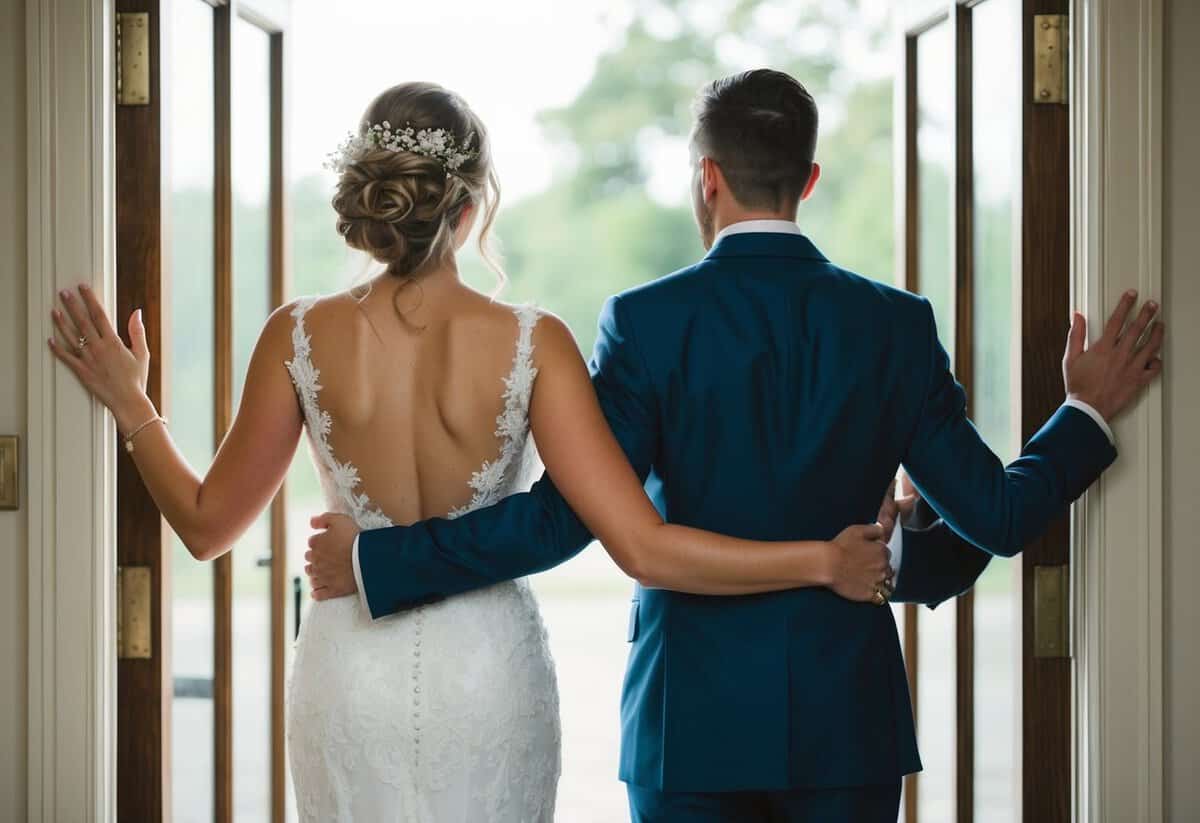
Creating your own traditions for your wedding day can make the event even more special. Consider your values and preferences when deciding what practices resonate with you.
Choosing What’s Right for You
Think about the meaning behind seeing your spouse on your wedding day. Some couples choose to follow traditional beliefs, while others prefer to create a unique experience.
You might enjoy a first look before the ceremony, where you can share an intimate moment in your ceremony attire. This can help ease nerves and build excitement. Alternatively, some couples stick to the tradition of not seeing each other until the ceremony. Discuss what feels right for both of you.
Reflect on any customs that hold personal significance. For example, consider including family traditions or blending different cultural practices. It’s your day—make it personal!
Coordinating with Vendors and Guests
Once you decide on your tradition, communicate this with your vendors. Inform your photographer to capture those moments if you’re planning a first look. They can help you plan the timing around your wedding date and ensure everything flows smoothly.
Also, consider your guests’ experience. Let attendees know what to expect if you choose to see each other before the ceremony. You could include a note in the invitation or a sign at the venue.
Collaboration with your wedding planner can ease the process. They can assist in timing and logistics, ensuring your day reflects your unique choices seamlessly.