
Average Cost for a Wedding Band: Rings and Live Music
The average cost for a wedding band ranges from about $600 to $2,500 for a single ring, while hiring a live wedding band commonly costs $3,000 to $8,000 for a reception. Your final price depends on the metal, gemstones, band size, number of musicians, performance time, and location.
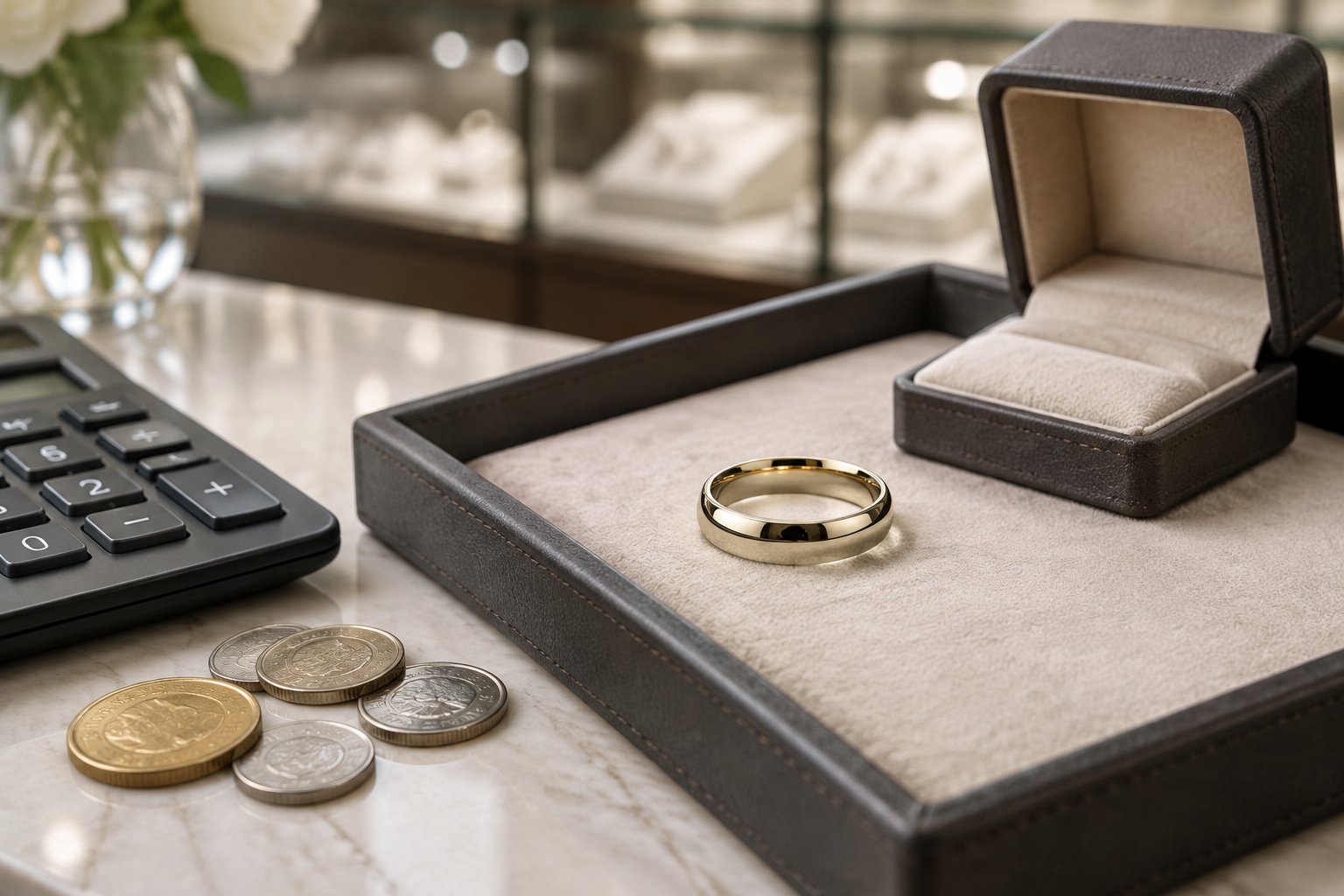
For rings, many couples spend around $1,300 to $1,800 per band. A plain 14k gold ring can cost much less, while platinum, diamond bands, and custom designs raise the total. Live music has a wider range, from a small acoustic group near $2,000 to a large professional ensemble priced above $10,000.
Set your ring and entertainment limits before you shop or request quotes. With those numbers ready, you can compare styles and musicians with confidence and protect the rest of your wedding budget.
What Does “Wedding Band” Mean: Ring or Live Music?
“Wedding band” can mean the ring you exchange during the ceremony or a live music group hired for the reception. These two purchases have completely different pricing, so clarify which average wedding band cost you need before setting a budget.
Quick Cost Snapshot for Both Meanings
A wedding ring commonly costs $600 to $2,500 per band, with many couples choosing a ring near $1,300 to $1,800. Plain metal styles sit near the lower end. Diamond details, wider profiles, and custom work move the wedding ring cost higher.
A live wedding band commonly costs $3,000 to $8,000 for a reception. A solo musician or small duo can cost less, while an eight-piece group with production support can exceed $10,000.
| Purchase | Common U.S. range | Main price drivers |
|---|---|---|
| Plain wedding ring | $300-$1,500 | Metal, width, size |
| Diamond wedding band | $1,000-$10,000+ | Stone count, quality, setting |
| Small live group | $1,500-$3,500 | Musicians, hours, travel |
| Professional reception band | $3,000-$8,000 | Band size, experience, equipment |
| Premium show band | $8,000-$15,000+ | Production, travel, ensemble size |
Why Published Averages Vary So Much
A published average may combine simple men’s wedding bands with detailed women’s wedding bands, or small local acts with full-service entertainment companies. That mix creates a broad range that may not match your quote.
Location also changes wedding band prices. Major cities, peak Saturdays, holiday weekends, and destination events bring higher labor and travel costs. A four-piece live music group playing three hours at a nearby venue receives a very different quote from a ten-piece band covering a full evening with lighting and sound support.
What Do Wedding Rings Typically Cost?
A single wedding ring commonly costs $600 to $2,500, with many couples spending around $1,300 to $1,800 on a band. Plain designs can fall below that range, while platinum, diamond, and custom styles can rise well above it.
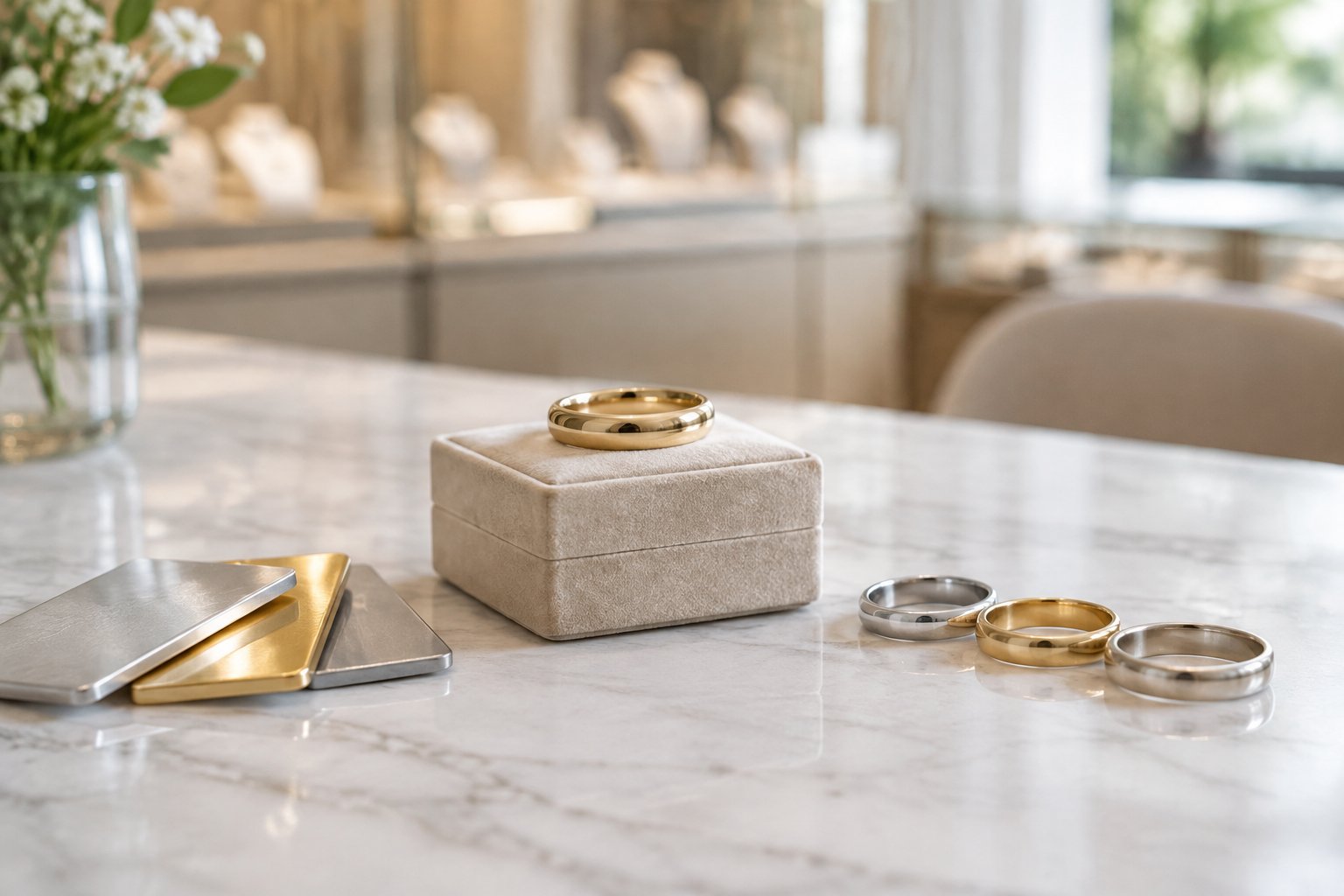
Your ring size, metal weight, finish, and stone details shape the final price. You can also compare the cost of both rings together by deciding whether each partner wants a simple band or a more detailed design.
Typical Costs for Women’s Wedding Bands
Women’s wedding bands commonly cost $1,400 to $1,800 for a mid-range design. A narrow gold band with a smooth finish can cost less, while diamond wedding bands and eternity styles command more.
A women’s wedding band that matches an engagement ring may require curved shaping, special setting work, or a custom finish. Those details add labor and can raise the ring cost even when the diamond weight is modest.
Typical Costs for Men’s Wedding Bands
Men’s wedding bands commonly cost $600 to $1,700. A slim 14k gold or alternative-metal ring often sits near the lower end. Wider bands, heavier gold, platinum, inlays, textured finishes, and custom engraving push the price upward.
Men’s wedding bands use more metal when the ring is wide or thick, so the finger size and profile have a visible effect on the total. A comfort-fit interior can also add value for daily wear.
How Wedding Bands Compare With Engagement Rings
An engagement ring usually costs more than a wedding band because it includes a prominent center stone and a detailed setting. Engagement ring cost changes sharply with diamond size, cut, color, clarity, and origin.
Wedding bands carry their own range. A plain band can cost a few hundred dollars, while a full eternity band in platinum with natural diamonds can reach several thousand dollars. When planning both purchases, treat the engagement ring and wedding bands as separate budget lines.
How Ring Materials and Details Change the Price
Metal choice creates the base price, while gemstones, ring width, stone coverage, and custom work determine how far the final cost rises. You can control spending by choosing which details affect appearance and which ones improve daily comfort.
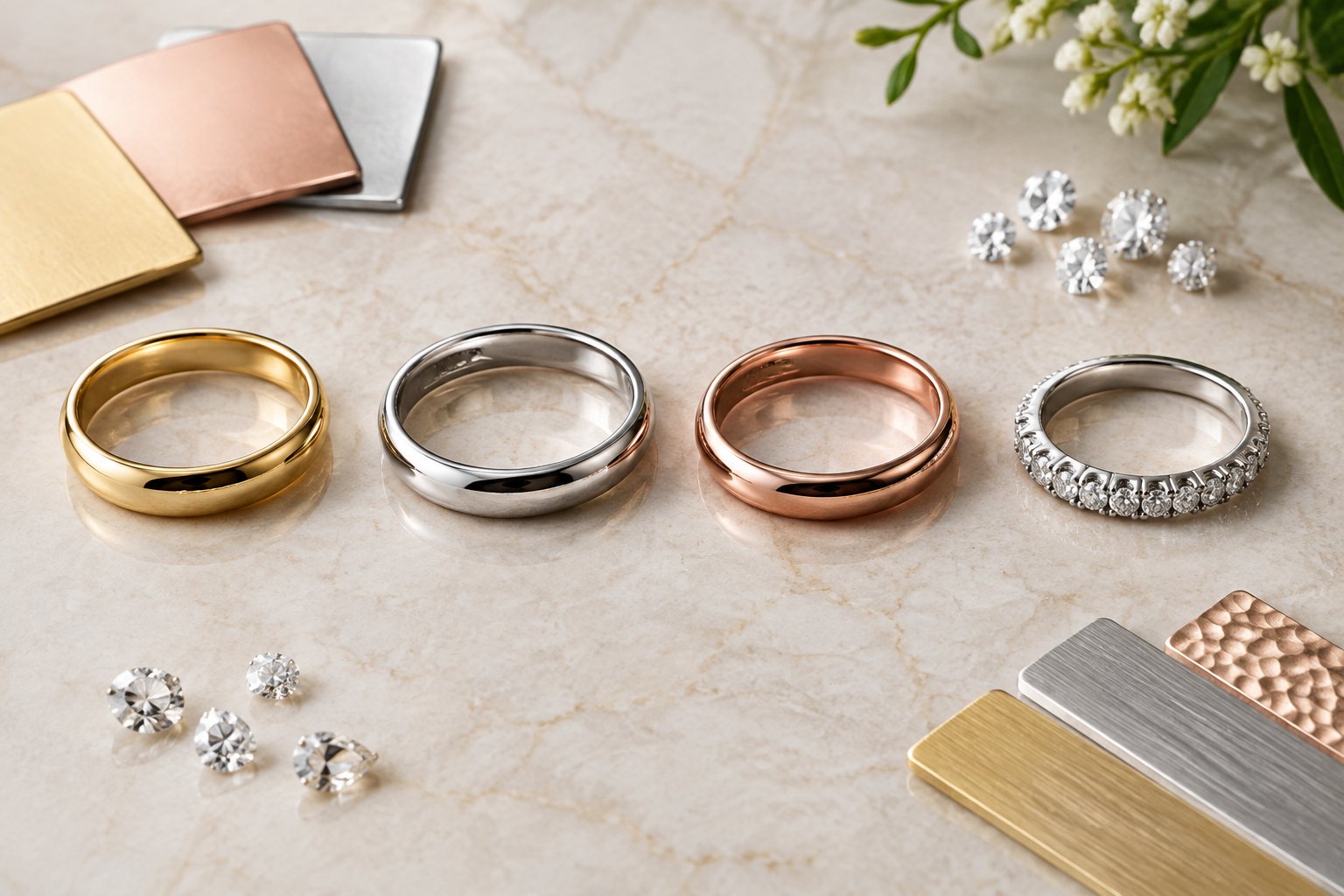
A narrow band with small diamond accents can look detailed while using fewer materials. A thick platinum ring or full eternity style requires more precious metal and labor, which explains the higher wedding band cost.
Gold, Platinum, and Alternative Metals
14k gold offers a strong balance of durability and price. White gold, yellow gold, and rose gold each create a different appearance, while 18k gold contains more pure gold and usually costs more than 14k gold.
White gold may require periodic rhodium plating to maintain its bright finish. Platinum has a dense feel, high durability, and a higher starting price. Alternative metals such as titanium, tungsten, cobalt, and stainless steel offer lower-cost choices with distinct weights and finishes.
The ring’s width and total metal weight affect every material. A wide 18k gold band can cost more than a narrow platinum design, so compare complete rings instead of metal names alone.
Diamond Bands, Eternity Styles, and Gemstone Accents
A diamond wedding band costs more as you add stones, increase diamond quality, or choose a complex setting. Lab-grown diamonds can reduce the stone portion of the price, while natural diamonds carry a different market value.
An eternity band has stones around the full circumference. A half-eternity band places stones across the visible top portion, reducing stone count and making future resizing easier. A full eternity band uses more diamonds and requires precise matching, so it sits at a higher price point.
Gemstone accents such as sapphires, rubies, or colored diamonds create another pricing path. Ask how the jeweler grades each stone, since diamond quality and gemstone quality affect the quote.
Band Width, Ring Width, and Custom Work
A wider ring uses more metal and often requires additional finishing. Ring width also changes how the band feels beside an engagement ring, so try similar widths before ordering.
Custom engraving, milgrain edges, hand-applied textures, unusual profiles, and fitted contours add design labor. Vintage rings can bring distinctive craftsmanship, though restoration, resizing, or stone replacement can increase the final expense. Request a written breakdown for the ring, setting, engraving, taxes, and any resizing policy.
How Can You Set a Sensible Ring Budget?
Set your wedding band budget around comfort, durability, and the features you want to wear every day, then compare complete prices before choosing a style. A practical starting point for many couples is $1,300 to $1,800 per ring, with room below or above that range.
Your wedding budget should include both rings, resizing, engraving, insurance if desired, and sales tax. Decide whether you will purchase the bands together, split the cost, or give each partner a separate spending limit.
Choose Features That Matter for Everyday Wear
Start with the way you use your hands. A smooth 14k gold band suits many daily routines, while alternative metals offer different scratch resistance, weight, and maintenance needs.
Choose the ring width, interior shape, and finish before focusing on decorative details. If you want sparkle, compare a few diamond accents with a half-eternity band before moving to full stone coverage. Lab-grown diamonds can help you keep the same design while reducing the gemstone portion of the price.
Ways to Save Without Settling for a Poor Fit
A narrower band reduces metal use, and 14k gold provides a durable option at a lower price than 18k gold. A half-eternity band uses fewer stones than a full eternity band while keeping visible sparkle.
You can also save by selecting a standard size, limiting custom engraving, shopping outside peak wedding seasons, or choosing a band that does not require complex contouring. Keep enough money for professional sizing. A low price offers little value if the ring pinches, spins, or catches on clothing.
Where to Compare Wedding Band Prices
Compare complete listings from established retailers and local jewelers. James Allen and Blue Nile provide online ring catalogs that let you review metal, width, stone details, and listed pricing before requesting a final quote.
Use the same specifications during each comparison. Check whether the price includes the setting, center or accent stones, engraving, shipping, resizing, warranty coverage, and taxes. A lower displayed price may reflect a narrower band or fewer stones, so match the details line by line.
What Does It Cost to Hire a Live Wedding Band?
A live wedding band usually costs $3,000 to $8,000 for a U.S. reception, with small groups near $1,500 and premium ensembles reaching $10,000 or more. The quote reflects the number of musicians, playing time, location, equipment, and services included.
A live wedding band brings energy and interaction to the dance floor, while the price covers more people and more production needs than a solo performer. Ask for a package that identifies each service and every extra charge.
Live Band vs. Wedding DJ Costs
A live band commonly costs more than a wedding DJ because you are paying several musicians, rehearsals, instruments, setup time, and a larger sound system. Recent wedding spending data places a live band near $4,500 on average and a DJ near $1,800, though local quotes vary.
| Factor | Live wedding band | Wedding DJ |
|---|---|---|
| Common reception range | $3,000-$8,000 | $1,200-$2,500 |
| People performing | 2-10+ musicians | 1 DJ |
| Sound needs | Larger setup | Smaller setup |
| Song flexibility | Arranged live set | Broad recorded library |
| Dance-floor feel | Live performance | Continuous playback |
A DJ can provide a broad music library and smooth transitions. A band offers live arrangements, vocals, and stage presence. Choose the format that fits your reception style and entertainment budget.
What a Music Quote Should Include
A complete quote should state the number of musicians, performance hours, breaks, arrival time, ceremony music, cocktail hour music, and emcee duties. It should also identify speakers, microphones, lighting equipment, setup, breakdown, and overtime rates.
Ask how the band handles custom song requests and whether those arrangements carry an additional fee. Confirm meal requirements, deposit terms, cancellation rules, liability insurance, and the person responsible for your event.
How Location and Reception Size Affect Rates
A larger reception space may require extra speakers, microphones, monitors, or lighting equipment. The band may also need more setup time when the ceremony, cocktail hour, and reception use separate rooms.
Travel fees rise when musicians cross a long distance or need overnight lodging. Peak Saturdays and holiday dates receive higher demand in many markets. Share the venue address, guest count, room layout, schedule, and sound restrictions before receiving a final quote.
How to Avoid Surprise Costs Before You Buy or Book
Prevent surprise wedding expenses by requesting an itemized price and reading every contract line before you pay a deposit. This approach applies to a wedding ring cost and to entertainment, where small additions can change the final total.
Keep a written wedding budget that separates the base price from taxes, gratuity, travel, setup, and optional upgrades. Save the quote and contract together so you can check the final invoice against the agreed terms.
Questions to Ask a Jeweler Before Ordering
Ask the jeweler:
- What metal purity, band width, and total weight does this price include?
- Are the diamonds natural or lab-grown, and what quality information comes with them?
- Does the price include custom engraving, taxes, shipping, and resizing?
- What happens if the ring needs a different size?
- Is the setting covered by a warranty or service plan?
- How long will production and delivery take?
- What deposit is required, and what is the cancellation or return policy?
Request the ring specifications in writing. For vintage rings, ask about restoration, stone security, previous repairs, and future maintenance.
Questions to Ask a Band Before Signing a Contract
Ask the band:
- How many musicians will perform at the agreed price?
- How many playing hours and breaks are included?
- Does the package cover ceremony music or cocktail hour music?
- Are speakers, microphones, lighting equipment, setup, and breakdown included?
- What travel fees, lodging charges, or parking costs apply?
- What is the overtime rate?
- How many custom song requests are included?
- What happens if a musician becomes unavailable?
- When are deposits and remaining payments due?
Have the band confirm the venue’s sound limits and access schedule. A written stage plot or equipment plan helps prevent last-minute charges.
Balancing Rings and Entertainment in the Wedding Budget
Create separate limits for rings and music before comparing vendors. A couple who chooses detailed diamond bands may set a smaller live music package, while another couple may choose simple 14k gold rings to fund a larger ensemble.
Reserve money for taxes, gratuity, travel fees, equipment, and custom work. Review both contracts before making deposits, then record payment dates in your wedding budget so the ring purchase and reception entertainment remain manageable.