
Average Cost for Wedding Florals: 2026 Pricing Guide
Wedding flowers shape your ceremony, reception, and photographs, so your floral budget deserves a clear starting point. The average cost for wedding florals in the U.S. is about $2,800, while many couples spend $2,500 to $5,000 in 2026. Full-service floral design with large installations and premium blooms can reach $5,100 to $7,600 or more.
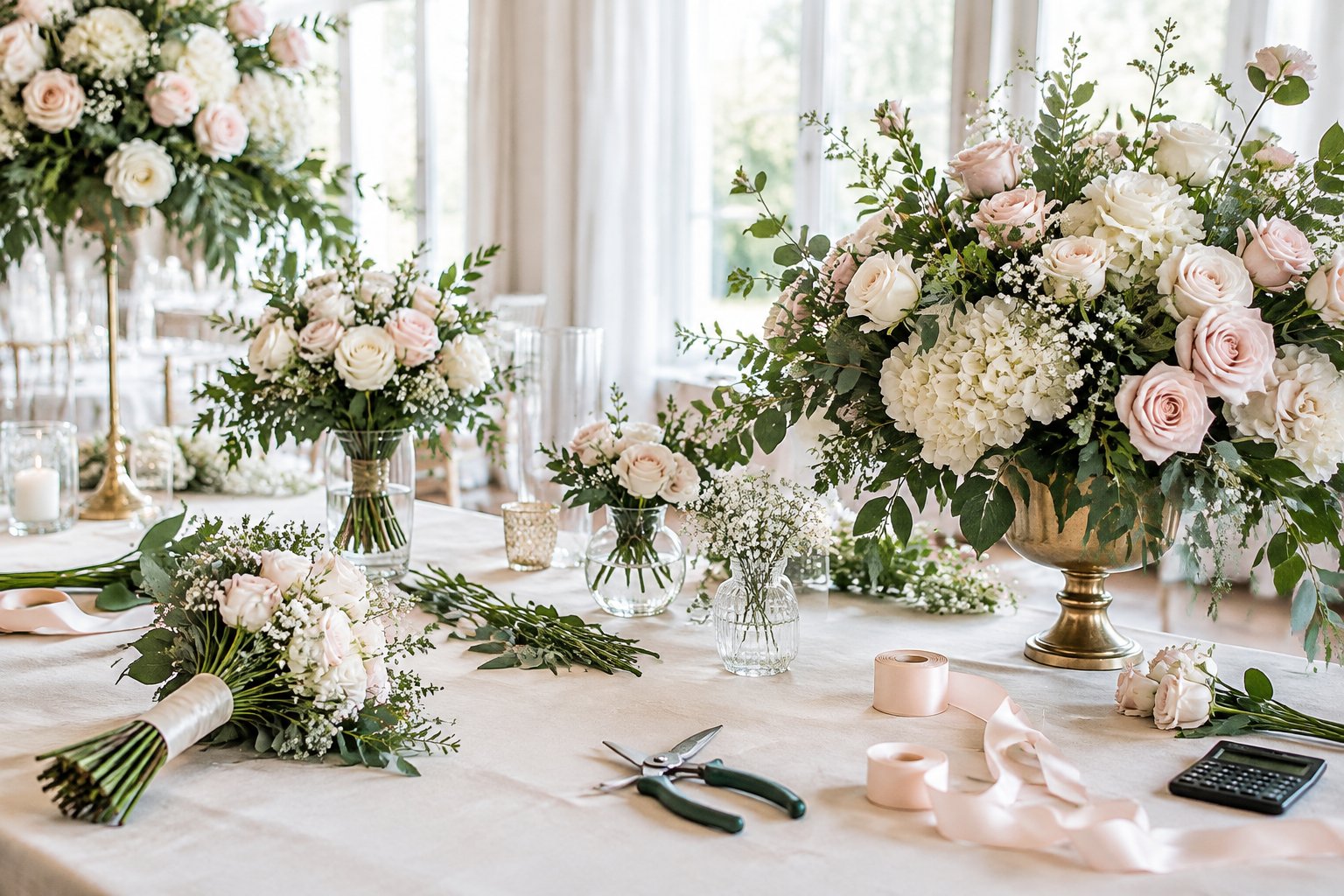
Your final wedding flower cost depends on guest count, location, season, flower choices, arrangement size, and the amount of labor your designs require. Use your total wedding budget as a starting point, then tell your florist which floral moments deserve the most attention.
A clear budget and flexible flower list can help you create a beautiful plan with fewer surprises.
What Couples Spend and What That Budget Buys
The average cost of wedding flowers lands near $2,800, while a fuller wedding florist package often costs $5,100 to $7,600. The difference comes from the scope of the order, since a small package of personal flowers and centerpieces costs far less than a complete ceremony and reception installation.
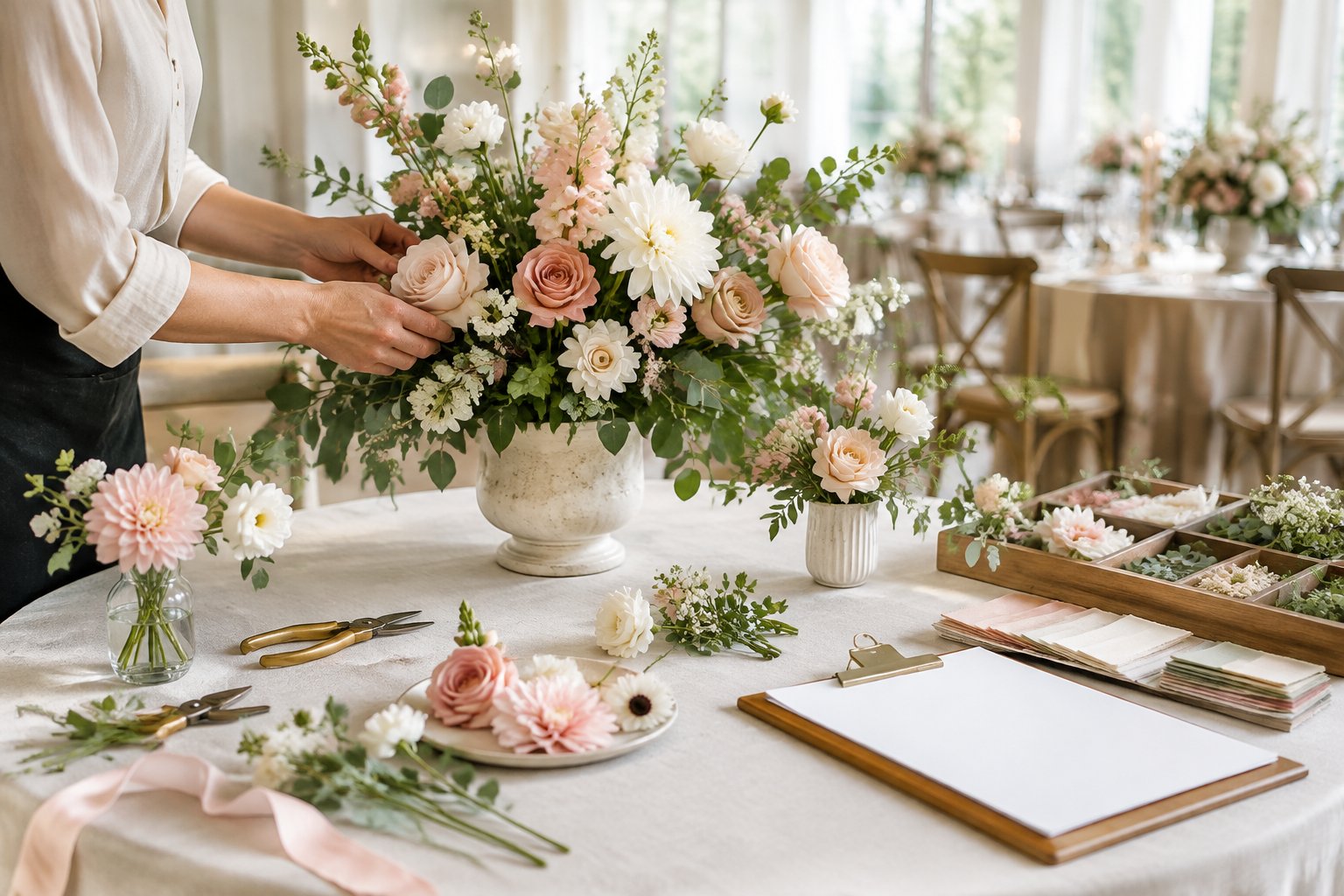
Your wedding venue, guest count, region, and design style shape the amount your professional florist needs to source and build. A quote also includes skilled preparation, design time, delivery, setup, rentals, and cleanup.
Why National Averages Can Tell Different Stories
A national average combines weddings with very different floral scopes. One couple may order a bridal bouquet, boutonnieres, and modest reception centerpieces. Another may hire a floral designer for an arch, aisle arrangements, lush tablescapes, and a flower wall.
Published figures reflect these different definitions:
- About $2,800: A broad average covering personal flowers, simple ceremony décor, and reception centerpieces.
- About $2,500 to $5,000: A common planning range for many U.S. weddings.
- About $5,100 to $7,600: A fuller floral design package with more labor and statement pieces.
- $8,000 to $15,000 or more: Large-scale installations, premium flowers, major cities, and complex logistics.
Guest count also shifts the average wedding flower cost. Couples with 1 to 50 guests spend about $1,600 on average, those with 51 to 100 guests spend about $2,400, and celebrations with 101 or more guests average about $3,300.
Typical Floral Budget Tiers
Your wedding flower budget can fit into one of these broad tiers:
| Floral budget | What it can cover |
|---|---|
| $1,000 to $2,000 | Personal flowers, simple centerpieces, and limited ceremony décor |
| $2,500 to $5,000 | Bridal party flowers, reception centerpieces, ceremony accents, and a focal arrangement |
| $5,000 to $8,000 | Full personal flowers, upgraded centerpieces, ceremony installations, and added design details |
| $8,000 and up | Large arches, hanging florals, flower walls, premium blooms, and extensive venue styling |
A $2,800 budget might cover personal flowers, one simple ceremony statement piece, and modest table arrangements. A $6,000 budget gives your florist more room for lush centerpieces, a stronger ceremony focal point, upgraded vessels, and on-site installation.
How Much of the Total Wedding Budget Should Go to Florals?
Set aside about 8% to 10% of your total wedding budget for standard floral coverage, then move toward 12% to 15% when flowers are a major design priority. A $25,000 wedding might support $2,000 to $3,000 in flowers, while a $60,000 wedding might support $3,500 to $6,000.
Your percentage can rise when you want dense floral arrangements, premium blooms, a larger guest list, or several installations. A venue with gardens, chandeliers, or attractive architectural details may let you spend less on décor because the setting already supplies visual interest.
How Much Do Individual Floral Pieces Cost?
Individual floral pieces commonly range from $15 for a boutonniere to more than $3,000 for a large ceremony installation. Your order size, flower selection, arrangement style, and labor determine where each item lands.

These ranges give you a practical starting point for building a quote. Your florist may package labor, rentals, delivery, and design fees into the arrangement prices, so compare the complete proposal.
Bridal Bouquet and Wedding Party Flowers
A bridal bouquet costs about $250 to $350, with cascading or oversized designs reaching $500 or more. A smaller hand-tied bouquet with seasonal flowers and greenery sits closer to the lower end.
- Bridesmaid bouquets: $80 to $150 each
- Boutonnieres: $15 to $30 each
- Corsages: About $25 to $60 each
- Flower girl basket flowers: About $40 to $100
- Toss bouquet: About $50 to $125
- Hair flowers: About $25 to $150, depending on the amount and design
Personal flowers receive frequent attention in photographs, so many couples protect the bridal bouquet and the groom’s boutonniere first. You can use a simpler recipe for bridesmaid bouquets while keeping the same color palette.
Ceremony Décor and Aisle Details
Ceremony flowers range from small aisle markers to a full floral arch. A simple arch arrangement can start around $500, while a lush, partially or fully covered structure can reach $3,000 or more.
Common ceremony costs include:
- Aisle markers: $30 to $150 each
- Welcome or entry arrangements: $150 to $500 each
- Altar or arbor arrangements: $500 to $3,000 or more
- Floral arch: $1,000 to $5,000 or more for extensive coverage
- Ground arrangements: $150 to $500 each
A single focal point gives your ceremony strong visual impact. Your florist can design it for movement to the reception when the venue layout and event schedule allow.
Reception Centerpieces and Tablescapes
Reception centerpieces cost about $100 to $500 each. Low centerpieces use fewer mechanics and can suit round tables, while tall centerpieces require larger vessels, more flowers, and added installation work.
- Bud vase groupings: $75 to $150 per table
- Low centerpieces: $100 to $250 each
- Tall centerpieces: $250 to $500 or more each
- Sweetheart table flowers: $150 to $600
- Head table or long-table designs: $400 to $2,000 or more
- Full tablescape florals: $150 to $600 per table, depending on density
Your guest count affects the number of tables, which makes reception flowers one of the fastest-growing parts of a wedding flower cost. Rectangular tables also require more product because their length needs several arrangements or a continuous runner.
Small Floral Extras to Remember
Small items can add hundreds of dollars when you order them across the full wedding party. Include cake flowers, cocktail-hour arrangements, bar flowers, welcome sign flowers, chair posies, and restroom arrangements in your first estimate.
Ask your florist to group these extras by priority. Cake flowers and a welcome sign arrangement may create more visual value than flowers in every secondary location. You can also place bridesmaid bouquets in reception vases after the ceremony to extend their use.
What Makes a Florist Quote Rise or Fall?
A florist quote rises when your design uses premium or out-of-season flowers, dense arrangements, large installations, extensive greenery, or complicated delivery and setup. A focused design with seasonal flowers, reusable pieces, and fewer arrangement types keeps the wedding florist cost more controlled.
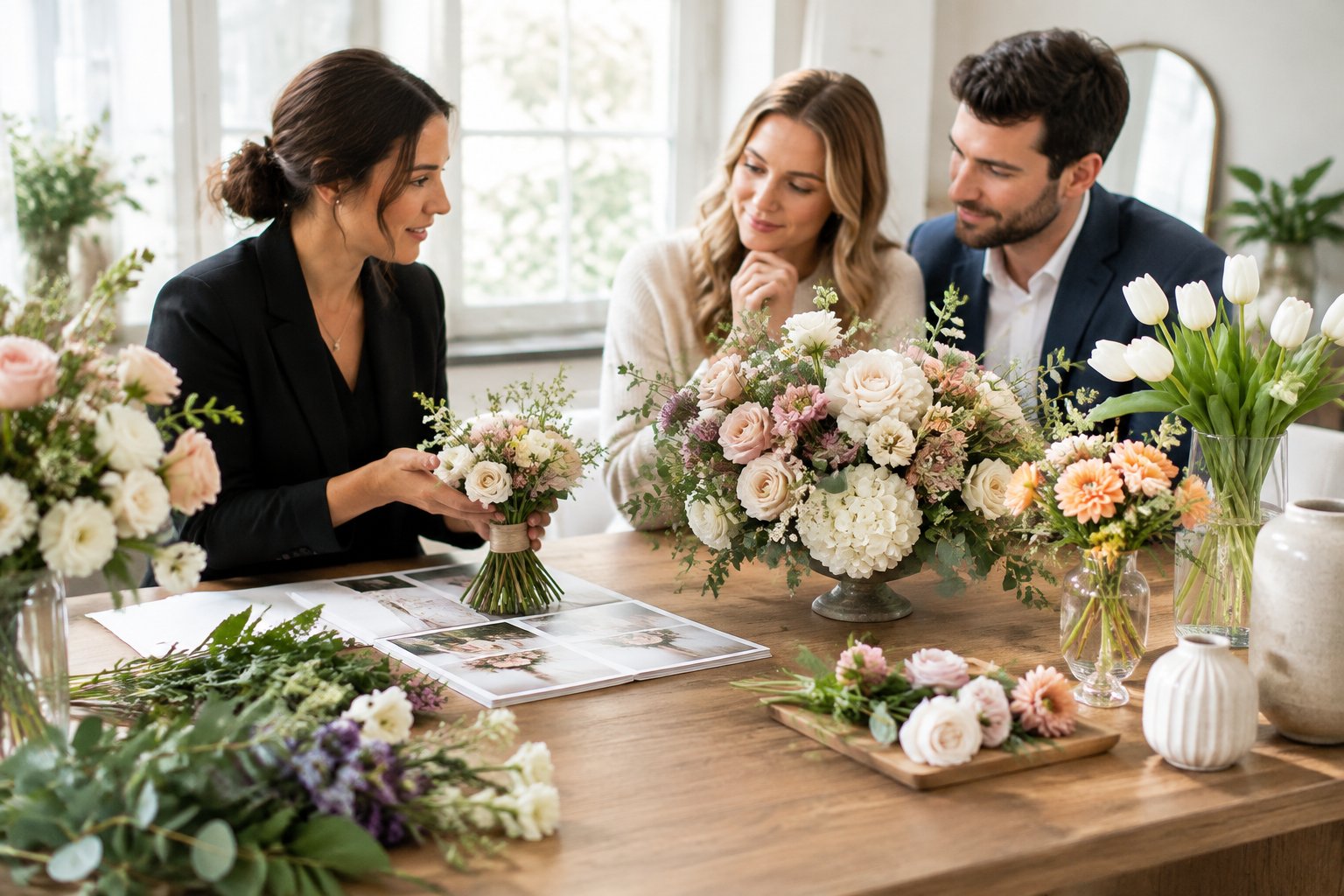
Your florist prices more than the stems. The proposal also reflects planning, flower processing, mechanics, vessels, transportation, installation, and the time required to make every piece wedding-ready.
Flower Variety, Season, and Sourcing
Fresh flowers vary widely in price. Premium flowers such as peonies, garden roses, orchids, and lily of the valley require more money per stem than carnations, chrysanthemums, or filler flowers.
In-season flowers and locally grown flowers give your florist more reliable access. Out-of-season flowers may require special ordering, long-distance shipping, or extra backup stems. Imported flowers also carry transportation and supply risks that affect the final quote.
Share your color palette and preferred mood with your florist. Flexibility lets the floral designer choose seasonal blooms that create the right shape and texture at a lower cost. A recipe built around eucalyptus, Italian ruscus, ruscus, or ferns can add volume while reducing the number of premium stems.
Floral Density and Design Complexity
The more flowers packed into each arrangement, the more your wedding flower costs rise. A loose garden-style centerpiece uses open space and movement. A compact, flower-heavy design needs more stems and more construction time.
Price also increases with:
- Oversized bouquets
- Cascading shapes
- Hand-wired details
- Suspended floral installations
- Flower walls
- Ceiling treatments
- Potted plants placed throughout the venue
- Custom structures and mechanics
A few statement flowers surrounded by seasonal blooms and greenery can make an arrangement feel abundant without filling every inch with premium product.
Delivery, Setup, and Installation Labor
Delivery and setup can add several hundred dollars to a wedding florist quote. Your florist may charge for mileage, fuel, parking, refrigeration, loading, venue access, placement, installation, and a return trip for breakdown.
A simple drop-off requires less labor than an on-site team installing an arbor, styling every table, and moving ceremony flowers during the reception. Ask whether the proposal includes:
- Delivery
- Venue setup
- Floral installation
- Repurposing or stay-and-move service
- Breakdown and cleanup
- Vessel and structural rentals
- Sales tax and service charges
These line items explain why a florist’s total exceeds the wholesale cost of the flowers.
How Guest Count Changes the Total
Guest count affects your quote through table count, aisle length, seating layout, and the number of personal flowers. Centerpieces create the clearest increase because each additional group of guests may require another table arrangement.
A 100-guest wedding may need 10 to 12 centerpieces. A 150-guest wedding may need 15 to 18. Fixed costs such as a bridal bouquet and ceremony arch stay similar, so smaller weddings do not always produce a proportionally smaller bill.
Which Flowers Fit Different Price Points?
Your flower choices can shift the price of a wedding bouquet, centerpiece, or installation by hundreds or thousands of dollars. Budget-friendly blooms create volume, mid-range flowers add a garden feel, and premium flowers work best as focused statement accents.
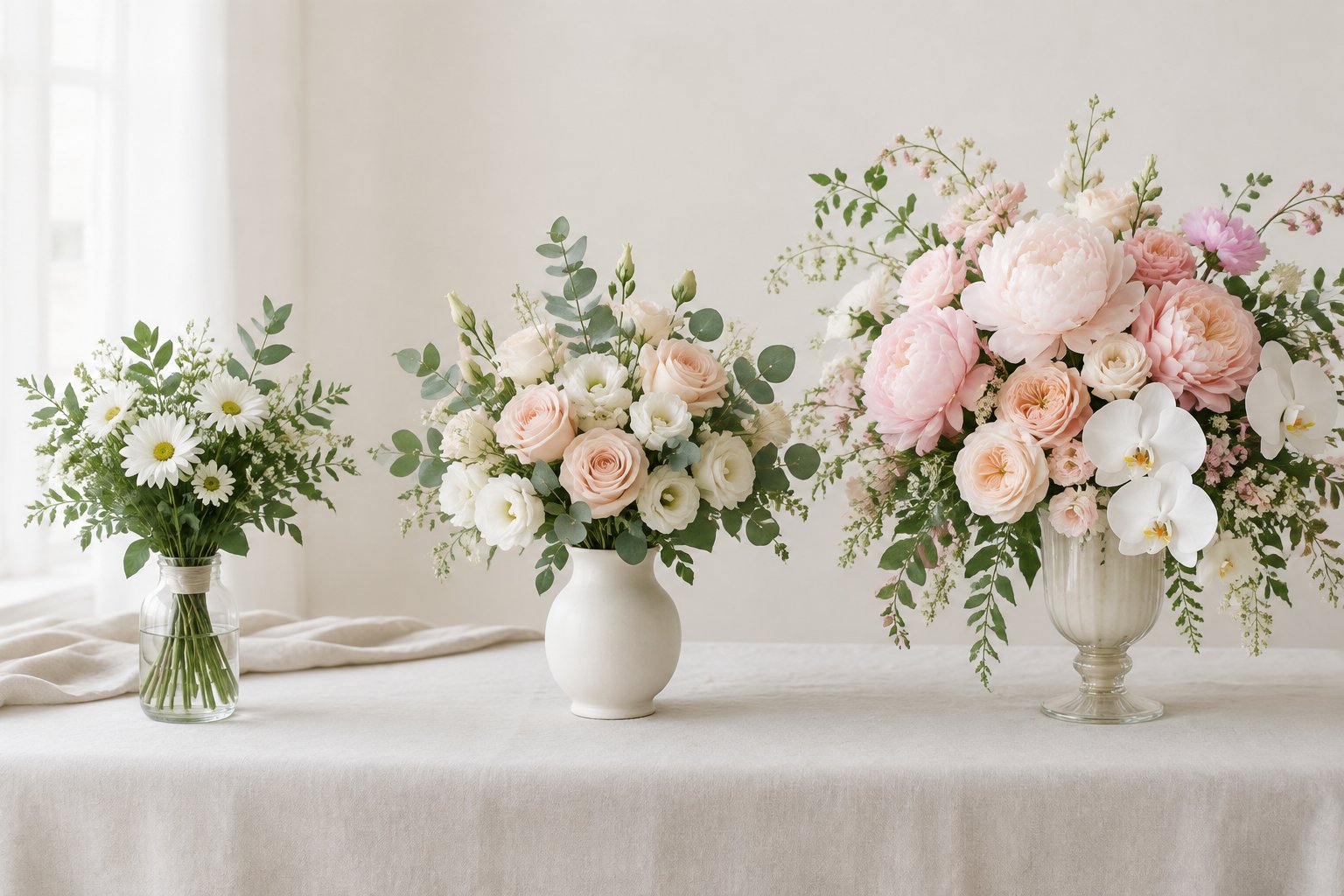
Your florist can substitute flowers with a similar shape, color, or texture when a favorite variety falls outside your budget. This approach keeps your design direction intact while giving the florist more sourcing options.
Budget-Friendly Blooms and Fillers
Carnations, baby’s breath, chrysanthemums, daisies, alstroemeria, and standard roses offer strong value. These flowers provide color and fullness across bouquets, aisle arrangements, and reception centerpieces.
Greenery such as eucalyptus, ruscus, and ferns also adds volume and texture. Baby’s breath works well in airy bouquets and large clusters. Modern carnations bring ruffled texture and hold up well through a long wedding day.
Mid-Range Flowers With a Garden Feel
Tulips, lisianthus, hydrangeas, sunflowers, zinnias, and some roses sit in a mid-range price group, depending on the season and source. They create a relaxed garden look with varied shapes and colors.
Hydrangeas fill space quickly, while lisianthus adds a softer, ruffled line. Standard roses give you a classic focal bloom at a more moderate price than garden roses. Ask your florist which varieties will be at their best during your wedding month.
Premium and Seasonal Statement Flowers
Ranunculus, garden roses, dahlias, peonies, orchids, calla lilies, lilies, lily of the valley, gardenias, amaryllis, and anemones can raise your flower budget. Price changes with availability, stem quality, color, and the time of year.
Peonies and dahlias create strong focal points when they are in season. Garden roses add a full, layered shape. Orchids and calla lilies bring a sculptural look to modern arrangements. Use premium blooms in your bridal bouquet, ceremony focal piece, or sweetheart table, then surround them with seasonal flowers and greenery.
How to Save Money on Wedding Flowers Without Losing Impact
The most effective way to save money on wedding flowers is to concentrate your budget on one or two focal points, choose seasonal materials, and reuse ceremony pieces at the reception. You can also reduce the number of low-impact floral extras.
Choose One or Two High-Impact Focal Points
Select the floral moments that appear most in your photographs and occupy the most visible space. Your bridal bouquet, ceremony backdrop, sweetheart table, or reception entrance may deserve priority.
Keep other designs lighter. Bud vase groupings can replace large reception centerpieces, while a small number of premium flowers can give a bouquet a luxury feel. Tell your florist which pieces are essential and let the remaining arrangements support them.
Use Seasonal, Local, and Greenery-Forward Designs
In-season flowers cost less to source and give your florist a wider selection. Locally grown flowers also reduce shipping needs when they are available in your area.
Greenery helps fill arrangements with texture and movement. Eucalyptus, ruscus, ferns, branches, and grasses can support a lush design with fewer high-cost blooms. Ask for a color palette and shape instead of requiring an exact flower list.
Repurpose Ceremony Flowers at the Reception
Repurposing ceremony flowers can save hundreds of dollars. A floral arch can move behind the sweetheart table, aisle arrangements can become reception table flowers, and welcome arrangements can decorate the bar or gift table.
Include the move in your original proposal. Your florist may charge a repurposing or stay-and-move fee because a team must wait, transport the pieces, and restyle them during the event.
When Silk Flowers or DIY Options Make Sense
Silk flowers work well for arches, flower walls, toss bouquets, and arrangements that need to stay in place for many hours. You can keep them after the wedding, rent them, or use them in locations where fresh flowers require difficult temperature control.
DIY works best for limited pieces such as bud vases, simple centerpieces, or a toss bouquet. Fresh flowers require conditioning, refrigeration, tools, containers, and a reliable setup plan. Price those supplies and assign a capable team before choosing this route.
A professional florist gives you stronger support for large installations and time-sensitive wedding flower arrangements.
How to Compare Floral Proposals Before Booking
Compare floral proposals by matching the scope, included services, arrangement sizes, flower flexibility, and final fees. The lowest wedding florist cost may represent fewer services or smaller designs, so review each proposal line by line.
What a Full-Service Proposal Should Include
A full-service proposal should identify each arrangement, quantity, approximate size, flower direction, vessels, rentals, labor, delivery, setup, installation, repurposing, breakdown, taxes, and payment schedule.
Check whether the florist includes:
- Bridal bouquet and wedding party flowers
- Ceremony and reception flowers
- Rental vessels and structures
- Design and consultation time
- Flower sourcing and substitutions
- Delivery and travel
- On-site setup and installation
- Breakdown and cleanup
- Sales tax and service charges
- Deposit and final payment dates
Some florists fold labor into arrangement prices, while others list it separately. Both formats work when the scope is clear.
Questions to Ask Before You Sign
Ask your wedding florist:
- What services and rentals are included in this quote?
- Which fees could be added after booking?
- How will substitutions work if a flower becomes unavailable?
- What happens if the venue schedule changes?
- Who handles setup, repurposing, and breakdown?
- How long will the proposal price remain valid?
- When do you need the final guest count and arrangement quantities?
- What deposit and cancellation terms apply?
- How much design flexibility do you have with seasonal flowers?
- Does the quote include tax, travel, and service charges?
A clear answer to each question helps you compare proposals without guessing about the final bill.
How to Prioritize Your Must-Have Floral Moments
Divide your wedding flower budget into must-haves, strong preferences, and optional details. Protect the bridal bouquet, reception centerpieces, and one ceremony focal point when those pieces define your vision.
Move bar flowers, chair posies, restroom arrangements, hair flowers, and extra aisle markers into the optional group when you need to reduce costs. Give your floral designer a firm budget and a short list of priorities, then ask for two versions: one that meets your essentials and one that adds your preferred upgrades.