
Average Cost for a Wedding Photographer: 2026 Guide
The average cost for a wedding photographer in the United States is about $3,000 in 2026, with many couples spending between $2,500 and $4,500 for six to eight hours of coverage. Smaller packages can start near $1,000, while experienced luxury photographers may charge $10,000 or more.

Your wedding photography cost reflects much more than time spent taking pictures. Your location, guest count, photographer experience, coverage length, editing, albums, and extra events all affect your wedding expenses. Build photography into your wedding budget early, then request quotes that list every included service.
Use the numbers below to set a practical starting point and contact photographers whose work fits your priorities.
What Couples Typically Pay in 2026
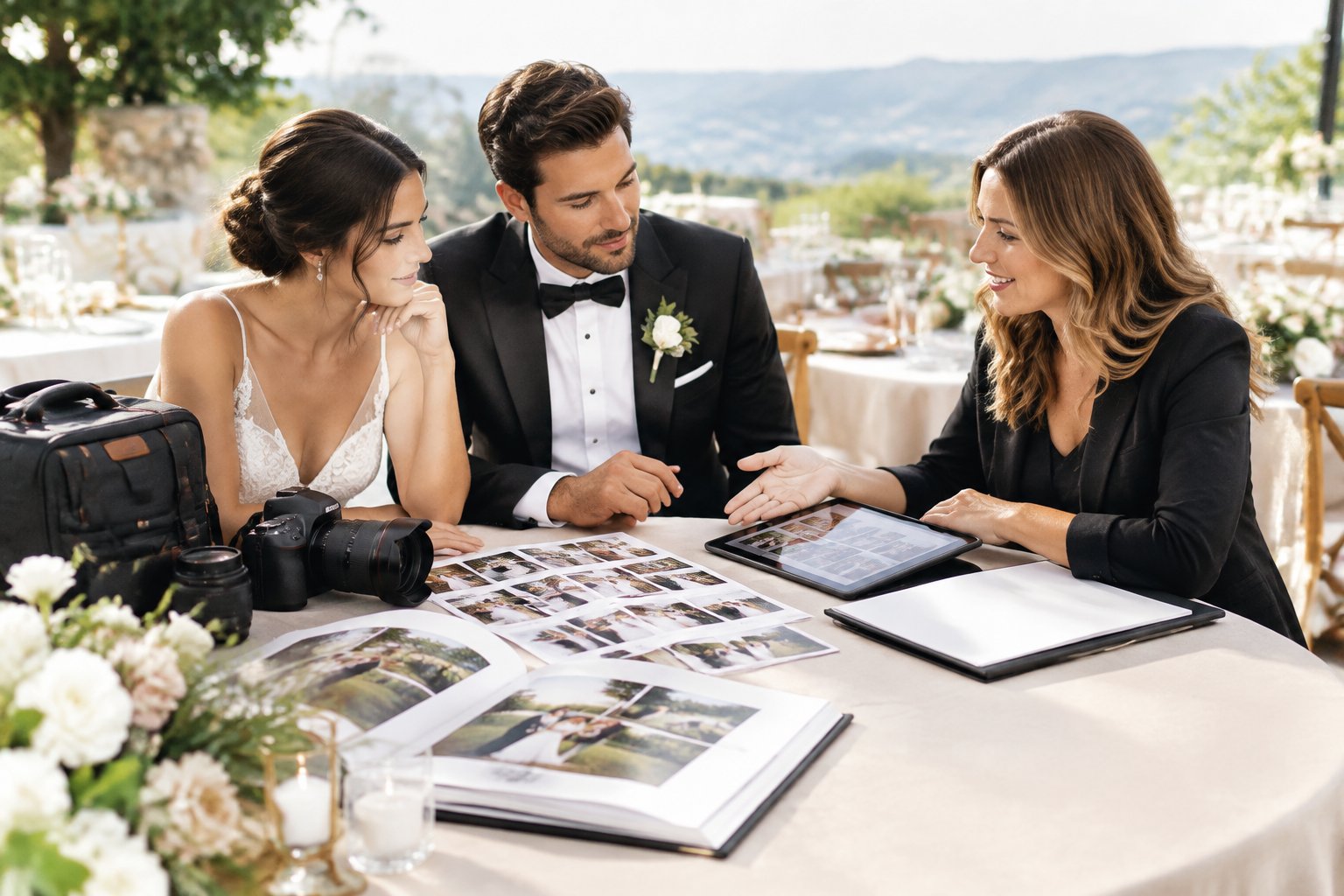
Most couples spend about $2,500 to $4,500 for wedding photography in 2026, with $3,000 serving as a useful national benchmark. Package prices from WeddingWire and other planning marketplaces show how strongly coverage, experience, and included products shape wedding photographer prices.
National Average and Typical Price Range
A national study of recently married U.S. couples places the average professional wedding photographer cost at $3,000. Spending tiers provide more context:
- Lower quartile: about $1,500
- Middle spending point: about $2,800
- Upper quartile: about $4,700
A practical 2026 range looks like this:
| Package level | Common price range | Coverage |
|---|---|---|
| Entry-level | $1,000–$2,500 | Four to six hours, one photographer |
| Mid-range | $2,500–$4,500 | Six to eight hours, digital gallery |
| Premium | $4,500–$7,000 | Eight to ten hours, second photographer, album options |
| Luxury | $7,000–$15,000+ | Full-day or multi-day coverage, custom products |
Your wedding photography prices may fall outside these ranges in high-cost cities or for destination celebrations. Ask each photographer to separate the base fee from travel, products, taxes, and extra coverage.
Cost by Photographer Experience Level
Photographer experience influences both the fee and the level of support you receive before, during, and after the wedding.
- Early-career photographer: $1,200–$2,500. This level can suit a smaller wedding with a flexible timeline.
- Established professional: $3,500–$6,000. You receive a stronger record of full weddings, refined editing, and tested event skills.
- Luxury or editorial photographer: $8,000–$15,000 or more. Pricing reflects demand, artistic direction, publication history, and a high-touch client service.
Review complete wedding galleries at every price level. A polished portfolio shows style, while a full gallery shows how consistently the photographer handles family portraits, difficult lighting, crowded dance floors, and quiet moments.
Wedding Photographer Cost Per Hour
The average wedding photographer cost per hour works out to about $375 when a $3,000 package covers eight hours. Published hourly rates commonly fall between $200 and $500, depending on the photographer and market.
Hourly pricing does not represent the full work involved. Your photographer also spends time preparing timelines, backing up files, selecting images, editing, communicating with you, and delivering the gallery.
Ask whether the quoted hourly rate includes edited images, travel time, a second photographer, and overtime.
What Determines Your Final Quote?
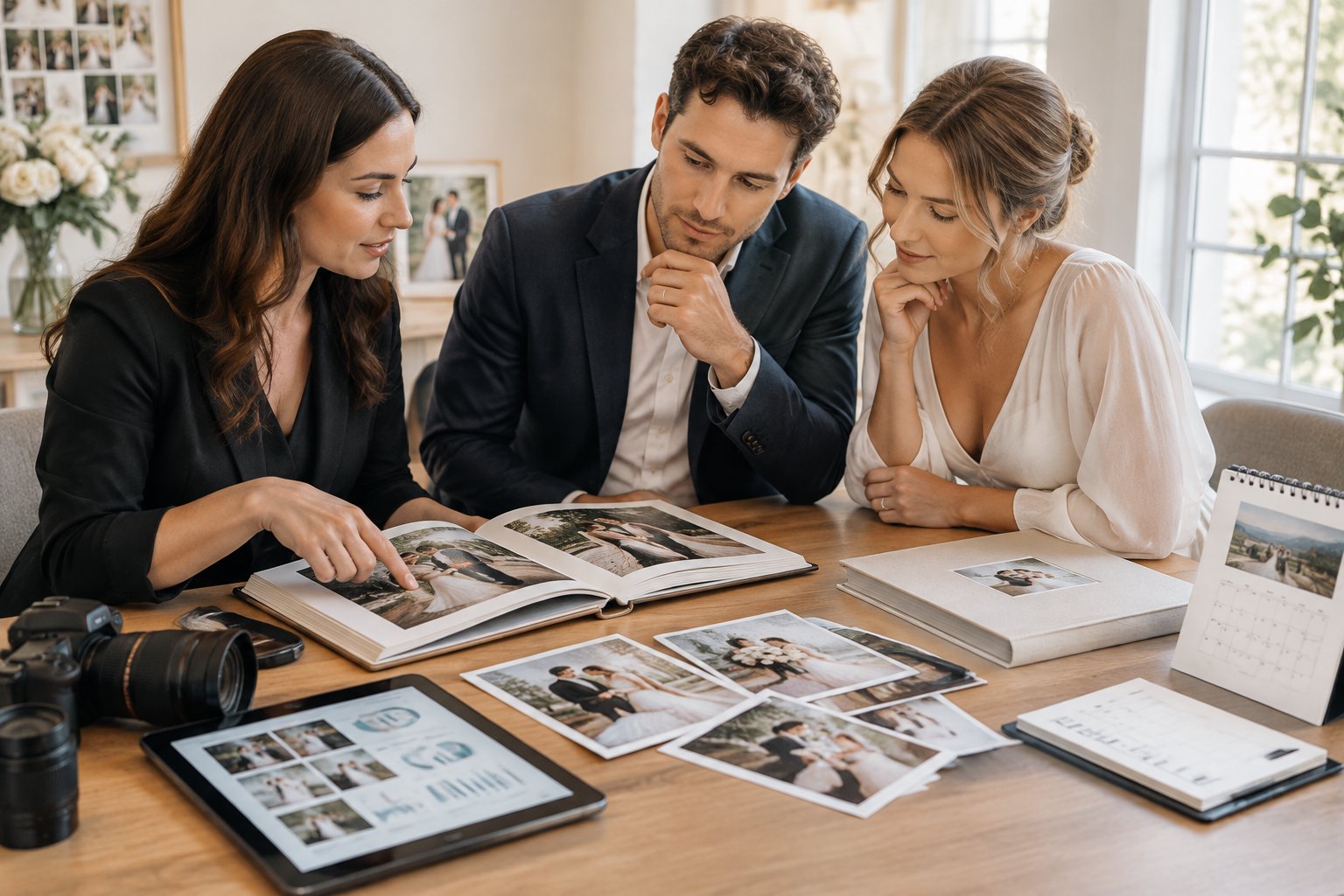
Your final quote reflects the wedding’s location, schedule, size, staffing needs, travel, and post-production workload. Two couples who each book eight hours may receive very different wedding photography costs because their events require different levels of coverage and service.
How Geographic Location Changes Rates
Geographic location affects rates through local living costs, venue demand, competition, and travel distance. Regional averages from recent U.S. wedding data show a broad spread:
- Northeast and New England: about $3,700
- Mid-Atlantic: about $3,800
- Midwest: about $2,900
- South and Southeast: about $2,700
- Southwest: about $2,600
- West: about $2,900
Major cities may sit well above their regional averages. A destination wedding photographer may charge a separate travel fee for flights, lodging, meals, rental cars, and travel days.
Compare local photographers with professionals who travel to your venue, then ask for the complete delivered price.
Coverage Hours, Guest Count, and Event Complexity
Coverage hours form the largest part of many photography pricing models. Six hours may cover a ceremony and portraits, while eight to ten hours can include preparations, the ceremony, family photos, dinner, speeches, and dancing. Extra hours commonly add $200 to $500 each.
Guest count raises the workload through larger family photo lists, more reception activity, and additional editing. Recent spending patterns place average costs near $2,000 for one to 50 guests, $2,700 for 51 to 100 guests, and $3,500 for more than 100 guests.
Event complexity also affects staffing. Multiple venues, separate getting-ready locations, cultural ceremonies, and tight timelines may call for a second shooter. Ask whether your quote includes backup equipment, assistant time, and post-production editing.
Why Peak Dates and Travel Raise Costs
Saturday weddings during peak wedding season attract the highest demand, so those dates may carry higher rates or minimum coverage requirements. Weekday, Sunday, and off-season dates can offer more availability and different package options.
Travel fees increase when your photographer must drive long distances, fly, stay overnight, or cover a remote venue. Rehearsal dinner photography and rehearsal dinner coverage add another event to the schedule.
Confirm whether vendor meals, lodging, parking, overtime, and travel days appear in the contract.
What Should a Photography Package Include?
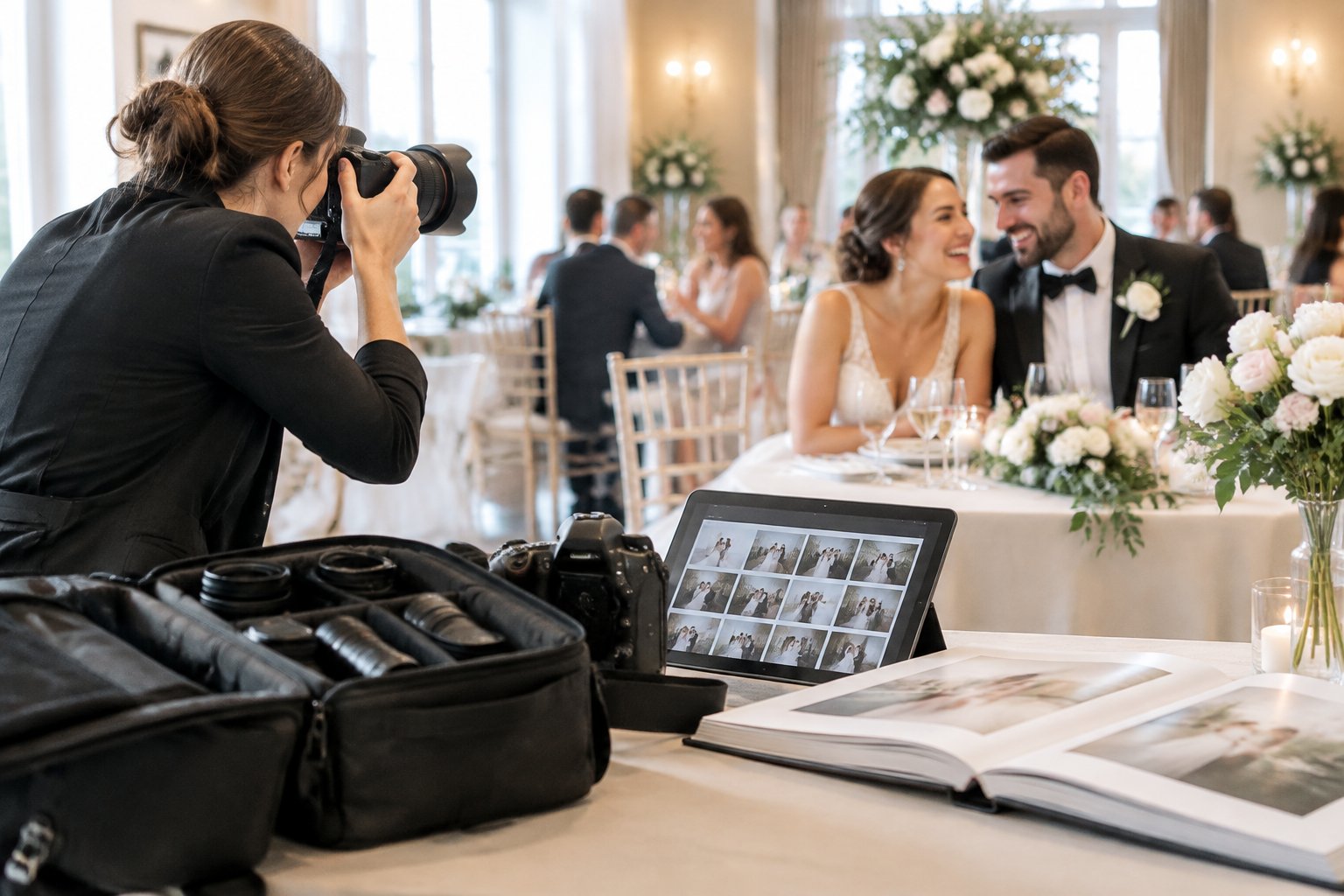
A complete wedding photography package should state the coverage time, photographer count, editing service, delivery method, usage rights, and product costs in plain language. Compare these details line by line before you compare the final price.
Coverage, Editing, and Digital Delivery
Your package should list the exact start and end times, the lead photographer’s name, and whether a second photographer is included. Ask how overtime is billed and whether travel between venues counts toward your coverage.
Post-production editing turns camera files into finished images. Confirm the estimated image count, editing style, color and black-and-white options, sneak peek timing, and full gallery delivery date.
Digital delivery may include an online gallery, downloadable high-resolution files, a USB drive, or a combination. Ask how long the online gallery remains active and whether you receive a print release for personal printing.
Raw files are handled differently by each photographer, so request the policy in writing.
Engagement Sessions and Additional Events
An engagement session or engagement photo session gives you time to learn how your photographer directs poses and captures natural moments. It also produces engagement photos for invitations, announcements, or a wedding website.
Some wedding photography packages include an engagement shoot, while others charge $300 to $800 as an add-on. Bridal portraits, welcome parties, rehearsal dinners, and next-day brunches require separate coverage hours and should appear as separate line items.
Ask whether the same photographer will handle each event and whether the editing style remains consistent across the full gallery.
Albums, Prints, and Usage Rights
Printed products range from loose prints to a handcrafted wedding album. A wedding photo album may cost $500 to $2,000 or more, based on size, paper, cover materials, and design service.
Ask whether the package includes a wedding album, parent album, parent albums, canvas prints, or a print credit. A print credit lets you order products later while keeping the initial package flexible.
Confirm your usage rights before signing. A print release allows personal printing, while copyright ownership remains with the photographer in many contracts. Check whether the photographer may use your images for portfolio, social media, or advertising.
Do You Need a Second Shooter or Video?
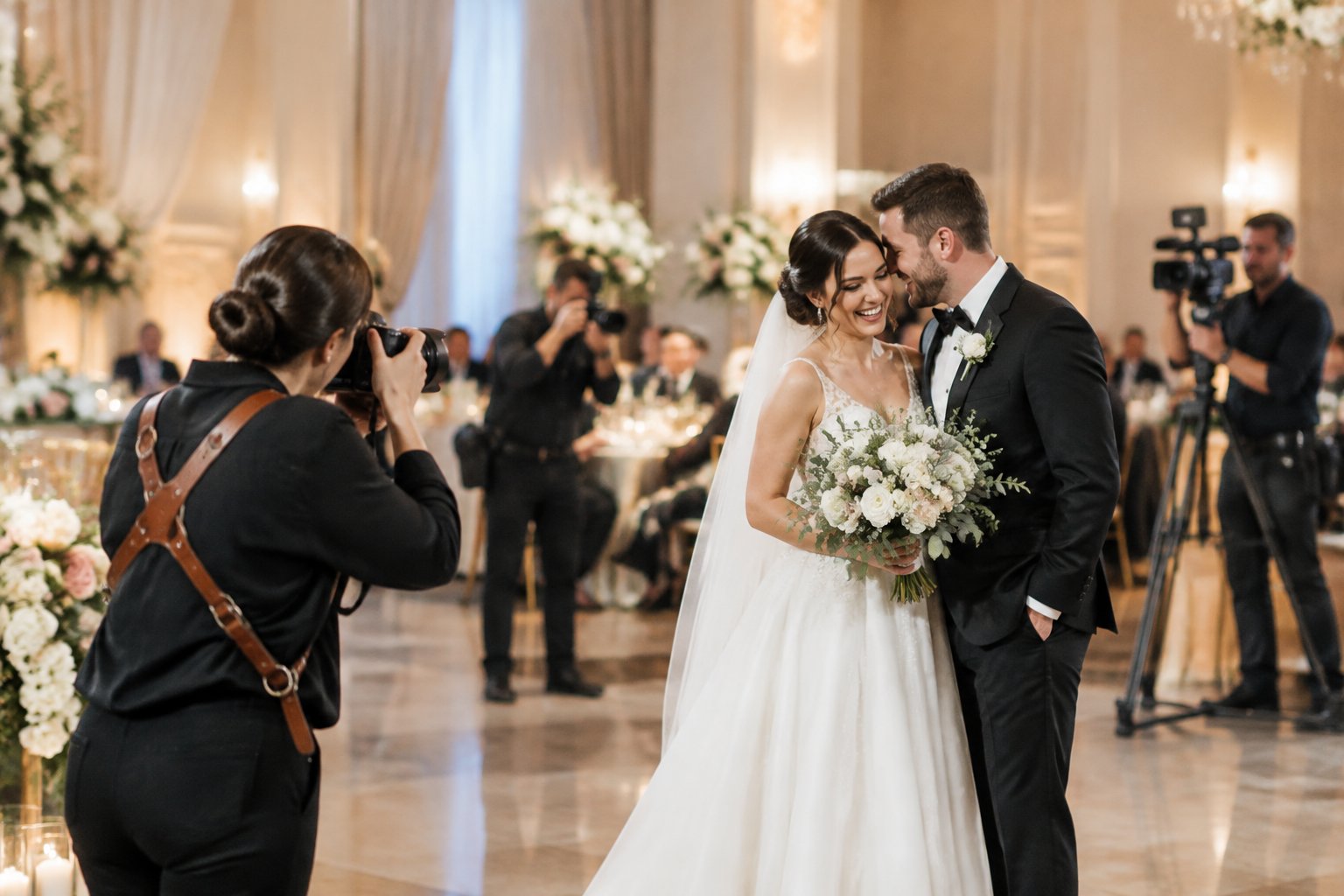
A second shooter adds the most value when your wedding has more than 100 guests, separate preparation locations, several venues, or a tight timeline. Wedding video serves a different purpose by preserving movement, spoken vows, music, and speeches.
When a Second Photographer Adds Real Value
A second photographer often adds $500 to $1,500. During preparations, one photographer can document each partner at the same time. During the ceremony, one can focus on your entrance while the other captures your partner’s reaction and guest responses.
Two photographers also help with large family groups, multiple reception spaces, and compressed schedules. One experienced photographer can cover an intimate, single-location wedding with fewer than 50 guests.
Ask to see a complete gallery created with a second shooter so you can judge the consistency of both photographers’ work.
Photography vs. Videography and Combined Packages
Photography preserves individual frames, while wedding video records movement, voices, music, and the pace of the day. A wedding videographer may work alone or with a second videographer, depending on the schedule and production plan.
Combined photo and video packages may simplify communication and scheduling. Compare the included coverage hours, final video length, audio recording, editing style, delivery date, and photographer or videographer assignments.
Confirm that the team has a plan for working around each other during the ceremony and portraits.
Optional Add-Ons Worth Considering
Useful add-ons include:
- Engagement sessions
- Rehearsal dinner coverage
- Bridal portraits
- Extra reception hours
- Wedding albums
- Canvas prints
- Drone photography where the venue and local rules allow it
- Photo booth rental for guest entertainment
Prioritize the add-on that fills a clear gap in your plan. A second shooter helps with simultaneous moments, while a photo booth rental gives guests an activity.
Drone photography requires safe operating conditions and venue approval, so confirm those details before paying for it.
How to Choose the Right Photographer for Your Budget
Choose a photographer whose portfolio, service plan, and contract fit your wedding photography budget. A lower quote works well when it includes the coverage and safeguards your event requires.
Match the Portfolio to Your Preferred Style
Start with wedding photography styles that appeal to you, such as documentary, editorial, fine art, dark and moody, or bright and airy. Save a small group of images that show the colors, posing, emotion, and composition you want.
Review two or three complete galleries from weddings with similar lighting and size. Look for consistent exposure, clear family portraits, natural moments, and confident reception coverage. Ask how the photographer handles indoor ceremonies, harsh sunlight, rain, and crowded spaces.
Your preferred wedding photography style should guide your shortlist before you compare photography pricing. Editing style is difficult to change after the wedding.
Compare Quotes on Value Rather Than Price Alone
Place quotes in a simple comparison list with these details:
- Coverage hours
- Number of photographers
- Estimated edited image count
- Online gallery and download terms
- Engagement session
- Album or print credit
- Travel and overtime fees
- Delivery timeline
A $3,000 package with six hours may provide less coverage than a $3,600 package with eight hours, an engagement session, and a second photographer. Calculate the cost of adding missing services so you compare equivalent packages.
Review the Contract Before Paying a Deposit
Your wedding photography contract should identify the photographer, coverage schedule, number of shooters, deliverables, image rights, payment schedule, cancellation terms, and backup plan for illness or equipment failure.
Check the deposit amount and balance due date before you sign. Confirm the overtime rate, travel terms, gallery hosting period, album approval process, and delivery deadline.
Ask what happens if the photographer cannot attend and whether a named replacement is available. Keep the signed contract and payment records with your wedding planning documents.