
Average Cost for a Wedding Videographer: What to Budget
A wedding videographer preserves the parts of your day that photos cannot replay, including vows, voices, laughter, and movement. In the United States, you can plan on about $2,300 as the average cost for wedding videographer services, with many couples spending from roughly $1,000 to $3,300.
Higher-end wedding videography packages can reach $4,000 to $7,000 or more when they include longer coverage, multiple cameras, advanced editing, or specialty footage.
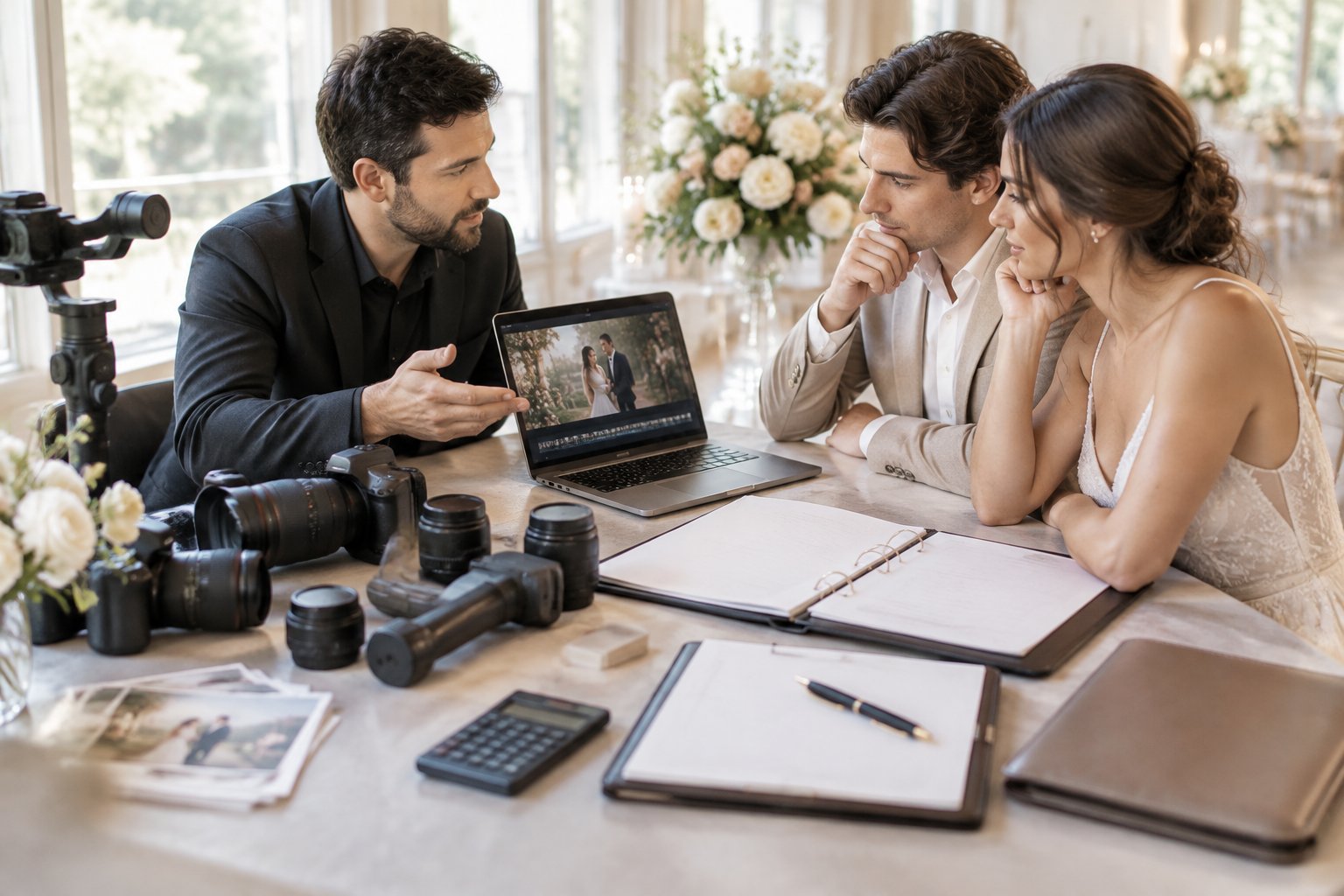
Your wedding budget should reflect the moments you want to remember most. A short highlight film may fit a tighter plan, while full-day coverage gives you preparation footage, ceremony audio, speeches, dancing, and a complete wedding film.
Start by deciding which memories deserve professional coverage, then request quotes that list every service and fee. If you are ready to compare options, reach out to a wedding videographer whose style fits your plans and ask for a written package proposal.
What Is a Realistic Price Range?
A realistic wedding videographer budget is $2,000 to $4,000 for solid professional coverage, with basic services near $1,000 and cinematic packages reaching $7,000 or more. The average wedding videographer cost reported in national studies is $2,300, while other pricing data places many full-service packages closer to $3,200 to $4,800.
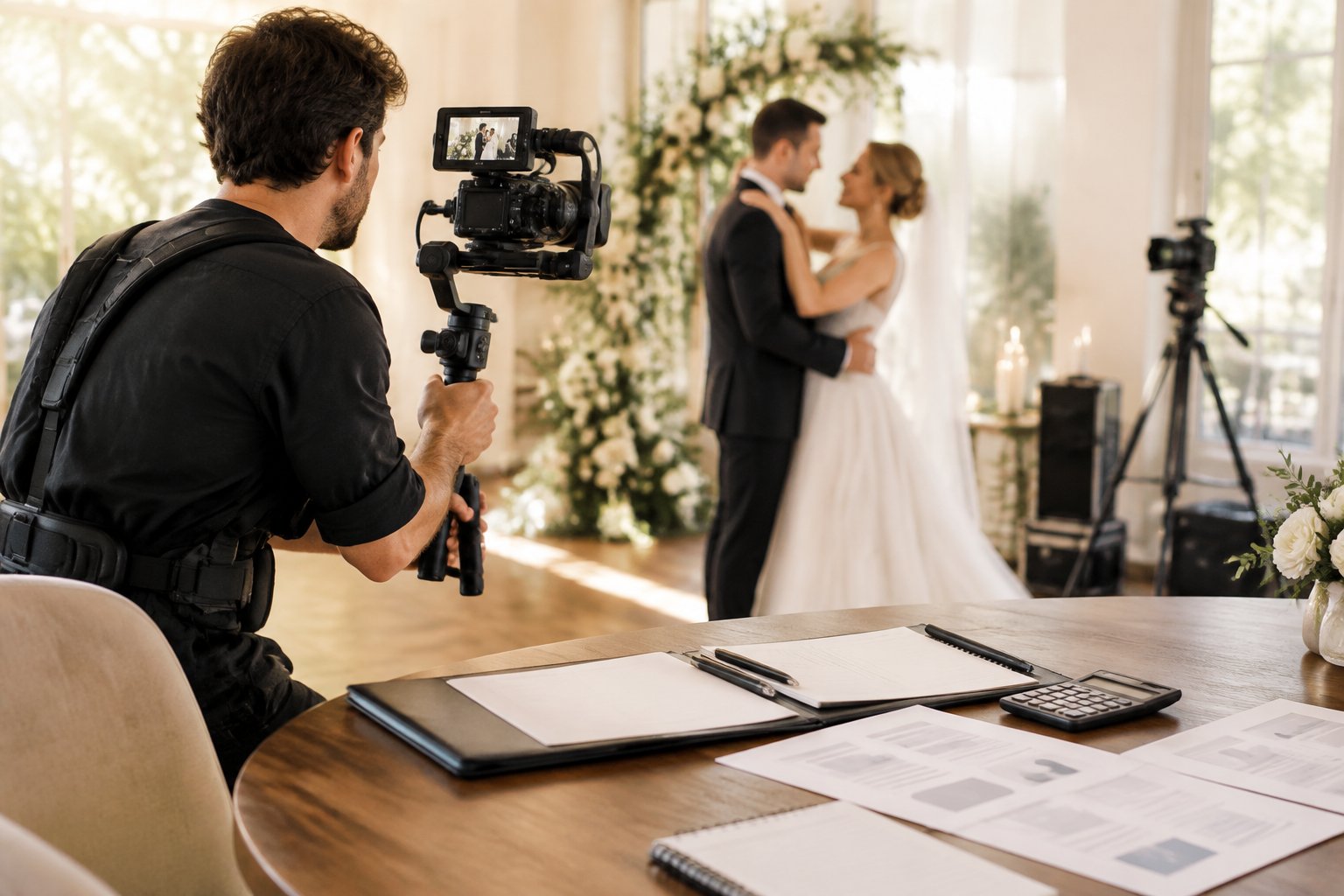
Your quote reflects coverage time, crew size, editing work, delivery format, and wedding location. A national figure gives you a planning point, while local proposals show what your date and venue will cost.
National Averages and Why Sources Differ
The average cost of a wedding videographer sits near $2,300 in The Knot Real Weddings Study. That study reports a median spend of about $1,900, with couples in the lower spending quartile averaging $1,000 and those in the upper quartile averaging $3,300.
Other wedding videography pricing reports show higher figures because they may focus on full-service packages, larger production teams, or more extensive deliverables. One national index places average wedding video cost near $3,993, with many couples paying $3,200 to $4,800.
Check what each figure includes before using it in your wedding budget. A price for ceremony coverage and a short highlight reel does not compare directly with an all-day wedding film that includes two videographers, full audio, and several edited versions.
What Couples Spend at Different Budget Levels
Your spending level often maps to the amount of coverage and editing you want:
- Around $1,000 to $2,000: One videographer, four to six hours, and a short highlight film.
- Around $2,100 to $4,000: Longer coverage, improved audio, a documentary edit, and possibly a second shooter.
- Around $4,500 to $7,000 or more: Full-day filming, multiple videographers, cinematic editing, drone footage, and several final films.
A lower-priced package can work well when you care most about vows, speeches, and a short keepsake. A larger budget supports more angles, more complete storytelling, and added editing time.
How Location Changes Local Quotes
Your wedding location can shift wedding videographer rates by thousands of dollars. Regional averages reported in national data range from about $2,100 in the South and Southeast to $3,000 in the Mid-Atlantic.
Higher-cost cities also bring higher operating expenses and stronger demand. Travel adds to the quote when your venue sits outside the videographer’s service area.
Ask about mileage, flights, lodging, meals, parking, permits, and travel time. Requesting two or three proposals from professionals who regularly work near your wedding location gives you a more useful local comparison.
What Does Each Package Level Usually Include?
A basic wedding videography package covers essential moments, a standard package builds a fuller day-long story, and a premium package adds crew, equipment, and cinematic postproduction. Package names differ between studios, so review the exact hours, films, audio services, and delivery terms.
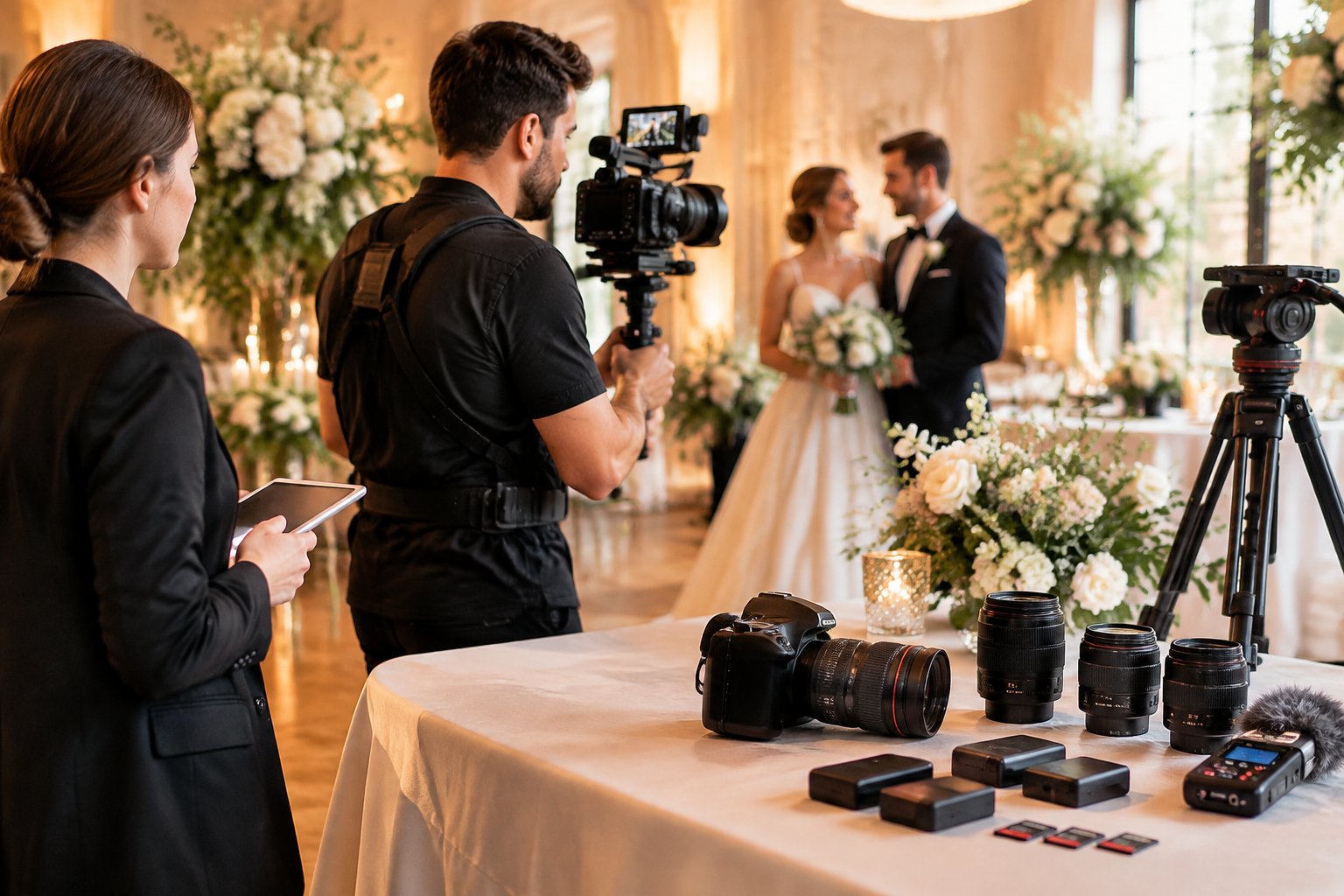
A package price includes more than time at your venue. Planning, equipment, file storage, editing, music licensing, color work, and delivery all shape the final cost.
Ask for a sample wedding video made from a similar package before you book.
Basic Coverage for Essential Moments
A basic wedding videography package costs about $1,000 to $2,000 in many markets. It often includes one professional wedding videographer, four to six hours of filming, and a three- to five-minute highlight film.
Coverage may focus on the ceremony, formal portraits, first dance, speeches, and selected reception moments. The package may include one camera operator and straightforward editing, with digital delivery after several weeks.
Read the exclusions carefully. Extra hours, raw files, full ceremony footage, drone coverage, and additional revisions may carry separate charges.
This level suits you when a polished short film matters more than recording every part of the day.
Standard Coverage for a Complete Day
A standard package often falls between $2,100 and $4,000. You may receive six to eight hours of coverage, getting-ready footage, ceremony and reception filming, professional audio, and a highlight film paired with a longer documentary edit.
Some studios include a second videographer at this level, while others offer that person as an upgrade. Better audio capture helps preserve vows, readings, speeches, and guest reactions with greater clarity.
Confirm the delivery timeline and revision policy. A package that includes two edited videos may still charge separately for raw footage, social media clips, rush delivery, or physical keepsakes.
Premium and Luxury Film Production
Premium and luxury wedding videography can cost $4,500 to $7,000 or more. These packages may include two or three videographers, all-day coverage, cinema cameras, multiple audio sources, drone footage, advanced color grading, custom sound design, and several final edits.
You may receive a short teaser, a highlight film, a documentary-style wedding film, full ceremony footage, and social media cuts. Some studios add same-day editing, custom packaging, guest interviews, or a live stream.
Choose this level when you want a carefully shaped film with broad coverage and a larger production team. Ask who will film your wedding, who will edit it, and whether the portfolio sample reflects the exact team assigned to your date.
Which Choices Raise or Lower Your Quote?
Coverage hours, crew size, postproduction, and event logistics create the largest changes in your wedding videographer quote. You can control many of these costs by matching the package to your timeline and naming your must-have moments early.
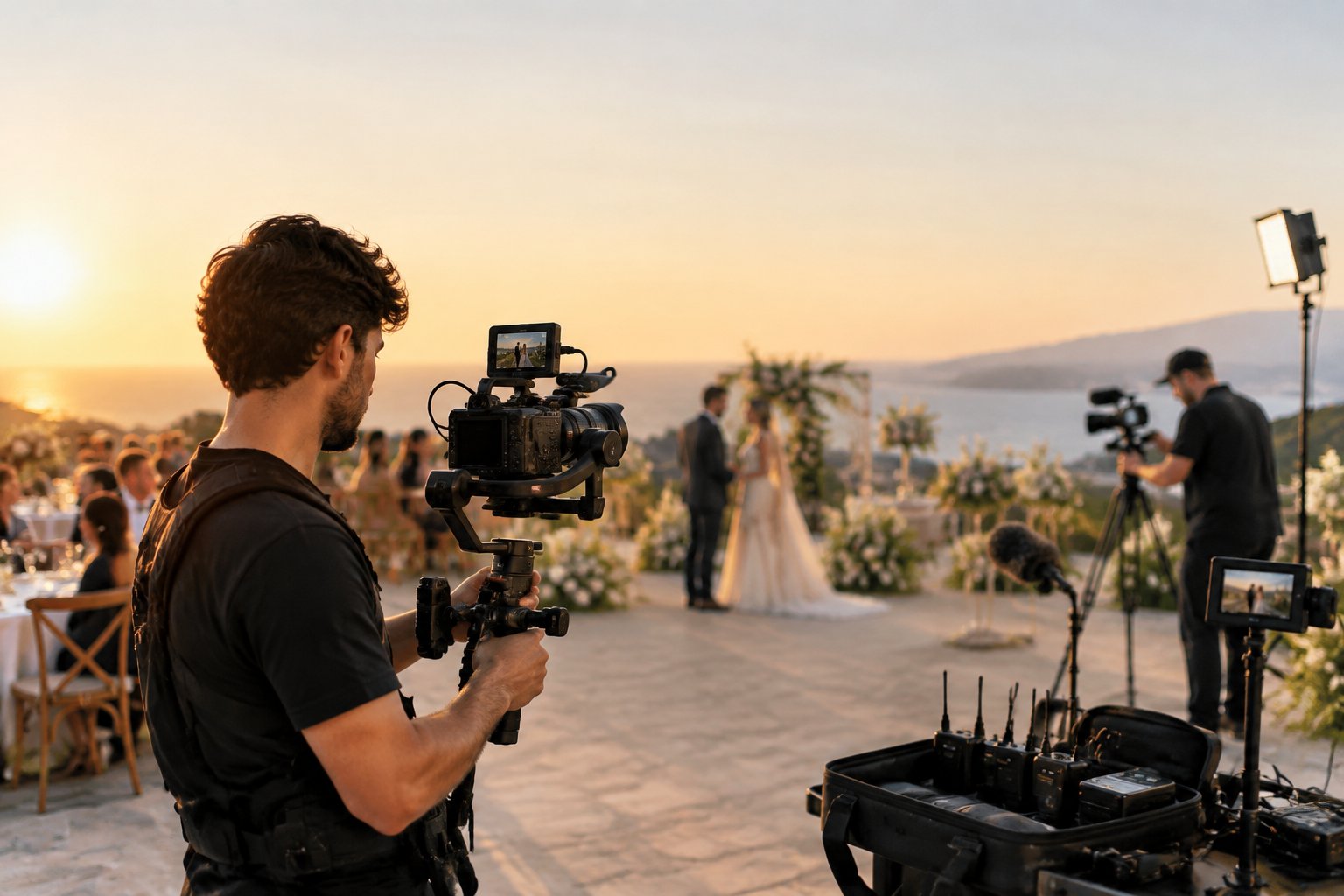
The wedding videographer cost per hour may look straightforward, yet filming represents only part of the work. Editing can take two or three times as long as the event itself, especially when your package includes multiple cameras, clean audio, color grading, and several films.
Coverage Hours and Overtime
Most packages include a fixed block of coverage. Four to six hours may capture the ceremony and key reception events, while eight to twelve hours can include preparation, first looks, portraits, dinner, dancing, and the exit.
Additional hours often cost about $125 to $350 per hour, depending on the market and the studio. A late reception, long gap between locations, or delayed ceremony can push you into overtime.
Build a realistic timeline before choosing coverage. Ask when the clock starts, whether travel between venues counts, and what happens if your schedule runs late.
One Videographer vs. a Second Shooter
One videographer keeps the price lower and creates a focused approach. A second shooter adds another angle during the processional, captures both partners’ reactions, and covers simultaneous preparation or reception activity.
A second videographer may add several hundred dollars to the package, with some studios pricing the extra person by the hour. The added crew also supports safer coverage when your ceremony, cocktail hour, and portraits happen in separate spaces.
Choose solo coverage for a simple timeline with one main location. Consider a second shooter when you have multiple venues, a large wedding party, or moments that happen at the same time.
Editing, Audio, and Film Deliverables
Postproduction has a major effect on wedding videography costs. Professional audio, audio mixing, color grading, music licensing, motion graphics, and careful story editing each add labor to your final wedding videos.
Ask whether your quote includes a highlight film, ceremony edit, speech edits, raw footage delivery, and a set number of revision rounds. Confirm whether licensed music is included and whether your files arrive by download, USB drive, or another method.
A short highlight reel requires less editing than a full documentary film. If clear vows and speeches rank high on your list, prioritize professional audio and complete ceremony or speech edits before adding visual extras.
Travel, Venues, and Event Logistics
Travel fees may cover mileage, parking, flights, lodging, meals, and time spent reaching a remote venue. A venue with limited access, difficult lighting, strict filming rules, or a required permit can also raise production costs.
Share your full timeline and venue details when requesting a quote. Tell the videographer about multiple locations, a rehearsal dinner, outdoor plans, candlelight, live performances, or a long gap between events.
Rehearsal dinner coverage and getting-ready footage add hours beyond the wedding ceremony and reception. Removing one location or ending coverage after the first dances can reduce your quote without removing the most important parts of the day.
What Wedding Video Deliverables Are Worth Paying For?
A polished highlight film plus clean ceremony and speech edits gives you the strongest mix of emotional storytelling and complete memories. Specialty options such as drone footage, Super 8 film, and same-day edits suit specific goals and deserve a place in your budget only when you value the format.
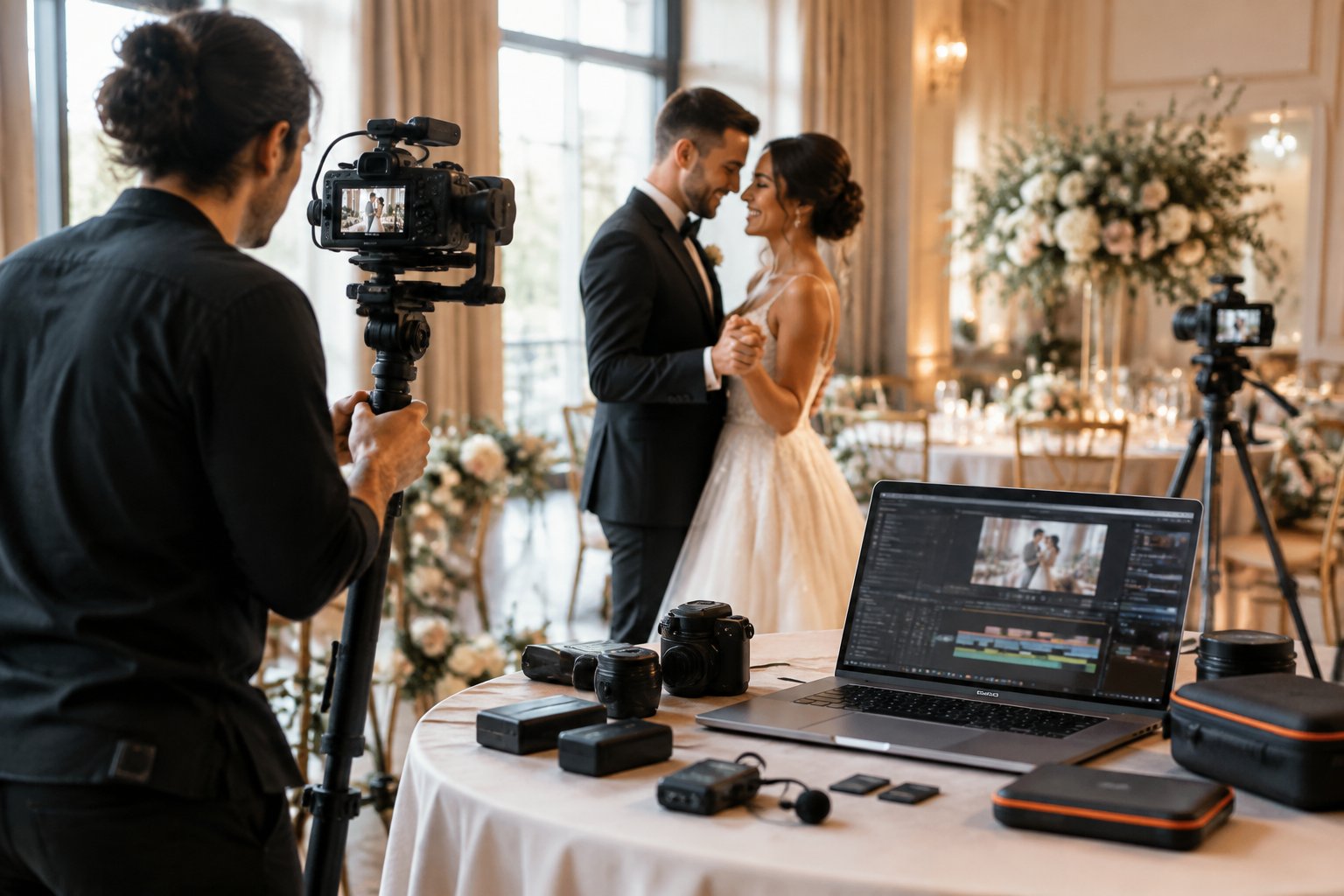
Your final package should describe each deliverable by name, length, format, and delivery date. Ask whether the listed films include licensed music, color grading, audio mixing, captions, and revision rights.
Highlight Film vs. Full Documentary Edit
A highlight film or highlight reel condenses your day into a short, emotional story. Many run three to seven minutes and combine vows, speeches, reactions, details, and dance-floor moments with music and selected natural audio.
A full documentary edit preserves much more of the event in chronological order. It may include the ceremony, complete speeches, special dances, and longer sections of reception footage.
The film requires more editing and storage, so it adds to your wedding video cost. Choose a highlight film when you want something easy to watch and share.
Add a documentary edit when hearing full vows, readings, toasts, and family messages is important to you.
Ceremony and Speech Edits
A full ceremony edit gives you the complete service, including readings, vows, music, and reactions. Speech edits preserve each toast without the tight time limit of a highlight film.
These edits depend on reliable audio capture and careful camera placement. Ask whether the videographer records sound from the officiant, microphones, speakers, and room, and whether audio mixing is included in the price.
If your budget allows one major upgrade, complete ceremony and speech edits often provide more lasting value than a collection of short social clips. They preserve words that a highlight film may only sample.
Popular Add-Ons and Specialty Formats
Common add-ons include:
- Drone footage or drone coverage: Aerial views of the venue and surrounding landscape, subject to weather, local rules, and venue permission.
- Same-day edit: A short film prepared for reception viewing, with a tight production schedule and added editing labor.
- Raw footage delivery: Original camera files for archiving or future editing, often delivered as many separate clips.
- Super 8 film: A nostalgic analog look that requires different equipment, film processing, and scanning.
- Save-the-date video: A pre-wedding film created for announcements or invitations.
Ask how each add-on affects delivery time and whether it requires another operator. Aerial footage and same-day edits can be memorable, while complete ceremony audio may serve your personal viewing needs more often.
How Can You Choose the Right Value Without Cutting Corners?
You get the best value by protecting your must-capture moments, comparing complete proposals, and choosing production features that support how you plan to watch your wedding video. Price deserves attention, yet the right fit also includes storytelling style, audio quality, communication, and delivery terms.
Match Coverage to Your Must-Capture Moments
Write down the moments you want preserved before reviewing packages. Your list may include getting-ready footage, a first look, vows, readings, family reactions, speeches, dances, dinner, and the final exit.
Place those moments on your wedding timeline and see how many coverage hours you need. Ceremony-only filming costs less than full-day coverage, while a shorter window can still produce a meaningful wedding film when the schedule is planned well.
Share the list with each videographer. A professional can tell you when coverage should begin, how much travel time to allow, and whether one person can capture the locations you have selected.
Compare Proposals on More Than Price
Compare proposals line by line. Look for coverage hours, number of cameras, crew size, audio equipment, editing style, included films, music licensing, raw footage, revision rounds, delivery schedule, travel fees, and payment terms.
Watch complete samples when possible, not only short trailers. Pay attention to spoken audio, skin tones, camera movement, pacing, lighting, and how naturally the film captures real emotion.
Review the contract before paying a deposit. It should identify the assigned team, cancellation terms, backup plans for illness or equipment failure, ownership and usage rights, and the date or range for delivery.
When Photo-and-Video Bundles or Content Creators Make Sense
A wedding photographer and videographer booked through one studio may offer a bundle with coordinated planning and a combined team. Compare the bundled deliverables with separate proposals to confirm that the savings do not remove coverage or editing services you want.
A wedding content creator serves a different purpose. This professional captures quick, phone-ready clips for social sharing, with delivery that may happen within a day. The format costs less than a full wedding video in many cases, though it does not replace a polished cinematic film with professional audio and detailed editing.
Choose a content creator when immediate behind-the-scenes clips are your main goal. Choose professional wedding videography when you want a lasting film that preserves vows, speeches, reactions, and the flow of your celebration.