
Average Cost of Band for Wedding: 2026 Pricing Guide
The average cost of a live wedding band in the U.S. is about $4,500 in 2026, with many professional bookings falling between $3,000 and $8,000. Smaller groups can cost less, while large show bands, travel, extended hours, and extra production can push the price beyond $10,000.
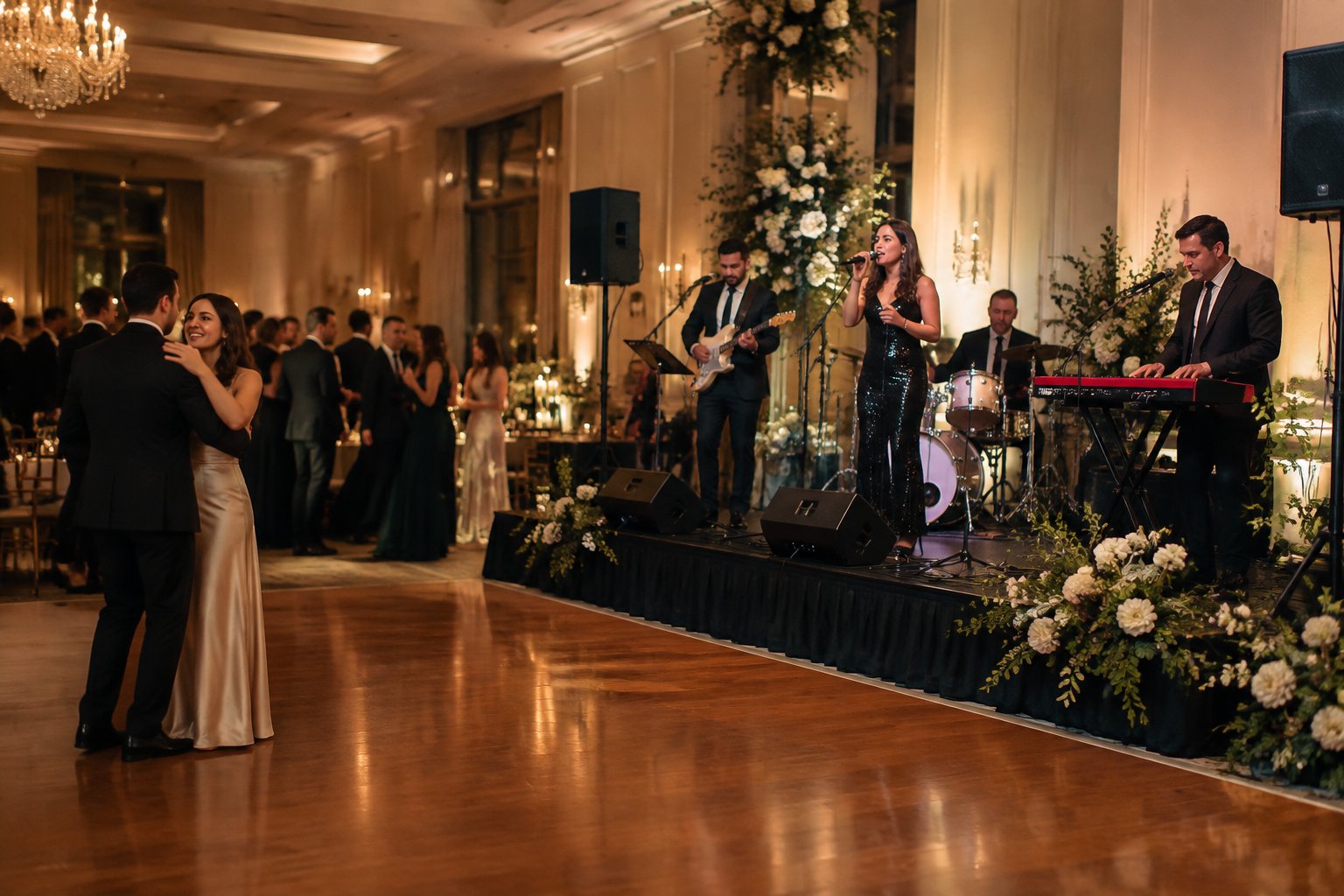
Your final wedding band cost reflects the number of musicians, reception length, location, equipment, and special requests. A solo performer or acoustic duo might suit an intimate celebration, while a professional cover band creates a fuller dance-floor experience for a larger guest list.
If live music is high on your wedding priorities, request detailed quotes early and reserve room for travel, overtime, and vendor meals in your wedding budget.
What Does a Wedding Band Typically Cost?
A live wedding band costs about $4,500 on average, with a practical 2026 range of roughly $3,000 to $8,000 for many U.S. receptions. Smaller acts can start near $1,000, while premium ensembles with extensive production can exceed $15,000.

National Averages and Realistic Price Ranges
The national average wedding band cost offers a useful starting point, yet your wedding band quote should reflect your event details. A four- to six-piece live wedding band performing a four-hour reception often falls between $3,500 and $8,000.
A basic price guide looks like this:
- Solo musician or small acoustic act: $500 to $2,500
- Acoustic duo or string duo: $1,000 to $3,500
- Four- to six-piece cover band: $3,500 to $8,000
- Seven- to ten-piece show band: $7,000 to $15,000+
- Full orchestra or premium production: $12,000 to $25,000+
The live band cost includes more than stage time. The quote may cover rehearsals, planning calls, setup, breakdown, sound equipment, and basic lighting.
Why Published Averages Differ Between The Knot and WeddingWire
The Knot Real Weddings Study reports an average live band cost near $4,500, while WeddingWire reports an average near $2,050 and a broad reported range of about $489 to $5,720. Both figures describe real spending, yet their samples and reporting methods differ.
The Knot Real Weddings Study reflects spending reported by recently married couples across budget levels. WeddingWire’s figure comes from prices reported in vendor reviews. Lower-cost musicians, smaller events, shorter bookings, and different regional mixes can shift the WeddingWire average downward.
Use these numbers as planning markers, not guaranteed rates. A quote from a local band gives you a more useful estimate because it accounts for your date, venue, guest count, performance length, and musical setup.
Wedding Band Costs by U.S. Region
Location creates a wide pricing gap. Regional averages reported by The Knot show higher spending in dense, high-cost markets and lower averages in many Midwestern and Western markets:
| Region | Average band cost |
|---|---|
| Mid-Atlantic | $7,300 |
| Northeast | $6,800 |
| Southwest | $4,200 |
| South/Southeast | $4,000 |
| Midwest | $3,500 |
| West | $3,200 |
Cities with strong event markets often carry higher labor, parking, insurance, and production costs. A local band can reduce travel charges, while a destination wedding may add mileage, flights, hotels, and extra logistics.
How Band Size Changes the Final Price?
Band size is the largest driver of your live wedding band cost because each additional musician adds labor, equipment, setup space, and coordination.
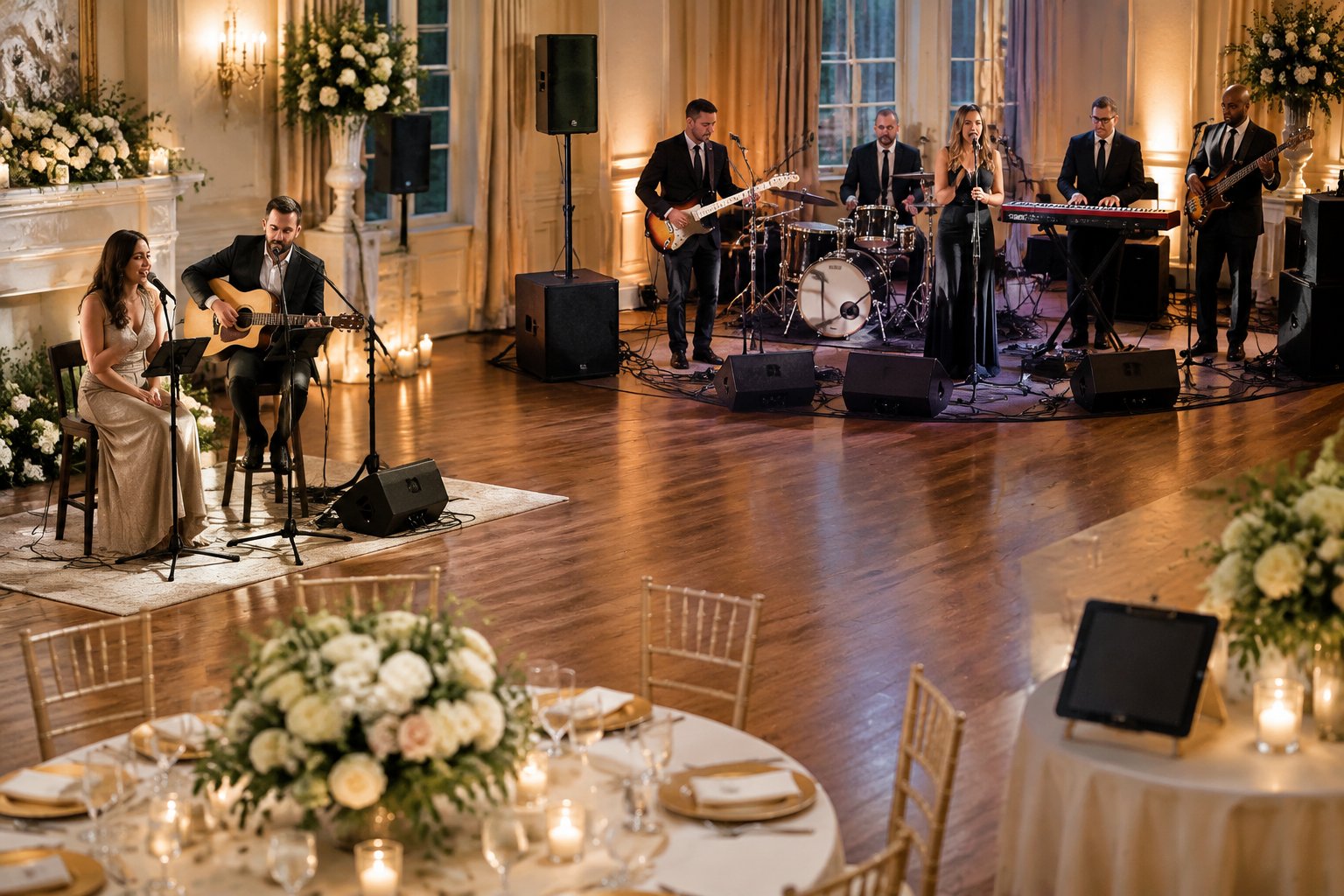
Your musical goals and venue layout should guide the number of performers. A small group works well for ceremonies and cocktail hours, while a larger lineup creates a fuller sound for a packed reception dance floor.
Solo Musicians, Acoustic Duos, and String Duos
A solo musician costs about $500 to $2,500 for a wedding booking, depending on experience, hours, equipment, and travel. A solo performer with guitar, piano, or recorded backing tracks can provide ceremony music or quiet cocktail-hour entertainment.
An acoustic duo often costs $1,000 to $3,500. Two vocalists or a singer and guitarist add harmony and range while keeping the setup compact.
A string duo, such as violin and cello, fits ceremonies, cocktail hours, and elegant dinner settings. Rates often fall between $1,000 and $3,500, with travel and extra performance locations raising the total.
What a Four- to Six-Piece Cover Band Costs
A four- to six-piece cover band commonly costs $3,500 to $8,000 for a standard reception. A typical lineup includes guitar, bass, drums, keyboard or piano, a lead vocalist, and sometimes a saxophonist or another vocalist.
A four-piece group can deliver strong dance music with a smaller stage footprint. A six-piece band adds vocal depth or another instrumental color, which helps with funk, soul, Motown, country, and pop arrangements.
The Price of a Show Band With Horns
A show band with seven to ten musicians often costs $7,000 to $15,000 or more. The lineup might include a horn section, several vocalists, a rhythm section, and performers who add choreography or audience interaction.
You pay for the larger number of professionals plus extra microphones, monitors, stage space, transportation, and setup time. A show band suits couples who want the reception entertainment to feel like a featured production.
When a Full Orchestra Makes Sense
A full orchestra can cost $12,000 to $25,000 or more, depending on the number of players, instruments, rehearsal needs, and venue requirements. This option suits formal celebrations, large ballrooms, and couples seeking a symphonic sound.
Your venue must provide enough stage space, electrical access, load-in time, and seating or music stands. A smaller chamber ensemble delivers an orchestral feel with fewer musicians and a lower booking total.
What Is Included in a Live Band Quote?
A live wedding band quote often includes the agreed performance duration, standard sound equipment, microphones, speakers, and basic setup, while ceremony music, lighting, travel, and custom songs require careful review.
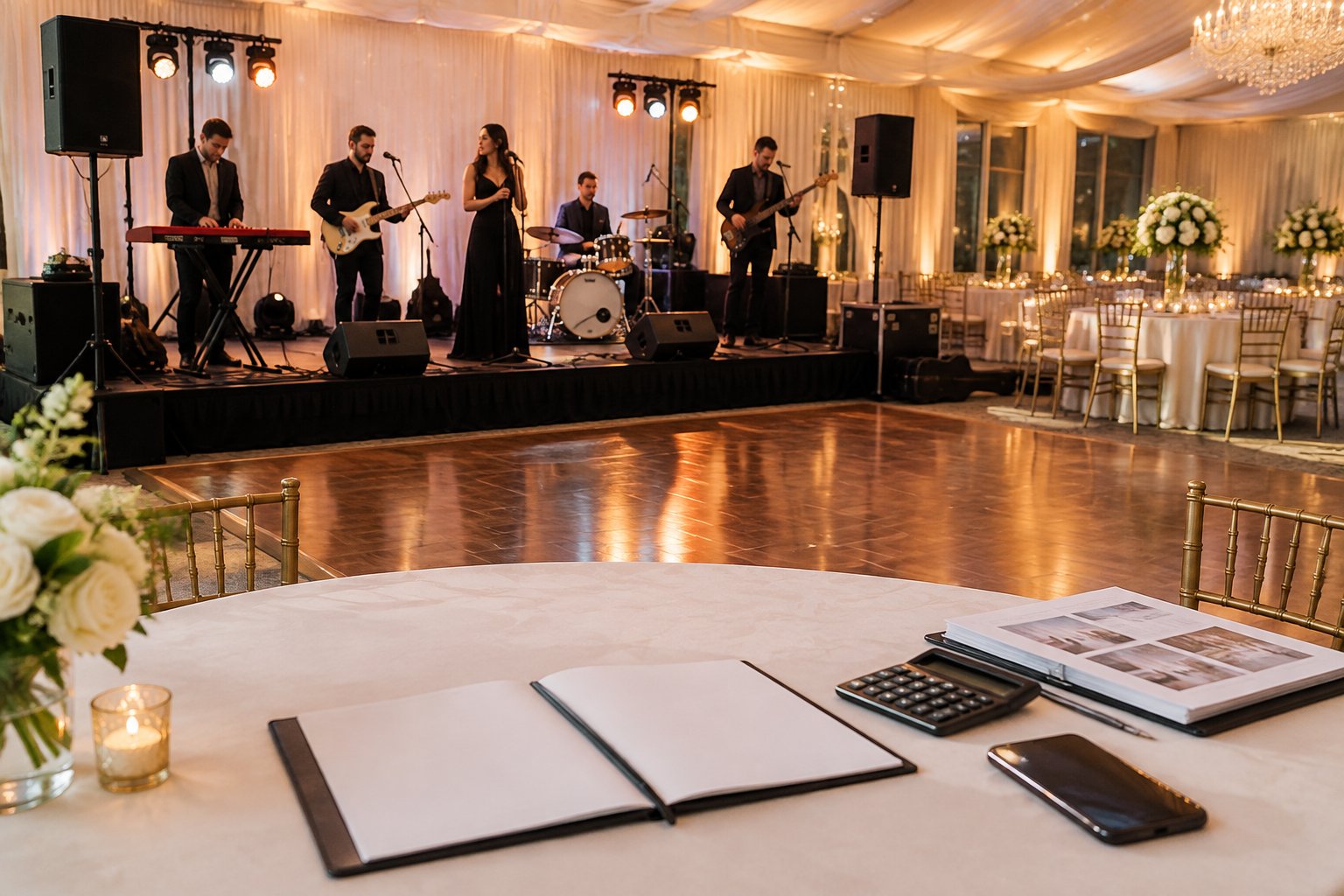
Ask for an itemized quote that separates the band fee from optional services. You should know who handles announcements, what happens during breaks, and which equipment the musicians bring.
Reception Sets, Breaks, and Performance Duration
Many bands price a reception package around four hours of event coverage, with several live sets separated by short breaks. The contract should state the performance length, set schedule, arrival time, setup period, and breakdown time.
During breaks, the band might play recorded music or have one musician continue performing. Confirm whether a playlist, emcee service, or background reception music is included.
For help planning the schedule, review how long you need a band at a wedding.
Adding Ceremony and Cocktail Hour Music
Ceremony music and cocktail hour music usually require extra musicians, equipment, or separate setups. A band might send a smaller acoustic group to the ceremony and use the full lineup for the reception.
Ask whether the quote includes music during guest arrival, the processional, recessional, dinner, and cocktail hour. Multiple locations can increase setup time and require duplicate sound systems.
Sound, Lighting, and Production Requirements
Basic sound equipment may include microphones, speakers, monitors, and a sound system. Larger venues can require added speakers, stage monitors, wireless microphones, lighting equipment, power distribution, or a dedicated sound engineer.
Venue rules affect the production plan. Check sound limits, power access, stage dimensions, load-in windows, and placement restrictions before signing. A venue-approved production plan helps prevent last-minute rental charges.
Custom Requests and First-Dance Performances
Some bands include one custom song request, while others charge for arranging and rehearsing new material. Ask whether your first dance song is included and whether the band will perform it live or provide recorded music.
Share your must-play list, do-not-play list, preferred genres, and special announcements early. A professional wedding band can use those details to build a set that fits your reception.
Which Costs Can Increase Your Band Booking Total?
Travel, overtime, vendor meals, venue requirements, insurance, and peak-date demand can increase your final booking total beyond the advertised base rate.
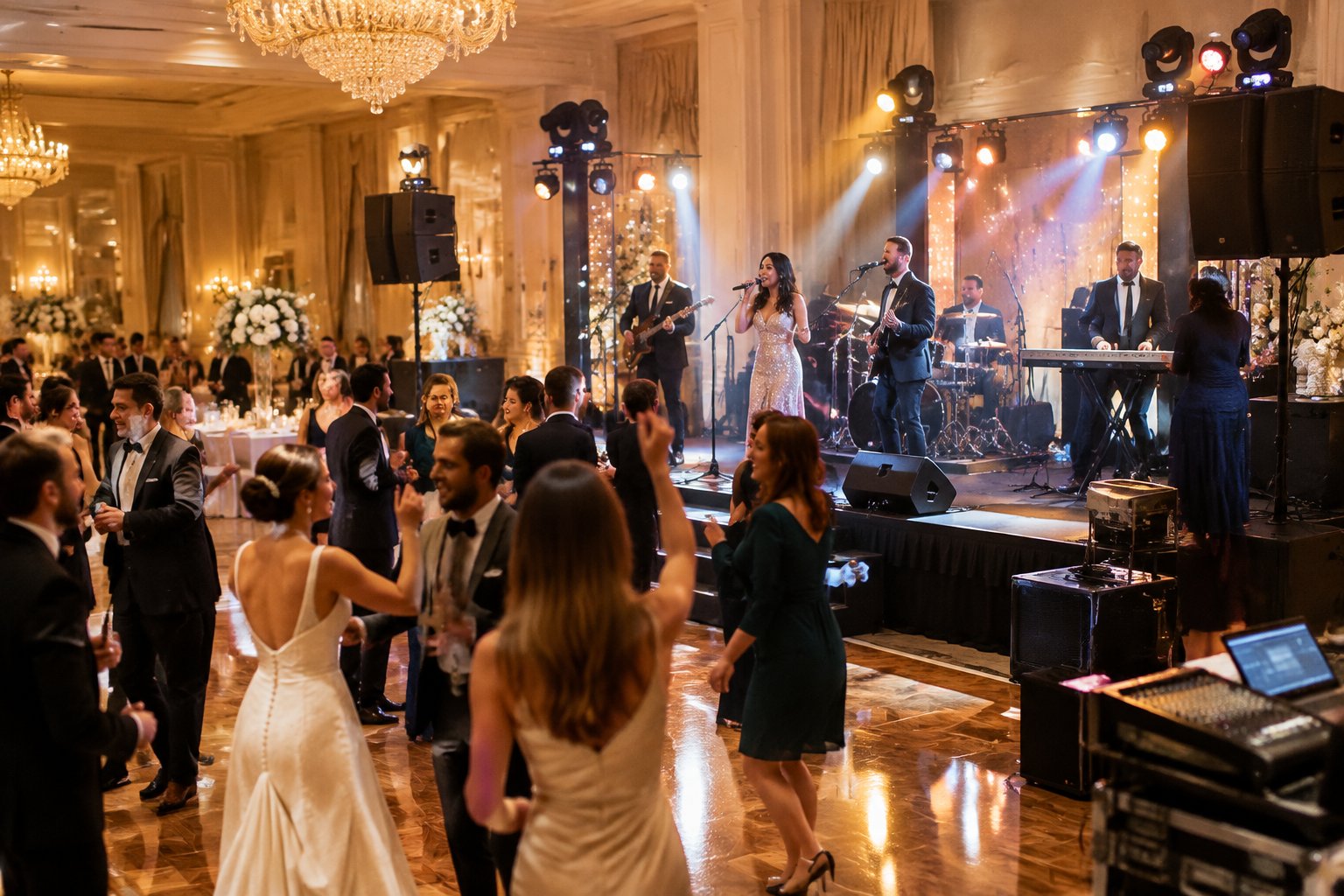
Review every added cost before you compare quotes. A lower base fee can become less attractive when it excludes mileage, lighting, extended hours, or required production services.
Travel Fees, Mileage, and Overnight Logistics
A local band might include travel within a set radius. A band traveling farther could charge mileage, fuel, airfare, parking, baggage fees, or hotel rooms.
Destination events require extra planning for arrival times and equipment transport. Ask whether travel expenses appear as a flat fee or reimbursement and whether the quote includes overnight lodging.
Overtime Charges and Extended Reception Hours
Your contract should state the overtime rate and the point at which extra charges begin. Overtime might apply when the reception runs late, speeches delay the set, or the band must remain onsite beyond the agreed window.
Add a time buffer when building your schedule. If you want after-party music, price it as a separate service before the wedding day.
Vendor Meals, Venue Rules, and Insurance
Many contracts require meals for musicians and crew during long bookings. Confirm the number of meals needed and whether they must match the guest meal service.
Venues can also require liability insurance, certificates of insurance, specific sound limits, stage rentals, or approved vendors. Ask who pays for these requirements and include them in your wedding budget breakdown.
Peak Dates and Weekday Wedding Savings
Saturday weddings during popular spring and fall months command strong demand. A weekday wedding, Sunday reception, or off-season date can create more booking flexibility and potential savings.
Ask about available date-based pricing when you request a quote. A less competitive date can reduce the band fee while preserving the same lineup and performance plan.
Live Band vs. Wedding DJ: Which Fits Your Budget?
A wedding DJ often costs about $1,000 to $2,500, while a live wedding band averages near $4,500 and can reach $8,000 or more for larger productions.
| Criterion | Live wedding band | Wedding DJ |
|---|---|---|
| Typical price | $3,000 to $8,000 | $1,000 to $2,500 |
| Performers | 1 to 20 | 1 to 2 |
| Music range | Curated live set | Broad recorded library |
| Stage footprint | Larger | Smaller |
| Crowd experience | Live performance | Continuous playback |
| Custom songs | Rehearsal may cost extra | Playlist request |
Comparing Typical Band and DJ Pricing
A band fee covers several musicians, rehearsals, instruments, sound equipment, and setup labor. A wedding DJ fee usually covers one professional, a music library, sound equipment, microphones, and sometimes lighting or emcee service.
Guest count, venue size, date, performance length, and production needs affect both options. Request matching four-hour quotes so you compare equivalent services.
The Guest Experience and Music Flexibility Trade-Off
A live band brings movement, visual energy, and a performance-led atmosphere. Guests can respond to the musicians, vocalists, horn section, and live arrangements.
A wedding DJ offers fast changes between songs, a broader range of recorded artists, and easy requests across many genres. A DJ also keeps music running during transitions and band-style breaks.
Hybrid Options: Live Music With a DJ
A hybrid package combines a live band with a DJ for breaks, cocktail hour, or the after-party. The DJ can keep the dance floor active while musicians rest and can play songs outside the band’s set list.
Some companies offer a DJ with live guitar, drums, or horns. This approach gives you a live element with a smaller lineup and a more flexible recorded playlist.
How to Prioritize Entertainment in Your Wedding Budget
Start by deciding whether your priority is a live performance, broad song access, visual production, or a compact setup. Reserve the entertainment amount before assigning smaller décor upgrades.
If a full band exceeds your budget, reduce the lineup, shorten the performance window, choose a weekday, or book an acoustic group for part of the event. A DJ can free funds for a photo booth, lighting, or other wedding entertainment priorities.
How to Book a Band Without Budget Surprises
You avoid budget surprises by comparing itemized wedding band quotes and putting the complete scope, fees, schedule, and replacement terms in the band contract.
Start booking early, especially for popular Saturdays. A professional wedding band should provide clear answers about musicians, sound equipment, travel fees, overtime charges, and custom song requests.
How to Compare Like-for-Like Quotes
Send each band the same information:
- Wedding date and venue
- Guest count and room size
- Reception start and end times
- Ceremony and cocktail-hour needs
- Preferred lineup and music style
- Sound, lighting, and emcee requirements
- Travel distance and parking details
- First dance song and custom requests
Then compare the total price, included services, musicians provided, set schedule, setup plan, and cancellation terms. A quote with a higher base fee might include equipment and travel that another quote lists separately.
Questions to Ask Before Signing the Contract
Ask who will perform, whether substitute musicians are possible, and how substitutions are handled. Confirm arrival, setup, breaks, overtime, meals, insurance, sound limits, and payment deadlines.
Request the exact first dance arrangement and written approval for custom songs. Check the cancellation, postponement, weather, illness, and replacement clauses before you pay a deposit.
Ways to Save Without Sacrificing the Experience
Choose a four-piece lineup with strong vocals and a focused song list. You can also book ceremony musicians separately, select a weekday or off-season date, limit custom arrangements, and use the band’s standard sound package.
Keep the reception performance within a clear time window. If you want a longer celebration, compare the cost of band overtime with a DJ for the after-party before extending the contract.