
Average Cost of Videography for a Wedding: Pricing Guide
For the average cost of videography for a wedding in the United States, plan on about $2,300, with many couples spending between $1,500 and $5,000. Your final wedding video cost depends on coverage time, crew size, editing style, location, and the films you receive.
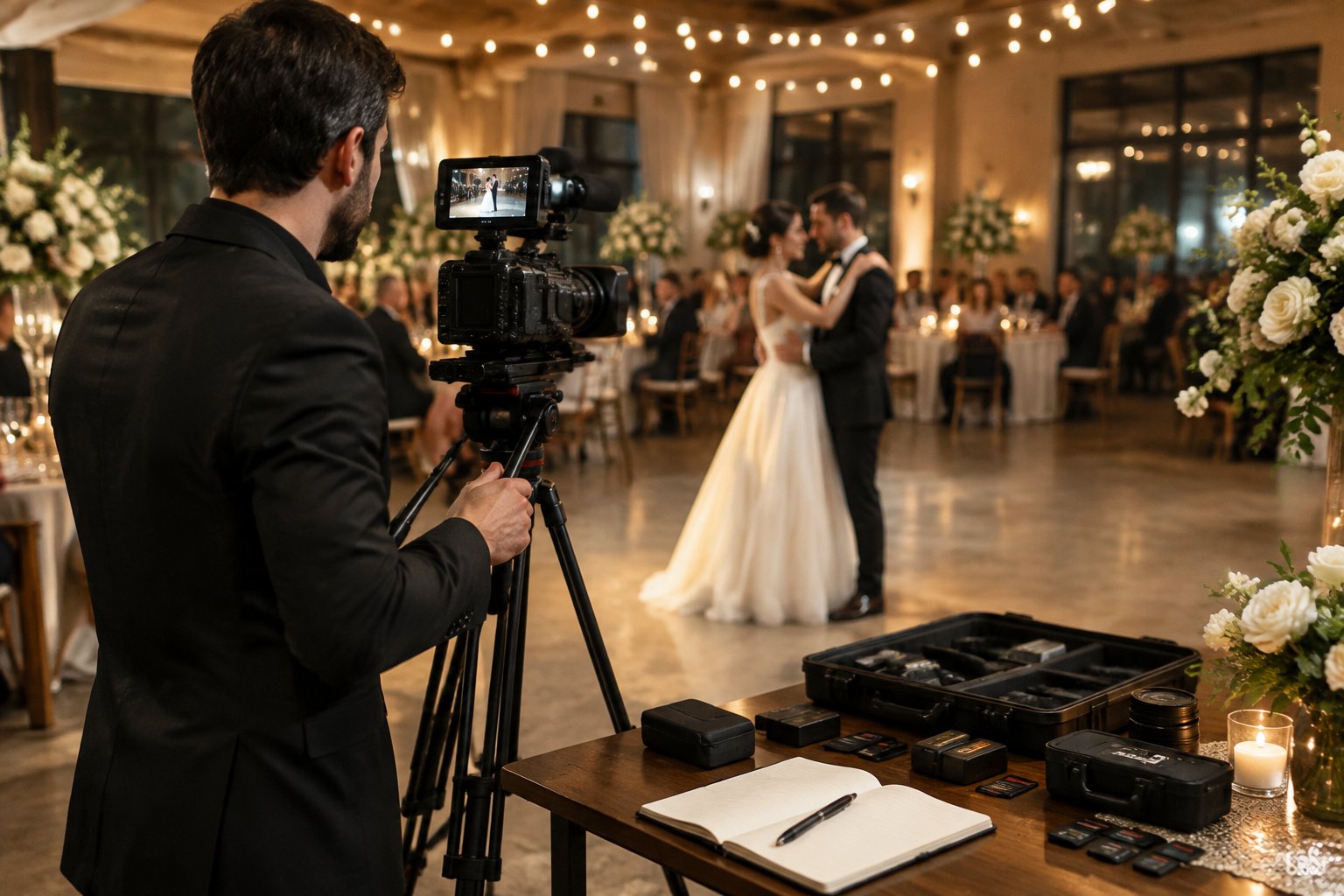
A wedding video preserves movement, voices, vows, and reactions that photos cannot capture. Set your must-have moments and total wedding budget first, then request quotes that list coverage hours, deliverables, and extra fees.
With those details ready, you can contact a wedding videographer with clear expectations and choose coverage that fits your celebration.
What Should You Expect to Pay?
Most U.S. couples should budget $1,500 to $5,000 for wedding videography, with a national average near $2,300. A shorter package with one videographer sits near the lower end, while extended coverage, a larger crew, and a polished cinematic edit push the average wedding videographer cost higher.

Why National Averages Differ
Published estimates measure different couples, regions, package levels, and finished products. The Knot Real Weddings Study places the average wedding videographer cost near $2,300, while the Zola Wedding Cost Index reports a higher national figure near $3,993.
Both figures help set expectations, yet your quote reflects your specific wedding location and service plan. Ask whether an advertised price includes sales tax, travel, audio recording, editing, and delivery.
A low starting price can cover fewer hours or a short highlight film, while a higher wedding videographer pricing tier may include full ceremony footage and reception speeches.
How Videography Fits Into a Wedding Budget
Many couples reserve about 5% to 10% of the wedding budget for wedding videography. If your celebration costs $30,000, a planning range of $1,500 to $3,000 gives you room for a solid highlight film and selected edits.
Place your priority moments first. Full vows, parent speeches, first dances, and candid audio often provide more lasting value than decorative extras.
You can also compare the cost of a wedding photographer in the UK when reviewing broader photography and videography spending, though U.S. prices follow different market conditions.
What Wedding Videographer Cost by Region Looks Like
Geographic location has a strong effect on wedding videographer rates. Large coastal cities and high-cost metro areas often carry higher labor, studio, insurance, and travel expenses.
Smaller cities and rural areas may offer lower wedding videographer costs, while destination venues add transportation and lodging. Use national figures as a starting point, then collect three local quotes for the same coverage.
When comparing wedding videographer cost by region, match the number of hours, shooters, film length, delivery method, and revision policy.
What Do Wedding Video Packages Include?
Wedding videography packages differ most in coverage length, crew size, editing depth, and the number of finished films. A basic wedding videography package may provide a short highlight reel, while premium coverage adds a cinematic feature, ceremony film, and full reception edits.
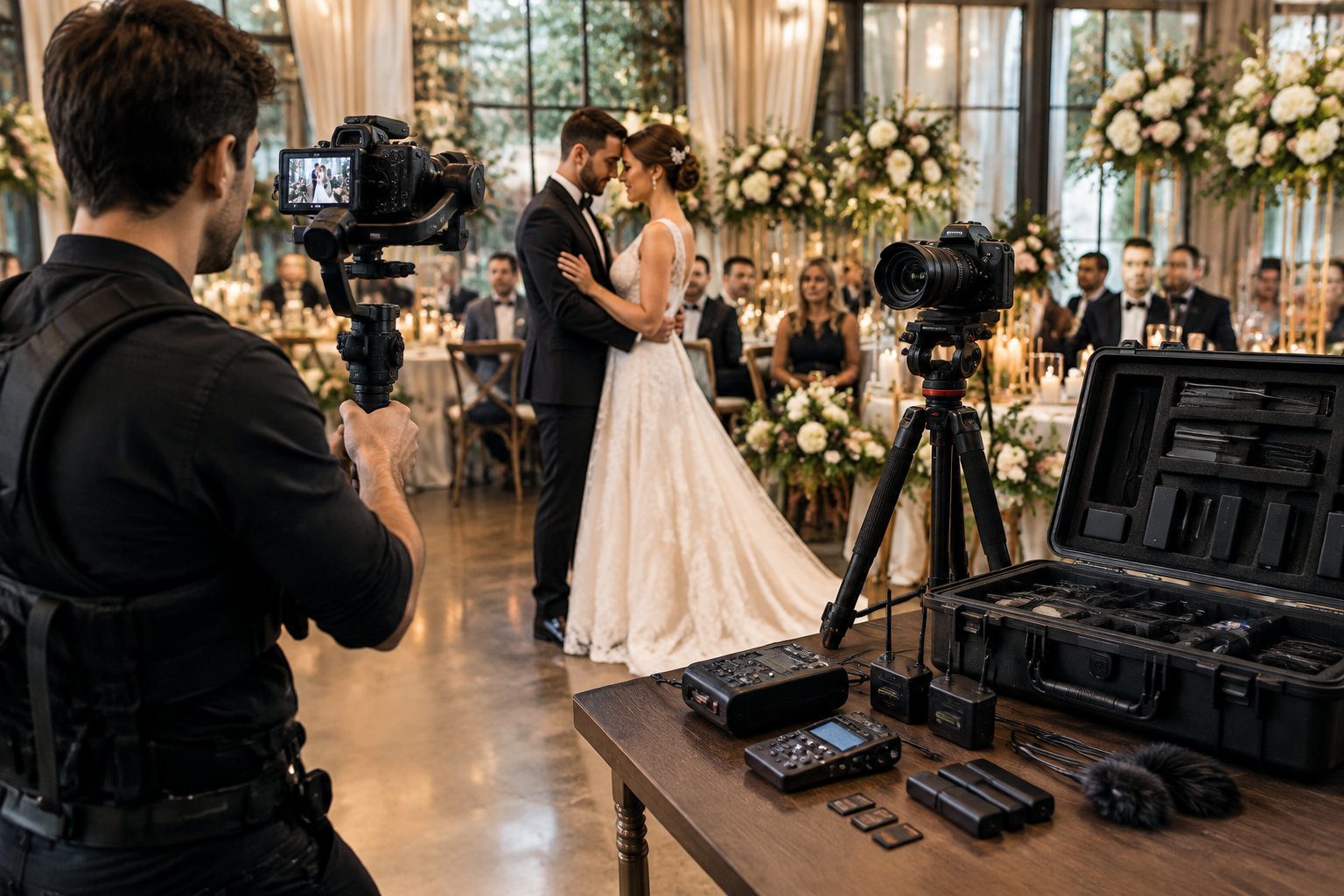
Basic Coverage and a Highlight Reel
A basic package often includes four to six hours with one videographer. You might receive a five- to eight-minute highlight reel set to licensed music, with selected vows, laughter, and reception moments woven into the edit.
Confirm whether coverage begins during preparation, the ceremony, or portraits. Ask how many cameras record the ceremony and whether the package includes professional audio.
These details shape the finished wedding film more than the package name.
Standard Coverage With Ceremony and Speech Edits
A standard package may cover six to eight hours and include a highlight film plus a separate ceremony edit. You may also receive edited reception speeches, selected first-dance footage, and a longer wedding film that combines key parts of the day.
Check the promised length of each edit and whether full ceremony footage includes every reading, vow, and musical performance. Ask whether audio is recorded from the officiant, microphones, or the venue sound system.
Premium Coverage With a Cinematic Feature
Premium wedding videography packages may include eight to ten or more hours, multiple videographers, advanced cinema cameras, and extensive post-production. The final delivery might include a highlight film, a 15- to 30-minute cinematic feature, full ceremony footage, and edited reception speeches.
A cinematic feature takes more editing time because the videographer shapes story structure, sound, pacing, color, and music across the day. Review complete examples from weddings with a similar schedule before paying for this tier.
How Final Films Are Delivered
Delivery may include a private online gallery, downloadable files, and raw footage delivery. Some studios offer a USB drive, while DVD or Blu-ray delivery remains available through select providers.
YouTube links can make sharing easy, though privacy settings deserve attention. Ask how long your gallery stays active, when the files arrive, what resolution you receive, and whether revisions cost extra.
A written delivery plan protects you from surprises after the wedding.
What Drives Your Final Quote?
Your final quote reflects coverage hours, staffing, post-production, equipment, audio needs, and travel. Two videographers may charge very different wedding videographer cost per hour because their editing process and finished films require different levels of work.
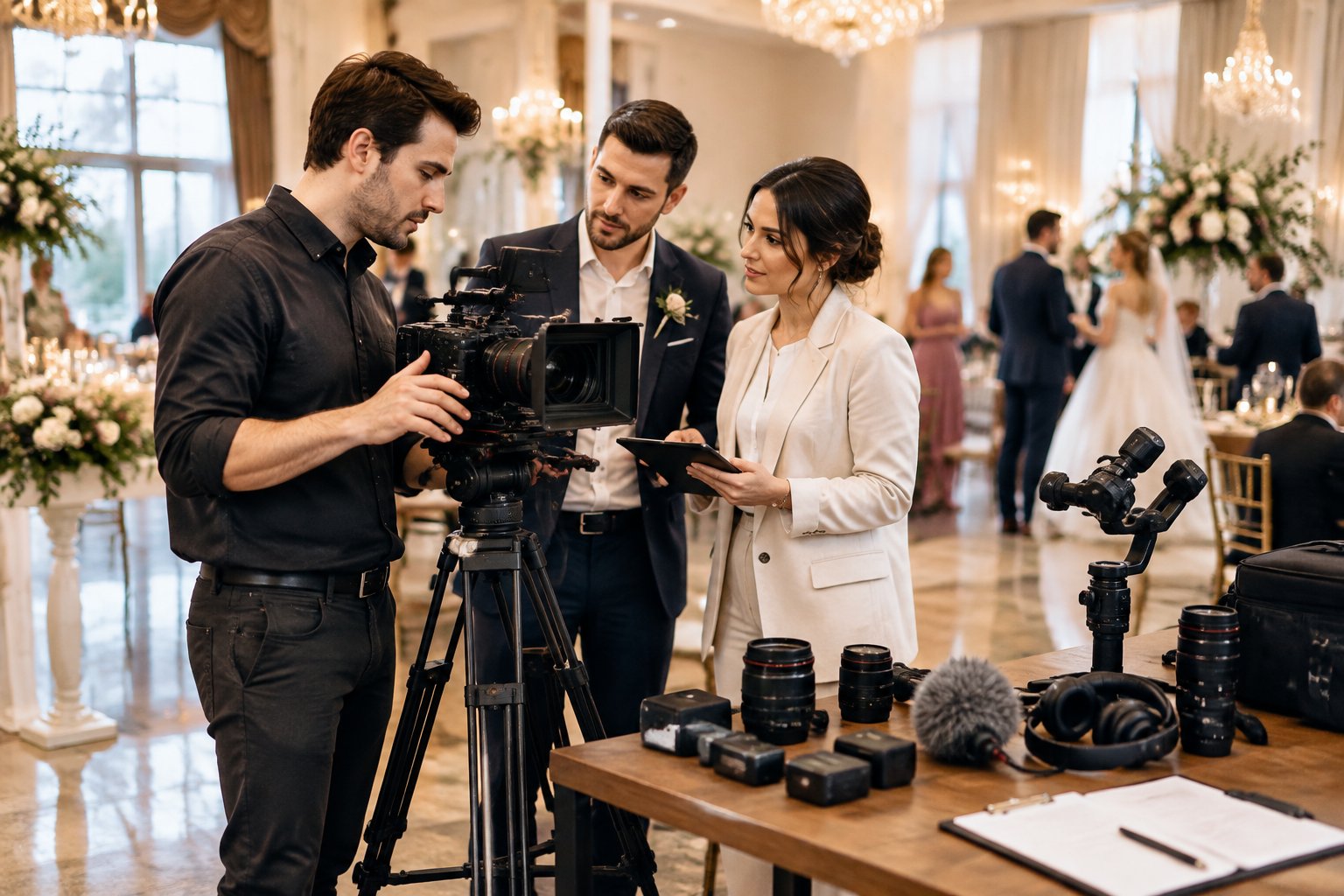
Coverage Hours and Overtime
Coverage hours set the foundation for your price. A six-hour booking may cover the ceremony and reception, while preparation, a first look, and a late send-off require eight to ten hours.
Ask when the clock starts, what counts as overtime, and whether breaks affect coverage. Overtime rates should appear in the contract so you know the cost before your timeline changes.
Solo Videographer vs. Multiple Videographers
A solo videographer can provide a focused record of a smaller wedding. A second shooter or second videographer adds another angle for key events, separate preparation locations, and simultaneous moments.
Multiple videographers also help with crowd-heavy ceremonies and large venues. Ask how the team shares cameras, audio files, and creative direction so the final edit feels consistent.
Why Post-Production Matters
Post-production editing may take many hours after your wedding day. The work can include organizing footage, selecting usable moments, syncing audio, storytelling, color correction, professional color grading, and audio mixing.
A polished wedding film uses clean dialogue and balanced music while keeping skin tones and venue lighting natural. Ask who edits your film, how many revisions are included, and whether a rush timeline changes the price.
Equipment, Audio, and Travel Expenses
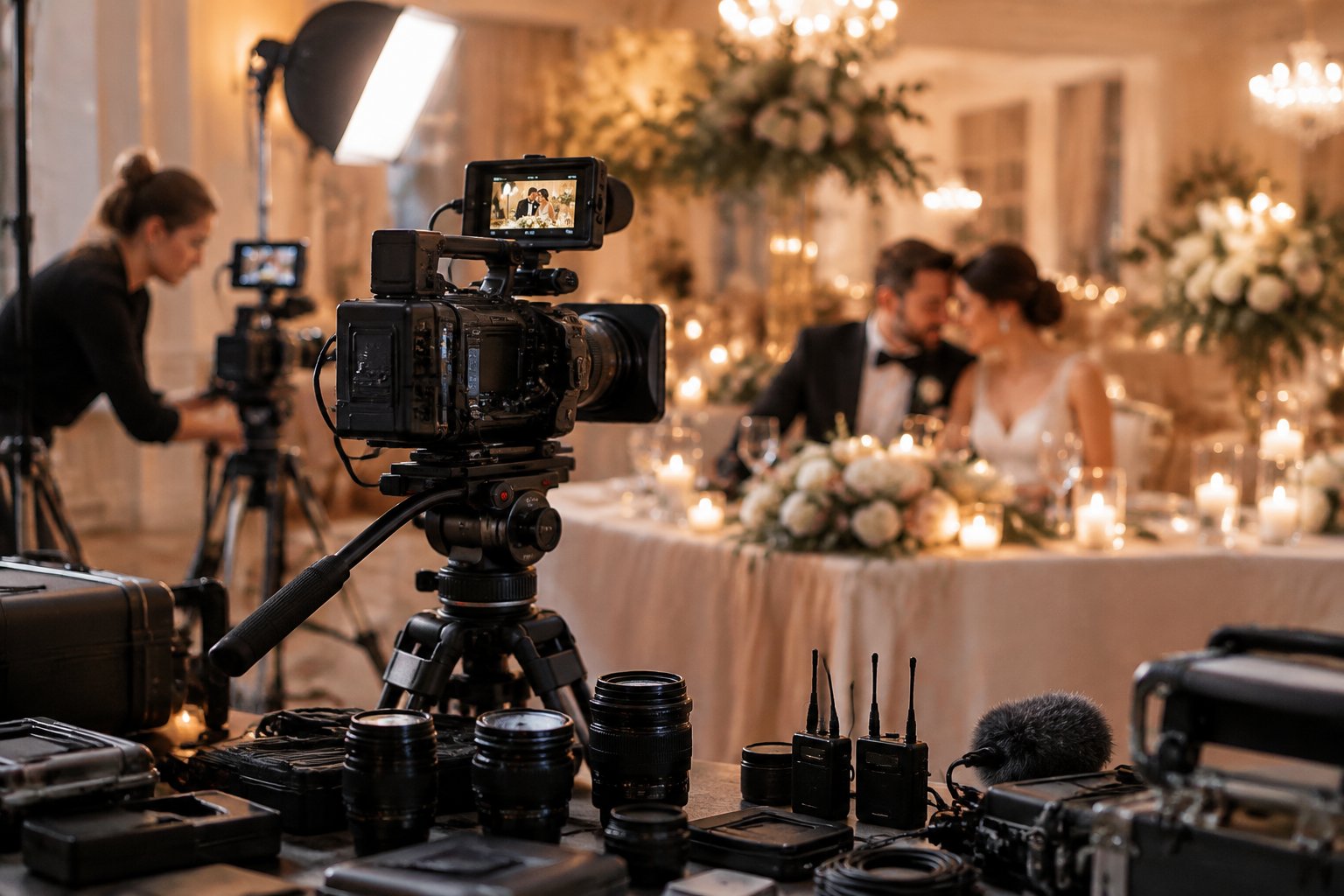
Cinema cameras create detailed footage, while wireless microphones and dedicated audio recording capture vows and speeches clearly. Drone footage adds aerial views when the venue, weather, and local rules support safe operation.
Travel fees may include mileage, parking, lodging, or flights. Give the videographer your venue address and timeline early so the quote includes every location-related expense.
Which Add-Ons Are Worth Paying For?
The best add-ons improve moments you care about or solve a clear delivery need. Drone coverage suits scenic venues, while guest interviews and a love story video add personal voices that a standard wedding film may not include.
When Drone Coverage Adds Real Value
Drone footage adds value when your venue has striking grounds, mountains, a coastline, or a large outdoor gathering. It gives your film location context and creates smooth transitions between preparation, ceremony, and reception scenes.
Ask whether the operator holds required permissions and insurance. Weather, venue rules, airspace limits, and safety conditions determine whether the flight can happen, so treat aerial footage as an enhancement instead of a guaranteed moment.
Same-Day Edits and Rush Delivery
A same-day edit gives you a short wedding film during the reception. It requires an on-site editor or a rapid production workflow, so the extra fee can be substantial.
Rush delivery shortens the wait for your finished films after the wedding. Pay for it when you need footage for a planned anniversary, family event, or quick social sharing.
Ask for the exact delivery date and the film length included.
Extra Films and Pre-Wedding Videos
Guest interviews add short messages from family and friends. A love story video can document how you met and give your wedding film a personal opening. A save-the-date video supports your announcement before the ceremony.
These projects require separate planning, filming, and editing. Request a sample and a clear revision limit before adding them to your package.
Professional Videography vs. a Wedding Content Creator
Professional videography focuses on camera operation, controlled audio, edited storytelling, and a finished wedding film. A wedding content creator often focuses on quick vertical clips for social platforms, behind-the-scenes moments, and fast delivery.
Choose professional videography for vows, speeches, cinematic images, and long-term viewing. Add a content creator when immediate social content is a higher priority and your budget supports a separate role.
How to Choose the Right Videographer for Your Priorities
Choose a wedding videographer whose portfolio, package, communication style, and contract match the moments you want preserved. A clear videography quote should show coverage hours, crew size, deliverables, editing timeline, travel charges, and payment terms.
Set Your Must-Have Moments Before Comparing Packages
Write down the moments you want recorded, such as preparation, private vows, the ceremony, family speeches, first dances, and the final send-off. Share your wedding timeline so the videographer can confirm whether one person can cover each location.
Decide whether you want a short highlight reel, full ceremony film, edited speeches, raw footage, or a cinematic feature. These choices make package comparisons more useful than comparing prices alone.
Compare Photography and Videography Options
Ask whether your wedding photographer and videographer have worked together before. A coordinated wedding photographer and videographer team can plan positions, movement, lighting, and audio access with fewer interruptions.
Bundling wedding photography and videography may simplify communication and scheduling. Review each portfolio separately, since strong wedding photography does not automatically show the video style you prefer.
You can also use a wedding day photo checklist to align still-photo priorities with video coverage.
Questions to Ask Before You Sign
Ask these questions before booking:
- Who will film your wedding, and how many people will attend?
- How many coverage hours and cameras are included?
- Which moments receive full audio?
- What films and file formats will you receive?
- How long does editing and delivery take?
- What happens if weather, illness, or equipment problems affect coverage?
- How much do overtime, travel, revisions, and raw footage cost?
Read the cancellation, rescheduling, backup, and music licensing terms. Save the final package description with your signed contract.
When to Hire a Wedding Videographer
Hire a wedding videographer after choosing your date and venue, once you know the schedule and ceremony locations. Popular professionals book months ahead, especially for spring, summer, and fall Saturdays.
Reach out as soon as video becomes a budget priority. Include your date, venue, guest count, expected coverage hours, and must-have moments so you receive a useful quote.