
Average Cost of Videography in Wedding Planning
Wedding videography preserves the voices, movement, and emotion that photos cannot show. For the average cost of videography in wedding planning, expect to spend about $2,300 nationally, with many couples paying between $1,000 and $4,800 based on coverage, location, experience, and final deliverables.
Your wedding videos might include a short highlight reel, full ceremony footage, reception speeches, or a cinematic wedding film. Before you set aside money, decide which moments you want to revisit and how much editing you want after the wedding day.
A clear quote makes planning easier. Compare packages by hours, crew size, audio quality, editing, and delivery details, then request a personalized estimate from videographers who serve your venue area.
What Couples Typically Spend on Wedding Video
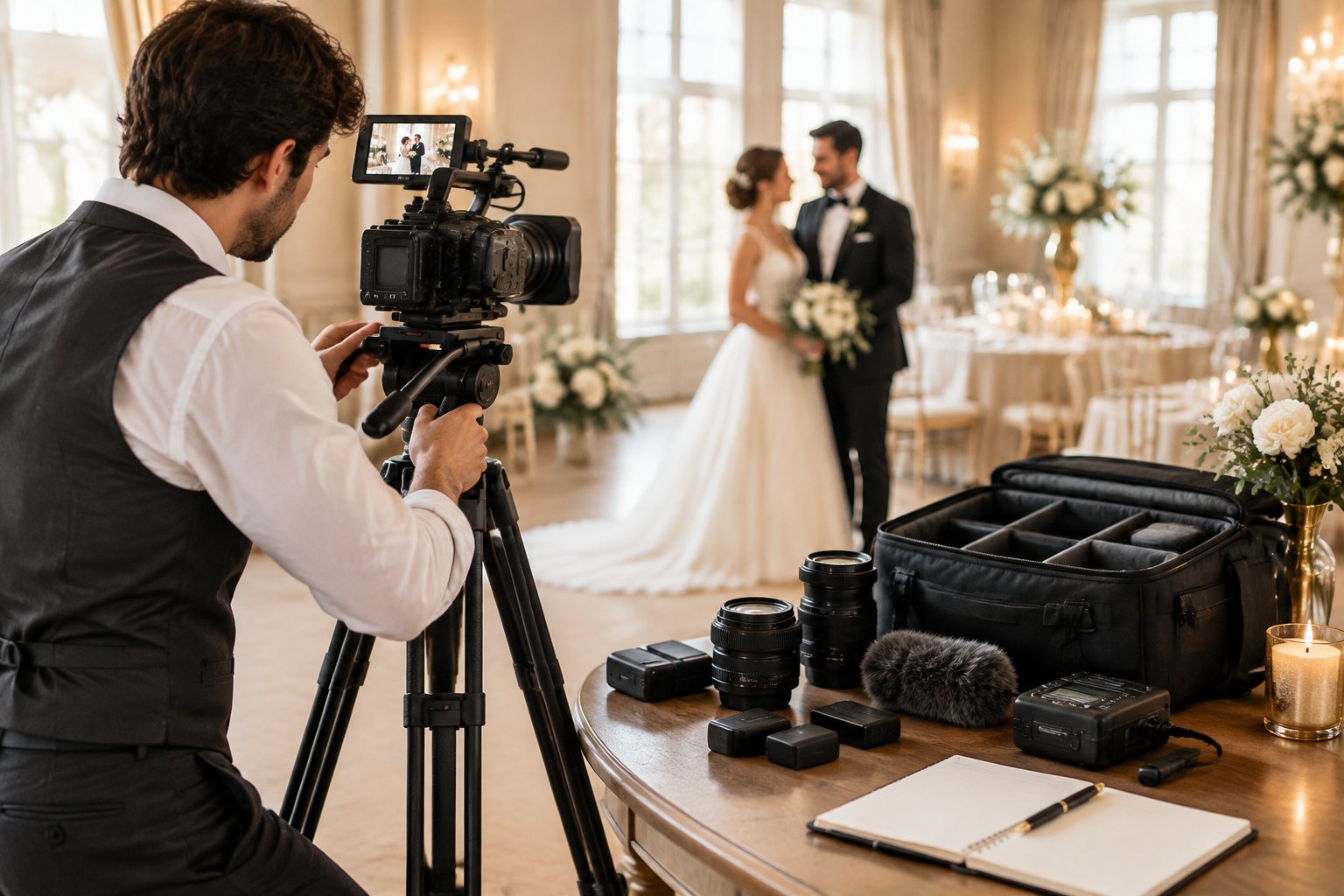
Most couples spend about $2,300 on a wedding videographer, while a broader national range of $3,200 to $4,800 reflects higher-end coverage and production. Your wedding videographer cost may fall below or above these figures as your package, region, and filming plans change.
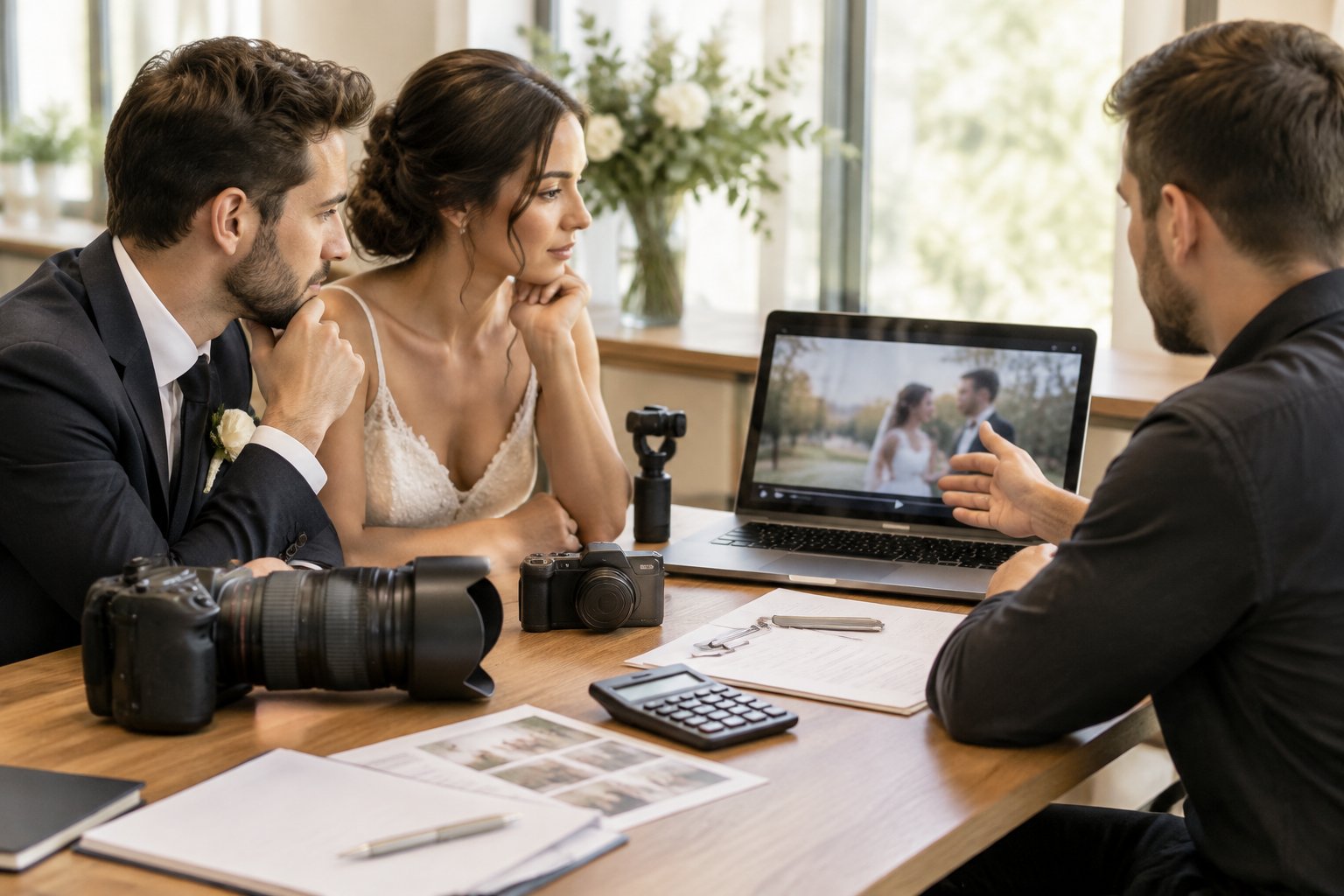
The figures reported by The Knot Real Weddings Study and the Zola Wedding Cost Index use different samples and methods, so you will see more than one national average. Use them as planning markers, then compare local quotes with matching deliverables.
Why National Averages Differ
The average wedding videographer cost reflects a wide mix of services. One couple might book four hours with one camera operator and a short highlight reel. Another might hire multiple wedding videographers for all-day coverage, complete ceremony and reception edits, drone footage, and a feature film.
The Knot Real Weddings Study reported an average cost of a wedding videographer of $2,300, with a median of $1,900. Couples in the lower spending quartile averaged $1,000, while those in the upper quartile averaged $3,300.
Zola reported a national wedding videography cost of $3,993, with most couples spending between $3,200 and $4,800. That range reflects packages with more hours, larger teams, and extensive post-production.
How Videography Fits Into a Wedding Budget
Plan for videography to take about 5% to 8% of your wedding budget. Zola places the average near 8%, though your share may change when you give more weight to photography, catering, venue costs, or entertainment.
For a $30,000 wedding budget, a starting video allowance of $1,500 to $2,400 supports basic or mid-range coverage. A $50,000 wedding budget creates room for roughly $2,500 to $4,000, which may cover longer hours, stronger audio, and more edited footage.
Write down your priority moments before reviewing wedding videography prices. If vows and speeches matter most, reserve money for professional audio and full edits. If you mainly want a short film, a smaller package may fit your wedding budget.
What Regional Pricing Looks Like
Your wedding videographer cost by region follows local demand, living expenses, travel distance, and venue access. The Knot reported regional averages of about $3,000 in the Mid-Atlantic, $2,700 in the Northeast and New England, $2,200 in the Midwest and West, and $2,100 in the South, Southeast, and Southwest.
City-level differences can be wider. Zola listed an average of about $6,091 in San Francisco and $3,005 in Salt Lake City for similar 150-guest weddings.
Ask whether travel, lodging, meals, parking, permits, and venue insurance appear in the quote. A lower base wedding video cost can rise after these items are added.
What Is Included at Each Package Level?
Wedding videography packages usually range from a short, single-shooter highlight package to a full production with multiple cameras, complete edits, and advanced post-production editing. The package level affects both the amount of footage captured and the time spent shaping your wedding film afterward.
Check coverage hours, camera operators, audio recording, edited formats, delivery timing, revision limits, and raw footage terms. A polished highlight reel may require fewer final minutes than a documentary edit, yet both involve substantial editing work.
Basic Coverage and a Highlight Reel
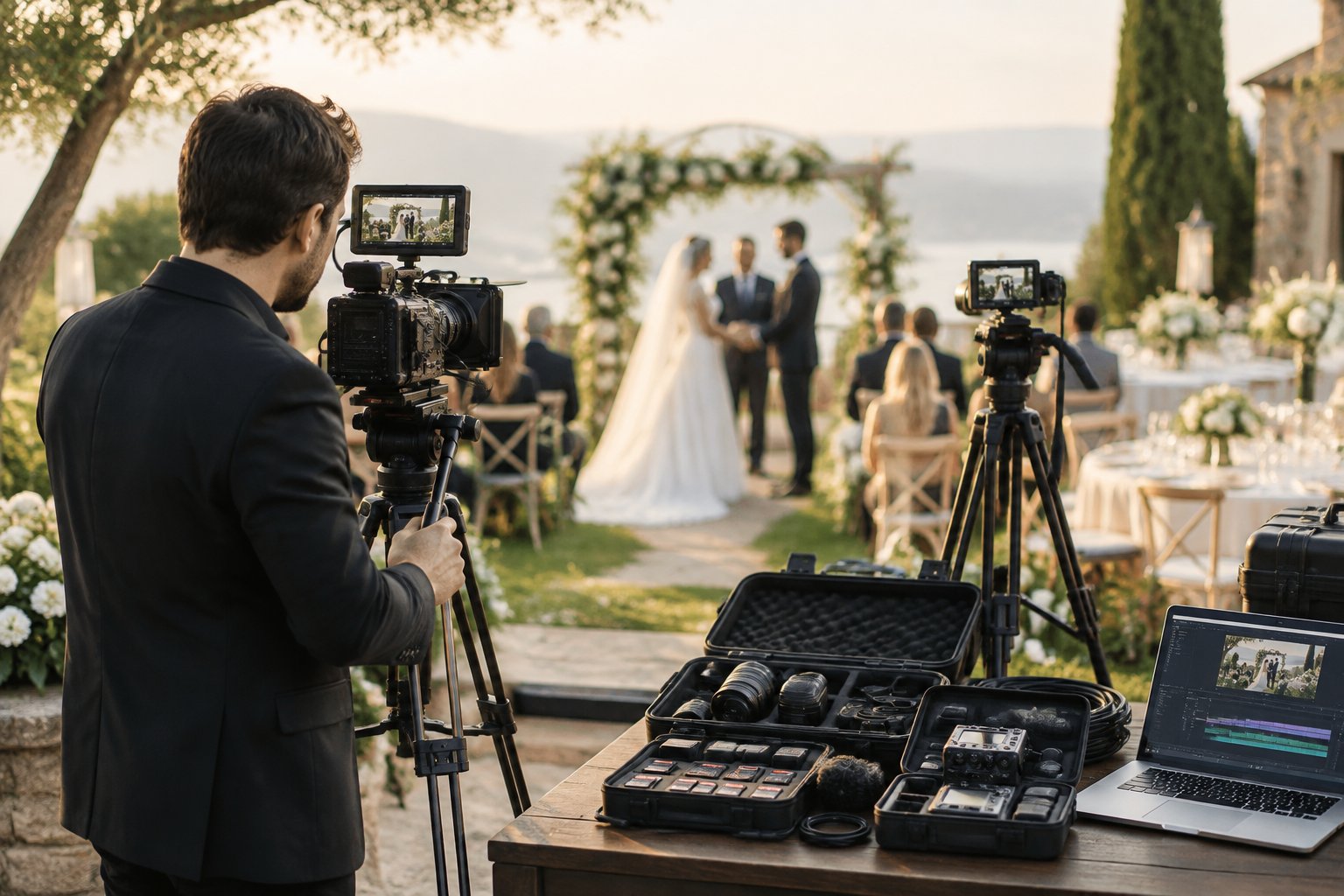
A basic wedding videography package often includes four to six hours with one videographer. Coverage may begin shortly before the ceremony and continue through selected reception events.
The main deliverable is a three- to five-minute highlight reel. You receive an edited wedding video with music, key reactions, venue details, and short clips from vows or speeches when audio is available.
Basic packages may use straightforward cuts and limited camera angles. Raw footage, drone footage, extended coverage, full ceremony edits, and additional revisions may carry separate fees. Digital delivery keeps this level near the lower end of wedding videography prices.
Standard Coverage With Ceremony and Speech Edits
A standard package commonly provides six to eight hours of coverage, with one or two videographers. It may begin during preparations and continue through dinner, speeches, dancing, or the first part of the reception.
Deliverables often include a highlight film plus a longer documentary edit. A full ceremony edit and speech edits preserve the complete spoken moments, while professional editing adds color correction, clean transitions, licensed music, and balanced sound.
This package suits you when hearing vows, readings, and toasts matters as much as seeing the short wedding film. Ask whether the ceremony and speeches use separately recorded audio and whether the files arrive as one continuous edit or separate chapters.
Premium Cinematic Productions
Premium packages often cost $4,000 to $8,000 or more. They may include eight to twelve hours, multiple videographers, cinema cameras, stabilizers, professional lighting, aerial footage, and detailed post-production.
A cinematic wedding film may run 10 to 15 minutes and combine preparations, interviews, vows, speeches, and reception scenes into a story. Some packages also include a longer feature film, social clips, raw footage, custom graphics, color grading, and a faster delivery schedule.
Ask how much creative control you receive over music, revisions, interviews, and the final length. Premium cinematic films involve more planning and editing hours, so the contract should describe each deliverable in plain language.
What Drives a Videographer’s Quote?
Coverage time, crew size, production quality, and editing workload drive most wedding videographer pricing. The number shown as a wedding videographer cost per hour describes filming time, while your quote also pays for planning, equipment, file management, editing, and delivery.
A detailed proposal helps you see which choices raise the price. Look for separate lines for overtime, travel, second shooters, special equipment, rush delivery, and extra edits.
Coverage Hours and Overtime
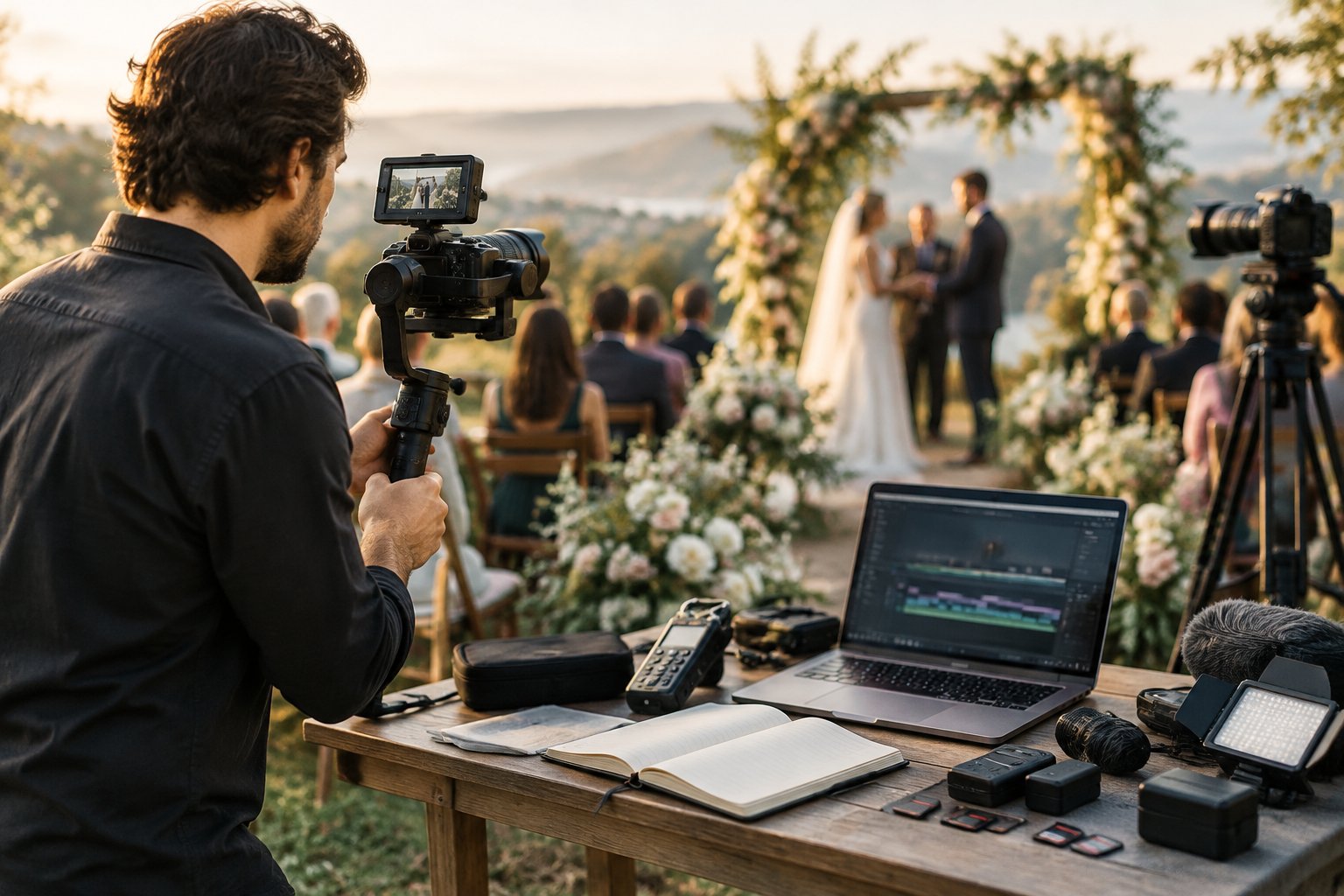
Most packages include six to ten hours of filming. Ceremony-only coverage costs less, while full-day coverage may begin with getting-ready footage and end after the final dance or exit.
Published wedding videographer rates commonly fall near $125 to $350 per hour for included or additional coverage. Overtime often costs $200 to $400 per hour, depending on the market and package.
Build a timeline with your videographer before signing. Travel between preparation sites, a long gap between events, or a late reception exit can push your schedule beyond the included hours.
One Videographer vs. a Multi-Person Team
One videographer keeps the quote lower and creates a focused shooting approach. A second shooter captures simultaneous moments, such as each partner getting ready or both reactions during the ceremony.
Adding a second shooter may cost about $400 to $800 for the day. Larger teams add labor for camera operation, audio, lighting, drone work, or live production.
Consider guest count, venue size, and your timeline. A small ceremony in one room may work well with one professional. A large wedding across several locations benefits from multiple videographers who can cover separate events.
Experience, Equipment, and Production Work
Experience affects how a videographer handles fast moments, changing light, crowded spaces, and sensitive ceremony positions. Their cinema cameras, wireless microphones, stabilization gear, backup storage, and lighting also contribute to your rate.
Post-production often takes two to three times as long as the wedding-day filming. Editors review footage, sync audio, choose music, correct color, build a story, export files, and manage revisions.
Ask to watch complete wedding videos, not only short trailers. A polished sample shows how the videographer handles long ceremonies, speeches, transitions, audio, and emotional pacing.
Travel, Venue Rules, and Date Demand
Travel fees may cover mileage, parking, lodging, meals, and travel time. Destination weddings add transportation and overnight costs, while remote venues may require special permits or insurance.
Saturday dates during peak months from May through October attract strong demand. Friday, Sunday, and off-season dates may offer more flexible pricing.
Confirm venue rules before booking. Some locations restrict tripods, drones, lighting, or filming positions. A venue walkthrough helps your team plan around these rules and prevents surprise charges.
Which Add-Ons Are Worth the Cost?
Professional audio and complete edits offer the strongest value when you want to relive spoken moments, while creative add-ons suit couples who value quick sharing or dramatic visuals. Choose extras according to how you plan to watch and share your wedding videos.
Request an itemized price for each add-on. A low-cost extra can still add editing time, special equipment, permits, or another crew member.
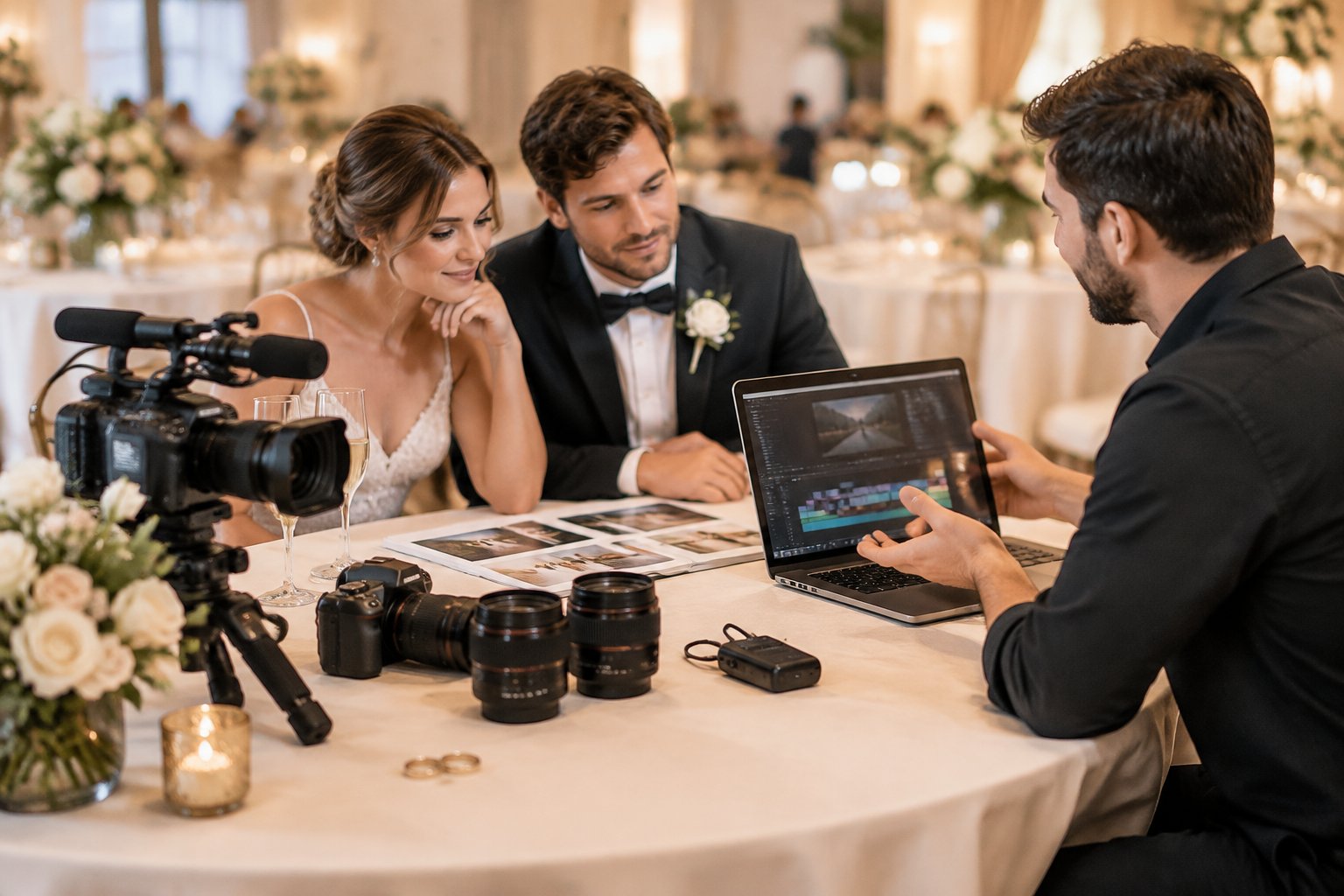
Professional Audio for Vows and Toasts
Professional audio captures vows, readings, speeches, laughter, and reactions with greater clarity. Videographers may use wireless microphones, recorders, camera microphones, and backup audio sources.
Audio mixing blends those recordings with music and room sound. This work helps your voices remain clear when the room is large, the wind is strong, or music plays nearby.
Prioritize audio if you want a full ceremony edit or documentary-style wedding film. Ask who places microphones, how audio receives backup recording, and whether audio mixing is included in the package.
Drone Coverage and Creative Film Options
Aerial drone footage adds wide views of your venue, grounds, coastline, estate, or outdoor ceremony. Drone work may cost about $200 to $600 and requires suitable weather, safe launch areas, and local compliance.
Creative options may include a cinematic wedding film, guest interviews, custom graphics, slow-motion footage, or a steadicam sequence. Each choice adds filming or post-production work.
Ask whether your venue permits drones and whether the videographer carries the needed insurance. Aerial drone footage has value when the setting contributes to your story, while a ground-based film may suit an indoor or urban celebration better.
Raw Footage and Fast-Turnaround Edits
Raw footage delivery may cost $150 to $550. These files contain unedited clips and may require significant storage, sorting, and future editing.
A same-day edit gives you a short video to show during the reception. It requires an editor working on-site or near the venue, rapid file transfers, and a carefully limited creative process.
Rush delivery also raises the price because your project moves ahead of other scheduled edits. Ask for the normal delivery window, rush fee, number of revisions, and exact file format before choosing this add-on.
Social Clips and Pre-Wedding Video
Short social clips create phone-friendly videos for sharing soon after the wedding. A wedding content creator may provide raw, immediate footage for about $500 to $999, depending on coverage and services.
A save-the-date video or love story video adds a separate filming session before the wedding. These projects may include interviews, location footage, scripted scenes, or a short announcement edit.
Social clips complement a full wedding video when you want quick posts. They serve a different purpose from professional videography, which focuses on polished storytelling, dependable audio, and long-term viewing.
How to Compare Videography Quotes and Save Money
Compare each quote by coverage, crew, audio, final films, editing, and contract terms before comparing the total price. Two packages with the same number of hours can produce very different wedding videos.
You can reduce your wedding videography pricing by choosing essential coverage hours, booking an off-season or weekday date, selecting digital delivery, and bundling photo and video when the combined terms are favorable. Keep the savings tied to priorities you have already chosen.
Compare Deliverables, Not Just Package Prices
Create a side-by-side list for every proposal. Include:
- Coverage hours and start and end times
- Number of videographers and cameras
- Ceremony and reception audio
- Highlight reel length
- Full ceremony and speech edits
- Feature film or documentary edit
- Raw footage terms
- Delivery timeline and revision rounds
- Travel, overtime, taxes, and other fees
Watch full sample films from each wedding videographer. A short trailer shows style, while a complete edit reveals audio quality, storytelling, pacing, and how the professional handles important moments.
Ask whether the quote includes the specific wedding memories you value. A lower wedding videographer cost may fit well when it includes your ceremony and speeches, even if it excludes extras such as drone footage or social clips.
When a Photographer and Videographer Bundle Makes Sense
A wedding photographer and videographer bundle may reduce planning work and create a coordinated team. Some studios offer a combined rate for wedding photography and videography, while others keep the services separate but coordinate schedules.
Ask how the team handles shared space, family portraits, first looks, ceremony positions, and reception coverage. Your photographer and videographer should know who takes priority during key moments.
Compare the bundled deliverables with separate proposals from specialists. A bundle makes sense when the style, communication, coverage, and contract meet your needs.
Keep the services separate when each professional offers a stronger portfolio or a better fit for your wedding.
Questions to Ask Before Signing a Contract
Ask these questions before you pay a deposit:
- Who will film the wedding, and how many weddings have they filmed?
- What happens if the lead videographer becomes unavailable?
- How many hours and locations does the package cover?
- What audio equipment records vows and speeches?
- Which edited videos and lengths will you receive?
- Are raw files, drone footage, social clips, or rush delivery included?
- When will you receive the preview and final wedding videos?
- How many revisions are included?
- What fees apply to overtime, travel, meals, parking, or venue requirements?
- Who owns the footage, and what personal usage rights do you receive?
Confirm the payment schedule, cancellation terms, backup plan, delivery method, and file storage period in writing. If you also book an engagement session with your photographer, coordinate the style and schedule so both vendors understand your visual preferences.