
Average Cost of a Wedding Videographer: Pricing Guide
The average cost of wedding videographer services in the United States is about $2,300, with many couples spending between $1,500 and $5,000 for professional coverage. Your final price reflects the number of hours, crew size, editing style, location, and finished wedding video you choose.
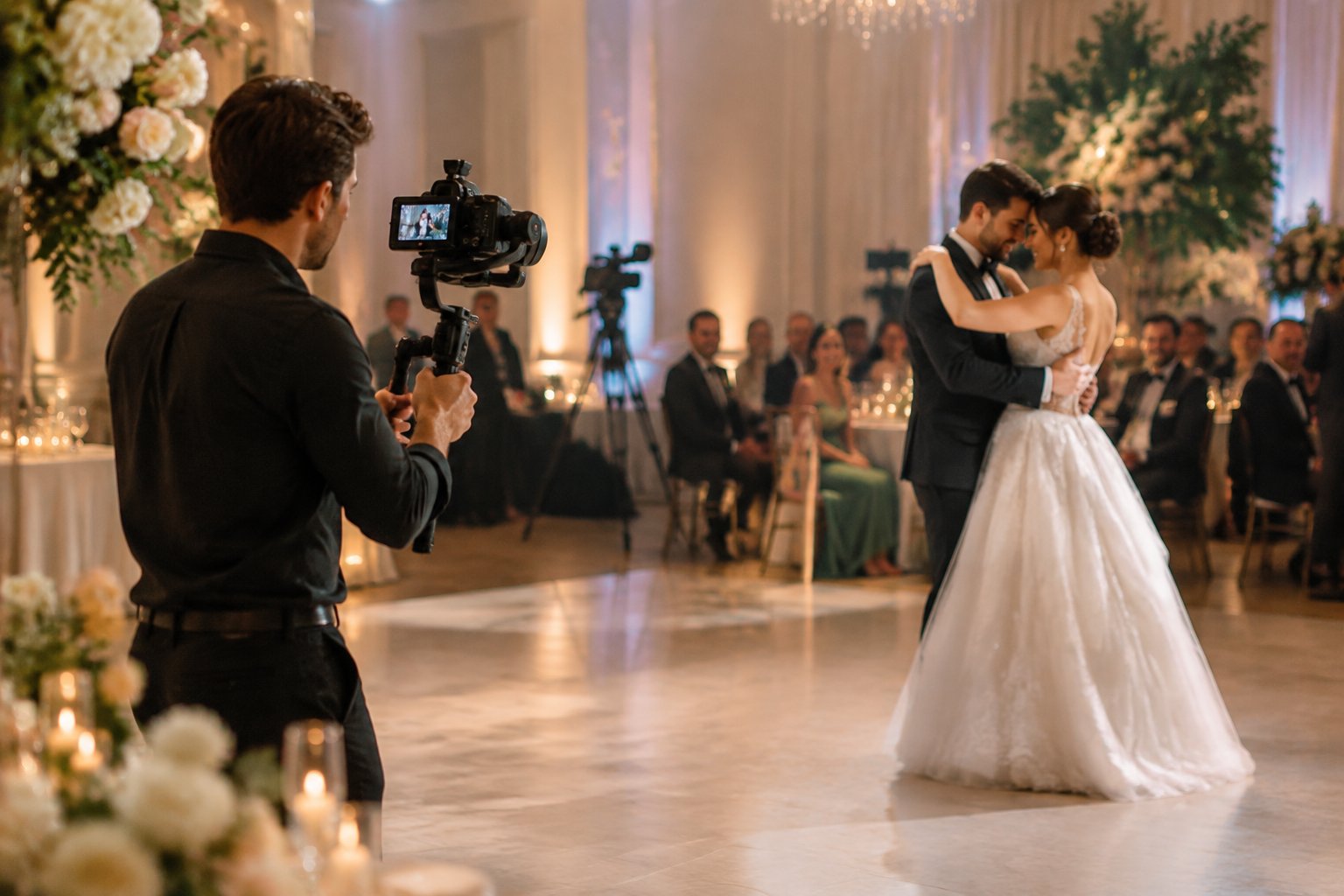
A wedding videographer preserves details that photos cannot record, including vows, toasts, laughter, music, and the way your loved ones speak. A short highlight film costs less than full ceremony and reception coverage, while a cinematic production with multiple cameras and extensive post-production sits at the higher end.
Start by deciding which memories you want to revisit and how much room your wedding budget has for them. Then request quotes that list coverage hours, deliverables, travel, editing, and delivery terms so you can compare them clearly.
What Couples Pay Nationally
The average wedding videographer cost is about $2,300 nationally, with a common spending range of roughly $1,500 to $5,000. Smaller packages can start near $800, while luxury studios in major cities can charge $10,000 or more.
Why Published Averages Differ
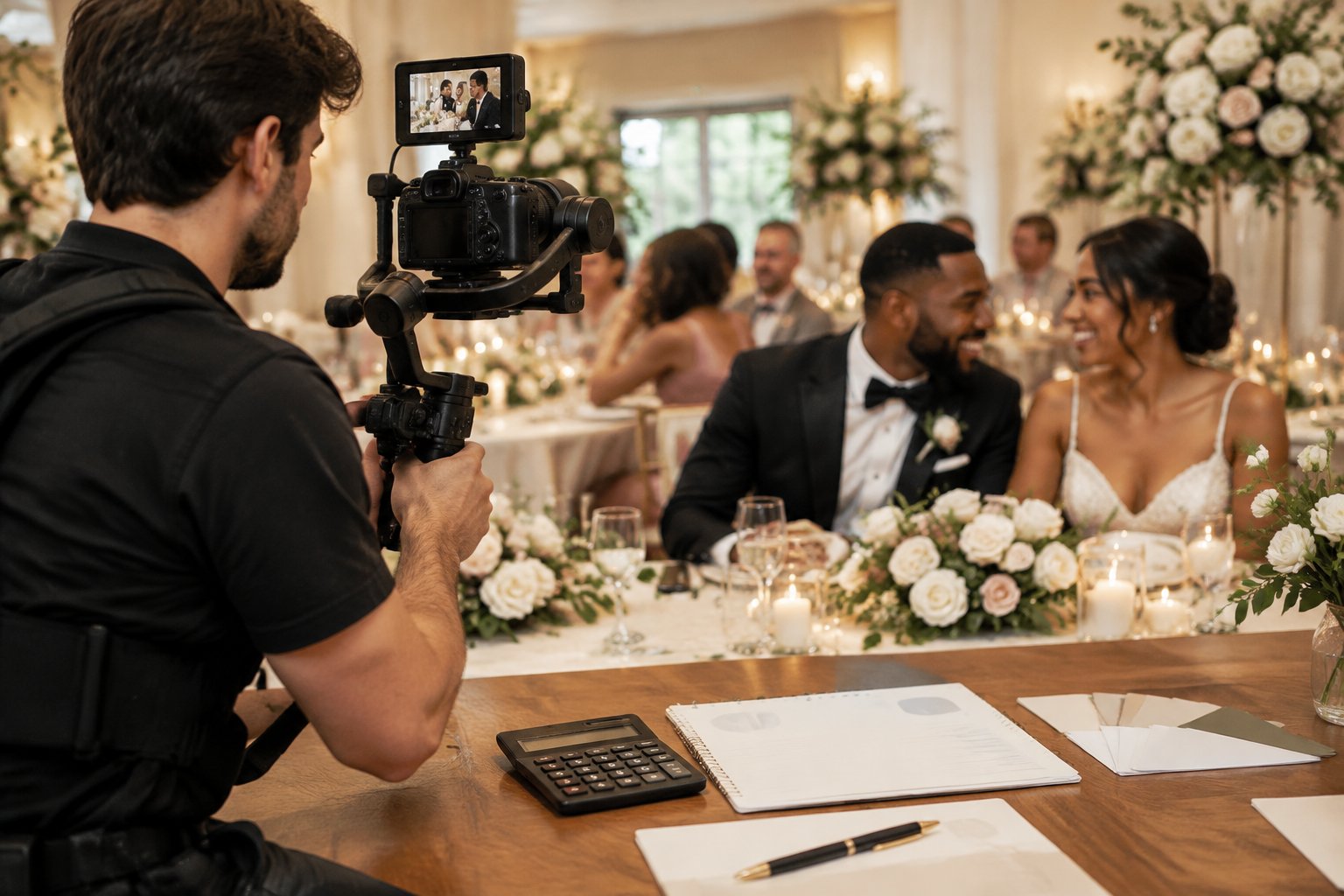
The average cost of a wedding videographer changes between studies because each source measures a different group of couples and package types. One report may include only couples who hired a professional, while another includes lower-cost freelancers, short elopement coverage, or high-end studio productions.
Median figures can provide another useful reference. A median places half of reported weddings below the figure and half above it, so it is less affected by luxury bookings.
City prices also shift the range. A wedding videographer in San Francisco, New York City, or Los Angeles may charge more than one serving a smaller market because operating costs, demand, and venue logistics differ.
Ask each videographer for a customized quote instead of treating a national average as a fixed price.
How Videography Fits Into a Wedding Budget Breakdown
Wedding videography often represents about 5% to 10% of a couple’s total wedding spending, depending on the event size and vendor mix. Your wedding budget breakdown should place video beside photography, entertainment, catering, attire, and venue costs.
If your total budget is $30,000, a $2,300 video package uses about 8% of the budget. A $4,500 package takes 15%, so you may need to reduce spending in another category.
Couples who value spoken memories may give video more room, while others may choose shorter coverage to protect funds for photography or reception costs.
What Each Package Tier Typically Includes
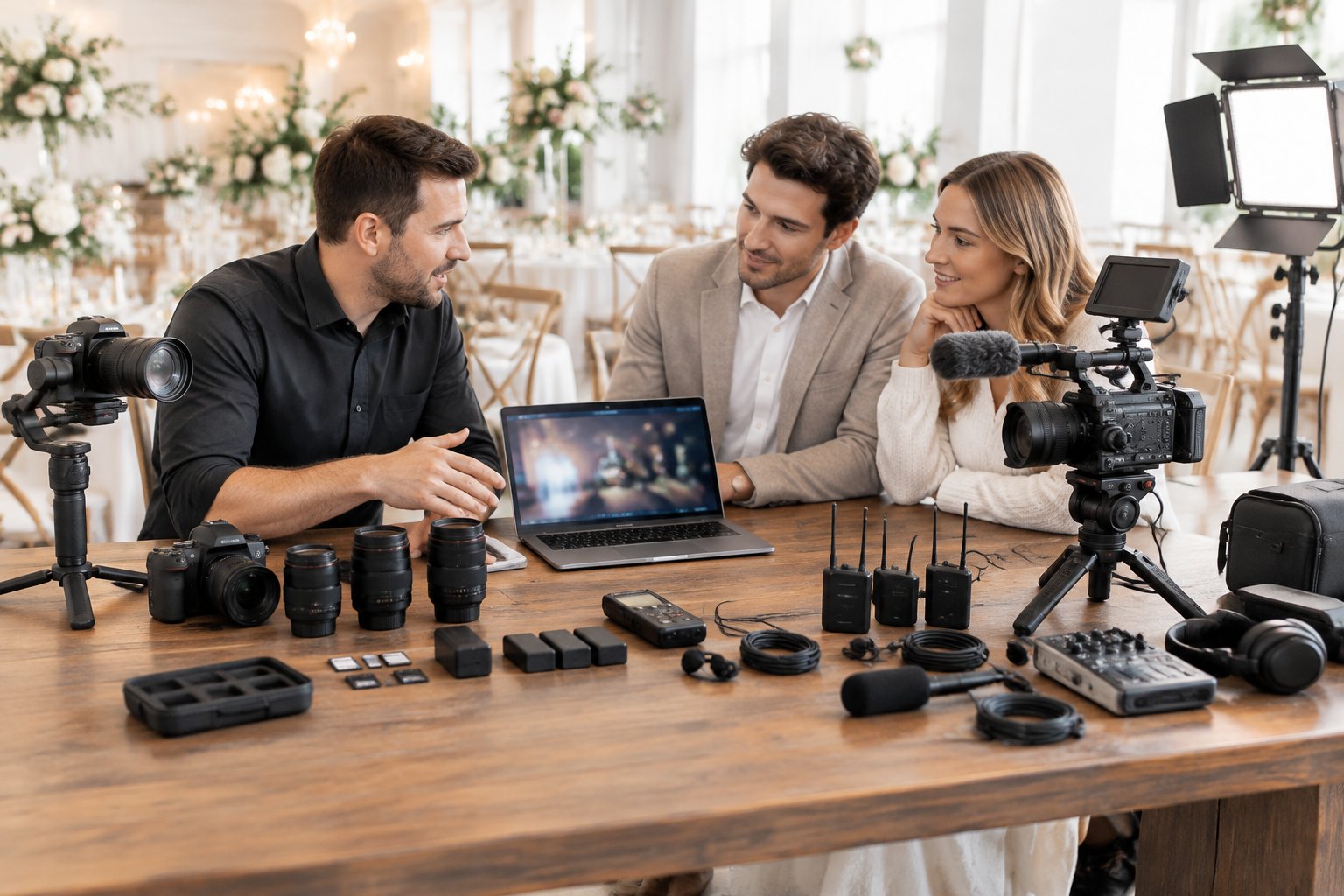
A wedding videography package usually combines a set number of coverage hours with specific films, audio work, editing, and delivery. Entry packages focus on a short highlight reel, mid-range options add full ceremony or speech edits, and premium productions bring more crew and cinematic detail.
Basic Coverage and Highlight-Only Packages
A basic wedding videography package often costs $800 to $2,000. You may receive four to six hours of coverage from one videographer, a three-to-five-minute highlight reel, basic color correction, and digital delivery.
This tier suits an elopement, courthouse ceremony, micro-wedding, or couple focused on a short wedding film. Coverage may begin at the ceremony and end after portraits or the first part of the reception.
Review the schedule carefully so you know which moments fall outside the booked window.
Ask whether the highlight reel uses recorded vows and speeches. Some highlight reels rely mostly on music, while others include natural audio from your wedding day.
Standard Packages With Full Ceremony Coverage
A standard wedding video package often falls between $2,000 and $5,000. Coverage may run eight to ten hours and include getting-ready footage, the ceremony, portraits, reception events, a highlight film, and a ceremony edit.
Some wedding videography packages include a full reception edit or separate speech recordings. Check whether the videographer records continuous audio for vows, readings, toasts, and first dances.
These files require careful microphone placement and editing. This tier works for couples who want a fuller record of the day while keeping the wedding video cost within a mid-range budget.
Premium Cinematic Productions
Premium wedding video packages start near $5,000 and can reach $10,000 or more. They may include two or three videographers, full-day coverage, advanced color grading, drone footage where permitted, custom music licensing, and a longer cinematic feature.
You may also receive a teaser, highlight reel, ceremony film, reception edit, and multiple revision rounds. The editing process takes substantial time because the team reviews hours of footage, synchronizes audio, builds a story, and refines the final look.
Confirm which premium features you will use. A cinematic feature offers a richer viewing experience, while a full ceremony film gives you complete vows and readings for future anniversaries.
What Drives Your Final Quote
Your wedding videographer pricing depends most on coverage time, crew size, travel, production complexity, and the amount of post-production editing required. Two quotes with the same number of hours can differ widely when one includes a second shooter, raw footage, or a longer edited wedding video.
Coverage Hours and Wedding-Day Timeline
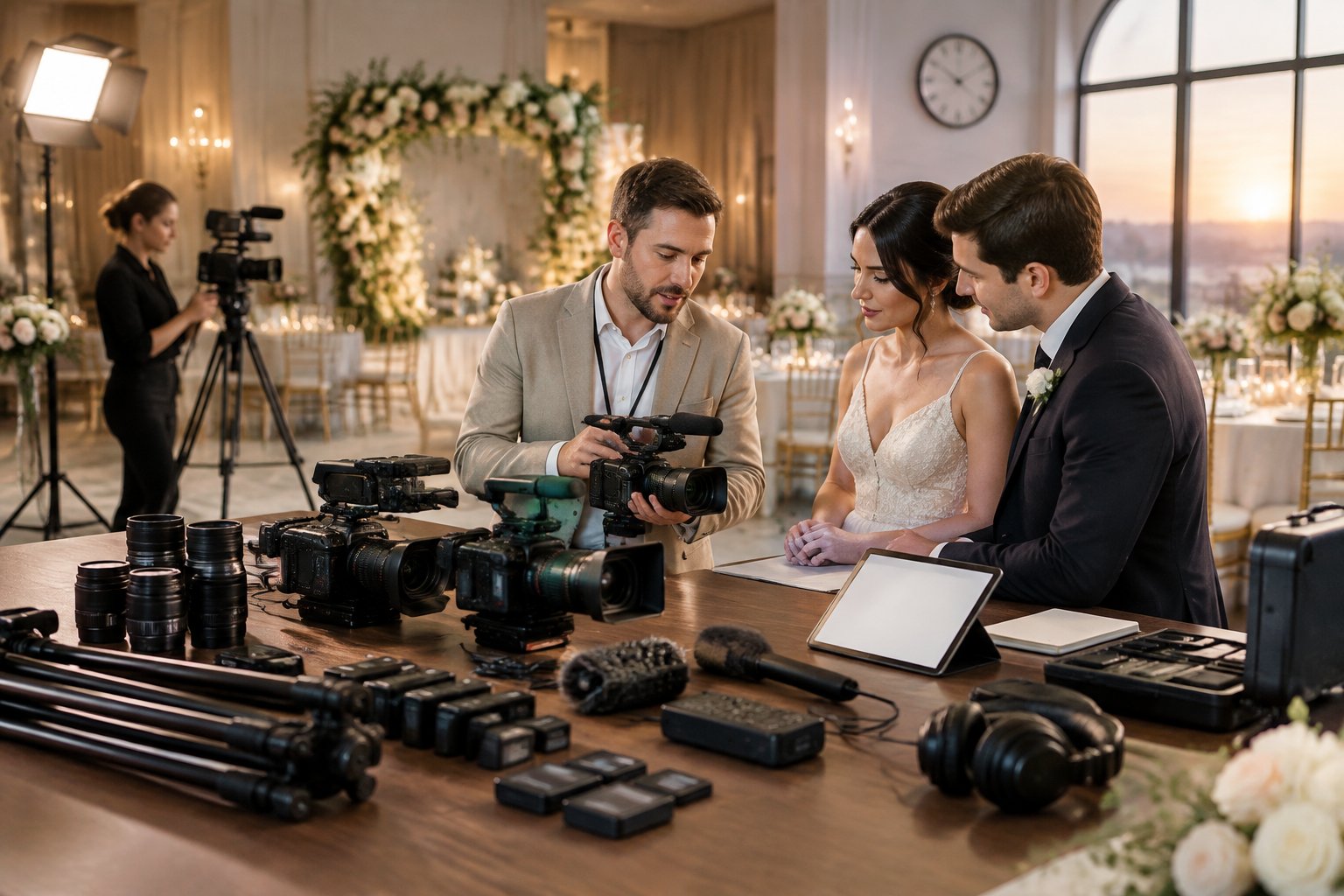
Coverage hours form the base of your wedding videographer rates. A short booking may capture the ceremony and portraits, while eight to ten hours can span getting-ready footage through the first dances.
Ask for the exact start and end time in the contract. Additional hours may be priced at a flat rate or by the wedding videographer cost per hour.
A timeline with separate preparation locations may require extra travel time and a longer booking. Share your schedule before requesting a quote so your videographer can recommend enough coverage to include the moments you care about.
One Videographer vs. a Two-Person Team
A second shooter or second videographer raises the price because you are paying for another professional, camera setup, media storage, and additional editing options. A single-camera coverage plan gives you one main viewpoint and works well for smaller weddings with a simple layout.
Two-person coverage helps when preparation takes place in separate rooms, both partners get ready at different locations, or the ceremony and cocktail hour overlap. Multiple angles also create more choices during editing, especially for vows, reactions, and speeches.
Ask whether the second shooter stays for the entire booking or joins only during the ceremony and reception.
Location, Travel, and Destination Logistics
Your wedding location affects pricing through local demand, venue rules, parking, lodging, and travel time. Travel fees may cover mileage, flights, hotels, meals, tolls, or a required travel day.
A destination wedding adds planning for transportation, equipment handling, insurance, and local filming rules. Drone footage may require venue approval and compliance with aviation regulations.
Some venues also charge media fees or limit where cameras can stand. Request a written travel estimate and ask whether it includes taxes, lodging, parking, and overtime.
Post-Production Work and Film Deliverables
Post-production editing often takes more time than filming. Your quote may include color correction, audio mixing, music licensing, story editing, captions, raw footage, or a same-day edit.
Raw footage gives you an archive of unedited camera files, while an edited film turns selected moments into a watchable story. A same-day edit requires a separate editor or a fast production workflow, so it carries a higher price.
Ask how many revision rounds are included, who performs the post-production editing, and how long delivery takes. Many final films arrive within eight to sixteen weeks, though your contract should state the exact window.
How to Compare Wedding Videography Packages
Compare wedding videography packages by matching coverage, finished films, audio quality, portfolio quality, and contract terms. A lower quote has limited value if it omits the ceremony edit or delivers a style you will not enjoy watching.

Choose the Deliverables You Will Actually Rewatch
List the finished videos you want before comparing prices. A highlight reel works well for sharing with family and friends, while a ceremony film preserves your vows, readings, and processional in full.
You might also want a longer cinematic feature, full reception speeches, a teaser for social media, or a save-the-date video. Each deliverable adds editing time and storage needs.
Choose the files that fit your viewing habits and skip extras that do not serve a clear purpose. Ask whether digital delivery includes high-resolution files, an online gallery, downloadable copies, and long-term access.
Review Portfolio Quality and Audio Samples
Portfolio quality shows how a wedding videographer handles lighting, movement, pacing, skin tones, and sound. Watch complete films on the videographer’s website or Vimeo when available, since a short highlight reel shows only the most polished moments.
Pay close attention to vows and speeches. Voices should sound clear, balanced, and natural beneath the music.
Review a wedding filmed in a venue with lighting and crowd conditions similar to yours. If you are booking wedding photography and videography together, watch work from both the wedding photographer and videographer.
Ask how the team coordinates movement so cameras do not block important moments.
Confirm Delivery, Rights, and Turnaround Terms
Your contract should identify the delivery deadline, included revision rounds, music licensing, cancellation terms, payment schedule, and ownership or viewing rights. Confirm whether you can download, share, and post the finished wedding video.
Ask how long your files remain available online and whether raw footage costs extra. Some studios provide a teaser within weeks while delivering the full film several months later.
Discuss an engagement session if you want to test communication and receive an additional short film. The session also gives you a chance to see how the videographer directs movement before your wedding day.
Ways to Keep Video Costs Within Budget
You can control wedding videographer cost by shortening coverage, choosing fewer deliverables, and limiting add-ons that do not support your main memories. A focused package can preserve your ceremony, vows, speeches, and key reception moments without paying for a full production day.
Prioritize Essential Moments Over Extra Hours
Build your timeline around the moments you want preserved. If preparation footage is less important to you, start coverage before the ceremony and keep the team through the first dances and toasts.
A shorter booking can reduce wedding videography pricing while retaining the emotional parts of the day. Ask whether your videographer offers custom hourly extensions, since adding two hours may cost less than moving to a higher package tier.
Provide a detailed schedule so the team spends paid time filming the moments you selected.
Decide Whether Add-Ons Are Worth It
Add-ons such as drone footage, raw footage, and a same-day edit can raise your wedding videographer cost quickly. Drone footage creates wide venue views when weather, airspace, and venue permissions allow it.
Raw footage provides a complete archive, while a same-day edit gives you a short film during the reception. Rank extras by how often you expect to watch or use them.
Put the money toward full ceremony audio or a second videographer if those options protect memories you consider essential.
Consider a Photo and Video Bundle or Content Creator
A wedding photography and videography bundle may reduce the combined price when one studio provides both services. Ask whether the same team handles scheduling, editing, and delivery, and review complete examples from each service before booking.
A wedding content creator offers short, social-ready clips, often recorded for rapid sharing. This service complements a professional wedding videographer when you want behind-the-scenes phone footage or quick vertical videos.
It does not replace a polished highlight reel, ceremony edit, or cinematic wedding film. Compare the combined quote with separate vendors and check whether travel, overtime, music licensing, and digital delivery appear in the listed price.